

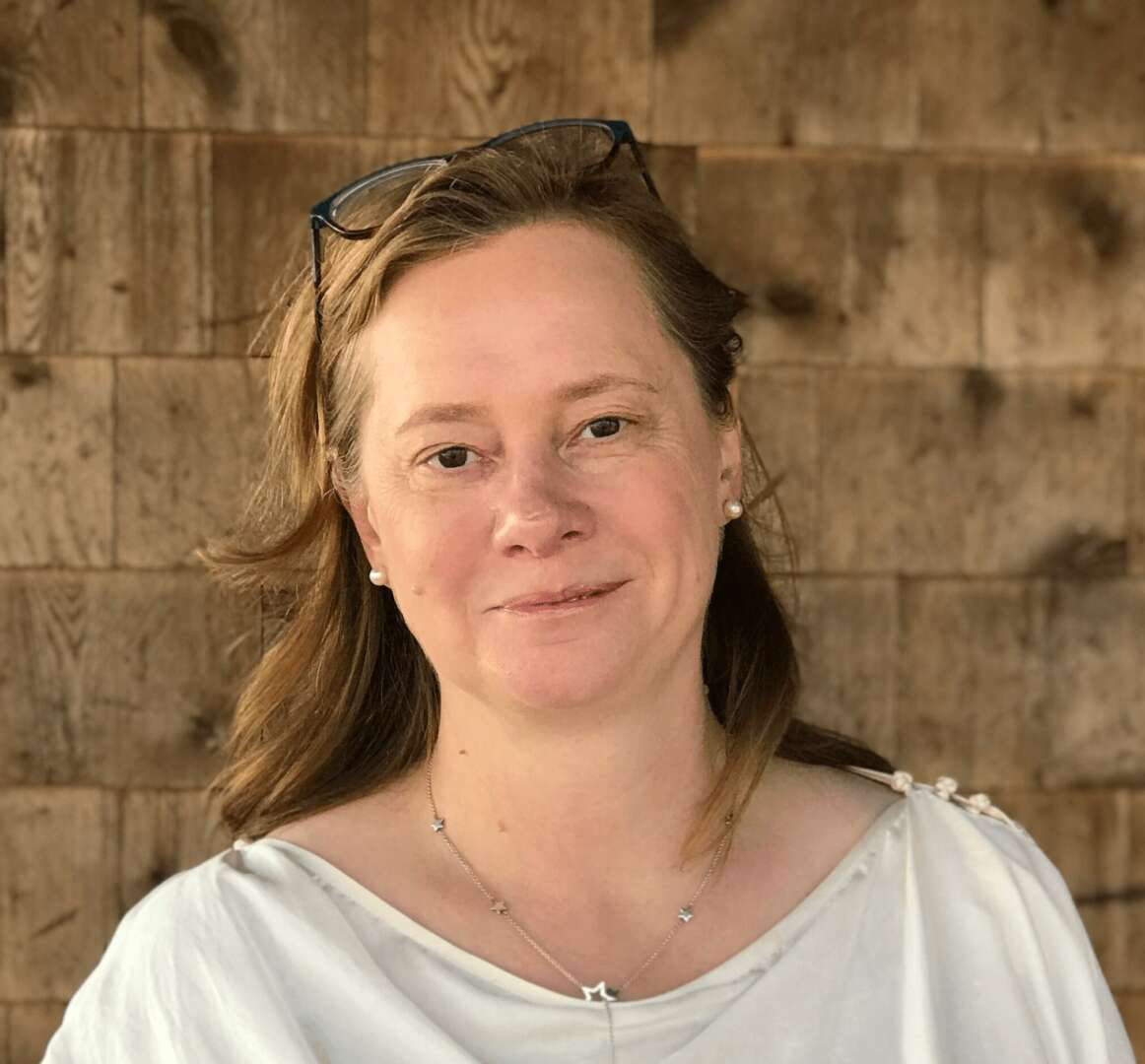

Alright – so today we’ve got the honor of introducing you to Sophie Romana. We think you’ll enjoy our conversation, we’ve shared it below.
Sophie, looking forward to hearing all of your stories today. Parents can play a significant role in affecting how our lives and careers turn out – and so we think it’s important to look back and have conversations about what our parents did that affected us positive (or negatively) so that we can learn from the billions of experiences in each generation. What’s something you feel your parents did right that impacted you positively.
My mother was American and my father French — they met in Cincinnati in the early 60’s and then moved to Paris. I grew up in a bi-cultural household which was much more unusual in the 70’s than it is now. We would call my grandmother in the US and the other in Tunisia once a month on a given day at a specific hour because long distance calls were super expensive. Very early on, I looked into an Atlas to understand where they both lived. And that gave me a sense that the world belonged to me. That it is easy to hop from a place to another. My first two international flights were to go visit my grandmothers, first in Tunis and then in Cincinnati, all before I was 8 years old. So in essence what my parents did right is to give me the gift of curiosity and the world to play with. Pretty cool! I knew very early on that I wanted to worked internationally — the word gives me chills — learn about other cultures, ways of life, food, history but I also knew I wanted to be useful.
Sophie, before we move on to more of these sorts of questions, can you take some time to bring our readers up to speed on you and what you do?
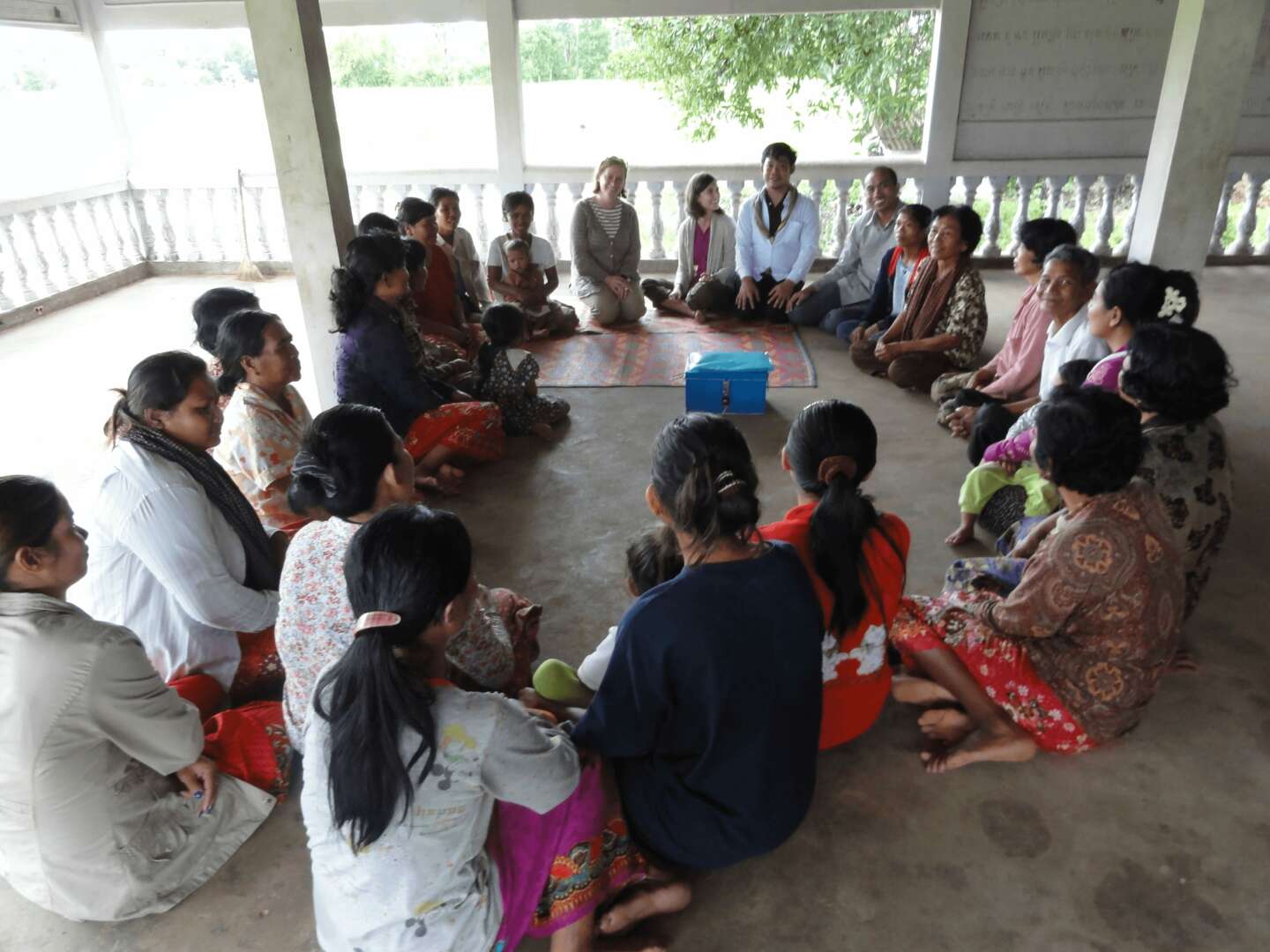
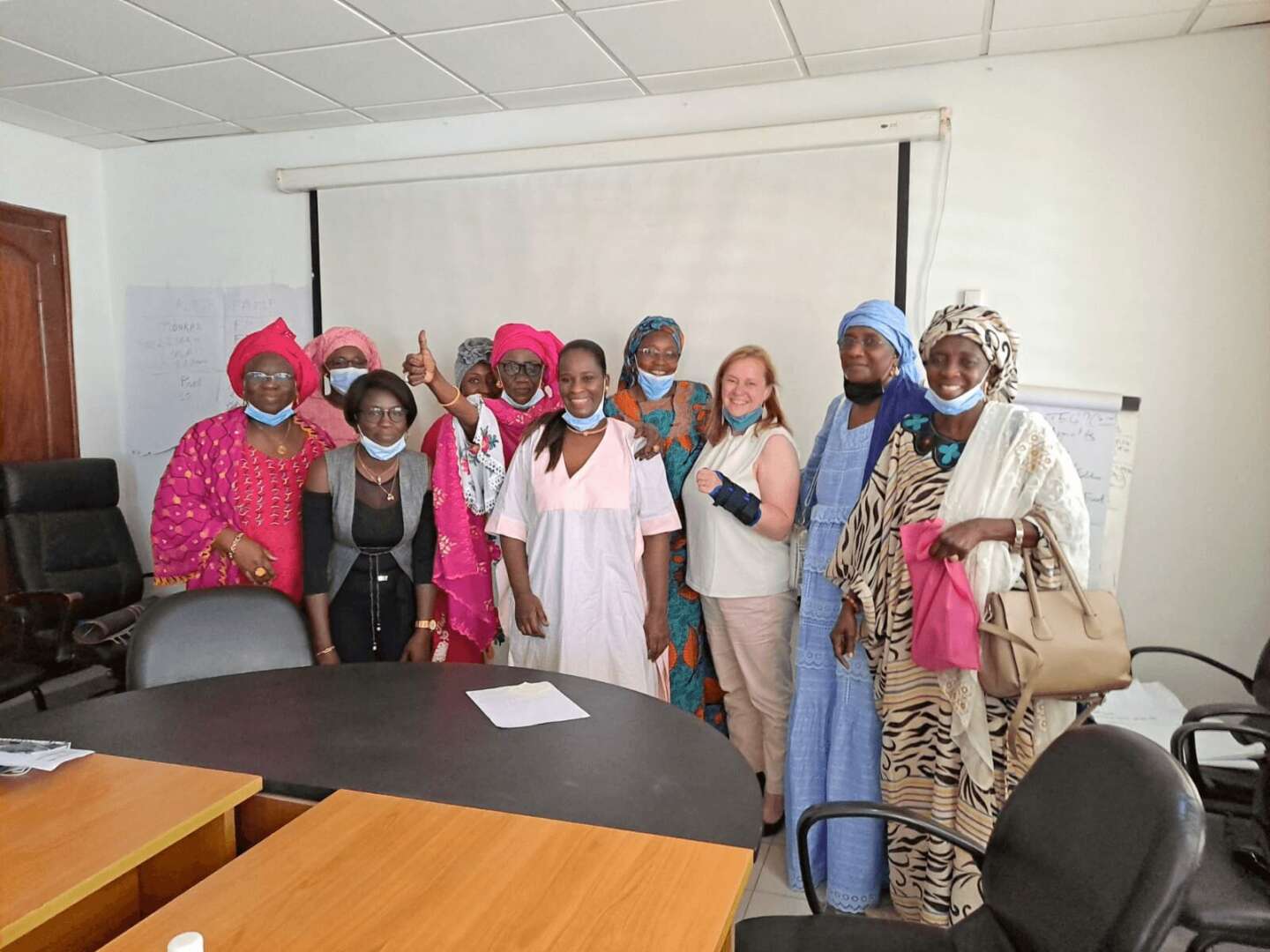
I work on women’s rights, especially economic ones, as the founder of Althaë Strategy. I work with banks and other financial players to bring more financial resources to women entrepreneurs in developing economies. I first started working in the larger field of international development in France when I worked for a small non. profit that sent me to help kids in Rwanda a few months after the end of the genocide. I caught the bug and kept working internationally almost ever since, except for a stint in private equity to better understand what money is. With Althaë Strategy, I focus on women almost exclusively: projects include working with commercial banks to update their product and service offering to women entrepreneurs; doing market research for multilateral organizations like the World Bank’s International Finance Corporation, UN Agencies, International public banks and country aid agencies like USAID. I love the work I do because it has a direct impact on women’s access to money. I have met so many ambitious, talented women who did not get a chance to grow their businesses because they are women.
As a side gig, I created a network of local entrepreneurs, post-pandemic, so that we could help each other problem solve whatever was going on with our business. My favorite moment was when 5 of us met in my house for a Strategic bootcamp: mostly giving each other the space to think about where we want to go with our companies: grow, partner, sell? The most challenging thing about being an entrepreneur is making time to think strategically and having partners to do that with who understand what building a business means.
How about pivoting – can you share the story of a time you’ve had to pivot?
A few months after we moved to Maine with my husband, I lost my job. I was shell-shocked and for a few months paralyzed to the point of barely being able to look for work. Instead I was cooking and baking a lot, especially dog biscuits. One day, I am on the treadmill, listening to a podcast which message was “all you need to do to start your business is $100 and a website.” I came home from the gym and told my husband “I am starting an organic dog-biscuit company”. Mind you, a year earlier I was negotiating recommendations for women’s rights at UN Summit in Dubaï…and here I am baking dog biscuits. I set up a website, created 4 flavors of treats, researched compostable package, got a place at the local deli to sell my biscuits, I was working on a plan to scale up production (a massive massive hurdle in rural America…) and use the biscuits as a hook to create the Facebook for doggos. Total lack of ambition, right? At the same time, I was asked to work as a consultant on a few projects with former colleagues who had been wondering why I was not back in the saddle of women’s rights. Little by little, I started having more contracts, so much so that it became evident that I needed to incorporate my business so I could get more control over work and a stronger voice in the community. But what Castine & Compagnie – the dog biscuit business – did for me was give me the confidence to be an entrepreneur. To be honest I love building the business, somedays even more than doing the work!
How’d you build such a strong reputation within your market?
I think three things: passion, honesty and creativity. I am passionate about using capital markets and financial tools to make the world a fairer place for women entrepreneurs. Often, when I visit projects and clients, I get to sit down with women, under a mango tree, in the courtyard of a farm, in the lobby of a bank, to talk. We talk about our husbands, our childrend, our dreams for them and for us, our frustrations, our hopes. It is the most energizing part of my work. I carry them with me and every day I try to make things better for them. Honesty is essential in building trust and strong relationships, sometimes it is hard to talk “truth to power”, it’s daunting, and necessary. Honesty helps me own my mistakes, and move on, so it’s my second superpower. My last one is creativity: working on big difficult problems — my work with women entrepreneurs is not just about getting them access to capital and financing, ultimately, it’s about tackling poverty. So it’s complicated and to win, we need to be creative because there is not enough political will to fund the solutions that work on a massive scale. We also have to be creative because women are not taken seriously as entrepreneurs. I am often asked to “Show the business case for investing in women” when I am still looking for the business in case to invest in men! Creativity is my last super power. Altogether, these three powers have helped me build innovative, impactful solutions. They help me deliver solid performances. Good work and integrity are key to having a strong reputation.
Contact Info:
- Website: https://www.althaestrategy.com
- Linkedin: https://www.linkedin.com/in/sophie-romana
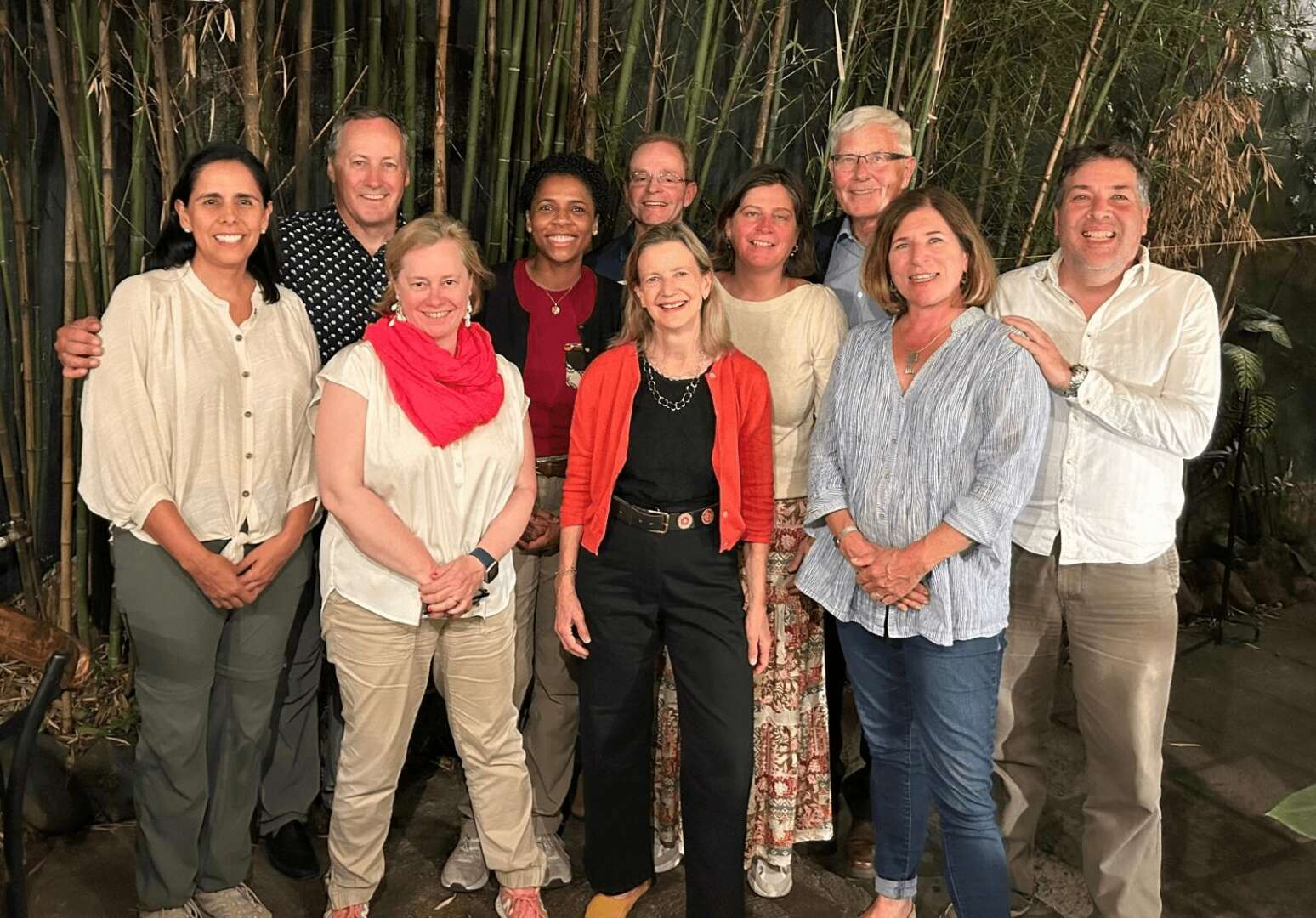
Image Credits
Credit: Sophie Romana (Senegal, Ethiopia) and Root Capital (Board visit, Guatemala)