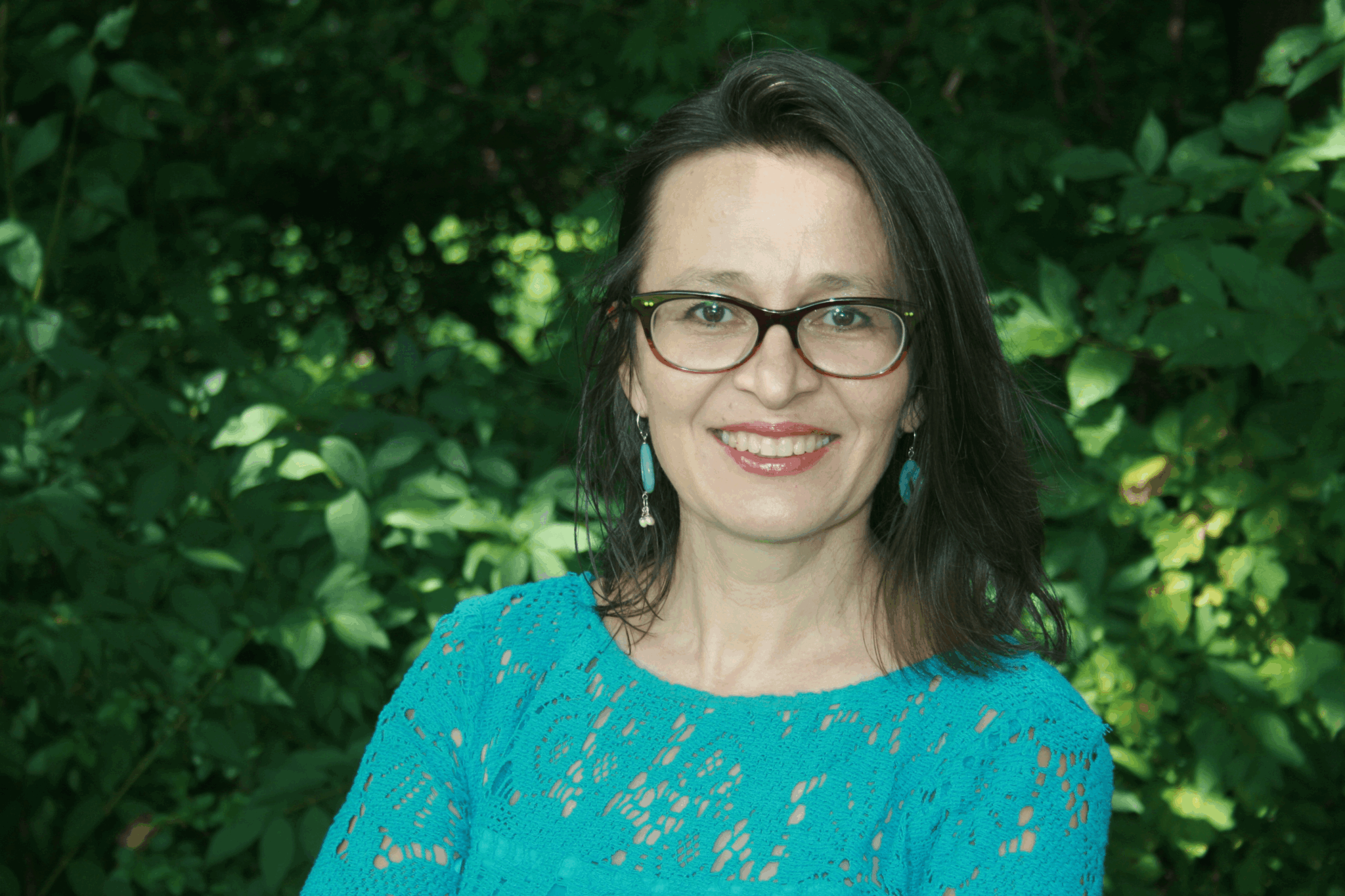
We were lucky to catch up with Solveiga Jaskunas recently and have shared our conversation below.
Solveiga, appreciate you joining us today. Can you talk to us about serving the underserved.
As an immigrant to the United States, I overcame language barriers and numerous rejections before climbing the HR ladder to senior leadership roles. My journey motivated me to mentor fellow immigrants and to start my own consultancy, which focuses on professional coaching, outplacement services, and diversity training. My passion lies in helping immigrants thrive professionally in the United States, and in working with employers to make their workplace culture more inclusive. My consultancy focuses on HR consulting, career coaching, training, speaking, and network referral services for organizations and individuals.
My story has reached a broader audience through speaking engagements domestically and internationally, in which I has share my personal journey, offering hope and encouragement to other immigrant professionals. Just a year ago, posting videos, speaking at conferences, or writing on social media was not my thing. The change of perspective from ‘it’s not for me’ to ‘why not for me?’ changed everything.
Now I hope to partner with organizations to facilitate conversations about the value of diversity, especially as it pertains to employees from other countries, whose voices often go unheard. As an immigrant, I hope to bring a perspective and catalyze conversations that benefit everyone.
I have mentored people from all walks of life, including professionals from around the world, refugees, immigrants, homeless children, and high-risk youth. They have helped me see the world in new ways. Although I am not a perfect speaker myself, I want to use my voice to address gaps in organizations and to speak for those who have trouble speaking for themselves.

Awesome – so before we get into the rest of our questions, can you briefly introduce yourself to our readers.
My name is Solveiga. ‘Sol’ means ‘Sun’, and ‘veig’ means ‘path’. I believe my name represents who I am. I love to light up the paths my clients take. My passion lies in helping immigrants thrive professionally in the United States, and in working with employers to make their workplace culture more inclusive. I guide through Compassion, Hope, and Vulnerability. I never sought speaking opportunities, but they have come my way through my passion for helping others. Although I am not a perfect speaker, I want to use my voice to speak for those who have trouble speaking for themselves. As an immigrant, I hope to catalyze conversations that benefit everyone. I want to change a negative story that exists about immigrants. Here’s my perspective on this:
“You don’t look like an immigrant!”
“Why do you call yourself an immigrant when Americans who live abroad call themselves ‘expatriates’?”
“You don’t fit the image of immigrants in America!”
These are some of the comments I received after I spoke out about how my experience as an immigrant to the U.S. has shaped me as a professional.
What’s wrong with this word: immigrant’? Why be ashamed of it? As someone who has mentored immigrants from every continent except Australia, I can tell you that I don’t know what an immigrant is supposed to look like. No stereotype can capture the incredible diversity of experiences and qualities that immigrants from around the world bring to this country.
It’s true, though, that even if immigrants come from different places and different cultures, we can often relate with each other’s experiences. Many of us know what it’s like to leave behind everything that we love and we’re familiar with and start fresh in a new country. Many of us know what it’s like to accept an entry-level, service-sector job–even though we may have advanced degrees. And many of us know what it’s like to think that with our “broken English”, we’ll never have the same opportunities as others.
But here’s the thing: if the immigrant experience doesn’t break you, it will make you stronger. It will empower you. I’ve risen to leadership roles in HR, have been selected for a SHRM Senior Leadership program, and have started my own consultancy. Now when I coach other immigrants, their stories, dreams and frustrations resonate with mine. I can see their potential, their resilience and their ability to achieve their dreams no matter what.
I don’t see ‘immigrant’ as an unwelcome label. I value my experience as an immigrant as it helped me to grow and allowed me to help others better. I’ve learned that to bring confidence to others, we need to know how to rebuild it within ourselves. To bring hope to others, we need to understand what it’s like not to have any hope. And to bring strength to others, we must know what it takes to find strength within ourselves.
I know who I am, I know what I stand for, I know my value, and I’m proud to call myself as an immigrant.
Can you share a story from your journey that illustrates your resilience?
When I came to the USA more than ten years ago, I didn’t know if I ever could have a professional career in HR. So many of my friends and family members told me that I should do something else where English language skills are not as crucial as in HR. Still, I decided to try to establish myself in the field.
Of course, it was hard. I had so many interviews and so many rejections. I had so many short interviews that lasted for a few minutes, and this experience hurt me so much more than not getting a job, but I didn’t give up. I understood something about what it means to be disabled, as having a language barrier made me feel like I had a disability for so many years.
Now, I know that even though language skills are important, there are so many more important factors to succeed in HR, as in any other professional field. Being an immigrant has been the hardest and the most rewarding experience as I learned about myself and I could relate better to others. I became more sensitive to others and became stronger myself.
Recently, I’ve had amazing experiences mentoring other immigrants. One of them was accepted to Harvard University, Another started her first job in the education field in the USA and started her studies at Georgetown University, a third one found an internship and joined the Toastmaster’s Club despite her fear of public speaking. I know that these are just first steps that those amazing students will take in their careers but being part of that experience was so rewarding for me.
My passion lies in coaching immigrant professionals and in helping employers to make their workplaces more inclusive. My story has reached a broader audience through speaking engagements domestically and internationally. My recent speaking event at the Expat Women Event reached participants from 60 countries and at the Global HR Summit reached attendees from more than 50 countries .
How did you build your audience on social media?
More than a year ago, I’ve made a promise to myself to challenge myself by not shying away from difficulty and discomfort. I’ve learned a lot, discovering new strengths I never knew I had. I’ve learned to step into the light and speak my mind openly in the service of others. None of this would have been possible without my mentors, who have encouraged me along the way..
One important step I took was to update my LinkedIn page, per a conversation with a mentor. I decided to use bold words for bold moves. My profile now states that I am: “An Immigrant Voice in HR I The Power of Compassion, Hope, and Vulnerability is how I Mentor | Career Coach I Speaker I Connector”.
After my first few podcasts, people asked me to keep speaking and be a voice for them. I did so, and I was recently featured in Security Magazine, as one of three leaders with distinct LinkedIn communication styles.
The advice I’ll give for others: be bold and be you. It’s better to be hired for who you are not for who you’re not.
Contact Info:
- Facebook: https://www.facebook.com/profile.php?id=61556601744999
- Linkedin: https://www.linkedin.com/in/solveigajaskunas/