We caught up with the brilliant and insightful Sofiya Bokareva a few weeks ago and have shared our conversation below.
Sofiya, looking forward to hearing all of your stories today. We’d love to hear about a project that you’ve worked on that’s meant a lot to you.
Being an Associate Director at Art-Prime gives me the unique opportunity to create and interact with amazing projects on a regular basis, and I am happy to work on each one. Art-Prime works on art projects at the intersection of science, music, culture, and religion, as well as projects that advocate for human rights and justice through art.
I can say that one of the most significant projects I have ever worked on is The Prisoner Project, which the Art-Prime team and I are working on right now.
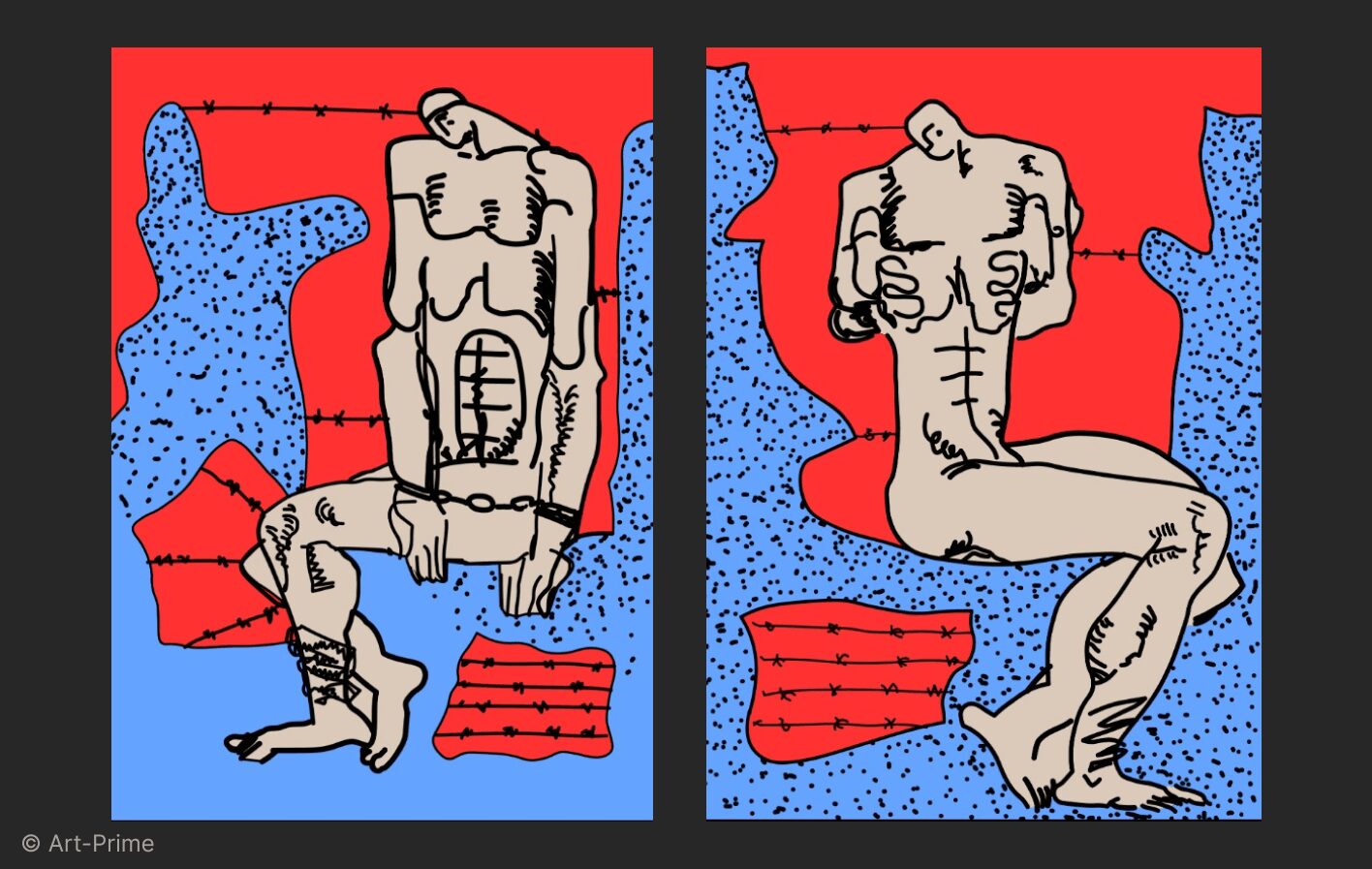
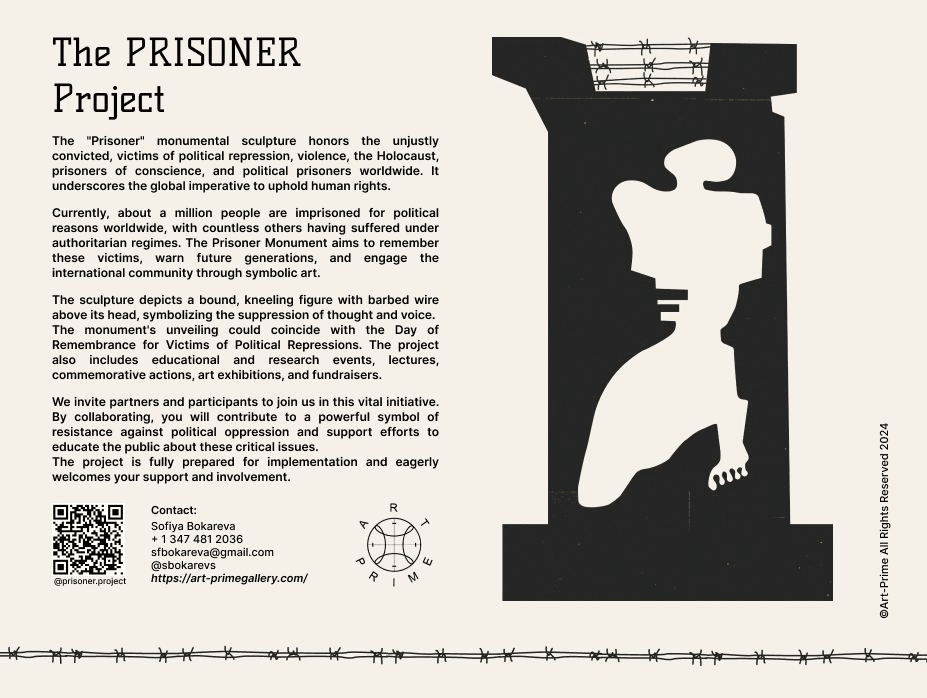
The Prisoner is a multi-faceted project aimed at supporting and defending innocently convicted, victims of political repression, and prisoners of conscience around the world. The project has a visual form in a monumental sculpture that was originally designed in the 1960s by my grandfather, oppressed soviet sculptor Viktor Bokarev. The sculpture depicts a bound, kneeling figure with barbed wire above their head, symbolizing the suppression of thought and voice. This imagery is powerful and evocative, serving as a stark reminder of the suffering endured by countless individuals who have been unjustly imprisoned for their views and beliefs.
What makes this project particularly meaningful is its aim to raise awareness and support for political prisoners through art and educational initiatives. The unveiling of the sculpture is planned to coincide with the Day of Remembrance for Victims of Political Repressions, reinforcing its message and impact. In addition to the sculpture, the project includes a series of educational events, research, lectures, and commemorative actions designed to inform and inspire the public to advocate for human rights.
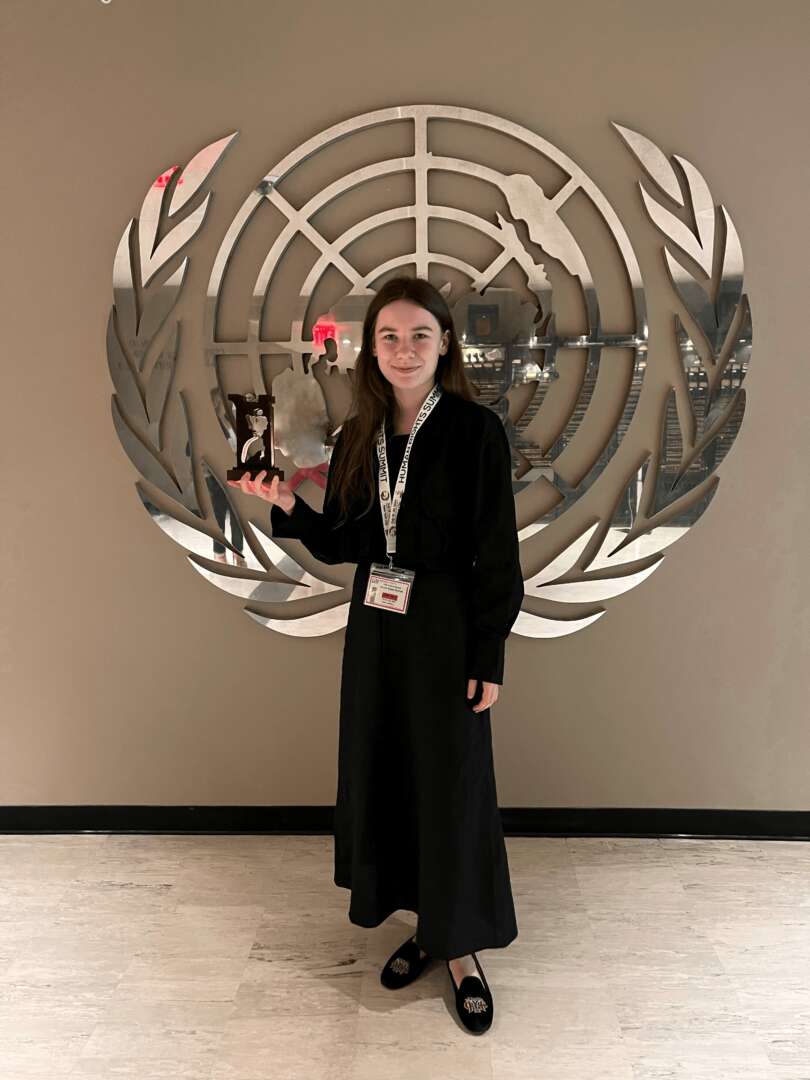
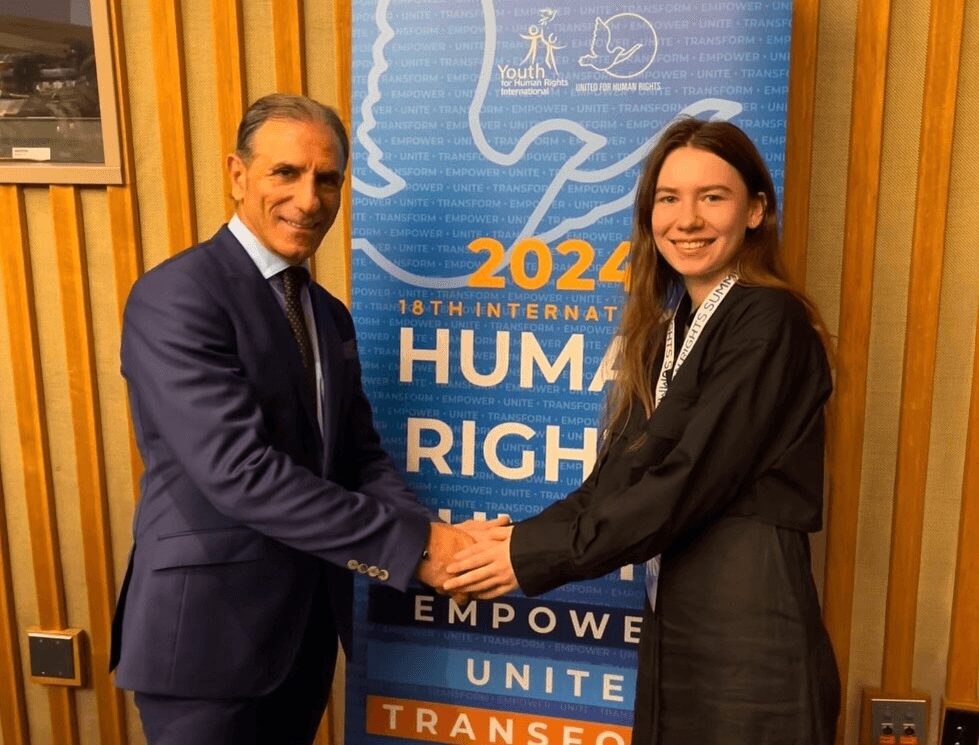
Presenting the “Prisoner” project at the Human Rights Summit at the United Nations Headquarters in New York was a significant milestone. It provided an opportunity to share our message on a global platform and engage with a diverse audience of human rights advocates, UN representatives, and NGOs. The positive response and support we received reinforced the importance and relevance of this project.
The “Prisoner” project is not just a great symbolic art but a call to action. It aims to engage the international community in meaningful dialogue and action to address the plight of restrictions on freedom of voice and creative expression. It is also a testament to the power of art to transcend cultural and political barriers and to inspire collective action for a more just and equitable world.
For me, this project embodies the intersection of art and advocacy. It honors my grandfather’s legacy while addressing a critical global issue. It is deeply personal, profoundly impactful, and a powerful reminder of the enduring power of creative expression in the fight for human rights. This project reflects the voices of those who do not have a voice.
The inspiration for the “Prisoner” project is deeply personal, too. My grandfather, Viktor Bokarev, was a renowned sculptor who faced oppression for his art in the Soviet Union – In the 60s, his studio was raided and pillaged by a government order, and his sculptures were broken by the soldiers. His experience as an artist under the restrictive political regime has always been a poignant reminder of the power of art and creative expression. Growing up, I developed a deep appreciation for the role of art in confronting injustice and advocating for human rights.
Great, appreciate you sharing that with us. Before we ask you to share more of your insights, can you take a moment to introduce yourself and how you got to where you are today to our readers.
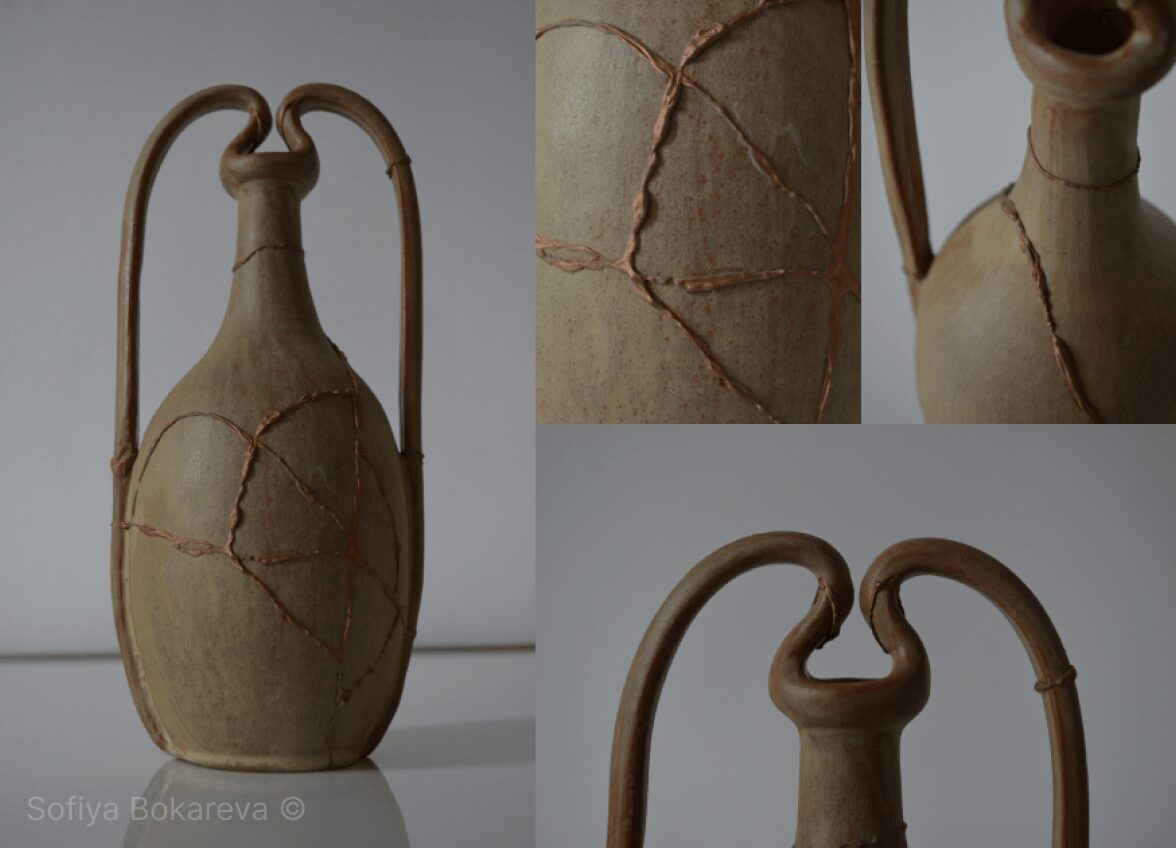
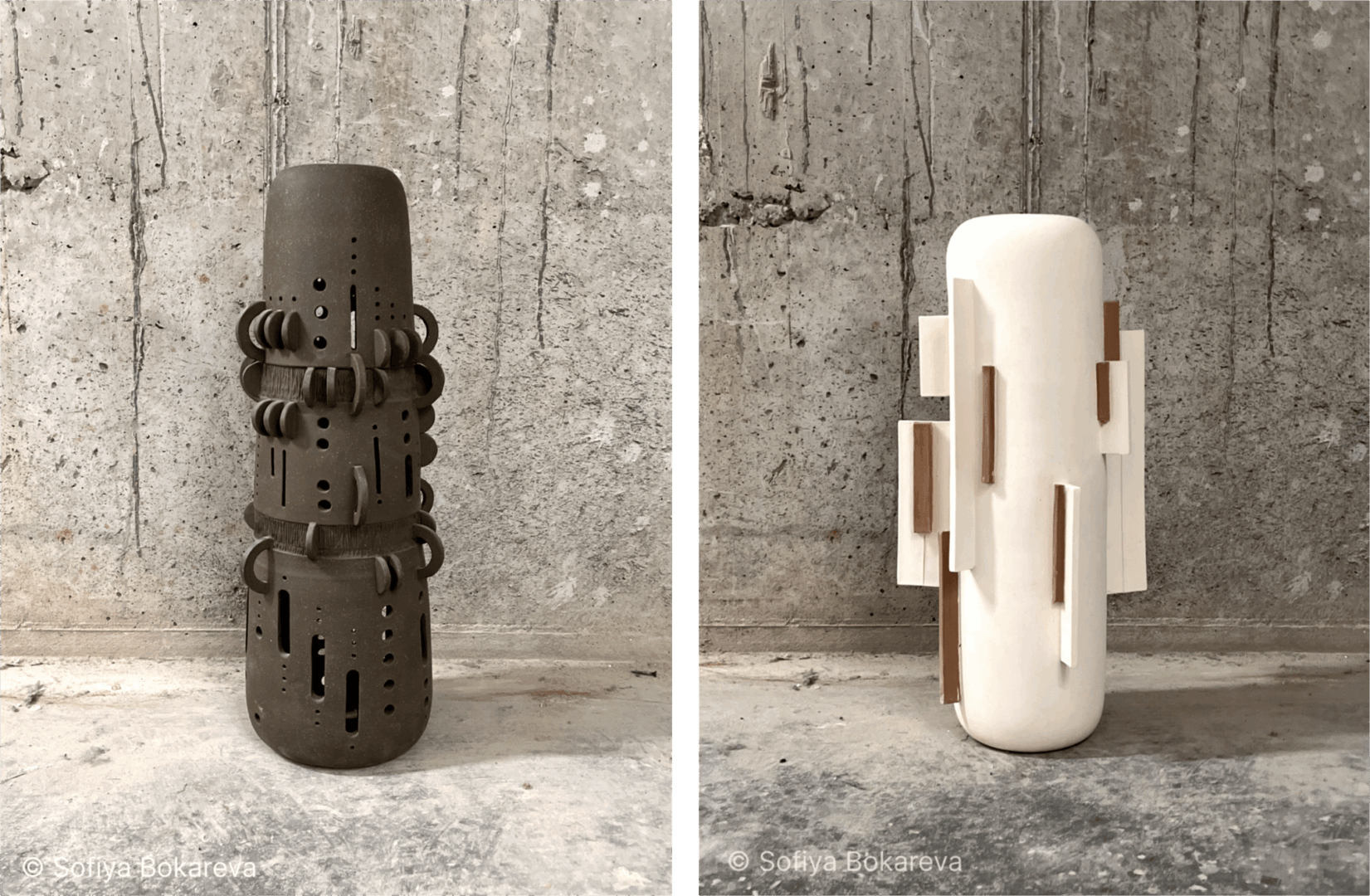
I am a multidisciplinary artist currently based in New York City. I am trained in painting, sculpture, and classical academic drawing. I studied at renowned art institutions such as the Imperial Academy of Art, the Academy of Watercolor and Fine Arts named after S. Andriyaka, and the Academy of Watercolor and Fine Arts named after S. Andriyaka. I graduated with honors from Gzhel University as a ceramic artist.
I was fortunate to be born into a family deeply involved in the arts: my grandfather was a sculptor, my grandmother is a painter, and my dad is a ceramic artist. From an early age, I explored all these disciplines. As I grew up, I realized I didn’t have to choose just one; I began to work on all of them, combining, exploring, and inventing new things.
My work currently spans practical art—painting, sculpture, and ceramics—and my role as Associate Director and curator at Art-Prime Gallery. I genuinely enjoy my job and the numerous opportunities it provides. Balancing these “two sides” of the art industry keeps me constantly engaged and inspired.
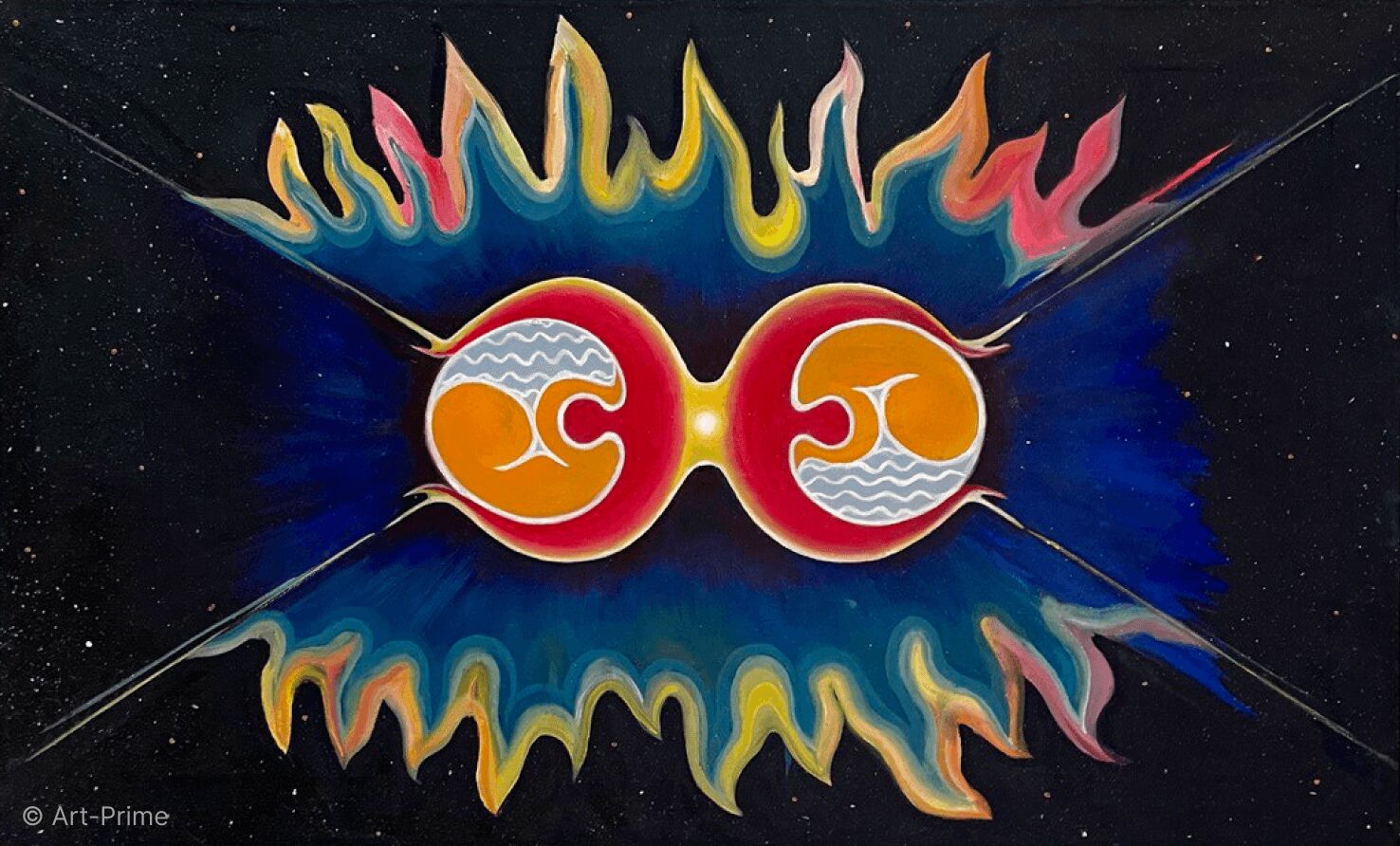
In my artistic practice, I see art as a form of research. Whether delving into art and science, music, or philosophy, my work goes beyond storytelling. It invites viewers to contemplate, think, and immerse themselves in exploration. This synthesis of artistic expression and scientific inquiry not only excites me but also opens up boundless possibilities for creative exploration.
My love and passion for my work have led to significant achievements and recognition both nationally and internationally, for which I am deeply grateful.
Can you share a story from your journey that illustrates your resilience?
I started exploring academic research from scratch, and it was quite a challenge. The field is both exciting and uncertain; while it captivates me, there’s always the question of whether it will work out.
As a creative person who designs and curates projects, I’ve faced countless rejections. However, these rejections seem insignificant when you finally encounter acceptance and support. That approval and recognition are only achieved through persistent effort—though you never know exactly how many attempts it will take. So, I decided to approach my research experience as a game, finding joy not only in the results but in the process itself, regardless of the outcome. Surprisingly, this approach has really worked.
This year, I wrote and published three articles on Art and Engineering: “Integrating Art and Engineering: Designing a Versatile Electrical Potter’s Wheel with Advanced Control Features and Integrated Scales,” published in The Bulletin of Scientific Conferences and presented at the International Scientific and Practical Conference “Prospects for the Development of Science and Education” 2024; “Integrating Art and Engineering: Advanced CNC Machine Design for Artistic Purposes,” published in the Scientific Almanac 2024; and “Exploring the Technological Process and Artistic Approach in Traditional Pottery Ceramics,” published in the Young Scientist Academic Periodical 2023.
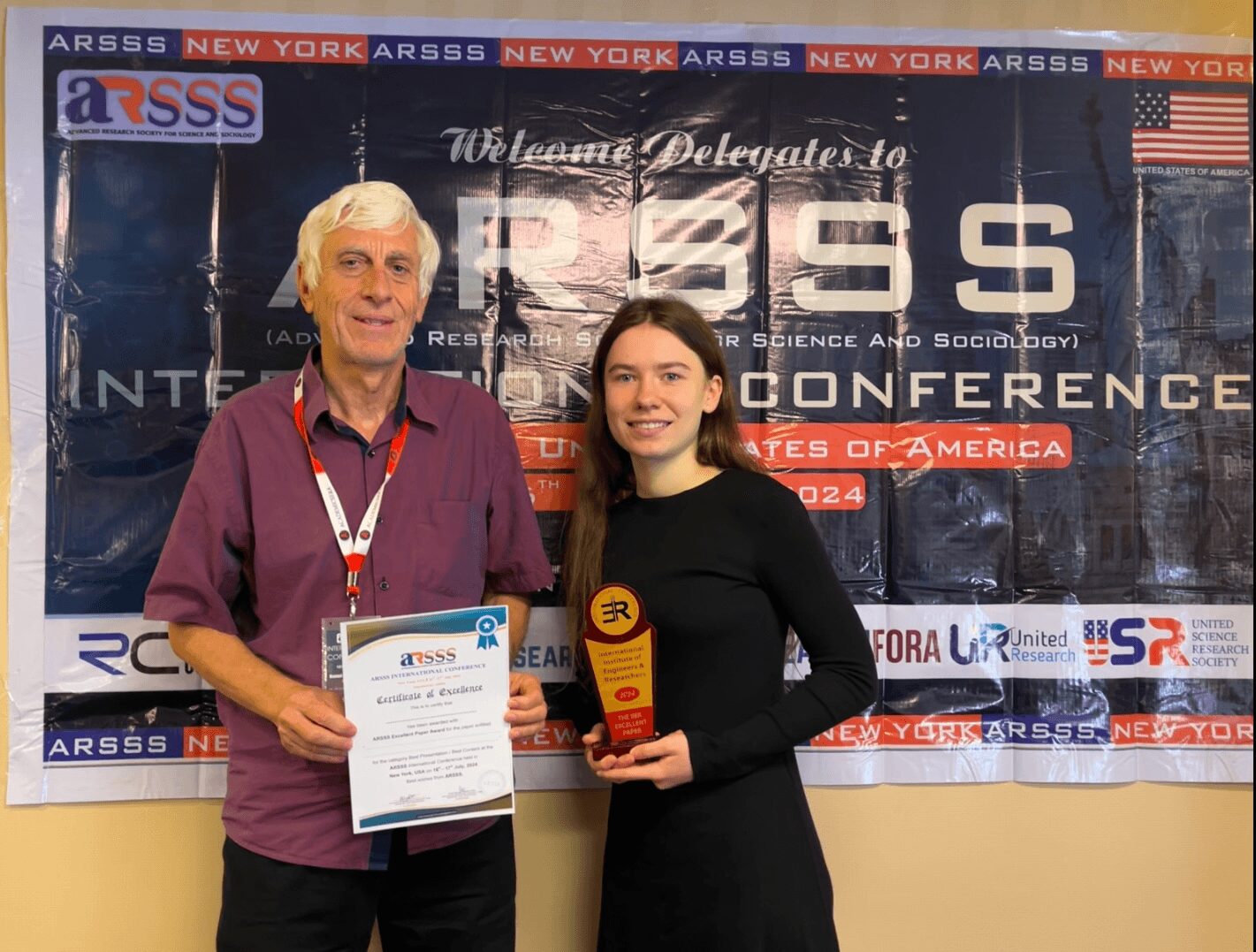
I also wrote three scientific articles on Art and Politics as part of the “Art and Oppression” research series. I am happy to share that my paper, “Art and Oppression: The Influence of Political Regimes on Artistic Expression,” was presented and published at the International Conference on Social Science and Humanities in New York City, where it was honored with the Best Research award.
My work, including the “Art and Oppression” series, has not only broadened my perspective but also has enriched my practice, enabling me to create more informed and impactful art projects.
For you, what’s the most rewarding aspect of being a creative?
For me, the most rewarding aspect of being an artist is the ability to express my thoughts, emotions, and ideas in a tangible form. Creating art allows me to communicate in ways that words often cannot capture. It’s incredibly fulfilling to see a concept evolve from an idea into a finished piece that can express my vision and provoke thought in others.
Another deeply rewarding aspect is the connection I make with people through my work, when someone resonates with my piece. Knowing that my work can inspire or challenge someone is a powerful feeling. I love the process of creating itself – the act of experimenting, problem-solving, and bringing a vision to life. It’s not always easy, each project teaches me something new and pushes me to grow both as an artist and as an individual.
Finally, one of the most meaningful aspects is the possibility of contributing to the broader cultural, political, and social dialogue through my art, which gives me a sense of purpose. Whether it’s raising awareness about important issues or exploring complex themes, being part of the creative community means having a voice in shaping the world around us.
Contact Info:
- Website: https://art-primegallery.com/
- Instagram: https://www.instagram.com/sbokarevs/
- Linkedin: https://www.linkedin.com/in/sbokarevs/
- Other: https://www.behance.net/sofiabokareva