We were lucky to catch up with SJ Russell recently and have shared our conversation below.
SJ, looking forward to hearing all of your stories today. Can you open up about a risk you’ve taken – what it was like taking that risk, why you took the risk and how it turned out?
Operating a community resource and mutual aid organization is never without risk, and I’ve learned to embrace the uncertainty along the way.
As a Sagittarius and a very regretfully type-A person, it took me longer than I’d like to admit to lean into the “mutual” part of mutual aid. At first, I was overwhelmed, under-rested, and carrying huge dreams for the Free Pet Pantry Project—but I couldn’t move toward those dreams until I began to trust the community around me.
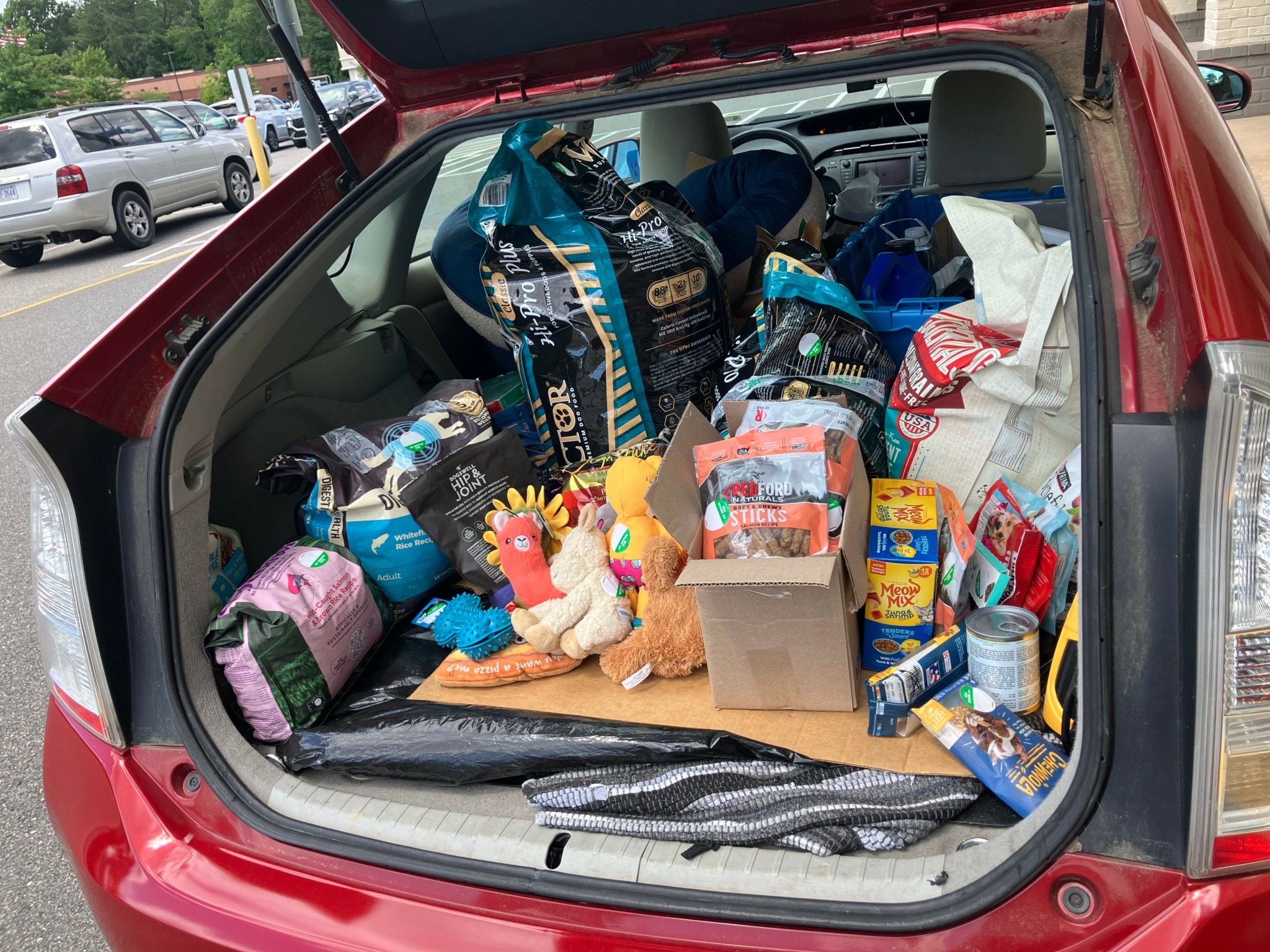
I still remember the very first time I had a volunteer driver help with distribution. I was terrified something might go wrong. The donations we receive are so precious, given with love and good faith, and it felt scary to hand several hundred pounds of pet food to someone I didn’t know well.
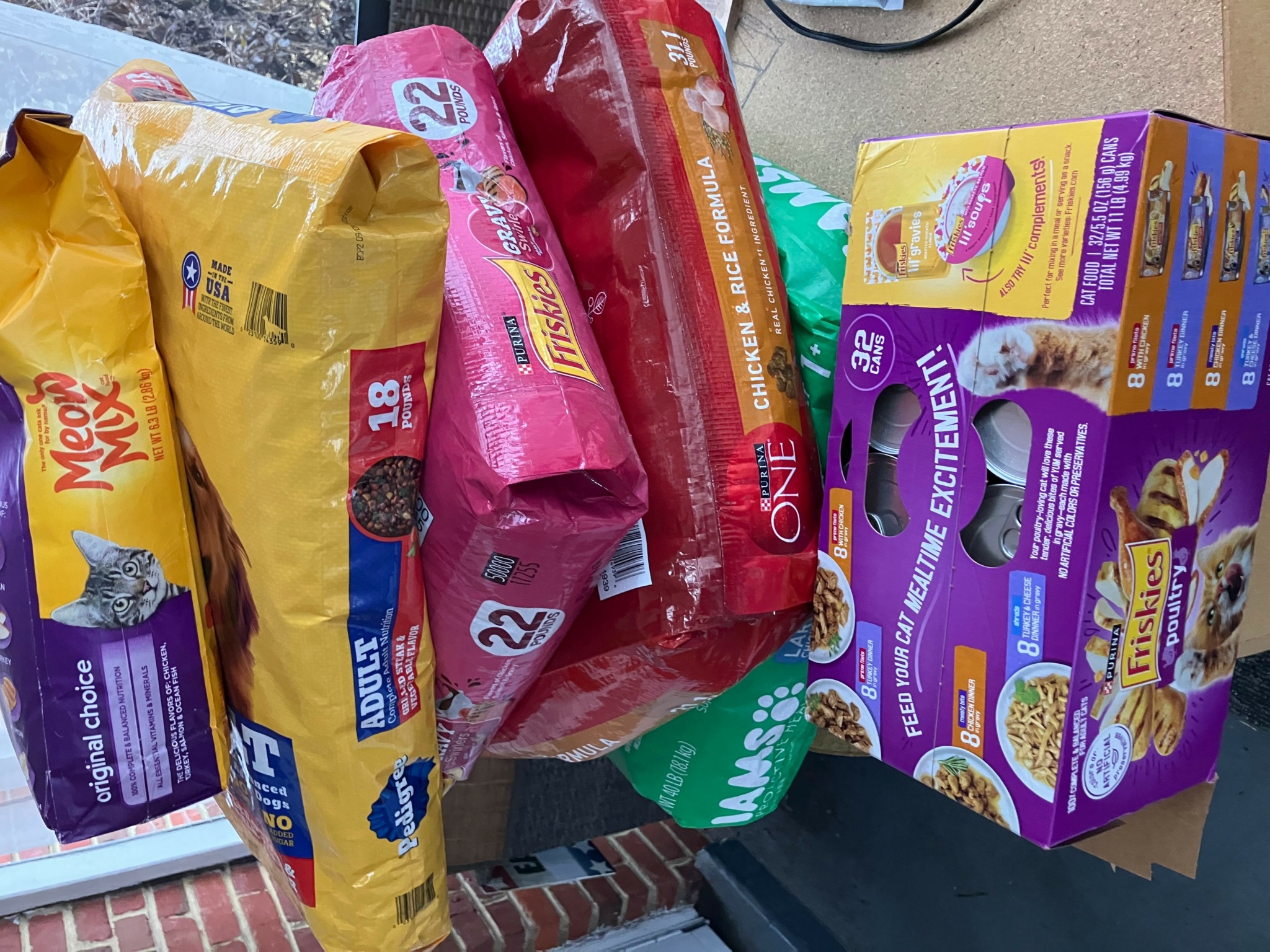
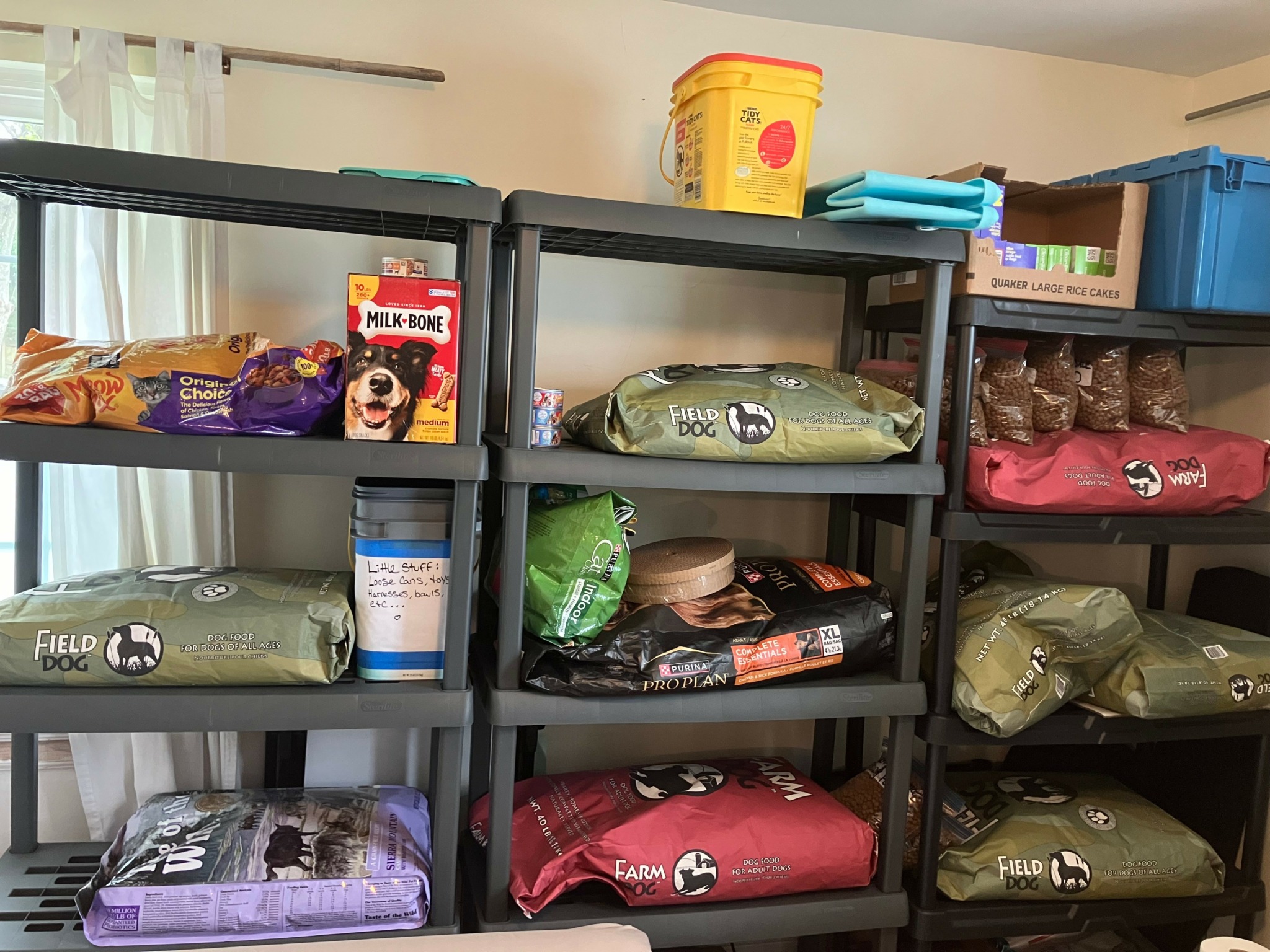
Now, thousands of pounds of food later, we’ve become a robust network of community members who share the work—distributing pet food, picking up donations, running distribution tables, and more. I can’t imagine it any other way.
This project is precious, but it’s not “mine”—it belongs to everyone. Leaning into that fear, that risk, and that uncertainty has made us incredibly strong as an organization.
Awesome – so before we get into the rest of our questions, can you briefly introduce yourself to our readers.
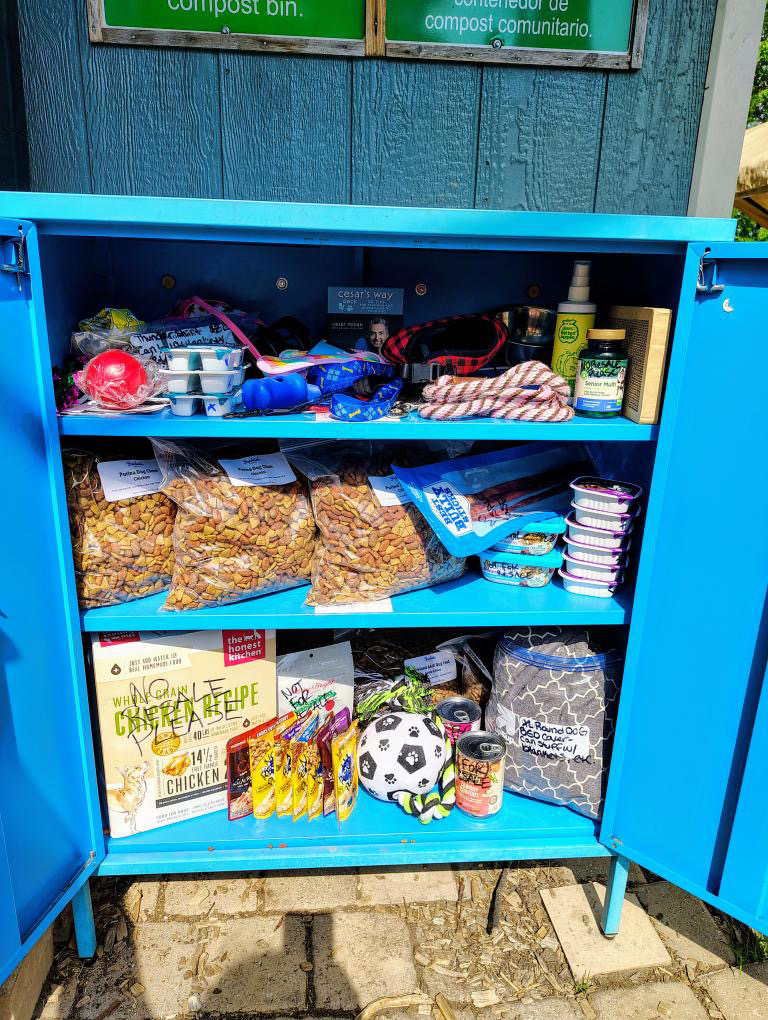
We are the RVA Free Pet Pantry Project, a community driven organization serving Central Virginia. Our mission is simple: to keep pets in their homes by providing in-home resources—primarily pet food—so families don’t have to choose between feeding themselves or their beloved animals.
The economy is tight, and it can be hard enough to keep your family fed, let alone your pets. Our goal is to ease that burden, even a little, so pets can stay where they belong, at home.
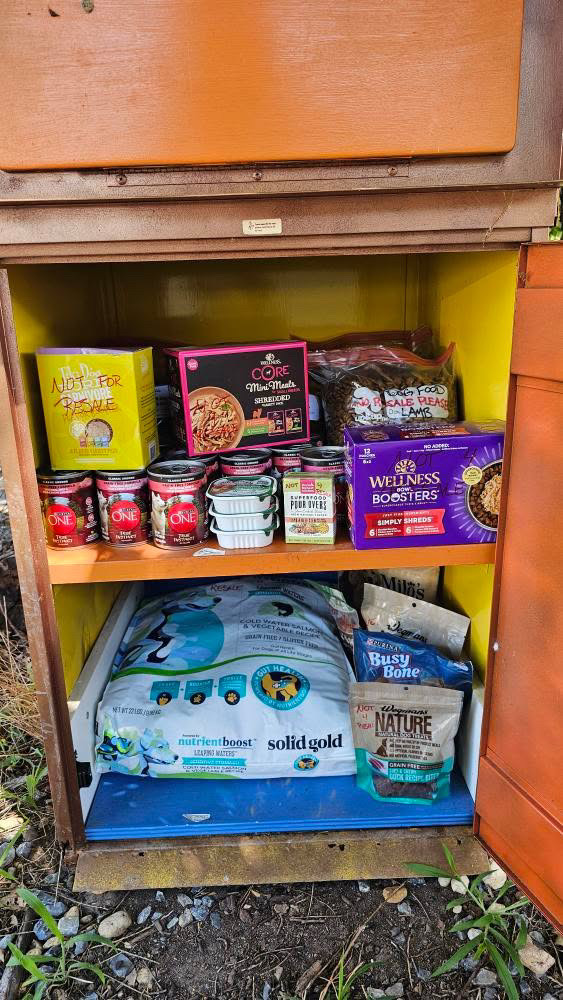
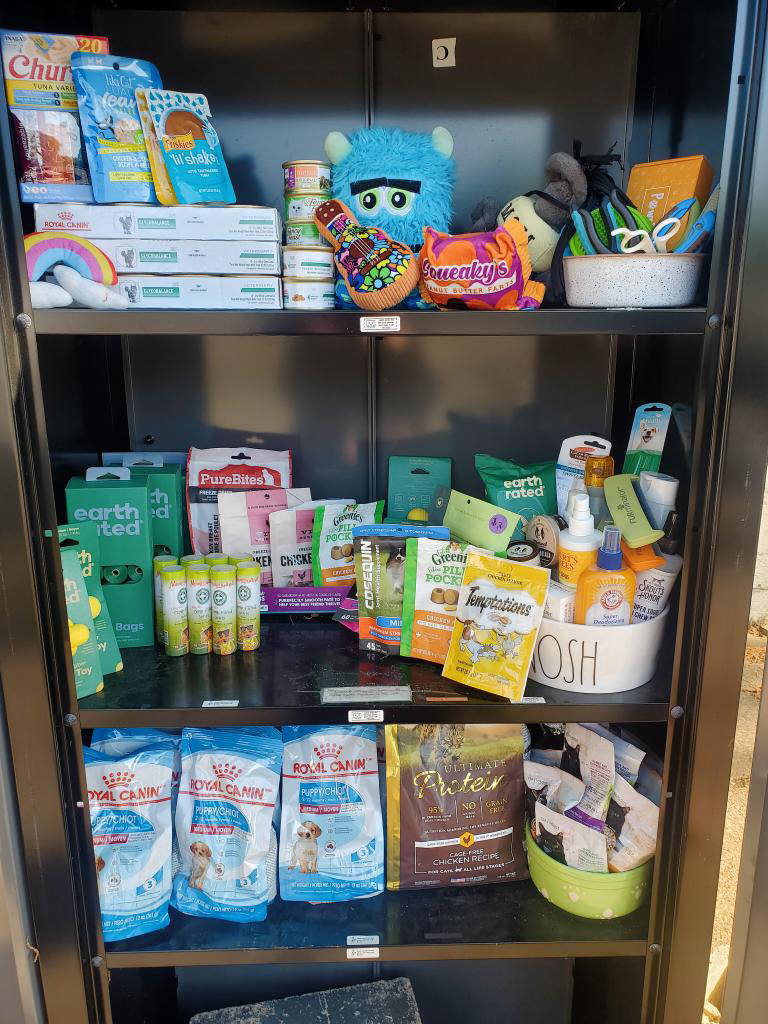
We operate five open access pet food lockers across the region. They’re stocked about twice a week and are fully self-serve; no red tape, no paperwork. We trust our neighbors to take what they need and leave what they can.
We also run a 90-day sponsorship program that connects community members directly: when someone applies for food support, we put out a community call, match them with a sponsor, and help set up three months of direct food support. It’s an incredible way to build connections and strengthen our community.
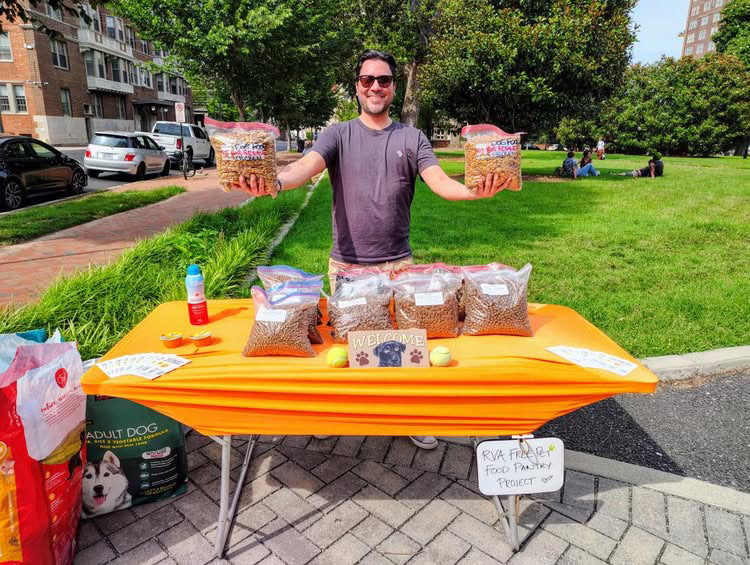
In addition, we host and participate in weekly pet food giveaways and outreach events. These give us a chance to connect face-to-face with the people we serve, distribute food directly, and gather feedback about the program.
What makes us unique is how much of this is community-powered. In just a few short years, we’ve built something that belongs to everyone.
Some of my favorite moments are when we receive a donation from someone who writes, “You helped me a few years ago, and now that I’m back on my feet, I wanted to give back.” That cycle of mutual care is what makes this project so special.
Can you tell us about a time you’ve had to pivot?
For us, pivoting isn’t something that happens once in a while, it’s the rhythm of the work we do.
The needs in our community are always changing, and the Free Pet Pantry Project has learned to adapt quickly and consistently.
There’s rarely a week that goes by when we aren’t making adjustments, trying new ideas, or shifting how we operate.
One example is how we connect people with longer-term support.
Originally, we thought of the pantry as purely a “take what you need” model. But we kept meeting families who needed more consistent help for a few months at a time.
We did a little research and found a few studies that seem to support 90 days as a relatively average time span for someone to recover from a small financial setback. That led us to create our 90-day sponsorship program, which now matches people in need with community members who provide 90 days of food directly..
That program grew directly out of our willingness to listen, adapt, and evolve.
Learning and unlearning are both critical parts of growth – can you share a story of a time when you had to unlearn a lesson?
Phew.
I don’t think there’s just one lesson I’ve had to unlearn!
Working in community care means constantly challenging your own perceptions, assumptions, and biases. That’s really the only way to do this work well. You can’t truly support your community if you’re approaching people with judgment or preconceived ideas about their situation.
That doesn’t mean there aren’t hard days or difficult situations. But for me, the heart of this work is committing to constant learning and growth. It’s about staying open, practicing understanding, and being willing to be wrong.
When mistakes happen, and they always do, the most important thing is to acknowledge them, repair any harm, and let that experience make us better.
Contact Info:
- Website: https://www.sidekicksrva.com/rva-free-pet-pantry-project
- Instagram: RVA.Free.Pet.Pantry.Project
- Other: https://linktr.ee/RVA.Free.Pet.Pantry.Project