



We’re excited to introduce you to the always interesting and insightful Singchun Chen. We hope you’ll enjoy our conversation with Singchun below.
Singchun, looking forward to hearing all of your stories today. We’d love to hear about a project that you’ve worked on that’s meant a lot to you.
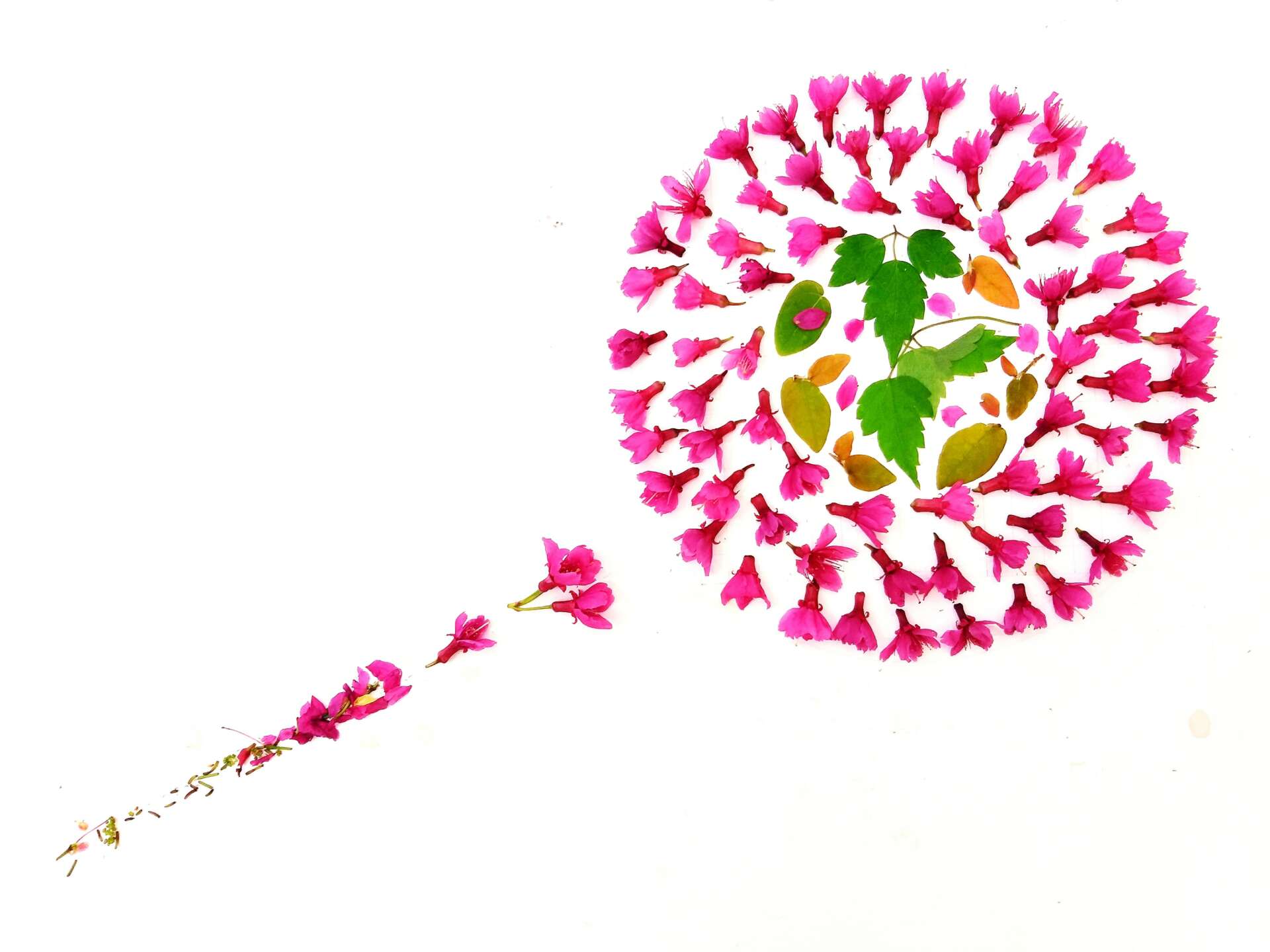
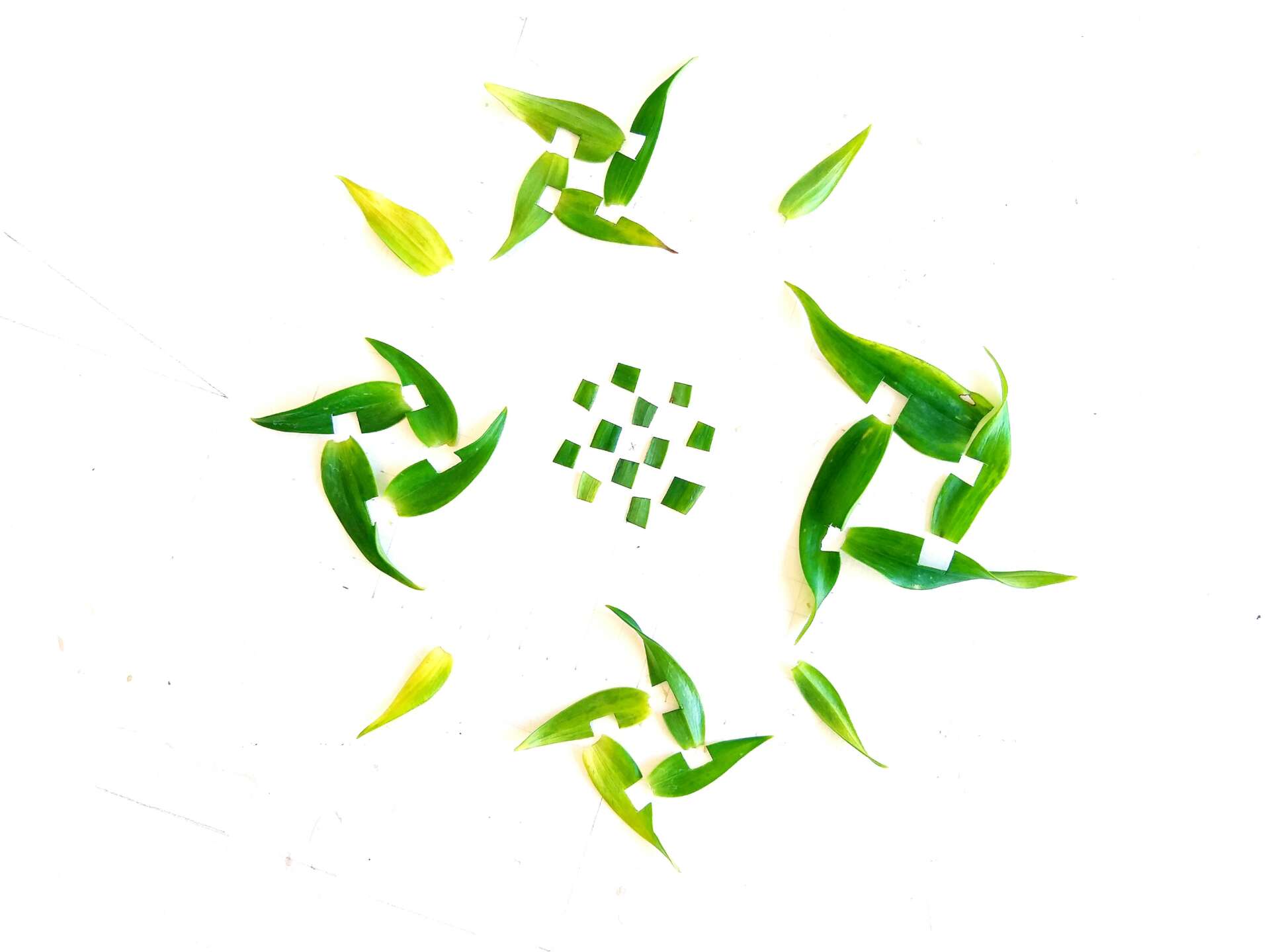
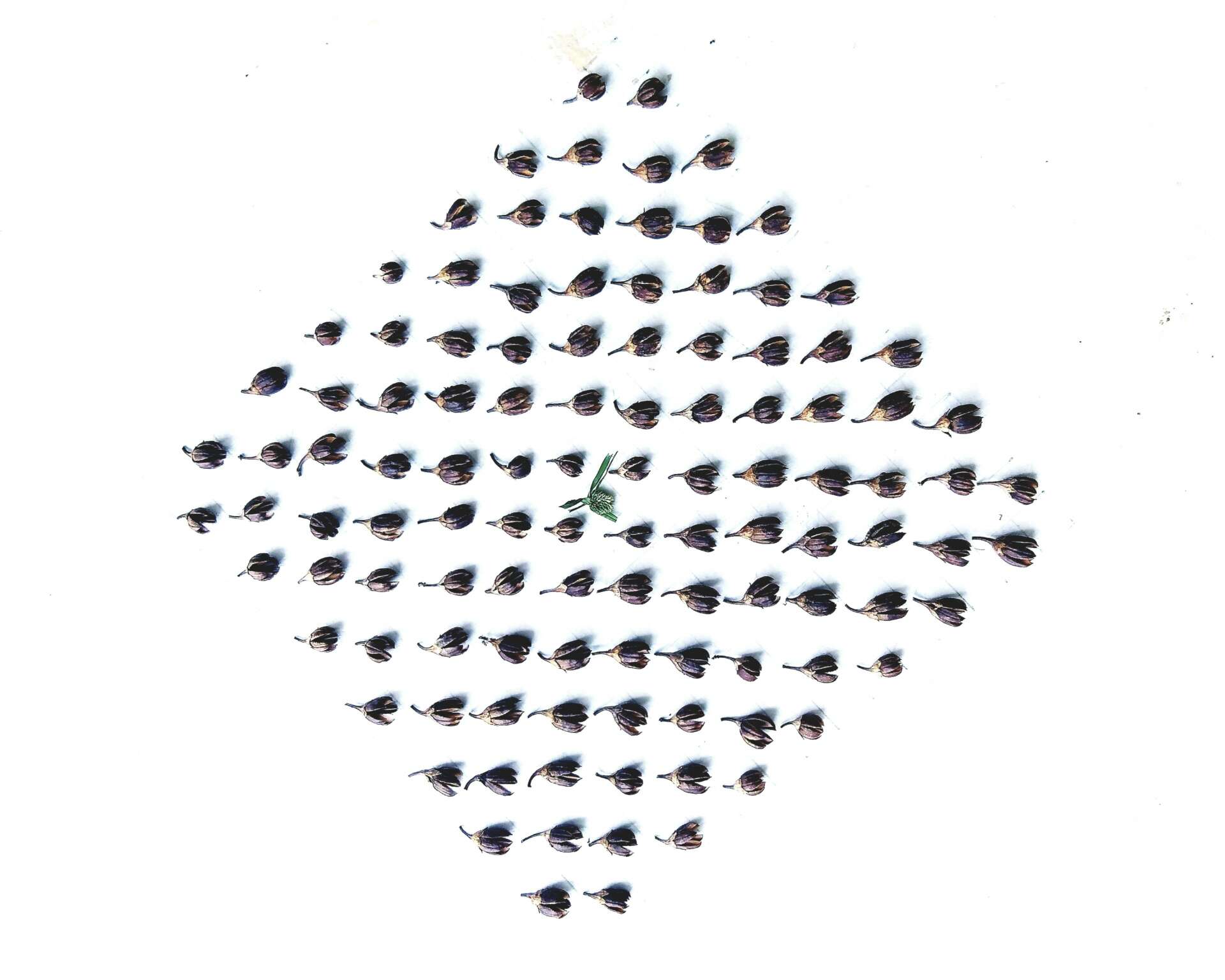
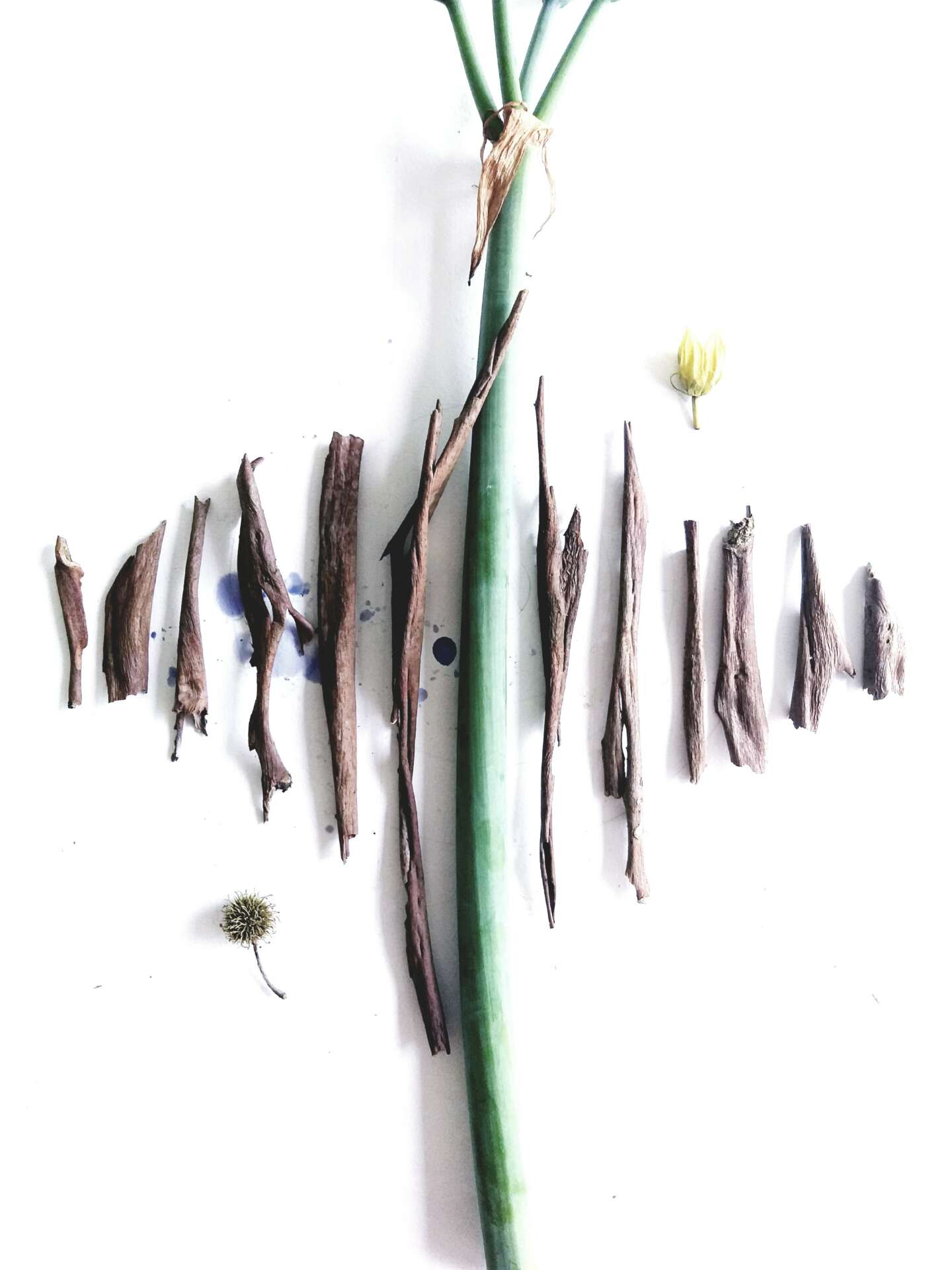
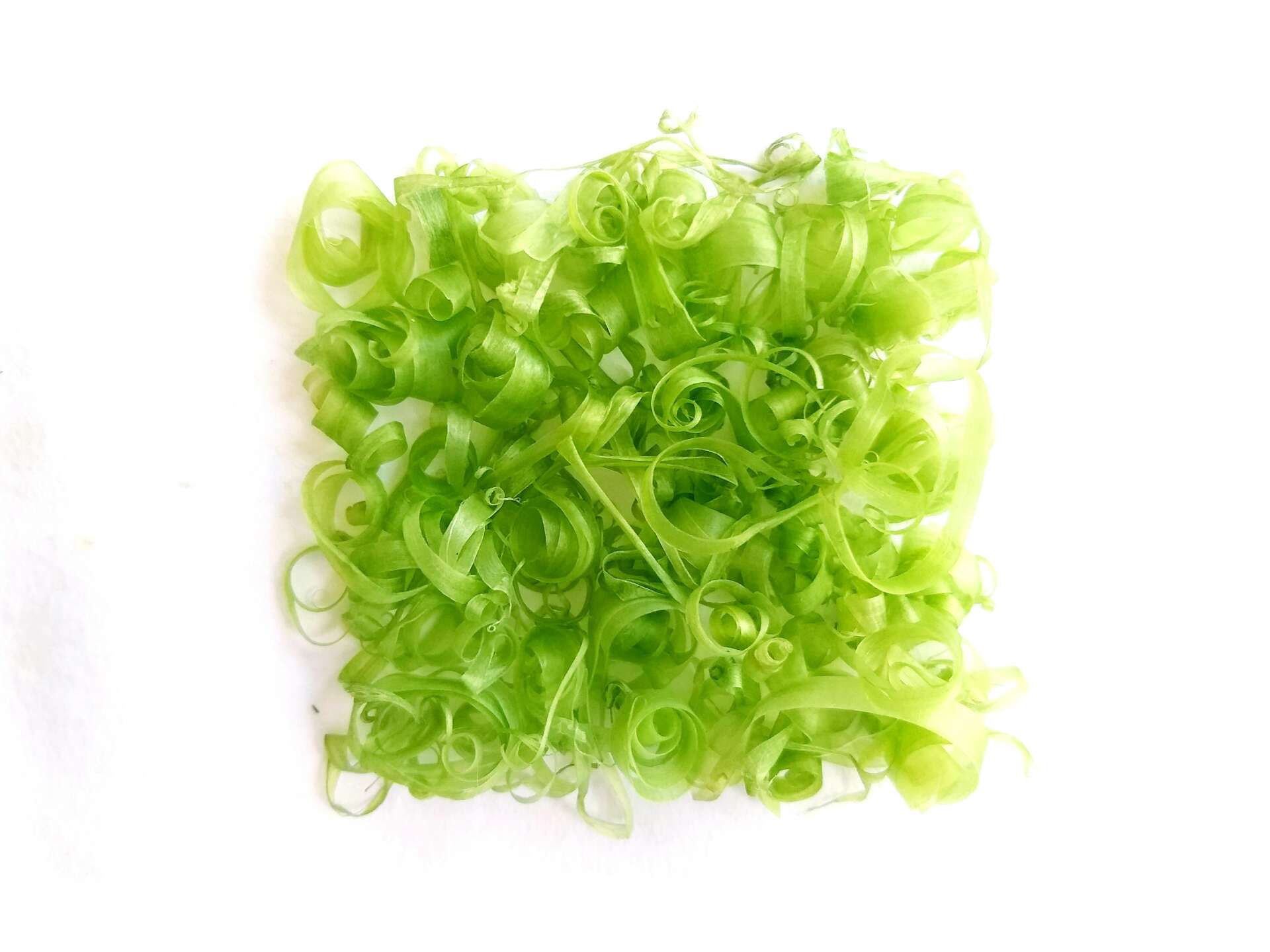
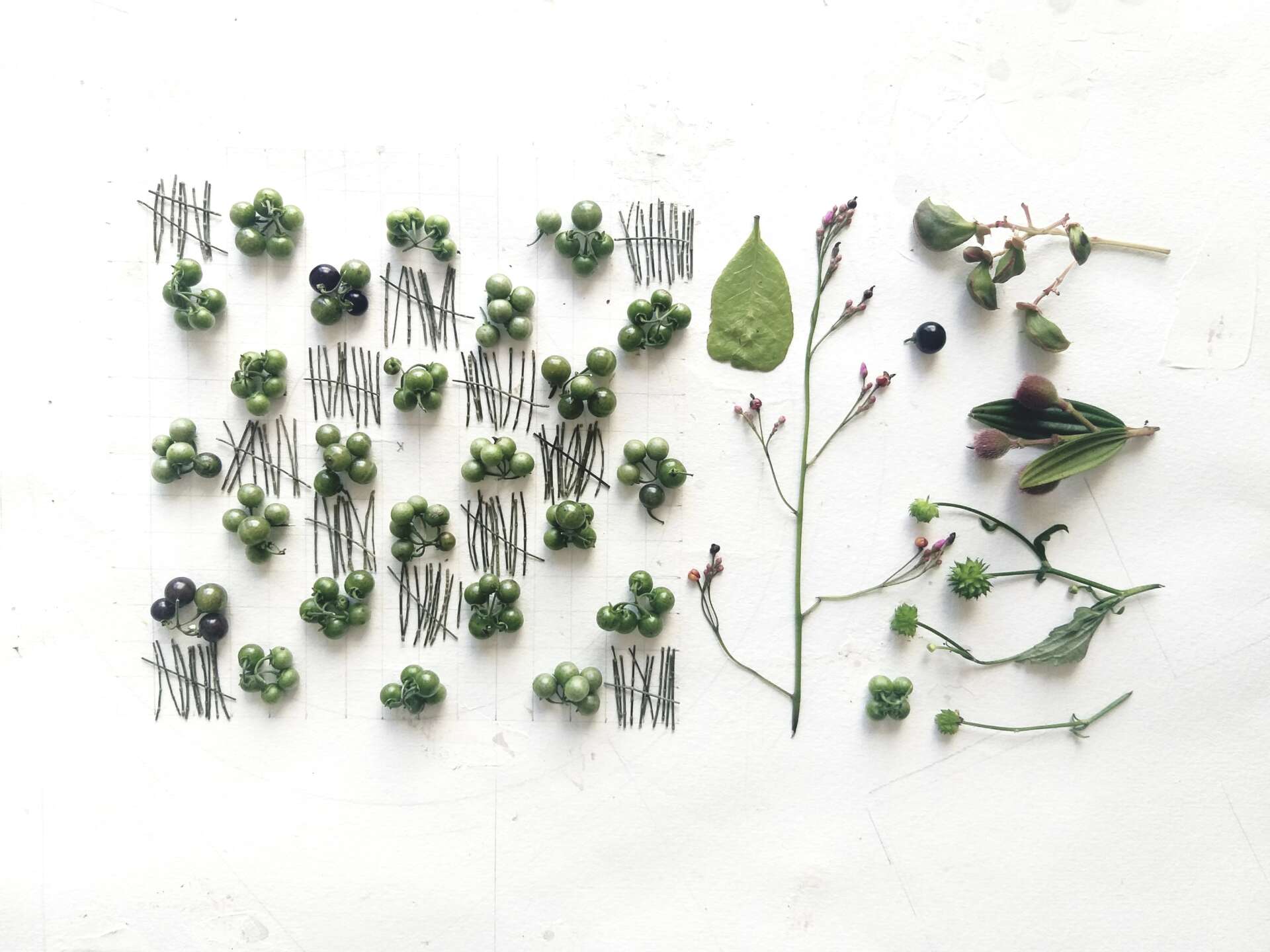
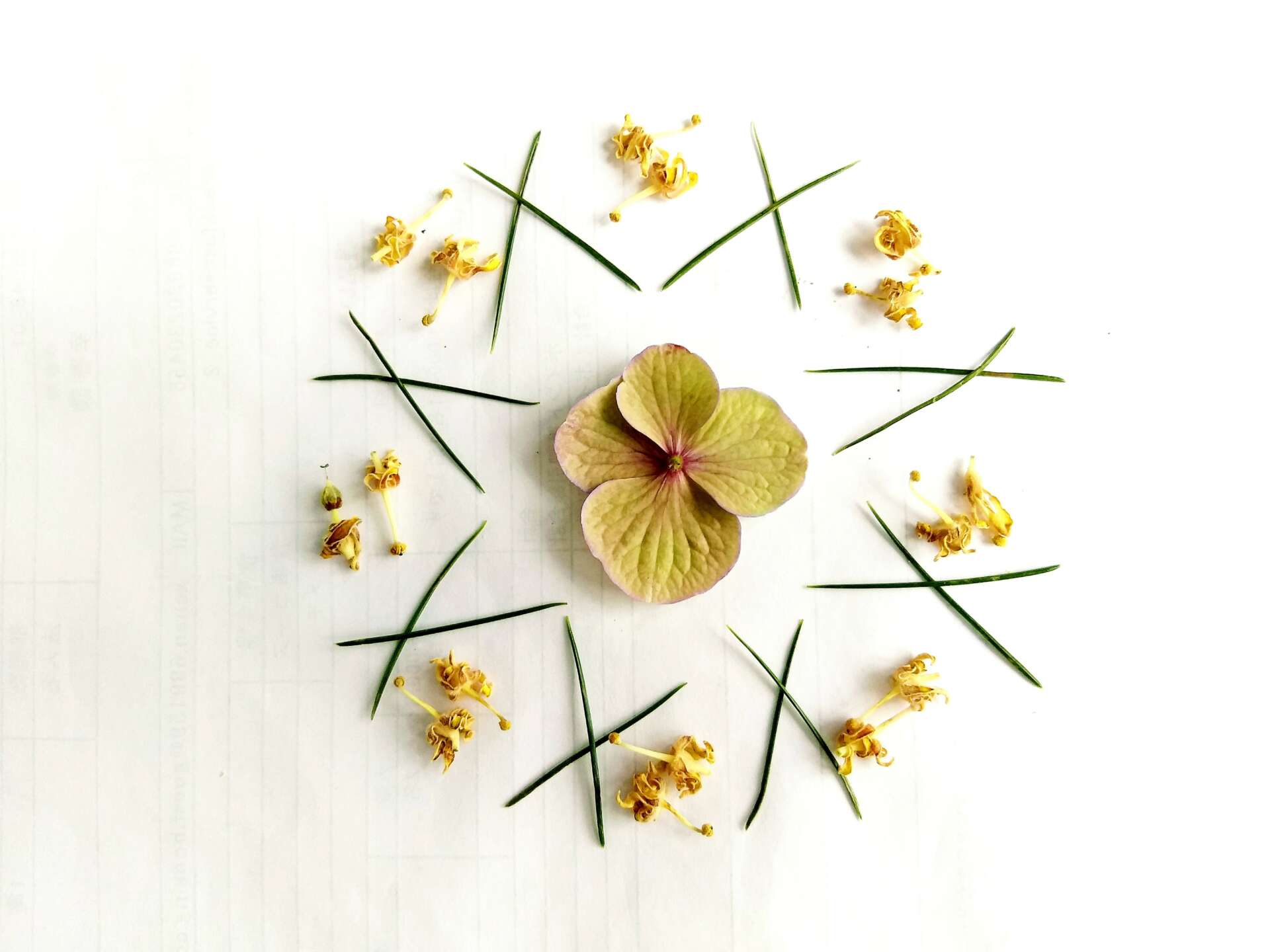
I started this project from the end of last year after I had a surgery. My creative journey began with the natural desire for modeling and a play instinct since childhood. In the beginning, I tried to search for the right relationship within the image. Being inspired by visual experience, the more I depict the more complex this relationship becomes. At first, everything remains easy and uncertain, but gradually, the picture reveals the appropriate relationships. I found the combination and arrangement of geometric figures reveal the more concise and clear language to present my ideas. How can once beautiful objects reproduce their beauty from a humanistic point of view? I randomly collect materials every time. It is the concept of ready-mades in modern art. My collecting is a natural ready-made. By collecting and flatting lay of leaves, flowers, fruits; I explored the appearance and residual value of plants. Giving meaning to life each time according to its original qualities.
After the accumulation of making botanical art, I built up my creative modules, that are Lightness, Quickness, Exactitude, Visibility, Multiplicity, and Constancy. My creative tone, which used to be in the mist, is more refined and there are often inadvertent surprises.
After I made some botanical artworks, I thought about casually and some friends asked me, too. How to keep these beautiful works?
In Tibetan Buddhism, there is a religious art called “Mandala Sand Painting.” Sand mandalas are difficult to construct and easily destroyed, beautiful yet fragile. The painstakingly depicted world made of sand can be swept away without hesitation, turning into nothingness in an instant.
Although I understand rationally that the sand mandala represents the ephemeral nature of existence. The patterns of botanical works rapidly wither, deform, and change colors over time. It is just like life, changing is the truth. I found it was difficult for me to accept it and even harder to practice this concept. The same to my life.
By observing the changing of my works, I practice the mind of let it go; set me free too.
It is interesting I find recently, NFT may be a new field for me to keep my botanical artworks. It reduces concerns about storage and transaction costs, let more people know that this work is a digital work faster without the need for touring exhibitions. Not only is the risk extremely low, but it may also bring some income for me to keep collecting and creating.
That will be the next project for me to learn NFT.

Awesome – so before we get into the rest of our questions, can you briefly introduce yourself to our readers.
I love nature and always want stay close to nature. I always collected the flowers and leaves when I walked since I was a little child. I still remember how I noticed the flicker of sunlight through the gaps between leaves and how I admired the beautiful patterns of leaves. When I determined to be as an artist, botanical is my subject. But I struggled in what and how I want to say.
It was like in mist, I felt like I could touch it but flew away in moment.
I had a surgery in October last year. There was a long scar on my body because of the surgery. I thought of it as a flower path, and every suture is a flower.
I needed to recovery after surgery. So, I walked or cycled outside every day to maintain balance and think clearly. Collecting some flowers some leaves and put them together on the paper, I found the patterns and colors were so beautiful.
I used to paint of nature but I didn’t have energy to paint in that moment. I started to use these flowers and leaves as materials to practice focus and clarity. It has become a form of diary, reflecting certain states of mind, joyous sometimes and unclear sometimes.
I try to make one piece of work at least every day until now. I found I have recovered day by day and happier day by day by making botanical art. People who know me they keep telling me how much they love my works; then I meet more friends and communicate more.
I always observe the patterns when they rapidly wither, deform, and change colors over time. Each time, a feeling of “Ah! Farewell” arises within me, and then I continue with the next collection, picking up and creating a new work. Because of my healthy issues I realize that everything will change or pass away quickly. What I can do is enjoy every moment I have and try to let it be beautiful.
Alright – so here’s a fun one. What do you think about NFTs?
The emergence of NFTs is to make the market have different changes, make the artwork more diversified, and let more people know that this work is a digital work faster without the need for touring exhibitions. The second is reduces concerns about storage and transaction costs.
What’s the most rewarding aspect of being a creative in your experience?
Start my exploratory journey, as long as paying close attention, any place can become beautiful. There is no need to deliberately seek purity or the primitive. With the practice and experience, rather, after accumulating bits and pieces, a profound perception finally emerged at a certain time. This kind of satisfaction is difficult to achieve with other things.
Contact Info:
- Instagram: instagram.com/betweenflux
- Facebook: https://www.facebook.com/profile.php?id=100004293065635
Image Credits
Image credits : Singchun Chen