



We were lucky to catch up with Sina Grace recently and have shared our conversation below.
Sina, thanks for joining us, excited to have you contributing your stories and insights. What’s been the most meaningful project you’ve worked on?
Over the last few years, I’ve made efforts to listen to art and stories- to follow their lead on the best way to bring them out into the world. This sounds incredibly stupid, but my upcoming graphic novel, West Hollywood Monster Squad, is the perfect example of listening to a project tell me what it needed to be perfect.
The core idea of a group of turbo gay kids saving the city from a science fiction threat had been floating in my head for YEARS. Originally, they were going to fight aliens, but the proposal was getting a lot of passes from publishers. Tangentially, I had been toying with another semi-autobiographical idea about me fighting my way through a monster-ridden LA with a current boyfriend and an ex and having it be about exploring if a person can *actually* be friends with their exes. As much as I tried, the idea was very clearly just me needing to work out some relationship drama, and not an actual book.
Both ideas stayed shelved for a very long time. I knew they weren’t working, but I didn’t know why.
I wish I could remember the exact date that the light bulb turned on. I was most likely in the shower (best ideas come there). My alien book needed better monster/ plot mechanics. The monster book needed broader themes and bigger stakes. Chopping the pieces that worked in both pitches and pairing them together resulted in one of the most aggressively queer and love-coded books I’ve ever worked on. Even following my gut and asking a random artist I followed on twitter to draw the book led to one of the greatest collaborative friendships I’ve encountered in a long, long time.
Great, appreciate you sharing that with us. Before we ask you to share more of your insights, can you take a moment to introduce yourself and how you got to where you are today to our readers.
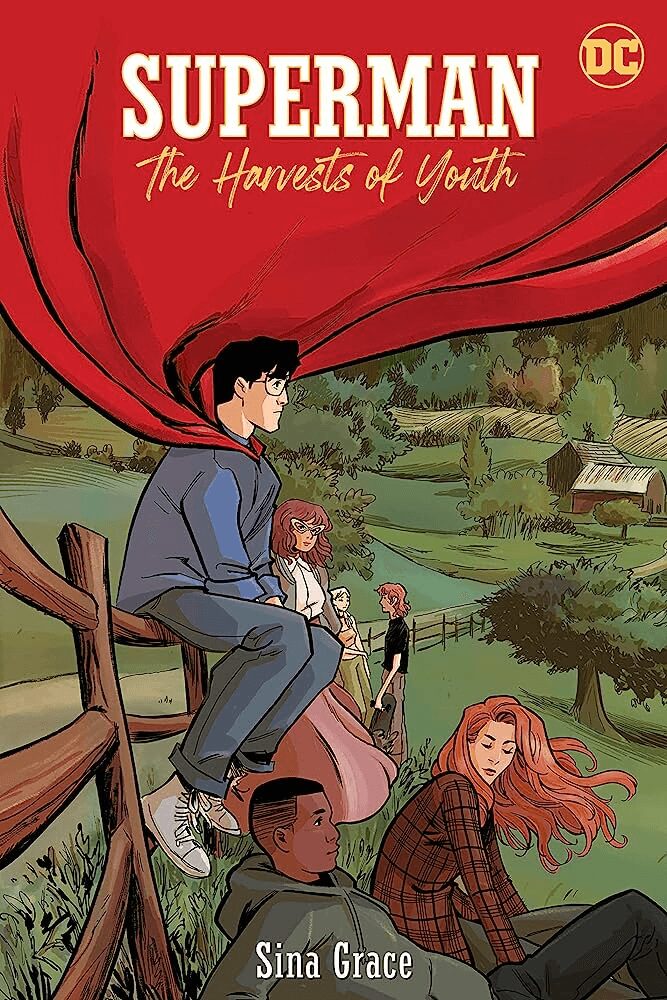
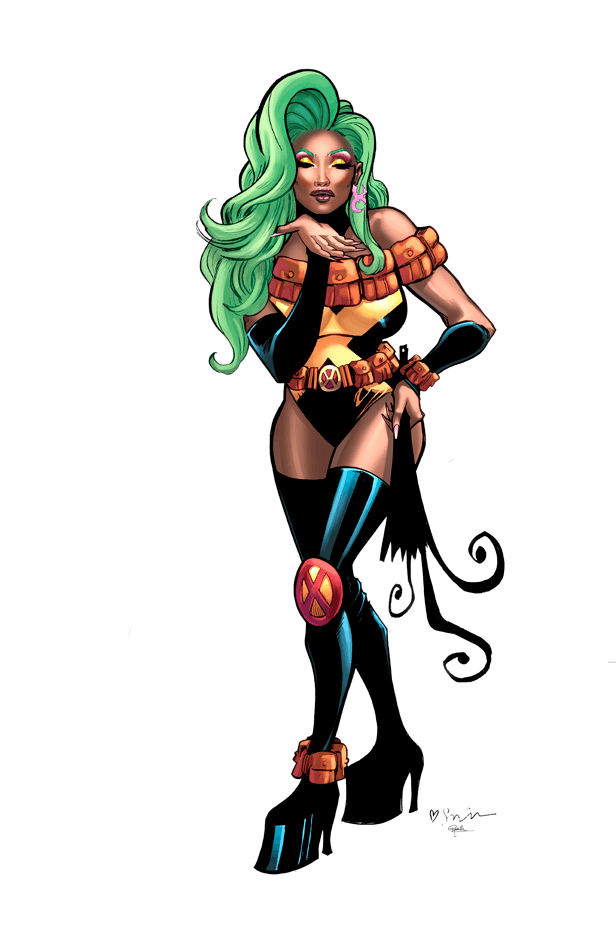
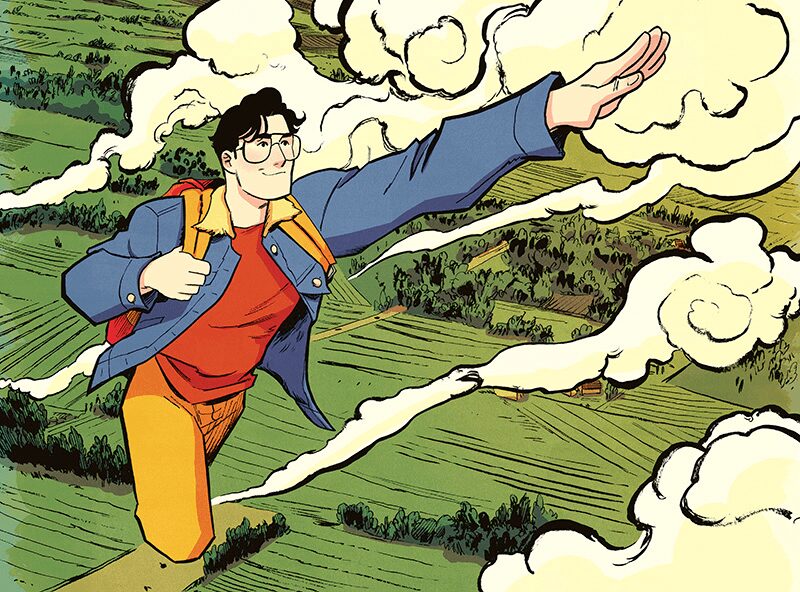
My name is Sina Grace, and I have been following the whims of a nine-year-old boy who dreamt of drawing comic books. While I did spend some time in retail hell, I’ve been pretty single track minded for the past 25 years. People ask me if I went to school for art/ illustration, and I somewhat proudly say I didn’t? I just read a zillion comic books, took figure drawing classes, hung out with other comic artists, made zines, interned at comic book publishers and apprenticed under a comic artist to learn everything I’ve learned. I spent some time editing comic books for Walking Dead creator Robert Kirkman’s Skybound imprint at Image, but I’ve been freelance for over a decade, making a name for myself by writing the GLAAD award nominated Iceman book at Marvel, illustrating thousands of comic book pages and working for my favorite musicians (Jenny Lewis FTW), and recently getting to write and draw a Superman graphic novel at DC Comics.
I feel like my entire life has been dedicated to sincere gratitude for having these gifts and getting to work in an industry I love. While I’m not ultra-famous or anything, I’ve now established enough of a readership that I definitely make very considered decisions about which publishers I work for, and which projects I work on. It’s sometimes been hand-to-mouth living like this, but I wouldn’t have it any other way.
What’s the most rewarding aspect of being a creative in your experience?
The two most rewarding aspects of making comics are somewhat interlinked. For me, nothing feels better than when I’ve successfully translated what’s going on in my brain and put it on paper, whether that’s character beats hitting as hard as I imagine them being, or the artwork not looking like garbage where you’re settling because of a deadline. Those moments are so great, and I think a great motivator in carrying on with an idea. The second aspect is when the thing you’re doing actually lands with an audience. If someone picks up what you’re putting down, and they actually get it??? That means your art affected another human being. I’ve made some stuff that landed with a “meh,” and honestly being met with shrug is way worse than being met with vitriol.
Is there something you think non-creatives will struggle to understand about your journey as a creative? Maybe you can provide some insight – you never know who might benefit from the enlightenment.
I have a lot to say about the concept of “day jobs.” For starters, I think society LOVES to mythologize that a person can be very intentional with the creative pursuits they take. Quentin Tarantino is sort of my biggest example of that. He only has these specific movies because he’s SO methodical with his storytelling… but like, the guy’s directed commercials, episodes of TV, probably music videos. He needs to make money, too. A lot of my favorite authors have to take jobs teaching because they need money, or health insurance, or both. There are very people out there who can live off of the money from putting out on novel (or graphic novel) a year, especially if there are no benefactors, rich spouses, etc involved.
On that topic, it’s very hard to stress that there are only certain kinds of day jobs a creative can take to not become fully bogged down, distracted, or exhausted to do art after work. My mom and I are having this talk right now, because she thinks I can just get any old job, but I’m trying to find the thing that guarantees I’ve got rent covered, and still 25-30 hours in the week to be creative and continue adding to the tapestry. It’s a balance and everyone is different, but I know for me, I can’t do another office job AND continue writing and drawing comics.
Contact Info:
- Website: https://Www.sinagrace.com
- Instagram: @sinagrace
- Facebook: @soselfobsessed
- Linkedin: N/a
- Twitter: @sinagrace
- Youtube: https://www.youtube.com/user/sinadarkcomics/videos
- Yelp: N/a
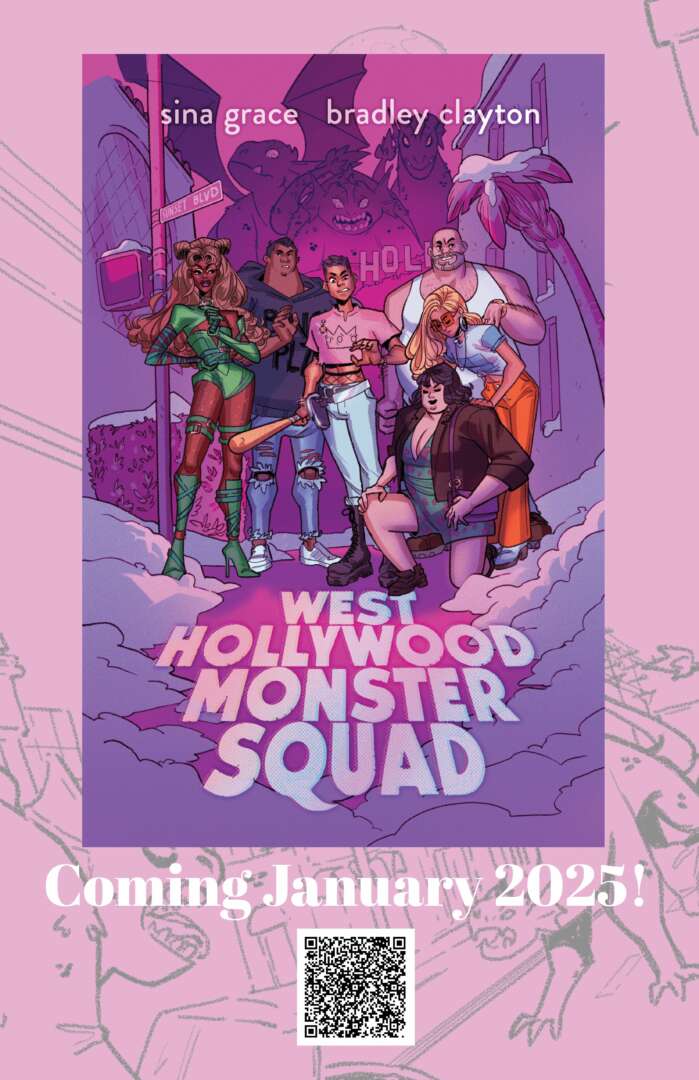
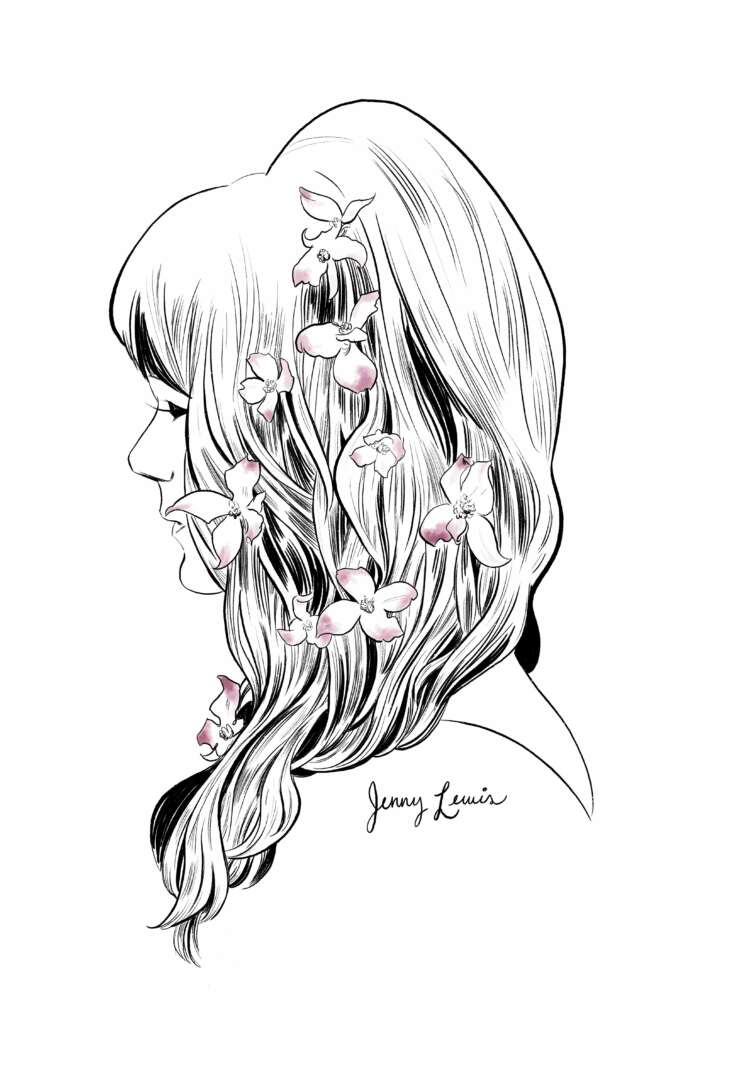
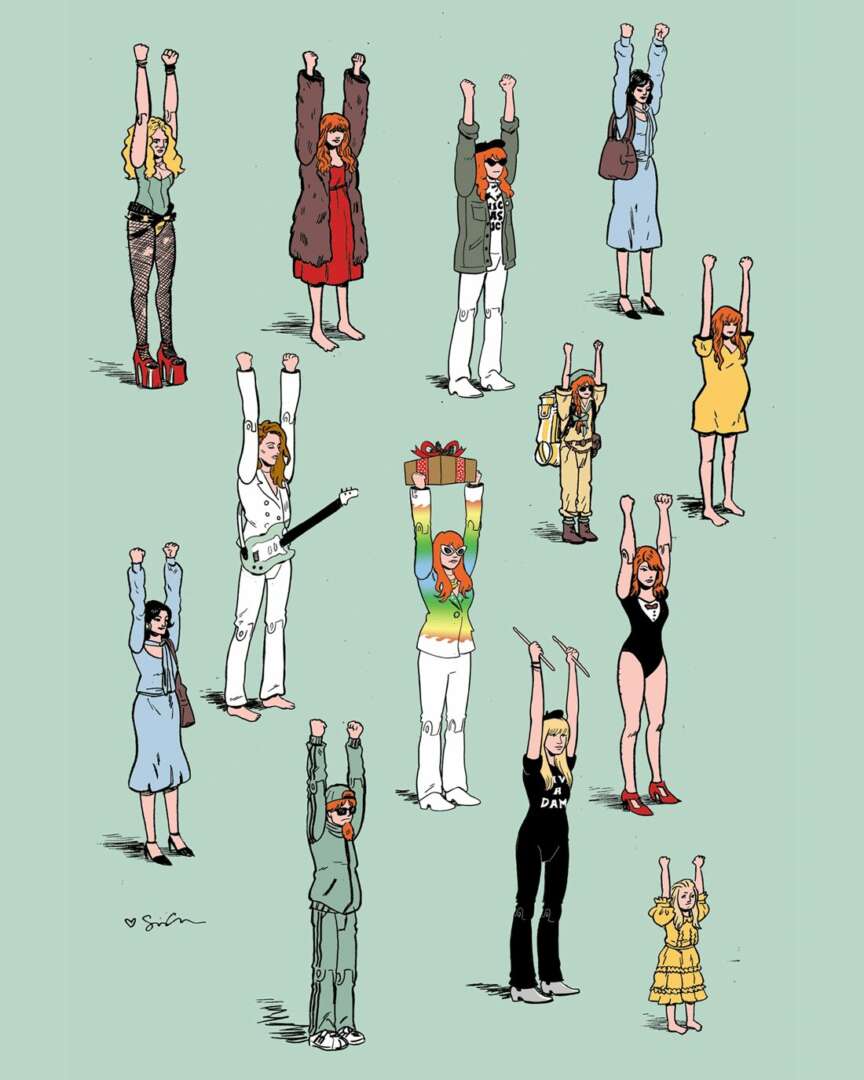
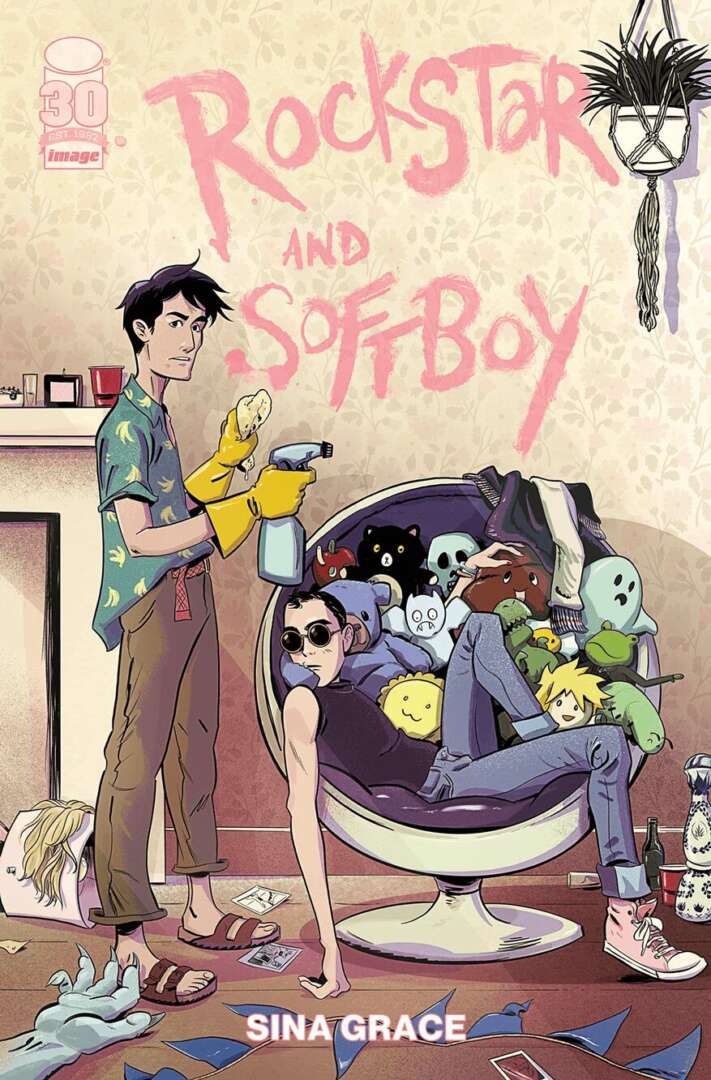
Image Credits
Images courtesy of DC Comics, Marvel Comics, Image Comics, Jenny Lewis, and Abrams Books