


Alright – so today we’ve got the honor of introducing you to Simran Shah. We think you’ll enjoy our conversation, we’ve shared it below.
Alright, Simran thanks for taking the time to share your stories and insights with us today. When did you first know you wanted to pursue a creative/artistic path professionally?
I never had one dramatic moment where the universe whispered “you’re an artist now.” It was quieter than that. It grew slowly, like a feeling that kept tapping my shoulder until I finally turned around and paid attention.
When I was studying architecture, my days were full of model-making, drawings, and long nights that smelled of glue and burnt-out laptop chargers. I liked the discipline of it, the problem-solving, the scale. But I always drifted toward the small details. I cared more about the colour of a wall than the thickness of it. I would spend too long arranging furniture in a render just so it felt right. I did not have the language for it then, but what excited me most was not the structure. It was the expression.
The moment things shifted came during a café project. I was working on the layout and the technical decisions, but my mind kept wandering to the brand. I started doodling logos, picking typefaces, imagining how the menu would look when someone held it in their hands. I realised I was giving the architecture only the responsible part of my brain, and giving design the emotional part. That felt like a clue. Once I noticed it, everything sharpened. Design was suddenly everywhere. On the street, in packaging, in the way a poster could pull you in without a single word. It felt like a new sense had switched on. I understood that I did not just enjoy these things. I was pulled toward them.
I followed that pull. I took on projects outside architecture, then started Atelier 1:1 where I juggled spatial design with whatever visual work I could find. Later, I interned at Qi Studio and found myself surrounded by people who treated design like a living, breathing thing. It was messy and exciting and so much closer to what I wanted than anything I had done before.
Eventually I moved to New York. It felt like a leap, but also strangely inevitable. I wanted to learn from people who were doing work that felt alive. Studying at SVA opened even more doors inside my own brain. I learned new tools, new forms of thinking, and new ways of telling stories. There were long nights and small breakthroughs and moments that quietly changed me.
Somewhere in all of that, I realised something simple. I did not choose a creative path in one clean moment. I grew into it. It kept returning to me until it became impossible to ignore. And once I stepped fully into it, I knew there was no other place I wanted to be.
Awesome – so before we get into the rest of our questions, can you briefly introduce yourself to our readers.
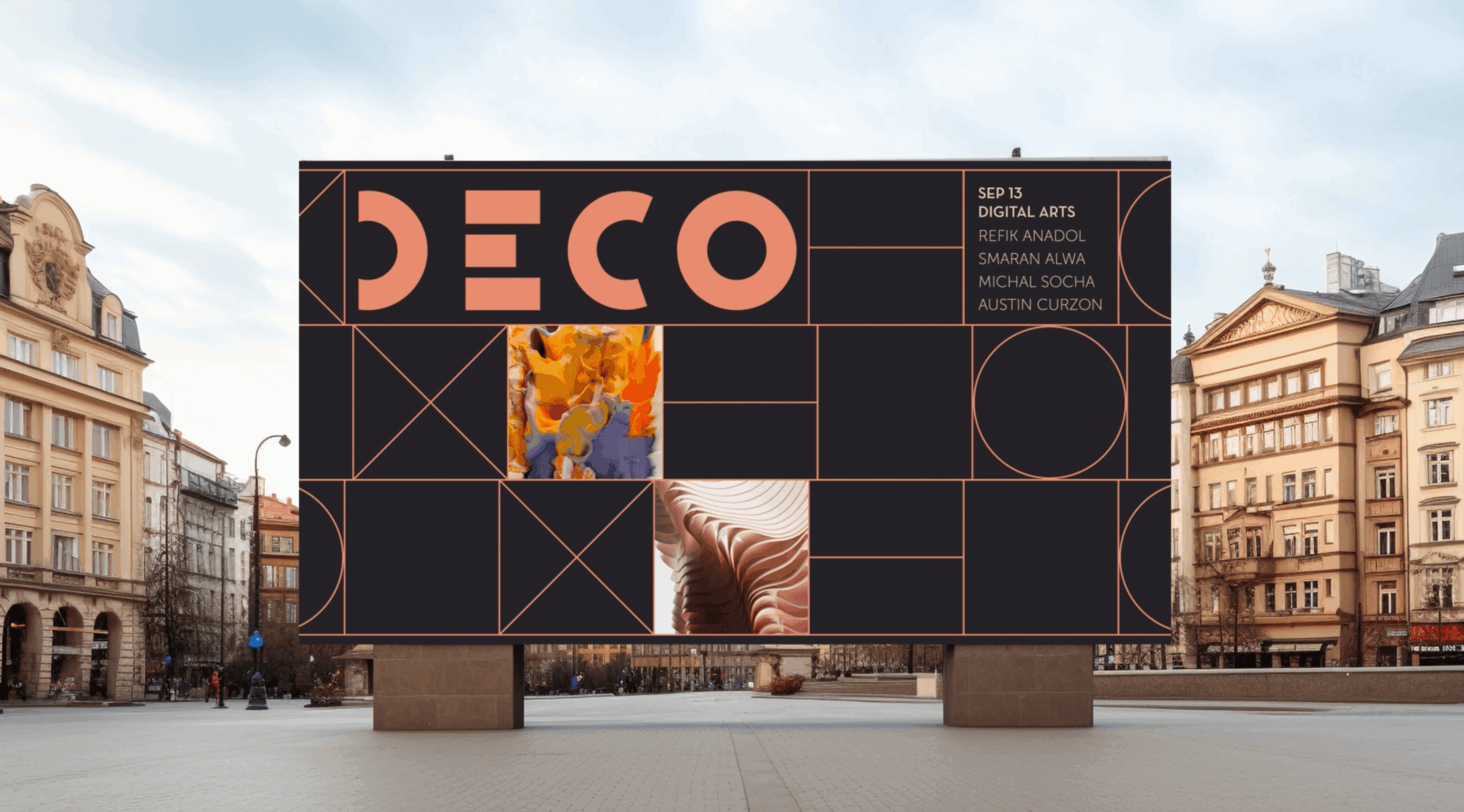
I’m a designer who believes that good work starts long before anything hits the page. For me design only makes sense when it’s backed by strategy. I like understanding the why before I decide the how. That means digging into the problem, the people, the context and the story behind it. Once that foundation is set the visuals fall into place with a lot more honesty and intention.
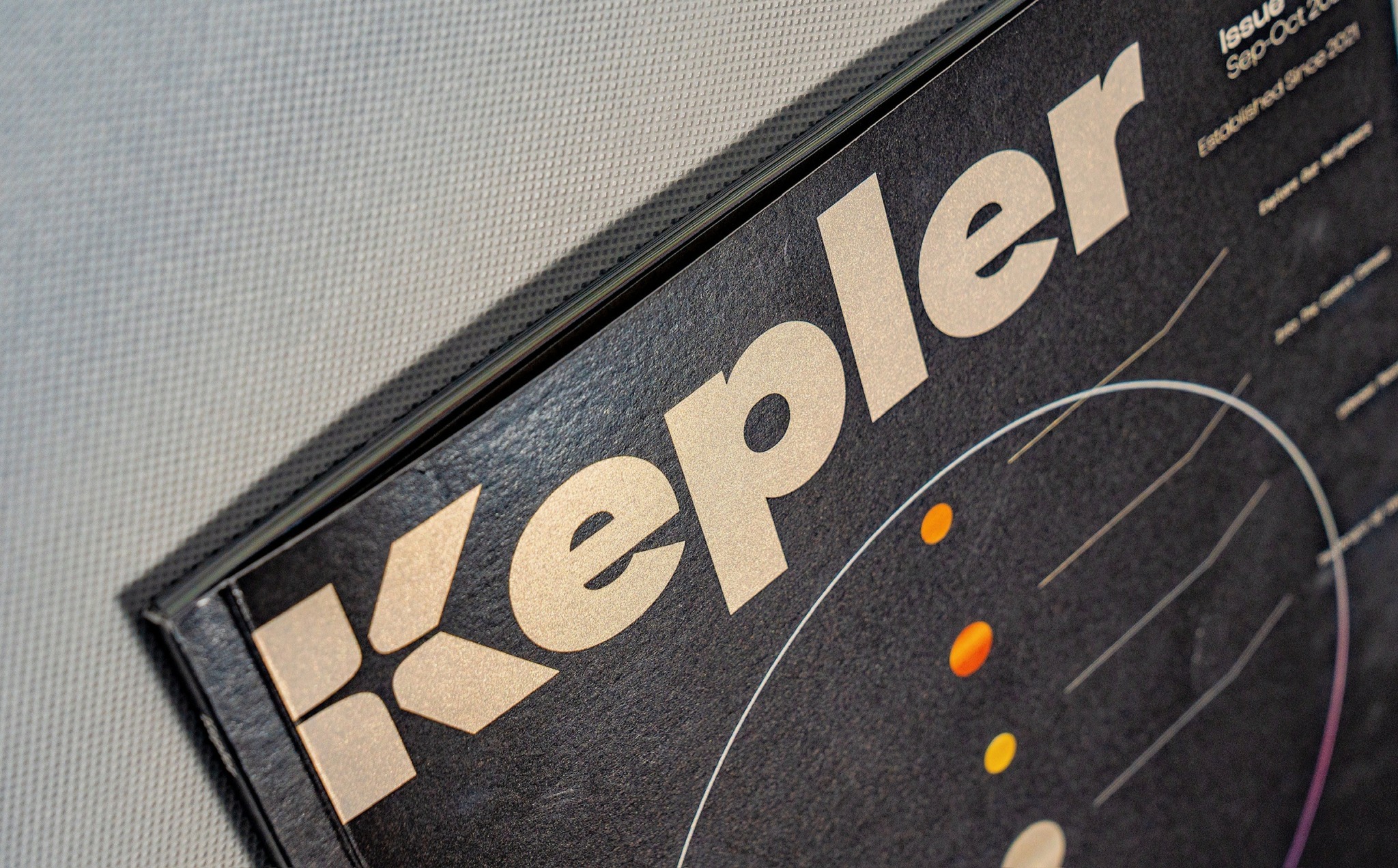
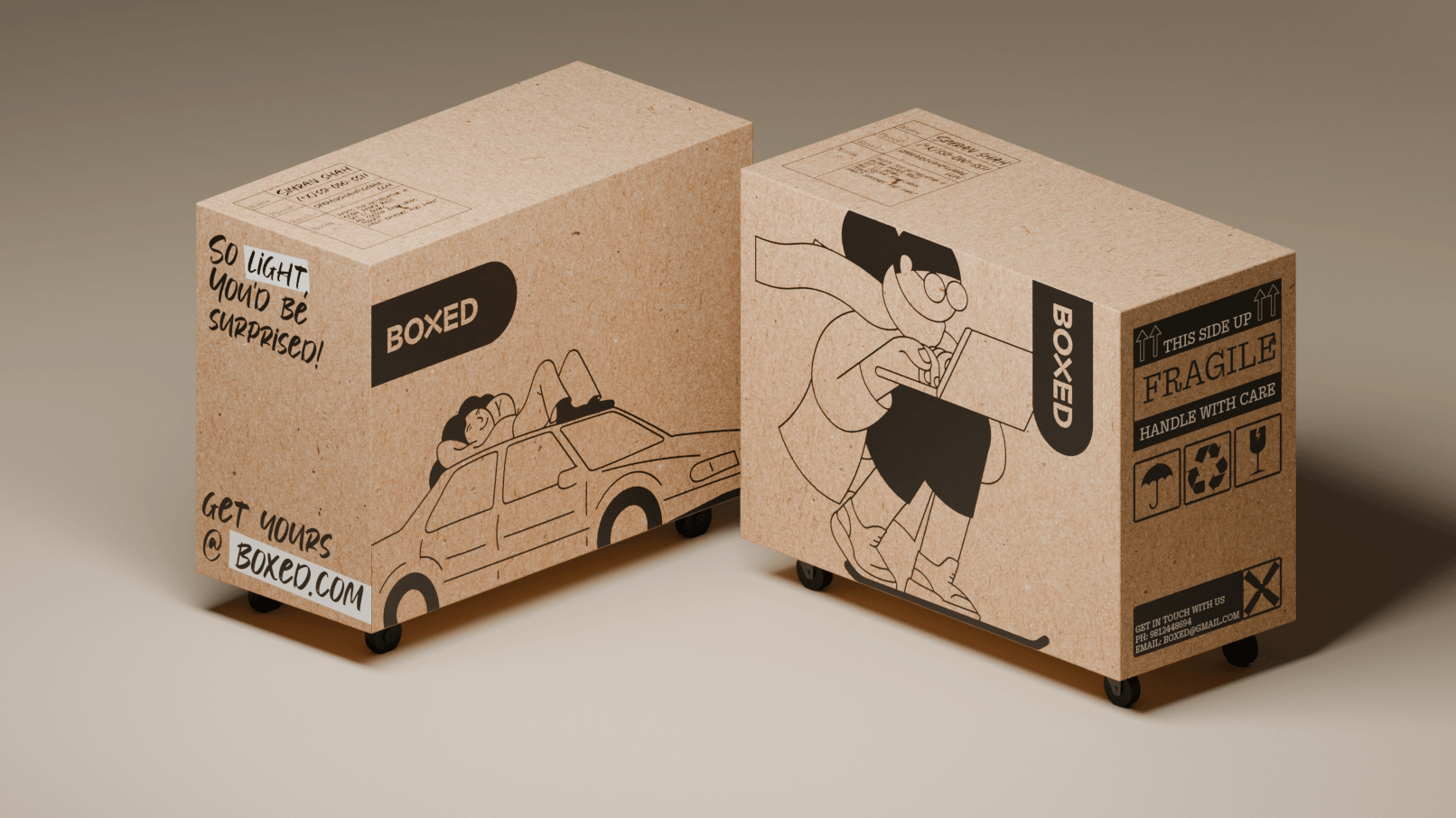
I work across brand identity, campaigns, packaging and digital experiences and my focus is always on creating systems that actually make sense in the real world. I don’t like doing things halfway. Going the extra mile is the only way I know how to work. If something can be pushed further, refined more or made clearer I’ll do it. The final outcome should feel thoughtful not rushed.
What sets me apart is that balance of strategy and craft. I enjoy thinking big picture but I’m just as invested in the small details that give a project its soul. I want the brands I work on to feel intelligent, grounded and visually strong. I want clients to feel like their ideas were heard, shaped and elevated.
At the end of the day my goal is simple. I want to create design that works hard, feels good to look at and carries a sense of purpose. The extra effort always shows. The strategy always matters. I try to bring that energy into every project I take on.
What can society do to ensure an environment that’s helpful to artists and creatives?
Arts aren’t a basic necessity. Nobody’s pretending they rank above food or electricity. But the truth is simple: art makes culture and culture makes society. Strip the world of creative expression and you’re left with a very efficient, very boring skeleton.
Historically, art has survived because people chose to back it. Patrons, institutions, communities someone always stepped in and said, “This matters. Keep going.” That support is what turned individual talent into shared heritage.
If we want a thriving creative ecosystem today, we need that same spirit in a modern form. Fair pay. Grant programs that aren’t impossible to navigate. Brands that invest in original thinking instead of recycling trends. Public spaces that give artists somewhere to play, question and provoke.
Art doesn’t ask to be a necessity. It just asks to be valued for what it actually is the engine that shapes how we see, feel and evolve. Support the arts, and you support the future of your own culture.
What’s a lesson you had to unlearn and what’s the backstory?
A lesson I had to unlearn was that structure is the only path to good work.
That belief came bundled with my architecture training. Architecture teaches you to respect constraints. You follow grids, codes and context. You learn to design inside boundaries and make that discipline look effortless. It gave me taste, rigor and a love for strategy. But it also trained me to behave like the world came with a rulebook.
Switching to graphic design flipped that script. Suddenly the work wasn’t asking me to behave. It wanted me to break form, bend logic and lean into ideas that felt a little odd. The bounds I was so loyal to became the very walls I had to climb over. It was uncomfortable and disorienting and weirdly liberating.
The backstory is simple: I carried my architectural brain into a discipline that thrives on friction and surprise. And I had to unlearn the instinct to stay safe inside the grid. Once I let myself wander, the work got braver. And so did I.
Contact Info:
- Website: https://simranshah.cargo.site
- Instagram: https://www.instagram.com/simantics_/
- Linkedin: https://www.linkedin.com/in/simran-shah71196/
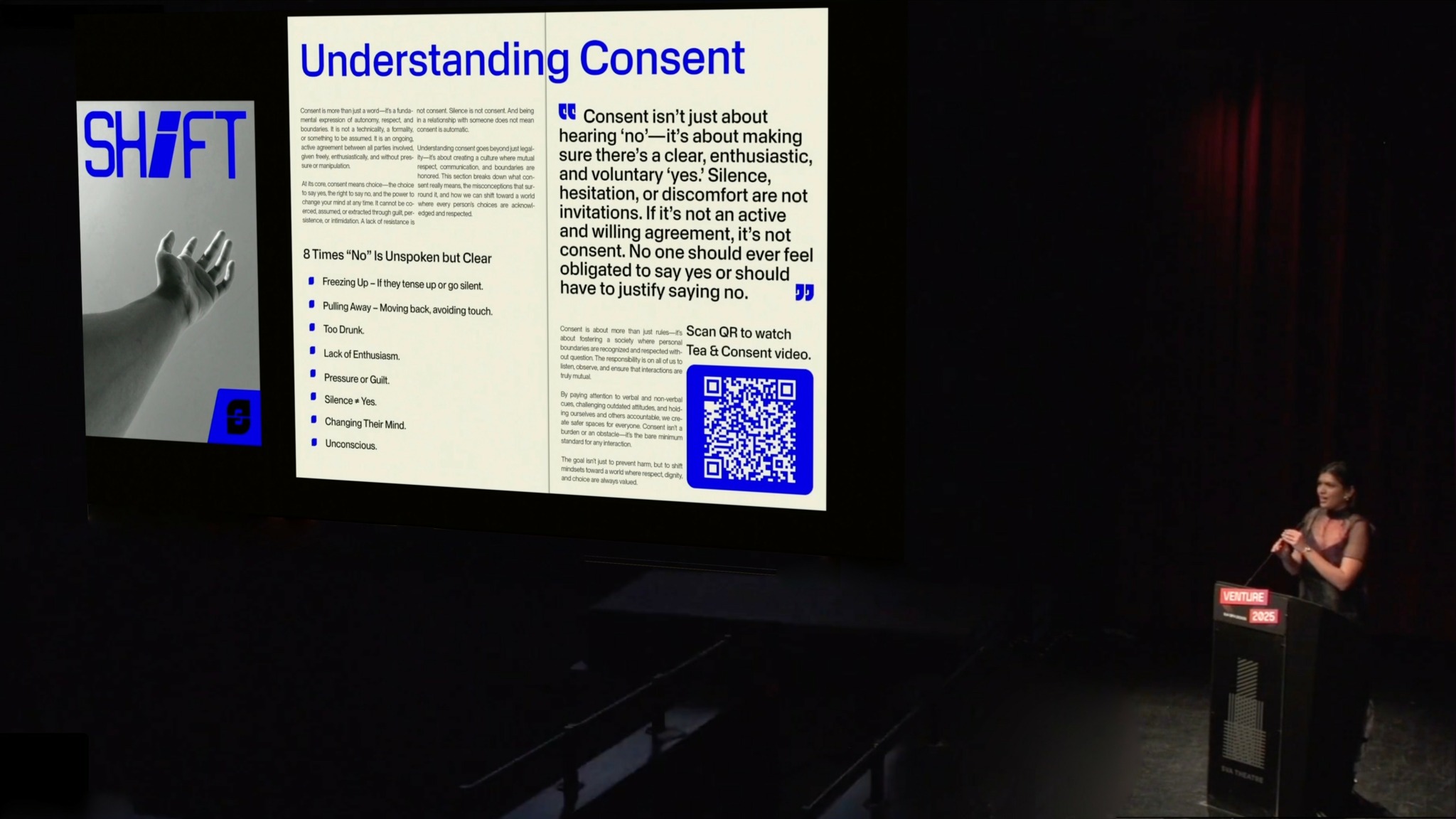
Image Credits
Yuchen (Roșie) Han, Pei-Che Lin, Hanxaio (Winter) Sun, Alina Zhang, Pan Zhang, Lingjiu Tong, Gaoping Hu, Isabel Webre.