



Alright – so today we’ve got the honor of introducing you to Simon Mulla. We think you’ll enjoy our conversation, we’ve shared it below.
Hi Simon, thanks for joining us today. Being a business owner can be really hard sometimes. It’s rewarding, but most business owners we’ve spoken sometimes think about what it would have been like to have had a regular job instead. Have you ever wondered that yourself? Maybe you can talk to us about a time when you felt this way?
I’m happier as a business owner, but yes, I’ve had moments where I thought, “What would life look like if I just clocked in and clocked out?”
The last time that thought hit me was late at night after a long day on two active jobs. I had been on-site most of the day dealing with inspections, subs, deliveries, and a couple of unexpected issues that always seem to show up at the worst time. I finally got home, and my phone was still lighting up: a client had questions, a vendor changed an ETA, and a crew lead needed a quick decision for the next morning. On top of that, I was looking at schedules and thinking about how every small delay affects multiple people: the homeowner, the crew, the next trade, and the budget.
I remember sitting there with my laptop open, plans and photos pulled up, and feeling the weight of responsibility in a very real way. A “regular job” sounded peaceful for about five minutes. Just doing your work, going home, and not carrying every moving piece in your head.
But then I had the other thought that always follows: I’m built for this. I like ownership. I like being the person who solves the problem, protects the client, and keeps the project moving. When you’re the owner, you don’t just build walls, you build trust, systems, and a reputation. And the truth is, the same pressure that makes you imagine an easier path is also what creates growth. It forces you to level up: better processes, better communication, better hiring, better planning.
My conclusion was simple: I don’t want “easy,” I want “meaningful.” I’m happiest when I’m creating something real, leading a team, and delivering a finished project that a family will live in for years. The tradeoff is stress and responsibility, but the reward is freedom, pride, and impact. That night didn’t make me want to quit, it reminded me to tighten the systems so the business runs cleaner, and I can stay focused on what I do best.
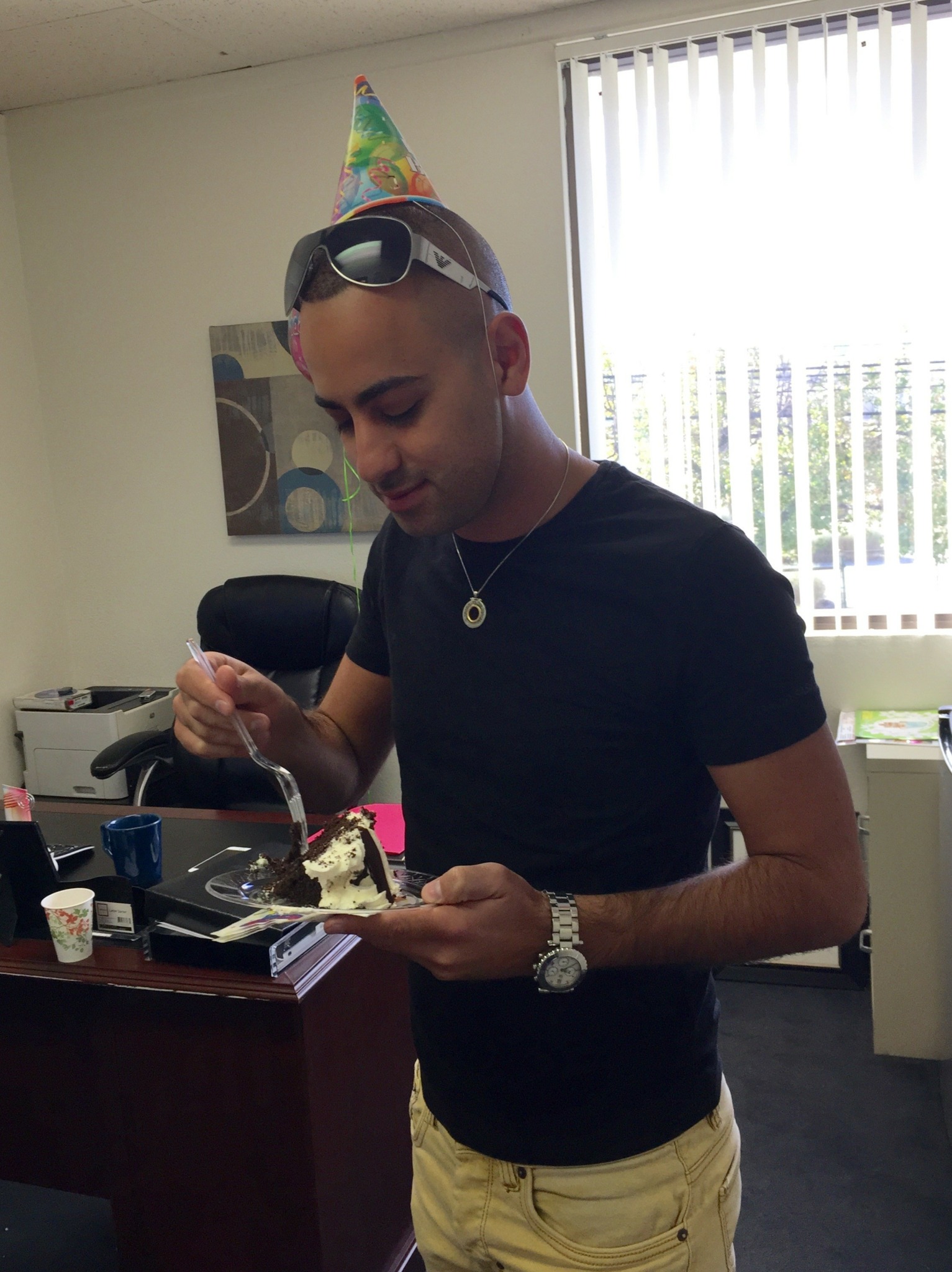
Simon, before we move on to more of these sorts of questions, can you take some time to bring our readers up to speed on you and what you do?
I’m Simon Mulla, founder and CEO of Cali Builders & Construction Inc., a licensed general contracting company based in Los Angeles. I got into construction the way a lot of people do at first, through hands-on work and learning the trade in real conditions, then realizing that the real difference-maker isn’t only the tools or the build, it’s the systems behind the build. Over time, I became obsessed with the parts that make projects succeed consistently: planning, sequencing, communication, documentation, and accountability. That is what led me from working in construction to building a construction company.
Cali Builders focuses on high-responsibility residential projects, primarily new construction builds and major home renovations, and we also take on additions, structural changes, and ADU and garage conversion projects when they fit the right scope. We help clients solve the problems that typically derail construction: unclear scope, unrealistic budgets, poor coordination, lack of documentation, and surprises that get handled late instead of early. Most homeowner frustration comes from small issues that weren’t managed at the right time, so our approach is to be proactive and structured from day one.
What sets us apart is that we run construction like a professional service, not just a trade. That means detailed scopes, clear expectations, tight scheduling, and real communication. We push hard on pre-construction planning, because every hour spent clarifying the job early saves days of conflict later. We also take compliance seriously. I’m recognized as an industry expert with the California Contractors State License Board, and I’m an EPA Lead-Safe Certified Firm, which matters on projects involving older homes and higher-risk conditions. In our world, doing things correctly isn’t optional, it’s how you protect the client, protect the team, and protect the project.
I’m most proud of the reputation we’ve built for consistency. Anyone can have one good job. What matters is delivering quality repeatedly, across different project types, with different constraints, and still keeping the process stable. I’m hands-on with my projects, and I care deeply about the experience the homeowner has while the work is happening, not just the final walkthrough. The main thing I want potential clients to know is this: if you’re looking for a contractor who will communicate, document, and manage the job properly, and treat your home like a serious project with real oversight, that’s exactly what we do. We build with standards, and we build to last.
Can you talk to us about how you funded your business?
Funding the business came from a very straightforward place: work, discipline, and patience.
Before Cali Builders existed, I spent years working for my father, who was also a contractor. I wasn’t just “helping out”, I was in the field learning the trade, learning how jobs really run, and seeing up close what separates a contractor who survives from one who builds a real reputation. At the same time, I was saving aggressively. I lived below my means, stayed focused, and treated every paycheck like a step toward independence. I knew I didn’t want to start a business on shaky footing or with pressure from loans that would force me to take the wrong projects just to cover payments.
When I finally decided to launch Cali Builders, the initial capital was my own savings. I used it to cover the basics that actually matter in construction: licensing, insurance, tools, equipment, a reliable vehicle setup, initial marketing, and the cash buffer you need to float materials and labor before the first payments come in. In construction, cash flow timing can make or break you, so having that cushion gave me the ability to operate professionally from day one.
I’m grateful for the foundation my father gave me, not just the skills, but the mindset. Working under him taught me to respect the craft, keep my word, and understand that consistency is everything. Saving up and then stepping out on my own was my way of earning that next chapter. That’s what “spreading my wings” looked like for me: taking what I learned, betting on myself, and building something that could stand on its own.
Can you talk to us about your experience with selling businesses?
Yes, I have. Last year, I owned a garage door repair company in New Orleans, Louisiana, and I ended up selling it when I received a strong offer. It was a good, operating service business, and the sale process taught me a lot about what buyers actually value and what entrepreneurs should build toward if they want the option to sell one day.
A few lessons that stood out:
Build the business so it can run without you
If the owner is the system, the business is harder to sell. The more you can standardize how calls are handled, how jobs are scheduled, how pricing is set, and how work is delivered, the more confidence a buyer has.
Keep your financials clean and simple
Buyers look closely at your books, margins, and cash flow. Clean records, consistent reporting, and clear separation between business and personal expenses protect the value of your business and reduce friction during due diligence.
Protect your reputation and customer pipeline
In a service company, reputation is an asset. Reviews, referrals, and repeat clients increase value because they signal predictable demand.
Have your documentation ready
Service businesses sell faster and for better terms when you can clearly show processes, vendor relationships, customer records, and what’s included in the sale.
Sell from strength, not pressure
The best time to sell is when the company is healthy and the offer is right, not when you’re forced to exit. That gives you leverage and better terms.
Selling that company reinforced something I strongly believe: even if you don’t plan to sell, you should operate like you might someday. It forces you to build structure, stability, and real value instead of relying on hustle alone.
Contact Info:
- Website: https://cali-builders.com/
- Instagram: https://www.instagram.com/calibuildersinc/
- Facebook: https://www.facebook.com/CaliBuildersinc?mibextid=LQQJ4d
- Linkedin: https://www.linkedin.com/company/cali-builders-construction-inc
- Twitter: https://twitter.com/BuildersCali
- Youtube: https://www.youtube.com/channel/UC-v3dYLoJr0Axpw3W95paJQ
- Yelp: https://www.yelp.com/biz/cali-builders-and-construction-los-angeles-19?osq=cali+builders
- Other: Google My Business: https://www.google.com/search?client=safari&hl=en-us&output=search&q=Cali+Builders+%26+Construction+Inc.&ludocid=8357778547711196660&kgs=de5e429eb5c2aae5&shndl=-1&source=sh/x/kp/local&entrypoint=sh/x/kp/local
TikTok: http://www.tiktok.com/@calibuilders
NextDoor: https://nextdoor.com/login/?next=/pages/cali-builders-construction-inc-city/recommend/
Houzz: https://www.houzz.com/professionals/general-contractors/cali-builders-and-construction-inc-pfvwus-pf~917841984?

Image Credits
Simon Mulla