



We’re excited to introduce you to the always interesting and insightful Simon Levin. We hope you’ll enjoy our conversation with Simon below.
Simon, thanks for taking the time to share your stories with us today Earning a full time living from one’s creative career can be incredibly difficult. Have you been able to do so and if so, can you share some of the key parts of your journey and any important advice or lessons that might help creatives who haven’t been able to yet?
My journey to become a full time creative has always been characterized by an uncompromising desire to keep studio work unaffected by outside influences. I work hard to keep the studio space sacred; a sustainable place where I can explore ideas and projects that are meaningful to me.
Outside influences come in many forms, the sweet well meaning friend who says “I think you should make…” the customer who wants you to be their hands bringing their ideas into reality, or the cold hard influence of successful sales. A more internal voice of comparison can also bring influence into the studio, seeing other people’s success or attention can pull us in ways that divert us from our own values and ideas.
In order to split my creative work from these influences I work hard. Some of the work is internal, but much of it is based on the idea that I will make what I want to make, make the things I believe in and love and then I will sell that. And in order to sell the things I have made after the fact, I have had to learn a lot of marketing skills, as well as build a customer base and national reputation. These are time consuming skills that demand hard work separate from the act of making.
As always, we appreciate you sharing your insights and we’ve got a few more questions for you, but before we get to all of that can you take a minute to introduce yourself and give our readers some of your back background and context?
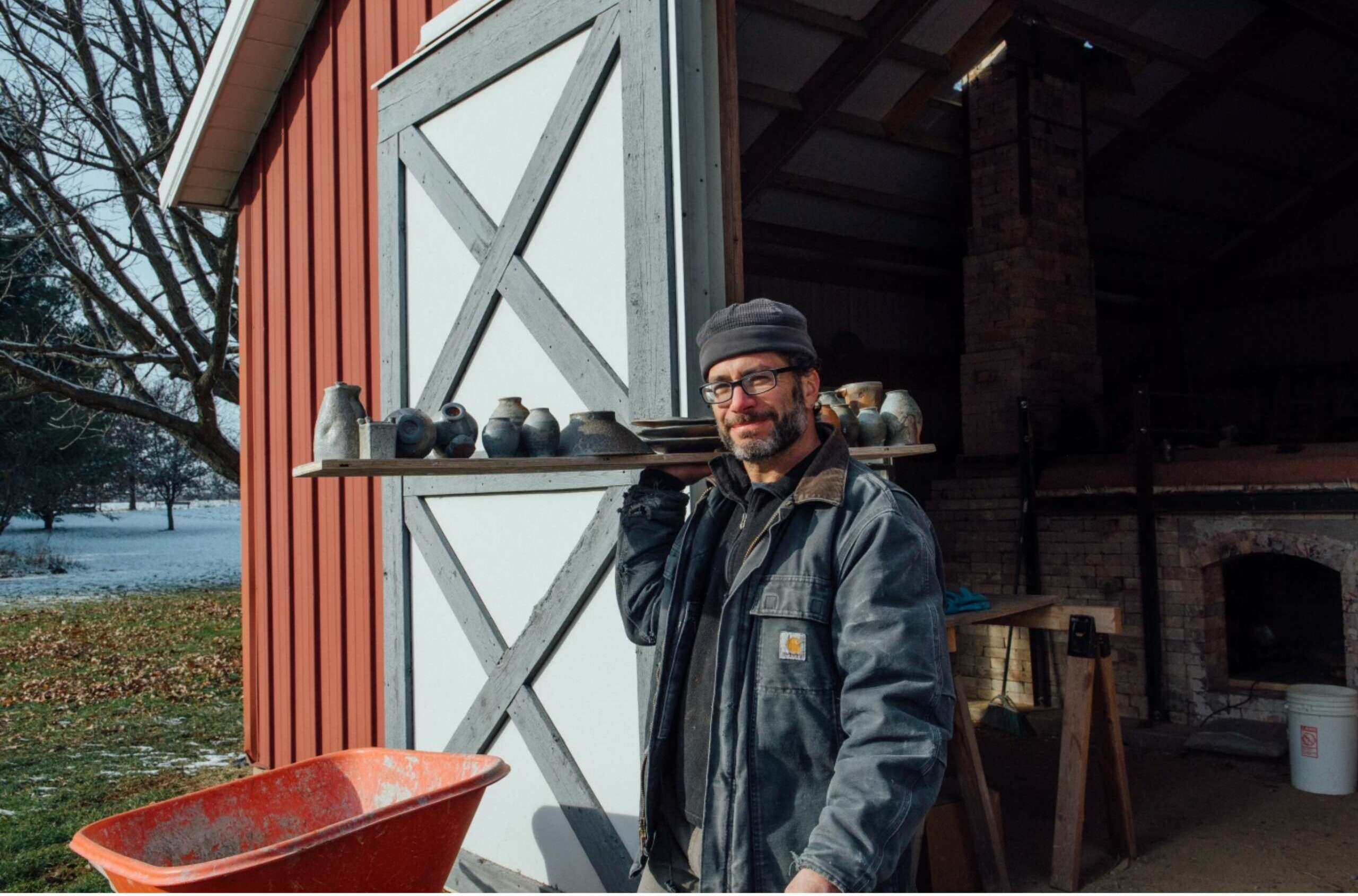
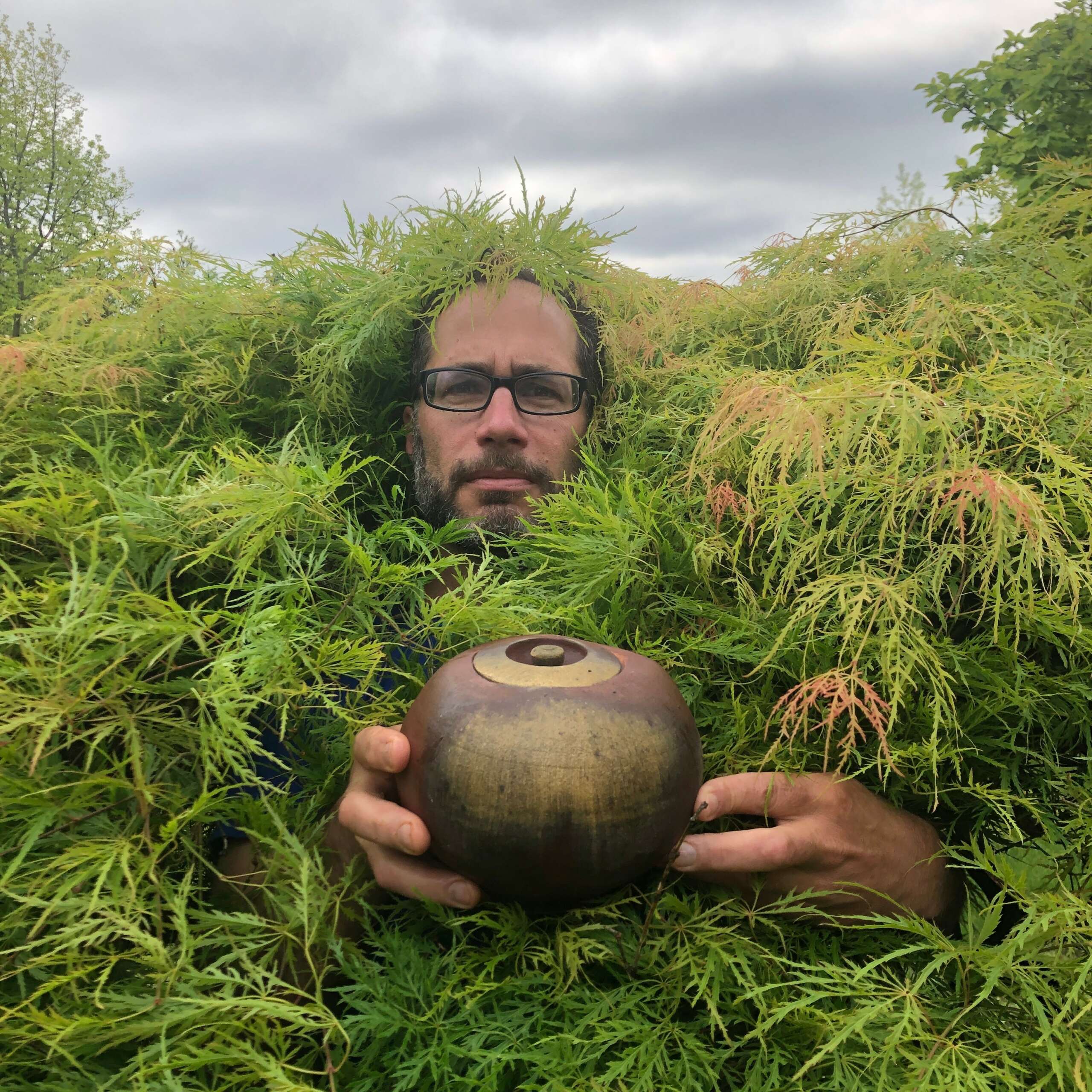
I fell in love with pottery in 1990 in my last semester of college. I was beautifully and happily derailed into becoming a full time studio potter. I sought teachers and communities that valued artistic expression, quality craftsmanship, and material exploration. I was hungry to learn. I first tackled technique but soon learned that technical skills are an important means but not a sufficient goal. I seek to make objects that hold beauty, variation, some mystery and a connection between me and the user. The folks who use my work are privy to the things I love about clay, fire, and function. They can see my attention to detail and how beautiful the material is.
My journey as a potter has taken me to China, Taiwan, East Timor, Italy, and all over the US. I was a Fulbright Scholar, and I have built kilns for many US colleges and Universities. What sets me apart, is I am deep down the rabbit hole of a niche area of ceramics, but that focus and travel has given my work a much more global and timeless perspective and my own pottery is richer and more approachable because of my experiences.
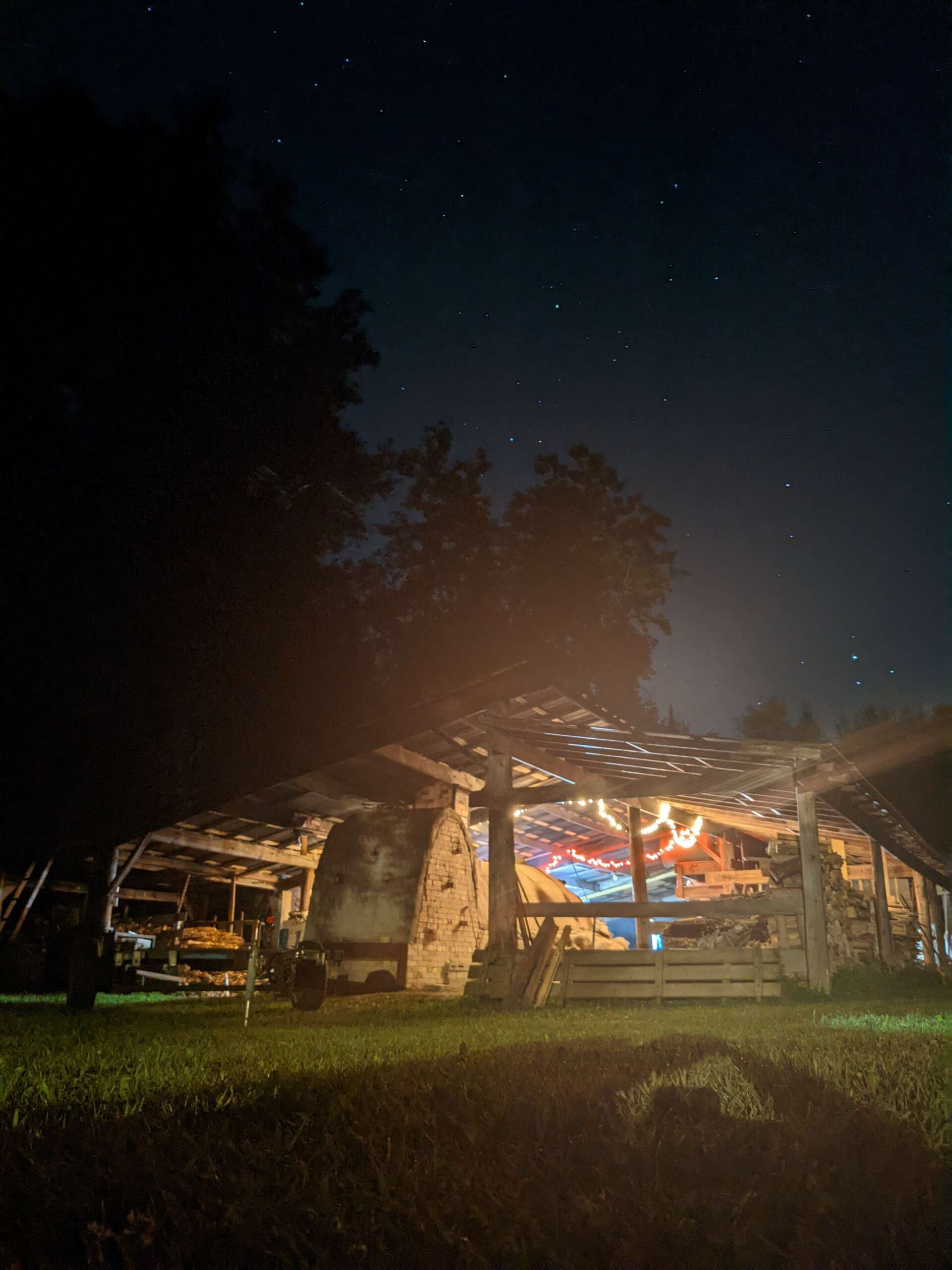
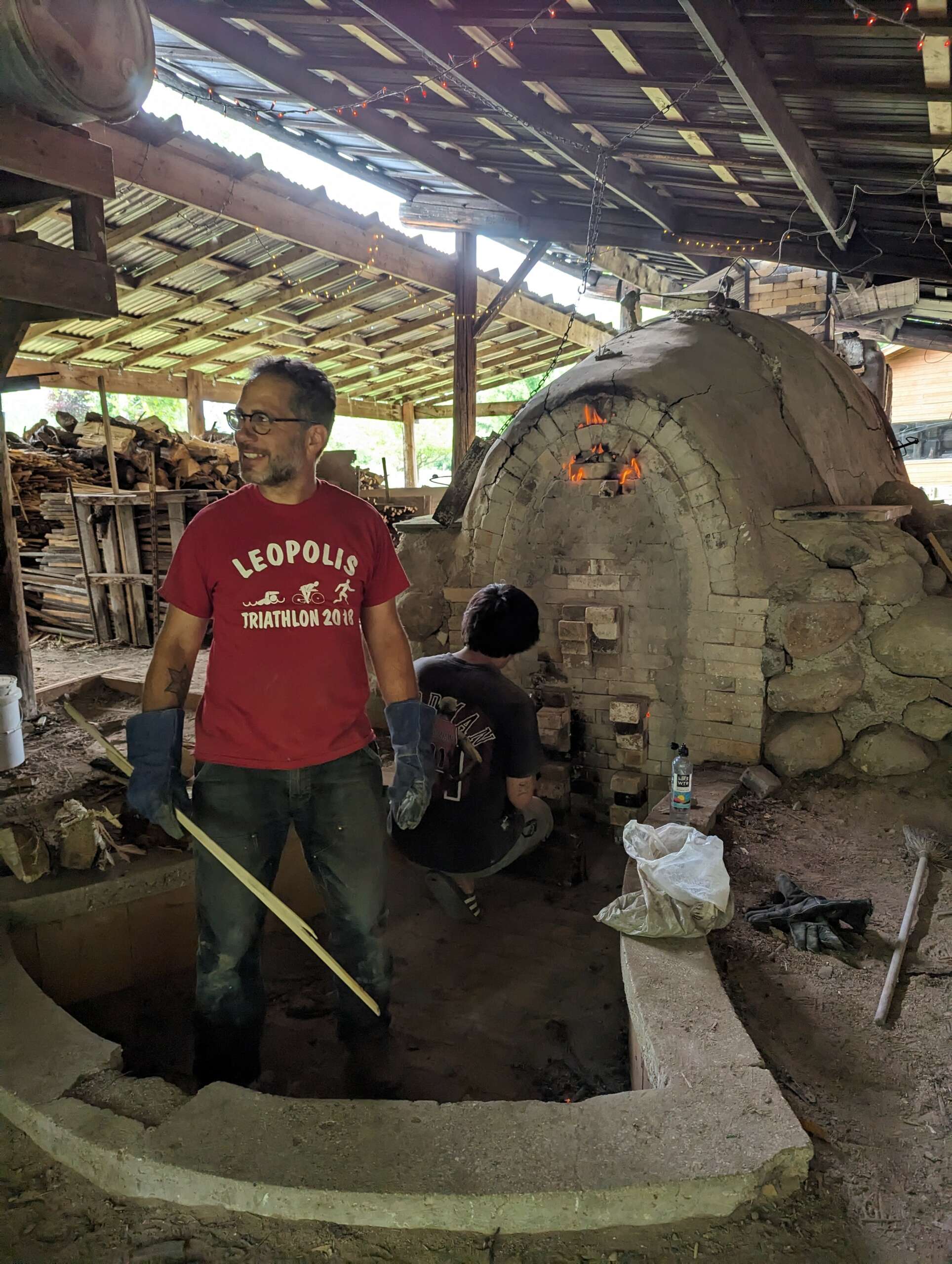
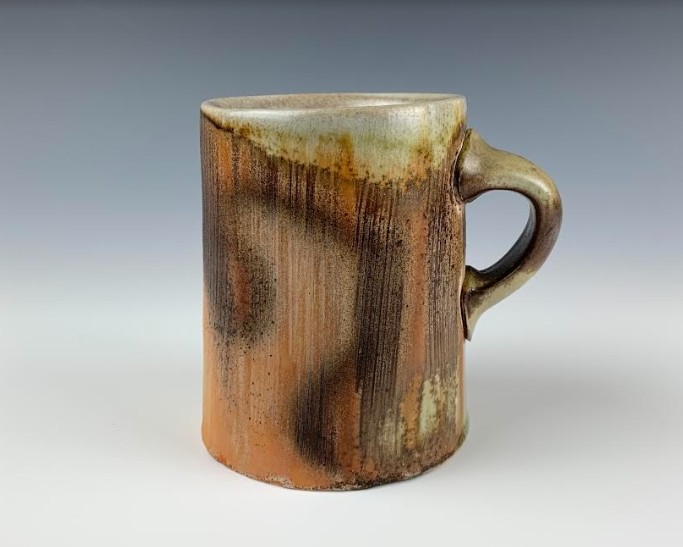
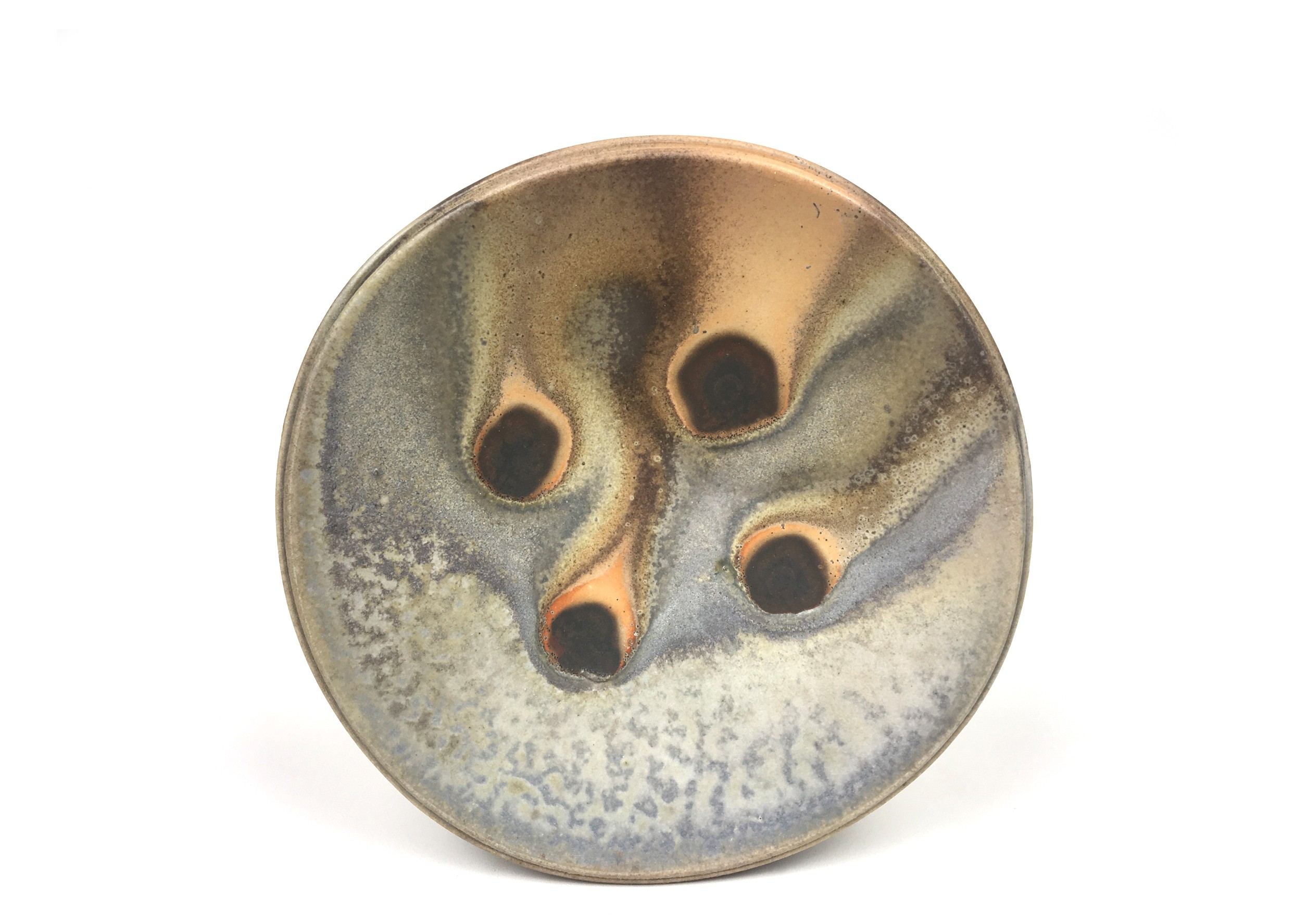
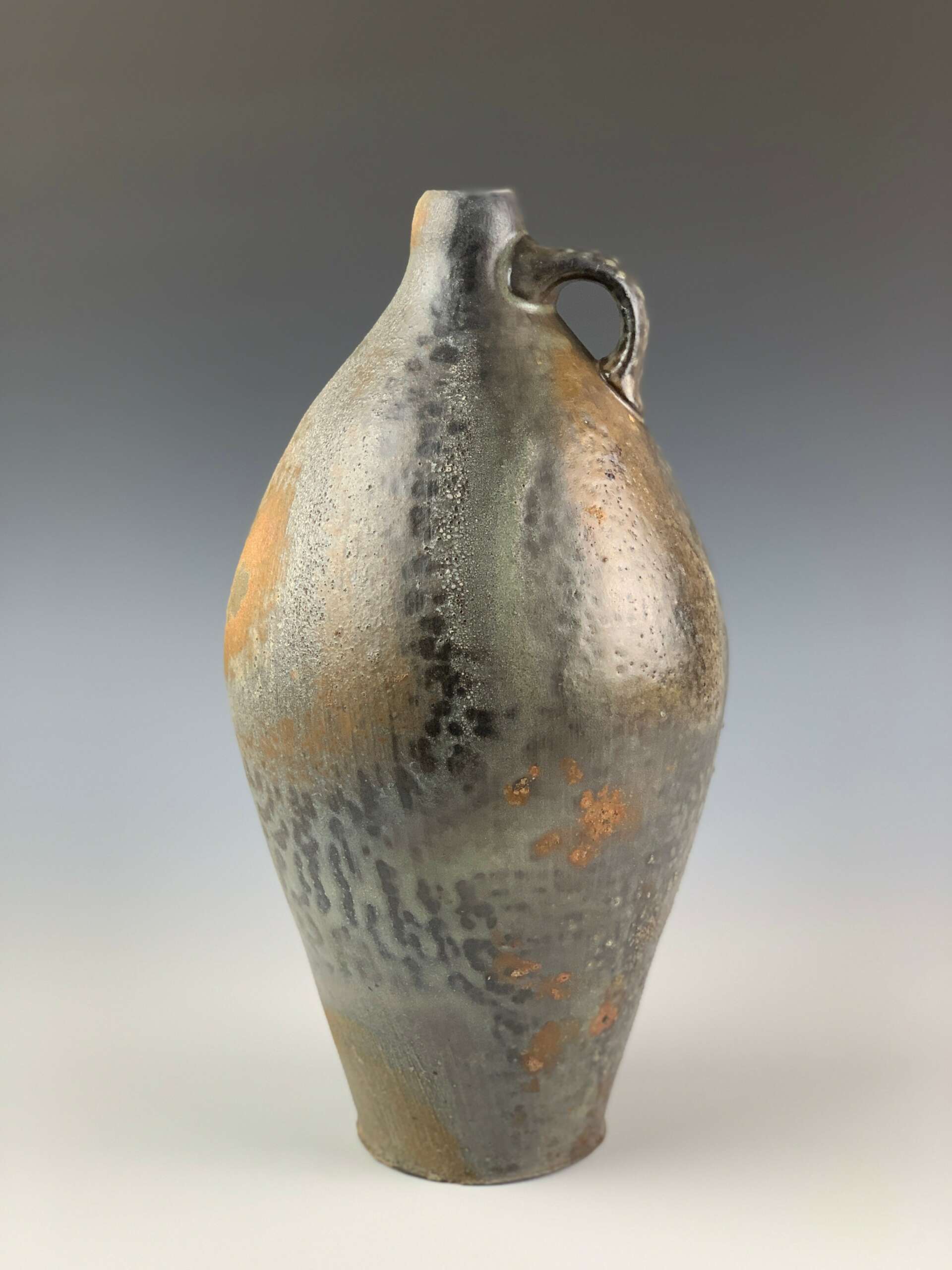
It does help to know about why my pots look the way they do. My pots are highly functional, made for everyday use, food and dishwasher safe. That being said, many of the surfaces are glazed by the flame and ash. We fire to over 2300 degrees fahrenheit using wood as our fuel. The ash from the wood lands on the pots, carried by the flame, it melts into a glaze at these temperatures. So we see more glazing on the side of the pot that faces the fire, than the downwind side that faces the chimney. One pot also casts shadows on the pots behind it. Imagine a river of moving over and around large stones, the water would swirl, and eddy as it moves through this obstacle course. Woodfiring is akin to this, with the pots acting as stones and recording the passage of the flame. No two pots are alike, and I am able to evoke rich colors from the raw clays I use.
Are there any books, videos or other content that you feel have meaningfully impacted your thinking?
Once I realized that I would do well to learn some better marketing techniques I found Malcolm Gladwell’s “Tipping point” an excellent resource. It is not really a how-to book that is prescriptive but it helped me to understand systems better, and how I might creatively use them. At one point Malcolm talks about the strength of weak connections. Essentially it is more powerful to promote your work to the people you barely know, rather than the people you know well. The idea is that your friends mostly know people you already know, and therefore they are already aware of you. But promoting to your dentist or someone mostly outside your circle has a much greater effect on reaching customers who never knew about you.
We fight this effect on social media, as algorithms promote mostly to your followers. The apps already self select against growth. That being said, there are some great ways to cross those boundaries and build your customer base.
Any insights you can share with us about how you built up your social media presence?
I found a few things really helpful to building a social media presence. Talk about things you love, what excites you about what you are doing. Don’t just talk about what you are doing or selling. Folks are savvy and leading with a narrow agenda is boring. Instead invite people into your world and connect with them.
Tie your success to other people’s self interest. Sharing information, ideas, connections makes you a hub. People will come to you because it serves them as much as it serves you.
Cross into new spaces. Collaborate with creatives who are outside your field, so your followers become aware of them, and their followers become aware of you.
Lift other people up with you. Do posts or interviews with creatives you like. Create a culture of support. This is your community.
Learn to write, edit, and take good images of your work. Art work never speaks for itself. You have to translate as well as make people aware of the conversation. Compelling words, images, videos, etc reach far more people than objects sitting on a shelf.
Empathy is a great teacher, watching how you respond to the ways other creatives promote is very telling on how people will react to your efforts. Imagine first time viewers to your website, or your social media profile. What are two things you want them to know?
Remove obstacles that might keep people from finding you. My instagram handle is @woodfire, my website is my name SimonLevin.com. My email is my first name@ my website.
Sneakily work your contact information into the text of articles you write.
Nothing is hard to spell.
All relate to me or what I do.
I put these bits of information on my business card, my website, a trifold pamphlet I bring to sales, and on images I use in any lectures I give.
I ask all galleries that represent me to use my contact info on their websites.
Collect emails.
Make it easy for people to sign up
Ask them to join the mailing list.. Remind them to sign up, especially if they bought work
Make it easy to buy work. Remove obstacles. Make it one click. Have
Items for sale on the front page of your website. Post easy links to the store.
Contact Info:
- Website: SimonLevin.com
- Instagram: @woodfire
- Other: Cohorts.Art. – my online small batch Mentorship program.
Image Credits
Simon Levin IMG_0048 – Elin Hughes IMG_4652 Brian Chen Simon’s Head Shot. Alessia Mavilla