

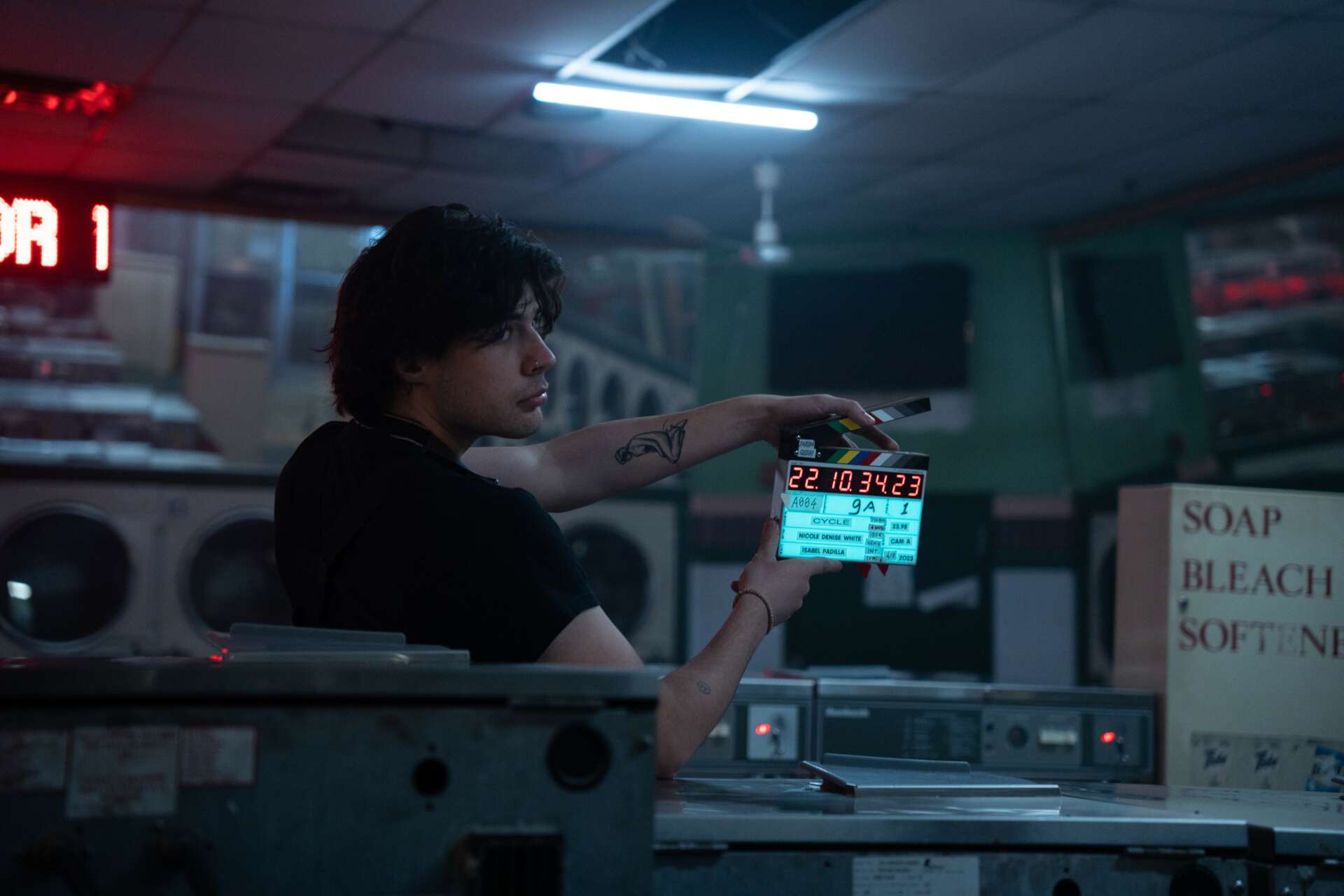

We caught up with the brilliant and insightful Simon Giuseppe Floris a few weeks ago and have shared our conversation below.
Alright, Simon Giuseppe thanks for taking the time to share your stories and insights with us today. We’d love to hear the backstory behind a risk you’ve taken – whether big or small, walk us through what it was like and how it ultimately turned out.
Anyone who has applied for an O-1 visa can relate to how dreadful it feels to watch several thousand dollars disappear from your bank account just for the opportunity to maybe, possibly get to stay in the US for a few years longer. With lawyers, union, and government fees it can be upwards of $6,000, and over $8,500 for a faster answer from the United Sates Citizenship and Immigration Service (USCIS), or what they call a “Premium Processing Fee”. That amount of money doesn’t mean that you definitely get to stay in America, but only that you have a chance to.
I took that risk back in April 2023, and finally submitted all the necessary paperwork and signatures in June. It was a hellish few months filled with emails to answer, a portfolio to flush out, recommendation letters to get filled out, and so many more urgent things to take care of. All of that was on top of me trying to make enough money in a freelance industry that coincidentally was starting to go through a dry period due to a strike by the Writers Guild of America. I didn’t have a single good night’s sleep the whole time through.
I say that I took a risk only in April 2023, but really I took a much bigger one back in May 2018, when I made a final decision on where to go for universiry. See, I’m European by passport (half Italian, half Danish), so the easiest choice would’ve been to get to a nice, cheap school in Europe, whether it be Copenhagen, Paris, London, or anywhere else. Once college would be over I wouldn’t have to do anything except celebrate and start a new chapter of my life, without ever having to figure out how to stay in the country, for how long, or for how much money.
Instead, I decided to come to the US, which is known for many things, but in the context of this story, two main ones: incredibly expensive universities and incredibly strict immigration policies. My reasoning was that since America is where most of the internationally popular movies are made, I would have an easier time finding jobs after, so in the long term this high risk decision would pay off. Luckily for me, it did. I got through college with pretty good grades and a great deal of connections that helped me find work less than a month after graduating.
Coming to America was the biggest risk I’ve ever taken, but also the most rewarding one by far.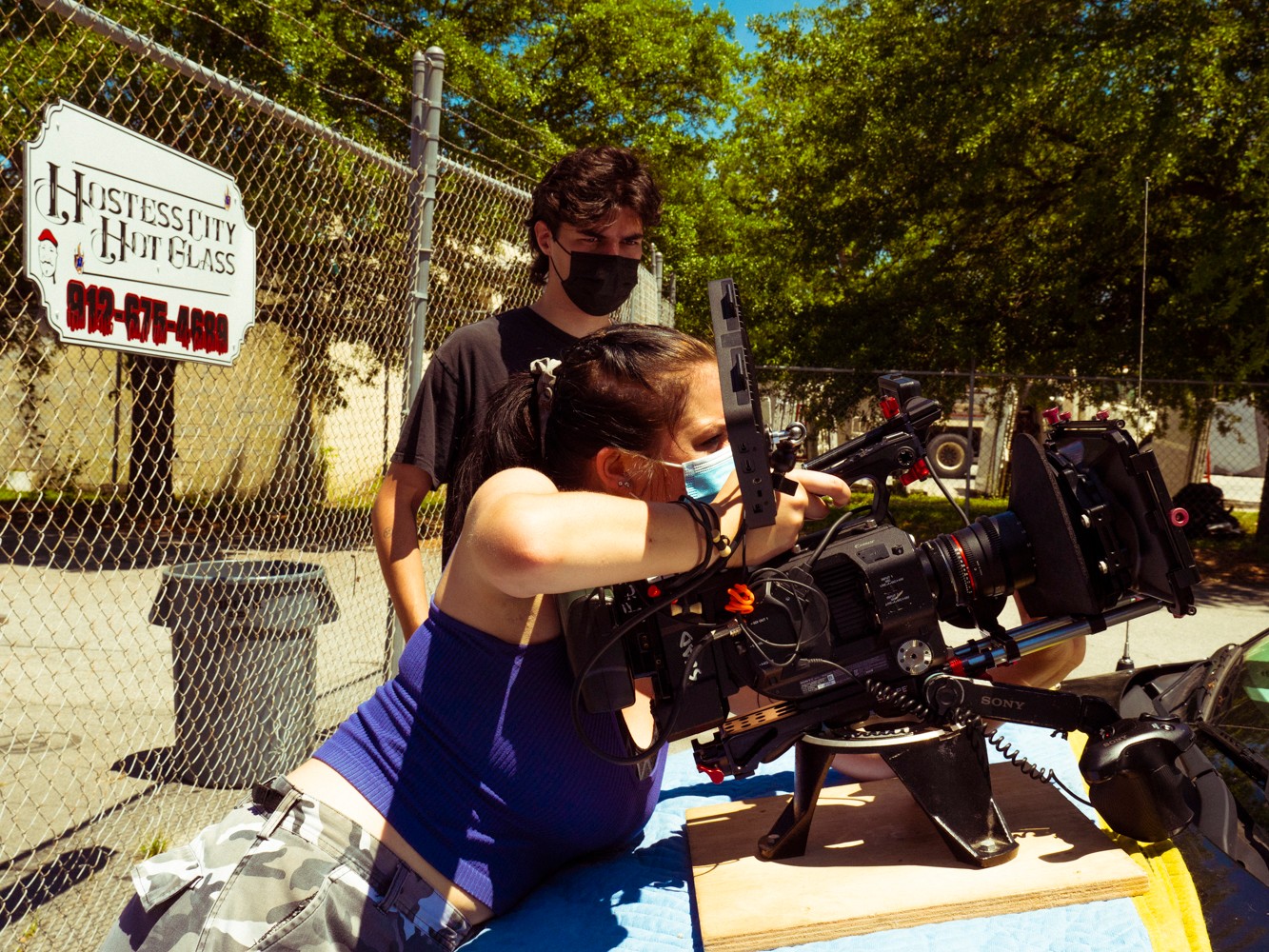
Simon Giuseppe, before we move on to more of these sorts of questions, can you take some time to bring our readers up to speed on you and what you do?
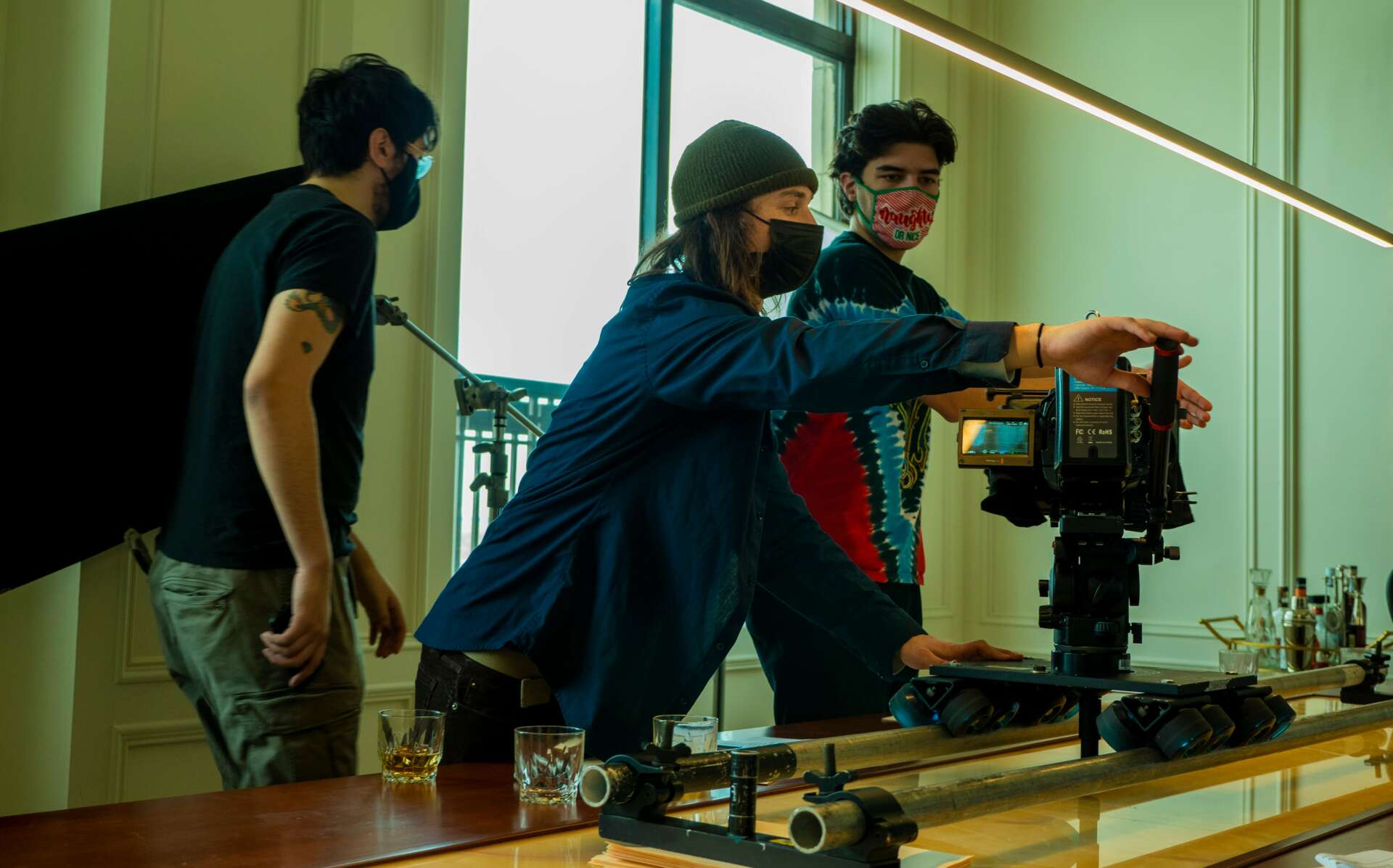
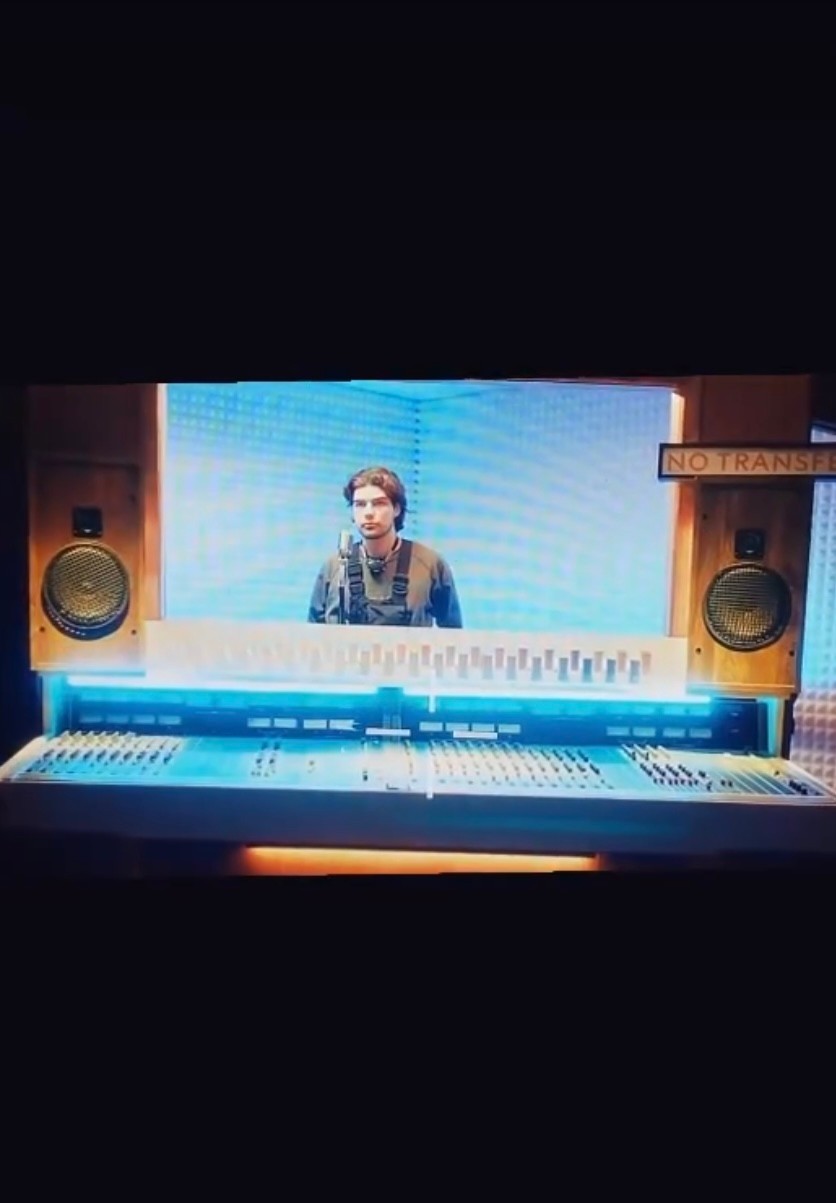
I work in the film industry in New York City. I mainly take on the roles of editor and of camera assistant. As an editor I’ve worked for major brands such as Lego, Chime, and musicians such as Terell Hines, of Capitol Records fame. As a camera assistant I’ve worked on large productions, such as commercials for Gucci, Iberia, Vox, and Fitbit. What stands me apart from most other camera assistants in New York City is my status as a polyglot: I speak four languages fluently and this multilingual talent has helped out on certain sets where most of the crew were being flown in from Italy, France, Spain, or other parts of Europe. I managed to figure out what they wanted or needed faster than an English speaker who’d have to guess what the cinematographer or producer was trying to get at. When I don’t edit or camera assist, I direct and shoot my own personal projects, typically filming close friends of mine who are musicians or artists in other fields to highlight their talent and increase their reach.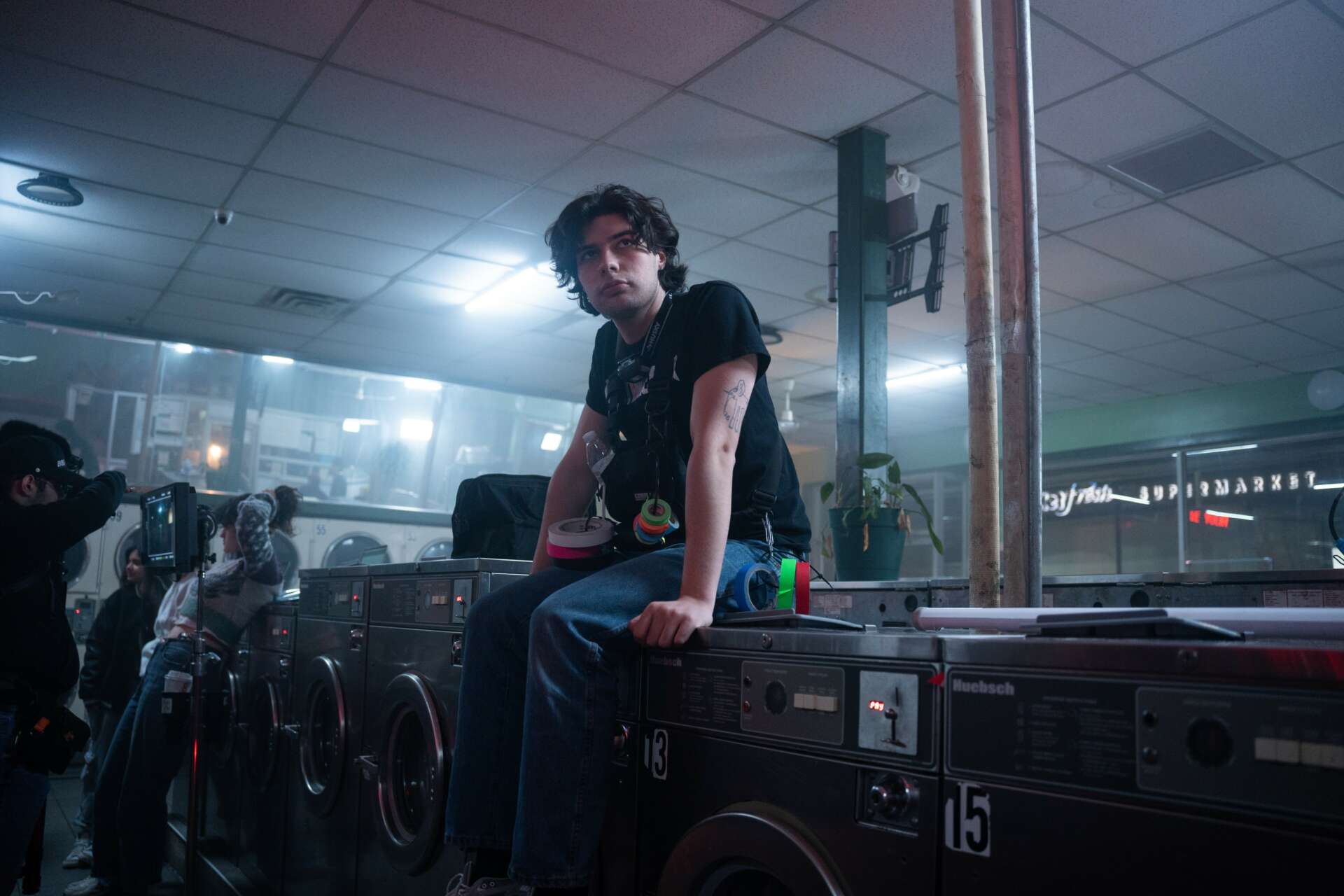
Do you think there is something that non-creatives might struggle to understand about your journey as a creative? Maybe you can shed some light?
A freelancing career can be an incredibly scary thing to embark upon. I’ve had friends tell me they couldn’t fathom not having a financial safety net, something to securely rely on for rent and other expenses. They’re afraid that one bad month could jeopardize a comfortable life. What I wish they knew is that while freelancers may not have control on job opportunities given to them by others, they can always offer their services unrequitedly. The good thing about New York City is that there are so many people, and a large amount of them will always need help with artistic things, whether it be editing a video they shot, or designing a website for their business, or really anything creative that they don’t have the time or ability to do. It’s incredibly helpful to remind yourself that you can make your own opportunities, even when nobody is reaching out to you for help—sometimes, people don’t know they need any.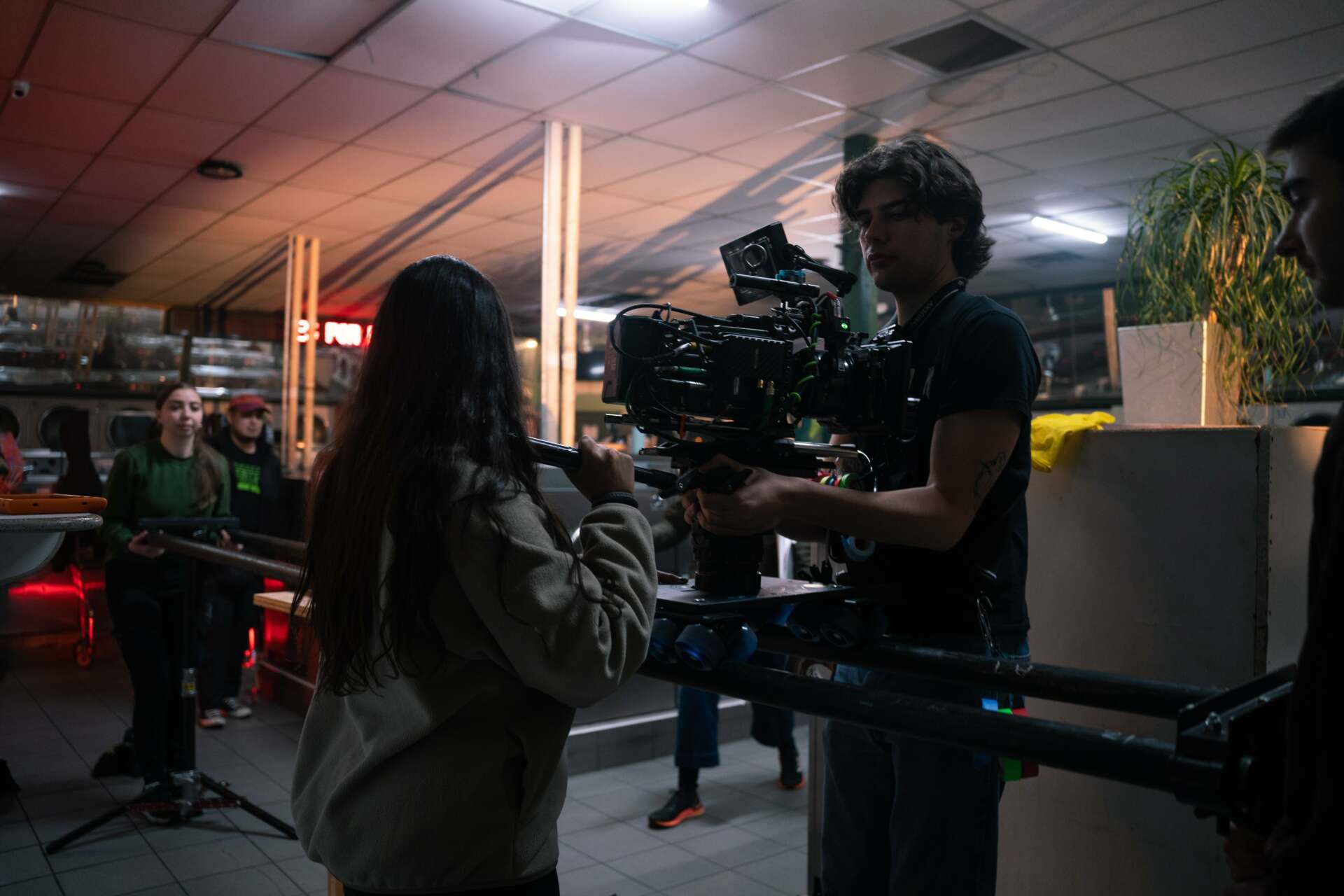
What’s the most rewarding aspect of being a creative in your experience?
Like many other people in creative industries who don’t work 9 to 5, I derive immense pleasure from getting to choose my own hours. As an editor I can work whenever I want and wherever I want, free of time constraints that I didn’t agree to in the first place. 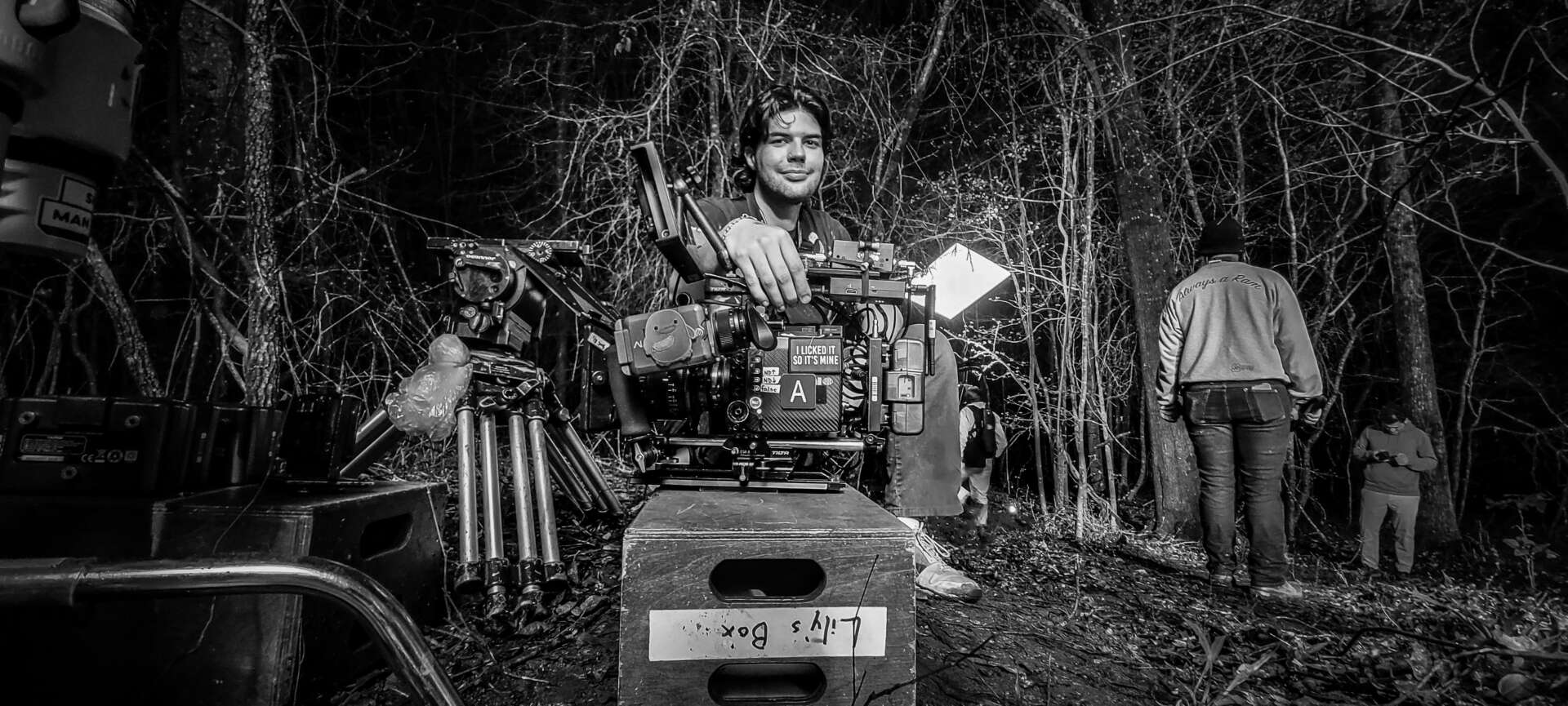

Contact Info:
- Website: https://simonfloris.com/
- Instagram: simonofloris
- Youtube: https://www.youtube.com/channel/UCl1OeY6CqzmjWTkF1lQvG_w
Image Credits
Elena Dagan, Mary Claire McCoy, Jim Cole