
We recently connected with Silvia Chen and have shared our conversation below.
Silvia, appreciate you joining us today. Alright – so having the idea is one thing, but going from idea to execution is where countless people drop the ball. Can you talk to us about your journey from idea to execution?
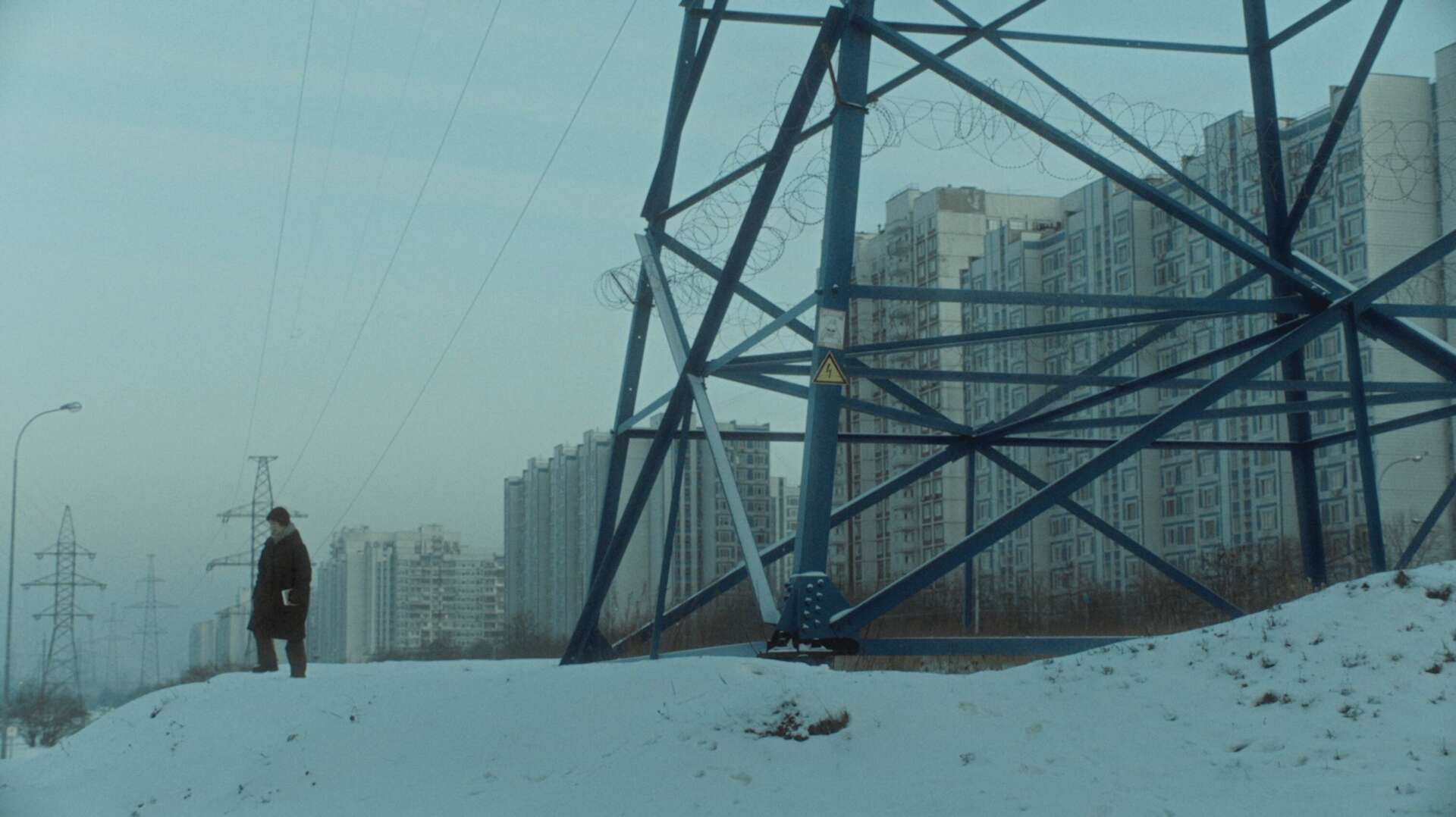
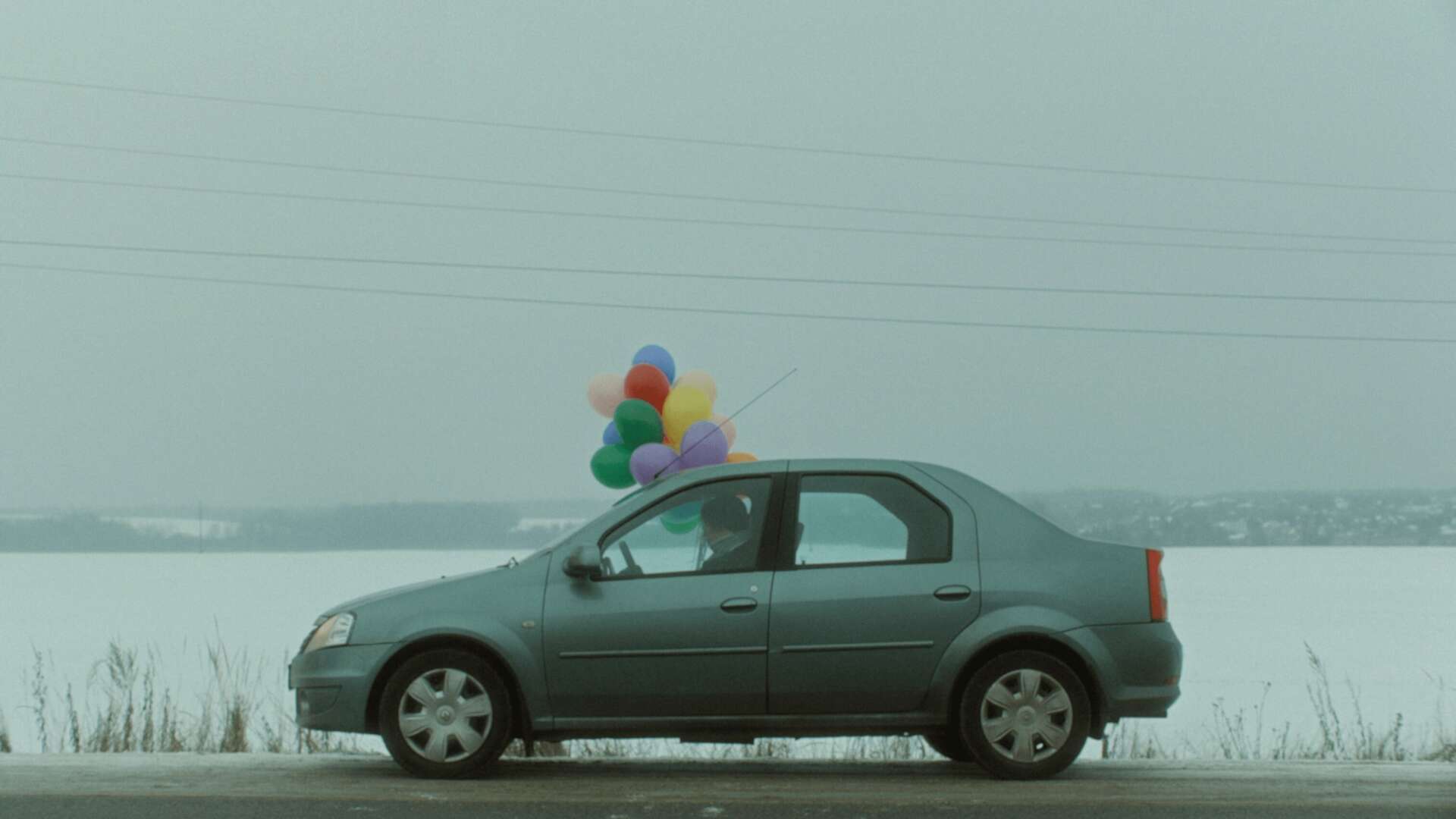
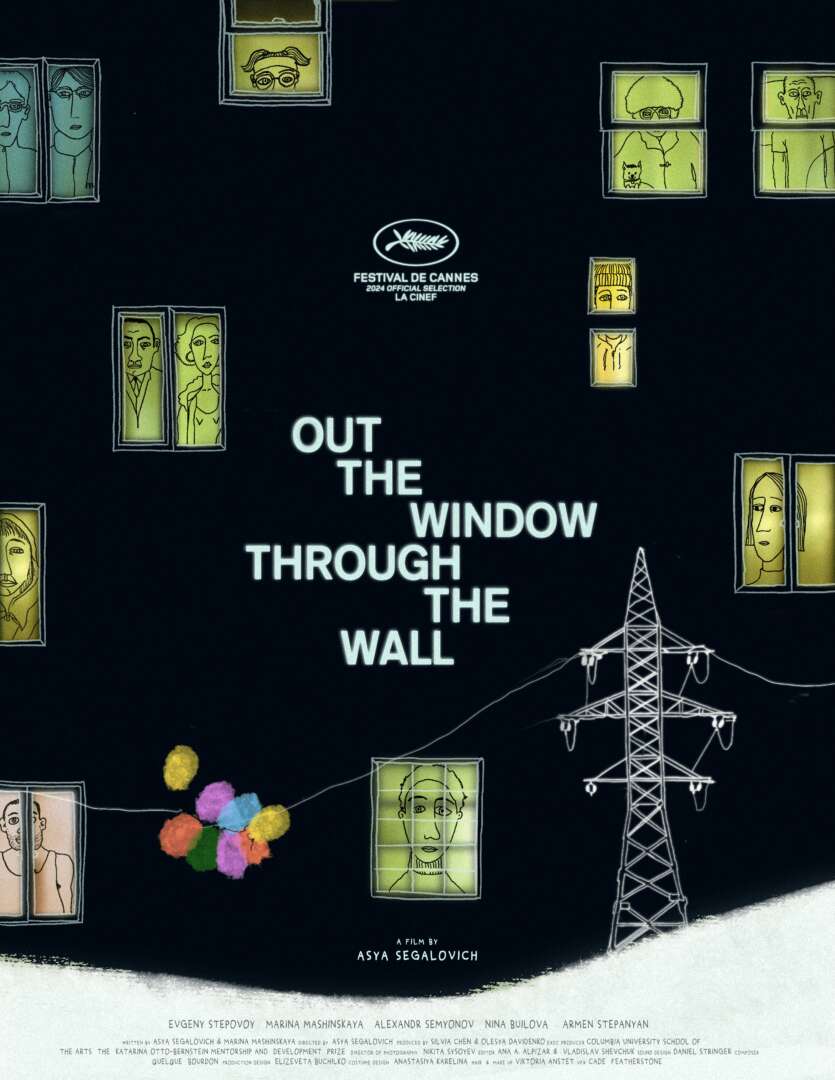
When a writer or director approaches me with a script or an idea, I choose only the stories that resonate deeply with me. One such project is the short film “Out the Window Through the Wall,” directed by my long-term collaborator Asya Segalovich. This film won second prize in La Cinef at the Cannes Film Festival in 2024. The story follows a cartographer in present-day Russia who encounters a young man recently escaped from an adult psycho-neurological facility.
Asya and I began working on “Out the Window Through the Wall” in early 2022. During the script rewriting process, I provided notes, helped focus the narrative, and assisted in uncovering the essence of the story. Once we had a solid draft, I broke down the script, scene by scene, to create the shooting schedule. When planning the schedule, I considered many aspects: availability of location and cast, daylight and weather, time for set dressing, wardrobe, hair and makeup, camera setup and travel, the flow of the scene and story evolution, daily workload, and adequate 12-hour turnarounds. We typically plan exterior days at the beginning of the shoot, allowing some leeway if the weather doesn’t cooperate. The first day is usually lighter, giving the crew and cast time to get to know each other and form a smooth working rhythm. When we have a first assistant director onboard, they modify the day-by-day schedule and develop it into an hour-by-hour plan, adjusting as necessary based on shooting progress or any unforeseen changes.
After creating a preliminary shooting schedule, I developed the production budget. I usually create one high-end budget (fully accounting for everything in the script) and another low-end budget (identifying areas where we can find cheaper or free alternatives). I’d discuss with the director how we can creatively reduce costs while keeping the most important shots to tell the story, adjusting the budget to a more realistic and doable range. Independent filmmakers often struggle with budget constraints. Instead of discarding initial ideas due to time or money limitations, I feel it is crucial to discuss with the director and department heads to explore alternatives. This not only helps in a compromising sense but often elevates the production value. For example, in one music video I produced, the directors wanted to shoot an underwater scene in the ocean. After evaluating the safety and budget, we decided to shoot in a 5-meter deep swimming pool with professional lifeguards, scuba divers, and gear. The resulting shots were stunningly beautiful and won the best music video at The Golden Melody Awards in Taiwan.
Next, the director and I create a pitch deck that includes the synopsis, cast list or wish list, production timeline, financial plan, artistic direction, and look book. A pitch deck embodies what the story is about and what the movie will look like.
The next step is assembling the crew. The director of photography is usually the first position to be filled, as they must understand the director’s vision and the story’s essence, committing their heart and soul to the project. We then recruit other heads of department (production design, costume design, hair/makeup, etc.). It is important to have a team that is as passionate about the project as we are.
When making the production schedule, I set the shooting dates first and then schedule all tasks based on the estimated time needed. A rough process includes: crew hiring, location scouting, pre-production meetings, casting actors, rehearsals/costume fittings, tech scouts, finalizing locations, production design/equipment booking, securing insurance, and principal photography. The post-production timeline roughly includes: editing, picture lock, music composition/audio design, color grading, audio mixing, and final deliverables.
In each project, I work closely with the crew, overseeing every aspect of production. Each step, from the initial idea to the final cut, involves meticulous planning and a deep passion for storytelling. It’s a journey of collaboration, creativity, and unwavering dedication to bringing powerful stories to life.
As always, we appreciate you sharing your insights and we’ve got a few more questions for you, but before we get to all of that can you take a minute to introduce yourself and give our readers some of your back background and context?
I am a professional film and TV producer with 14 years of experience.
I moved to New York to pursue my MFA in Creative Producing at Columbia University with a 6-year background in television advertising and music video production under my belt. My film career started in a large commercial production company where I worked alongside executives and directors. Those initial years helped build a vast experience in pre-production/on-set production, I struck out on my own and started a freelance career. I collaborated with several production companies and produced over 40 TV commercials broadcast in Asia where my clients included Audi, Mazda, Sony and P&G.
I fell in love with the entire production process when I was working in commercial. It is incredible to see the transformation from concept to a final product on the screen and celebrate the achievement with the team. I am the firstborn in my family, having two younger siblings. Thus, I feel the most comfortable when I am needed and when I carry responsibilities.
I learned so much from commercial production experience; when I moved to New York and started making narrative films as a creative producer, I realized the huge differences between advertising and narrative films. With a 30-second TV commercial, since running the spot is costly, every frame has to convey a precise message to the consumers. Applying that knowledge of commercial production to film sets allows me to laser focus on how to read the beat sheet and make sure each scene carries out the story and brings something to the audience. I have also grown from a producer who simply executes the director’s/client’s orders, to a collaborator who endeavors to make the film with the director, who takes full responsibility for the complete pipeline of the movie.
Something else I have grown into understanding is unlike working for commercial production, I now only choose stories that I can truly connect with, stories I believe in. I work closely with the writer/director from the first draft script, through the hell of development, applying for grants, assembling the crew, casting actors, scouting for locations, coordinating between departments. And as a team, making the story jump off the page.
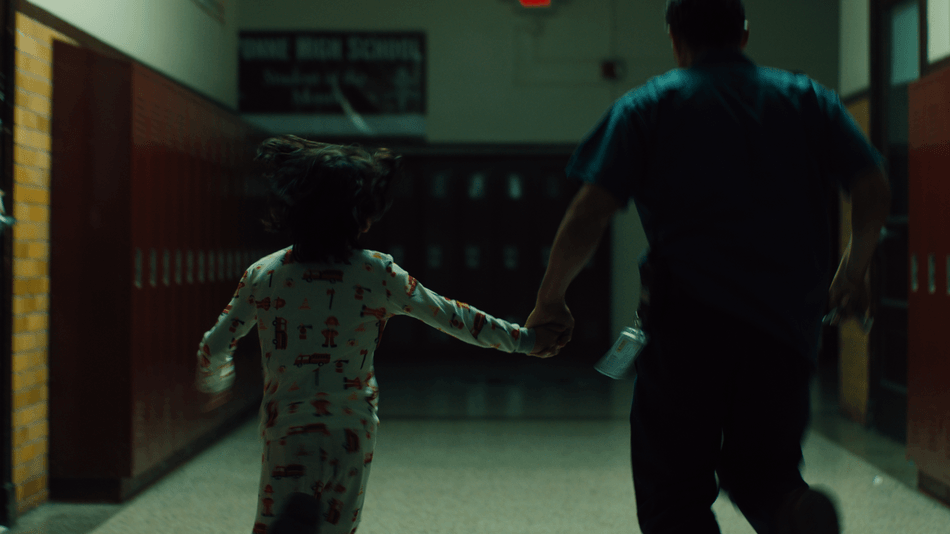
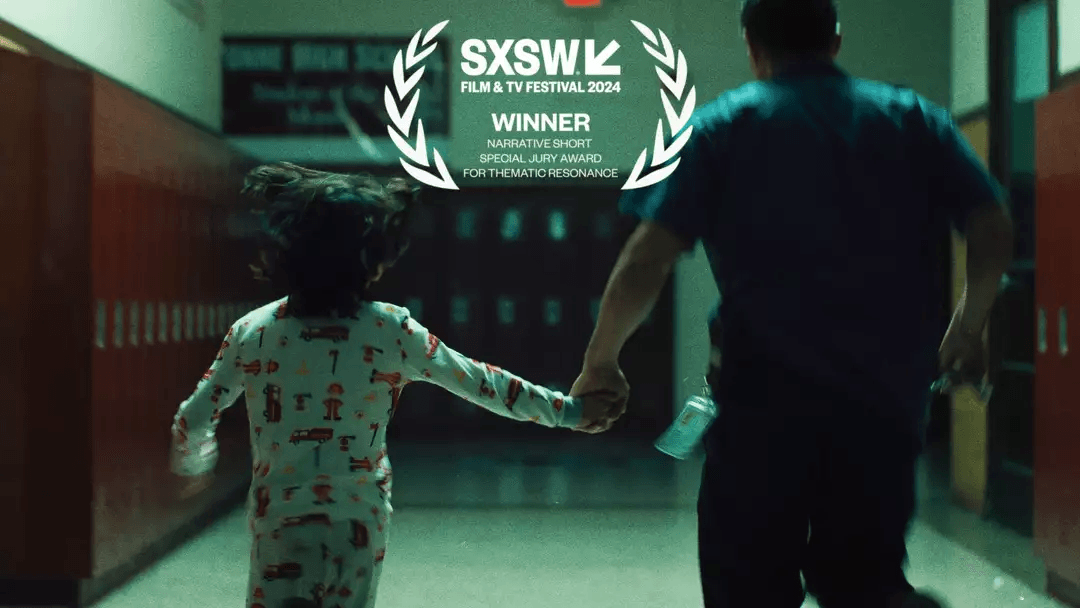
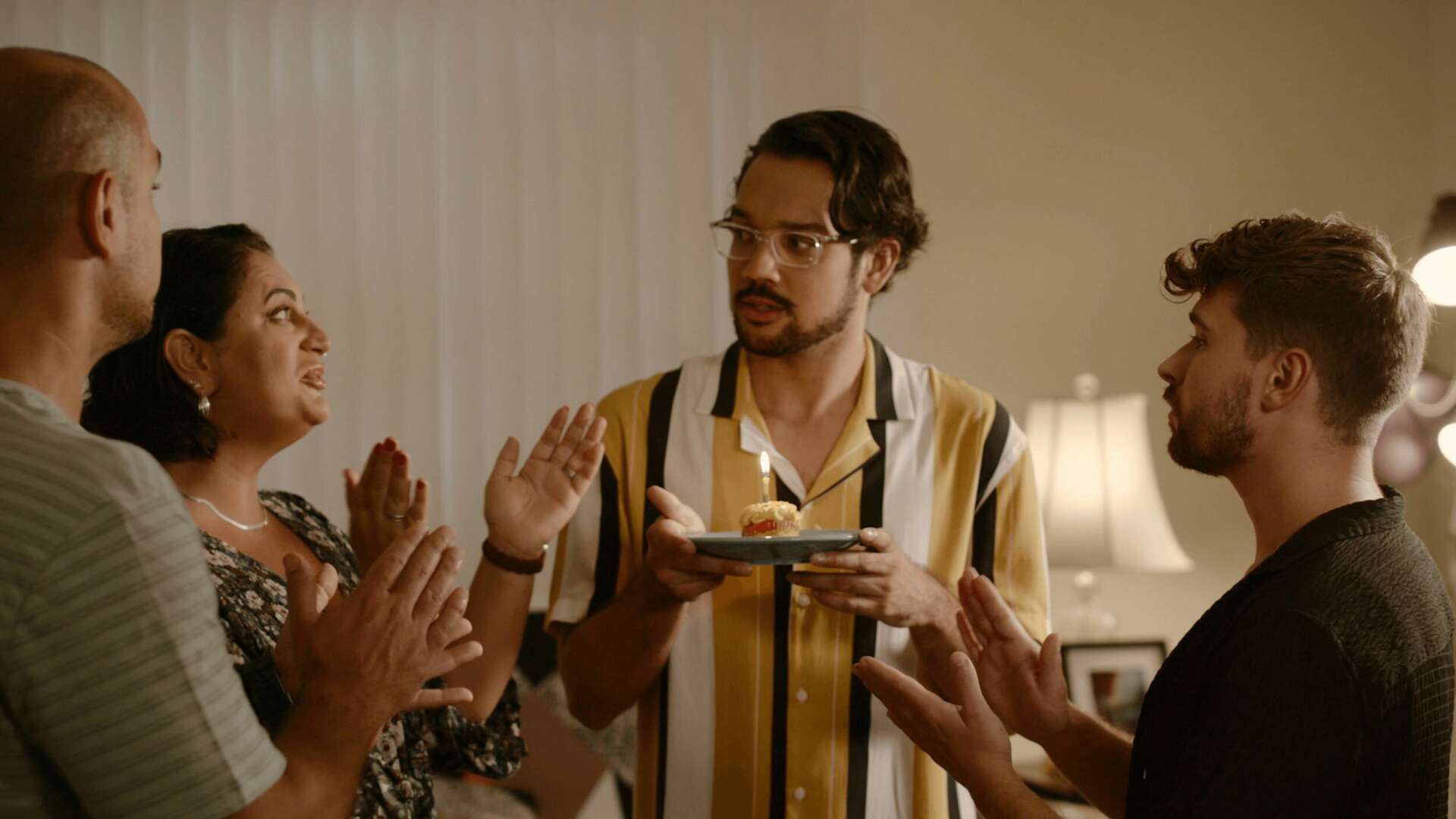
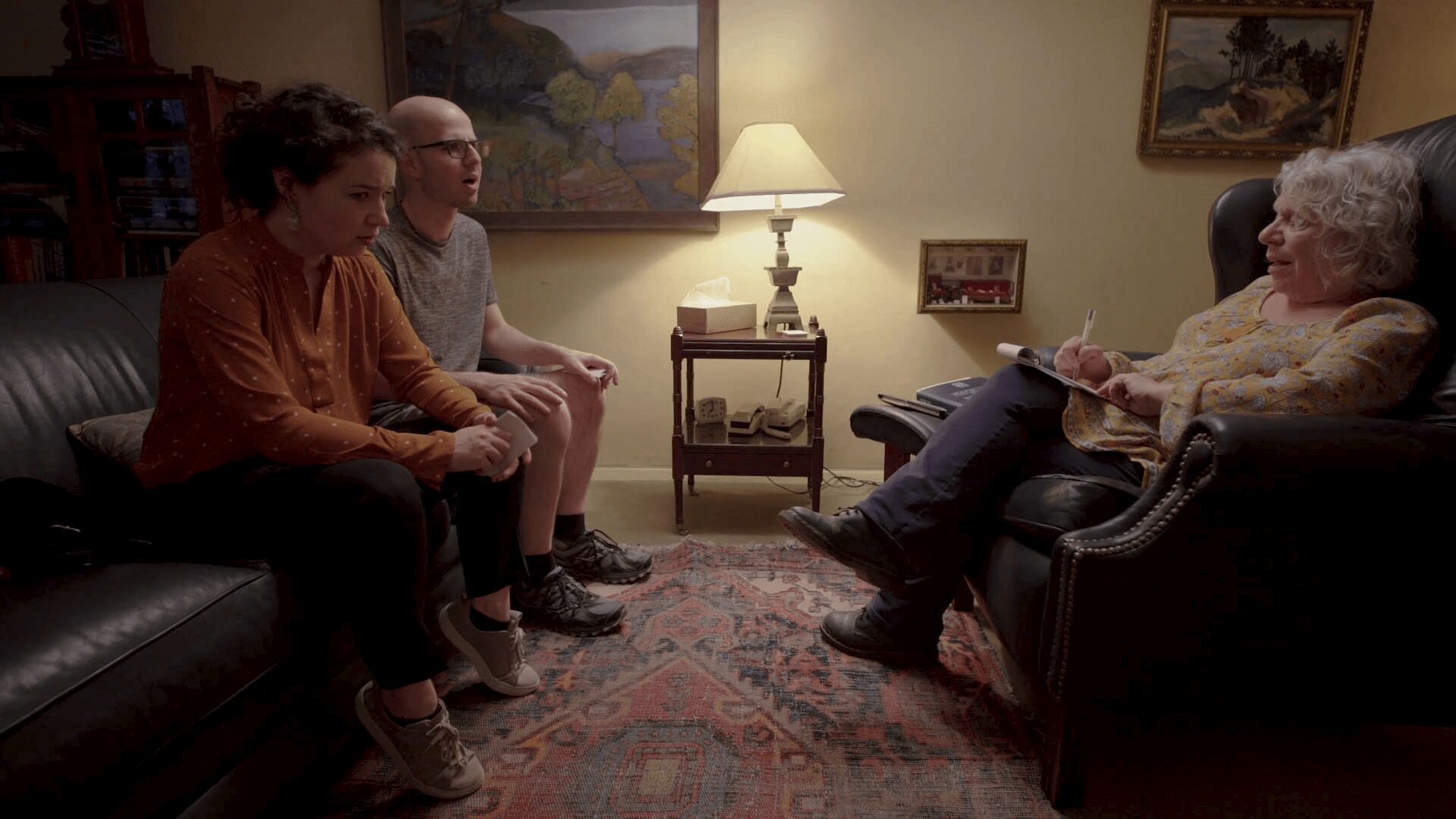
In the past few years, I have produced a number of award-winning short films: ABURO won the 2021 Miami Film Festival Short Film Award and was selected for the 2021 Santiago International Film Festival. TRAPPED won the Special Jury Award for the 2024 SXSW Film and TV Festival Narrative Shorts Competition. OUT THE WINDOW THROUGH THE WALL was selected for La Cinef at the 2024 Cannes Film Festival. A short film I co-produced, DOUBLESPEAK, was nominated at the 2021 Sundance Film Festival. On top of short film and commercial production, I have also expanded my work to include web series and feature films. For each of these projects I have worked closely with the crew, overseeing every aspect of the production: development, budgeting, scheduling, crewing, location scouting, casting, on-location shooting, post-production and the final deliverables. For each of these projects I have worked closely with the crew, overseeing every aspect of the production.
It goes without saying that after each production, all the hassle, predicaments and stress we’ve all gone through then became trivial. And I’m up for making another film.
What’s the most rewarding aspect of being a creative in your experience?
Something I have always kept in my heart since my teenage years is the aspiration to bring positive changes to the world, either big or small ones. I’ve thought the film medium, is one of the most powerful ways to accomplish this. Movies are a marvelous approach to convey messages, to create mutual conversations about a variety of topics and concepts; even strangers can share a moment together. As an introvert, it takes effort for me to build connections with people I’m not familiar with, but film gives me a way to walk a path into relationships with people. Movies resonate with diverse audiences, the voice can travel across borders, create deep bonds between different cultures and languages–which brings people around the world together.
Independent films embody all of the above and I love them for it, as they don’t always have formulas–so they are more authentic. They tell stories with much more of a spontaneous creative spirit, and they are funded by something we believe fully with our hearts.
Any advice for managing a team?
It’s my belief that a creative producer should always see the big picture, think ahead of everything, be ready for any incident or minor inconveniences, and lead the crew with acute pacing. Keeping a physical and psychological safe environment is paramount. Furthermore, when working with a small crew, a producer should also care for everyone on set. All of this while being trustworthy and a kind person.
Contact Info:
- Website: https://silviachenfilms.com/
- Instagram: https://www.instagram.com/silvia215/
- Linkedin: https://www.linkedin.com/in/silvia-chen-producer