

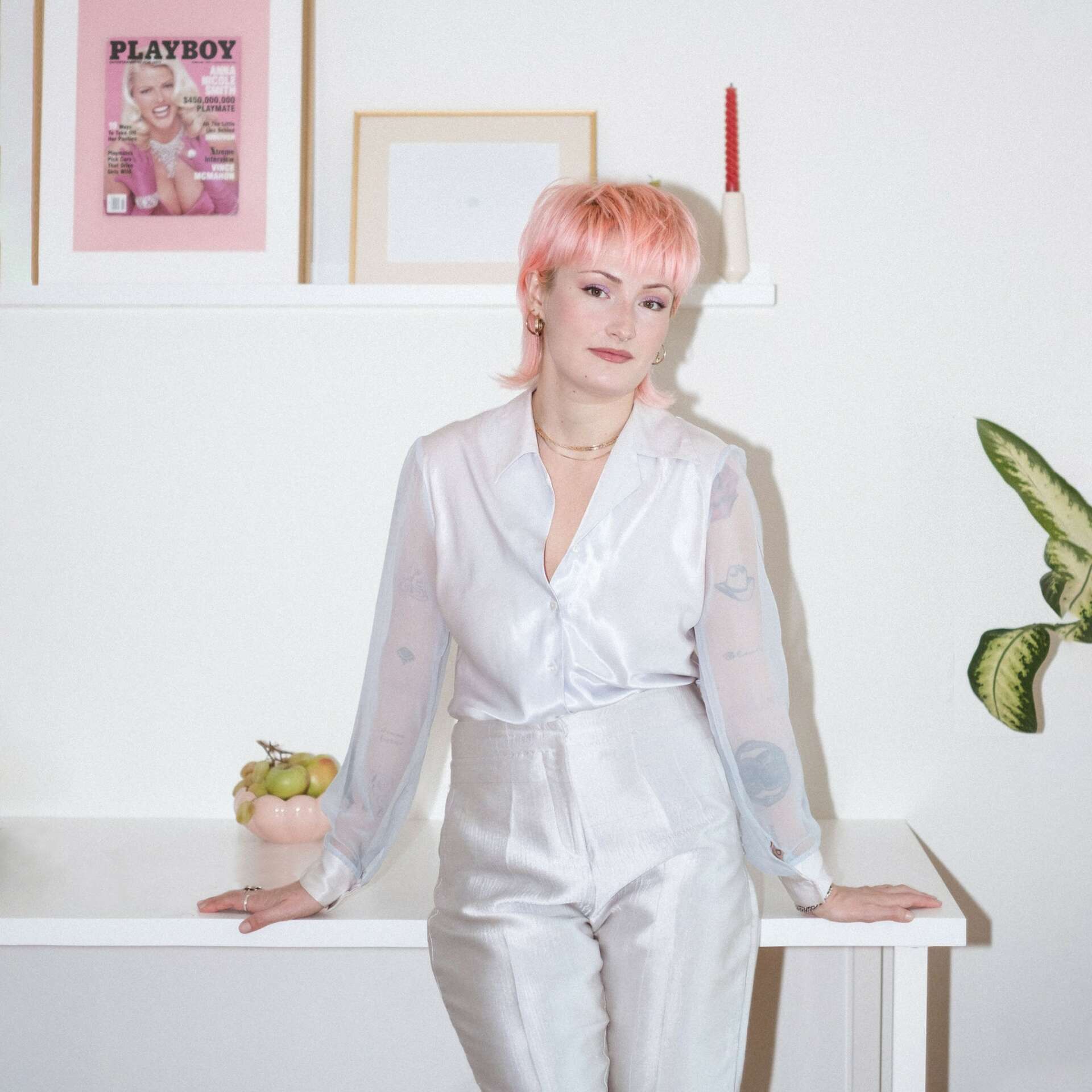

We recently connected with Sid Baar and have shared our conversation below.
Alright, Sid thanks for taking the time to share your stories and insights with us today. We’d love to hear the backstory behind a risk you’ve taken – whether big or small, walk us through what it was like and how it ultimately turned out.
Risk-taking is such a rewarding way to move through the world. It’s helped teach me that failure is not what it seems. Or maybe it’s better put that risk-taking has helped me through my avoidance of failure. Starting my own business and betting on myself was a big risk. I worked as a graphic designer for 5 years after school, gaining experience and working within the tech and real estate industries. I became disillusioned with corporate hierarchy and my male-dominated workplaces. I wanted something more. I knew I wanted to work with women and creatives, and I knew I had the skills to get there, I just lacked the execution. So, every evening after my 9-5 I would spend a few hours working on my plan for a different life; a different career. One where I was in charge and supported by a community of other business owners who got it. I built my first portfolio website, which got me hooked on web design. I volunteered (unpaid! ah) on the weekends with a creative agency taking photos for their social accounts. I reached out to other photographers and designers who were doing things I hoped to one day do. I went to networking events even though I felt like I had nothing to offer. I did this for a year, working on the side of my 9-5 so that one scary day I was able to quit. I had also made a point to save an emergency fund in case things didn’t work out (I’ll call it risk-taking with a safety net).
That was 5 years ago. I’m happy to say that my business as a freelancer has since grown into a full-service design agency. What began as a dream is now a reality, with a lot of hard work, tears, and questioning if I should go back to full-time employment. Part of me still wonders about that, but another part of me wants to stick it out and see what’s possible with my business in the next 5 years.
Sid, before we move on to more of these sorts of questions, can you take some time to bring our readers up to speed on you and what you do?
I was always a creative kid. Drawing was my absolute favorite thing to do and it became an escape for me since I was sick for most of my childhood with Ulcerative Colitis. Spending time alone drawing, reading, or dreaming was the norm for me. I was lucky to grow up with parents that encouraged my artistic side and exposed me to many of their artist friends. Originally I went to University for Criminology, as psychology has always fascinated me, but as I learned more about the criminal justice system and its institutionalized failures, I didn’t want any part in it. So, I dropped out and went to art school, then took a graphic design program at a community college. After school, I worked for 5 years as a graphic designer in the real estate and tech industries before starting my own design business as a freelancer.
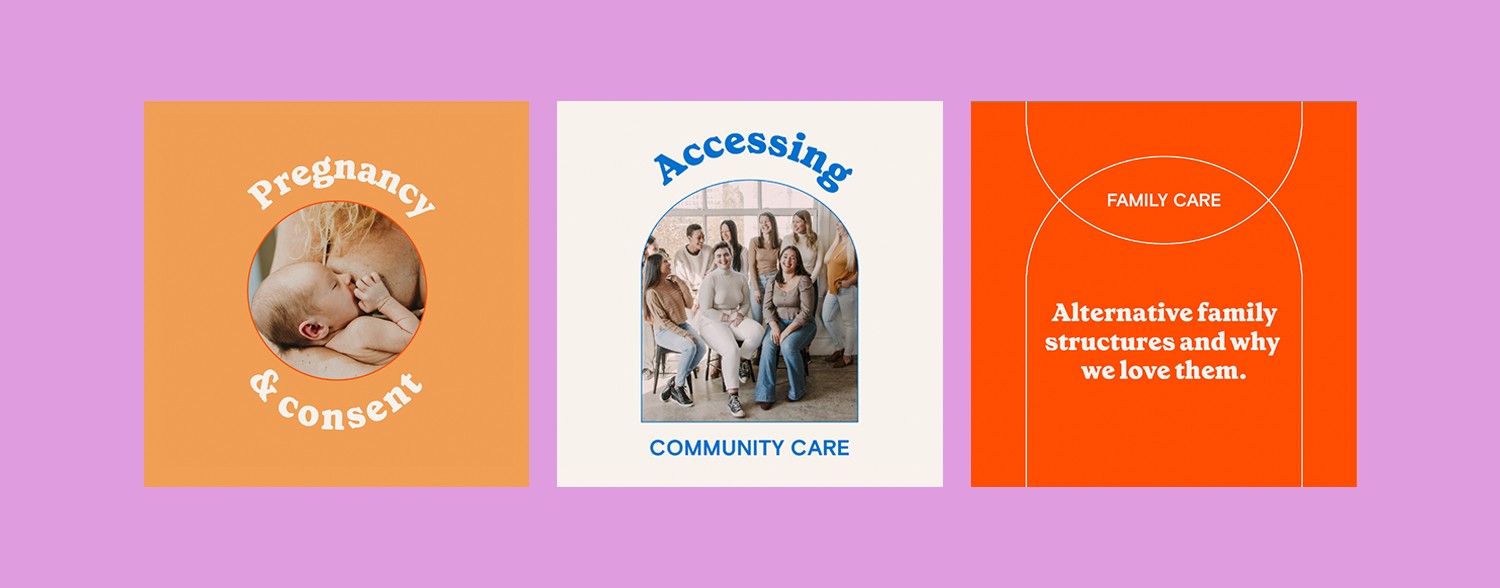
Say Hey Studio is a multi-disciplinary creative studio. We work with brands by telling stories through bold visuals and thoughtful design. Our services include web design, branding, photography, marketing materials and social content, to name a few. I run the day-to-day and oversee a number of contractors based on the projects we have ongoing. I’m also still happily involved in the creative side through photography, web design, and graphic design. Most of our clients are found through word of mouth since connection and collaboration are 2 pillars of the business. Some clients have even become lifelong friends!
Running a queer and trans-led studio is a dream, since I’m now in the position to make online spaces more inclusive and I can promote inclusivity and diversity in the work I do and through the people I hire. Our clients are predominantly other women-run businesses that share the same values of inclusivity, diversity, and social responsibility.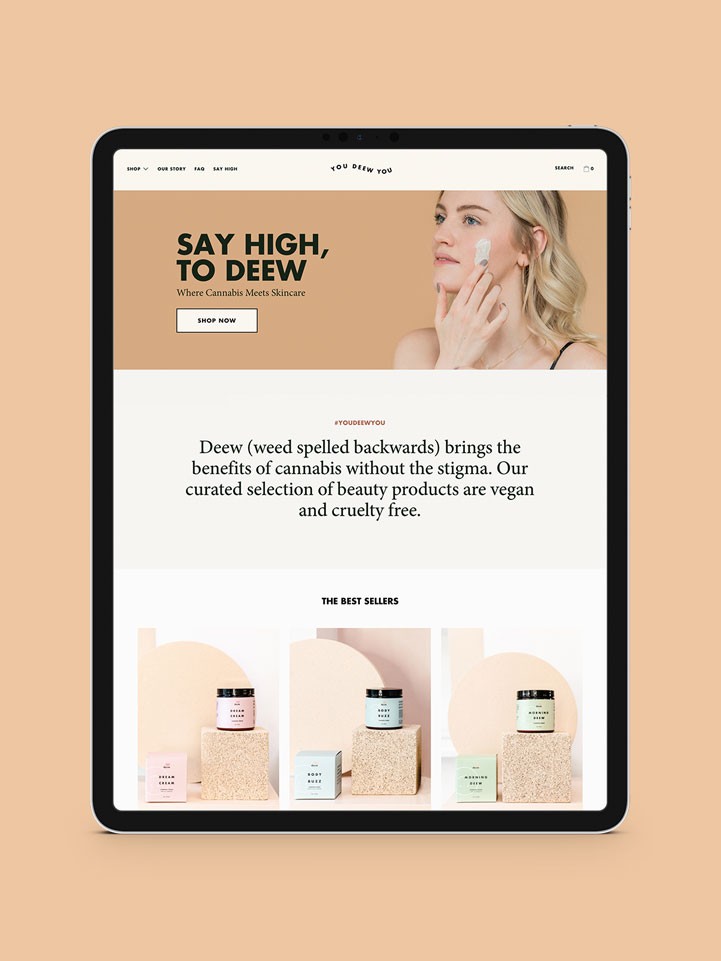
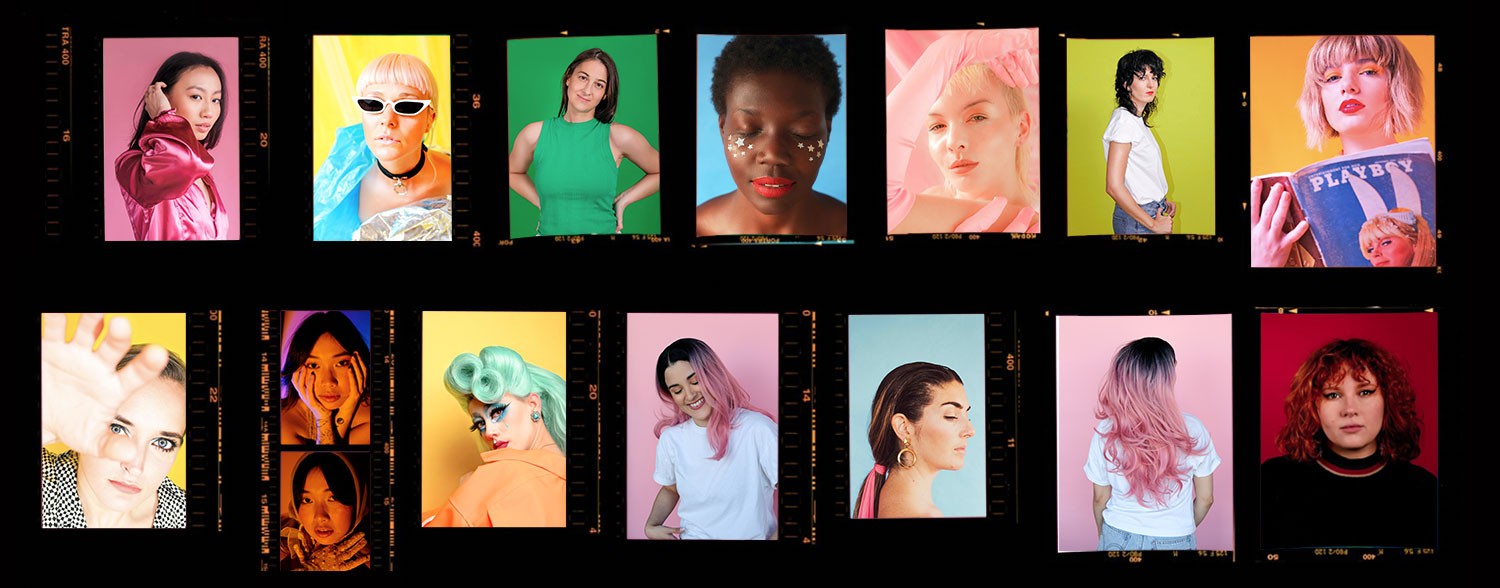
For you, what’s the most rewarding aspect of being a creative?
The most rewarding aspect of being an artist is that I get to work on projects that connect me to other creatives. I’ve gotten to build my life in a way that works for me. It hasn’t always been easy (hello, cash flow issues) but it’s always been the only thing I’ve wanted to do.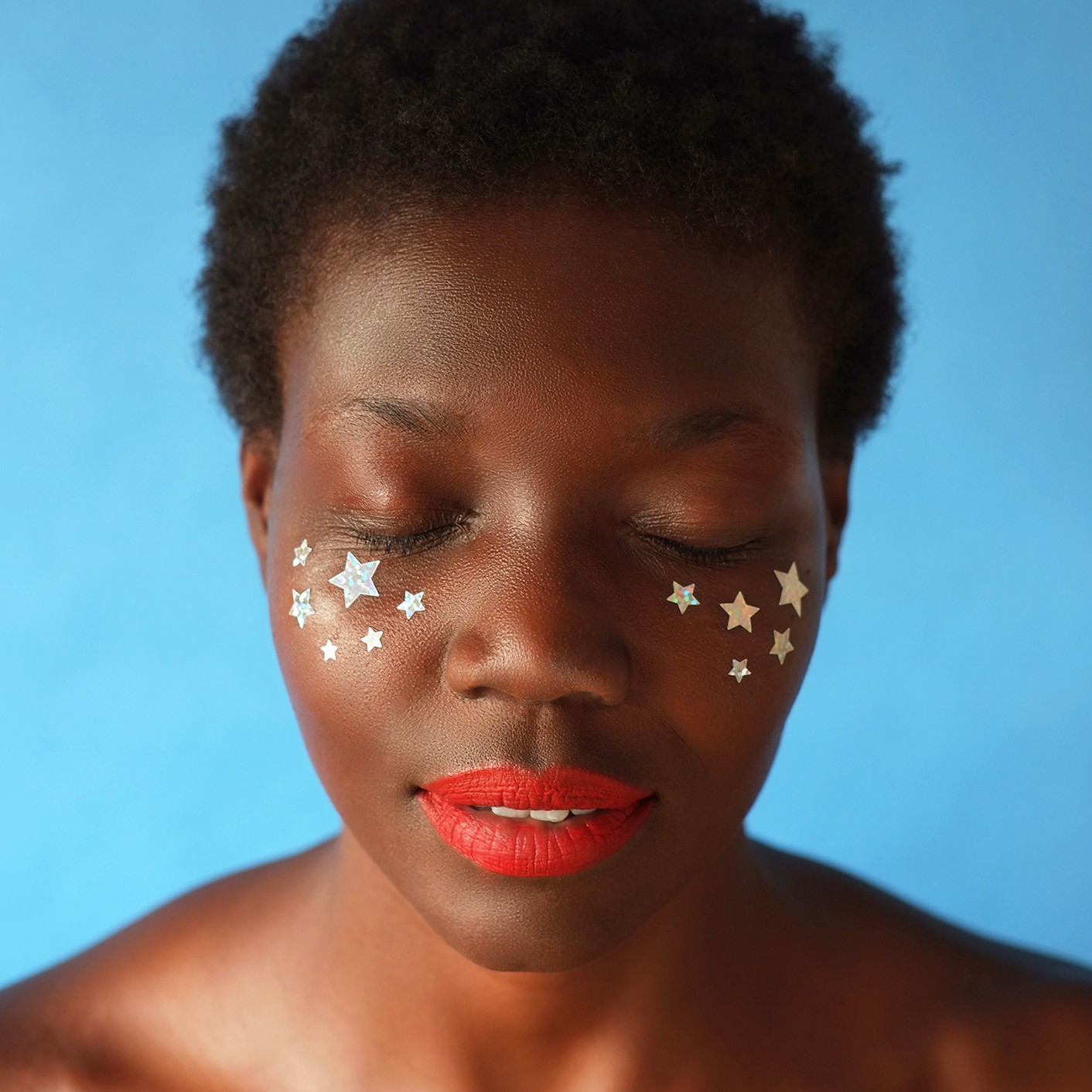
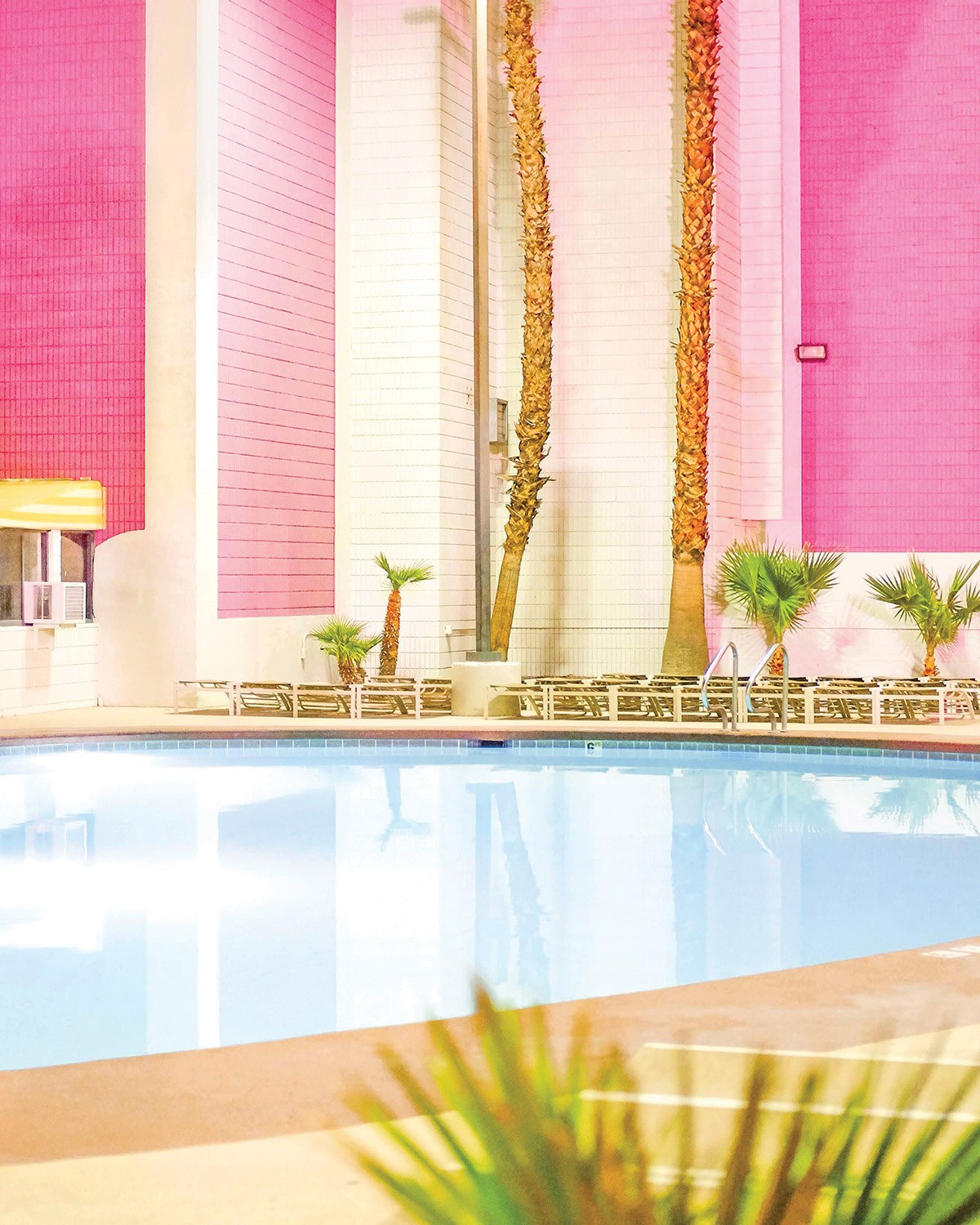
Is there mission driving your creative journey?
I was diagnosed with Ulcerative Colitis when I was 3 years old, and it’s had a profound impact on all facets of my life. Surgeries, hospital stays, isolation, and disease were incredibly hard on my family and me growing up, but as I’ve gotten older I’ve been able to better understand that through these struggles, come profound life lessons.
When you’ve been hurt you can more easily recognize it in others. I started paying more attention. I finally got better at asking for and accepting help. I learned how to trust and have patience in myself when all I wanted was to do more, be better, and heal overnight. I learned that building things takes time. Healing takes time. This understanding of myself, my capabilities, and how short life can be– drives me to keep pursuing the things that matter most to me. 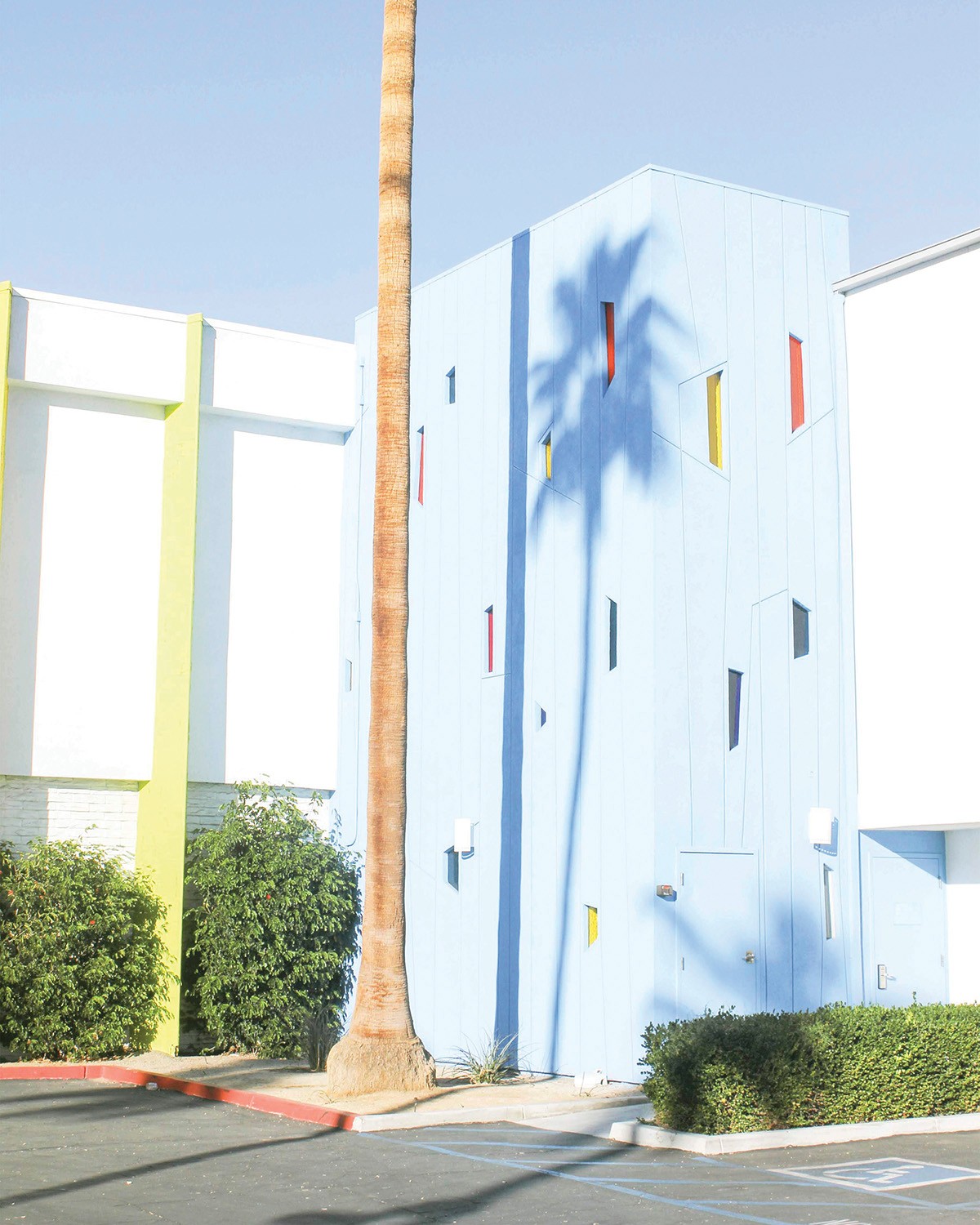
Contact Info:
- Website: www.sayheystudio.com
- Instagram: @sayhey_studio, sidsideways_
- Facebook: https://www.facebook.com/sayheystudio
- Linkedin: https://www.linkedin.com/in/sid-baar/
Image Credits
Photo of me by Nicole Robertson