

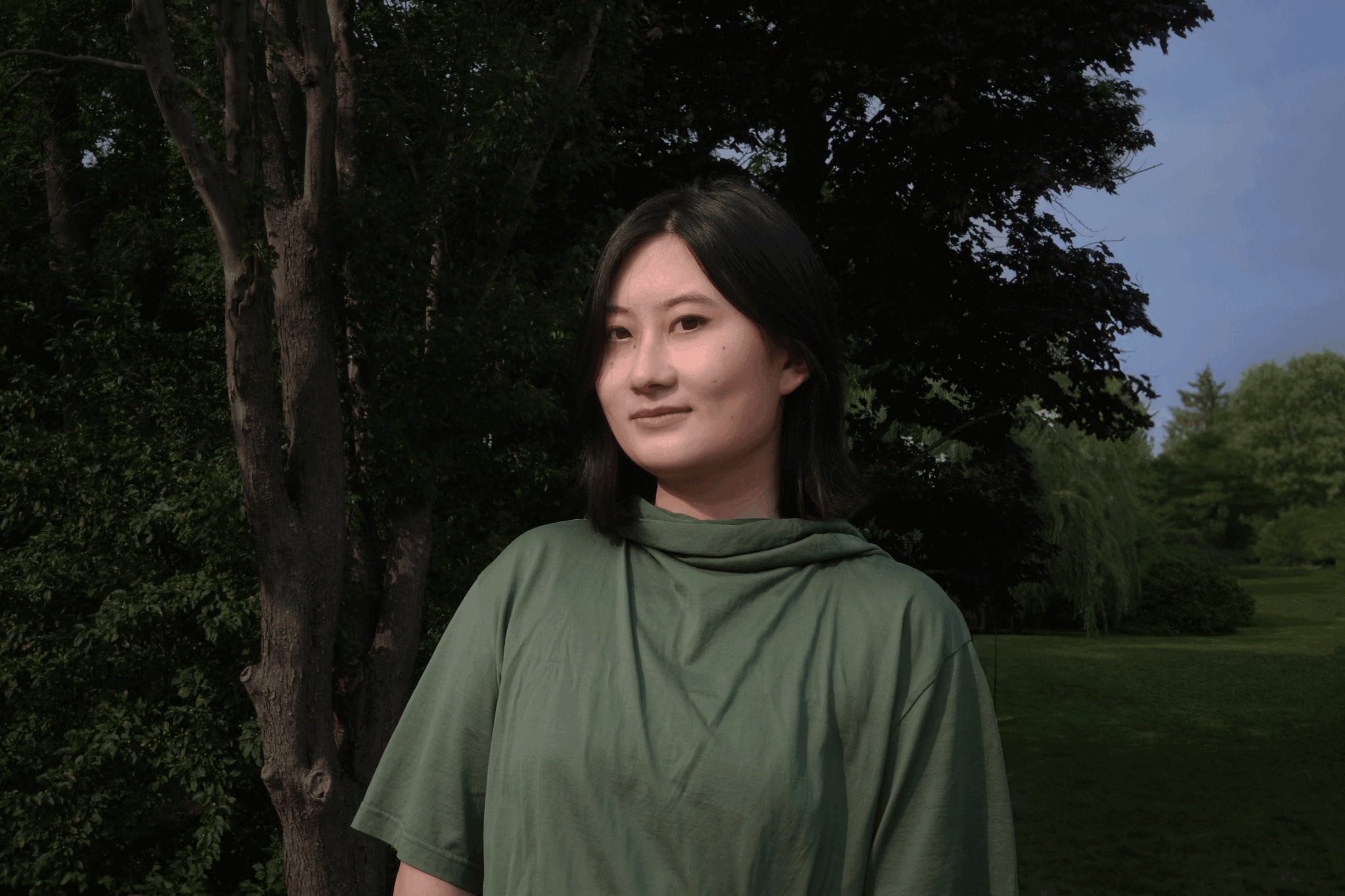

We’re excited to introduce you to the always interesting and insightful Shuang Chen. We hope you’ll enjoy our conversation with Shuang below.
Hi Shuang, thanks for joining us today. When did you first know you wanted to pursue a creative/artistic path professionally?
When I was a child, I used to go for walks in my neighborhood with my parents. I was always attentive to the buildings lining the streets. Over time, this early interest became a fascination with exploring cityscapes during my travels. I enjoyed observing the dynamic interplay between people and the urban environment. My interest in photography also enriched my understanding and appreciation for architecture and space, allowing me to capture the nuances of light, texture, and form in architectural spaces. These experiences sparked my passion for architectural design and guided me toward an exciting professional journey.
Great, appreciate you sharing that with us. Before we ask you to share more of your insights, can you take a moment to introduce yourself and how you got to where you are today to our readers.
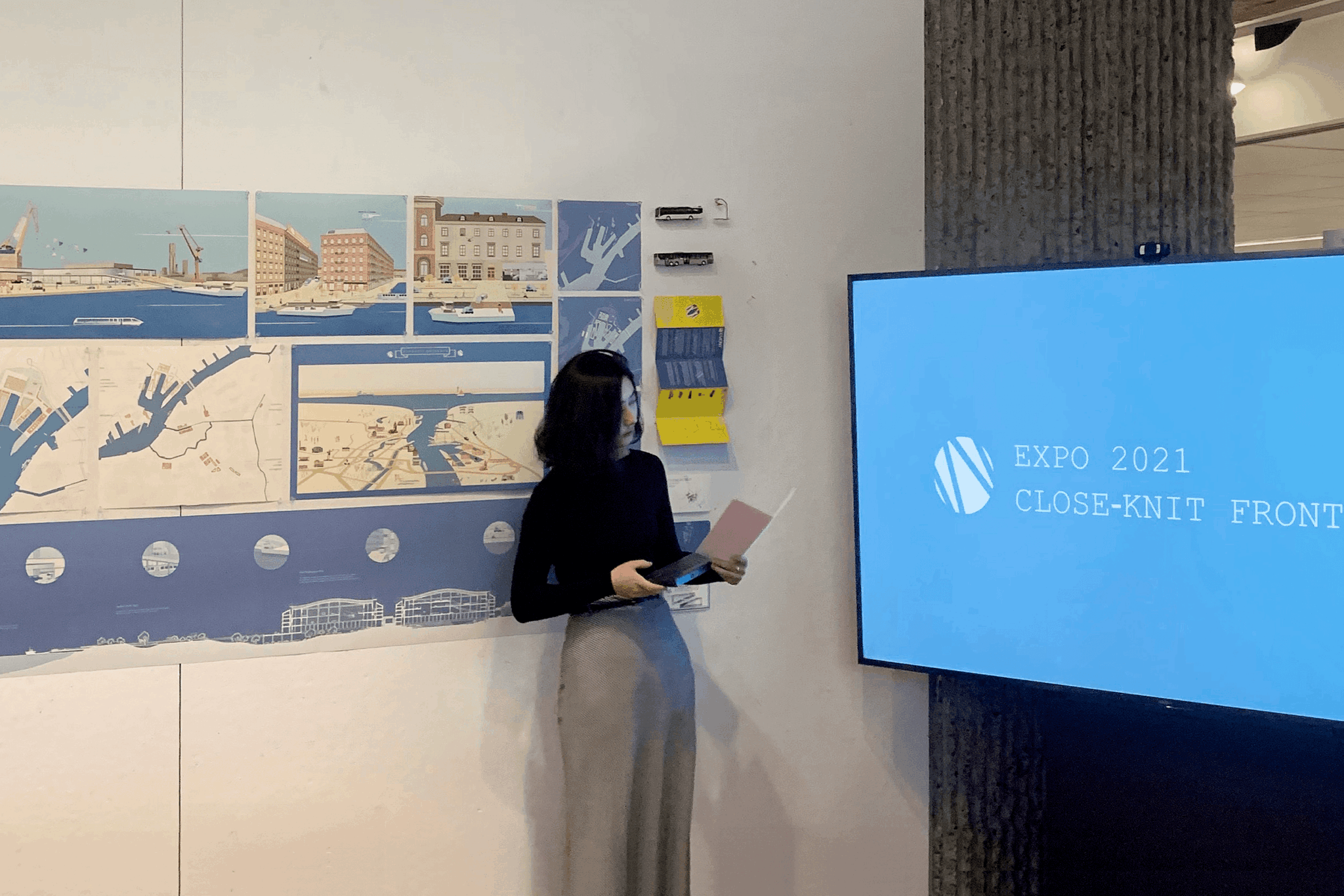
As an architectural designer based in Boston, I bring a forward-thinking approach to my work, shaped by my Master of Architecture degree from Yale University, earned in 2021. My architectural education, spanning China and the U.S., has provided me with a broad and culturally nuanced foundation. I have gained professional experience at Vector Architects and Höweler + Yoon Architecture, where I actively contributed to various complex design projects. These experiences have given me a rich, global perspective that profoundly influences my approach to design. My international education and hands-on experience allow me to create innovative solutions that are sensitive to context and push the boundaries of traditional design.
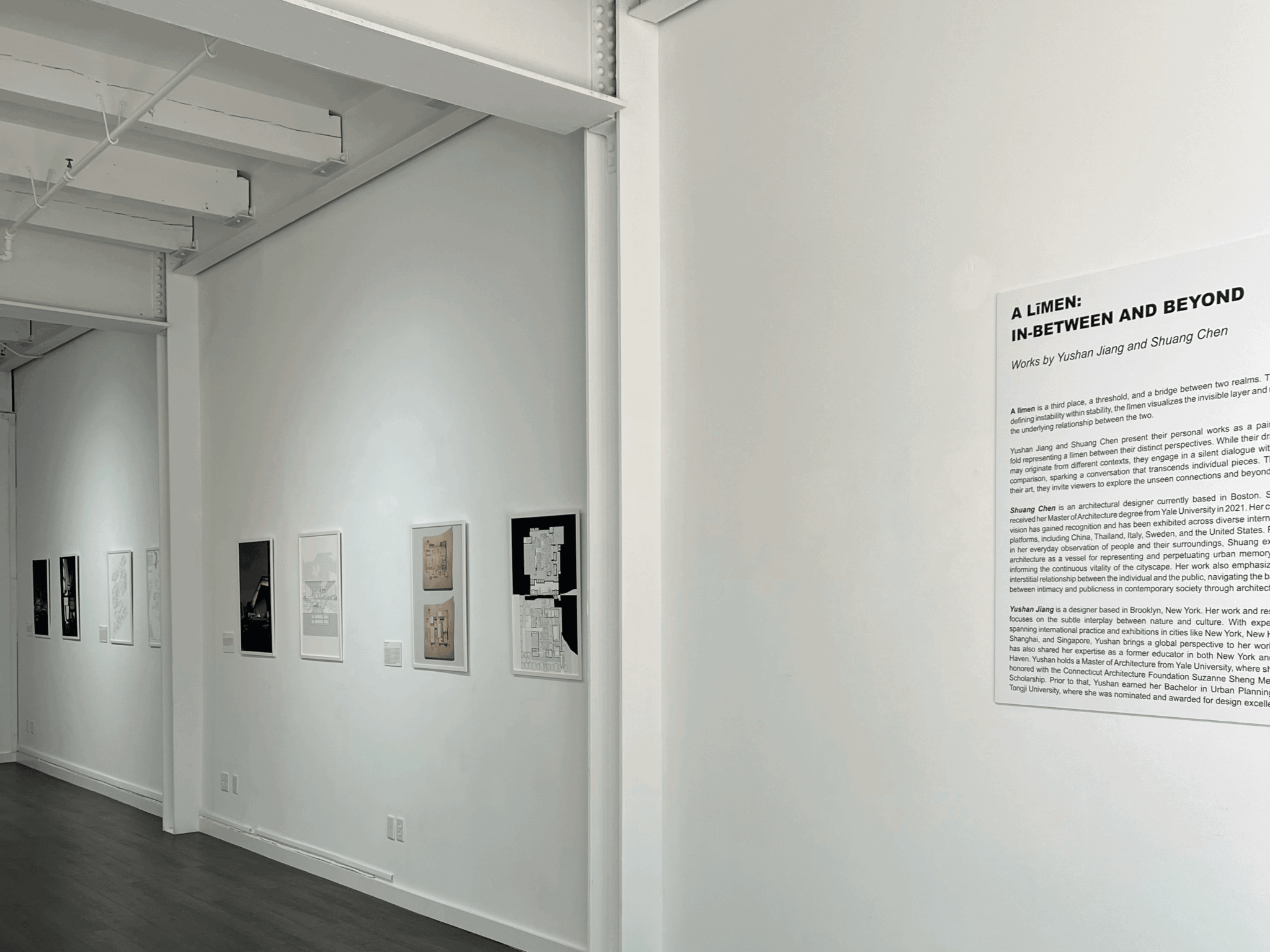
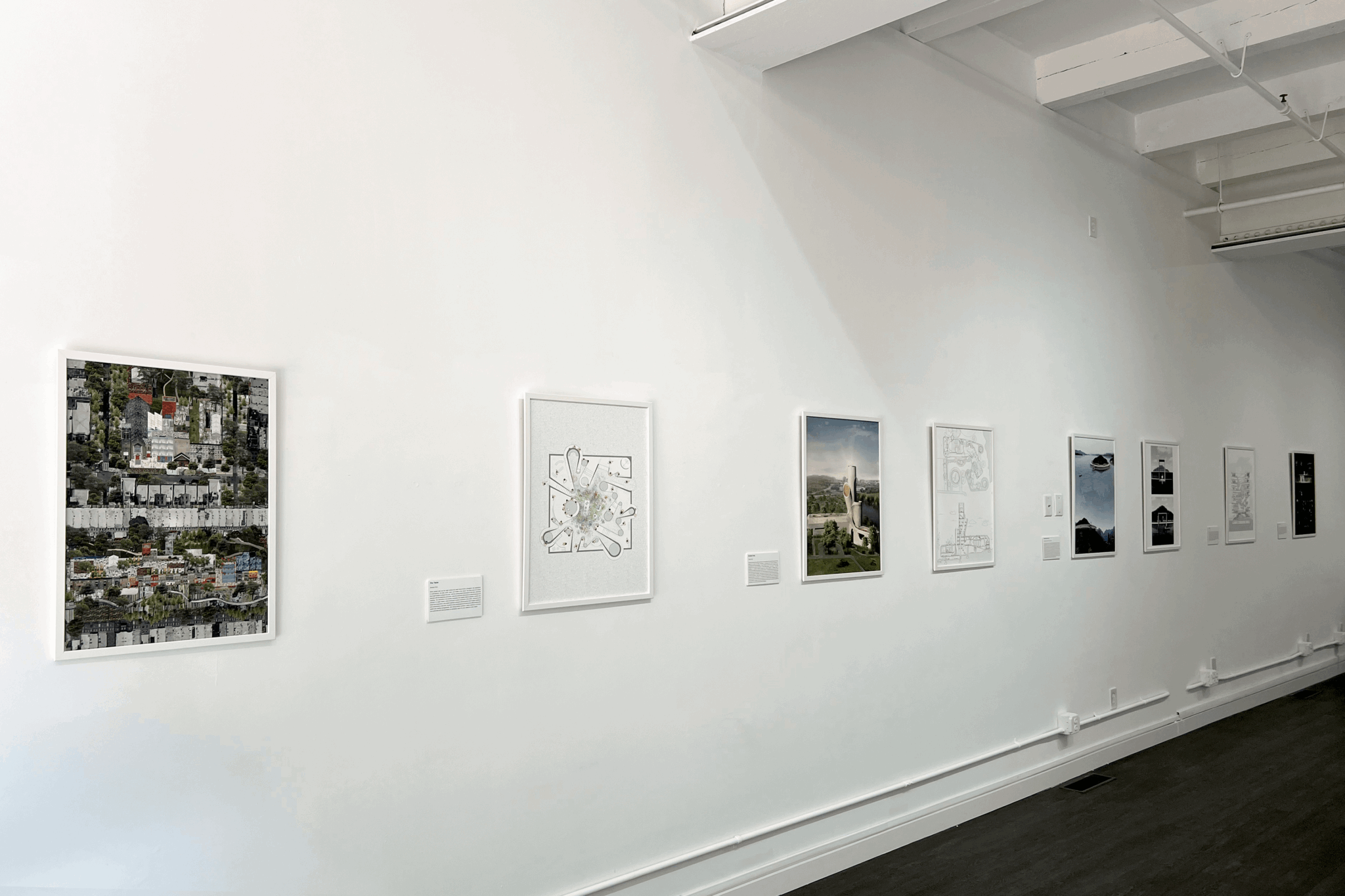
In addition to my professional experience, I have actively participated in architectural exhibitions and competitions. I have received awards and recognition from esteemed events such as the ASA Experimental Design Competition, the SNHU Memorial Landscape Space with Labyrinth, The Architect-Teamzero Award, and the Microhome Design Competition. My colleague Yushan Jiang from Yale and I recently curated the exhibition “A LīMEN: In-between And Beyond,” showcasing our individual works at the Sowa District, Boston’s renowned art district.
My personal design approach is based on my everyday observation of how people interact with their surroundings, focusing on the interwoven relationship between public and private domains. This involves creating environments that respect individual privacy while encouraging public interaction, ultimately improving the quality and connectivity of contemporary urban life. Through this perspective, I endeavor to design spaces that mirror the complexities of modern society, contributing to a more meaningful and dynamic urban experience.
For you, what’s the most rewarding aspect of being a creative?
Architecture design is not just about creating structures; it’s about enhancing the urban experience. It goes beyond iconic landmarks to small elements like pocket parks and pedestrian-friendly spaces, seamlessly integrating into every aspect of daily life. Being an architectural designer involves blending creativity with practicality to solve problems, inspire communities, and contribute to a place’s cultural and social fabric. The true reward lies in seeing concepts evolve into tangible spaces that foster interaction and improve quality of life. Whether through large projects or thoughtful details, architectural design continuously evolves to meet the needs and aspirations of people, making spaces more livable, inspiring, and connected.
In your view, what can society to do to best support artists, creatives and a thriving creative ecosystem?
Architecture is often mistaken for just drawings, sketches, or construction, but it is actually deeply connected to cultural geography, social environments, human behavior, and aesthetics. Understanding this complexity is crucial for fostering innovation and inspiration in the field. Architectural education should combine conceptual design with practical construction techniques to bridge the gap between academic theory and professional architectural design projects. Furthermore, there should be an emphasis on interdisciplinary collaboration. In my own design process, I often draw inspiration from land artists and sculptors. Given the evolving societal needs and challenges, it’s important to collaborate with fields such as environmental science, behavioral studies, and current social issues, as these aspects increasingly influence architectural practice.
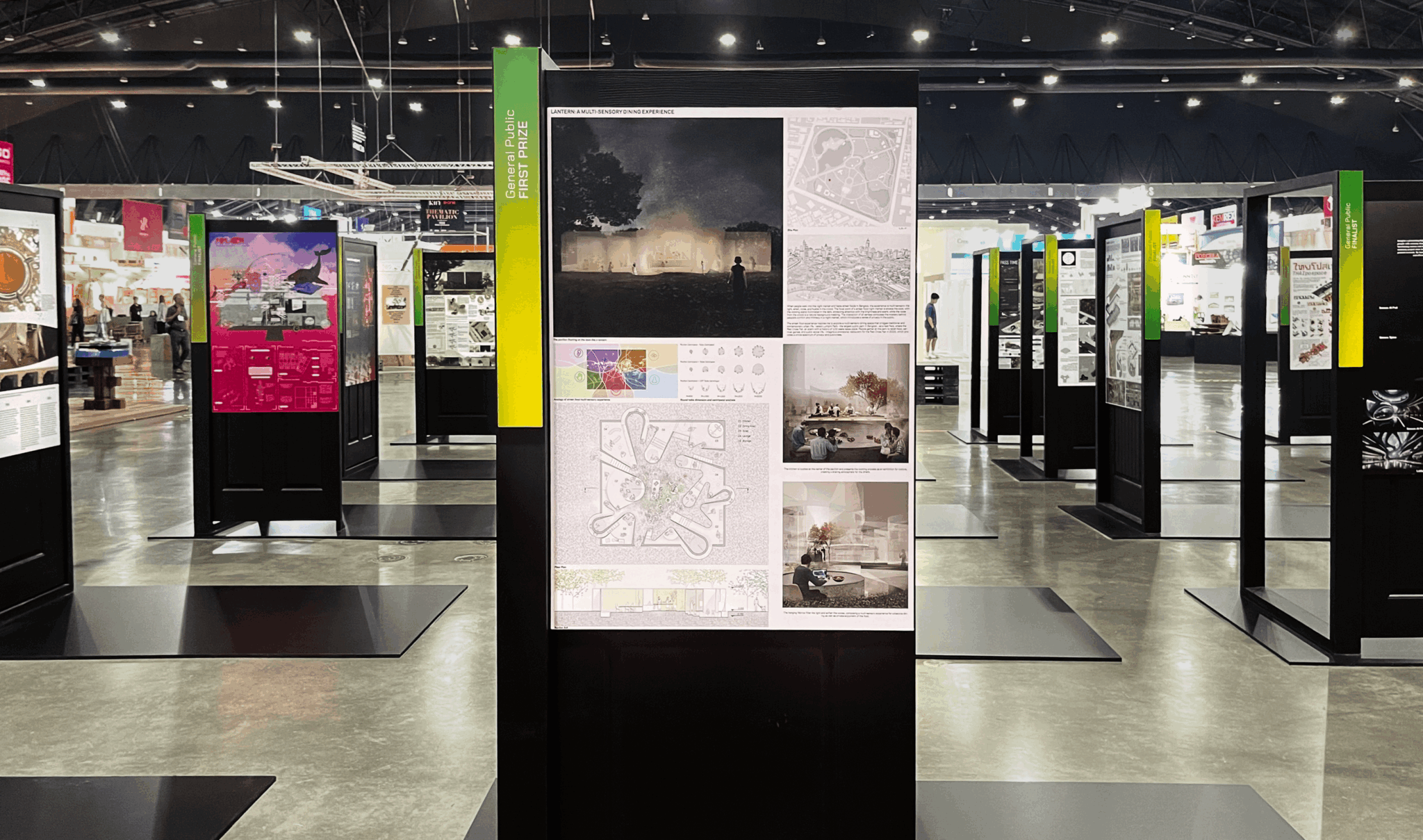
Image Credits
Shuang Chen