



We recently connected with Shelby Fleming and have shared our conversation below.
Shelby, appreciate you joining us today. What’s been the most meaningful project you’ve worked on?
Sculptor turned Fashion Designer: Creating my first fashion line. During the COVID-19 lock down in 2020 I set a goal to learn how to sew. I started making masks for INTERFORM in Springdale Arkansas that were then donated to local schools and hospitals. After everything INTERFORM had done for the community during COVID I wanted to give back. I met with INTERFORM’s Senior Director of Fashion Design and Apparel Education, to discuss teaching a wearable sculpture with assistance from a seamstress. The conversation rolled into, what if you prototyped this and created your own fashion line? You do not say no to an opportunity like that. 2 months later I found myself in INTERFORM’s Emerge Program, learning how to create patterns and build a fashion brand identity. For me the transition from sculpture to textiles made sense as the theme of my artwork is centered around the human body’s fragility and resilience. With the artwork now on the body I could have a direct dialogue with the body.
My first fashion line “Gut Feeling” featured 10 wearable sculptures adorned with anatomical feature such as gut, muscle, and vain structures. The base of each design was inspired by medical field attire and explores the theme of the abject body. The fashion runway provides a platform to present a larger narrative and performative aspect to the work. The audience, unaware of it, became a medical waiting room. Each model representing the somber mood of a patient just being diagnosed. No matter how many tests, procedures, or exams they were determined to get through it. No matter how many eyes were staring at them in the waiting room, they were going to persevere.
Currently I am working on my second wearable sculpture fashion line, “Gut Feeling: Phase 2” funded by a grant through the Arkansas Committee of the National Museum of Women in the Arts (ACNMWA). “Gut Feeling: Phase 2” will feature more exaggerated and elaborate pattern designs as I explore the future fashion of the medical industry. The medical attire will also have a push and pull against other looks in the line that will be emphasizing the grotesque nature of the body on a macro and micro level.
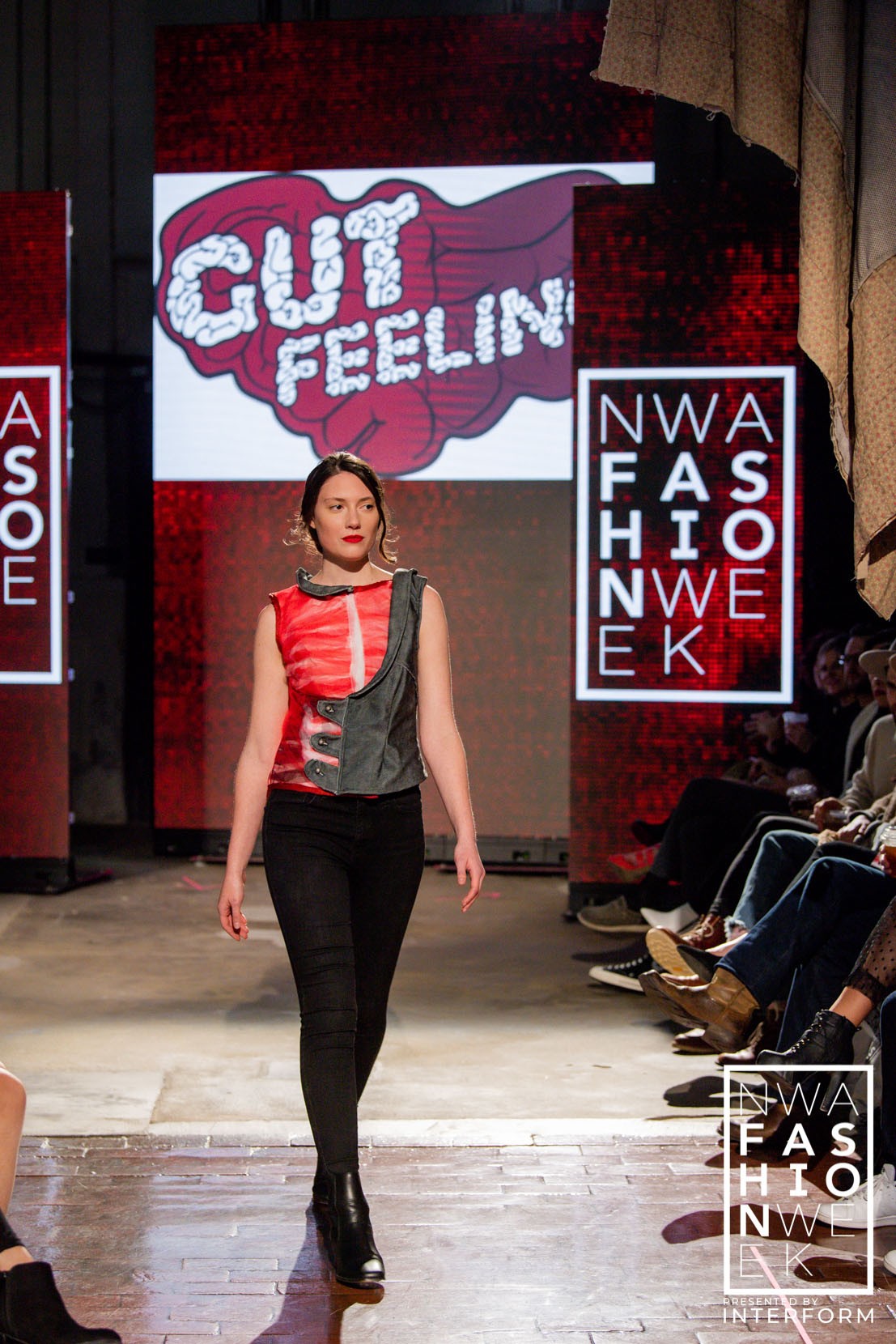
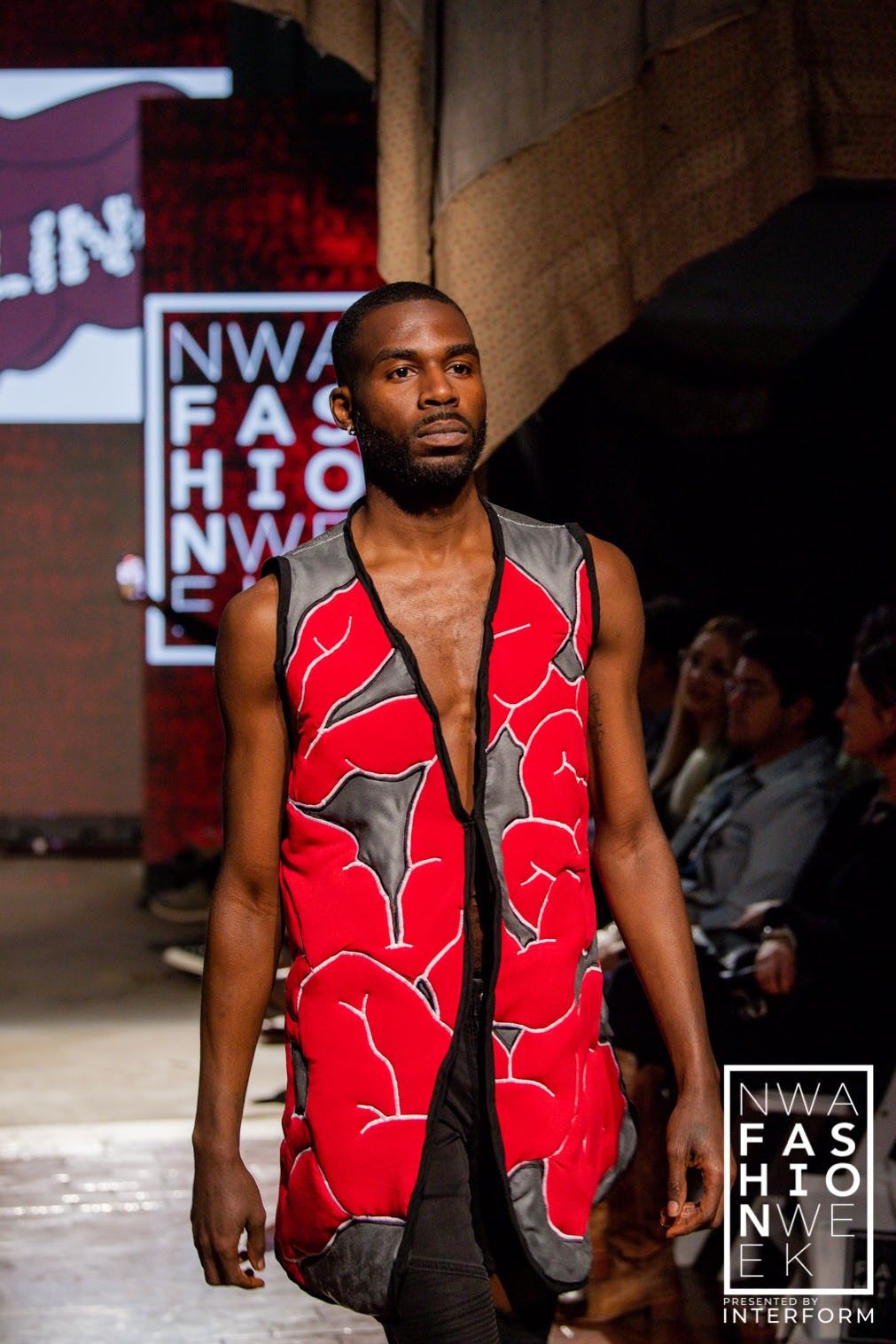
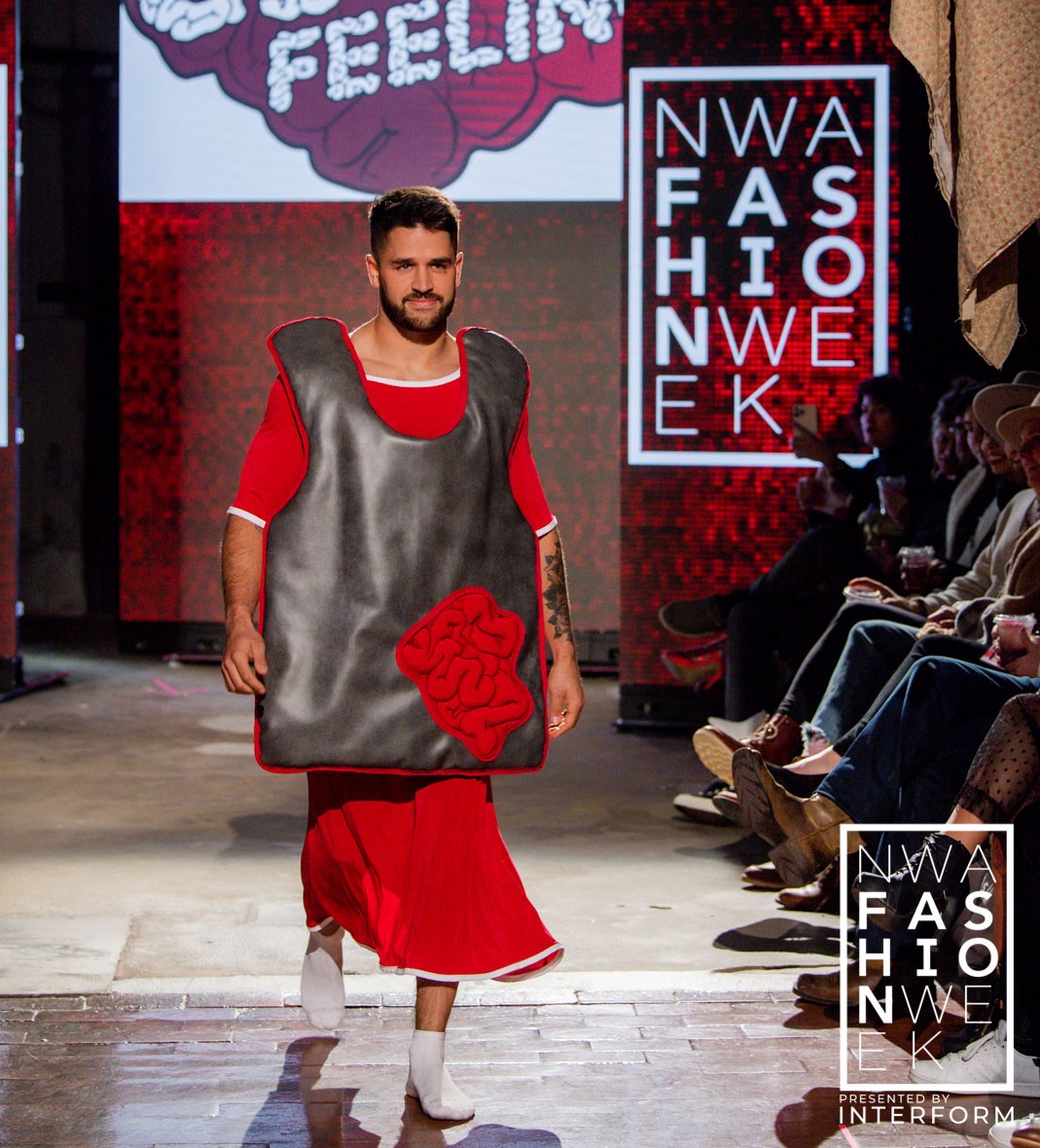
Great, appreciate you sharing that with us. Before we ask you to share more of your insights, can you take a moment to introduce yourself and how you got to where you are today to our readers
I grew up surrounded by corn and horseradish fields in the bluffs of Collinsville, Illinois 20 minutes east of Saint Louis. I was definitely influenced by the many galleries, museums, and art community that Saint Louis had to offer. Growing up I had always wanted to be an artist. It wasn’t until I attended Southern Illinois University of Edwardsville that I found my passion for sculpture and teaching. After receiving my Bachelor of Fine Arts degree, I was accepted into graduate school at the University of Arkansas School of Art in North West Arkansas (NWA). During my time in NWA I took advantage of the many grant opportunities that the university and larger region offered; to curate a number of shows, present my work at the International Sculpture Conference, and attend artist residencies at Vermont Studio Center, Chautauqua School of Art, and Chateau Orquevaux, France in 2024. I still live and work in NWA and continue to be amazed by the humble art community we have here. There are amazing opportunities around every corner to display artwork and local funding opportunities make large projects and installations like mine a reality. My studio is nestled on top of one of the largest peeks in Fayetteville, Arkansas on the campus of Mount Sequoyah. The space is inspiring but, the community is what makes it unique. I am joined by over 100 artists who make up the Mount Sequoyah art community and with its newly opened ceramic studio our community continues to expand.
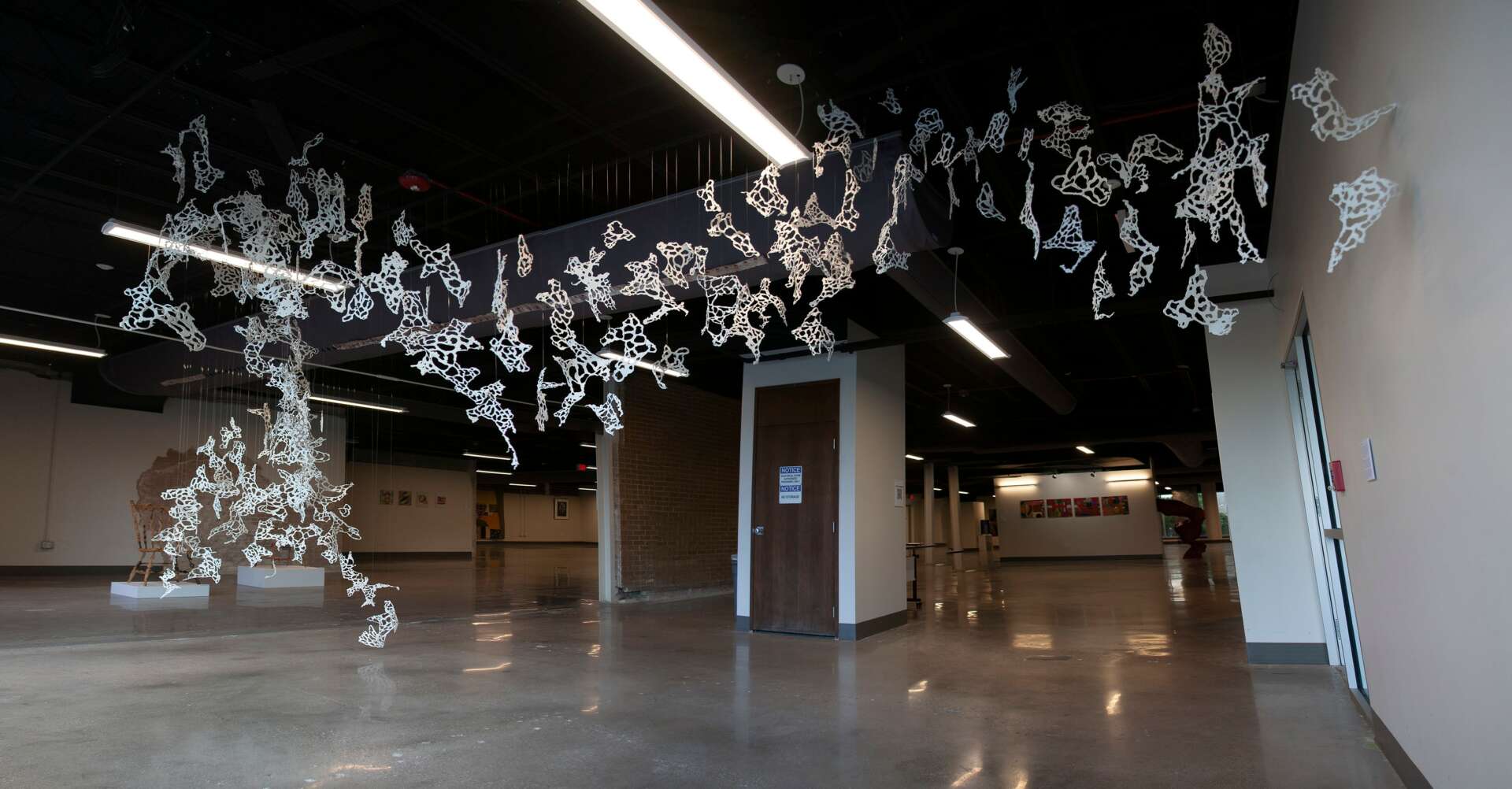
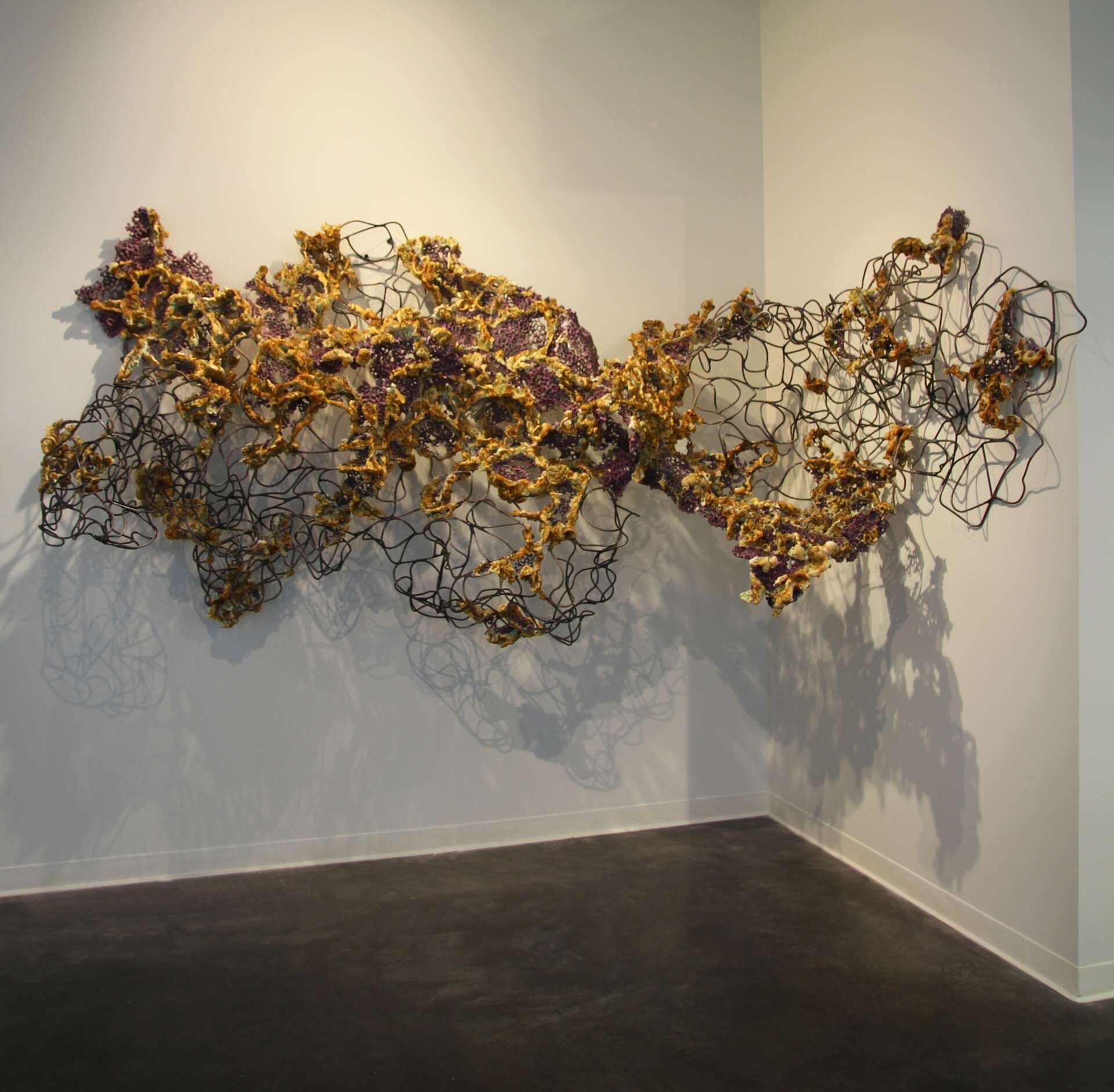
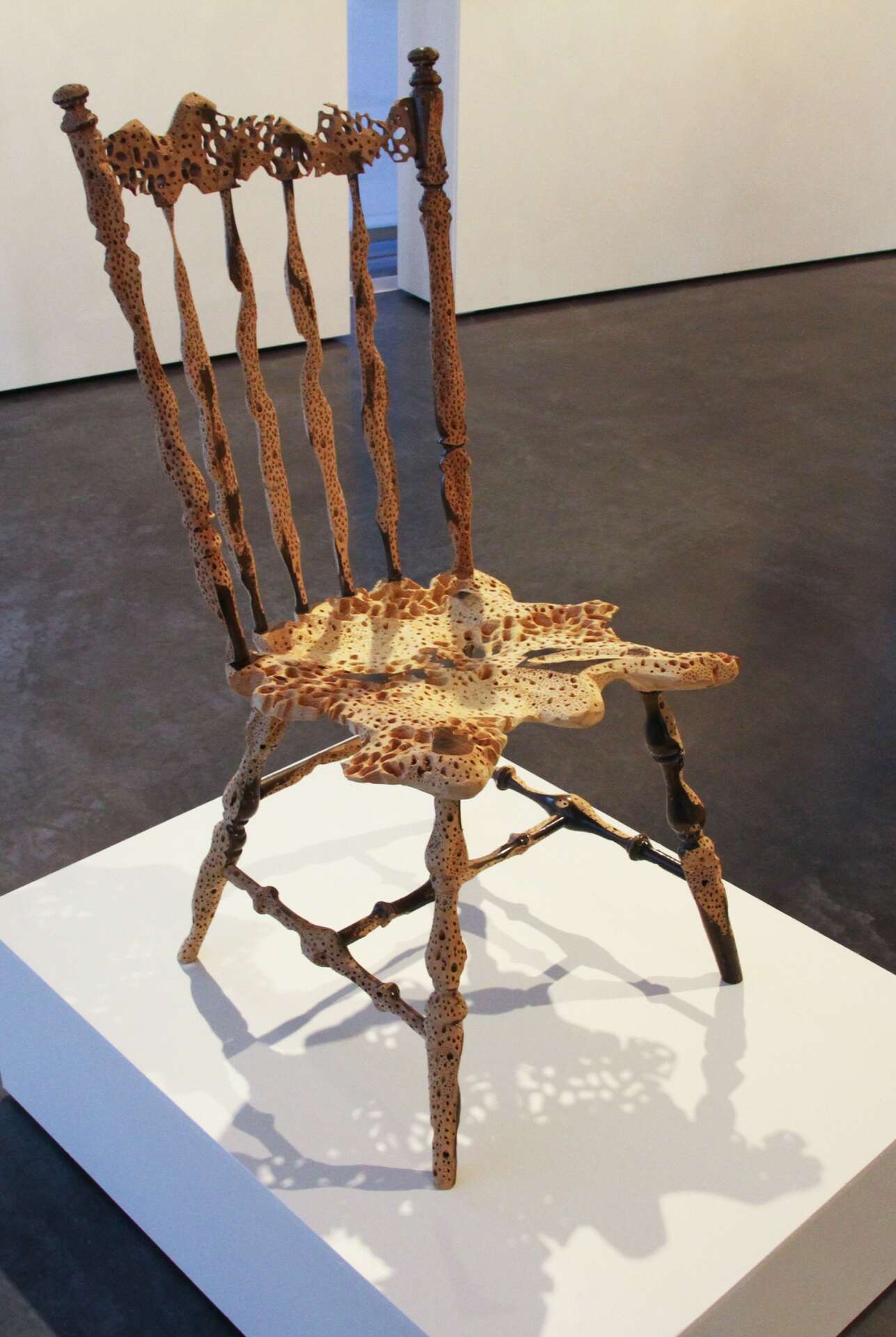
My art practice is cross disciplinary, with a focus on sculpture, installation, performance art, and fashion design. Whether it is abstract or representational my work revolves around the human body’s fragility and resilience as it faces internal, external, or psychological factors. Many of the patterns and structures in my work draw from Scanned Electron Microscope images of the human body. Transforming microscopic images into artwork, I highlight the 37.2 trillion cells that work endlessly to make us who we are.
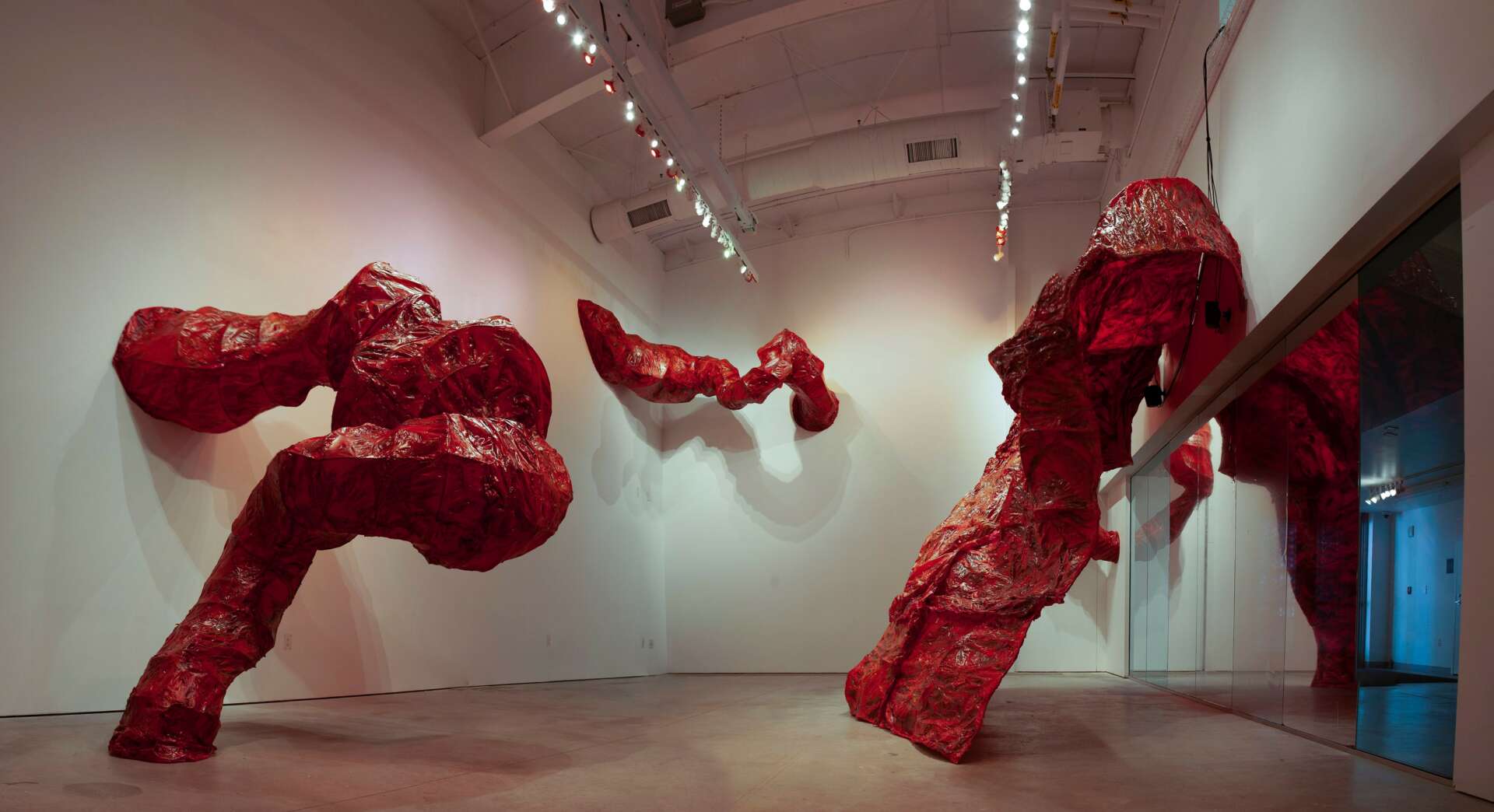
My installations approach from a larger perspective as I account for the viewer’s body and viewing experience in relation to the space. The scale, sculptural placement, lighting, and negative space are all elements I consider when constructing installations. In this created space the viewer’s body is confronted but also included as their interactions with each element of the installation completes the piece.
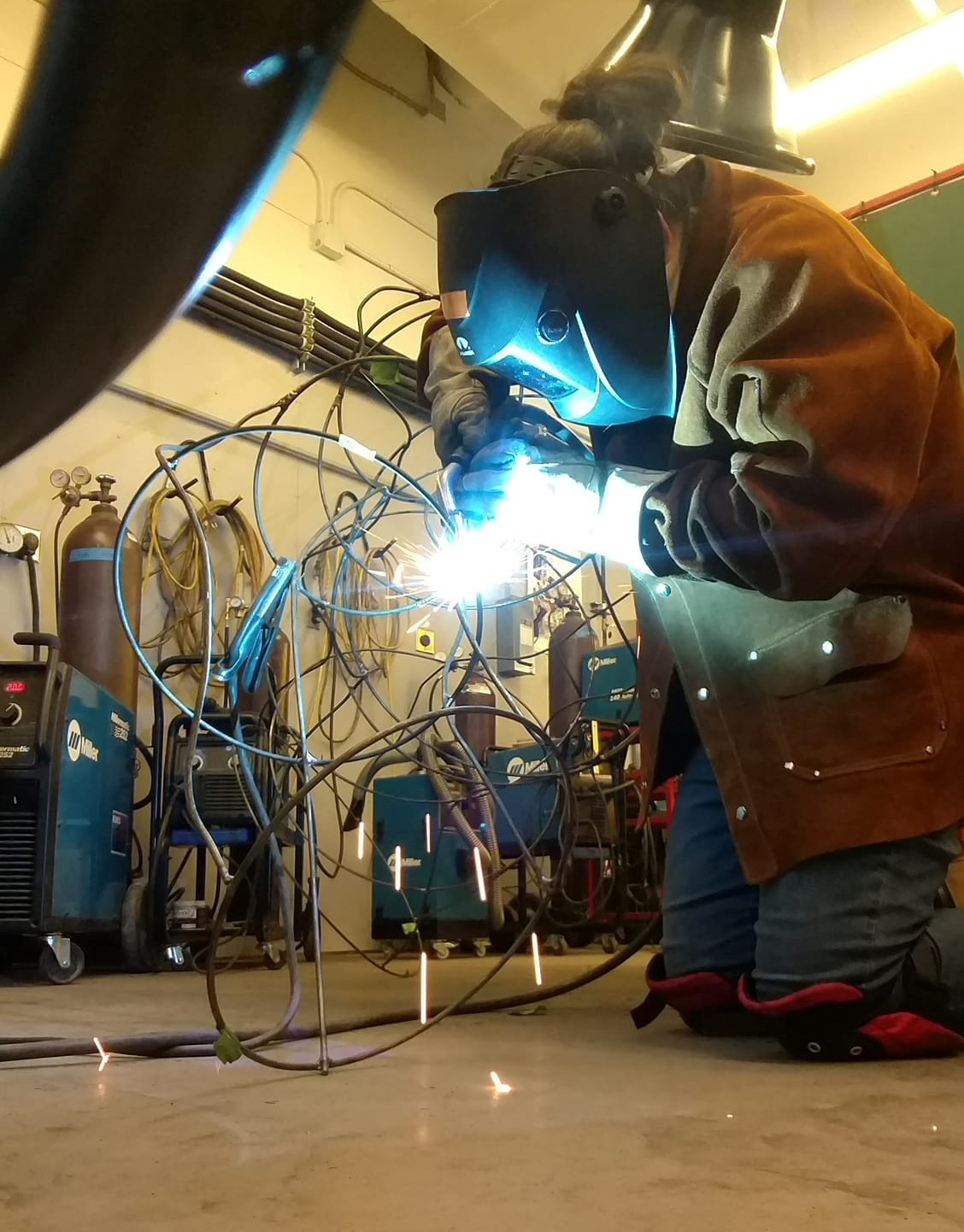
Can you tell us about a time you’ve had to pivot?
My post graduate plan was to teach at a university unfortunately, COVID-19 had other plans. Virtually all universities had lay-offs or postponed hiring so I looked for employment that would fuel my creative talent. I landed at the Scott Family Amazeum, a children’s museum in North West Arkansas and I found myself CAD modeling, building, and repairing children’s exhibits but, I missed teaching. I currently work full time at the Fayetteville Public Library as the Fabrication and Robotics Lab Coordinator in the Center for Innovation. In my role I assist patrons with all their digital fabrication needs 3D printing, Resin Printing, Laser cutting and engraving, CNC milling, large format printing, and heat pressing. But most importantly I assist in brainstorming and navigating ideas from conception to the physical form. One of my favorite programs we run out of the lab is our From Maker to Market program. The first 6 weeks of the program patrons are with me prototyping a product they would like to take to market and start a small business with. The second 6 weeks they are with our adult services department who has curated local presenters to teach patron’s about small business taxes, setting up a shopify, navigating patrons and trademarks, etc. As a public library all these services are free to library card holders. A lot of people ask me if I will ever go full time with my art practice. To which I reply, NO. I need a day job not just to pay the bills but, to fuel my soul. I feel fortunate to be in a situation where I can share my knowledge in such a publicly accessible place.
Can you share a story from your journey that illustrates your resilience?
Earlier this year I experienced my first real medical emergency that took 8 months, 6 doctors, and 2 states to resolve because I was initial misdiagnosed. It was eye opening to see a system we value, and trust miss an obvious solution. Later I found out that other women in my area, like me, had gone through the same misdiagnosis and been denied timely medical services.
Living with medical complexities is not new to me. I have lived with scoliosis and chronic constipation my whole life and felt fortunate that they have become manageable with daily care. There is a determination and resilience that comes with managing your health since it is just as much a mental battle as it is a physical one, especially when you are not at a hundred percent.
My artwork exists to break the stigma that we cannot talk about the grotesque nature of our bodies. To show people they are not alone in their body’s complication, and they can and should speak out. Not only to receive proper medical care, but to also call out systems that are not working.
Contact Info: