
We recently connected with Shekar Kadaba and have shared our conversation below.
Shekar, thanks for taking the time to share your stories with us today Almost all entrepreneurs have had to decide whether to start now or later? There are always pros and cons for waiting and so we’d love to hear what you think about your decision in retrospect. If you could go back in time, would you have started your business sooner, later or at the exact time you started?
I landed in Canada at 21. Technically, I came as an international student—but if I’m being real, it felt less like a grand plan and more like a stroke of luck. I had a few offers lined up from U.S. schools. Then Halifax threw a scholarship my way, and just like that, my course changed.
At the time, I didn’t know how pivotal that choice would be. I wasn’t chasing some five-year plan. I just followed a door that opened.
After grad school, I didn’t stick to one place for long. I bounced around from Nova Scotia to B.C and then to Calgary. I was restless but also wired with this low hum of energy that kept pushing me toward building things. Starting things. I didn’t always know what I was doing, but I knew I was drawn to it. Back in the early 2000s, before smartphones took over, I was already messing with voice-based tech. I built systems where you could call in and hear the news or even get Facebook updates through your phone.
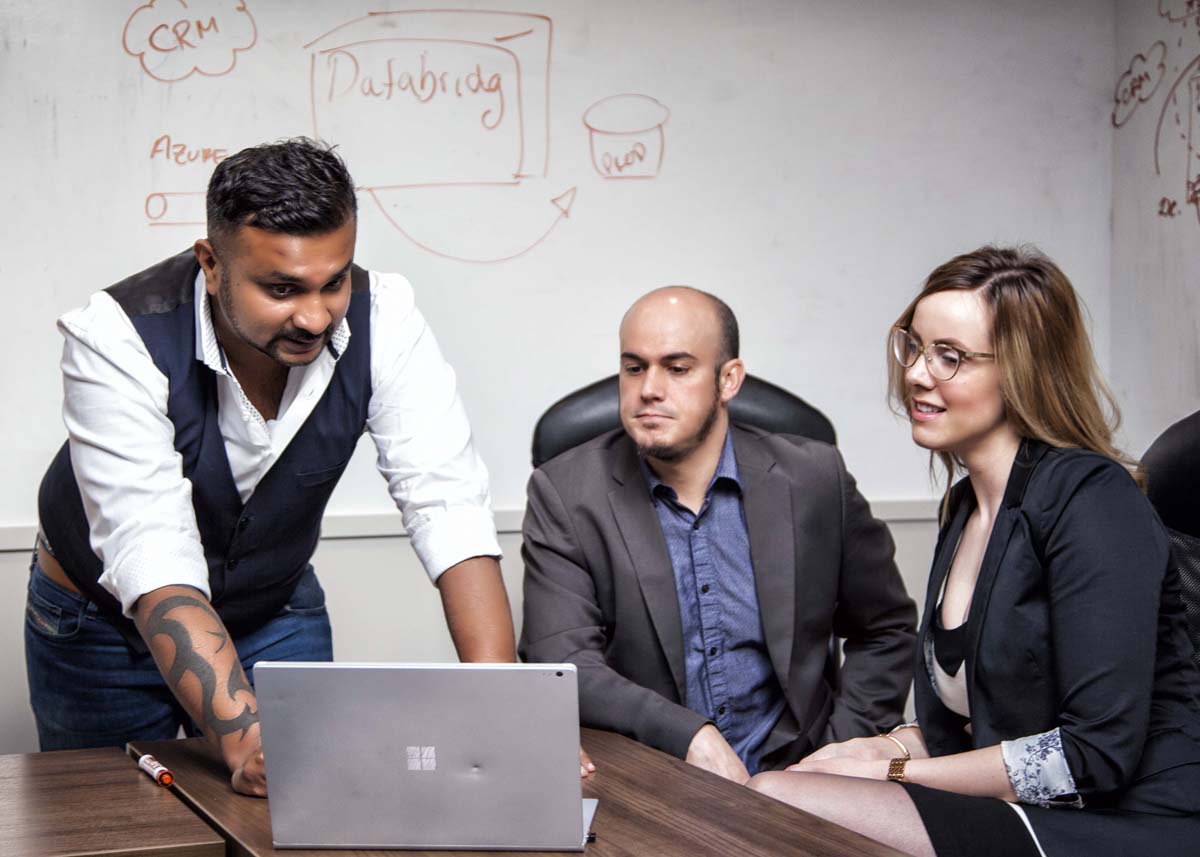
By 2009, after a few years in consulting, something clicked. I looked at the work I was doing and thought wait, this is basically what I want, only I’m doing it for someone else. So I took a shot. Reached out to a few folks I’d worked with before, some of whom had just been laid off thanks to the global economic meltdown, and we started tossing around ideas. No offices, no funding. Just whiteboards and borrowed classrooms at the University of Calgary. That’s where the first version of Rethink55 was born.
Fast forward to 2013. My co-founders moved on, and we pivoted. That’s when Frequency Foundry came into focus. We didn’t just want to build software. We wanted to create tech that actually mattered, tools that could improve how higher education and public institutions serve people. That’s still our thing. B2B SaaS with a conscience.
Would I have done it sooner if I could? Probably not. Back then, I might’ve chased shiny ideas that sounded fun but didn’t solve anything real. Waiting longer wouldn’t have made a difference either. I think things happened when they were supposed to. Life threw opportunities my way, and I followed the momentum.
“No regret. No fear.” That’s not just something I say. It’s inked on me. literally. A reminder of how far I’ve come, and how I got here.
Shekar, before we move on to more of these sorts of questions, can you take some time to bring our readers up to speed on you and what you do?
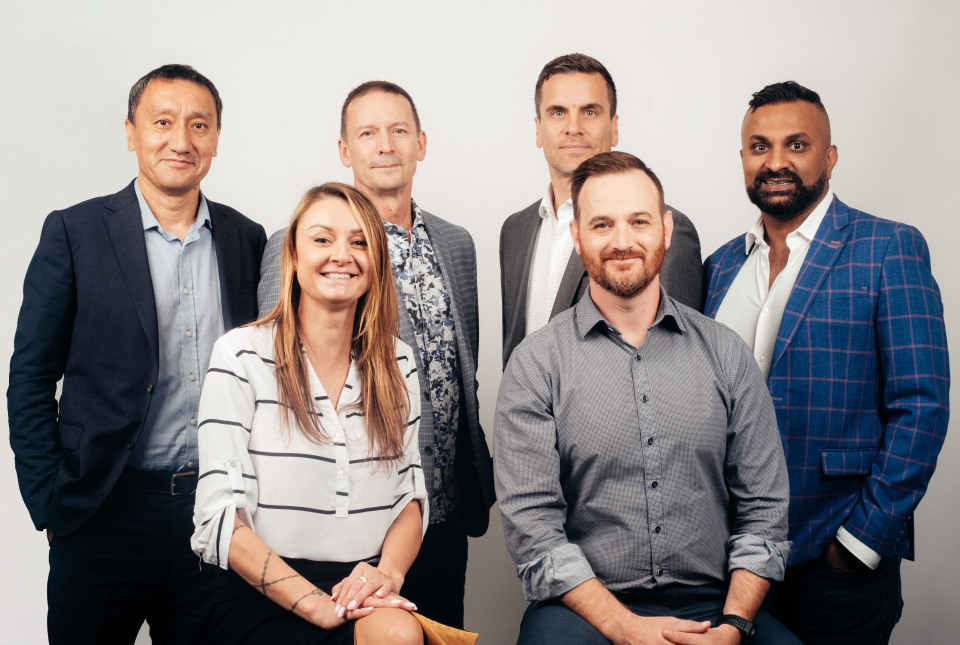
What do we actually do? We cut through the noise that holds institutions and municipalities back. greymatter pulls every piece of the student journey into one clear view, from the first moment of interest all the way to graduation. When that information finally speaks the same language, it becomes action that feels timely, purposeful, and genuinely human.
In the public sector, our Signal 311 platform gives cities the ability to serve people with speed and honesty. Residents get answers they can trust. Teams get a clear line of sight. Cities get momentum. It is technology built to make life easier for the people who rely on it.
Our work blends AI, design, empathy, and deep operational insight. When those elements lock together, the result is simple. Experiences that feel better because they are better.
What sets us apart is our intent. We have no interest in building tech just to show off. We build to create real change. Our products do more than automate the boring stuff. They bring order to messy situations. They point teams in the right direction when uncertainty creeps in. They give people confidence when things start to wobble.
If readers take one thing from this, let it be this. I am not a founder obsessed with features. I am obsessed with outcomes. I believe in building products that actually move the needle for students, institutions, and communities. I believe in solving problems with transparency and respect and the kind of grit that refuses to back down.
And I believe that a world class technology company can rise from Canada and stand toe to toe with global giants. It can even outperform them when it stays curious, stays human, and stays hungry.
That is who I am. That is who the Foundry is.
Let’s talk about resilience next – do you have a story you can share with us?
There’s one story I always come back to. It was early on, when a few of my first partners walked away. The company wasn’t making money fast enough for their liking. They were in it for a quick win. I wasn’t. I had a longer vision in mind.
Watching people you trust walk out can rattle you. Makes you second-guess things. But that moment carved something deep into me: if I don’t believe in what I’m building, truly believe in it, no one else ever will.
And look, there was a stretch, much longer than I like to admit, when I didn’t pay myself a salary. Not a few months. Years. Every cent we made went to payroll, rent, tools we needed, whatever kept us alive. Folks love to glamorize entrepreneurship, but they rarely mention the nights you’re wide awake at 2 a.m. running numbers in your head, wondering how to stretch one dollar into ten. Wondering if you’re crazy for still holding on.
But nothing compares to the day I stood in front of our tiny team and said, “I can’t pay you this month.” Brutal. I braced for pushback. Resignations. Who could blame them?
Instead, nobody left. Not a single person. They didn’t just stay, they doubled down. Chose to believe in what we were doing, in each other, in the mission. A bunch of them are still here. Over a decade later. That kind of loyalty, it’s rare, even more rare in a tech firm. That kind of belief? You don’t forget it.
Resilience is not something I talk about as a feel good idea. It sits at the center of who we are. It is literally in our mantra. GRIT. So when people ask for a story that shows resilience, I do not have to think long.. It’s not about making the perfect move or saying the right thing when everything’s on fire. It’s about staying when leaving would be easier. It’s betting on yourself, even when the odds are garbage. It’s building something real, something that still stands after the storm has passed.
That’s my story. That’s the core of the Foundry. Not the hype, not the headlines, just the grit to keep going.
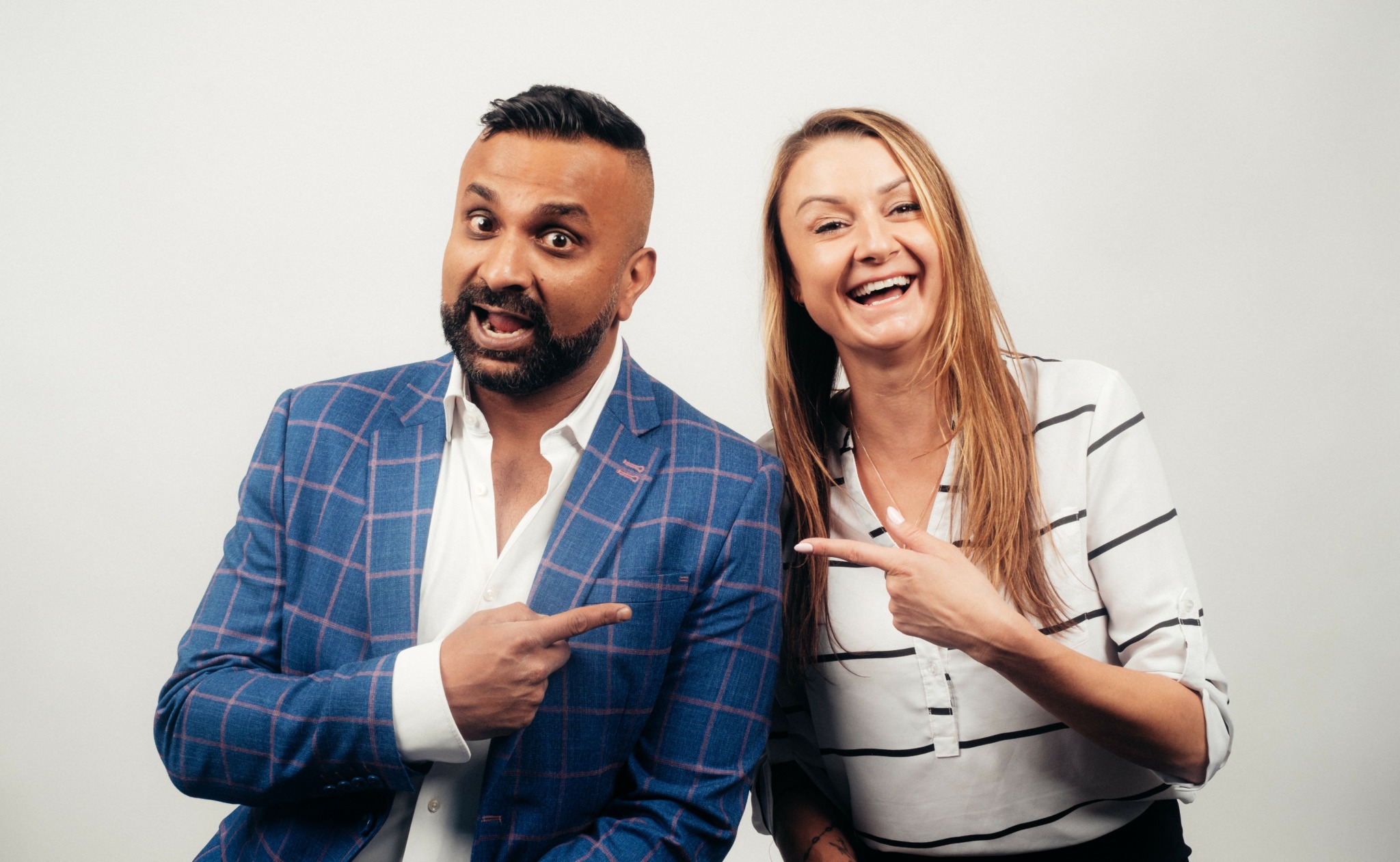
Any stories or insights that might help us understand how you’ve built such a strong reputation?
If there’s one thing that built my reputation and that of the Foundry, it’s that we never set out to be another software vendor. We set out to redefine what great looks like in higher ed. Customer satisfaction? That’s table stakes, bare minimum. We chase something far more ambitious: moments of ‘wow’ from our customers, that transform how institutions think about student success.
We’re relentless about value, even fanatically so. Every feature, every workflow, every insight has to earn its place by delivering real, undeniable impact. And that obsession comes from our north star: empowering every student on the planet to succeed. Not some students. Not some institutions. Every student. We believe every college and university deserves technology that lifts barriers, illuminates pathways, and helps people reach their potential. That belief shapes everything we build.
It’s why, in 2019, we didn’t just win Microsoft’s Application Innovation in Education award. we earned it by beating global giants with thousands of employees. We were the small firm in Calgary that out-innovated the behemoths because our purpose and not our size drove the work.
If I’ve earned a reputation, I hope it’s for this: being unapologetically outcome-driven, fiercely student-focused, and unwilling to deliver anything that doesn’t elevate the institutions we serve. We’re not here to compete; we’re here to elevate an entire sector. And that’s exactly what we’re doing.
Contact Info:
- Website: greymattercrm.com and frequencyfoundry.com
- Linkedin: https://www.linkedin.com/in/shekarkadaba/
- Youtube: @frequencyfoundry