



We’re excited to introduce you to the always interesting and insightful Sheila Wolff. We hope you’ll enjoy our conversation with Sheila below.
Alright, Sheila thanks for taking the time to share your stories and insights with us today. Learning the craft is often a unique journey from every creative – we’d love to hear about your journey and if knowing what you know now, you would have done anything differently to speed up the learning process.
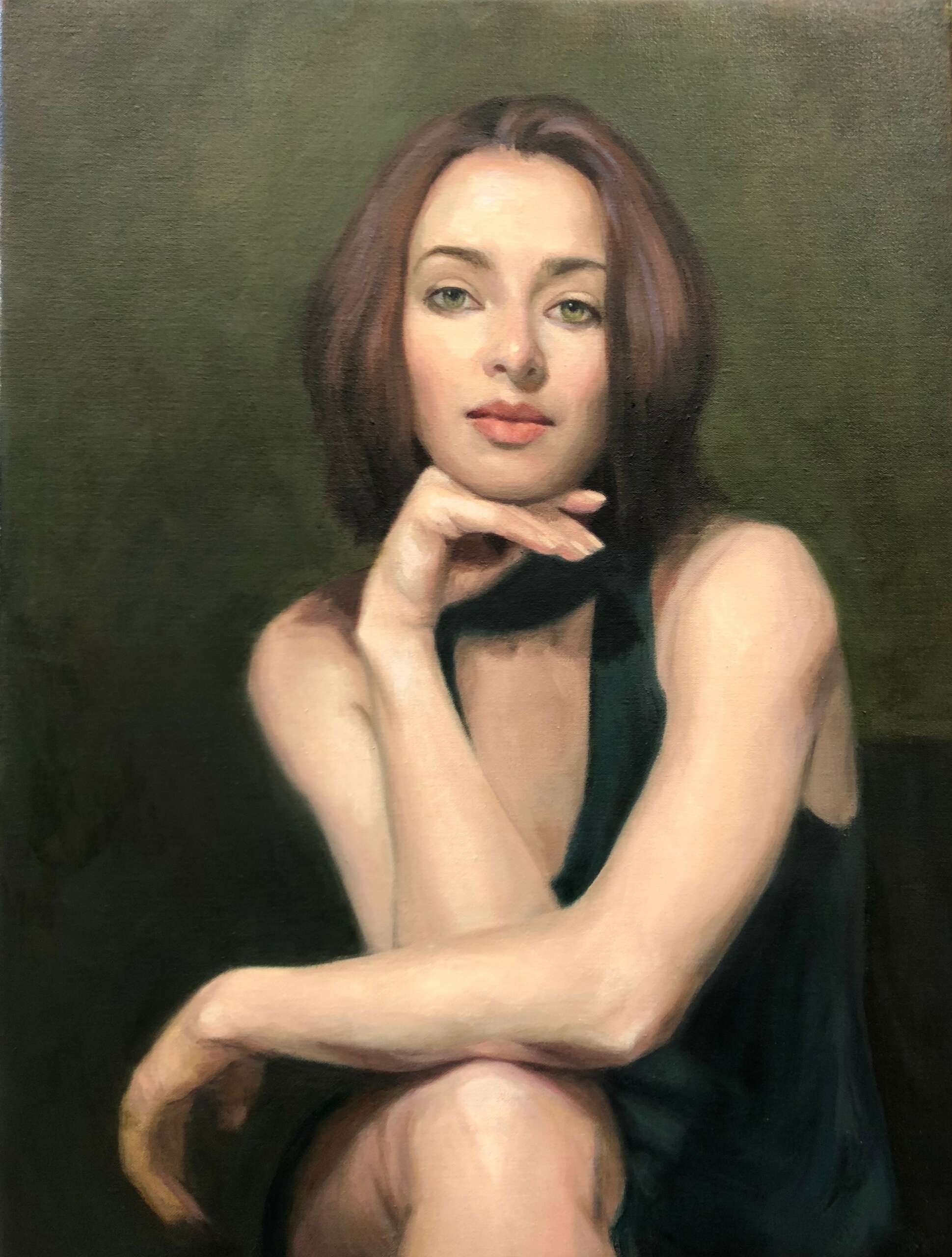
When I was young, I had a problem believing in myself. I always had the impulse towards visual art. but the minute I started a class, I would compare myself to the most advanced students in the class and tell myself I was not good enough; that I lacked ‘talent’. I continued to take classes however, and along the way I had the great good luck of finding the small private class of John Frederick Murray. He had been a student of Frank Reilly, a well known and popular teacher at the Art Students League in New York City. Murray taught the principles he had learned from Reilly, something Reilly named The Art of Learning Art. The first thing I said when I entered his school the first time was “I don’t think I belong here”. John Murray then said something that changed my life, “everyone has to start somewhere”. I began studying with him at first one time a week, but was soon attending every session he gave. My 2 young children used to be in the front window waiting for me to get home from drawing class at 10:30 at night. It was definitely conflicting to throw myself into learning to draw and paint while raising young children, but the happiness and fulfillment I felt from studying could only be a good influence for them. I will always be grateful to John Murray for having faith in me and believing in me and pushing me to be the best I could possibly be. He wasn’t always an easy teacher, but he was always absolutely encouraging. Almost everything I learned about figurative art I learned from him.
As always, we appreciate you sharing your insights and we’ve got a few more questions for you, but before we get to all of that can you take a minute to introduce yourself and give our readers some of your back background and context?
When I began to feel competent, I started doing portrait commissions. I advertised locally and did get some clients. I took my work very seriously and had a strong desire to please my clients, but never at the expense of quality work. I felt a connection with people in getting to know them, and usually had a sense of what they wanted.. I worked with them. A few times, my clients would cry tears of joy when they saw the finished portrait. It made me feel very happy and proud that I was able to feel and produce what they wanted
Do you think there is something that non-creatives might struggle to understand about your journey as a creative? Maybe you can shed some light?
I come from a very creative family. My mother was a singer, one sister was a writer and one a musician. My brother is a very successful composer. I always felt a huge empty space inside until I was in my early thirties (half a lifetime ago) and began to paint. I never had to support my family or make a significant amount of money so I mostly kept my focus on learning and improving. In our society, our success is usually determined by how much money you earn or how well known you are.. I had to learn early on that most people would not think I was ‘working’ during all those long hours I devoted to my art. I had to learn to take myself seriously and believe in what I was doing, and not expect non-creatives to always understand. Whenever I start to question myself, I realize it comes down to one thing; I do it out of love, and that has to be enough. It is enough. What would life be like if there were no people who took on the creative struggle, and it is that, a struggle. A mostly enjoyable struggle, but a struggle nevertheless. Most of the people I know who are artists simply must do what they do.
Can you tell us about a time you’ve had to pivot?
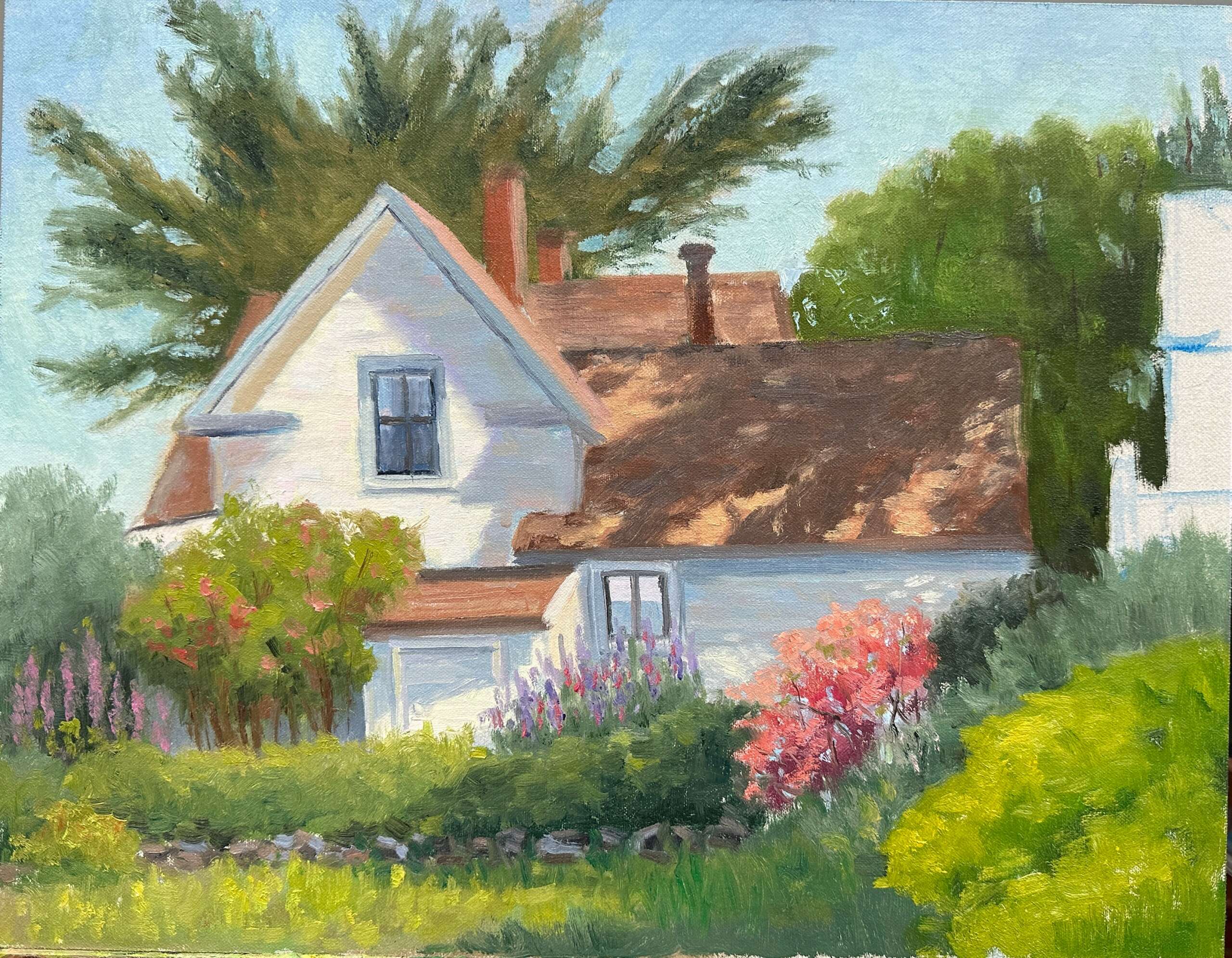
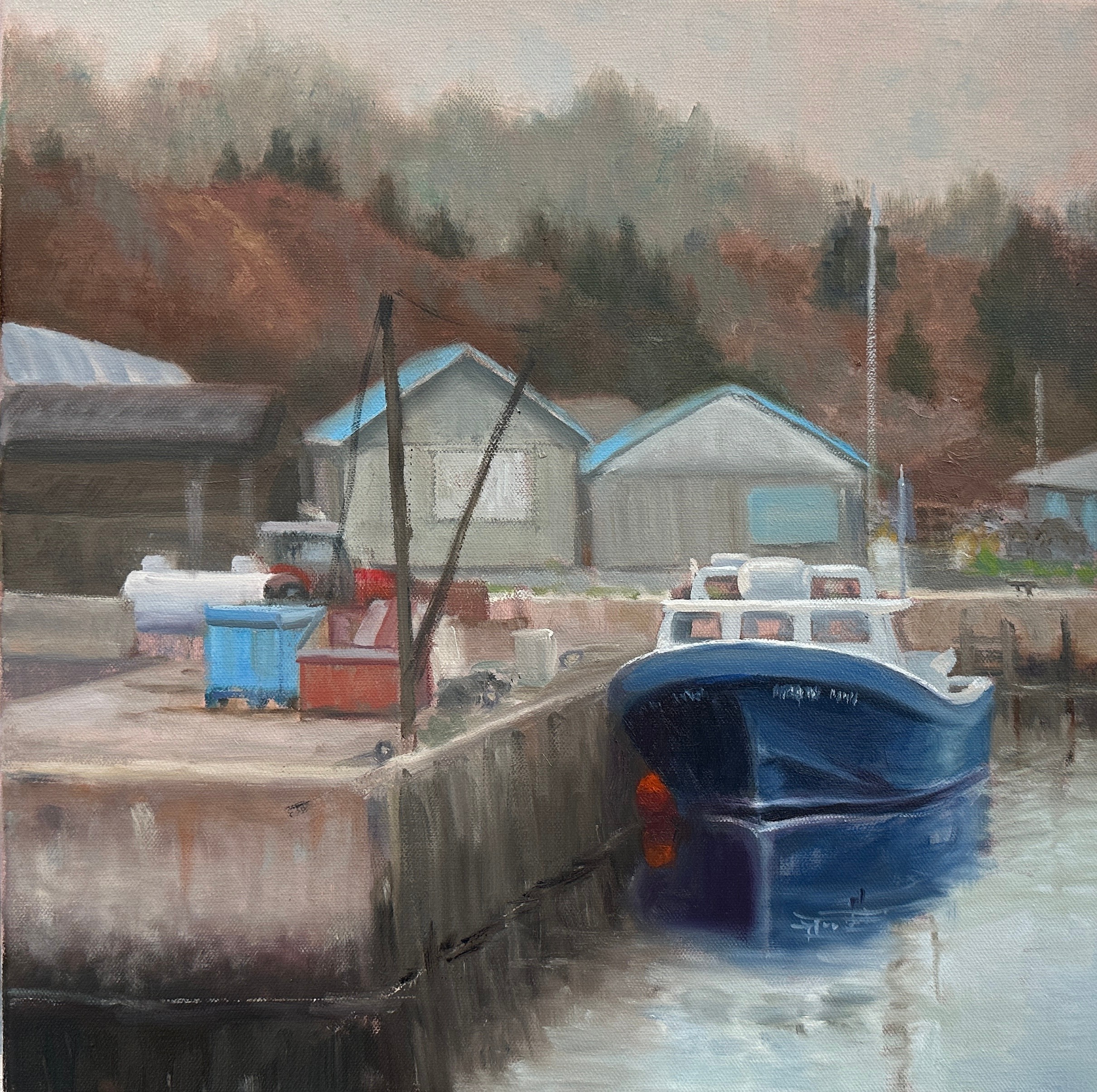
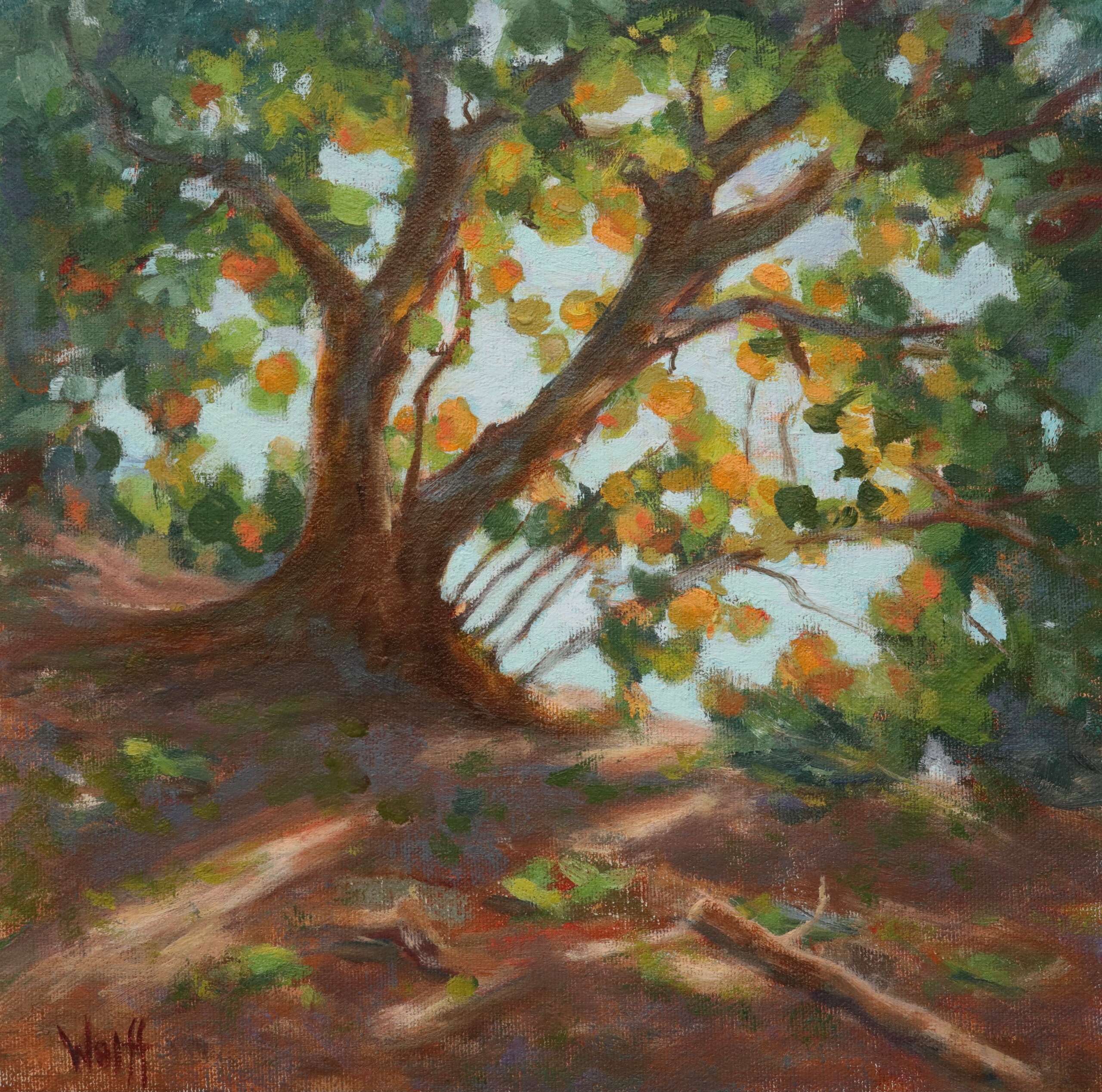
I was far from done studying with John Murray, but my family moved to Florida. I tried and tried but I could not find a school or teacher that could keep me focused on figurative art in a similar fashion as what I was used to. I began to see and hear about painting landscapes outside. I was drawn to plein air painting and luckily there were a few great teachers offering workshops. Although I continued to study portrait , figure and still life painting, I began to travel to plein air workshops with artists I admired. A special bonus to doing this, was getting to visit places I had always wanted to see anyway. When you paint outside, you not only get to see places, but you bond with them on a profound and meditative level. I had to adjust my ideas about what made a good painting significantly. Working outside, you only have a few hours before the light changes dramatically. In studio painting there are many less limits on the amount of time you can work on something. It was a big turnaround for me, but an indescribably wonderful one.
Contact Info:
- Website: sheilawolff.com
- Instagram: sheiwolff