



We were lucky to catch up with Shayla Phan recently and have shared our conversation below.
Shayla, looking forward to hearing all of your stories today. Learning the craft is often a unique journey from every creative – we’d love to hear about your journey and if knowing what you know now, you would have done anything differently to speed up the learning process.
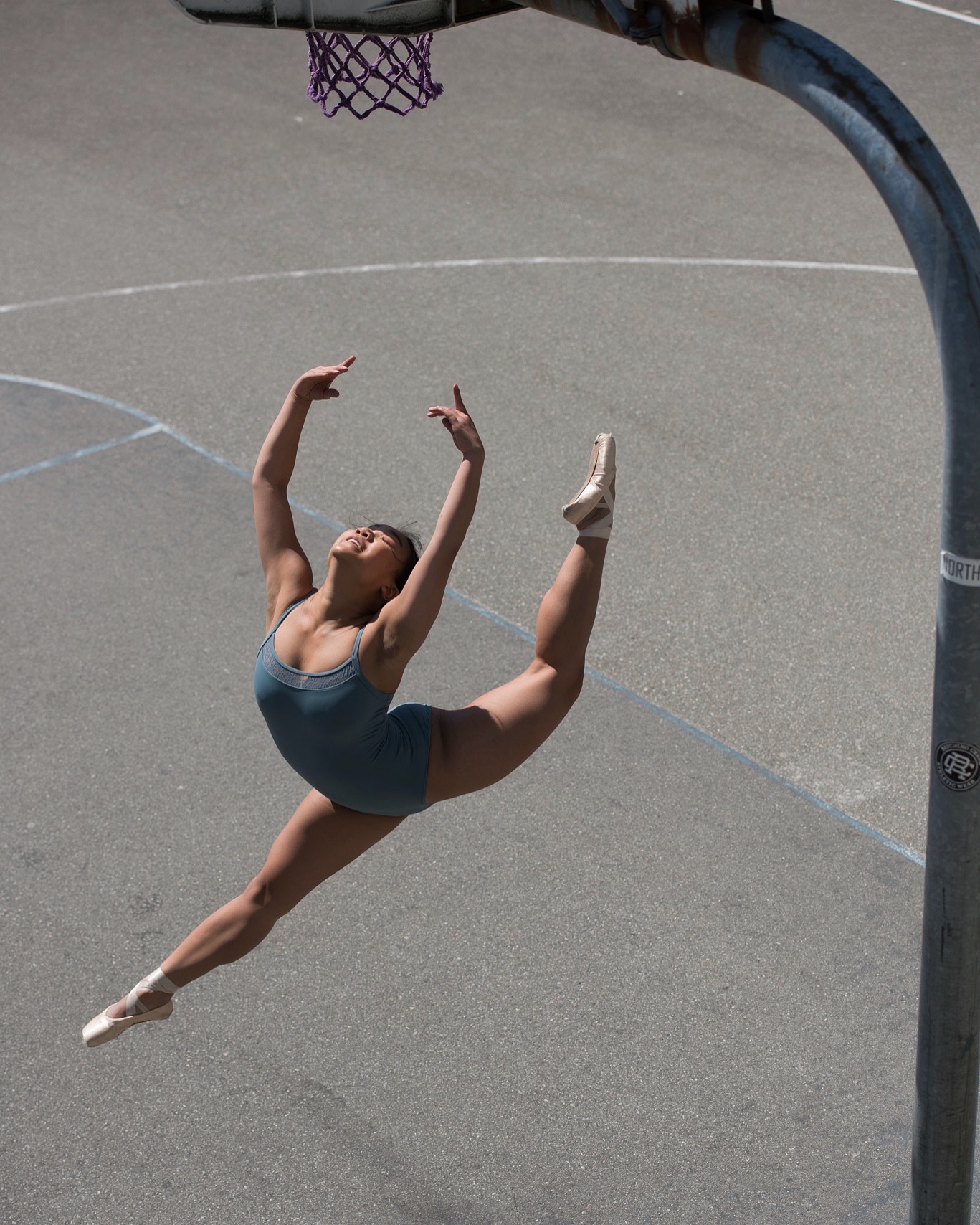
Something that I’m constantly learning is that your career is never linear. As you explore all the facets of being creative you may find new paths that intrigue you entirely uprooting you from what you believed you once always wanted. Starting out my journey I was in love with ballet and contemporary that lead me into hiphop which lead me to choreographing and creating until now ultimately my psychology career of discovering the connection with the mind and body.
Over the years, I’ve learned that being a creative requires ALOT of vulnerability. It’s not just about the performance—it’s about being judged, critiqued, and learning how to cope with rejection and failure without letting it affect your self-worth. Creativity requires resilience, as art is an evolving process. You must embrace the awkwardness of being a beginner, recognize growth, and push through when the bigger picture doesn’t seem as polished as you hoped.
Great, appreciate you sharing that with us. Before we ask you to share more of your insights, can you take a moment to introduce yourself and how you got to where you are today to our readers.
Navigating the artistic world, especially in dance, can be overwhelming. The industry is vast, and there are endless career paths within each style, making it hard to know where to start. Growing up as a studio dancer in Edmonton, I initially saw dance only through the lens of local competitions. It wasn’t until I moved to Vancouver for a dance program that I discovered a whole new world—“the industry”—which includes acting and dancing on film and television, performing on cruise ships, stunt work, and commercials. Words like “being signed,” “getting booked,” and being “put on hold” became my aspirations, and I began to realize that dance was not just a hobby but a potential career.
In Edmonton I started with ballet and contemporary dance, but as I trained and exposed myself to different genres training in Vancouver, I gravitated towards hip-hop. I moved back to Edmonton after completing the program and joined a hip-hop group that competed and trained locally and internationally. It was during this time, particularly training in Los Angeles, that I encountered an entirely new world of dance: conventions, tour dancing, music videos, and creative direction. However, to pursue these opportunities, I faced new challenges, such as the O-1 Visa process for Canadian dancers wanting to work in the U.S. This led me to return to Vancouver, to collect work to build my O-1 visa.
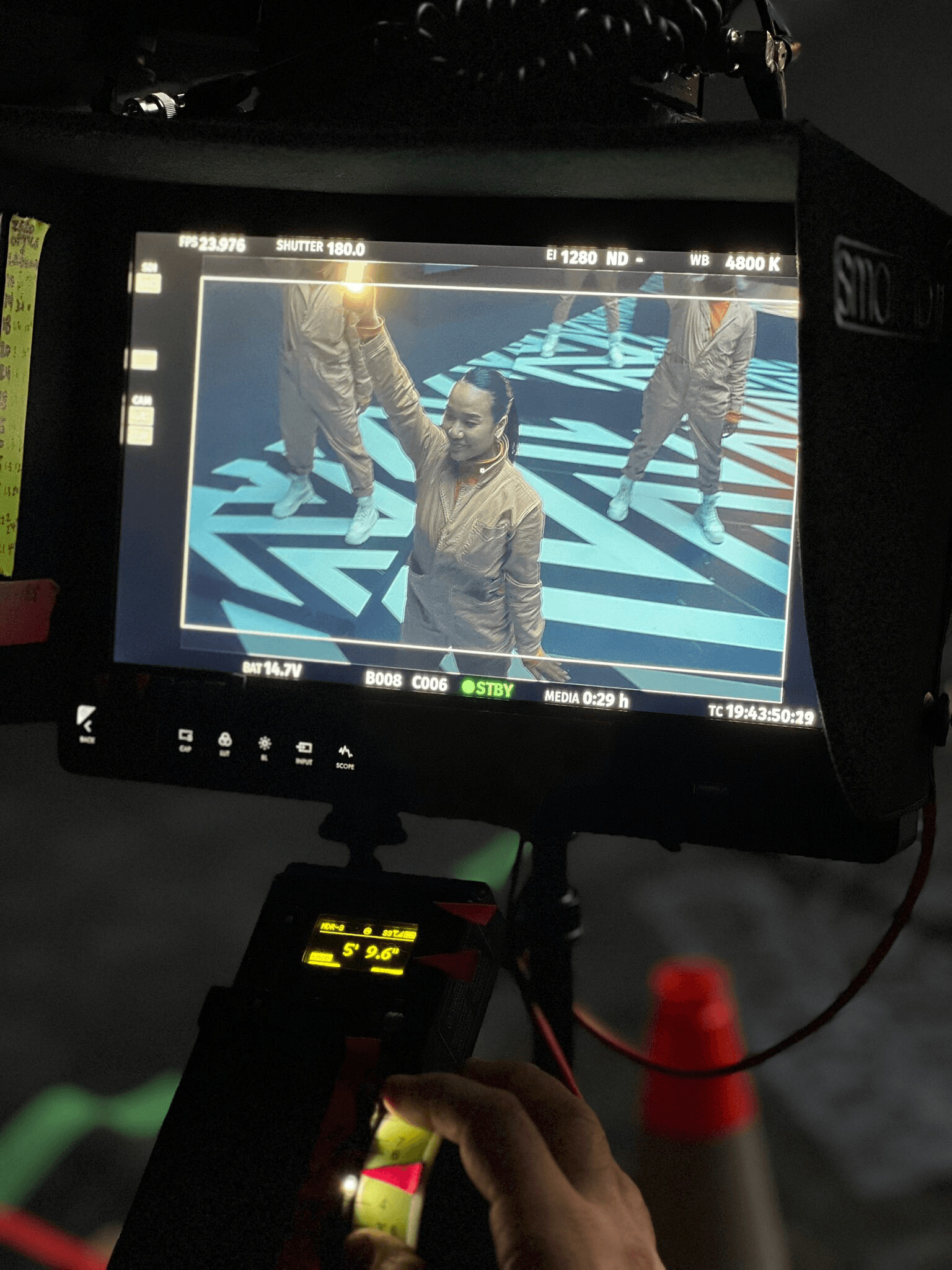
As I progressed, I took on teaching competition dance, choreographed, and worked in the film industry— starting as a background actor, SAE and transitioning into commercial work. I also collaborated with local artists, performing and creative directing music videos. As well as involved myself in the local dance scene performing at events like the Main Event, Innovate Dance Film Showcase, and Carnival, major dance showcases in Vancouver and Los Angeles. Through these experiences, I’ve learned the importance of persistence and adaptability. Every new style, genre, or opportunity required me to be a beginner again, face awkwardness, and push through discomfort in order to grow.
Over time, I realized that learning the craft goes beyond the technical skills—it’s about connecting emotionally with the audience, understanding the cultural origins of the movements, and continually evolving. Dance is a form of expression and release, and the deeper I dove into it, the more I recognized the therapeutic aspects of dance. This understanding sparked my journey into psychology, where I sought to bridge the mind-body connection in a more meaningful way.
Is there something you think non-creatives will struggle to understand about your journey as a creative? Maybe you can provide some insight – you never know who might benefit from the enlightenment.
I think what’s often misunderstand is how much vulnerability it takes to be a creative. You have to learn how to be judged by others without letting it affect how you see yourself. Constantly creating art to be displayed publicly requires immense resilience. People often forget that creating art involves continuous practice and effort to perfect it, which means you’ll always go through awkward stages where you might not be good at something. The key is to break through that mindset, give yourself space to fail, and keep pushing forward. That’s the only way to improve. You need to recognize your growth and accomplishments, even if the bigger picture of your art doesn’t look perfect at first. It’s about acknowledging progress and not letting others’ opinions discourage you from continuing. But it’s also important to balance this with humility—take criticism as constructive feedback, when it’s valuable and let go of what’s not. Keep your ego in check—don’t get overly confident, but remember that your art can always improve. Decide where you want it to evolve and know when to celebrate your wins.
For example, in dance, I started with ballet. When I transitioned into genres like hip hop, I felt like an awkward ballerina trying to look cool. It was uncomfortable—I hated watching videos of myself. But I had a supportive community that helped me build my confidence and skills over time. Every new style will feel awkward at first, but the key is accepting that you’ll look like a beginner and pushing past that discomfort. That’s when the real improvement starts. This feeling lasted through out my teaching, choreographing and performance life.
Another aspect often overlooked is how much culture shapes the dance scene. The origins of ballet, contemporary dance, and hip hop are all deeply tied to cultural movements.
When I entered the hip hop scene, I realized the importance of being culturally sensitive. Learning about the origins of hip hop helped me understand that it was born out of a need for expression during times of systemic oppression. It began in the Bronx, where African American and Latino communities faced immense challenges. The environment—marked by poverty, limited resources, and disillusionment—fostered the creation of a vibrant culture among the youth. While I don’t identify with dancing the foundational genres like breakdancing or locking, I acknowledge that much of my movement has been deeply influenced by the hip hop movement, from the dance styles to the music. For me, dancing is a way to release emotions and channel pain, anger, and hurt into something beautiful.
How about pivoting – can you share the story of a time you’ve had to pivot?
There was a major pivot in my life that came from witnessing the deep challenges that my family faced when navigating the healthcare and legal systems. My family immigrated from Vietnam during the war, and were grateful to have the opportunity to rebuild their life in Canada. Their struggles navigating a system that is growing in culturally sensitive but still has much work to do really opened my eyes to how deeply systemic barriers can impact not just the individuals, but their future generations and how it still occurs to this day.
It started when my grandpa passed away a few years ago, which fractured my mom’s side of the family, a once close-knit large family had become a broken one with constant arguments. It took years to heal our family relationships. And once it had reached a decent level both my grandmas got sick within weeks of each other and we once again had to deal with geriatric care. I saw how hard it was for my family to navigate these systems. While the doctors and nurses were doing their best, the lack of understanding around cultural differences coupled with my families mistrust from past experiences with the government system created unnecessary miscommunication and stress that deeply impacted my family’s dynamic and their health.
Being born in Canada, and raised in the public school system I grew up in Canadian culture. I was always so frustrated at my parents for always being so skeptical of the practices in Canada. It was always difficult understanding their reasonings behind situations to the point where I felt resentment for always needing to apologize for my parents “odd” behaviours. Through these experiences, I’ve gained a greater appreciation for my family’s resilience. They survived unimaginable hardships —being pushed out of Vietnam, losing their homes, and starting over in a completely foreign country navigating a system that is unaware of their cultural practices and norms. Yet they were able to build a life for themselves and for me. As I learned more about their stories, and their upbringings I began to understand how their hardships has shaped them and, in turn, me. It shifted my perspective from frustration to compassion, and it’s fuelled my desire to create change.
However I had no idea in what way that would have been. I had spent years pursuing dance, which was my dream, it has taught me how to connect with people, express emotions, and foster community but I realized it would be difficult to gain understanding about my family through this alone. University ended up being the best option that could provide me further understanding into the history and why there was such a disconnect with the medical systems. I wanted to focus on understanding these deeper issues at play. I wanted to better understand my family, their culture, their trauma, and their resilience which led me to study psychology. It’s paving a path to not only help my family but also help me learn how to support others who face similar challenges as first- or second-generation immigrants.
Even though this journey has been heavy and emotionally taxing, it’s also been transformative. My family’s strength continues to inspire me, and I’m learning it’s not my job to save them—they’ve already done so much to get to where they are. Instead, I’m focusing on understanding their story in turn to allow me to understand my struggles and support others who have experienced the same issue.
Contact Info:
- Instagram: shaylaphan
Image Credits
Richie Lubaton, Kerrtisy.