



We caught up with the brilliant and insightful Shay Webb a few weeks ago and have shared our conversation below.
Shay, appreciate you joining us today. What did your parents do right and how has that impacted you in your life and career?
I was raised by a single mother, Tia Dobson, who instilled in me the importance of faith, independence, and perseverance. Even before I was born, she had already demonstrated remarkable resilience. She was a radio broadcaster but chose to obtain her BS in Business Administration when I was a newborn, often waking up with me in one arm and a textbook in the other.
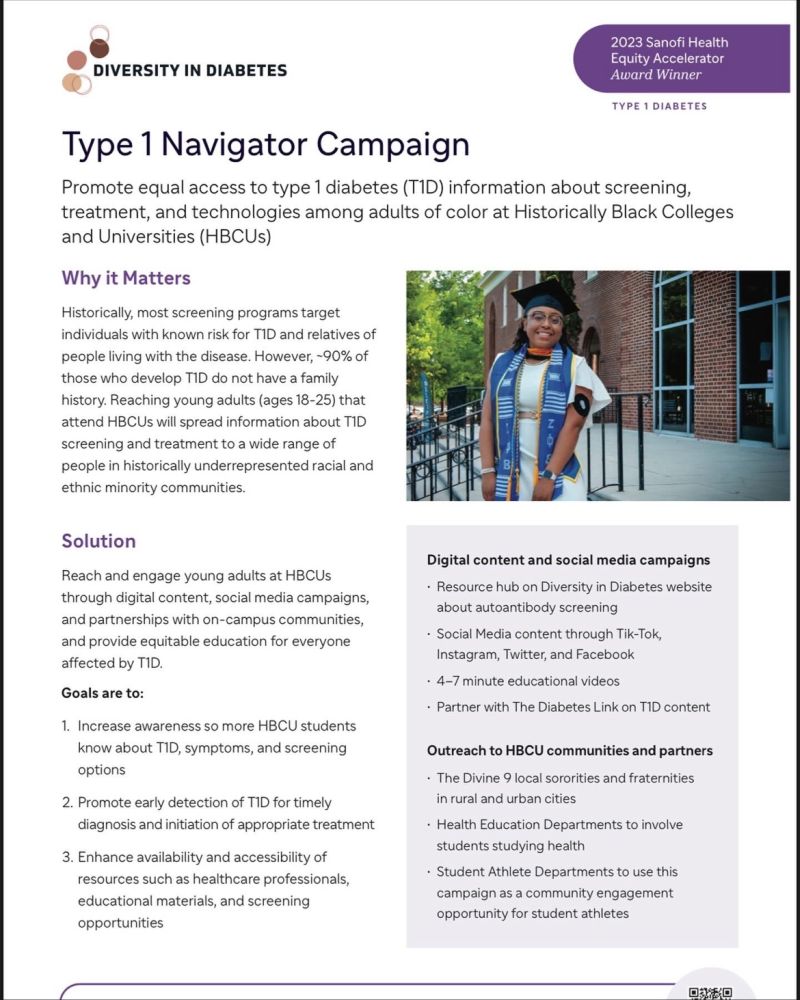
When I was diagnosed with type 1 diabetes at age eight, her dedication only intensified. She woke up nightly at midnight and 3 a.m., ensuring my blood sugar was stable, and within a week of my diagnosis, she had taught me everything I needed to manage my condition—from finger sticks and insulin injections to carb counting and self-advocacy. Her philosophy was simple but powerful: I could take a week to cry, but then we would keep pushing forward. That mindset taught me resilience, responsibility, and the ability to persevere in the face of challenges—lessons that have stayed with me throughout my life and career.
Even as I grew older, her commitment to education and growth continued to inspire me. When I was in high school, she returned to school for her MSW from Edinboro University, balancing her studies, work, and ensuring I remained healthy. Her hard work and determination became a blueprint for the decisions I’ve made in my own life. Coupled with the legacy of my grandmother, who graduated high school at 14, my family’s dedication to education propelled me to pursue my Doctor of Health Science degree at Campbell University.
Beyond academics, my mother’s example taught me the value of using my voice and skills to advocate for others. Her lessons in independence, grit, and perseverance have inspired me to focus my research and advocacy on underrepresented communities dealing with chronic illness, ensuring that others have access to the resources and support that were so pivotal in my own life.
Great, appreciate you sharing that with us. Before we ask you to share more of your insights, can you take a moment to introduce yourself and how you got to where you are today to our readers.
My name is Shay D. Webb, and I’m a clinical research professional, global public speaker and writer, and patient advocate dedicated to advancing health equity and diversity in clinical research. I currently serve as an Emerging Talent Rotation Associate at Merck, where I support global clinical trial operations through site engagement, feasibility, and study start-up activities. I’ve had the privilege of experiencing the research process from multiple vantage points—at the site, CRO, and sponsor level—which has shaped my holistic understanding of how to make trials more efficient, inclusive, and patient-centered.
My path into this industry is deeply personal. At a young age through my mother, who exposed me to the world of clinical research and healthcare early on, instilled in me both curiosity and compassion. This helped me understand the importance of representation and integrity in medical science. Those early experiences, coupled with my own journey as a person living with type 1 diabetes since age eight and rheumatoid arthritis since eighteen, inspired me to turn my lived experience into a lifelong mission to improve healthcare access and understanding for others. I was diagnosed with type 1 diabetes at age eight and rheumatoid arthritis at eighteen. Growing up managing chronic conditions gave me firsthand insight into the patient experience—the frustrations, the hope, and the power of access to innovative therapies. Instead of viewing my diagnoses as limitations, I used them as motivation to understand how healthcare decisions are made and how research can better serve the people it’s designed to help. That passion led me to earn both my Bachelor’s and Master’s degrees in Clinical Research and Product Development from the University of North Carolina Wilmington and to pursue my Doctor of Health Science (DHSc) degree at Campbell University, with a concentration in Interprofessional Education.
Throughout my career, I’ve worked to bridge communication gaps between patients, providers, and researchers. As a former Informed Consent Medical Writer, I transformed complex trial language into materials that participants could truly understand—helping improve clinical trial literacy and trust. At PPD, I also served on diversity and patient advocacy workstreams, developing resources that made trials more accessible and culturally responsive. My work extends beyond the corporate setting—I mentor students through the Morehouse School of Medicine and MentorCHHS, serve as an Ambassador for Black Women in Clinical Research, and was appointed by Governor Roy Cooper for two consecutive terms to the North Carolina Statewide Independent Living Council, where I advocate for people with disabilities to live more independently.
What sets me apart is my ability to combine professional expertise with lived experience. I understand both the operational side of clinical trials and the emotional journey of patients who depend on them. My focus on diversity, health literacy, and community advocacy ensures that my work not only meets scientific standards but also reflects real-world needs. Whether I’m collaborating with advocacy organizations, speaking at HBCUs, or presenting to policymakers, I aim to make research more human, more inclusive, and more impactful.
I’m most proud of transforming my personal health challenges into a career that empowers others. From presenting research at the North Carolina General Assembly to serving on the JDRF Advocates in Action Council and the American Diabetes Association’s People with Diabetes Board, I’ve seen how elevating patient voices can shape meaningful change. I want readers to know that my brand and my work are rooted in authenticity—driven by faith in Christ, perseverance, and a deep belief that healthcare should be equitable for all.
That’s what inspired the creation of #ShayForPatients—a personal movement rooted in advocacy, accessibility, and action. It represents my lifelong commitment to ensuring patients are seen, heard, and prioritized in every part of the healthcare and research ecosystem. Through #ShayForPatients, I strive to remind patients that they are more than their diagnoses and that their experiences have the power to transform the future of medicine.
Ultimately, I’m here to remind patients that their voices matter and to help the research community listen more closely. That’s the heart of everything I do.
Do you think you’d choose a different profession or specialty if you were starting now?
Yes—a million times over. I would absolutely choose clinical research again. It’s a field that isn’t easily defined and is often misunderstood, but that’s part of what makes it so meaningful. Early on, I noticed the lack of representation of Black women not only at the student level, but also within the professional and patient spaces. That realization fueled my desire to help close those gaps. If we can’t increase representation and exposure at the student level, it becomes even harder to see diversity reflected in the professional and patient stages later on. And this extends beyond race—it includes age, gender, and lived experience as well.
If I could go back and tell my younger self anything, it would be this: clinical research looks like many different things. You don’t have to fit one mold to make an impact. As someone who wasn’t the stereotypical “science-loving” student, I was often told that this industry wouldn’t be for me—that I was too extroverted, too people-oriented, and that earning a doctorate in such a STEM-focused field required excelling in traditional science pathways. I’m so grateful to have learned that those were myths.
What I’ve discovered instead is that clinical research thrives on collaboration, communication, and empathy just as much as it does on data and design. My journey has allowed me to mentor emerging leaders and help them see that there’s space for creativity, advocacy, and human connection in this field. By exposing students and professionals to the many arms that contribute to patient care and product development, I’m helping build the next generation of diverse, informed, and compassionate researchers.
Being in this industry has given me more than a career—it’s given me a community. It’s allowed me to build a strong network and support system, while reaffirming something I truly believe: patient advocacy is clinical research, and clinical research is public health.
We’d love to hear a story of resilience from your journey.
From a young age—around five years old—my mother introduced me to the importance of giving back. Together, we volunteered at homeless shelters and soup kitchens, where I discovered how meaningful it felt to uplift my community. That early exposure shaped my heart for service and became the foundation for everything I do today.
However, when I was eight years old, life took an unexpected turn when I was diagnosed with type 1 diabetes. Yet, instead of letting that diagnosis define or discourage me, I decided to use it as fuel. My perspective on service expanded from helping my local community to advocating for something much larger—those living with diabetes and other chronic illnesses.
Even as a child, I found ways to educate teachers, classmates, and community leaders about diabetes management and accessibility. I often used myself as an example—what I like to call a “living lesson”—to show others that a diagnosis doesn’t limit your potential. Rather than focusing on what I couldn’t control, I chose to impact what I could.
That adversity became one of my greatest blessings. It instilled in me a sense of purpose and resilience that continues to guide my work today. One of my proudest moments came years later when I had the opportunity to mentor an international student living with type 1 diabetes. Supporting her through her transition not only deepened my empathy but also reminded me that advocacy transcends borders. It showed me that my story—and the strength behind it—could inspire and empower others across the world.
In many ways, resilience for me has never just been about pushing through challenges—it’s been about transforming them into opportunities to serve, educate, and lead.
Contact Info:
- Instagram: https://www.instagram.com/shayd1t/
- Linkedin: https://www.linkedin.com/in/shaywebb/
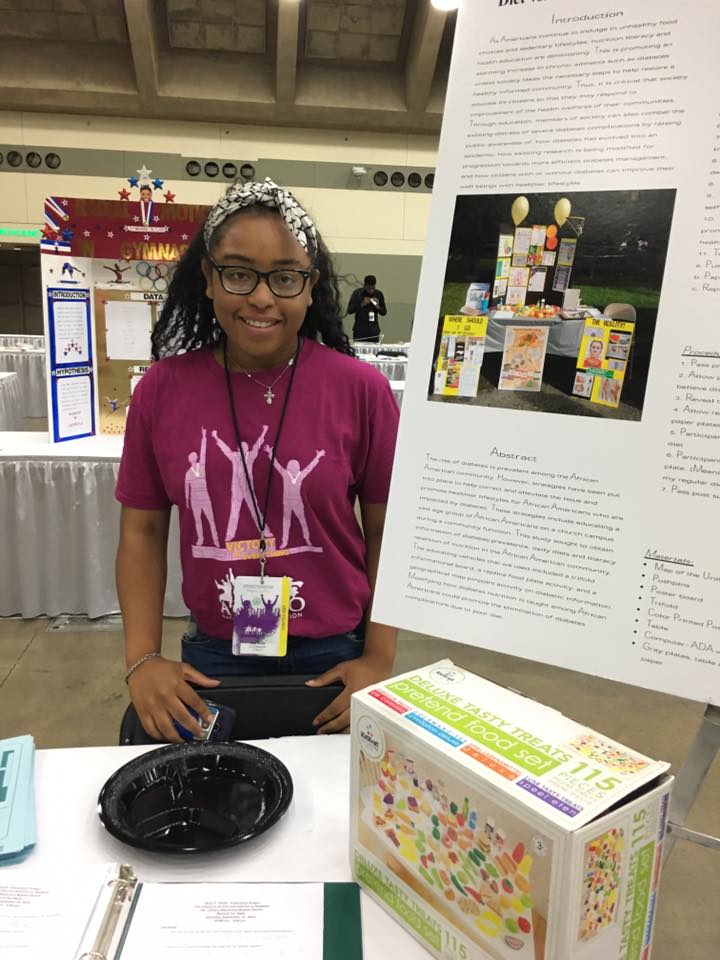
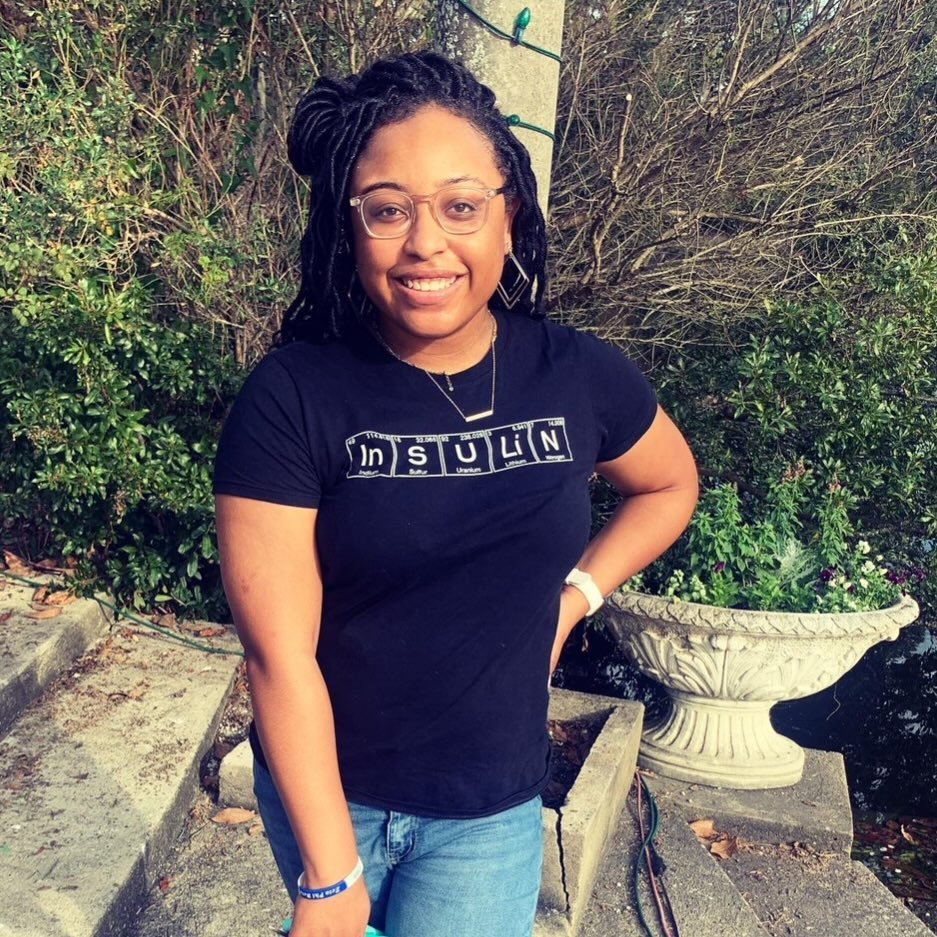
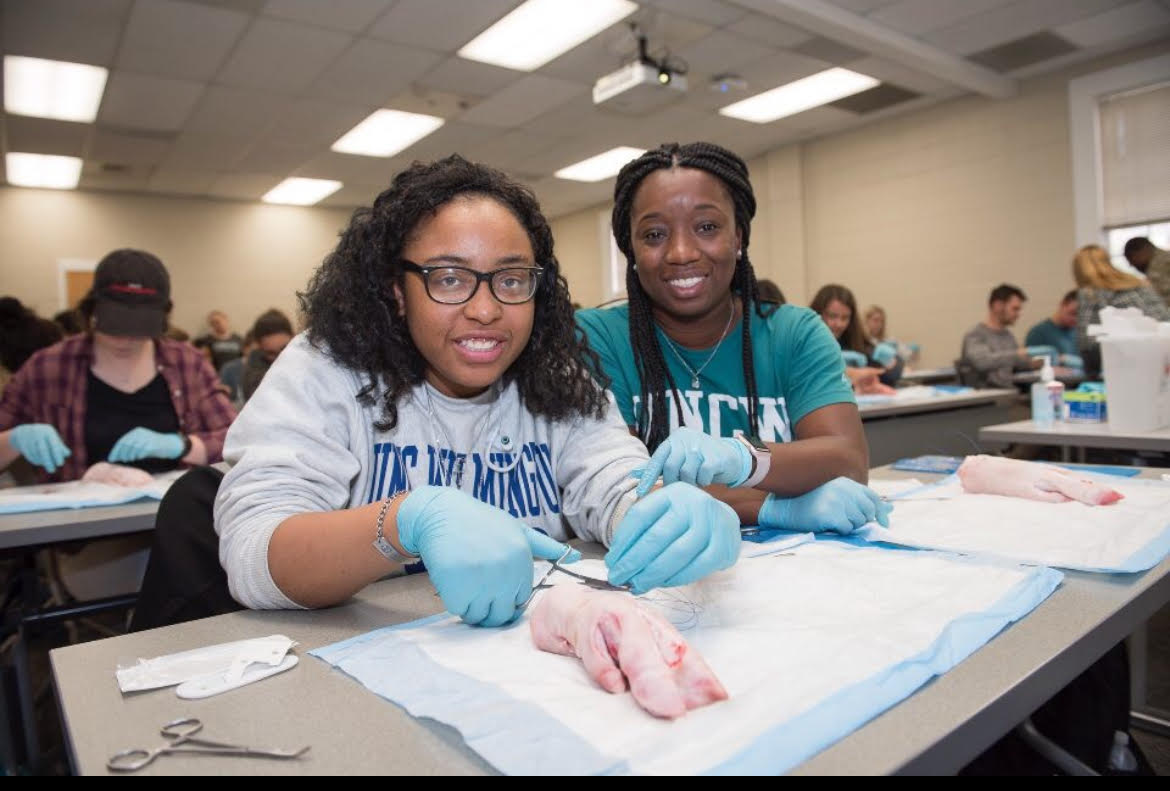
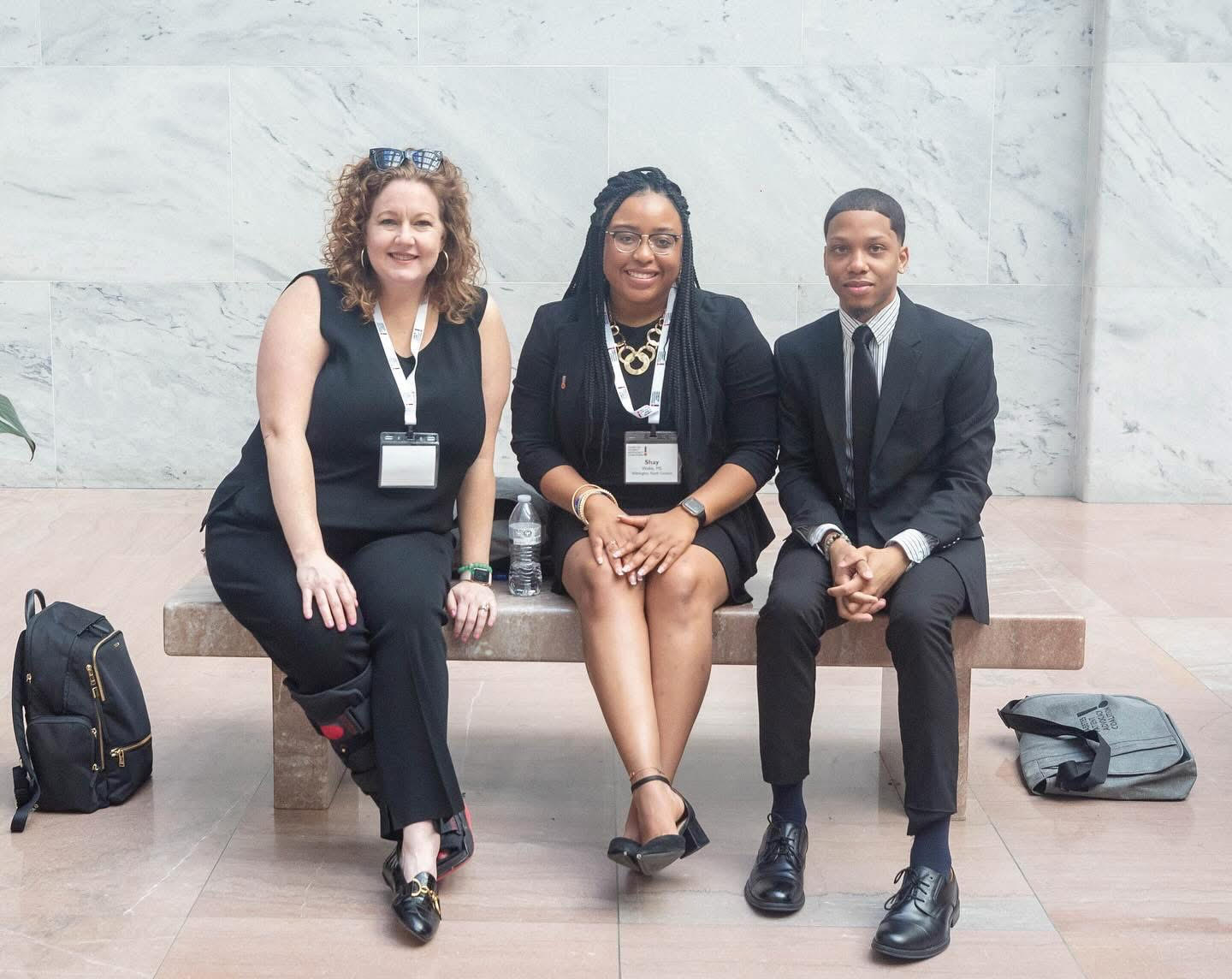
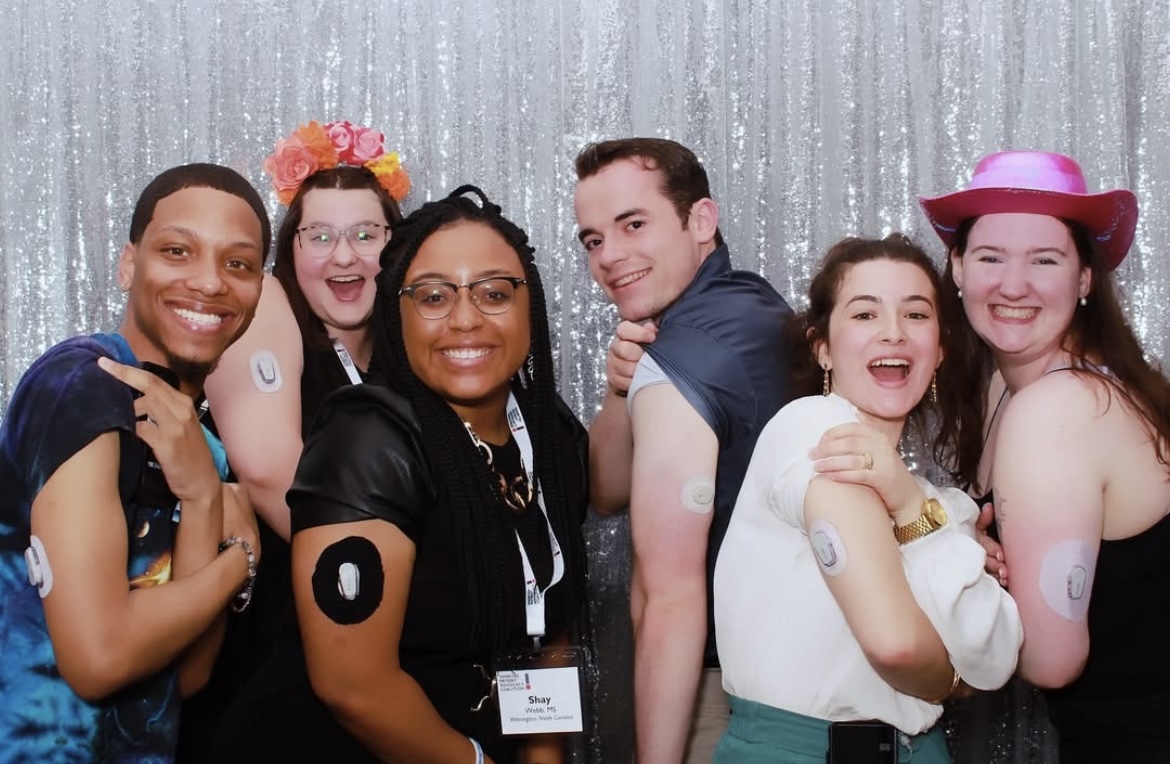
Image Credits
Diabetes Patient Advocacy Coalition
Diversity in Diabetes
NAACP
University of North Carolina Wilmington