

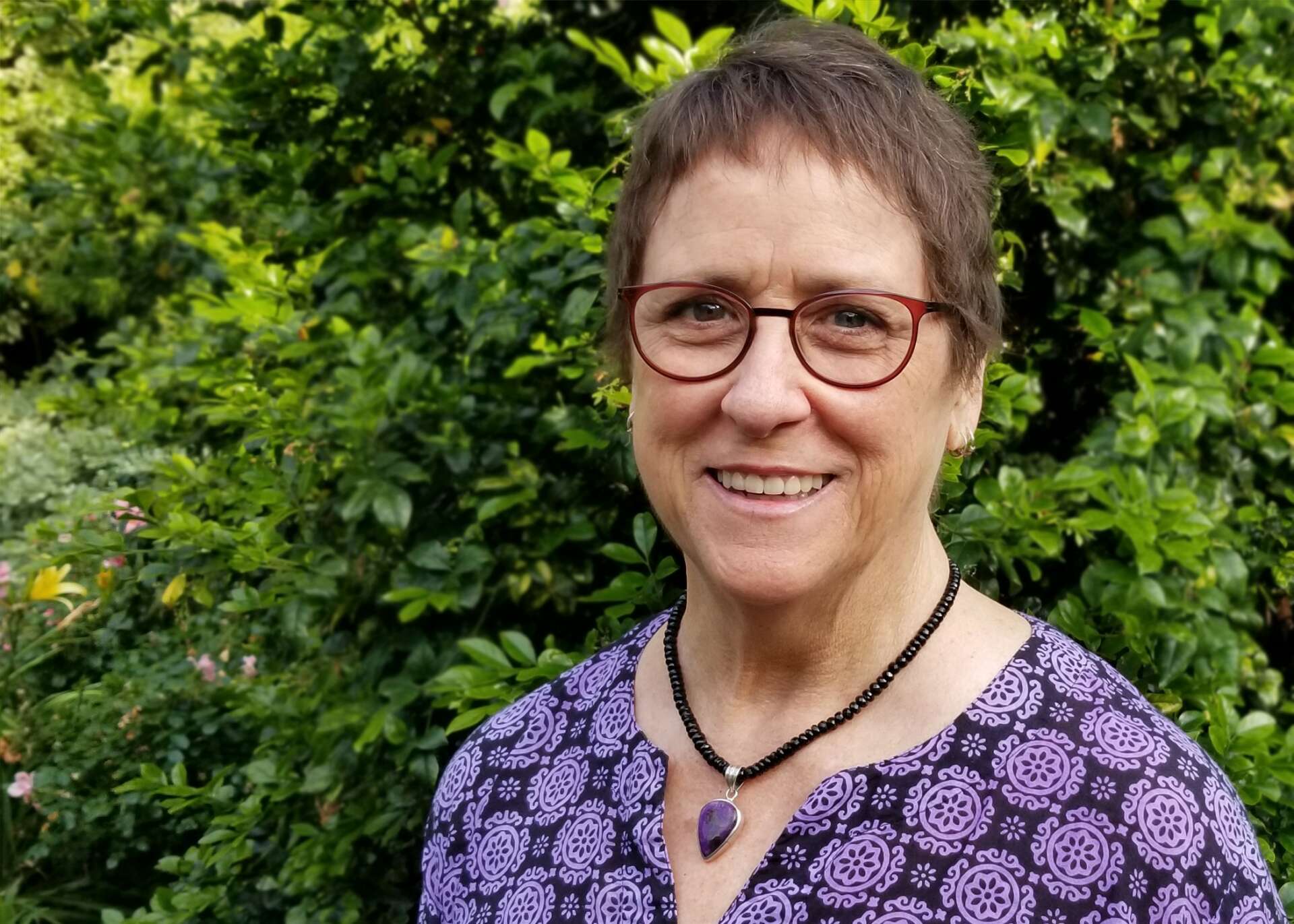

Alright – so today we have the honor of introducing you to Shay McAtee. We think you’ll enjoy our conversation that we’ve shared it below.
Shay, appreciate you joining us today. Let’s kick things off with you briefly introducing yourself and your project to our readers.
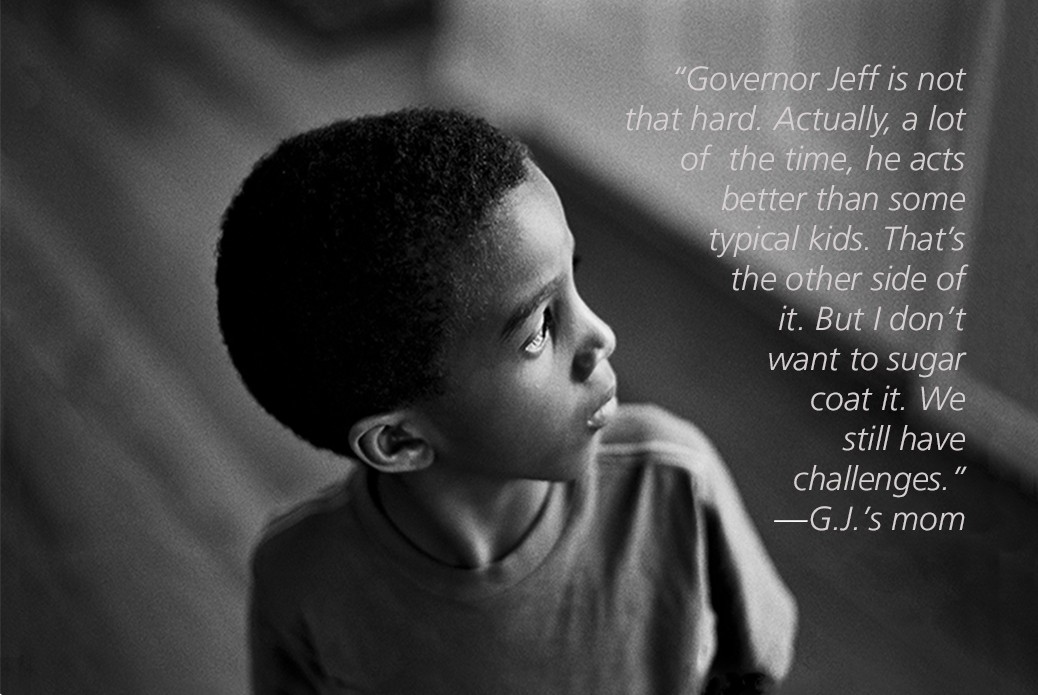
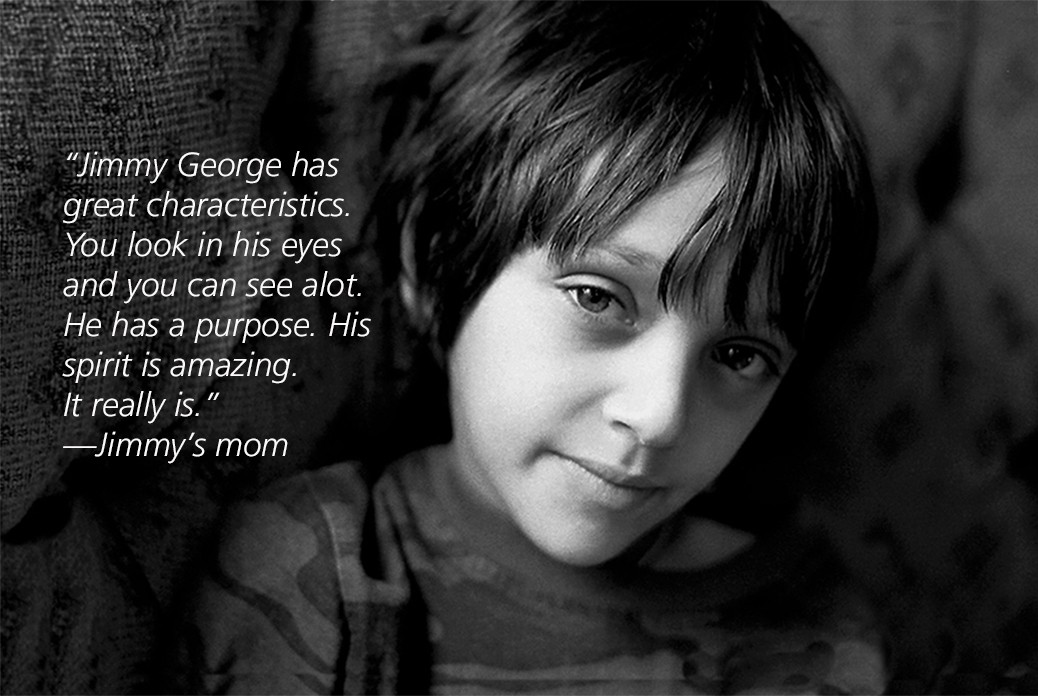
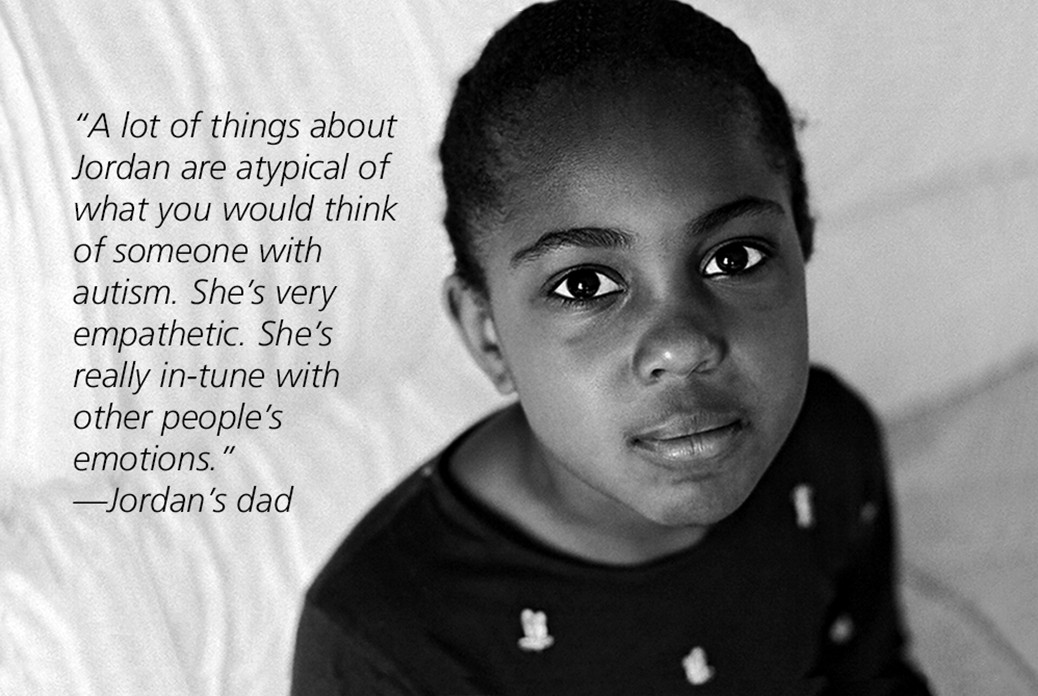
I have been a photographer for many years, and a pediatric occupational therapist since 1976. My long-held desire to combine my careers culminated in the production and publication of The Spirit Within: Insights from the Autism Spectrum. Autism can affect the way a person interprets and interacts within the world around them. It can also affect the ability of those unfamiliar with the diagnosis to understand and connect with these complex individuals. My goal is to help us all better understand those on the autism spectrum.

Awesome – so can you describe your process – what was it?
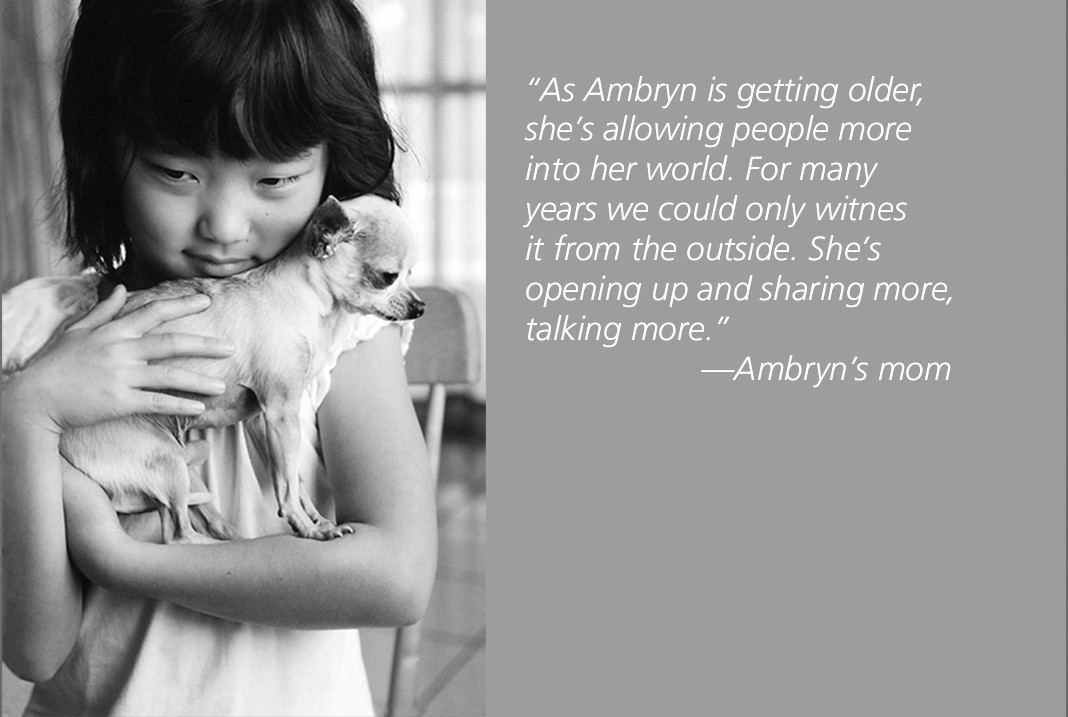
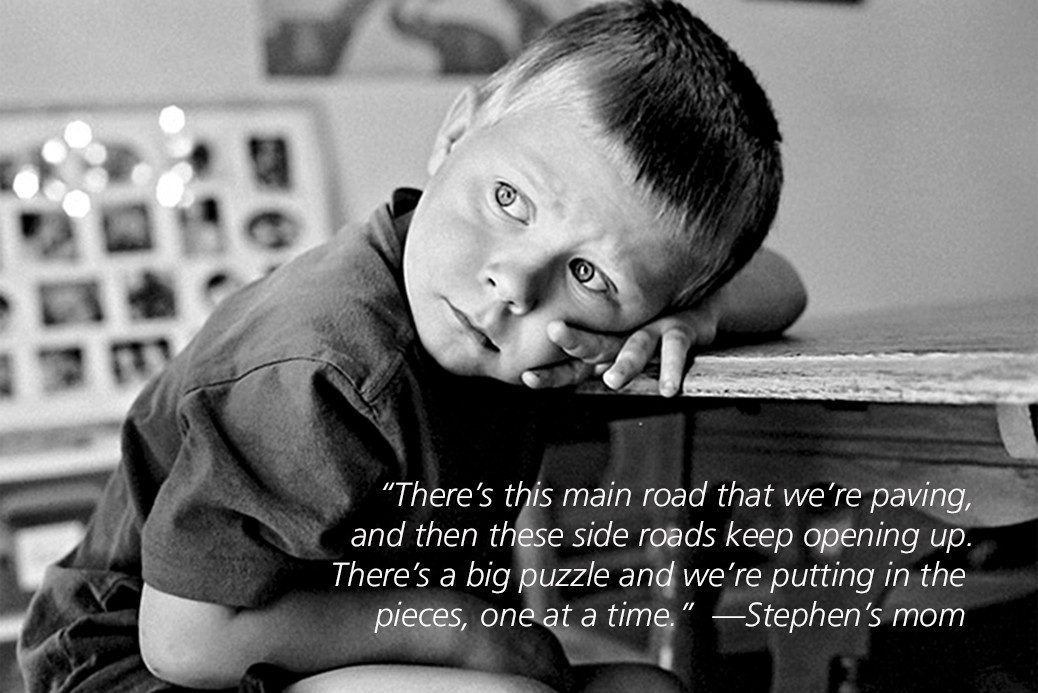
I spent ten years photographing autistic children and teens, and interviewing their parents. I approached each session fully appreciating how much I had to learn about how these individuals and families functioned on a day by day, hour by hour basis, outside of school and clinic settings. While my experience as an occupational therapist positioned me to be receptive to what they had to teach me, it is the parents who are the true experts.
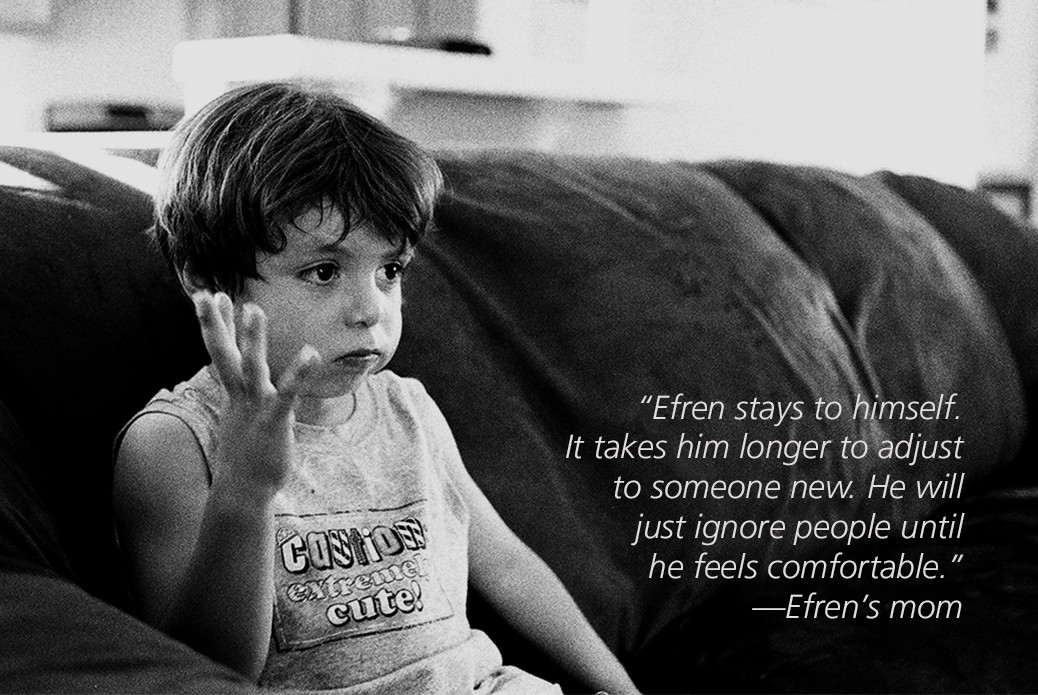
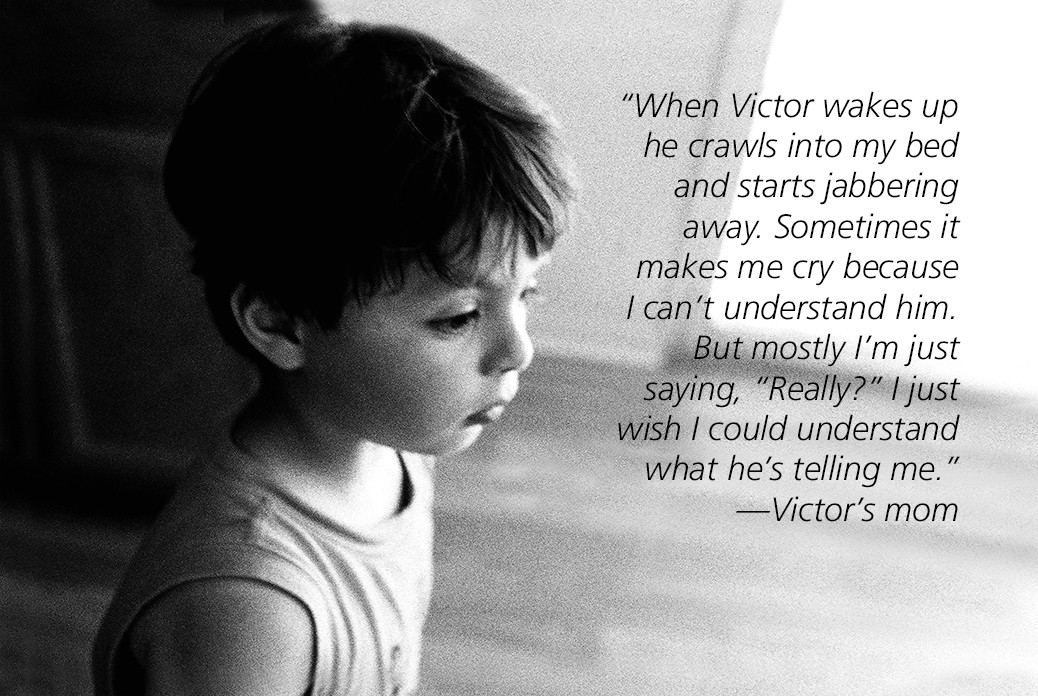
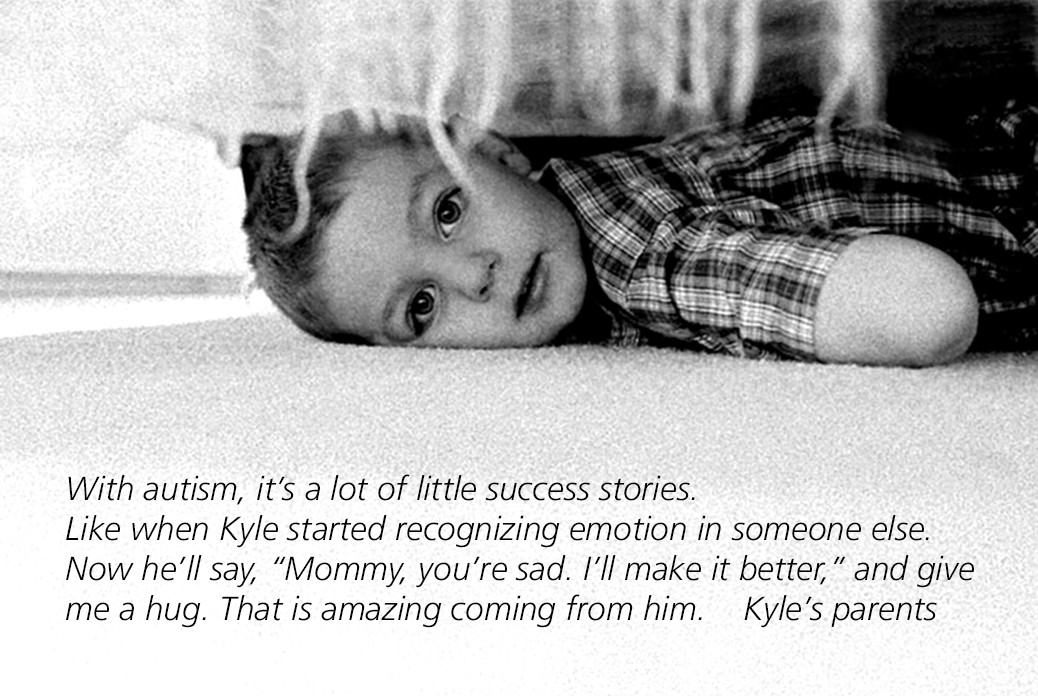
The sessions took place in the family’s home, or in another familiar location. I usually began with the interview, allowing time for the child or teen to get used to my presence. Beyond that it was an organic process, moving between interviewing and photographing, occasionally doing both at the same time. I knew that I wasn’t experiencing the full range of life with these individuals, but in the two to three-hour sessions I was given a glimpse of who they were within the matrix of their family.
When photographing, I followed the child’s lead. One 3-year-old boy playfully ducked under his bed, so I followed and photographed him there. In some cases, the child chose to pose, while others ignored the camera, continuing with whatever activity engaged them. I was interested in entering the child’s world and finding the photos there, rather than setting up a specific shot.
The interview was open ended, allowing the parent to share as they wished. The questions were not specifically about autism, but more general, such as “how would you describe your child?”, “what are their talents?” or “what do they enjoy they good at?”, “what are they still learning to do or developing?”, “what are their interests?”, etc. One mother said, “This is fun for us to get a chance to brag about our son. We don’t often get that opportunity. There’s so much information about the problems of autism, and there is definitely a time and a place for that. But I’m glad that we also get to share what is wonderful about our son.”
On one visit, the boy I was to photograph had just arrived home from school. I followed him outside as he played, spinning and running in circles, jumping from a bench pretending to fly, playing with a hula hoop, and climbing the monkey bars. As I watched and photographed, it became clear that he wasn’t randomly moving from one thing to the next. This boy who seldom used words was showing me his favorite after-school activities. I started noticing the little pauses as he decided what he wanted to show me next, and the quick glance and smile in my direction before he took off again. He was showing me what brought him joy. I thought I was the initiator, but he was the one leading the conversation.
Ryan, a 6-year-old boy who had limited speech, had just finished his OT session. He was ready to go home, but his mother and I were still talking. He was unhappy and began tossing toy blocks against the wall. I began tossing blocks with him, acknowledging his frustration. Ryan stopped, looked up at me, and smiled. His mother said, “He so loves it when someone gets him.” My intention is for this project to help us all better understand Ryan and other individuals on the autism spectrum.
What is the goal or mission that drives your creative journey?
While there are societal norms to which individuals on the spectrum are compared and expected to fit within, more needs to be done to honor and nurture who they are, to empower them, and to help them become their own self-advocates. This book was created for the parents as they navigate the steep learning curve that accompanies their child’s diagnosis of autism. It is for their families and friends, who are looking for greater insight into the autism spectrum experience. It is for the professionals who are a part of these lives, to help us all remember to ask for and listen to the stories. And it is for society in general, especially those who are interested in understanding the autism spectrum in a deeper, more relational way.
Interview with Ariel (17 years old) and her mother:
MOM: Is there anything else that you want to tell Shay?
ARIEL: I think the old saying says it best, “Don’t judge a book by its cover”.
SHAY: Because they could miss the wonderful thing that’s inside, right? Like you.
ARIEL: Me
Any advice for growing interest in your book? What’s been most effective for you?
I am constantly “marketing”, mostly due to my love of the project. It was during one of these conversations that I was offered the funds needed to complete the book. I guess my enthusiasm was contagious. This was most helpful allowing me to hire an editor, a graphic designer, and a publishing consultant who took me through the entire publishing process.
As a pediatric occupational therapist who has taught internationally, I’ve had the opportunity to speak and sell my book at conferences nationally and internationally. At a recent pediatric conference the coordinating organization bought a book for each of the speakers as thank you gifts.
I have given talks to photography classes at a local community college, with an emphasis on how to follow through on a themed project, and on the process of publishing a book. I have also exhibited the photos locally and internationally. I had scheduled book signings and further exhibitions following publication of the book. However, the book was released in Sept 2019, an inauspicious time for the 2020 events that I had scheduled, considering the arrival of CoVid.
In my experience, the book sells best during face-to-face interactions, be it a casual conversation, or after a professional presentation. My goal is for the book to help as many people as possible, especially families with a child recently diagnosed. To that end, I have had interest in replicating this project in multiple countries and cultures. My plan is to begin Zoom consultations with those countries in 2024.
The Spirit Within: Insights from the Autism Spectrum is available through most online bookstores, including Barnes & Nobles and Amazon, and locally through Z Fabrique in Long Beach and fINdings Art Center in San Pedro. It is also available internationally, since it is printed through Ingrams, one of the largest national and international book distributors.
Contact Info:
- Website: www.shaymcatee.com
- Instagram: shaymcatee53
- Facebook: Shay McAtee