
We caught up with the brilliant and insightful Shauna La a few weeks ago and have shared our conversation below.
Shauna, thanks for joining us, excited to have you contributing your stories and insights. Can you talk to us about a project that’s meant a lot to you?
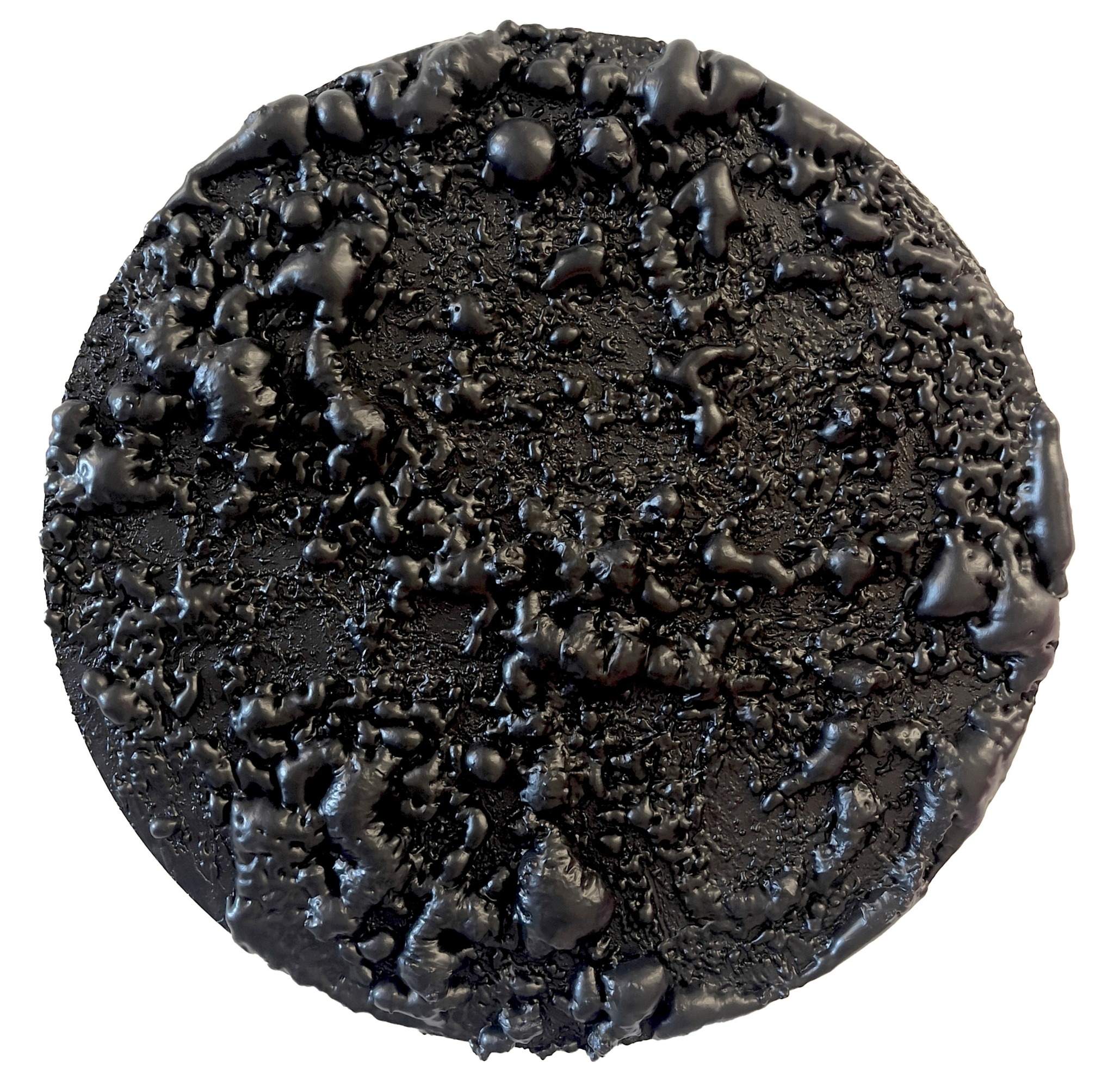
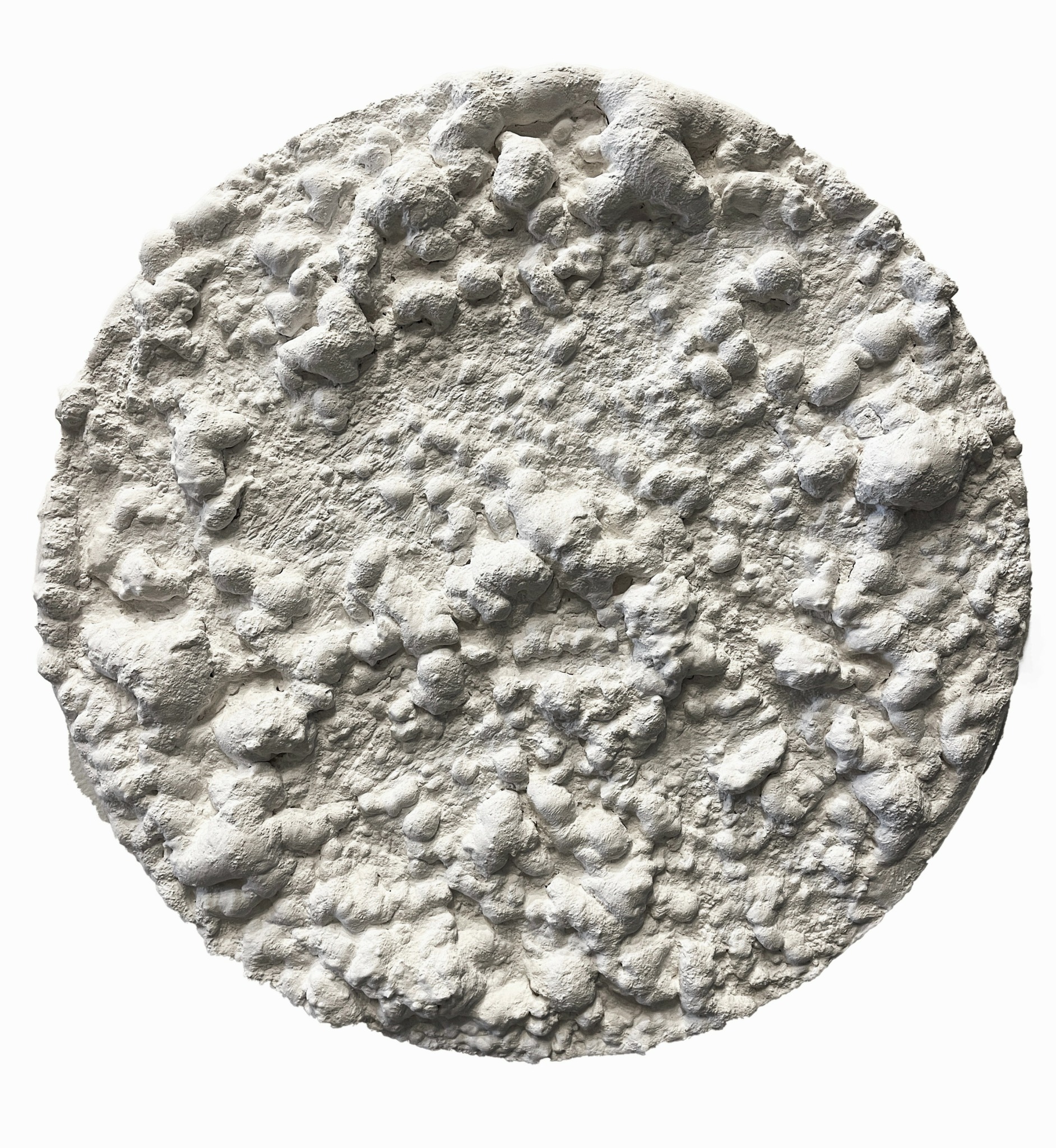
The most meaningful bodies of work I’ve developed are my ongoing Timeless series and the works that grew out of a period in my life shaped by my father’s experience with Alzheimer’s. I wasn’t trying to make work about the illness itself. I was responding intuitively to what I was witnessing—the gradual loosening of identity and memory, even as the body remained physically present.
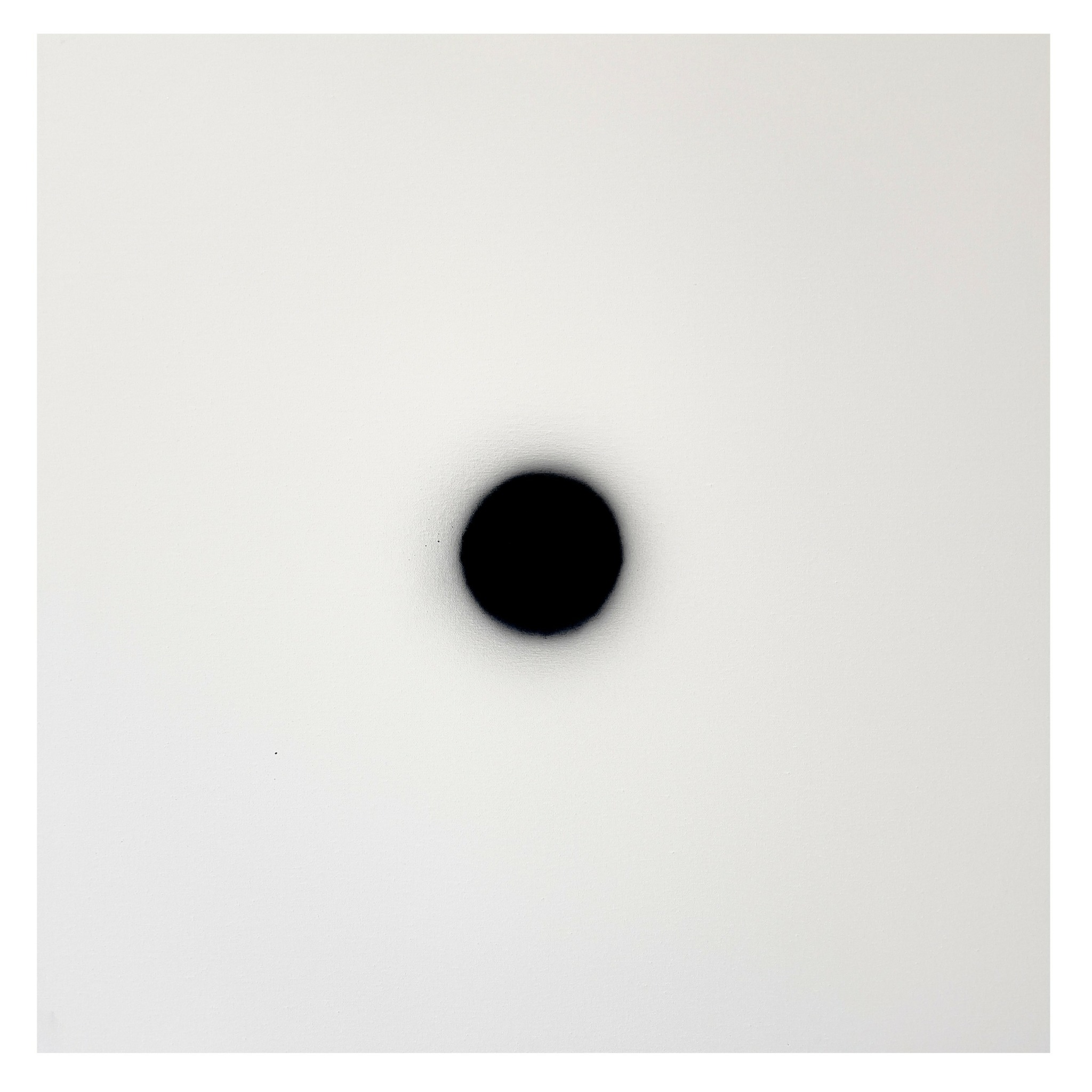
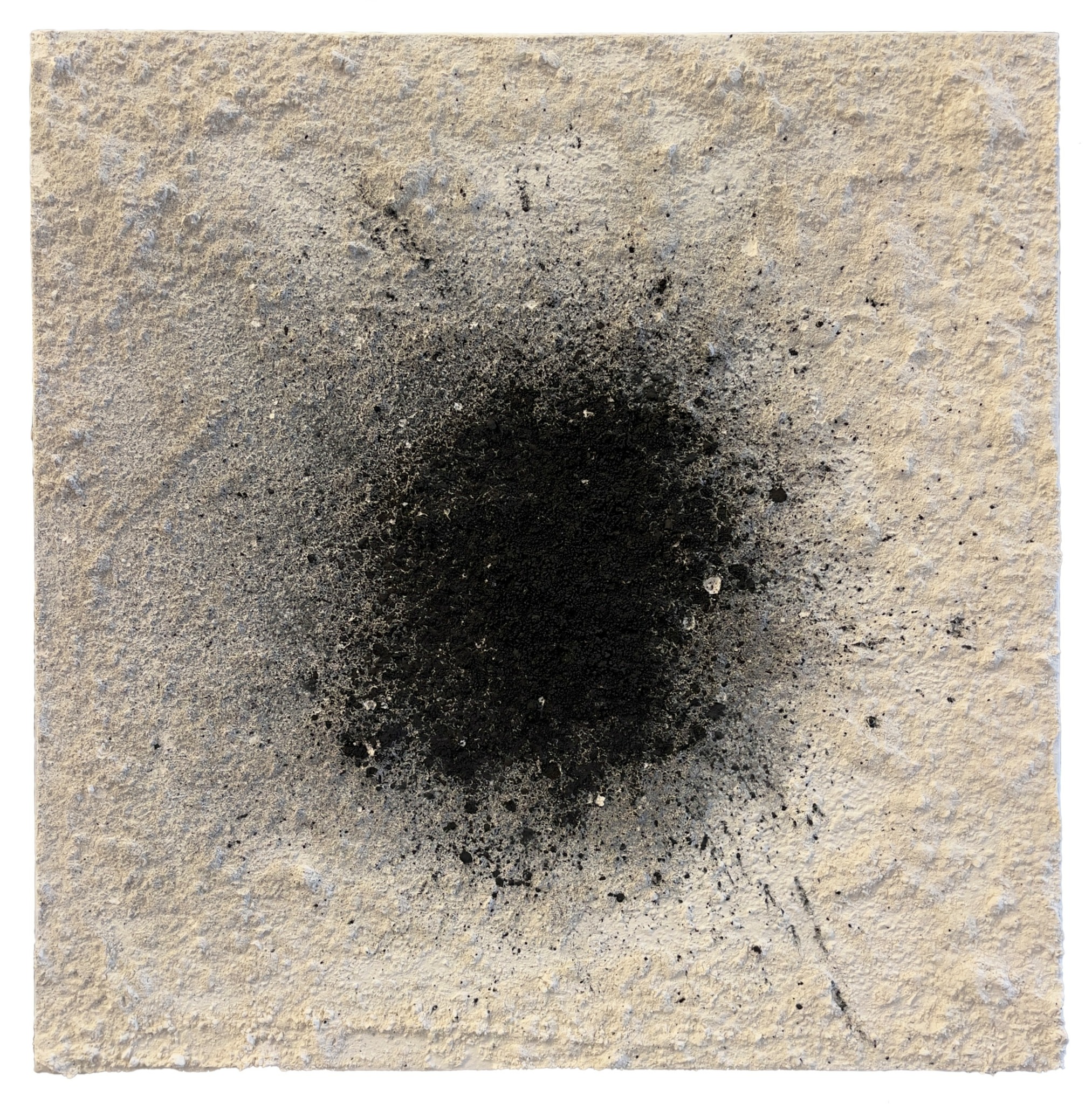
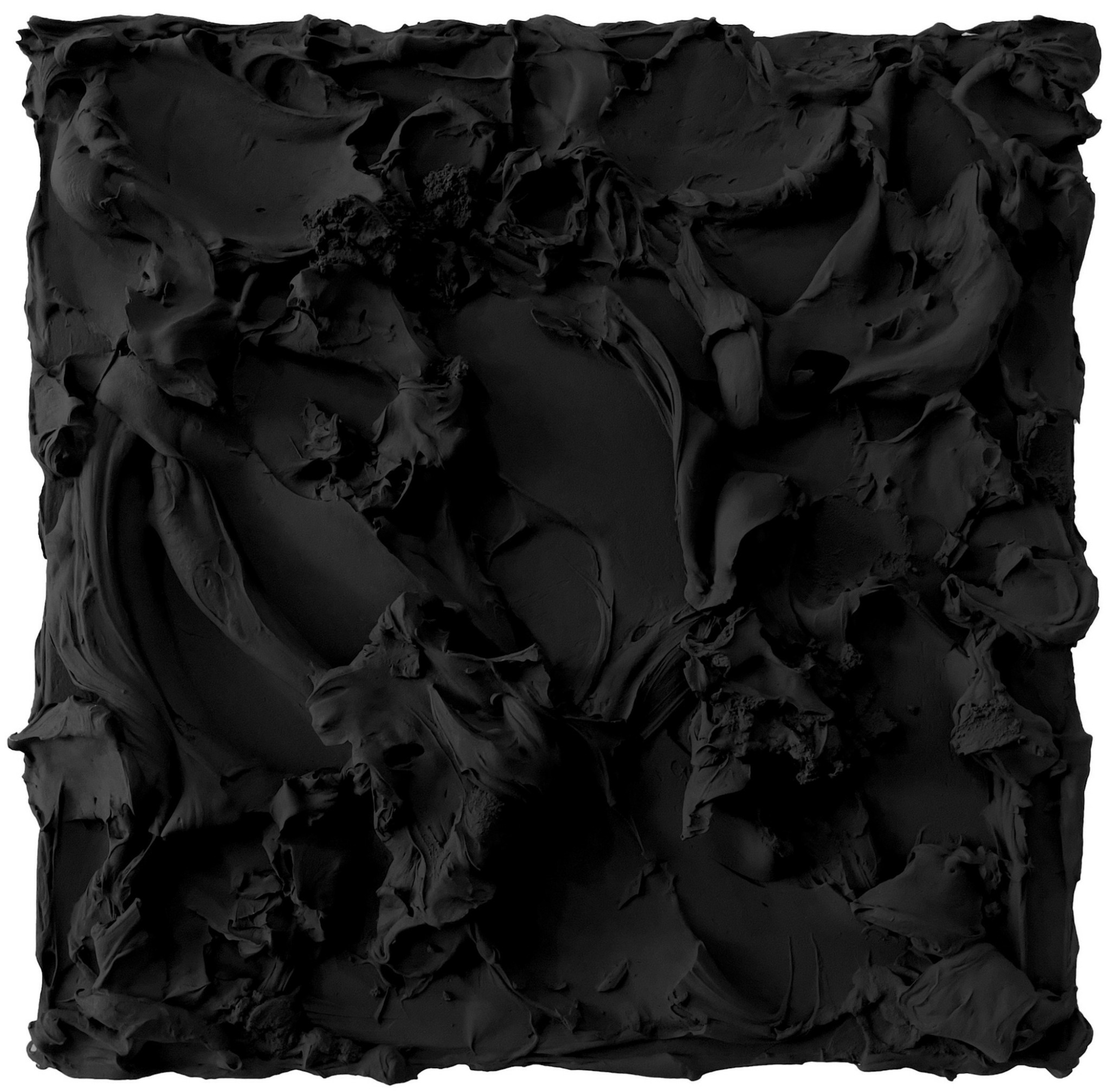
That experience led to the Tau series, which focused on moments of destabilization—points where structure begins to slip and perception distorts. From there, I moved into the Void series, which explored what happens as that loosening deepens. Those works became like portals or vacuums—spaces where the sense of self thins, dissolves, or disappears altogether. Where do we go when we are here but not? They weren’t illustrative; they were attempts to sit inside that psychological space and work through it materially.
Watching someone exist physically while their inner world slowly unraveled fundamentally changed how I thought about identity, presence, and consciousness. Tau and Void became critical turning points in my practice because they allowed me to explore loss of self without explanation or narrative.
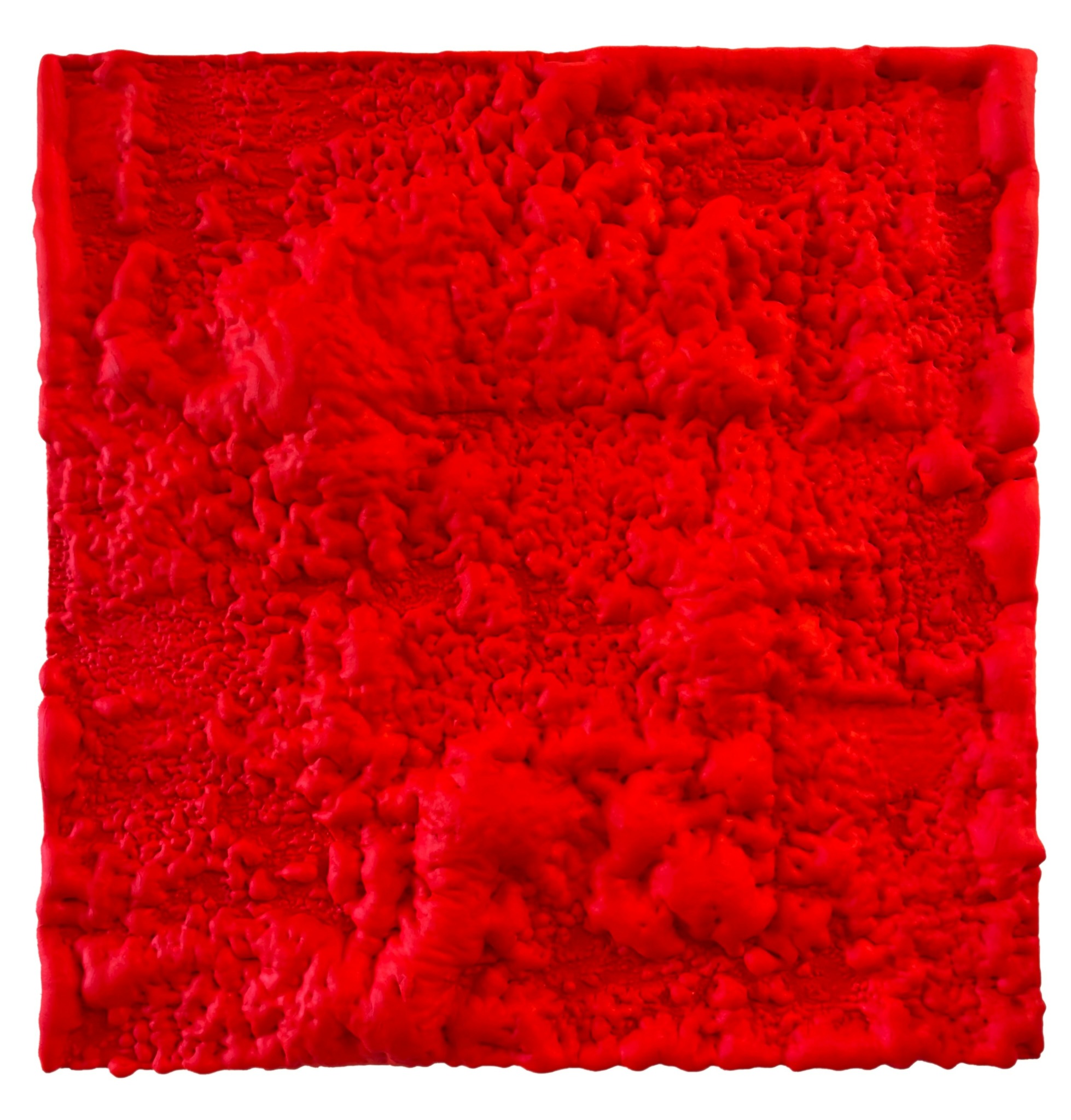
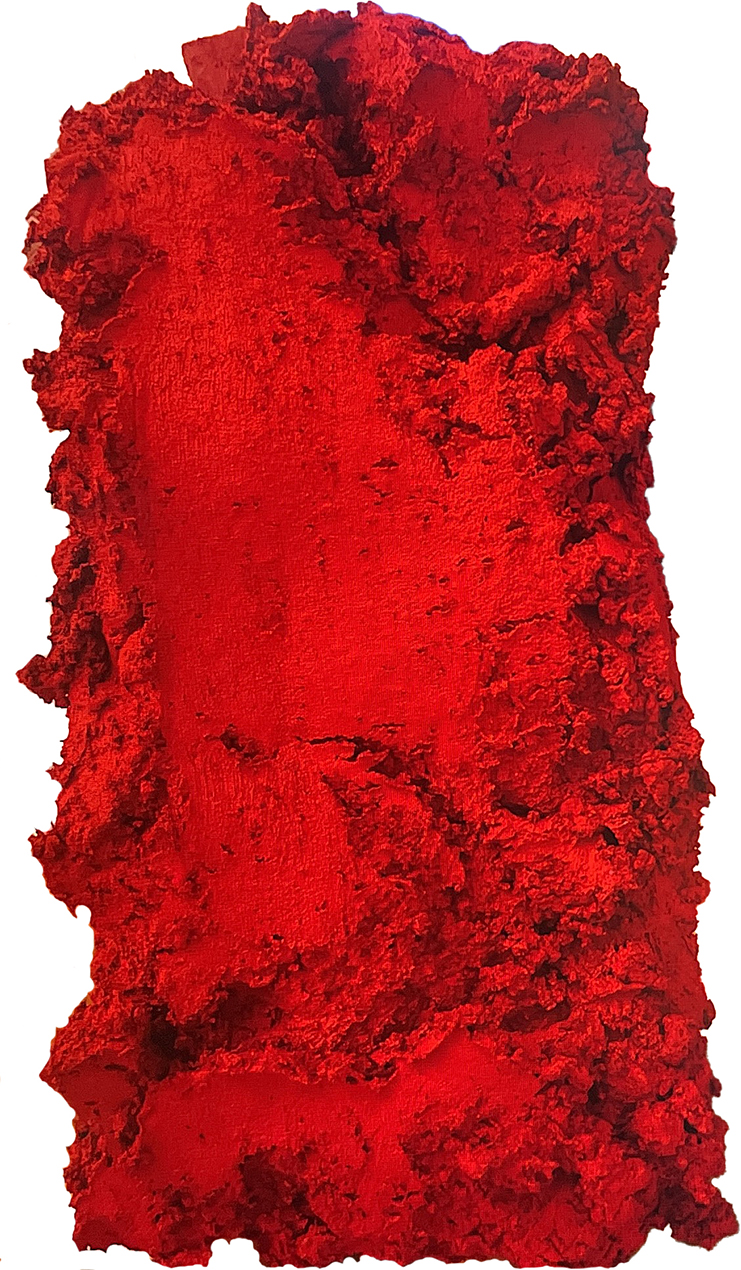
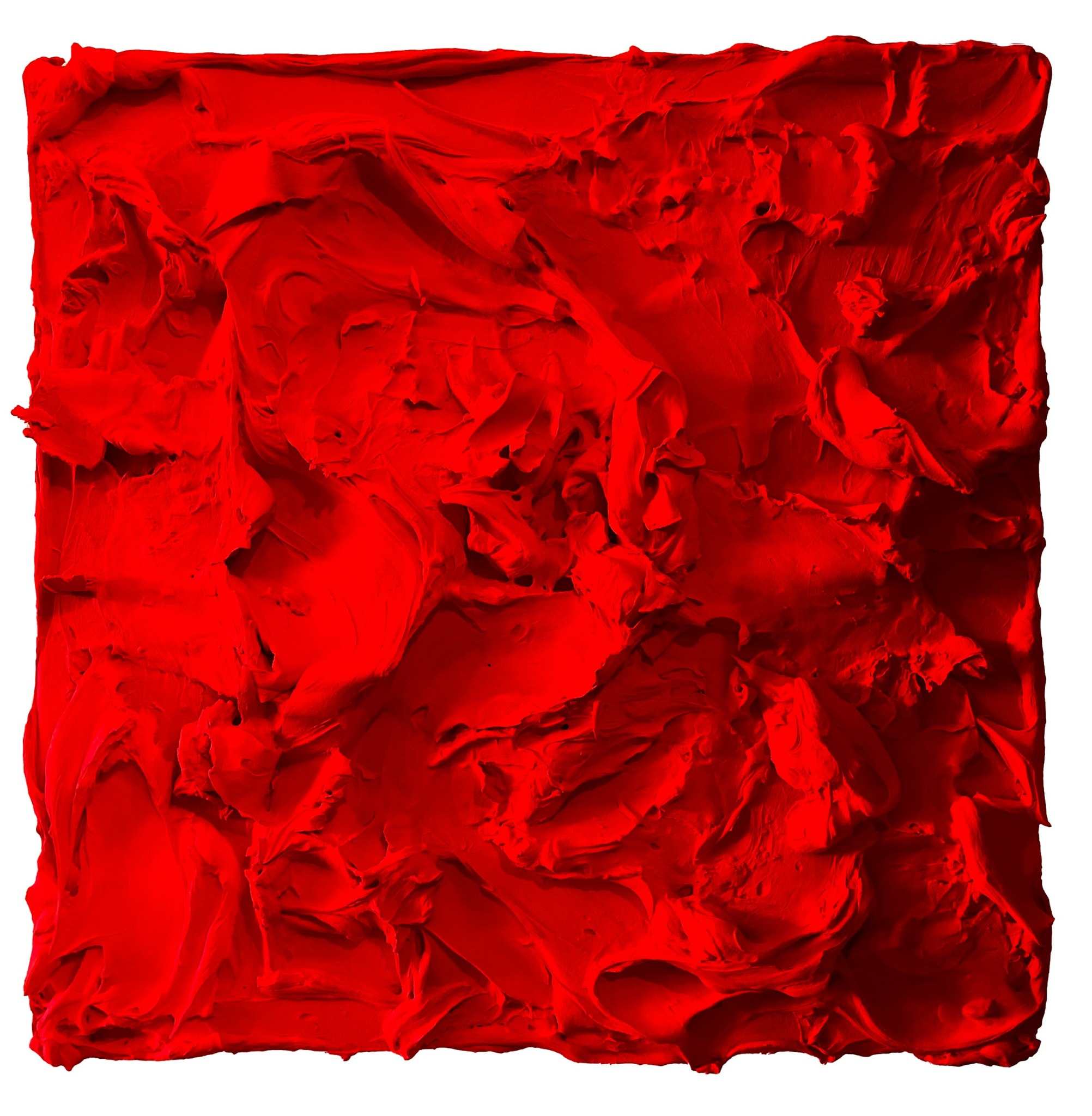
That path eventually led me to Carnal, which also emerged as a natural branch of my Timeless series. After working through ideas of mental fragmentation and disappearance, my focus shifted toward the opposite condition—the reality of embodiment itself. Carnal centers on what remains undeniable: touch, pressure, pain, pleasure, and physical sensation. In many ways, it operates as a counterpoint to Void—a return to the body as something present, insistent, and alive.
What ultimately makes this progression meaningful to me is that it’s universal. While it grew out of personal experience, it reflects something we all move through in different ways: instability, loss, and the undeniable fact of being embodied, even as parts of ourselves begin to change or fall away.
Shauna, before we move on to more of these sorts of questions, can you take some time to bring our readers up to speed on you and what you do?
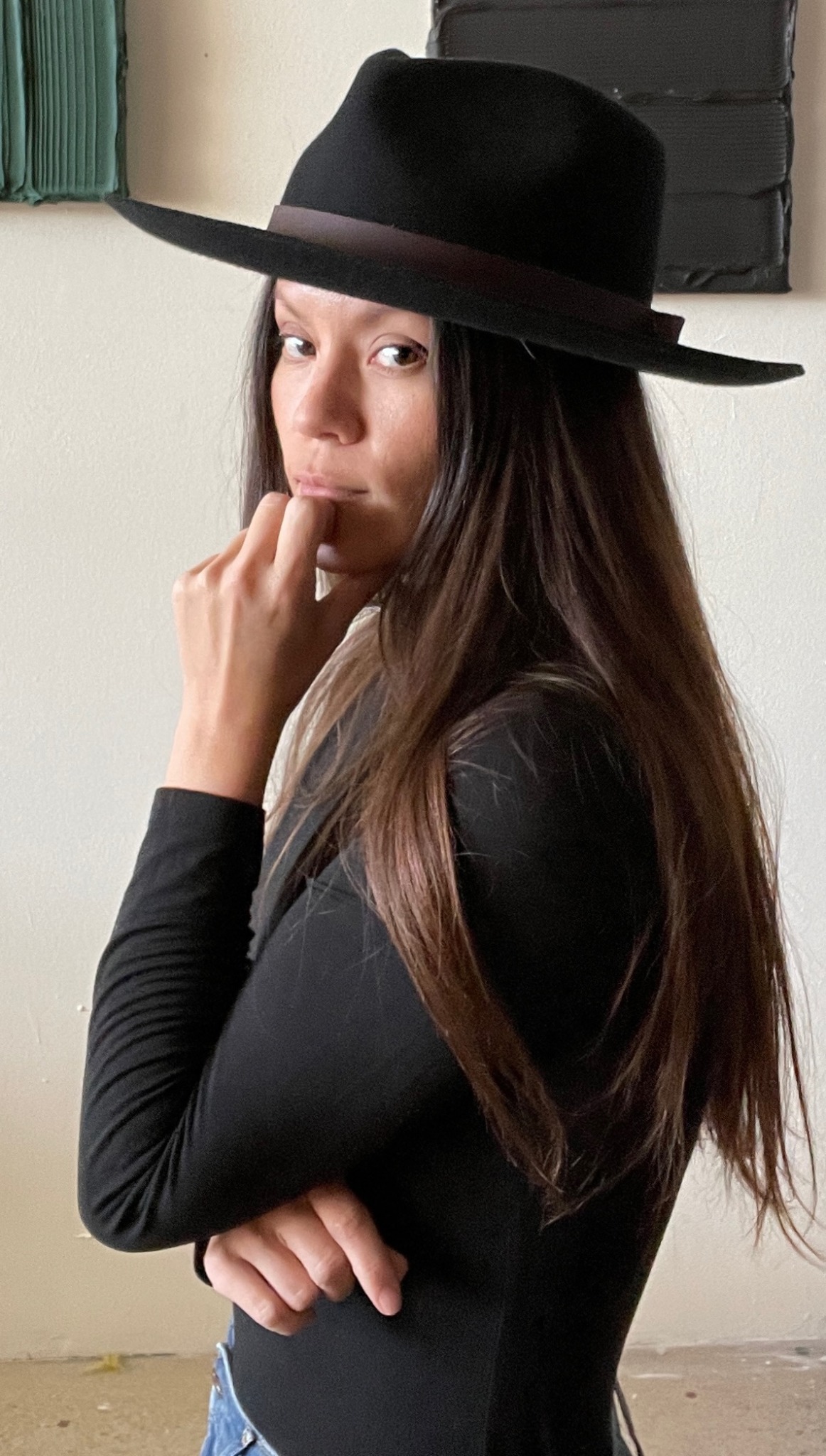
I’m a multidisciplinary visual artist working across sculptural painting and installation. My practice is driven by long-term investigation—following ideas that evolve over time and giving them physical form through material, scale, and spatial presence. I’m interested in how a work functions beyond imagery: how it holds attention, creates tension, and shapes perception.
I didn’t enter the art world through a conventional path. Before fully committing to my practice, I worked in a field that demanded precision, analysis, and problem-solving. That way of thinking still defines how I approach the studio. I work methodically, testing and refining ideas until they’re strong enough to carry themselves, even when the outcome isn’t immediately clear.
The work I create ranges from individual sculptural paintings to multi-piece installations and extended series. Rather than producing isolated objects, I build bodies of work that allow an idea to deepen and expand.
What sets my work apart is its balance of restraint and intensity. I use a specific visual language—often controlled color or monochrome—and push material and surface to create presence and depth. The work isn’t meant to explain anything or arrive at conclusions. It’s about creating enough pressure that the viewer slows down, sits with the idea, and feels it rather than tries to solve it—and sometimes that discomfort is the point.
I work with collectors, galleries, and institutions who value concepts, clarity, and commitment. What I’m most proud of is resilience—the ability to stay with ideas, keep working through uncertainty, and continue building a practice that remains honest as it evolves.
Do you think there is something that non-creatives might struggle to understand about your journey as a creative? Maybe you can shed some light?
One thing non-creatives might struggle to understand is how much of the work happens before anything visible exists. From the outside, it can look like pauses or uncertainty, when in reality ideas are constantly forming, shifting, and sharpening.
There are also real struggles and setbacks that come with life—financial pressure, doubt, loss, changes in direction—and they don’t stop just because you’re an artist. What’s hard to explain is that even during those moments, the urge to create doesn’t go away. If anything, it becomes stronger.
Over time, those ideas start to feel like relationships—almost like friendships—that develop quietly and demand attention. I feel a responsibility to them. They need to be brought into the world, even if the timing isn’t ideal or the path isn’t obvious yet.
Creative progress also isn’t linear. It doesn’t move in a straight line or follow a clear timeline. There are periods of intense making and periods of recalibration, and both are necessary.
If there’s any takeaway, it’s that creative work runs on commitment, blood, sweat, and tears. You keep going not because everything is stable, but because the ideas won’t let you stop—and honoring them becomes part of how you move through life.
What’s the most rewarding aspect of being a creative in your experience?
The most rewarding part for me is being able to follow an idea all the way through—from something abstract and unresolved into a physical presence in the world. There’s a deep satisfaction in finally giving form to something that’s been living in your mind for a long time.
Another rewarding aspect is when someone connects with the work in their own way. Those moments remind me that art operates beyond language and logic, and that shared experience doesn’t always need interpretation to be meaningful.
At its core, being an artist allows me to stay curious—to keep learning, questioning, and responding to the world through making. That ongoing engagement is what keeps the practice alive and is what life is about.
Contact Info:
- Website: https://www.shaunalanla.com
- Instagram: https://www.instagram.com/shaunalanla/