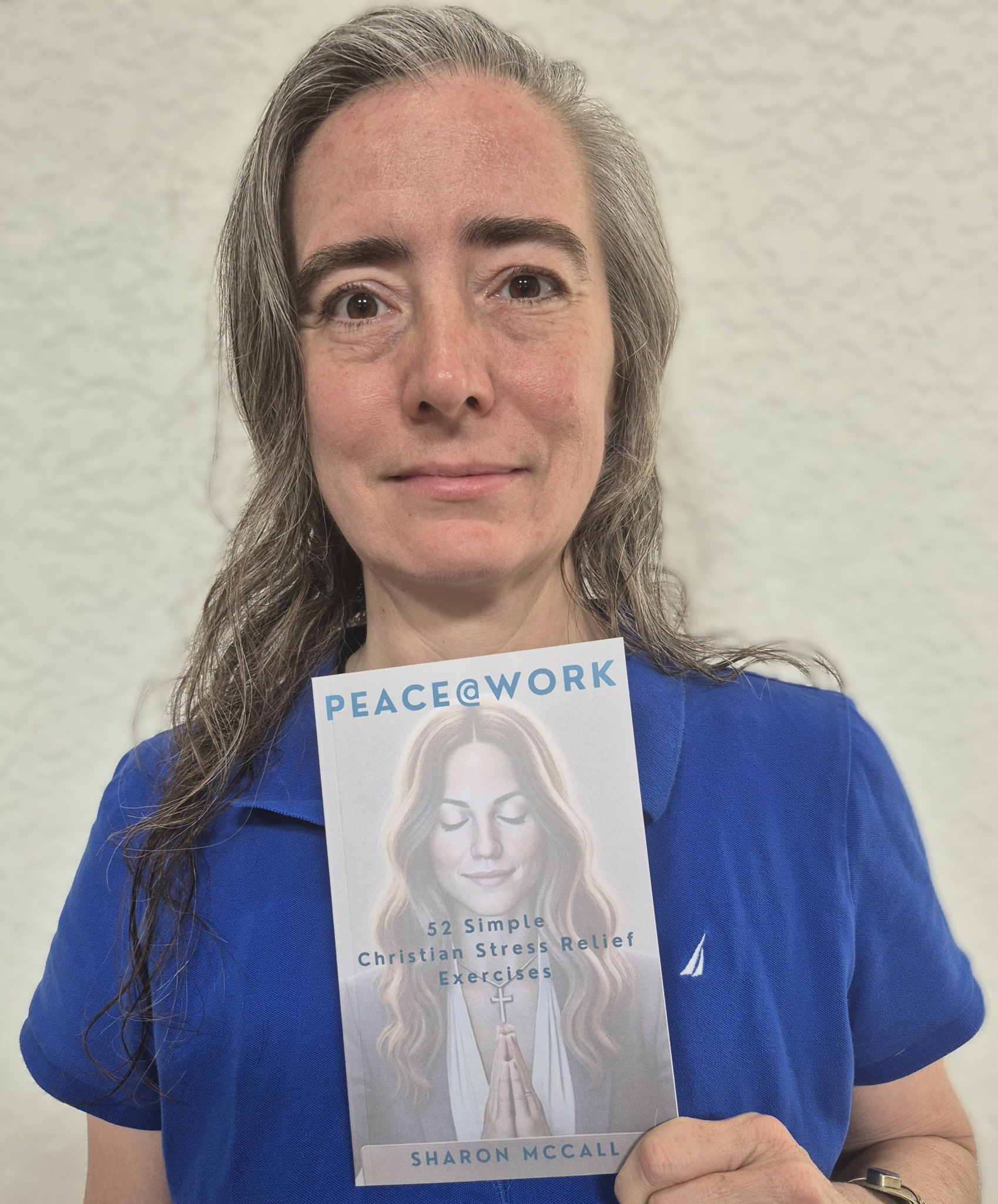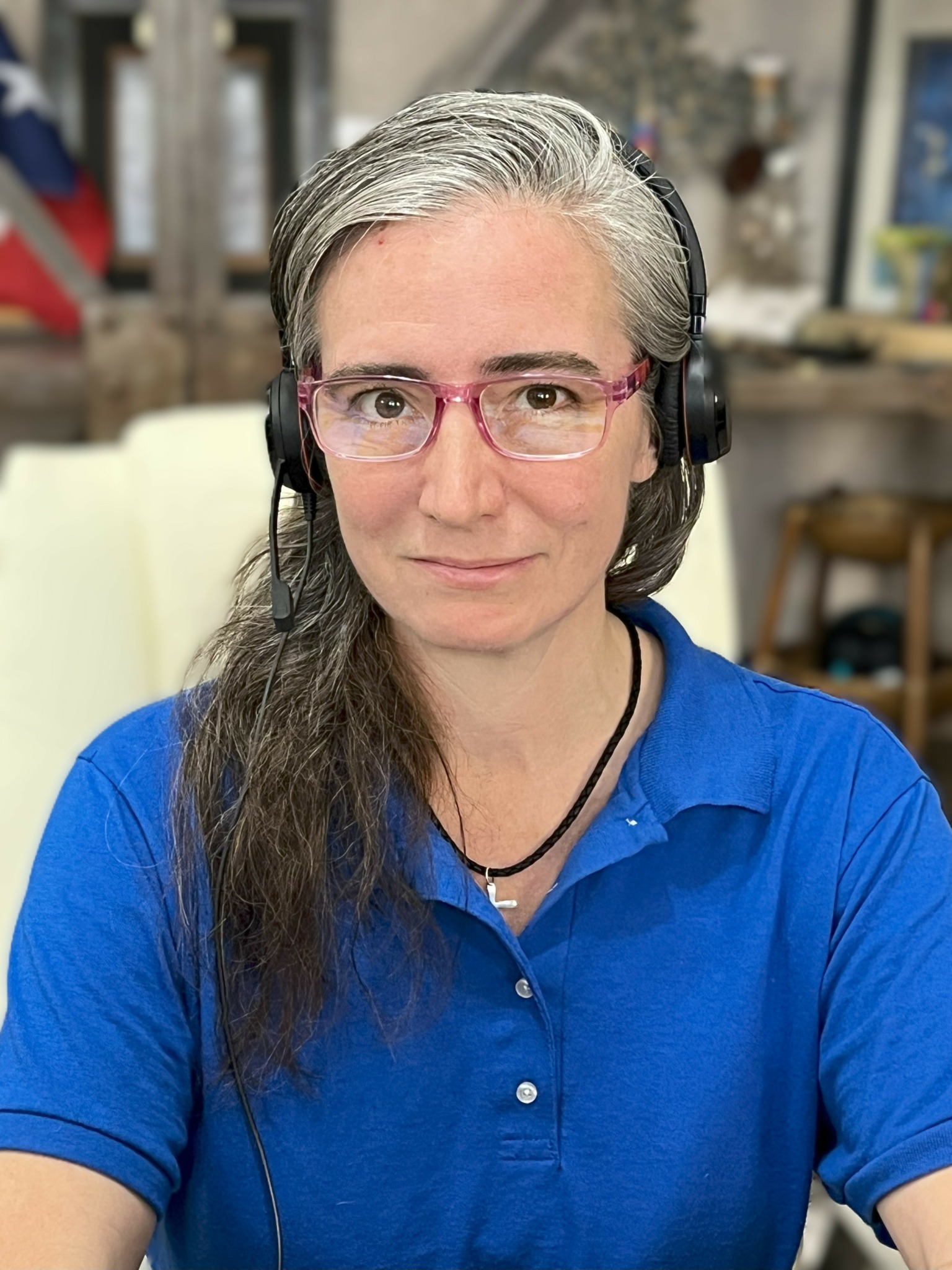

We were lucky to catch up with Sharon McCall recently and have shared our conversation below.
Sharon, looking forward to hearing all of your stories today. Was there an experience or lesson you learned at a previous job that’s benefited your career afterwards?
Like many professionals, there was a point in my career where I believed I had to do it all and always be on in order to advance. Running a 24/7 manufacturing operation reinforced that belief. I channeled my energy into success while neglecting my mental and physical well-being. Even relationships were often second to whatever the latest demands were at work. I relied on my partner’s patience and understanding that this was the price of long-term success and security for our future.
In time, this stress led to many issues. Yet I denied them until I had a wake-up call in the form of a trip to the hospital when I thought I was having a heart attack.
This was a turning point and the beginning of my stress recovery journey. It prompted me to figure out how to reclaim my health, energy and joy. Along the way, I figured out how to change my relationship with work to realign my priorities with what is truly important.
I tried a lot of things, eventually realizing that faith-based, small, intentional changes were the key to sustainably restoring my well-being (including managing my blood pressure without medication) while maintaining high levels of work performance. I proved to myself that career success doesn’t have to come at the cost of health or relationships.

Great, appreciate you sharing that with us. Before we ask you to share more of your insights, can you take a moment to introduce yourself and how you got to where you are today to our readers.
I understand how it feels to be stuck in a cycle of exhaustion and overwhelm. For years, I was the epitome of a busy professional, working 70+ hours a week within a fast-paced health and wellness company. I was driven, focused, and determined to succeed.
But until I learned a better way – the cost of that success was significant. As I mentioned in the last question, once I experienced a health crisis—one I couldn’t ignore— I truly began to realize that no amount of career success would be worth it if I didn’t have my health, my peace, or my relationships. That wake-up call sparked a deep personal transformation. I knew I had to create a new way of living.
Once I achieved my career goals and had an opportunity to take a different direction – Whispering Fields Wellness was born as a way to support others who, like me, find themselves rundown and stretched too thin from work stress.
Through stress recovery coaching, I help Christian professionals and leaders who drained and exhausted by their demanding careers. These individuals—often high-achievers—are working long hours but still feel stuck, exhausted, and frustrated. They worry that any change to their workload will jeopardize their success or respect in their field. I provide a faith-driven, holistic approach to overcoming stress, boosting energy, reclaiming time for loved ones, and achieving work-life harmony.
I specialize in practical, faith-based solutions for real workplace situations. As a former executive, I deeply understand the pressures my clients face. I’ve mentored and developed many leaders throughout my career, which has equipped me with the unique perspective of understanding the demands of leadership and offering actionable strategies to break free from stress without compromising professional success.
I support my clients in learning and implementing small, manageable, faith-based habits to reduce stress, restore energy, and find balance in their lives. As they begin to reclaim their time for what truly matters—whether that’s family, personal well-being, or spiritual growth—they experience a powerful sense of empowerment. They realize that they can thrive in their careers without sacrificing their personal lives.
What sets me apart is my ability to blend decades of leadership experience with personalized coaching based on Biblical principles. I offer more than just stress management tips; I guide my clients through a transformative process that shifts their identity from being driven by work to being rooted in faith. The change isn’t about doing more—it’s about doing less with more intention and clarity.
I’m proudest of seeing my clients make lasting transformations. They walk away with renewed energy, healthier boundaries, and a deeper sense of peace. Most importantly, they find that it’s possible to thrive at work and home—the way they were meant to live all along.
For potential clients, I want you to know that you don’t have to do it alone. Small, intentional steps that fit into your busy life can ease the stress, exhaustion, and guilt you feel. Imagine the relief and comfort of knowing that you have a guide to help you break free from the cycle of overwork and start living with more energy, focus, and peace. I’m here to support you on this journey.
Let’s create a plan that allows you to thrive & flourish in every area of your life, rooted in God’s purpose for you.
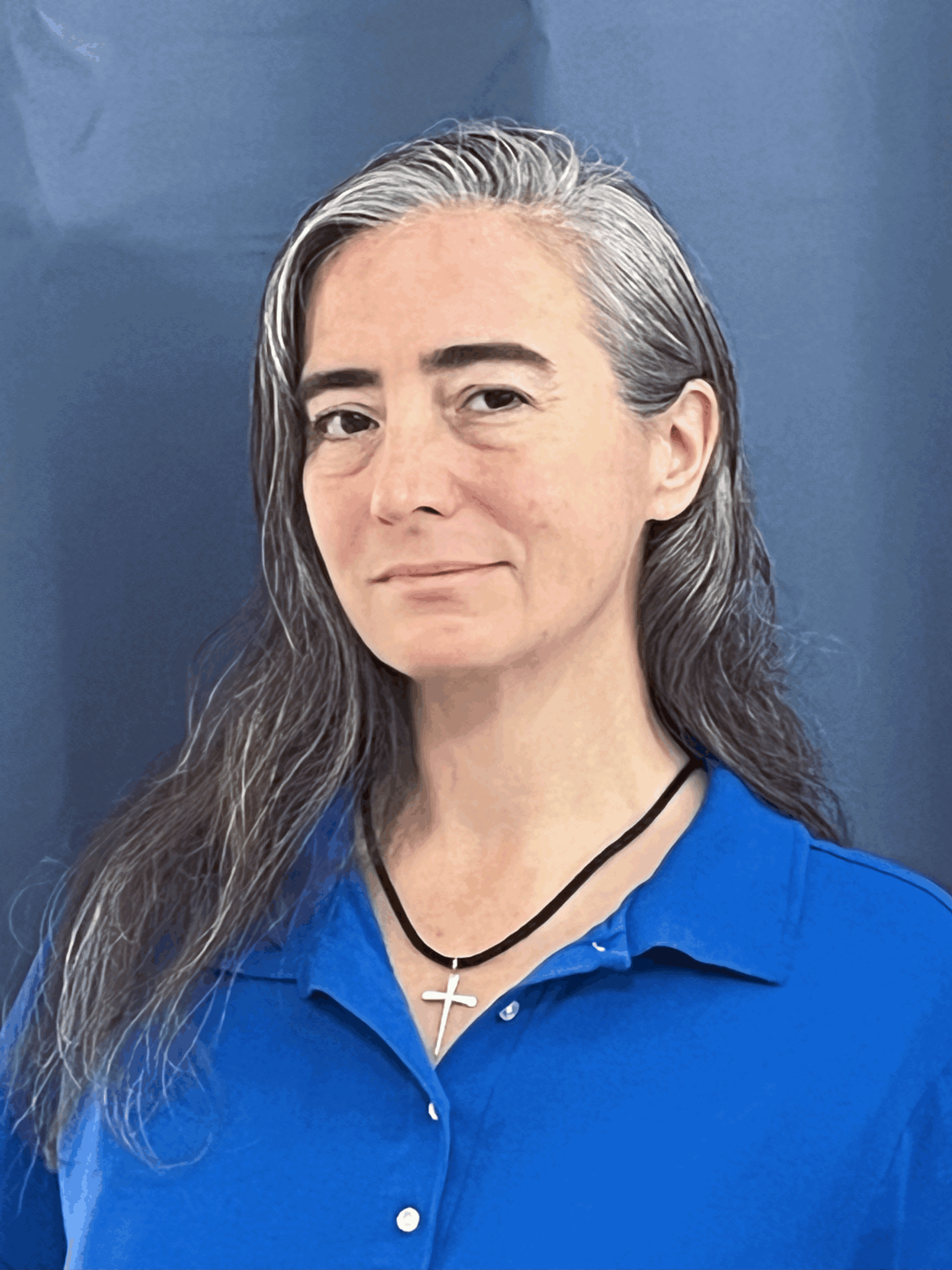
Do you have any insights you can share related to maintaining high team morale?
Someone I worked with who was a high-level leader in a fast-paced company, came to me with a common problem: his stress was through the roof, and he felt like he couldn’t trust his team to get the job done right. This led to him micromanaging, which only made things worse. Not only did his stress increase, but so did the stress of his team, who were frustrated with being constantly scrutinized.
It wasn’t about him thinking he was the only one who could do things right. Instead, it was rooted in a deeper fear—he was terrified of making mistakes and being perceived as incapable. He felt like if things weren’t perfect, it would reflect poorly on him and his leadership abilities. The more he clung to control, the more overwhelmed he became, and the less his team could thrive.
As we dug deeper, we uncovered something important: his fear stemmed from insecurity. He struggled to trust his team, even though they were more than capable of doing great work. This is where the concept of servant leadership became essential. We explored how this approach aligns beautifully with the principles of Biblical leadership—leading with humility, recognizing the gifts in others, and serving those you lead.
We worked on shifting his mindset, helping him recognize that leading wasn’t about controlling every aspect but about empowering his team to work from their own zone of genius. Each team member had their own expertise and experience, and by trusting them, he was allowing them to do what they did best. This required trust—not just in their skills, but in their commitment to the team’s goals.
The real breakthrough came when he began to listen more and communicate openly. Situational leadership became his new approach. Just as Jesus met people where they were at, he learned to meet his team members at their level, adapting his management style to suit each individual’s needs. Sometimes that meant offering more direction, and other times, it meant stepping back and letting them take the lead.
As he shifted to this approach, something amazing happened. The trust he built with his team transformed their dynamics. The micromanaging stopped, and with it, the constant stress. His team became more engaged, and their performance improved. He didn’t have to do everything himself, and as he released control, he found a peace that allowed him to lead with greater confidence.
What I saw in him—and what I see in many of my clients—is that leadership is about trust. It’s about building a culture where your team feels respected and empowered to contribute their gifts. When you empower them to do so, you not only lighten your load, but you also create an environment where people can flourish—and that reduces stress for everyone involved.
This shift in mindset and management didn’t just make my client a better leader—it made him a less stressed one, too.
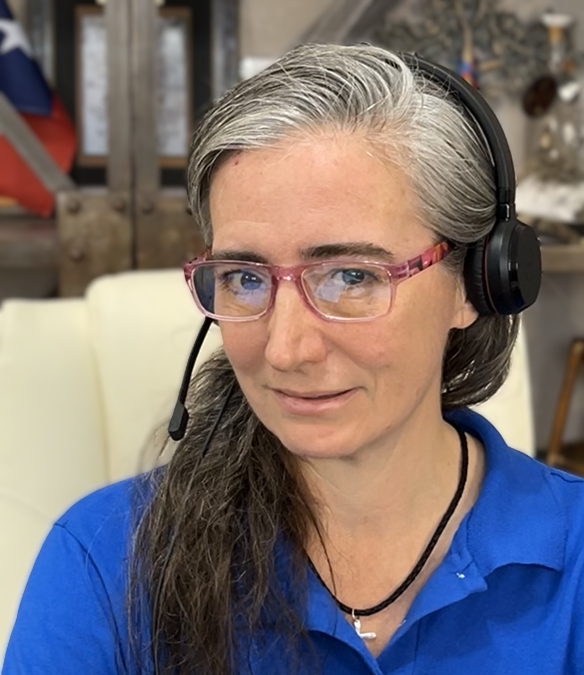
Have you ever had to pivot?
There was a time in my career when the business landscape shifted dramatically, and it forced me to face a situation I hadn’t expected. We were operating in a consolidation phase—focused on improving productivity but not expecting much growth. Then, out of nowhere, demand for our products skyrocketed. It was a radical shift. We didn’t know how long this surge would last or how high the demand would go, but we had to react quickly and with confidence. It felt like walking on a tightrope, unsure where the next step would land.
The uncertainty was overwhelming. We had to make quick decisions—ones that carried risk, because no one knew exactly where this would lead. There were a lot of “what-ifs” swirling around in my mind. It would have been easy to fall into fear and cling to the idea that I needed to have all the answers. But I knew that if I let myself get caught in those “what-ifs,” I’d only paralyze myself. And if I kept taking every challenge personally or avoided risk out of fear of making mistakes, I’d burn out.
What got me through was focusing on the next right thing. I stopped obsessing over the long-term uncertainties and instead focused on what I needed to do now. I embraced the need to pivot—accepting that not everything would work as planned, but being willing to adjust quickly when something didn’t hit the mark. Flexibility became my strength.
What made this easier was leaning into my faith. I reminded myself that while I was in control of my decisions, I wasn’t carrying the weight of the world on my shoulders. I didn’t have to do it all alone. I took moments throughout the day to recharge—taking time for prayer, focusing on my health, and making sure I stayed connected with my loved ones. These small practices helped me stay grounded and avoid the burnout that comes with feeling like you’re constantly chasing an uncertain future.
The situation was intense. There were days I worked long hours, trying to keep up with everything and make the best decisions in real time. But I was able to do it in a way that didn’t sacrifice my overall well-being. I maintained a sense of relative peace because I approached the situation from a place of clarity rather than fear, and I relied on my faith to give me strength when the pressure seemed unbearable.
I learned this lesson: even in the most unpredictable and high-pressure situations, you can still succeed while holding onto your peace. It’s all about trusting yourself and your team, focusing on what’s in front of you, and being willing to pivot when necessary. Stress doesn’t have to rule your decisions, and there’s always a way to move forward without losing sight of what truly matters—your health, your relationships, and your peace of mind.
Contact Info:
- Website: https://whisperingfieldswellness.com
- Facebook: https://www.facebook.com/profile.php?id=100093700551751
- Linkedin: https://www.linkedin.com/in/sharon-mccall-whispering-fields-wellness/
- Youtube: https://www.youtube.com/@Whispering-Fields-Wellness