



We’re excited to introduce you to the always interesting and insightful Sharman Russell. We hope you’ll enjoy our conversation with Sharman below.
Sharman, appreciate you joining us today. Can you talk to us about how you learned to do what you do?
You learn to write by reading. You want to be a writer because you love reading. Often this begins with the books you read as a child and the way they enlarged your life and, in some cases, helped you survive and flourish. After absorbing the craft of writing–through the osmosis of reading–you need to learn the craft of rewriting. Mentors can help with this, and I went to graduate school to get a Masters of Fine Arts in Creative Writing in order to find mentors. You can also find creative writing teachers in various classes, online and face to face, at universities and community colleges and local workshops. You don’t need a degree. You need people you trust who will reflect your writing back to you and show you strategies to improve and revise.
Self-reflection is essential. You need to look at your writing with clear eyes, looking for better ways to reach your readers, eager and willing to make changes. Enjoyment is essential. You absolutely need to enjoy the process of writing and rewriting. Patience and perseverance are necessary in the long term life of being a writer.
Doubt is part of writing. You doubt what you are doing, especially when you are working through those first drafts. Disappointment is part of writing. You are disappointed when your writing is not recognized or published in the way you hoped or had expected. Focusing on high expectations–fame and money-instead of on the process of writing well is a major obstacle to learning.
Awesome – so before we get into the rest of our questions, can you briefly introduce yourself to our readers.
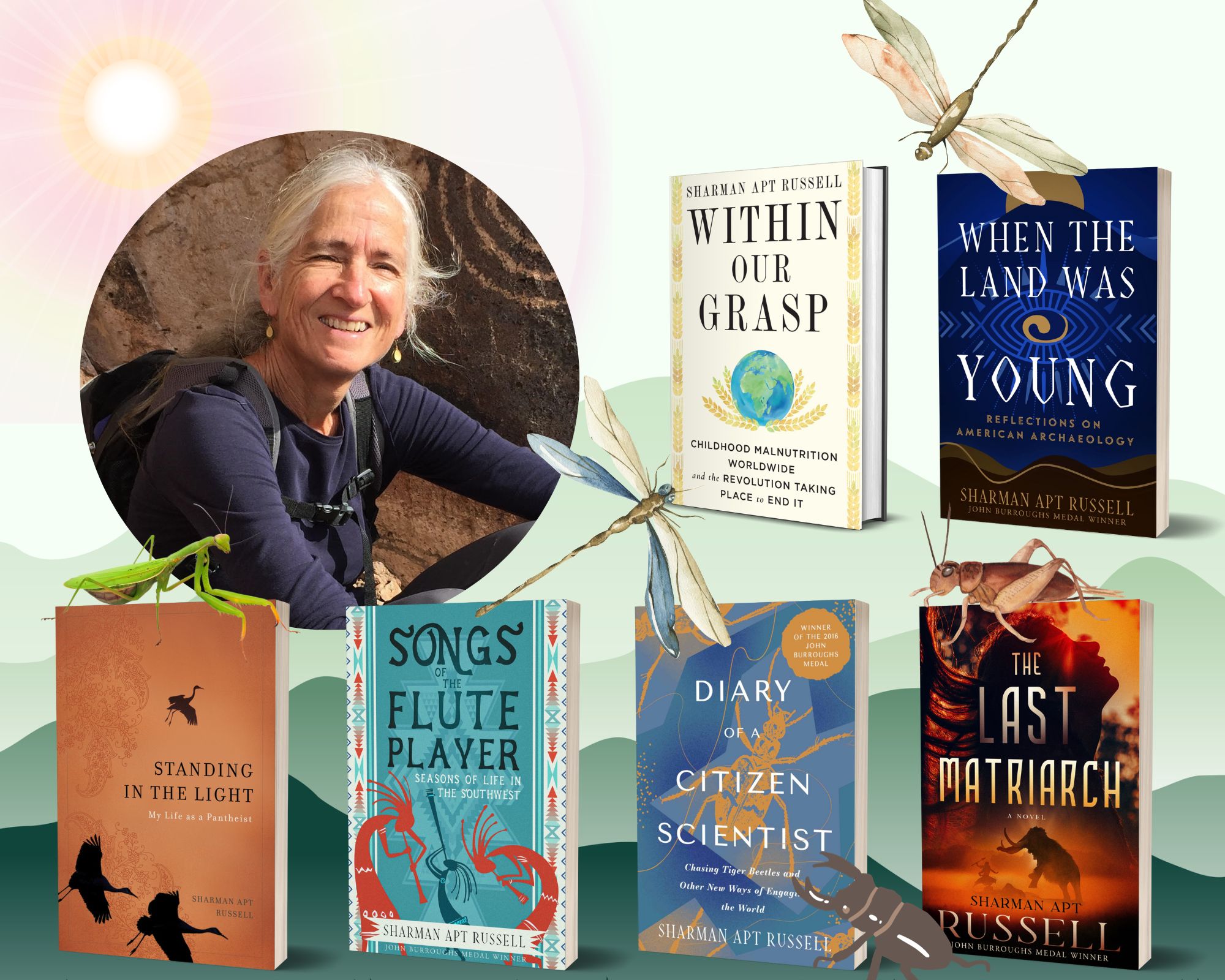
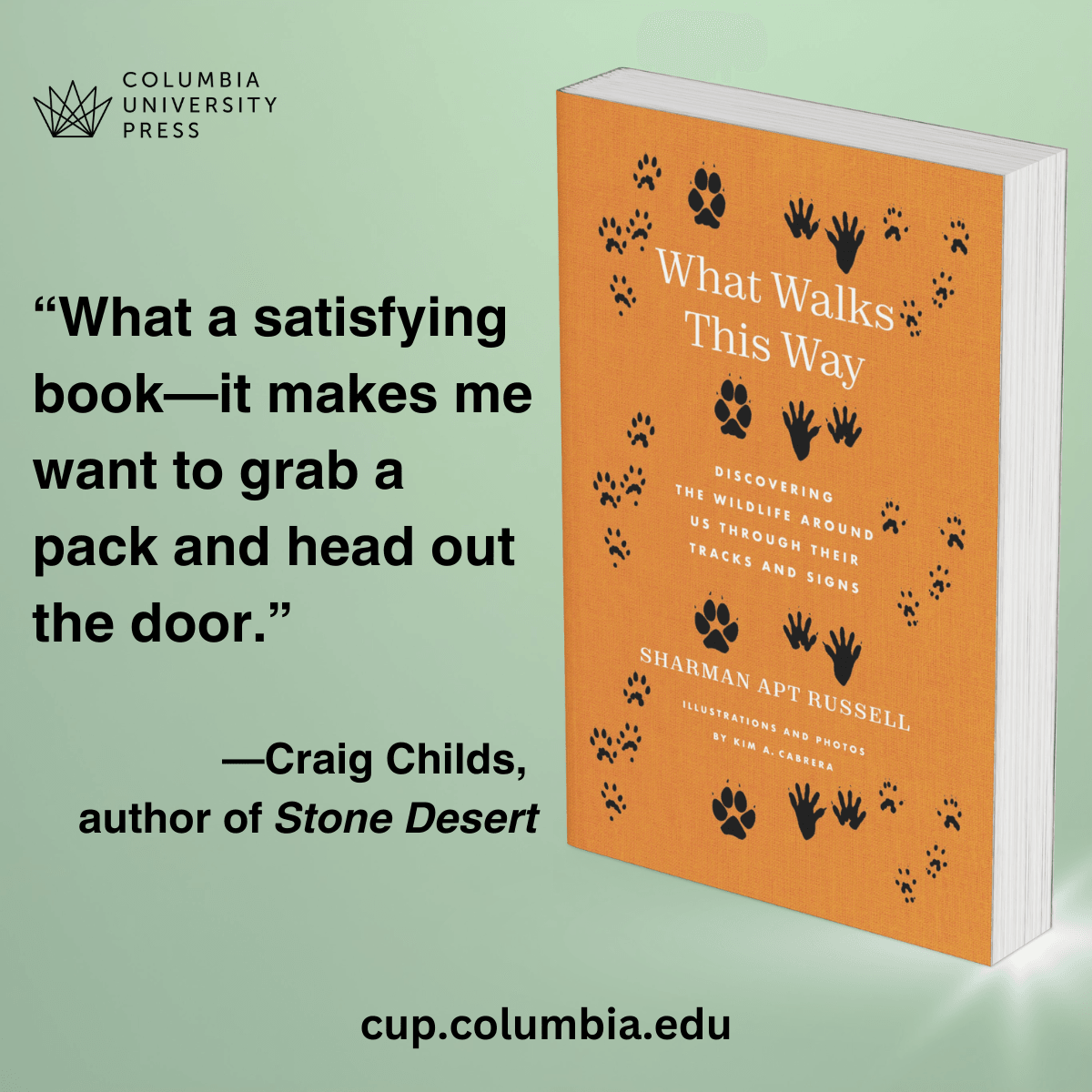
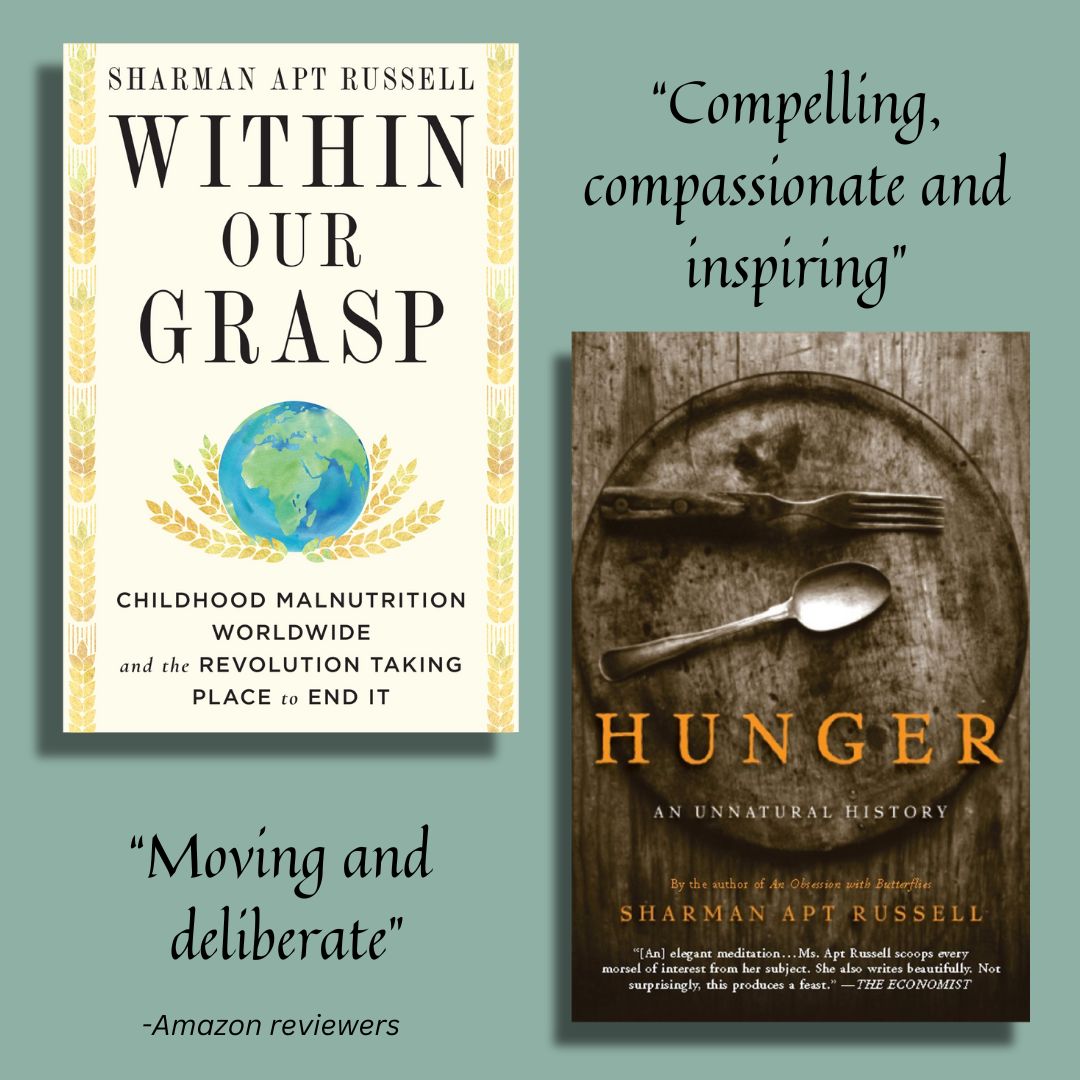
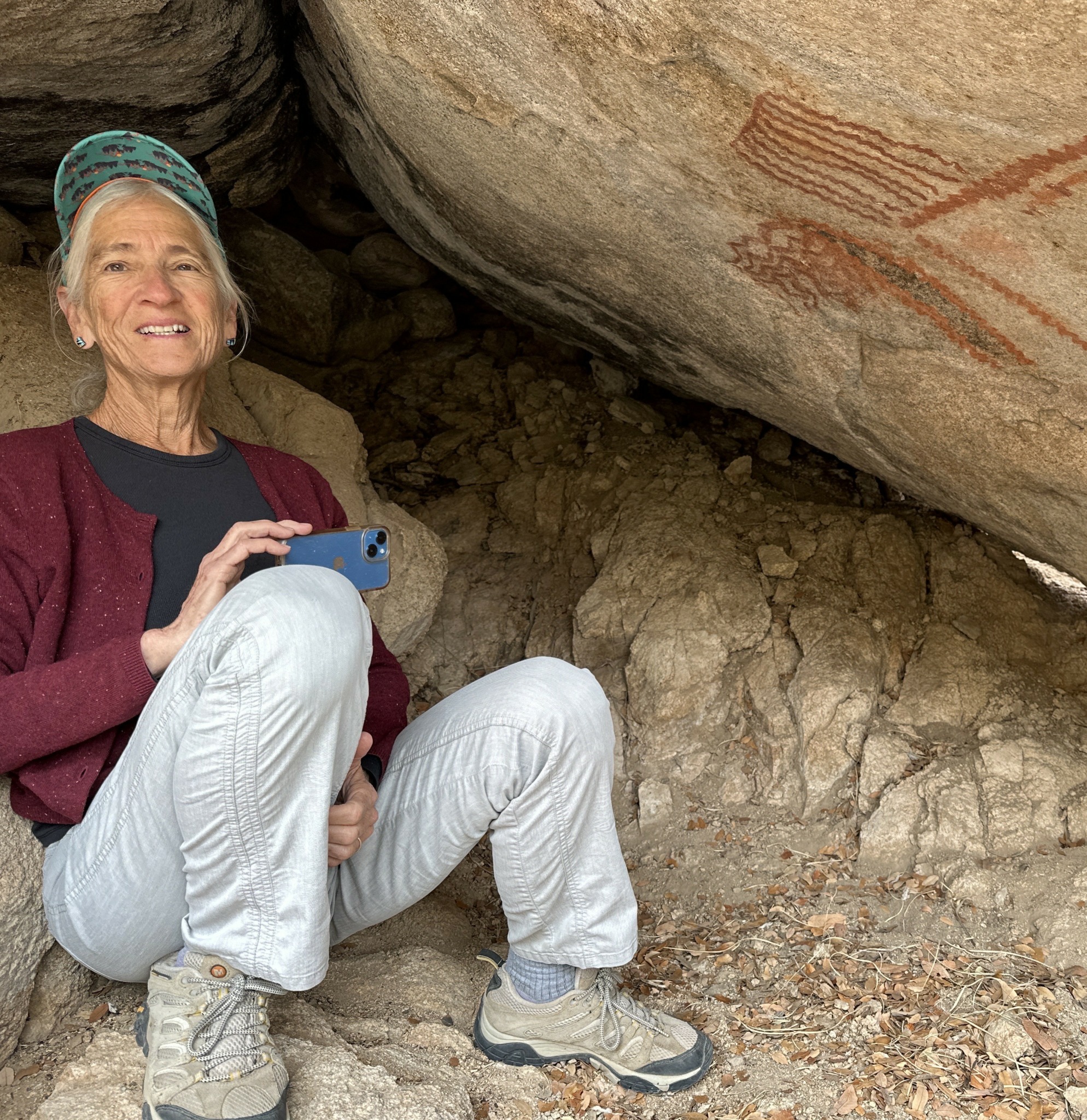
I decided to be a writer when I was eight years old, and I never wavered from that decision. Of course, I wanted to write the books I was reading–all that wonderful children’s literature–and I pursued that well into my MFA graduate studies. At the same time, I grew up in the 1960s and was heavily influenced by the social causes of that time. I wanted to be the kind of writer who helped make the world a better place. My undergraduate degree was in Conservation and Natural Resources at the University of California at Berkeley, and I went on to become best known as a nature writer of adult nonfiction, with some thirteen books translated into nine languages. Most of these celebrate the natural world and are about the need for humans to find their place in the natural world. Two of those books, however, are about hunger and childhood malnutrition. And perhaps I am most proud of my book Within Our Grasp: Childhood Malnutrition Worldwide and the Revolution Taking Place to End It (Pantheon Books, 2021) even though that came out during the pandemic and would be considered a complete failure by its publishers. My most recent book is What Walks This Way: Discovering the Wildlife Around Us Through Their Tracks and Signs (Columbia University Press, 2024), and I am also proud of this range of subjects–even though that means that I don’t really have much of a brand. I’m too eclectic. I didn’t end up writing children’s literature–my first love. I didn’t end up rich and famous. I still have all the doubts and angst that my writing students have. I still love to just sit down and write, even now, answering this question at this very moment. Writing is, simply, a deeply pleasurable and engaging thing for me to do. Writing has been the way I experience and explore the world.
Let’s talk about resilience next – do you have a story you can share with us?
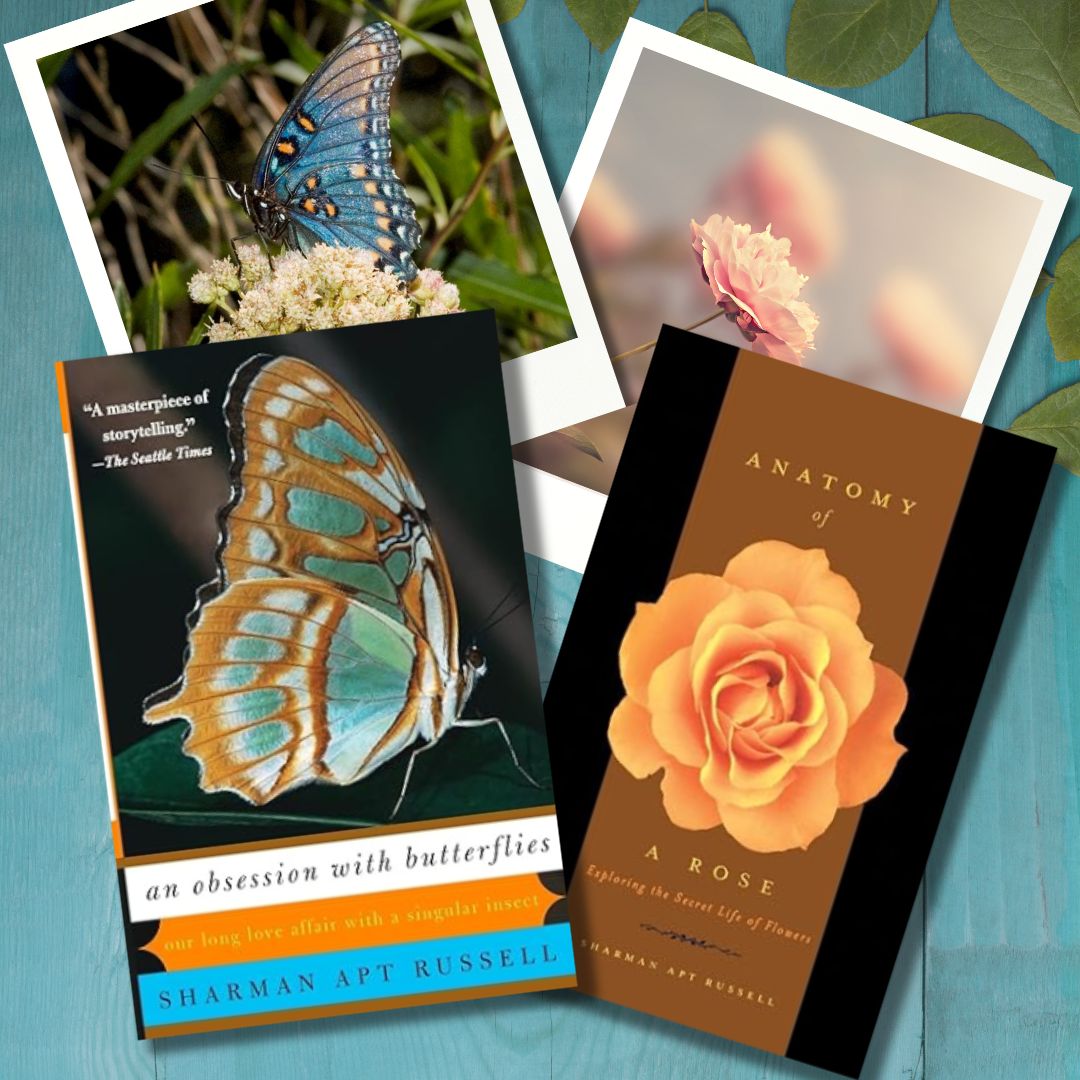
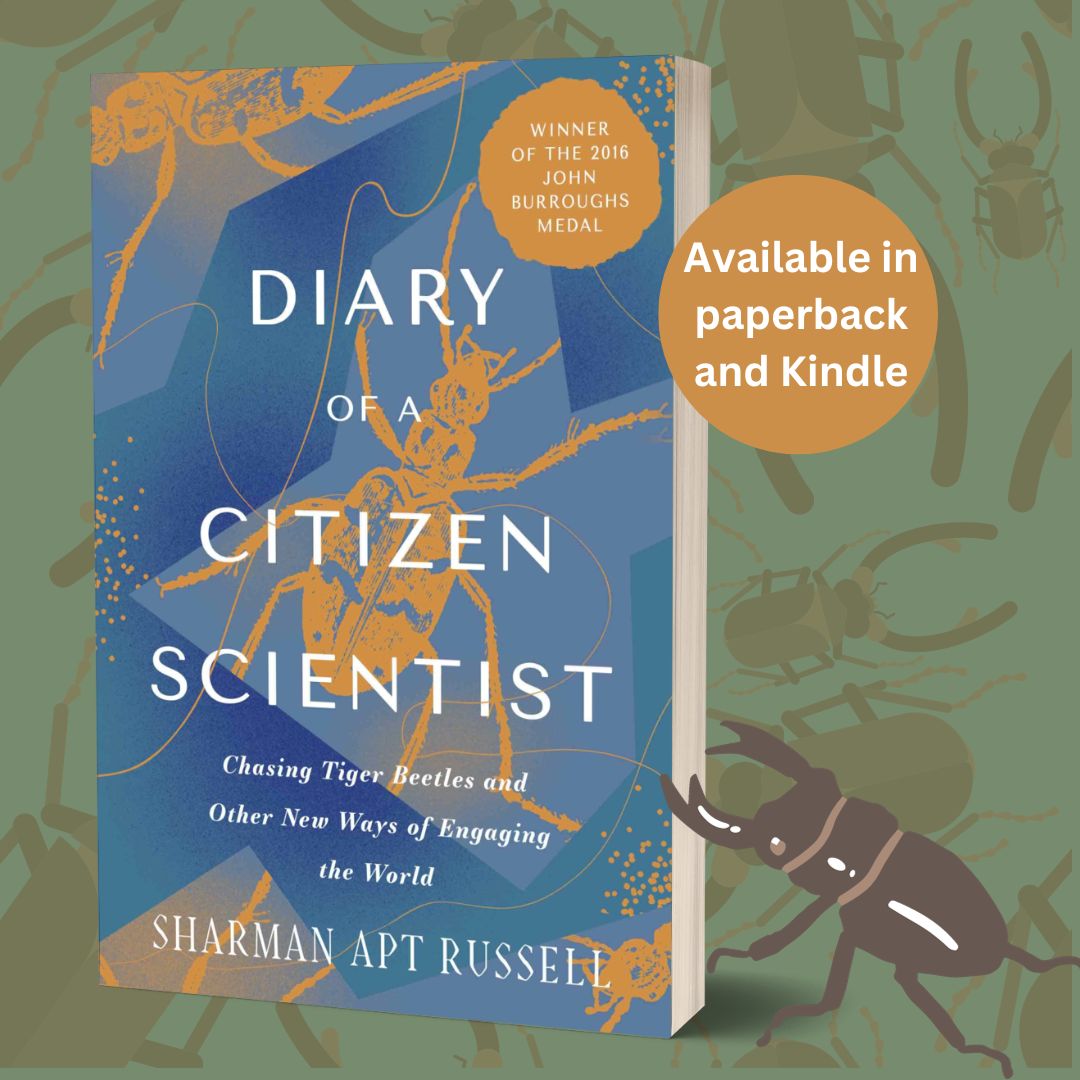
Twenty years ago, I was publishing books that were being reviewed in places like The Wall Street Journal and The Economist and the New York Times. But my publisher became more disheveled–with one book having four different editors–and there was the 2008 recession, and I just didn’t have the name recognition to emerge as a mainstream author. My subjects of nature and hunger aren’t all that popular, either. I wrote a book called Standing in the Light, about being a pantheist and a Quaker, and joked that I would end up writing mainly in Quaker chatrooms. But I kept writing, without an agent, without an editor, and completed a manuscript called Diary of a Citizen Scientist: Chasing Tiger Beetles and Other New Ways of Engaging with the World, which was published by Oregon University Press and won the prestigious John Burroughs Medal for Distinguished Natural History Writing, also won by luminaries like Aldo Leopold and Rachel Carson and Barry Lopez. The award actually didn’t mean too much in terms of book sales, which is what publishers naturally care about. Then a senior editor at Knopf miraculously liked my idea for a book on ending childhood malnutrition, set mostly in Malawi, one of the poorest countries in the world. Within Our Grasp: Childhood Malnutrition Worldwide and The Revolution Taking Place to End It (Pantheon Books, 2021) came out during the pandemic–a time when Americans had so much illness at home. It was a truly spectacular failure in terms of sales, and I never heard from the editor again–although I am pleased to have given away thousands of copies through Linked In to people who do care about the subject. My next published book is about wildlife tracking, also from a university press. It probably won’t sell many copies either, although an excerpt was published in The Wall Street Journal. A nice return to earlier times. I am working now on a time travel science fiction. My point is that my career has been a roller coaster. Three fictions also “failed”–and I put that in quotes because writing them was so much fun. A nonfiction book about flowers translated into Chinese keeps sending me royalty checks fifteen years later. I just keep writing books, and none of them have won me fame or fortune, and each one has been a profound and interesting experience. I think of this as resilience.
Any insights you can share with us about how you built up your social media presence?
I have come late to social media and just started posting on Instagram and more seriously on Facebook about a year ago. My advice to myself is to enjoy the creativity of matching text with images, writing short blog posts that engage me, about things I would want to write about no matter what. In short, using social media as a natural part of my own art and creative exploration of the world. Also, I use a platform like Loomly to post well in advance so that my posts are regular and often but I am not spending my days thinking about them. I don’t want to spend my days thinking about them. I check in when I want to check in and appreciate the community I see there.
Contact Info:
- Website: https://sharmanaptrussell.com/
- Instagram: https://www.instagram.com/sharmanaptrussell/
- Facebook: https://www.facebook.com/sharmanaptrussell/
- Linkedin: https://www.linkedin.com/in/sharman-apt-russell-2542952a/
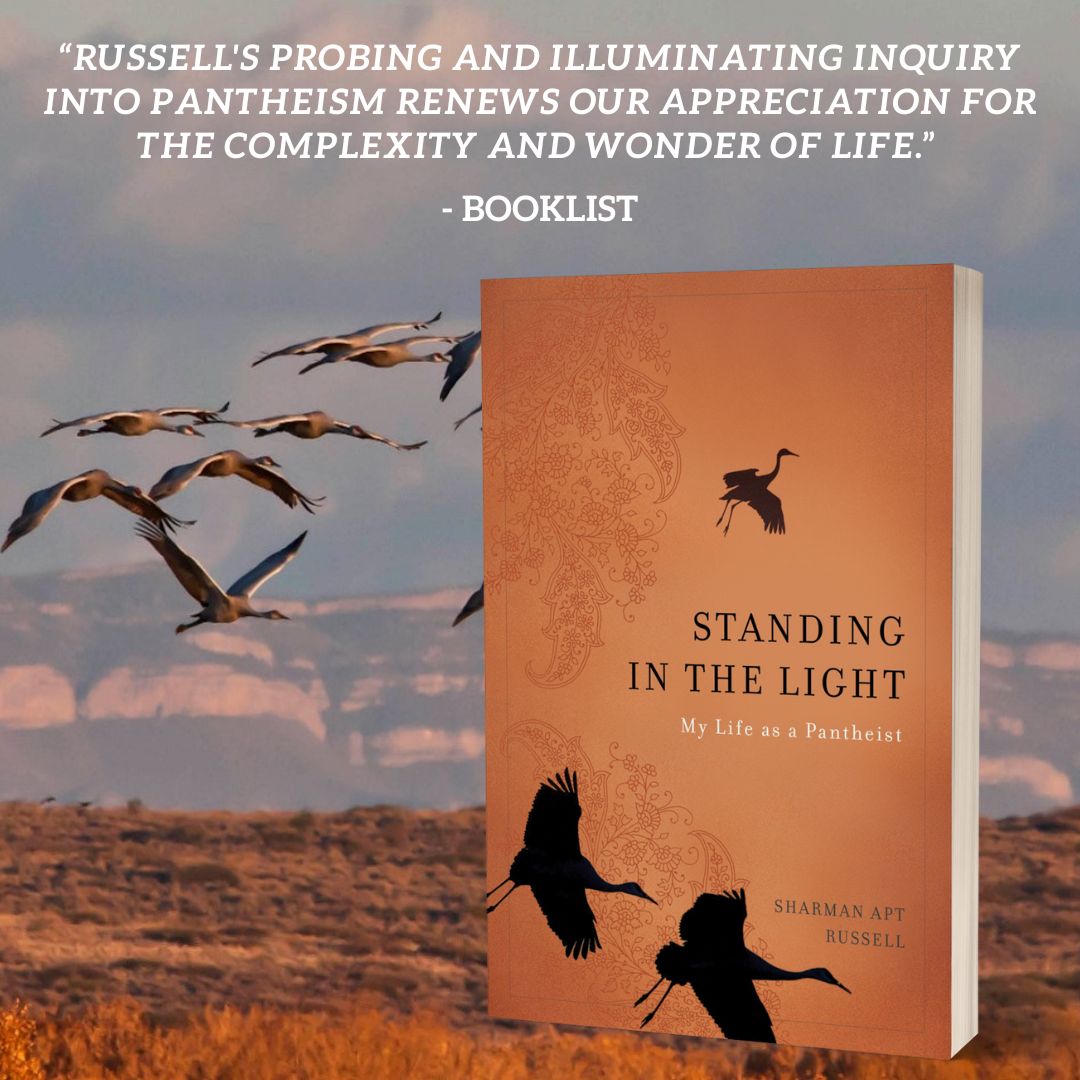
Image Credits
No credit necessary