

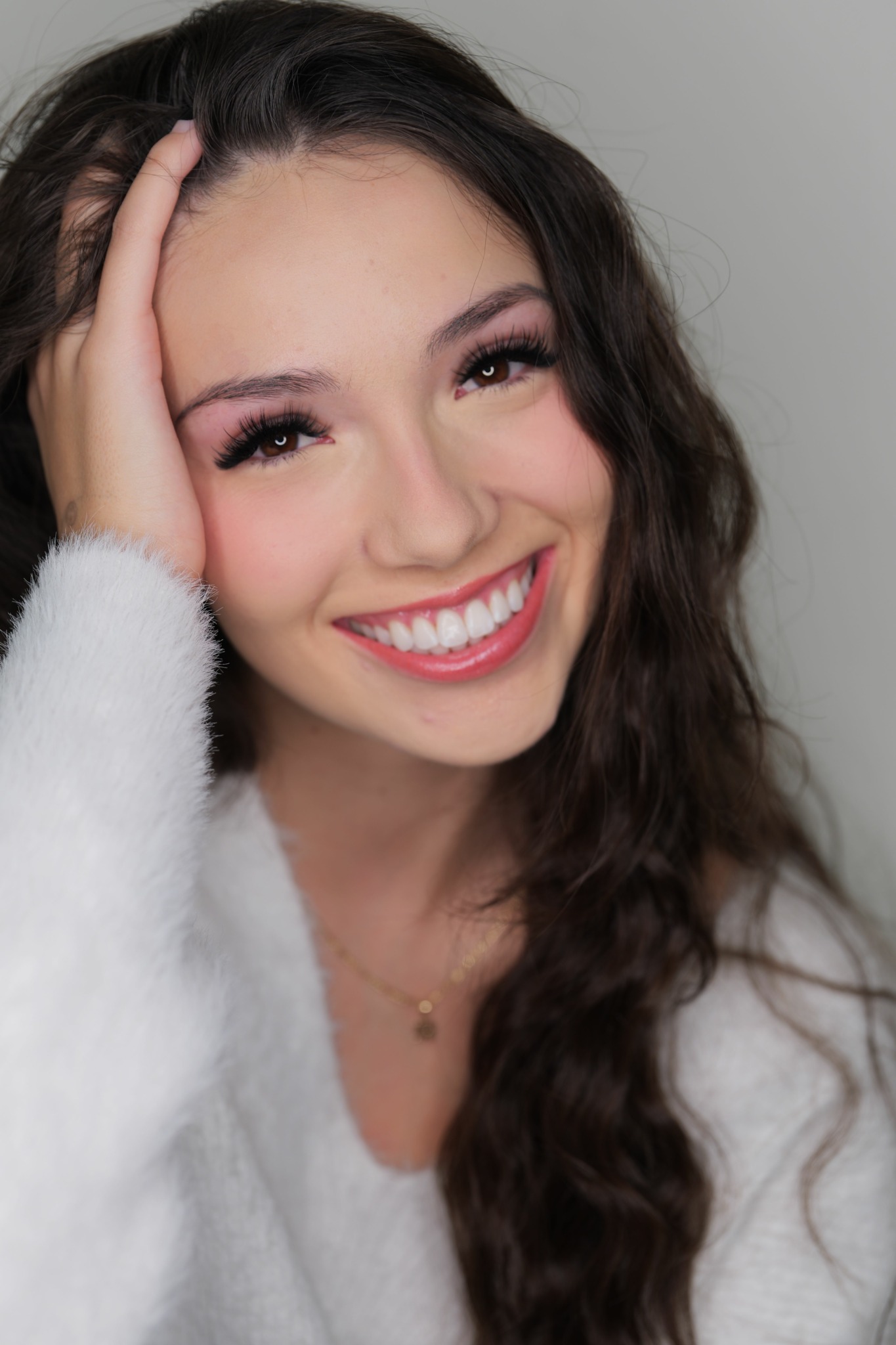

We were lucky to catch up with Shannon Kennedy recently and have shared our conversation below.
Shannon, thanks for taking the time to share your stories with us today If you could go back in time do you wish you had started your creative career sooner or later?
I began dancing around the age of four at a studio that emphasized creating well-rounded dancers. I trained in a variety of styles such as contemporary, ballet, tap, jazz, modern, and more. I quickly fell in love with ballet, and it became my primary focus until I was introduced to gymnastics.
My sister was an acrobatic gymnast and had recently joined a team, so I followed in her footsteps and joined when I was about eight years old. My days became nonstop: school in the morning, dance classes in the afternoon, gymnastics practice in the evening, and home around 9:30 or 10 p.m., only to repeat the routine the next day. I loved the fast-paced lifestyle, but eventually I was forced to make a difficult choice between dance and gymnastics.
My ballet instructor wanted to put me on pointe, but only if I quit gymnastics. At the same time, my gymnastics coach wanted me to begin competing internationally, which also required leaving dance behind. Even though I was only 10 or 11 years old, this became one of the hardest and most pivotal decisions of my life. I chose gymnastics.
That decision led me to compete on Team USA, traveling internationally to places such as Bulgaria, Great Britain, Belgium, and France for the World Championships. While I don’t regret choosing gymnastics, I often wonder what my life might have looked like had I chosen dance instead. I watched my friends progress through receiving their pointe shoes, signing with agents, attending prestigious ballet intensives, and even performing at Radio City Music Hall.
I retired from gymnastics at 15 and began exploring hip-hop in high school. My brother danced with a team called Syndikidz in San Jose, and after auditioning, I earned a spot on the team. Since then, I have trained and performed consistently in hip-hop and heels, dancing with teams such as Syndicate, Snowtorious, and Noe’s Angels. Earlier this year, I signed with Briizy Talent Agency and have since appeared in a few music videos and commercials.
Although I am proud of where I am now, I sometimes wonder if I would be further along or have accomplished more had I stayed with dance from the beginning.
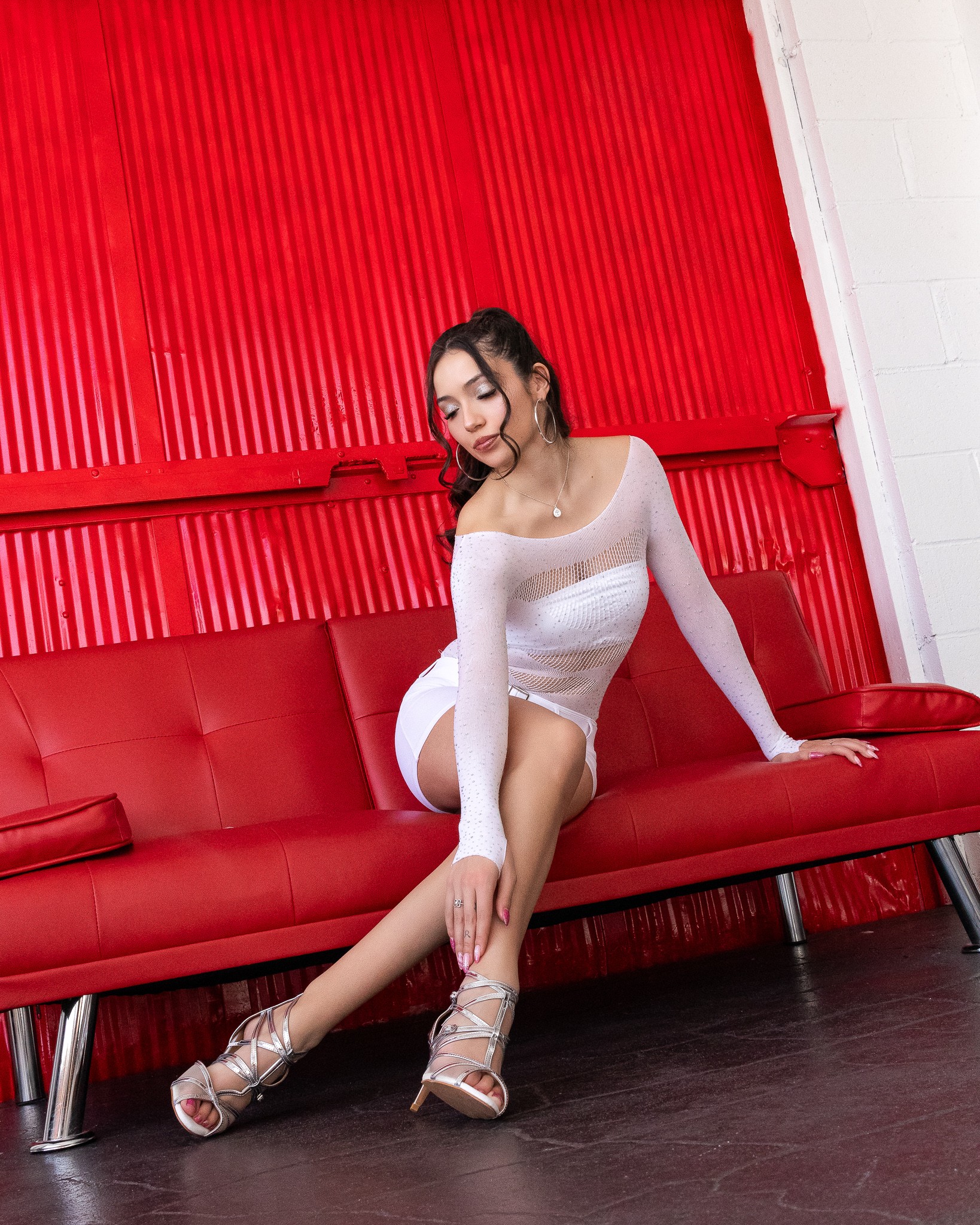
Awesome – so before we get into the rest of our questions, can you briefly introduce yourself to our readers.
My earliest dance inspirations were Sean Lew, Kaycee Rice, and Sienna Lalau. I was drawn to how effortlessly they expressed themselves through movement and how genuine their connection with the audience felt. As I began transitioning into the professional dance industry, my inspirations expanded to include Robbie Blue, Melissa Myrtle, and Bri and Skot Nicholson.
Watching Doechii’s *Anxiety* music video, choreographed by Robbie Blue; Olivia Rodrigo’s *GUTS* World Tour, choreographed by Melissa Myrtle; and Ariana Grande’s tour, choreographed by Bri and Skot Nicholson, made me realize that I want to be part of the teams that bring these visions to life.
To me, entertainment is about making people feel emotions they didn’t know they had and creating experiences they will carry with them for years. I believe I have the ability to translate an artist’s vision from concept to stage, and I’m excited to continue growing and proving myself in the future.
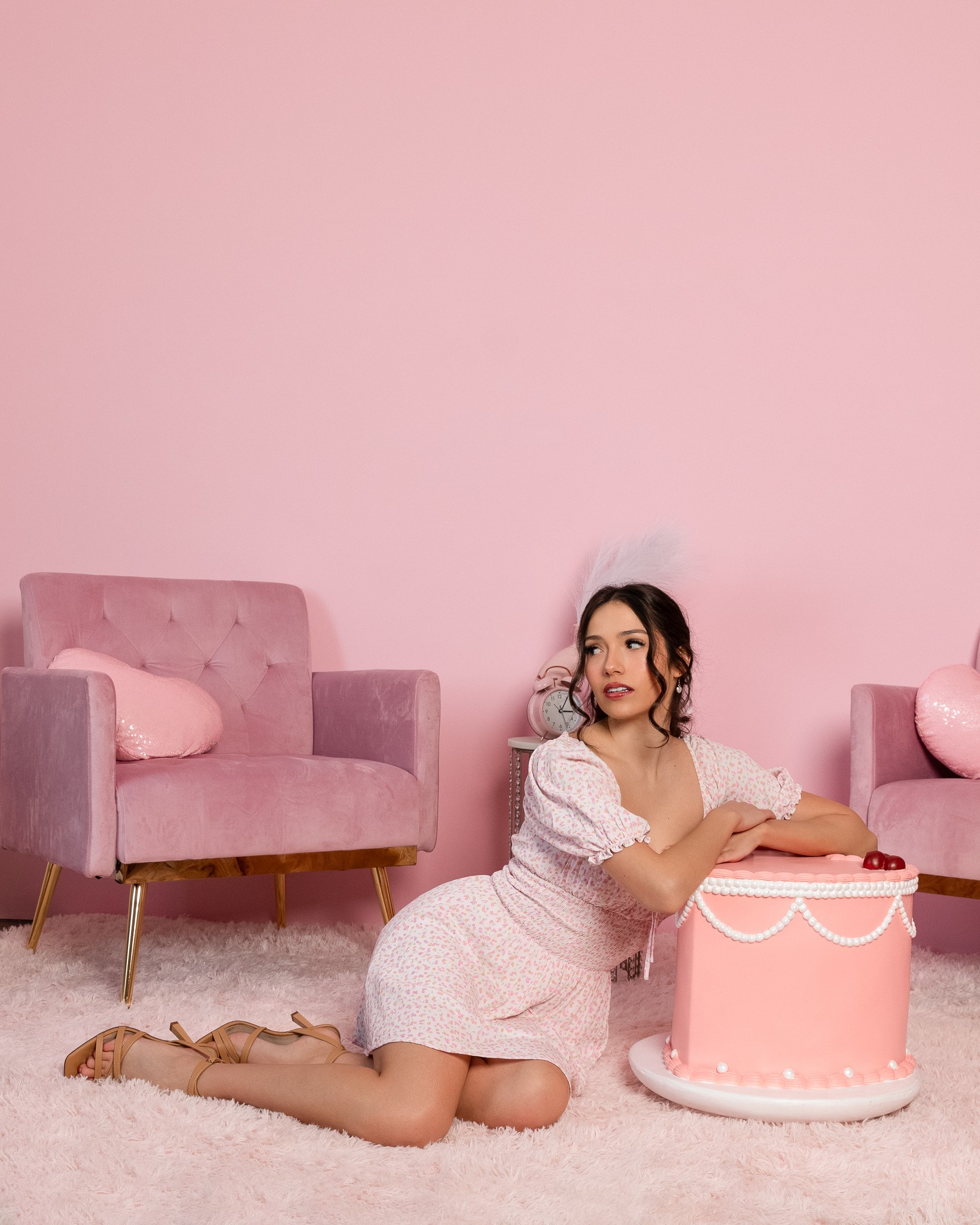
What can society do to ensure an environment that’s helpful to artists and creatives?
Society needs to start recognizing creative careers as “real jobs.” Many people in the entertainment industry are met with questions like, *“But what’s your backup plan?”* when they share their professional goals. When dance and other creative fields aren’t seen as valid careers, it creates barriers that prevent the community from thriving.
These barriers show up in low wages, inconsistent hours, and persistent biases against the industry. In order for creatives to flourish, we need broader societal support that values our work, protects our livelihoods, and helps create a safer, more inclusive, and welcoming environment for everyone.
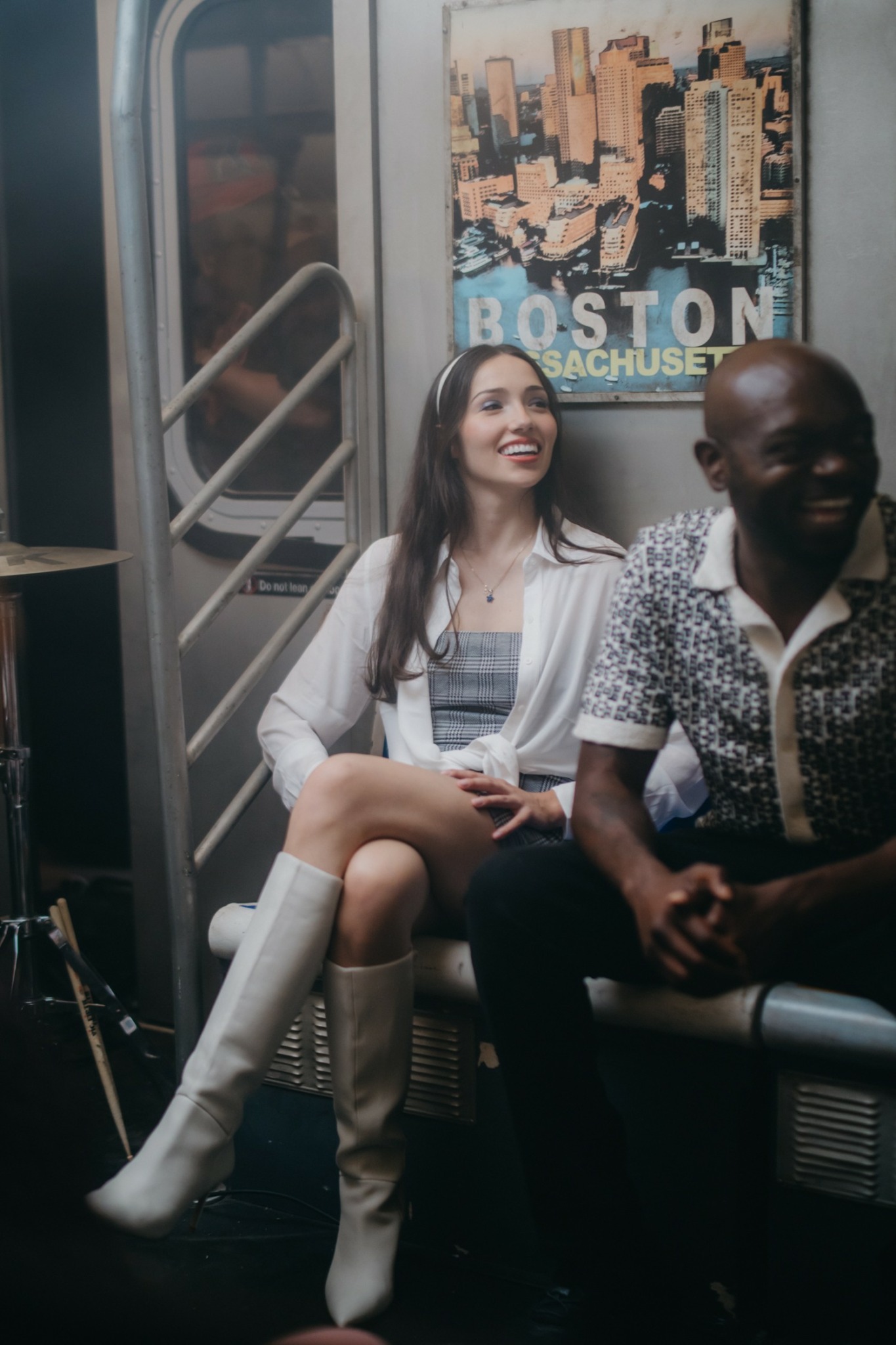
We often hear about learning lessons – but just as important is unlearning lessons. Have you ever had to unlearn a lesson?
In this industry, it’s hard not to take rejection personally. My immediate reaction is often to assume I’m not good enough, which can quickly lead to a spiral of self-doubt. Over time, however, I’ve learned that there are countless reasons someone may not be selected, and many of them have nothing to do with skill or talent.
Sometimes a casting team already has someone with a similar look, I might be too tall, or they may be keeping me in mind for a future project. The truth is, we rarely know the real reason. When we tear ourselves down after rejection, we’re often projecting our own insecurities onto the situation that were never actually expressed by the industry.
Learning to be kinder to ourselves sounds simple, but it’s an ongoing challenge and a skill that requires constant practice.
Contact Info:
- Instagram: @shannonkennedyy
- Other: TikTok: @shannon.e.kennedy
Image Credits
Kimberly Shaul, Christian Gonzalez, Max Stewart