
We recently connected with Shannon Flowers and have shared our conversation below.
Hi Shannon, thanks for joining us today. To kick things off, we’d love to hear about things you or your brand do that diverge from the industry standard
Oh my, so many things I hope! There are a few significant differences that I think really differentiate Stratalysts from your standard “organizational development” firm. The first things that come to mind are redefining what a strategic plan really is, getting organizations to be strategic (not just plan that way), and equipping them with the tools they need to actually transform their organizations.
Have you ever noticed that regardless of industry, you mention “strategic planning” and oftentimes people roll their eyes or sigh at the thought of having to put together a strategic plan? When you ask them why, they usually respond with something like “it’s a waste time”, or their last plan “just sat on a shelf”. I got tired of hearing that and wondered why it is that organizations say they recognize the importance of having a strategic plan, but so few often found value or impact in them post adoption. Sadly, strategic planning is more often than not treated like a check box. You want grant funding? Strategic plan. Respond to community/customer/investor needs? Strategic plan. Qualify for an award? Strategic Plan. We don’t know why, but we all need a strategic plan. Once we have one we’ll be great.
What this check box approach fails to consider is that with a good plan, and a solid approach to implementation, you can completely transform your organization…or your community. A strategic plan is not just a document that maps out the next several years of organizational goals, it’s a plan for what your organization can be. That’s pretty powerful. That goes beyond a checkbox document that sits on a shelf. That’s something that should get people excited. But, that kind of transformative power gets diluted when an organization doesn’t have the right tools to carry out the plan.
Many in the industry focus on providing their clients with exactly what they asked for: a strategic plan. If you’re lucky, you’ll get a boiler plate “implementation plan” that sketches out what you said you would do and when. At Stratalysts, we go beyond what the client is asking for because they often don’t know what they need. If they did, the wouldn’t roll their eyes at the mention of strategic planning, right? I want organizations excited about their strategic plan and capable of actually turning it into reality. To do that, you have to consider how the organization functions, it’s culture, it’s capacity for change, it’s ability to prioritize, it’s people. Stratalysts starts the planning process by getting a clear picture of the organization and assessing its where it lies along the spectrum of strategic planning maturity. I ask the organization to evaluate itself in six organizational components that have a lot to do with the success of a strategic plan: abilities, change, commitment, culture, resources, and strategy. This assessment gives the organization, and Stratalysts, insight into how strategic an organization already is. You can’t implement a strategic plan if you don’t function strategically. This is a point often missed in the industry.
Insight into an organization’s strategic maturity allow us to develop an effective planning process for the organization; no standard templates and work plans. It is all based off of what is going to be effective for that particular organization. A lot of firms say they do this, but still end up churning out the same process over and over again. It isn’t profitable to spend time truly customizing the planning process for every organization. Stratalysts is small, and I’m passionate about this, so we do. By developing a planning process that actually fits where an organization is, we’re able to help clients develop strategic plans that make sense for the organization. And, we embed organizational training and skills building into the planning process. In doing so, organizations are getting training in areas that may need a little attention as they develop their plan. This approach lets an organization BE strategic, not just talk about strategy.
Implementing a strategic plan requires an organization to be strategic. This is the forgotten detail that often leads to eye rolls and plans sitting on a shelf. The industry standard is to help develop a strategic plan, not to help develop a strategic organization. Stratalysts focuses on the latter and builds organizational capacity into the process. Our clients not only develop a realistic strategic plan that ties to operations; they also grow into a more strategic organization in the process. The positive impacts from the plan development process give people a quick win and allows them to see some immediate benefits from the strategic plan. All of a sudden, the strategic plan is no longer the waste of time it was before. People have already seen results. It’s that positive momentum and organizational growth that increases the likelihood that an organization will implement the strategic plan and transform their organization or their community. Is everyone in an organization going to love strategic planning? No. While that would be great, it isn’t the goal. Is the organization going to look at strategic planning the same way the used to? No. Does the organization function more strategically than it did before? Yes. Does the organization have the tools it needs to execute the plan? Yes. All signs point to positive impact and plans not sitting on a shelf.
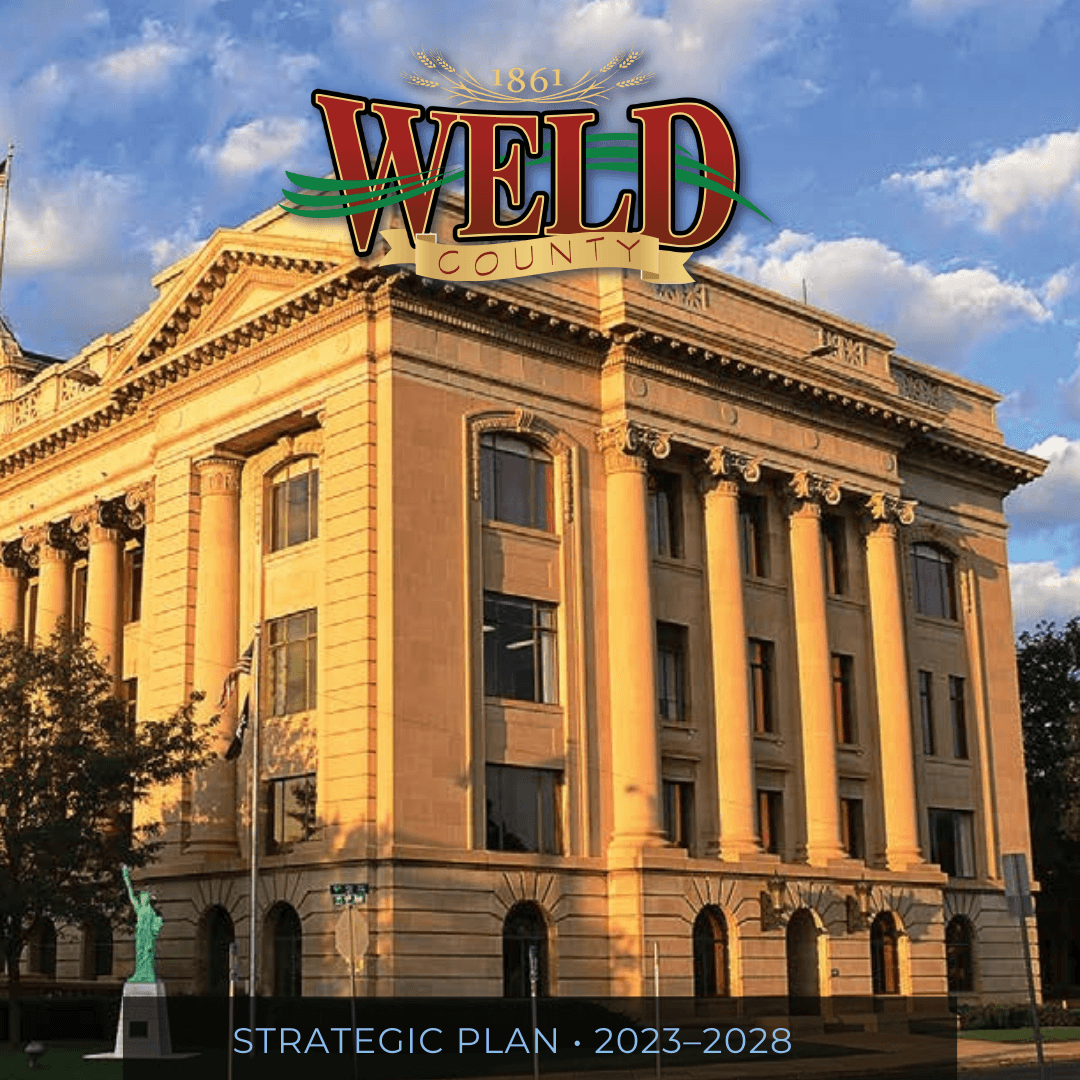
Shannon, love having you share your insights with us. Before we ask you more questions, maybe you can take a moment to introduce yourself to our readers who might have missed our earlier conversations?
I used to think that my path through life and how I got to where I am was a bit random and happenstance. I took opportunities that interested me, pushed me to learn, and challenged me to solve a problem. Now, after a lot of reflection and a lot of iced coffee, I don’t think my path has been random at all. I have been driven by a need to dig deeper, get to the root of things, and develop a holistic understanding of just one thing – people. Very specific, right?
The Background:
I have always been curious about how groups of people function. Why do they do hat they do? How they get decide to do things one way instead of another? To try and answer that question, I got my undergraduate degree in anthropology: in short, the study of humans, societies, and how we organize ourselves. What became clear during my studies in anthropology is that government is a pretty important aspect of how human societies operate. While government can take really different forms depending on where you look – it’s there. Sometimes in the background, sometimes the main characteristic, but it’s always there providing some type of foundation, support, or structure to groups of people.
I dove in. I started working in local government while I finished my degree and stayed there for almost fifteen years. I happened to land in the finance department and found out I was good at math, and numbers…and financial reporting. And what do you know, I ended up as the Finance Director after taking governmental accounting classes and figuring out what in the world a general ledger was. I loved it. When you work in a local government, especially a small one, you get to see the results of the things you do right there in front of you. You get to see if the policies that you help develop actually work and make things better. Or, if there are things that should have been considered before adoption.
Working in local government I learned a lot about how groups of people operate, how things get done, and the challenges of organizational dynamics. I wondered if the challenges I was seeing were unique to local government. Did things look the same at the state or national level? What about internationally? I decided to find out and got my masters in Finance, Trade, and Economic Integration. A long title that basically entails understanding how money and economies function internationally and the governmental policies that impact them. A deep dive into the money side of the people equation. In getting my degree I was able to live in Bosnia and get an understanding of how their governments, non-profits, and aid agencies functioned. Guess what? Same challenges. I then worked for state government. Guess what…same challenges. The scale of the challenges were different but the root causes were all the same. All of these governmental organizations were dealing with similar organizational dynamics getting in the way of doing amazing things.
The Problem:
These organizational dynamics are where I have chosen to dig in. I want to help governments, and specifically local governments, address root cause issues and more effectively support people (both in and outside of the organization). One of my biggest frustrations when I worked in government was the strategic planning process. It should be such an amazing way to define and prioritize how a government allocates resources and gets things accomplished. Sadly, it usually falls short, really short. I got so tired of elected officials developing strategic plans that got handed down to my colleagues and I to execute…and having zero idea what to do with it. We would all sit in a conference room looking at each other and waiting for someone else to say “so where did they get this idea?” or “wow, what a waste of time”. Everyone would smile and say we would “figure it out” and then do nothing until budget time rolled around. Everyone, including me, would dig the plan out and try to draw some kind of weak relationship between something my team had accomplished and something in the plan. What a waste of time. Nothing in the plan ever got accomplished. No one ever bothered to see if it had. Just having the plan seemed to be enough for everyone.
What I’m Doing About It:
A strategic plan is something that can be so beneficial! Especially for local governments where policies and programs are directly impacting communities and individuals daily. They should be a way to get great things done. To move the needle for a community. But often, they aren’t. This is where Stratalysts focuses efforts. I help local governments develop effective strategic plans. And, here’s the differentiator, I help those local governments address the organizational challenges that might get in the way of success. All of the things that are already issues and make the thought of adding “one more thing to staff’s plate” overwhelming. By helping local governments address organizational challenges like resource allocation, change management, or prioritization (to name a few), I help them improve how they function on a day to day basis. That improvement in effectiveness allows them to focus their attention on executing the strategic plan. By doing that, these governments can have a bigger and better impact on their communities and the people connected to them.
A local government could select any number of firms and come up with a good strategic plan. If you select Stratalysts, you will get a good strategic plan and you will actually execute it. That’s what I think sets us apart from others in the industry. We help you focus on being strategic and address the things that might be holding your organization back. Maybe you have a strategic plan and are seeing mediocre success…we can help push you to see amazing success. Wherever an organization is, there is always something getting in the way or being better, doing more. There is always room for continuous improvement, regardless of where your organization is. We help you find out what is getting in the way and move past it. Other firms might know where your challenges are, and they will tell you…if you want to sign on for a completely different project. Stratalysts thinks it’s part of the strategic plan package. Why sell you on a plan if we know you won’t be able to execute it? My passion for local government won’t allow that. I can’t handle the thought of one more finance director rolling their eyes at a strategic plan and shelving it until budget time.
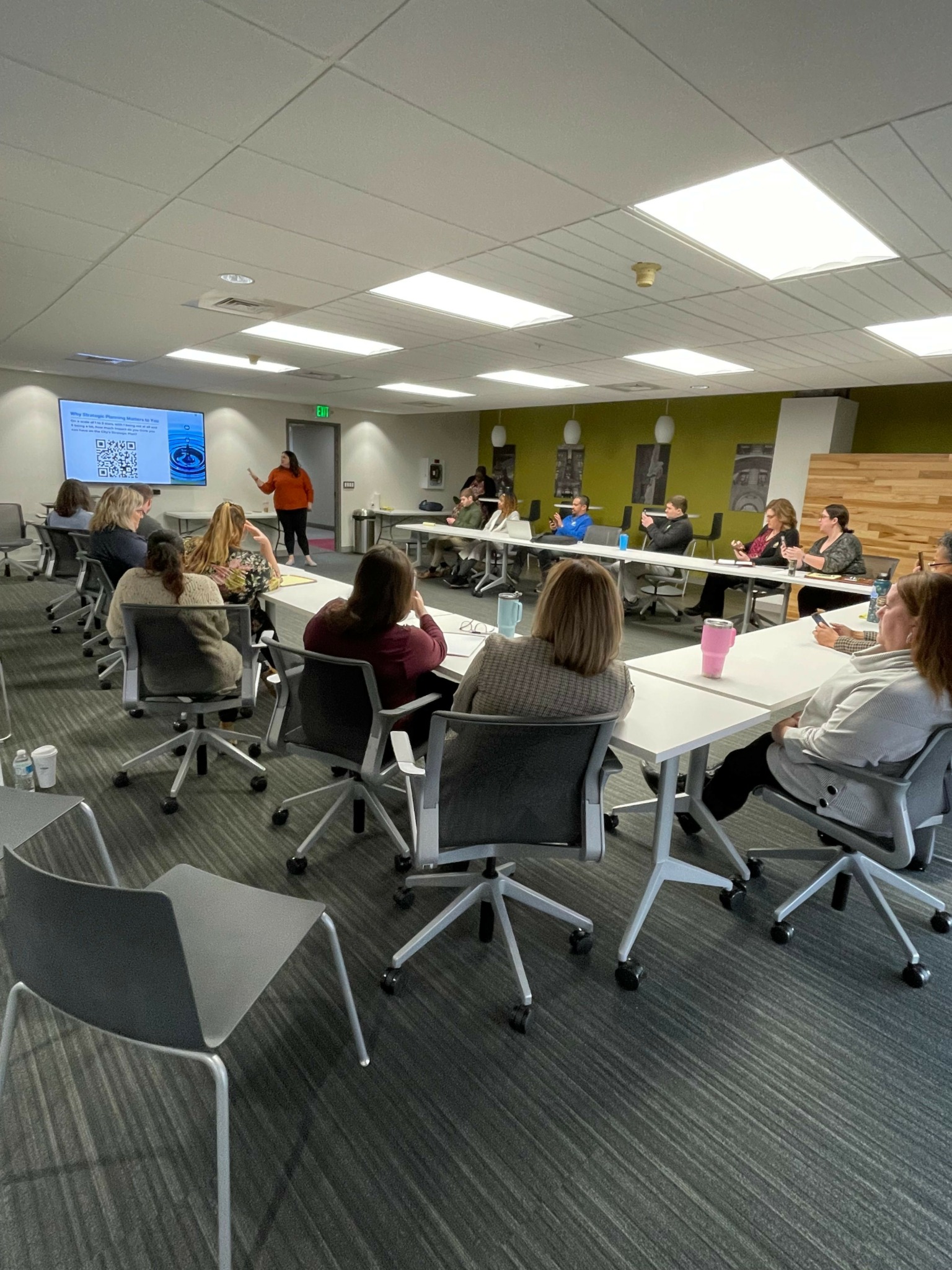
Where do you think you get most of your clients from?
Genuinely being invested in your current client’s success. Hands down this is the number one thing that has not only fostered client loyalty but grown my clientele. If you have loyal clients that know you’re in it to see them succeed, they will refer you to their colleagues. That kind of word of mouth referral is priceless. I can put stuff on the website or social media all day long, but it will not resonate the same way that hearing it from someone you trust will. I work hard for my clients and go above and beyond because I care about their success, not just my own. My clients recognize this and trust me. They have seen results and know I am there for them. I sometimes have to tell clients things they don’t want to hear, or recommend things they may not be thrilled about – I still do it because it’s in their best interest. I also don’t shy away from owning it if there is something along the way I could have or should have done differently for a particular client. If I am in the business of continuous improvement, I have to own those things and be open with my clients about them. They appreciate that, and trust me more for it. When I started Stratalysts former clients came to me. And then they told their colleagues, and now those clients are referring me. Yes, I still have to put work into developing proposals and growing my clientele, but if you’re authentic and do right by your clients, that will pay off in spades down the road.
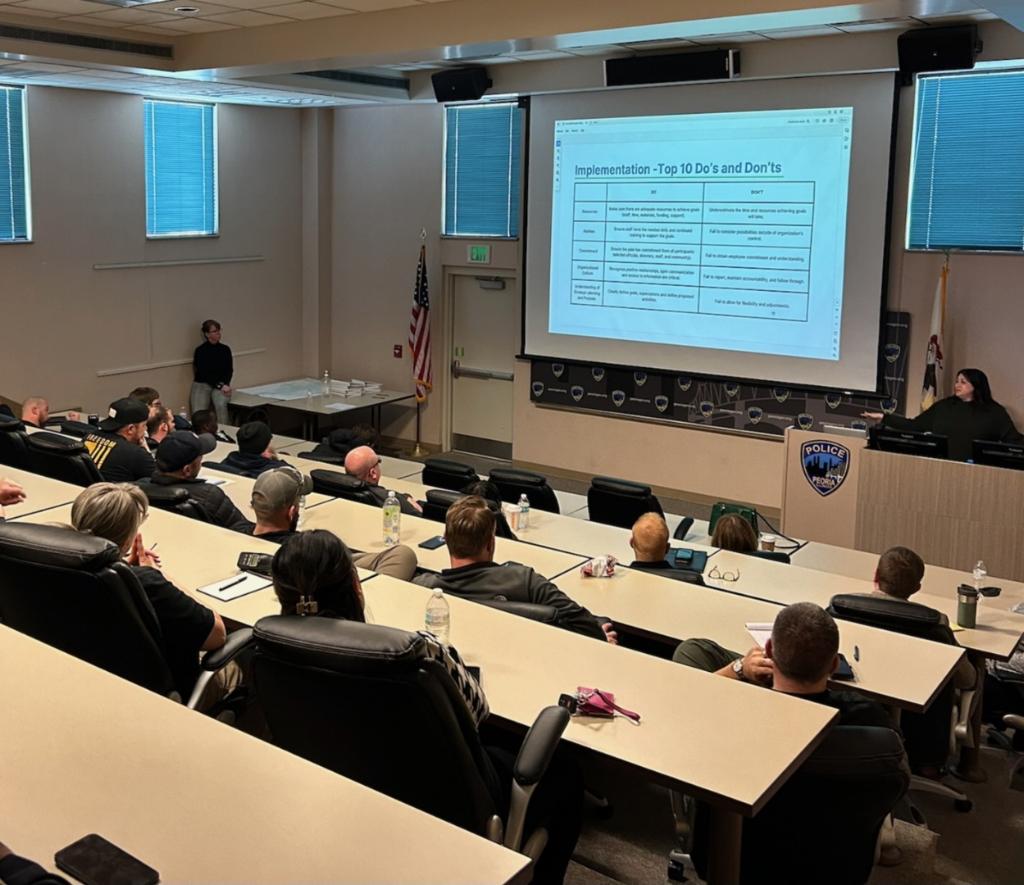
How’d you build such a strong reputation within your market?
Two things: walking the walk and not being afraid to say I don’t know if I don’t know.
I would be lying if I said I’m not plagued with serious imposted syndrome every now and again. But, I know what I ‘m doing and I don’t make promises or commitments to clients that I can’t back up with actions. I do what I say I will do. If I make a recommendation, it’s accurate and I can explain the “why” to my clients. They know I’m not just telling them what they want to hear or telling them to take a certain course of action because the work plan we agreed to says that’s the next step. In short, my actions speak louder than my words. I want my clients to be successful and if that means we have to deviate from the work plan to address something we will. Organizational development isn’t always linear so forcing it to be isn’t authentic and won’t get you sustainable results. This approach shows my clients that I know what I’m doing and more importantly, that I am dedicated to their success. Not just completing a work plan.
Having said that, I know my limitations and am not an expert in everything (or in most things). I have no problem saying that to clients. I’m not going to pretend to know about everything. If a client asks for a recommendation on something outside of my wheelhouse I’m going to tell them I don’t know and offer to help them find someone who does. I want to see them succeed and if that means they need someone else’s skillset – let’s find it. Could I figure it out and increase my contract with them? Probably. But at what cost? I won’t be able to walk the walk and it will shift my focus from what they have actually hired me to do. There is nothing wrong with saying you don’t know. This also shows clients that I am dedicated to their success and not just trying to increase a contract for work I can’t effectively perform.
Contact Info:
- Website: https://stratalysts.com/
- Instagram: @stratalysts
- Linkedin: https://www.linkedin.com/in/shannonflowers1