
We caught up with the brilliant and insightful Shanley Melody a few weeks ago and have shared our conversation below.
Alright, Shanley thanks for taking the time to share your stories and insights with us today. Parents can play a significant role in affecting how our lives and careers turn out – and so we think it’s important to look back and have conversations about what our parents did that affected us positive (or negatively) so that we can learn from the billions of experiences in each generation. What’s something you feel your parents did right that impacted you positively.
Sometimes what parents—and even the parents who raised them—do right is shown through the things they did wrong. It’s easy to recognize a parent’s strengths, but there is profound value in witnessing their humanity, their imperfections, and their struggles. It teaches us how to change, how to break patterns, and how to approach our own lives with intention. Whether we choose not to repeat their mistakes or find new, healthier ways to move through them, these lessons guide us toward sustainable growth.
I grew up in a household filled with love, primarily from my mom and her parents—Nanny and Poppy. My mom taught me what it looks like to put everything aside to prioritize a child. She gave me everything she possibly could: emotional stability, even while she was managing her own battles; opportunities through sports, camps, theater, choir, and countless other activities; and constant encouragement because she saw potential in me at times when I was just trying to survive, much like she was. We experienced a lot of trauma together, but we always had each other. To this day, we remain close, spending as much time together as my busy schedule allows. She sacrificed her own needs for mine—not something I believe parents should always do, but something that undeniably helped shape my success and the life I have built today. I try to honor her every day in as many ways as I can.
From my dad, I learned about mental health—not through guidance, but through witnessing what not to do. Those lessons were painful, traumatic, and ones I still carry, but they sparked my desire to become a therapist and to understand the brain, our thoughts, our emotions, and the behaviors that often confuse us. I knew as early as elementary school that this was the path I wanted to take. After he passed away at 35, I made a quiet promise to myself to understand the things he couldn’t. Surpassing his age in this world, especially after dealing with my own medical health challenges, has been an emotional milestone. Through all of it, I never gave up. That—ironically—is the most important lesson I learned from him: there is never a reason to give up on life, because when we do, the pain transfers to everyone else, and they are left carrying the weight of grief.
From him, I learned how precious life truly is, and how important it is to live and speak with intention. Choosing to keep going is, to me, the bravest thing a person can do. Life can be hard, lonely, and unpredictable, yet humans are resilient—we adapt not because it’s easy, but because hardship makes us wiser, more intentional, and more compassionate.
Regardless of whether the lessons from my parents were healthy or unhealthy, positive or painful, they have shaped who I am. As an adult, I am responsible for how I carry those experiences forward. I am proud of the person I’ve become, and I am proud of them as well. We will all continue to be human—imperfect, learning, and growing. And there is beauty in that.
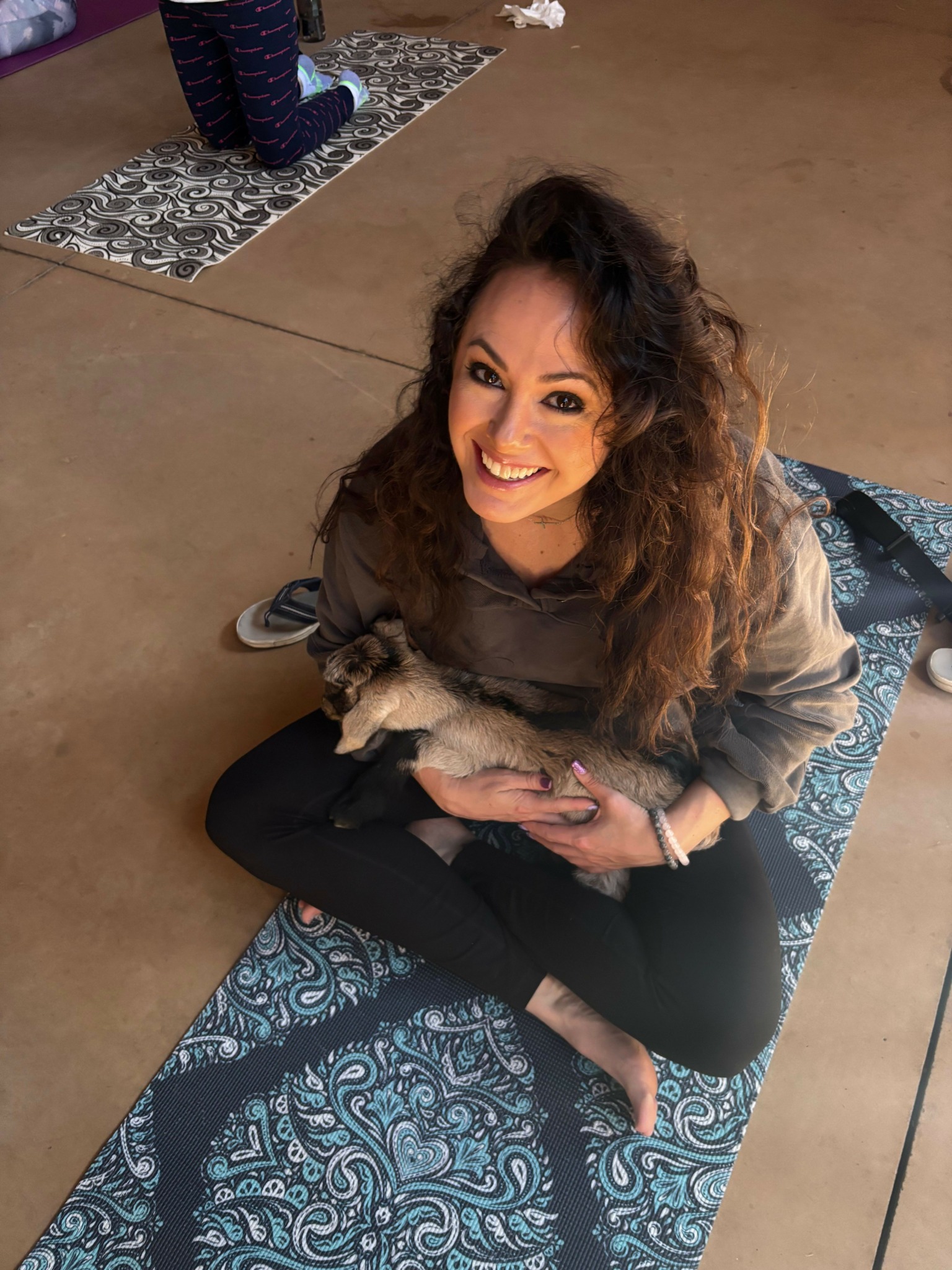
Awesome – so before we get into the rest of our questions, can you briefly introduce yourself to our readers.
A little bit about myself: I grew up in Sparks, Nevada, in a family deeply rooted in education and athletics. Both of my parents were educators and coaches. My father, Tony Melody, was a decathlete, and my mom, Terry Spino, was a UNLV cheerleader and soccer player. I’m Italian, and my mom’s parents made every holiday feel magical. My grandmother— Nanny (Helen Spino)—would bake nearly a dozen varieties of cookies, snacks, and breads each Thanksgiving and Christmas. She taught me how to cook, and I carry on those traditions with my mom to keep their memories alive.
From my grandparents, Helen and Al Spino, I learned what love truly looks like. They respected one another deeply and showed a level of consistent, unwavering affection that shaped my understanding of healthy relationships. They passed away within months of each other, and watching my grandmother’s battle with dementia, which progressed into Alzheimer’s, was one of the most painful experiences of my life. It opened my eyes to the neurological side of mental health and later shaped my work with families facing the same diagnoses.
I was also with my grandfather, Poppy (Al Spino), as he neared the end of his life in the hospital. I watched him begin to speak to loved ones who had already passed and saw a peacefulness wash over him as he transitioned to another journey—an experience that felt spiritual and transformative. He believed fiercely in women’s rights, even in the 1940s, and stressed the importance of education and financial independence. He was one of my greatest supporters and would always tell people I was a doctor. Whenever I corrected him, he would simply smile and say, “Well, you’re smart enough to be one, so you’re a doctor to me.”
I’m an only child with one surviving parent. Fitness plays a significant role in my life: I completed a bikini competition in 2024 after major back surgery, ran the Capital/Reno Tahoe Odyssey in 2025, and I’m now training for a triathlon in 2026. I believe in setting personal goals every year—big or small—to build a lifelong portfolio of accomplishments. Physical health and mental health are inseparable to me. I was a gymnast for many years and later coached gymnastics for six years until I left for graduate school. Coaching is something I deeply loved, and I plan to return to it by coaching high school track when my schedule allows.
Nature brings me peace, and living in Reno gives me access to some of the most beautiful places in the world, including Lake Tahoe. I’m a devoted animal lover, and my dog is my heart. I’m also a very spiritual person—although I never impose this in sessions. I simply offer a spiritual lens when clients request or resonate with that perspective. One of my long-term goals is to end my career as a hospice therapist while also serving as a death doula. I believe death is another journey—one we cannot see from this side—and I want to help people transition with dignity, honor their final wishes, and support families through their grief. For me, death is not an ending; it is a different beginning.
My path into mental health began after my father died by suicide and I learned more about his diagnoses of Bipolar I Disorder and Narcissistic Personality Disorder. I had to move my heart from anger and grief toward understanding and acceptance. I learned firsthand that the people who end their lives are often the ones you’d never expect. Throughout my life it has felt like I’ve been surrounded by more death than life, and grief has been one of my greatest teachers. It is a roller coaster—one you must allow yourself to ride, no matter how turbulent—because resisting the grief only prolongs it. Being emotionally tossed around can feel suffocating, but I’ve learned not to hold out for “better,” but rather for “different,” because change always comes and change is the most consistent thing in life.
I love being a therapist. Connecting with people and being invited into their life stories is a profound privilege. I am not the expert in their lives—they are. My role is to help them see new perspectives, discover their strengths, and move toward the goals they set for themselves. I’ve loved every client I’ve worked with and look forward to hearing about their progress and challenges. One of my most meaningful roles was working at a psychiatric hospital for seven years, assessing people in their darkest moments and watching them leave with hope. I’m drawn to the clinical side of mental health and specialize in chronic pain, medical PTSD, suicidality and self-harm, as well as trauma, depression, and anxiety disorders.
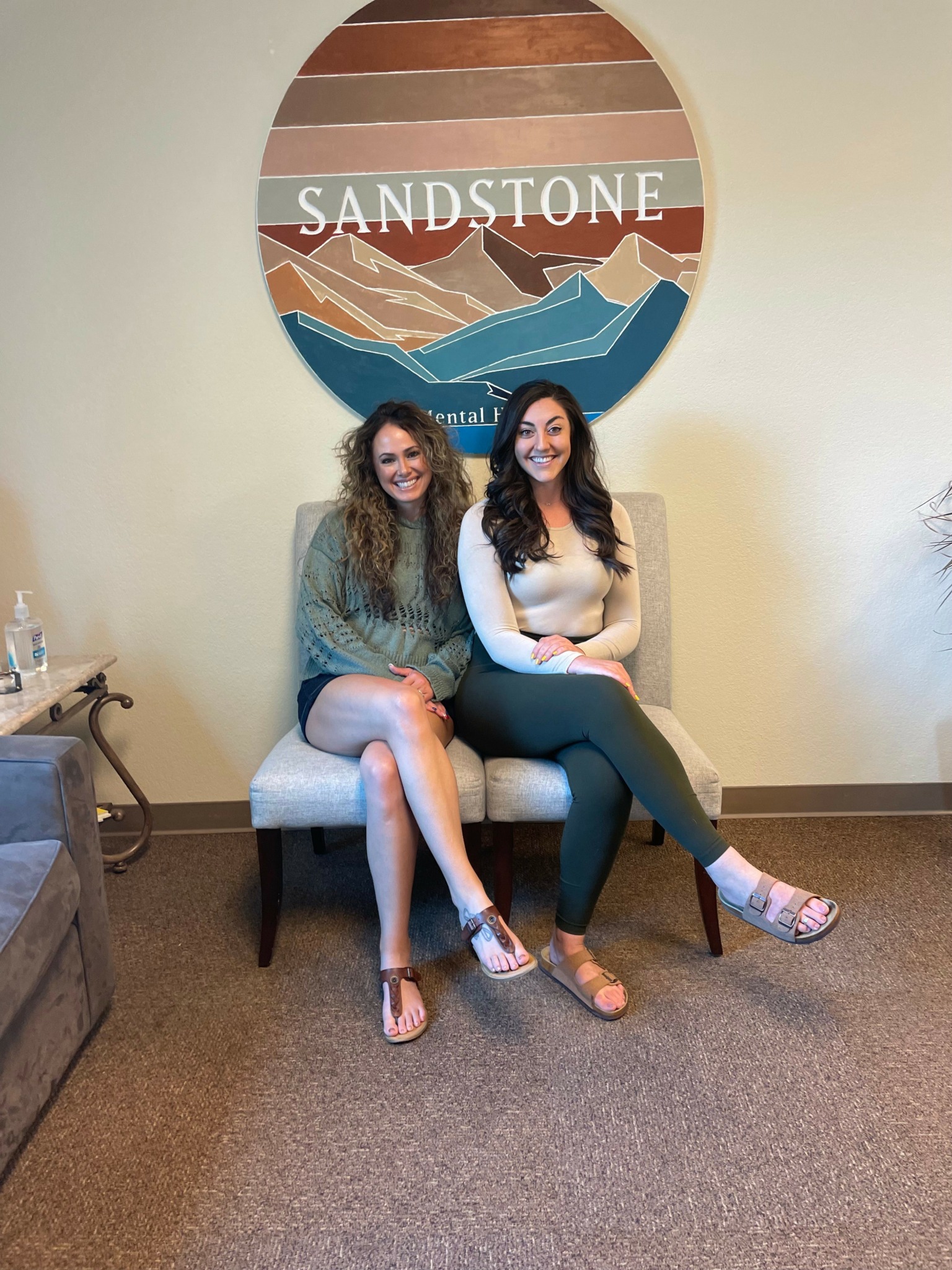
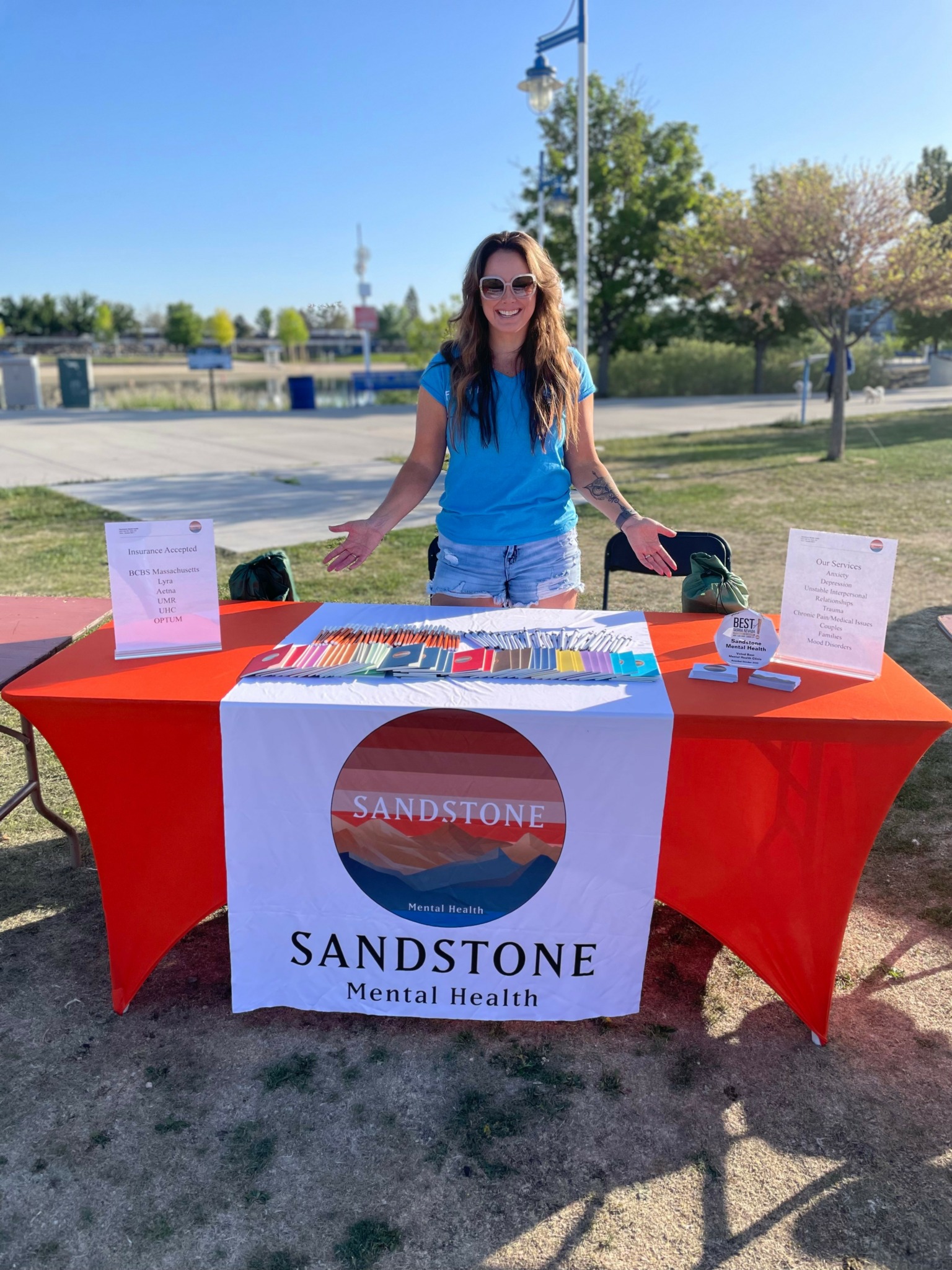
Today, I co-own Sandstone Mental Health with my colleague Madison Heydon. We met while working at Great Basin Behavioral Health. Although I valued my coworkers and supervisors there, I struggled with the clinic model—high overhead, pressure to maintain relentless numbers, and the burnout that comes with chasing revenue over patient care. I wanted something different. I wanted a private practice that offered true work–life balance, meaningful autonomy, and a human-centered approach.
At Sandstone, I am my own receptionist, biller, administrative assistant, marketing agent and therapist. I take a humanistic approach, offering flexibility while maintaining the boundaries needed to run a business effectively. This model has significantly reduced late cancellations and no-shows because it prioritizes genuine connection and respect. As we continue hiring, our mission is to provide our clinicians with autonomy, safety, privacy, excellent compensation, and a supportive environment. We don’t want to compete with therapists—we want to help build a better system for them and our community. A system grounded in collaboration, compassion, and fairness.
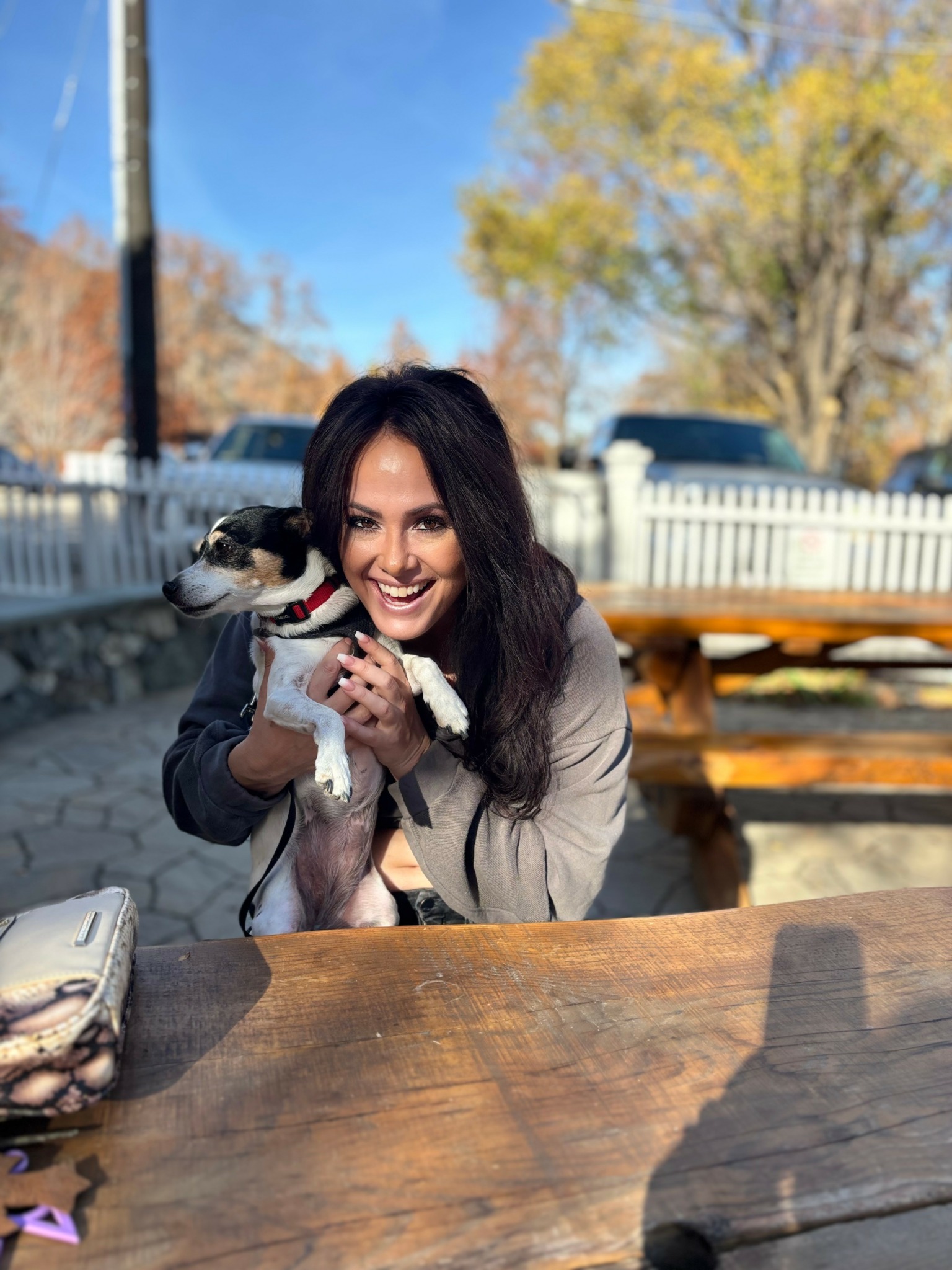
Can you share a story from your journey that illustrates your resilience?
In eighth grade, during a middle-school track meet, I set the long-jump record at Billinghurst Middle School—one that still stands today. But that same day, the moment my foot hit the sand in the long-jump pit, my tailbone snapped. I had broken my tailbone without even landing on it, a clear indication that something in my body was already not functioning as it should. Although it took a full year to recover, I returned to sports with determination: gymnastics, track, volleyball, basketball, soccer, swimming—everything I loved.
However, as the years went on, I began experiencing troubling symptoms. My feet would go numb or burn, and I felt pins, needles, and stabbing sensations whenever I stood, walked, or ran. Throughout high school, the nerve issues worsened even though I didn’t have significant back pain at the time.
At 23, while kickboxing, I landed from a jump kick and felt a sliding pop in my lumbar spine. The pain was immediate and severe—I struggled to walk or even drive. After reinjuring it a month later, I sought help from an orthopedic specialist. She performed only X-rays and told me everything looked “fine,” despite the fact that I couldn’t bend over to tie my shoes and described nerve pain radiating into my feet and toes. Despite my injury history, she dismissed my concerns, implying I was “too young” for back problems.
What followed was a frustrating and invalidating cycle of referrals. I was sent to a podiatrist, who ruled out foot-related causes and confirmed the issue stemmed from my back. The physician ignored this, ordered nerve testing, and again the results showed that the problem originated in my spine. Still, I was sent back and forth for three years—without relief, without answers, and without being taken seriously—while my pain became chronic and debilitating. medical gaslighting remains a problem in our medical system and I plan to write a book about it.
Eventually I was referred to an orthopedic specialist focused on spinal issues. One of his first questions was whether anyone had ordered an MRI; no one had. He immediately sent me for one, and when the results came back, he requested to see me right away. The MRI showed disc protrusions and herniations in my lumbar spine causing the nerve problems in the feet.
In the years that followed, I underwent 15 trigger-point and epidural injections, consistent physical therapy, massage therapy, and monthly chiropractic care. Despite all this, one morning I stepped out of bed, collapsed, and was overwhelmed by severe burning in my legs and excruciating back pain. I couldn’t walk, drive, or sleep, yet continued working as much as possible without relying on prescription pain medications.
A neurosurgeon reviewed a new MRI and explained that my lumbar discs had collapsed onto both nerve roots. I was unstable, and the damage was serious as I started to have the onset of drop foot and spinal stenosis. He recommended discectomies, foraminotomies , laminectomies, a fusion, and a cage. It was the most fear I had ever felt: either live with progressive disability and the possibility of ending up in a wheelchair, or take the risk of a 4½-hour surgery and hope to regain my life.
I chose the surgery.
Recovery took a full year. At 33, I was using a walker for months and required round-the-clock help. Two weeks post-operation, I returned to seeing my clients via telehealth. Supporting them helped me stay grounded, just as I aimed to support them through their own challenges.
When I was finally cleared to return to the gym, it was terrifying. My body felt foreign—weak, painful, and unsteady. But I remained committed. I continued physical therapy once or twice weekly, along with medical massages, cupping, and scraping to break down scar tissue and regain muscle function. I knew that rebuilding strength was essential, as muscle atrophy would only set me back.
To give myself a concrete goal—and to confront the medical trauma that lingered—I signed up for a bikini competition. Training was physically demanding and required immense mental fortitude. But I kept going.
On August 10, 2024, at the IFBB/NPC Tahoe Show, I placed:
1st in Novice
2nd in Bikini Masters 35+
5th in True Novice
6th Overall
While I continue to navigate autoimmune issues and have battled Interstitial Cystitis—now miraculously in full remission—these challenges have shaped a resilience and mental strength that I carry with me every day. My personal journey has not only transformed me physically and emotionally, but has deeply enhanced my empathy, presence, and insight in my professional work as well.
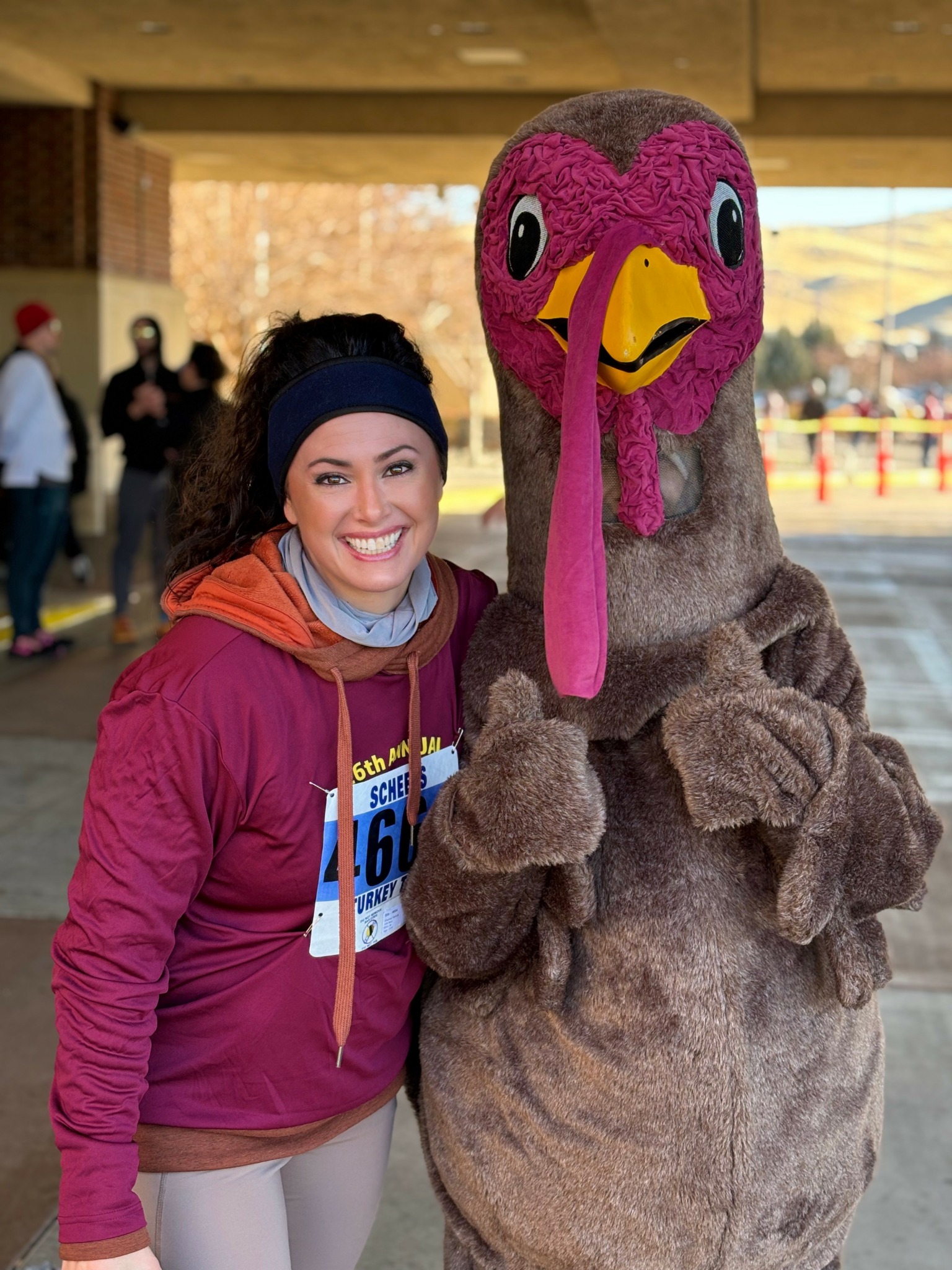
Any stories or insights that might help us understand how you’ve built such a strong reputation?
I am unapologetically myself. While I maintain professionalism with my clients, I don’t pretend to be someone I’m not. I bring humor, sarcasm, and a bit of sass into my sessions—not as a gimmick, but because that is genuinely who I am. It allows people to be themselves and follow suit. I tell clients from the start that therapy with me is a conversation. We problem-solve together, explore techniques that might be useful, build skills to keep in their toolbox and navigate their experiences with equal parts empathy and honesty. I don’t sugarcoat things, but I also don’t judge. I tell it like it is, and I do it with compassion.
I am not a therapist who changes who I am when I walk into a session. I am a therapist because of who I am—because of what I have lived through, what I have fought through, and how deeply I understand struggle, resilience, and growth. Nothing surprises me in session, nothing scares me away, and nothing is too heavy to share. Clients are met with understanding, respect, and an approach rooted in genuine human connection.
Many people come to me because someone they know recommended me or they read my bio on sandstonementalhealth.net or find me on Psychology Today. When I explain how I conduct therapy—open, real, collaborative—I almost always hear, “That is exactly what I’m looking for.” Some clients stay with me for years as their goals evolve and life shifts. Others work with me short-term to focus on one challenge, overcome it, and move forward. Every client leaves an imprint on me in one way or another.
I believe therapy is not a one-way street. It is a shared learning experience. It is humans in a room—growing, understanding, and healing together. And that connection, that mutual experience, is one of the most meaningful parts of this work.
Contact Info:
- Website: https://www.sandstonementalhealth.net
- Instagram: sandstone.mental.health
- Other: Psychology Today-Shanley Melody