

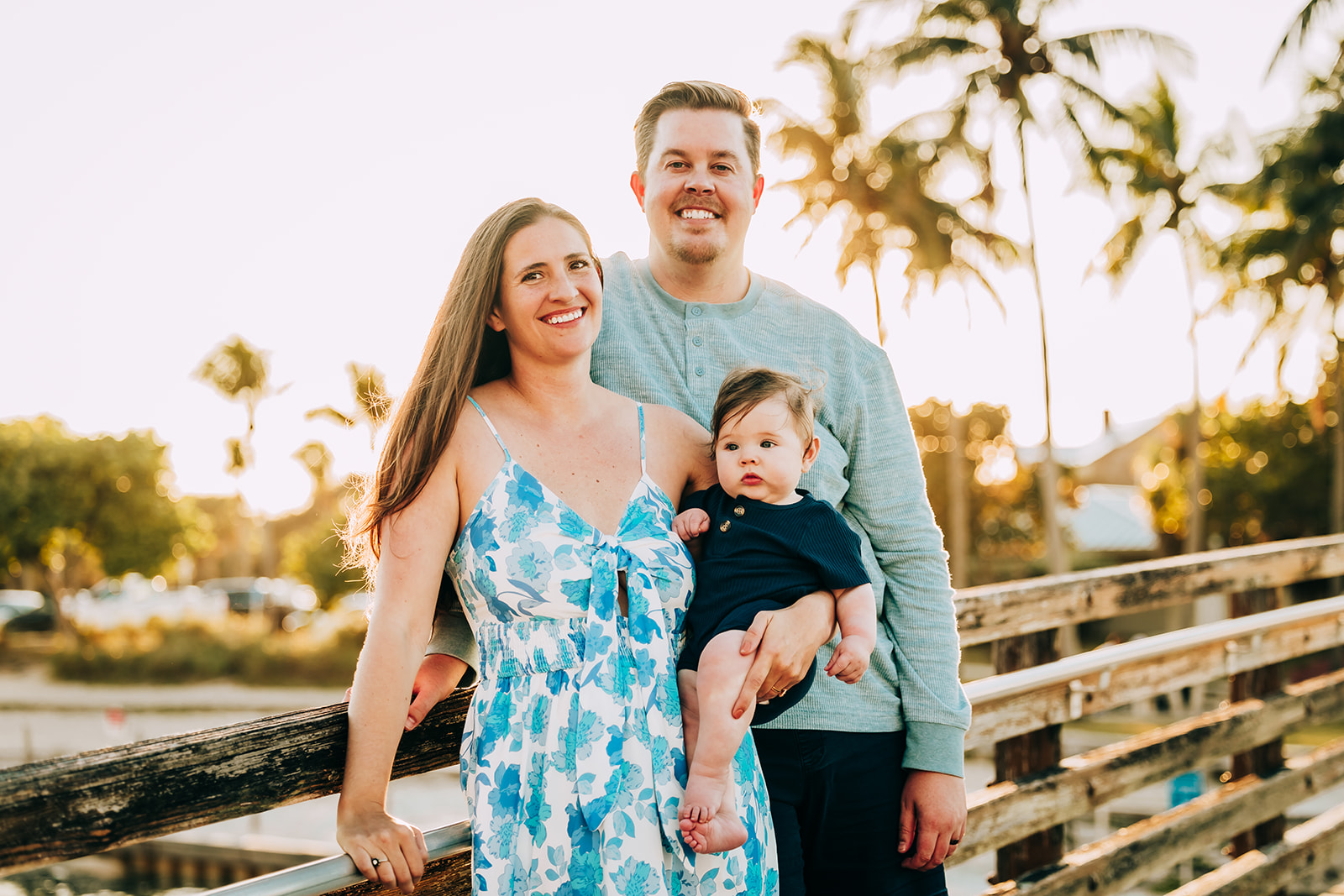

We were lucky to catch up with Shane Capps recently and have shared our conversation below.
Alright, Shane thanks for taking the time to share your stories and insights with us today. Can you open up about a risk you’ve taken – what it was like taking that risk, why you took the risk and how it turned out?
My wife likes to say I’d jump off a cliff if I thought there was a good story waiting at the bottom. She’s the steady one—measured, thoughtful, risk-averse. I’m the one who believes that growth lives on the other side of uncertainty. And thankfully, she keeps me from doing anything too reckless.
But one risk I took—one that shaped the very core of who I am—wasn’t about adrenaline or adventure. It was about choosing purpose over predictability.
I graduated from UNC Chapel Hill during a time when the world felt shaky. The economy was still reeling from the financial crisis, and the advice was clear: take any job you can get. Stability was the goal. But something in me resisted that narrative. I’d grown up in a family where service wasn’t just a job—it was a calling. My mom taught in public schools, my dad ran into burning buildings as a firefighter, my sister cared for patients as a nurse. Service was in our bones.
At UNC, I wandered through majors like someone trying on shoes that didn’t quite fit—until I stumbled into Public Health. It was a small program, just 36 of us, and it felt like home. I saw how systems could be changed, how lives could be improved, and I knew I wanted to be part of that.
After graduation, I had job offers—some with impressive salaries and clear career ladders. But I couldn’t shake the memory of a summer I spent in a small Ugandan village, working at a community health clinic. That experience had planted a seed, and it was quietly growing into something bold: the Peace Corps.
So I turned down the safer path and said yes to the unknown.
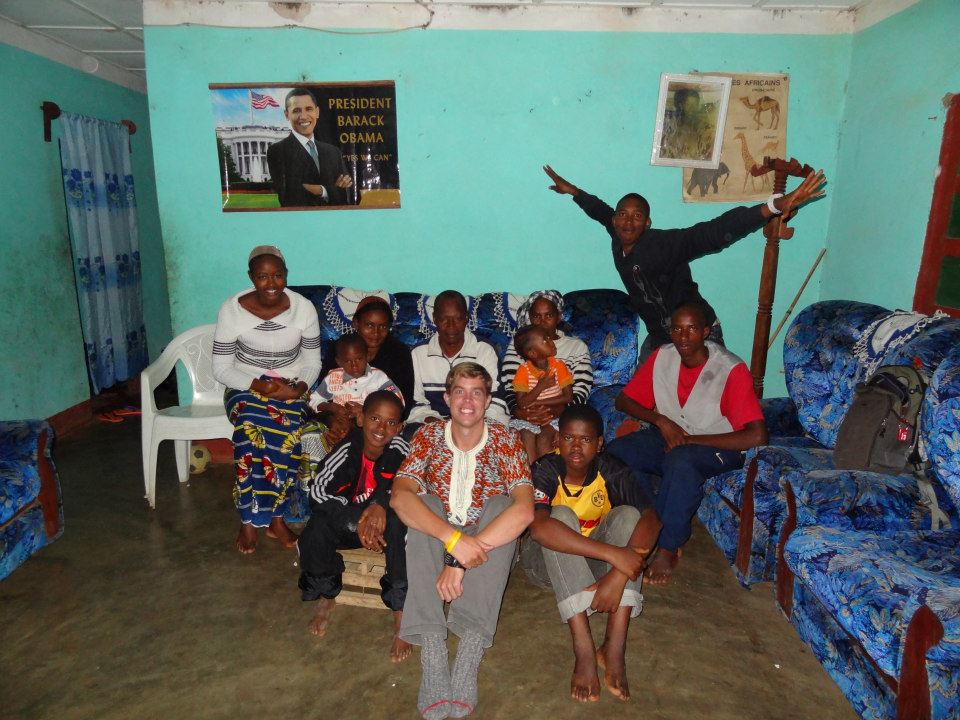
I landed in Guinea, West Africa, in a remote mountain village called Timbi Tounni. I was 22, didn’t speak French, and had just nine weeks to learn enough to survive on my own in a place with no electricity, no running water, and no one who spoke English. I was officially a public health educator, but unofficially, I was a cultural bridge, a friend, a learner.
It was hard. I battled malaria, loneliness, and the surreal experience of being a 6-foot-5 white man in a village where I stood out in every possible way. But it was also beautiful. I learned how resilient I could be. I learned how deeply people can connect across language and culture. I learned that service isn’t just about what you give—it’s about what you receive.
That risk—leaving behind a predictable career path to live in a village halfway across the world—changed everything. It shaped how I lead, how I parent, how I love. It taught me that the most meaningful growth often comes from the most uncertain choices.
So yes, I’m still the risk-taker in our marriage. But now, when I talk about risk, I think less about cliffs and more about courage. About listening to that quiet voice inside that says, this might be hard, but it will be worth it.
Great, appreciate you sharing that with us. Before we ask you to share more of your insights, can you take a moment to introduce yourself and how you got to where you are today to our readers.
If you’d told me years ago that I’d end up working in philanthropy—raising money to support youth in crisis—I probably would’ve laughed. Not because I didn’t believe in the cause, but because my path here has been anything but linear.
I’ve always been a curious soul. School came naturally to me, and I genuinely enjoyed learning. But it wasn’t until I joined the Peace Corps that I began to understand how learning could be a tool for transformation—not just for me, but for others.
I was placed in a remote village in Guinea, West Africa, where I started a health club at the local school and taught English to students who were eager to learn. I’d always joked that teaching was the one career I’d never pursue—especially not middle school. But life has a way of humbling you. And sometimes, the very thing you resist becomes the thing that changes you.
When I returned home, I didn’t follow the typical path of a Returned Peace Corps Volunteer. I didn’t take a job with the federal government or an international NGO. Instead, I became a permanent substitute teacher. That temporary role turned into a 13-year career in public education, including time in school leadership and fundraising. I never stayed in one role too long—I was always chasing growth, always looking for the next challenge.
Eventually, the signs pointed toward change. I was a new father, a tired educator, and someone still deeply committed to service. I began searching for a nonprofit that aligned with my values and gave me the chance to use my skills in a new way. That’s when I found The Relatives, a Charlotte-based nonprofit serving youth in crisis.
Today, I’m part of a small but mighty team of five. We’re responsible for engaging donors and volunteers with our mission. My role is to tell the stories of the young people we serve and connect our work with generous philanthropists who want to make a difference.
What sets me apart isn’t just my experience—it’s my heart. I’ve sat with youth who’ve faced unimaginable challenges. I’ve listened to their stories, honored their resilience, and carried their voices into rooms where decisions are made and dollars are raised. I’m proud to be the bridge between their lived experiences and the resources that help them thrive.
Every day, I wake up knowing that my work is part of something bigger—a mission to end youth homelessness, empower young adults, and ensure that every young person in crisis has a path forward. That’s what drives me. That’s what I want people to know about me and my work.
I’m not just raising money. I’m raising hope
We’d love to hear about how you keep in touch with clients.
In the nonprofit world, our “clients” aren’t buying a product or service—they’re investing in hope. At The Relatives, our donors are partners in a mission to end youth homelessness and support young people in crisis. And just like any meaningful partnership, it’s built on trust, transparency, and connection.
We don’t take their generosity for granted. Every gift, whether it’s financial or time volunteered, is a statement of belief in our work—and we treat it as such.
We stay in touch with our donors the way you’d stay in touch with a friend whose support means the world to you. We call them after every gift, not just to say thank you, but to share what their gift is helping make possible. We send out monthly newsletters that go beyond updates—they tell stories. Stories of resilience, of transformation, of young people who are finding their footing because someone cared enough to give.
We also invite our donors into our world. We host lunches, tours, and intimate gatherings where they can meet our staff and, when appropriate, hear directly from the youth we serve. These moments are powerful. They remind everyone that this isn’t just a cause—it’s a community.
Behind the scenes, we work closely with our program staff to ensure our outreach is authentic and informed. We want our donors to hear not just from the fundraising team, but from the people doing the work on the ground. That collaboration helps us share real needs, real progress, and real impact.
What sets us apart is that we don’t just ask for support—we build relationships. We make sure our donors know they’re part of the solution. And we show them, time and time again, how their generosity is changing lives.
At the end of the day, fostering loyalty isn’t about retention metrics or clever campaigns. It’s about making people feel seen, valued, and connected to something bigger than themselves. That’s what we strive for every day.
Have any books or other resources had a big impact on you?
I still remember the first time I was handed Switch by the Heath Brothers. I was working at the NC State Health Plan, part of a team tasked with tackling one of the most complex challenges in healthcare: behavior change. We were trying to help employees make healthier choices—not through mandates, but through motivation. My boss at the time introduced the book as part of our strategic initiative, and it was like a lightbulb went off.
The Heath Brothers have a gift. They take complicated human behaviors and distill them into clear, actionable insights. Switch taught me that change isn’t just possible—it’s predictable, if you understand the forces at play. That book didn’t just help us with our project; it reshaped how I think about leadership, communication, and influence.
Since then, their work has become a kind of compass for me. When I transitioned into education, I shared The Power of Moments with fellow school leaders. It helped us rethink how we celebrated students—not just at graduation or awards ceremonies, but in everyday moments that could be made meaningful. It reminded us that people remember how you make them feel, and that creating intentional, emotional peaks can transform a school culture.
Now, in my role at The Relatives, I lean heavily on Made to Stick. In fundraising, storytelling is everything. You’re not just asking for money—you’re inviting someone into a mission. Made to Stick helps me craft messages that resonate, that linger, that move people to act. It’s become a dog-eared, highlighted, always-within-reach kind of book.
What I love most about the Heath Brothers’ work is that it’s not just theory—it’s practical. Their books become resource guides, tools you return to again and again. They’ve shaped how I lead teams, how I communicate with donors, and how I think about impact.
If I’m handing one book to someone stepping into nonprofit work or fundraising, it’s one of theirs. Because whether you’re trying to change minds, build loyalty, or inspire generosity, their insights help you do it with clarity, empathy, and purpose.
Contact Info:
- Linkedin: https://www.linkedin.com/in/skcapps/
- Other: shcapps@therelatives.org
skcapps@gmail.com
Image Credits
Kim Beebe