



We caught up with the brilliant and insightful Seulah Noh a few weeks ago and have shared our conversation below.
Seulah, appreciate you joining us today. We’d love to hear about when you first realized that you wanted to pursue a creative path professionally.
The moment I realized my future lay in music was in middle school. Growing up in a church, I played with professional musicians who were much older than me. Being the youngest in the band, I eagerly absorbed everything around me. One Christmas, we were preparing a musical theater show, and watching the music director/band leader rehearse everyone and conduct the live show changed my life. He exemplified musicianship, leadership, and creativity. Witnessing how all these talented individuals collaborated to create a big show was mesmerizing. That’s when I knew: I want to do THAT when I grow up. It didn’t necessarily mean that I wanted to do just the musical theater, but in a broader sense, I think I wanted to lead my own band and work with lots of talented musicians to create something exciting and big.
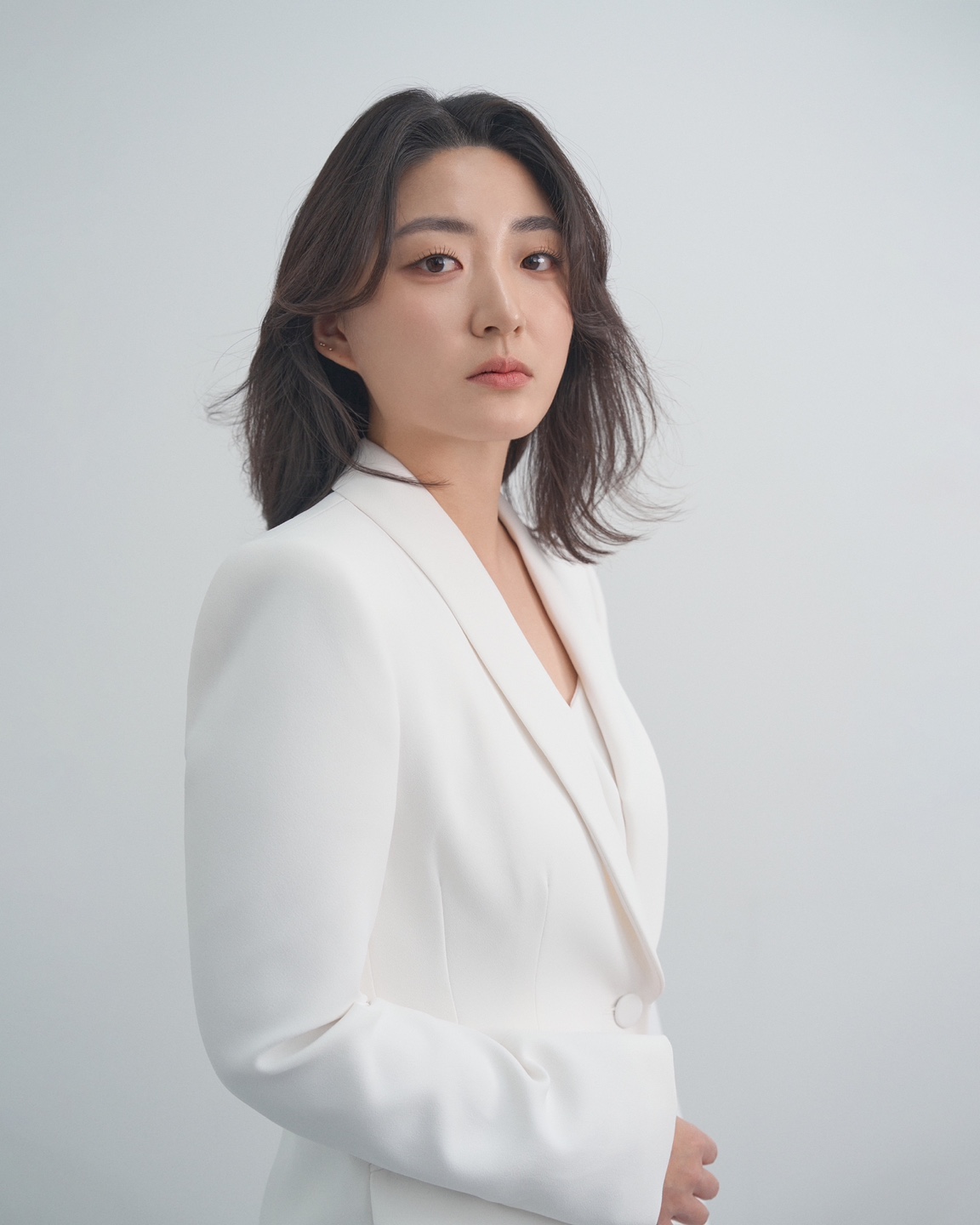
Seulah, love having you share your insights with us. Before we ask you more questions, maybe you can take a moment to introduce yourself to our readers who might have missed our earlier conversations?
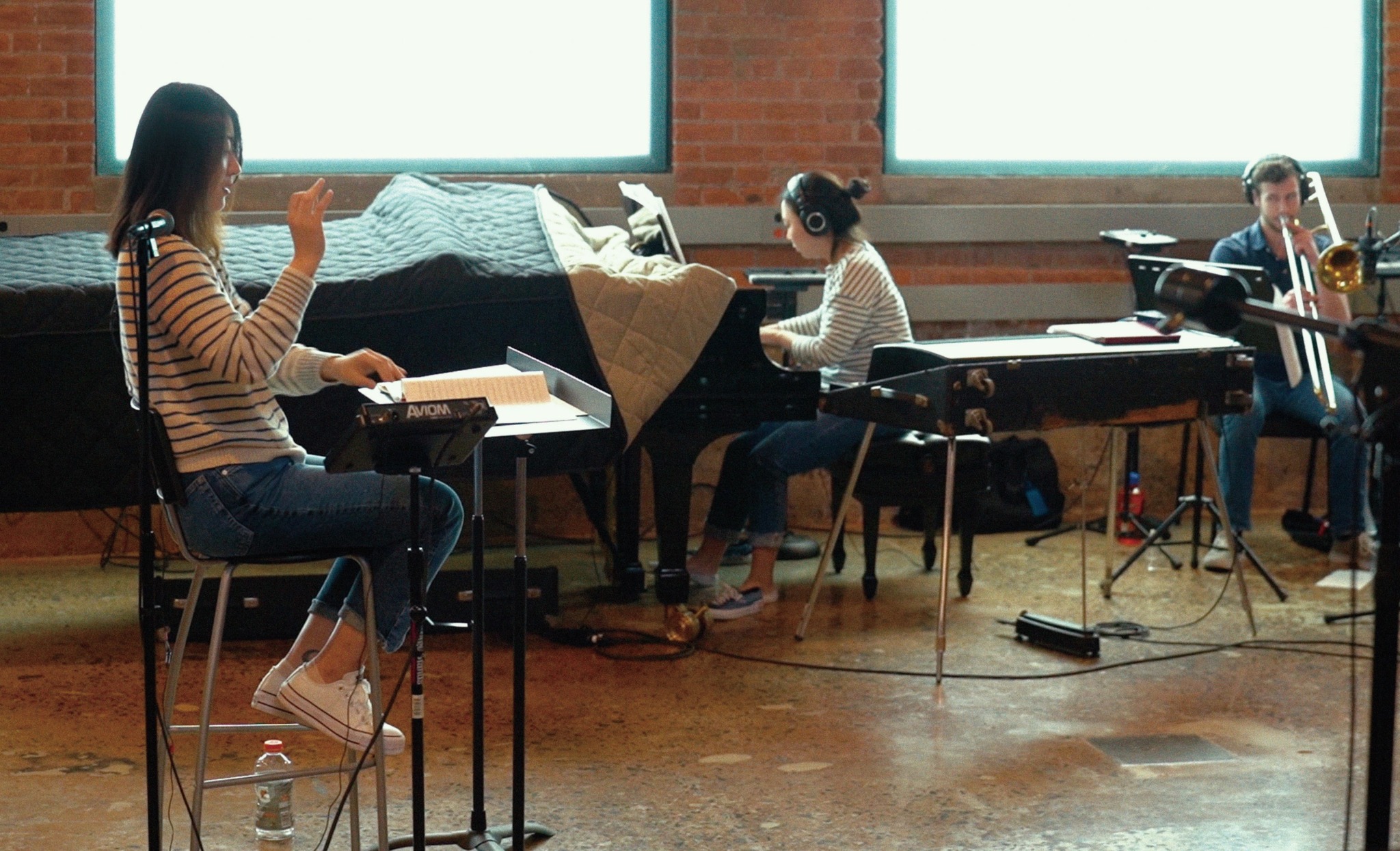
After various experiences in different music industries, I’m now a full-time composer, arranger, and pianist. Leading my own jazz big band, “SeuIah Noh Jazz Orchestra,” is my primary career focus. I conduct, direct shows, and take commissions for composing and arranging music.
I love wearing these different hats, but the essence of all these roles is this: being a leader of your own creativity. Whatever you create—whether for yourself or clients—it’s ultimately your material and represents you. Balancing these tasks can be challenging, often requiring stepping out of your comfort zone and trying new things.
For example, I’ve been commissioned to create soundtracks for an immersive art exhibition at a gallery. This project involves using DAW and MIDI technologies, which isn’t my strong suit. Most of my compositions involve live musicians, where I only need a pencil and manuscript paper. While both tasks are “compositional” work, the processes differ drastically. One requires all the right gear, while the other needs just a piano and pencil.
In theater, as a music director, I now see many productions incorporating technology too. They use metronomes to keep tempo steady, pre-recorded tracks for layering, and prefer musicians who can play multiple instruments to save on costs. Being able to do just one thing is no longer enough, a truth that extends beyond the music industry.
These experiences have significantly contributed to my growth, keeping me open to learning new skills even after beginning my professional music career. From a pianist who could only read fully written scores, I’ve become a jazz pianist who can improvise, a composer and arranger for larger ensembles, and a music director collaborating with various directors using diverse technologies to create art for wider audiences. Many of these skills were honed through real-world experiences rather than formal education. Looking back, I embraced as many opportunities as possible, knowing each one offered something to learn. After all I learned the most valuable lesson: All these experiences doesn’t come free—you have to work for it.
How about pivoting – can you share the story of a time you’ve had to pivot?
My career path has been quite interesting with several pivotal moments. Growing up, I was classically trained and earned my first Bachelor’s degree in classical piano performance from a university in Korea. However, since I was 10, I played various styles of music in church, especially gospel, pop, and jazz. While I enjoyed classical music, playing with the church band every weekend and improvising from chord symbols was exhilarating. The freedom to ignore the paper and play what I liked was unmatched.
Although I could have switched to jazz then, I knew that being classically trained first would be wise. So, I remained patient, completed music high school, and pursued a degree in classical music in college.
The real transition began right after my first year in college. Though I made it to my desired university, reality hit differently. I realized that being a classical pianist wouldn’t fulfill me for life, and my love for other music styles and dream of being a music director persisted. Moving to Seoul for college, I quickly found a church to continue playing gospel music. Eager for change, I sought opportunities in different musical careers. I met an amazing female music director who took me under her wing as her assistant, immersing me in the musical theater world just after my freshman year.
By my senior year, I debuted as an assistant music director, working on my first professional musical, “AIDA”. Juggling college and a job was tough, but I promised myself I would finish my classical degree. Balancing rehearsals with class and managing the impact of different styles on my classical technique was challenging. However, I don’t believe any time was wasted. Those years taught me invaluable lessons about time management, self-care during busy periods, and the significance of committing deeply and working passionately towards a goal.
After five years in the Korean musical theater industry, I concluded I needed more in-depth music education. Classical training and church band experience weren’t enough to excel as a music director. So, I quit my job and decided to go to the United States before it was too late. At 25, I started over in an undergraduate jazz program at Berklee College of Music. I spent three years at Berklee studying Jazz piano performance and Jazz Composition, falling in love with it. I then pursued a master’s degree in Jazz Composition at the New England Conservatory. Although I was away from musical theater and classical music, I discovered a new passion. My musical journey had come full circle, allowing me to incorporate all the styles I had learned into my music. Now, I write, arrange, play the piano, and direct bands, bringing my diverse musical experiences together.
For you, what’s the most rewarding aspect of being a creative?
For me, it’s all about sharing what you create. Even when working on an art project alone, you still need people. They could be peers offering support and constructive feedback, loved ones who inspire you, clients who know exactly what they need from you, or ultimately, an audience who appreciates your work.
When my debut album “NOhMAD” was released on July 7th, 2023, the first group I shared the tracks with were my bandmates. They made it possible by dedicating thousands of hours to rehearsing, performing, and recording in the studio. Without their belief in me and my vision, the project would have never come to fruition.
Next, I shared it with all the supporters from our Kickstarter campaign. The Seulah Noh Jazz Orchestra comprises 22 musicians and 4 guest artists. This big project required significant funding, so we launched a crowdfunding campaign, sharing our goal and story. We raised $15,000 in a month, which I believe was due to the compelling story and vision we shared. Handwriting thank-you notes and packaging hard copies of the album to ship to supporters was incredibly rewarding and fulfilling.
Then there’s the live audience. Nothing compares to the excitement and magic of a good live performance, where you can see, hear, and feel everything. Sharing my music live is the best part of being on stage. Regardless of one’s talent level, sharing a gift to make others happy and inspired is a blessing. This drives me to work harder, so I can continue to share my craft.
Contact Info:
- Website: https://childish-prince-524.notion.site/SEULAH-NOH-a76c35239100450db8d24baf45b79703
- Instagram: https://www.instagram.com/seulah.noh/
- Facebook: https://www.facebook.com/seulah.noh.3
- Youtube: https://www.youtube.com/@thesnjo_official
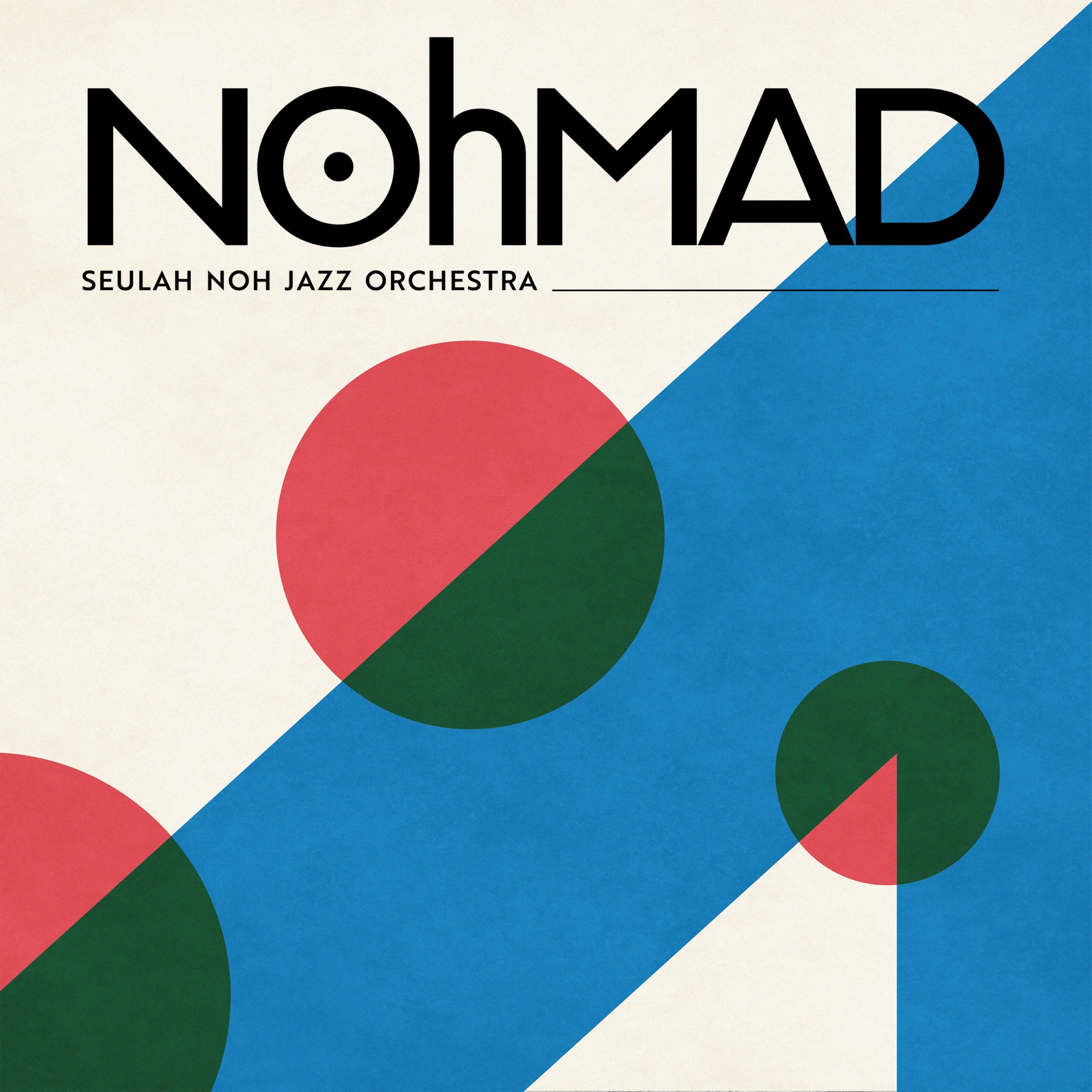
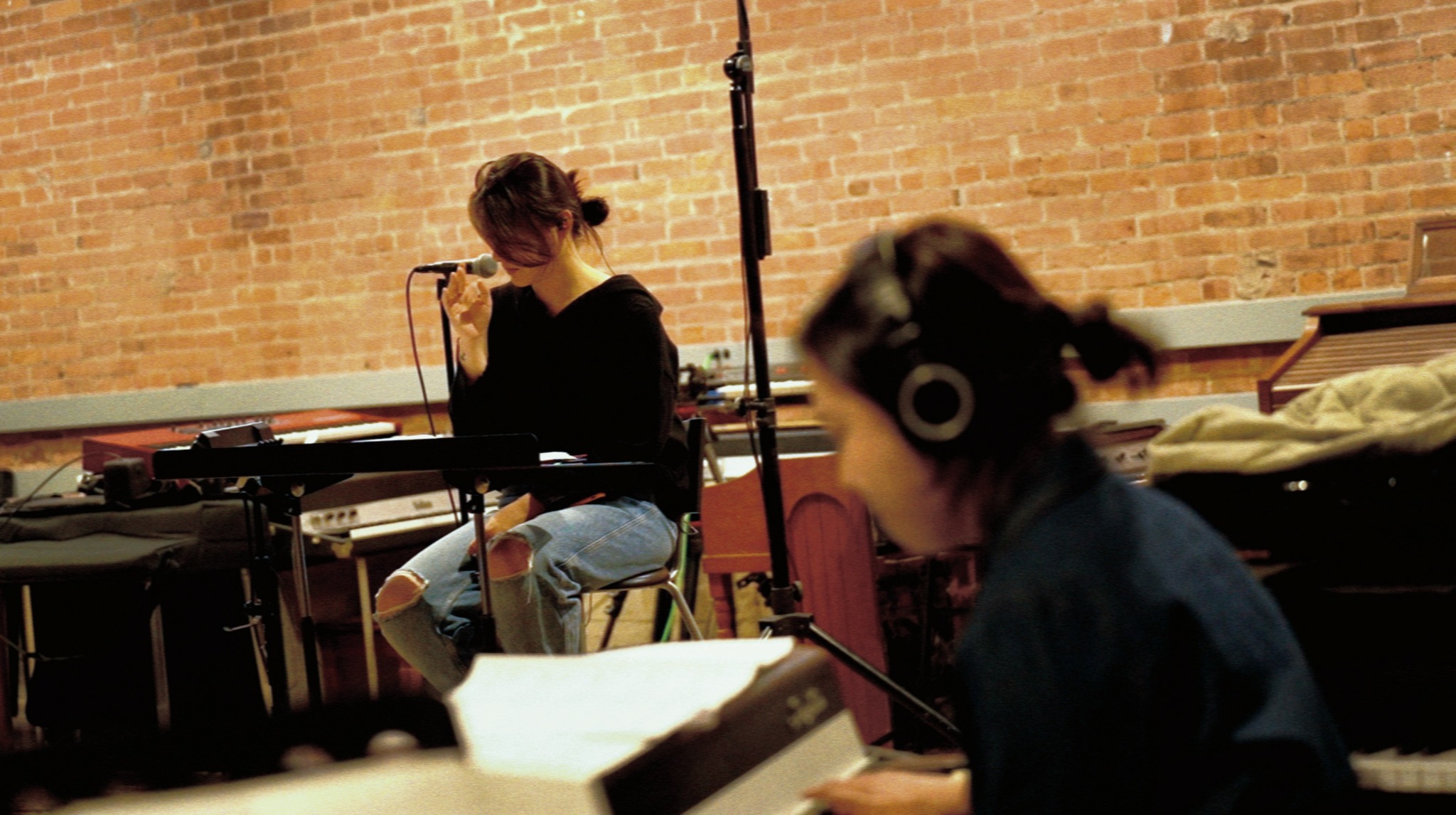
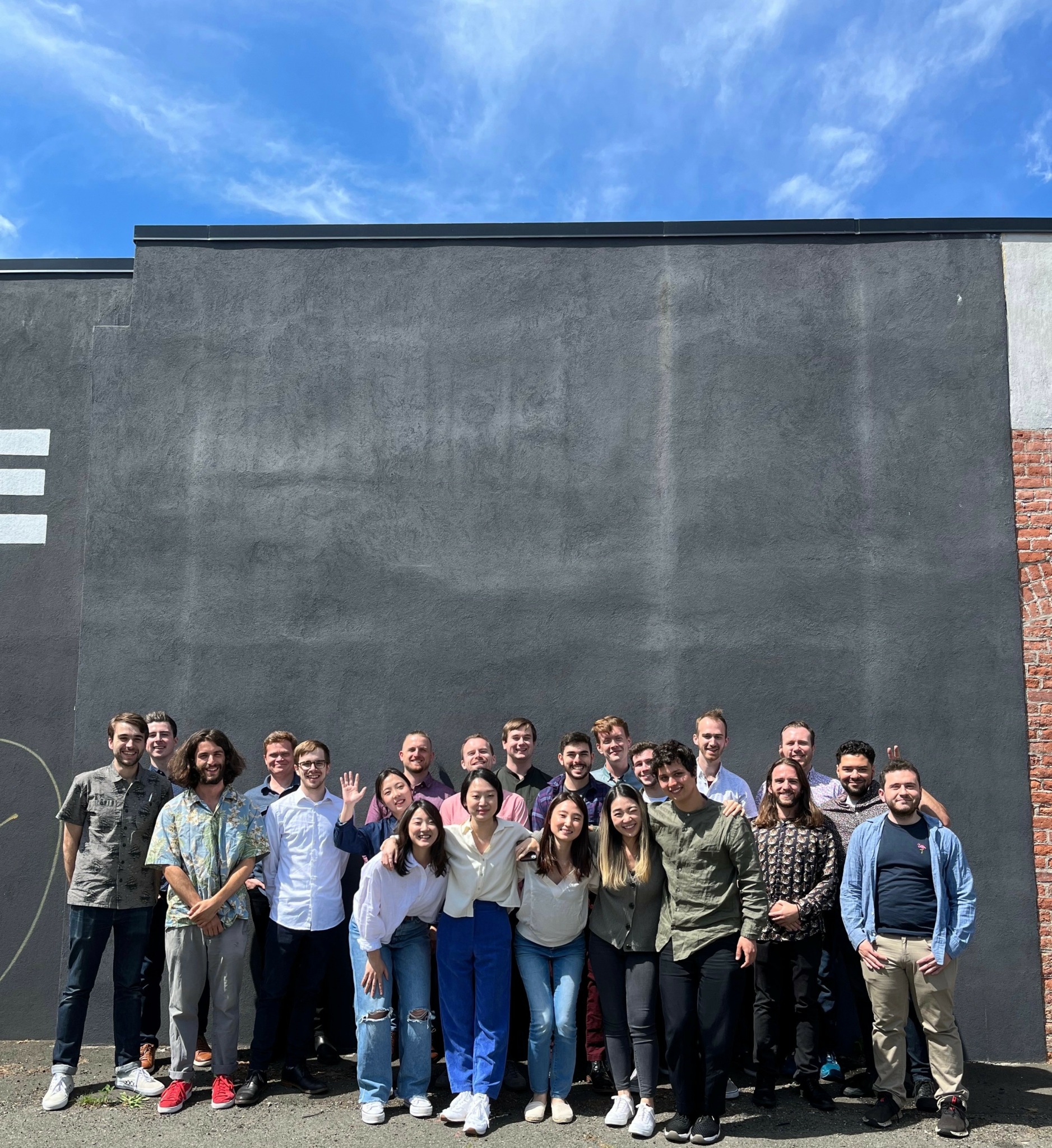
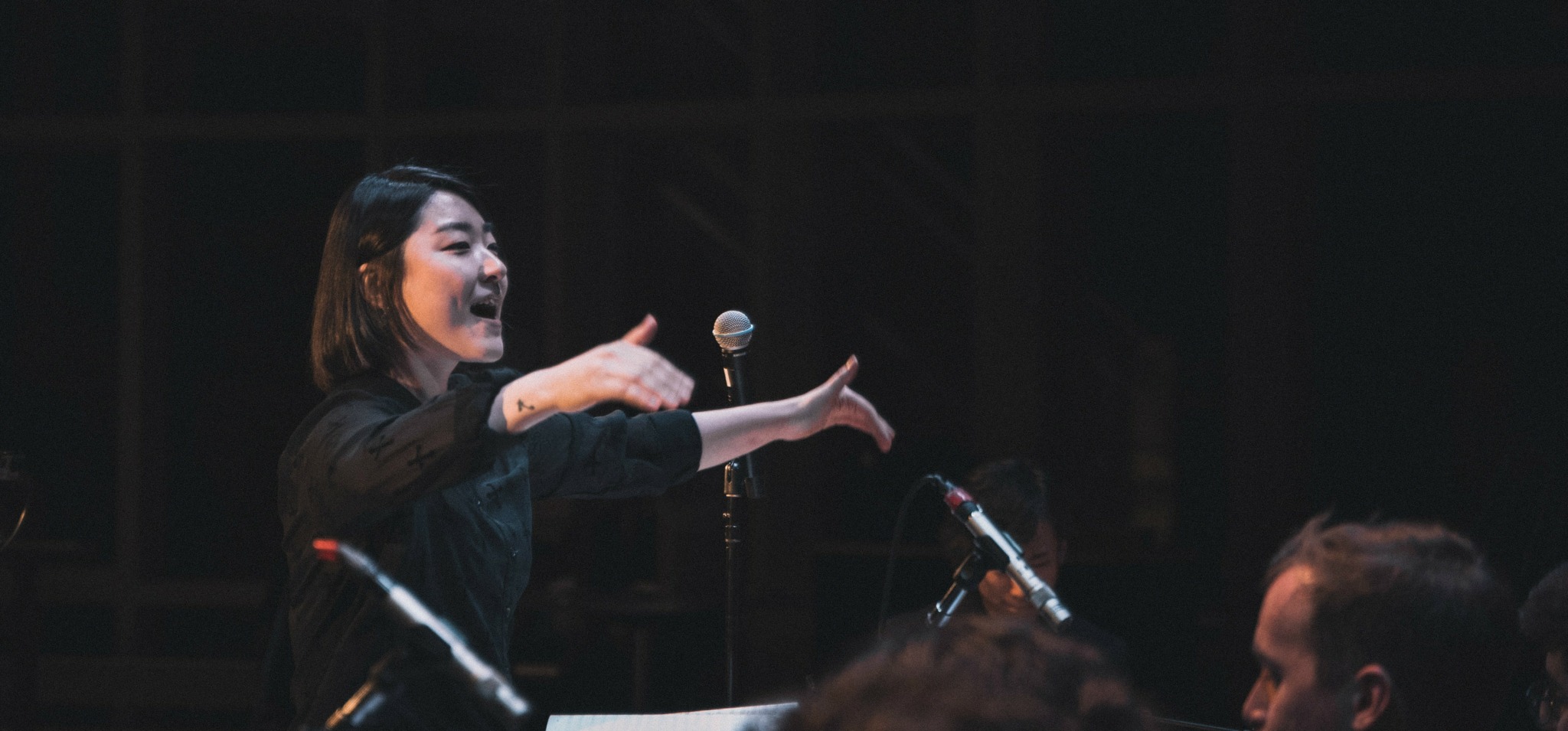
Image Credits
Jing Hwang, Studio Kitchsm, Alex Mitchell