

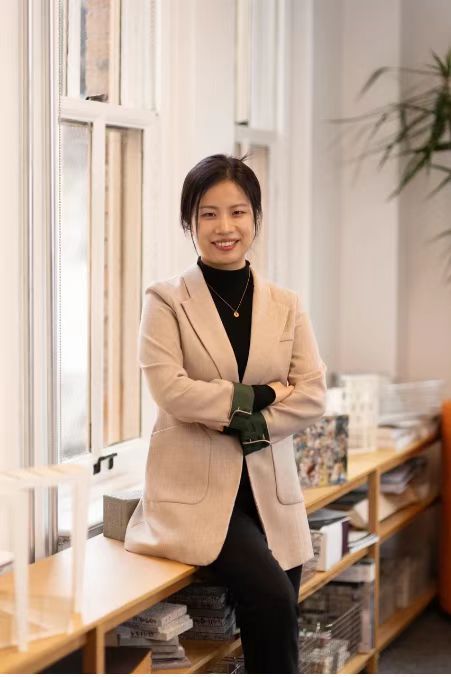

We caught up with the brilliant and insightful Senmiao Guo a few weeks ago and have shared our conversation below.
Senmiao, thanks for joining us, excited to have you contributing your stories and insights. When did you first know you wanted to pursue a creative/artistic path professionally?
I think I’ve always gravitated toward things that didn’t have one “correct” answer. Ever since I was a kid, I loved activities like drawing, writing, or playing the piano—anything that let me be creative and think freely. I wasn’t the kind of kid who enjoyed memorizing facts or solving math problems with only one solution. I preferred making something my own.
That’s probably why, when it came time to choose a major in university, I didn’t hesitate about going into design. It just made sense—it felt like a natural extension of the things I’ve always enjoyed and been good at. There wasn’t a single defining moment, but more of a steady realization that this was the kind of work that made me feel the most engaged and fulfilled.
Great, appreciate you sharing that with us. Before we ask you to share more of your insights, can you take a moment to introduce yourself and how you got to where you are today to our readers.
I’m Senmiao Guo, an urban designer with a passion for shaping inclusive, sustainable, and culturally meaningful environment. I started my journey in urban design because I’ve always been fascinated by how cities shape people’s lives—and how thoughtful design can make everyday spaces more meaningful, inclusive, and sustainable. I studied Urban and Rural Planning in China and later completed my Master of Urban Design at the University of Michigan, which starts to make me think more about how urban design can contribute to social problems like climate change, water infficiency, equiity etc.
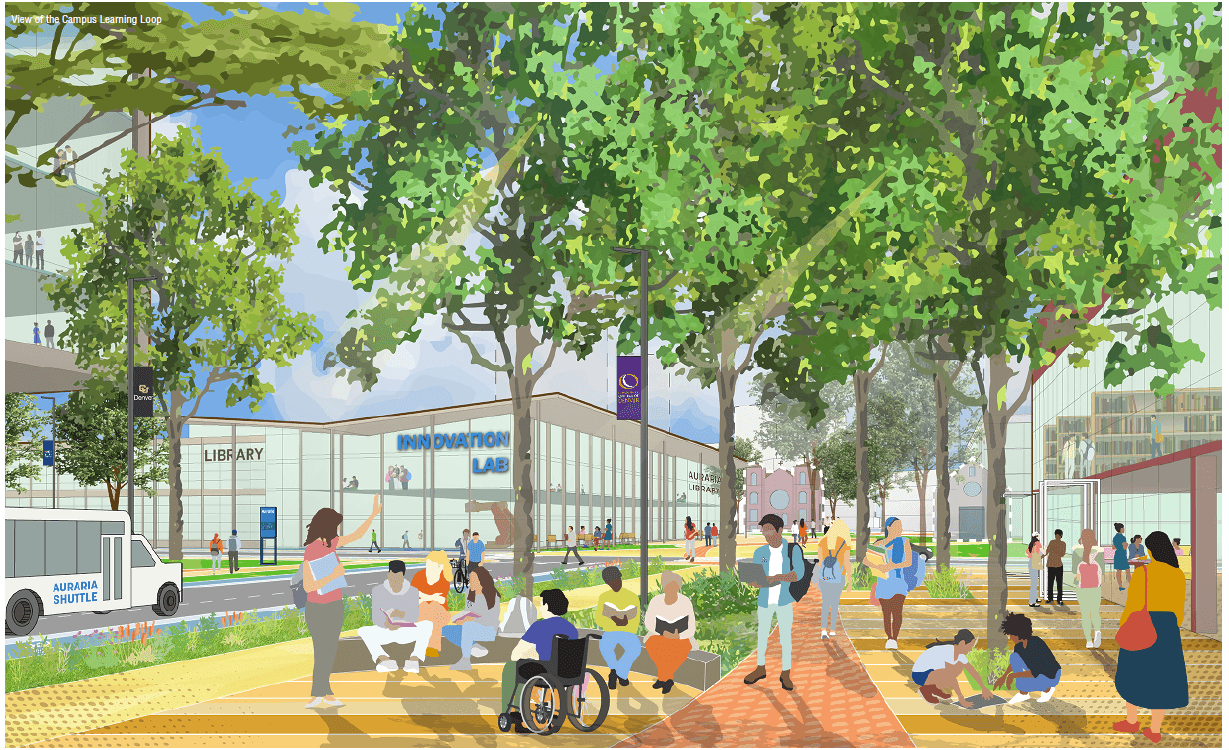
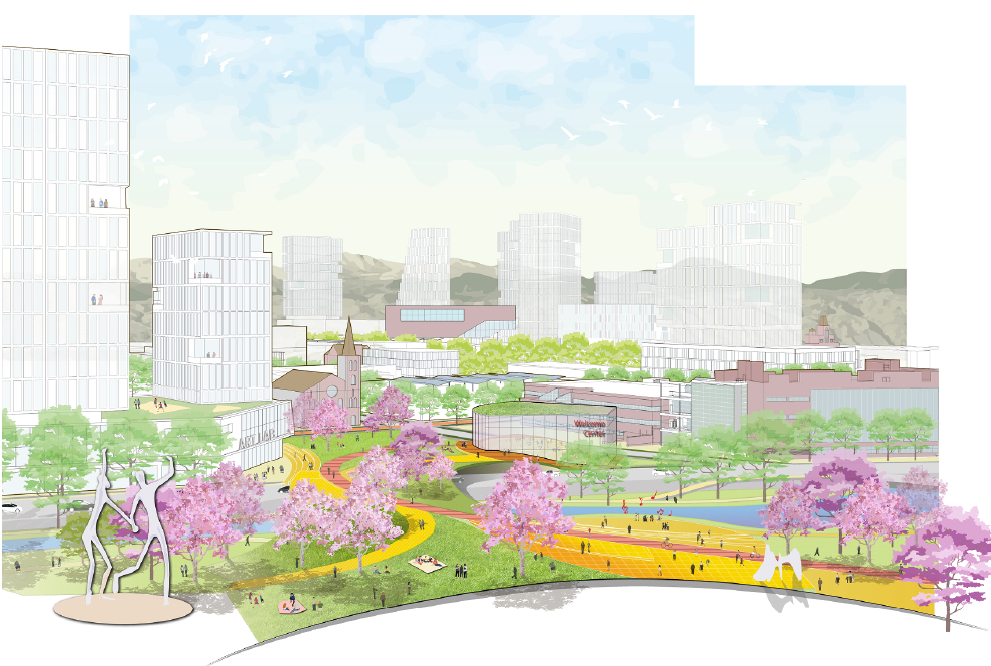
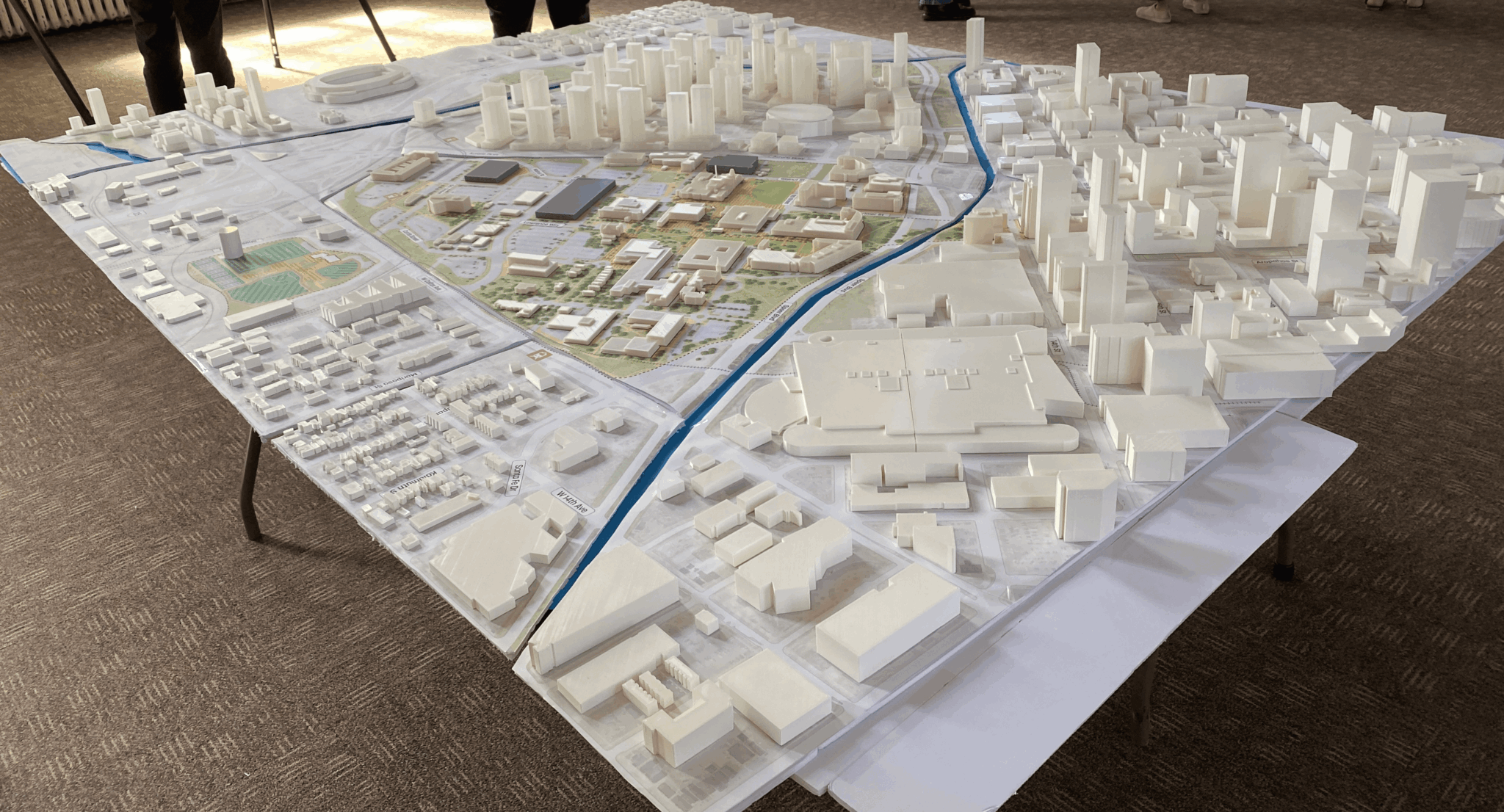
Now I work at Sasaki, where I collaborate with architects, landscape architects, and planners on projects like campus master plans, downtown revitalization, and waterfront development. Some of the recent projects I’ve been proud to contribute to include the Auraria Higher Education Center Framework Plan, which received recognition from SCUP, the Rice University Framework Plan focusing on long-term sustainability and equity, and the Ohio River Vision and Strategic Plan, which earned an ASLA Colorado Honor Award. These projects reflect my commitment to creating places that are not just functional, but also resilient and rooted in community identity.
What I love about this field is how it brings together so many layers—physical space, culture, environment, and community. Urban design isn’t just about making places look good; it’s about creating spaces that actually support people’s lives. Whether it’s helping a campus grow in a more connected way or bringing energy back to an old neighborhood, I see design as a way to strengthen community identity and make cities more livable, inclusive, and resilient.
What do you find most rewarding about being a creative?
For me, the most rewarding part of being a urban designer is seeing how something that started as just a sketch or idea on paper and then make the community members really excited and full of hope for the future. It’s a pretty special feeling when a project you’ve worked on starts to take shape and you see it bring new energy to a space or help a community reconnect with their surroundings.
I also find a lot of meaning in the storytelling aspect of design. Every project is like a puzzle, with layers of history, culture, environment, and human behavior. Being able to pull all those threads together into something cohesive and beautiful is both challenging and exciting. It’s not just about making things look good—it’s about designing with intention, empathy, and impact.
What I love most is knowing that design can make a real impact. It can change how people move through the city, how they feel in a space, and how they connect with others. Being part of that process makes all the hard work worth it.
Can you share a story from your journey that illustrates your resilience?
One moment that really tested my resilience was when I moved to the U.S. for grad school during the pandemic. I barely knew anyone, and I had to adjust to a completely different culture and way of thinking about design. On top of that, being an international student came with extra pressure—limited work opportunities, visa uncertainty, and a lot of competition.
There were times I felt really discouraged, especially when applications didn’t go anywhere. But I kept going—kept refining my work, reaching out to people, and saying yes to every chance I had to learn or grow. Eventually, that led to an internship at Huitt Zollars and later a full-time role at Sasaki, where I’ve had the chance to work on projects I’m genuinely proud of.
This experience taught me to stay grounded and keep pushing forward—even when things feel uncertain. It’s something I still carry with me in my work today.
Contact Info:
- Linkedin: https://www.linkedin.com/in/senmiaoguo/
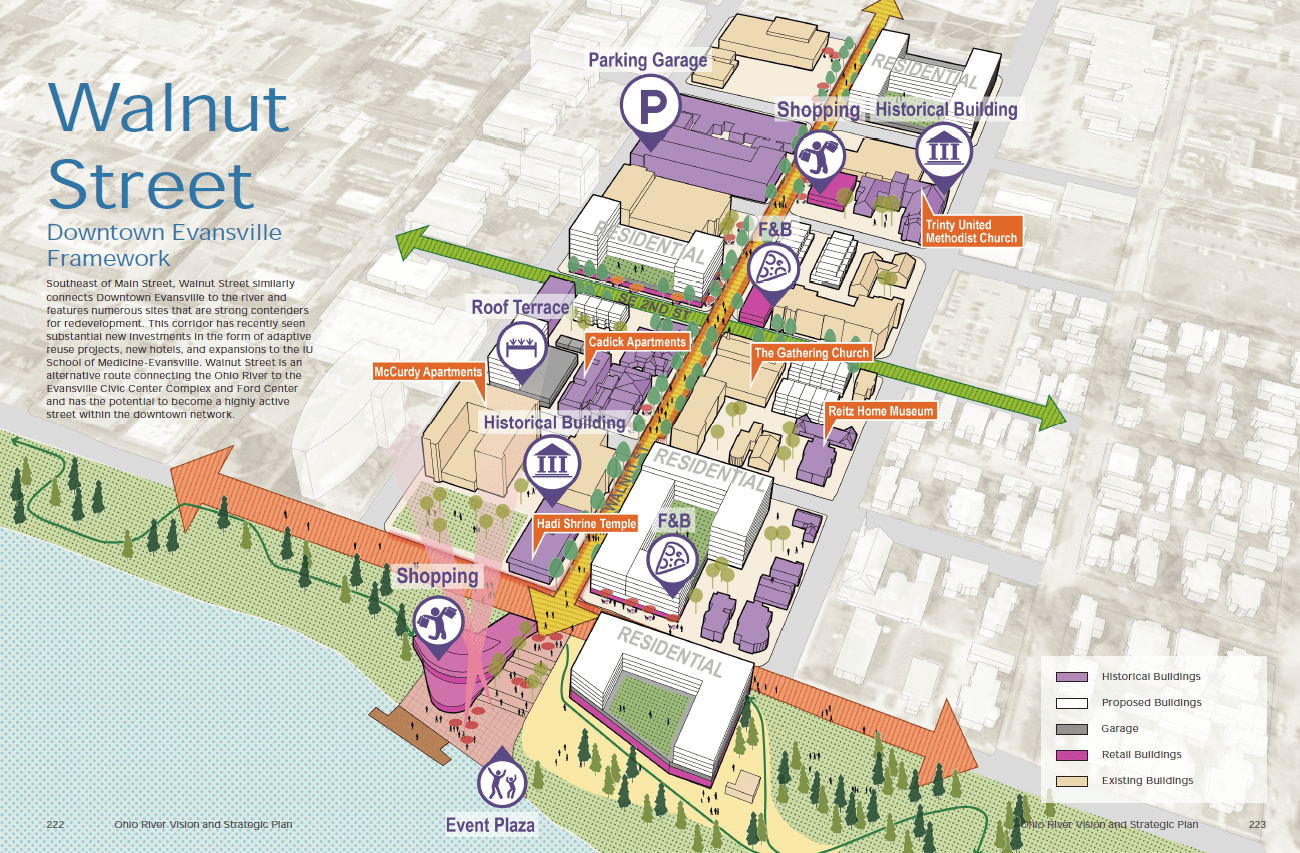
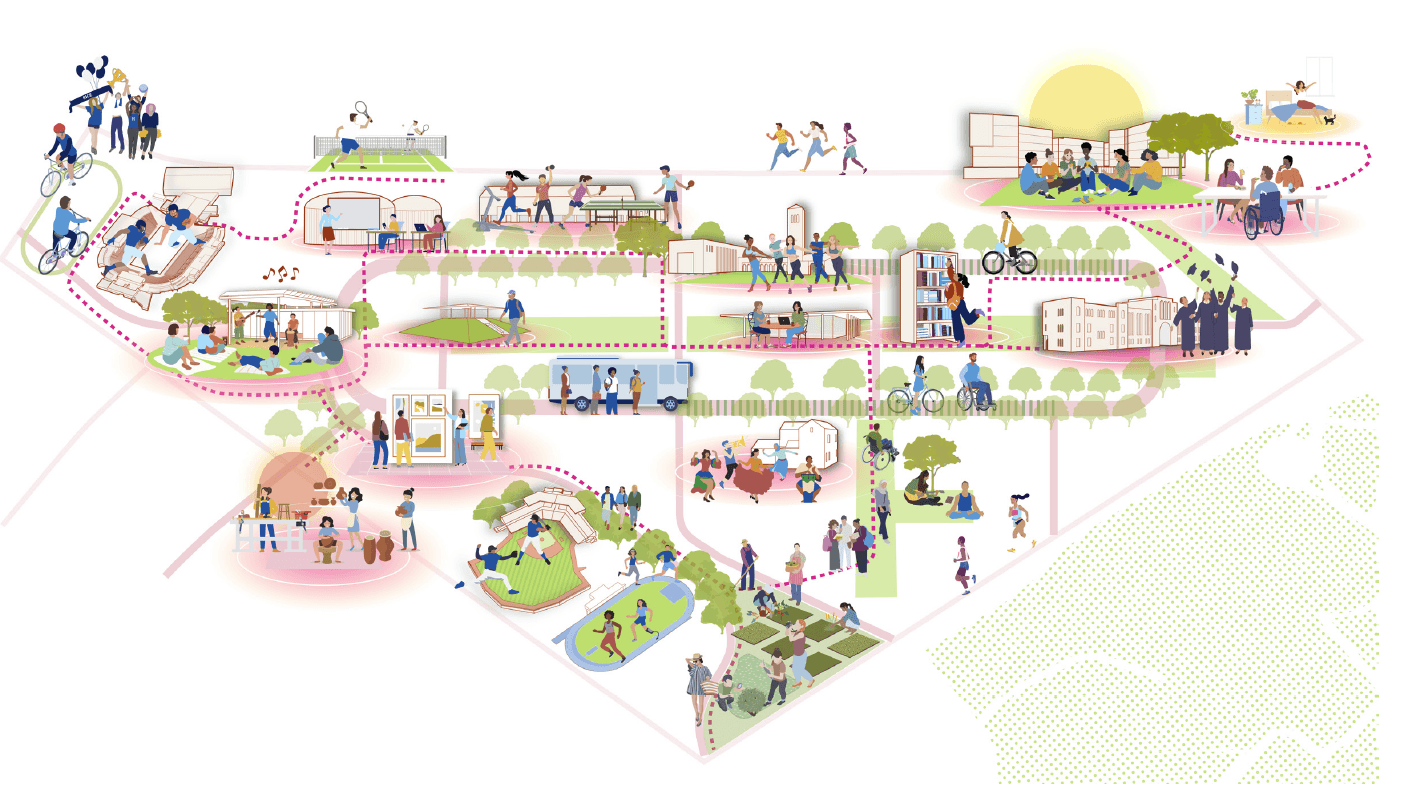
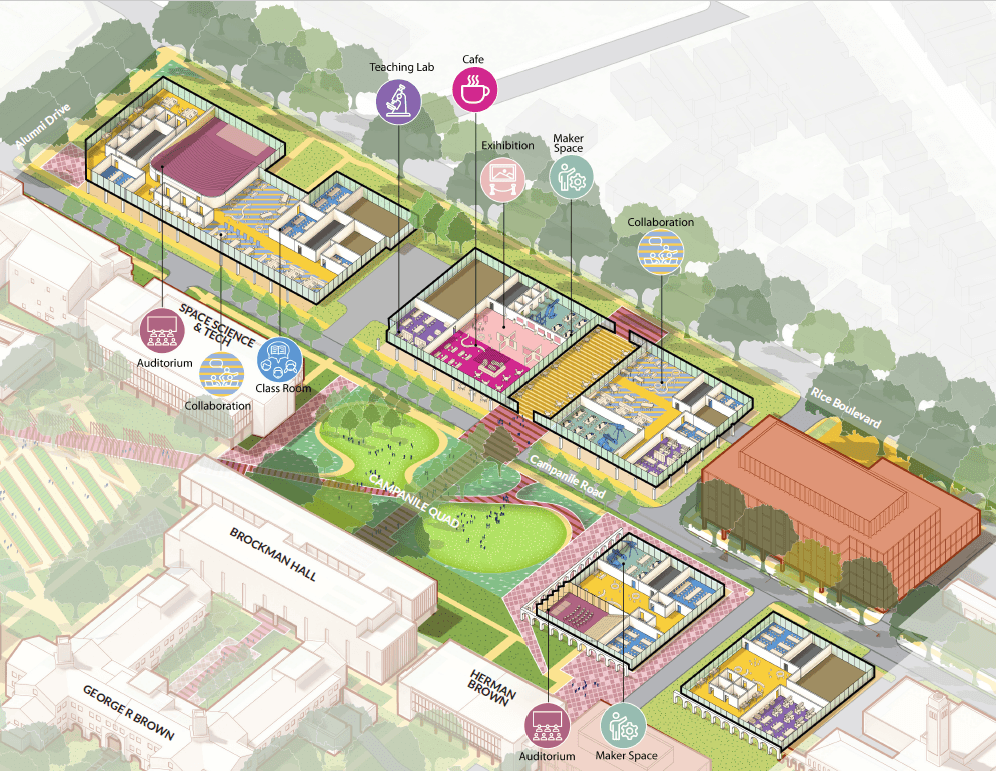
Image Credits
Figure 1-3: Auraria Higher Education Centre Campus Framework Plan. (Source: Sasaki Associates, Inc.)
Figure 4: Ohio River Vision and Strategic Plan. (Source: Sasaki Associates, Inc.)
Figure 5-6: Rice University Campus Land Use, Transportation, and Infrastructure Framework Plan. (Source: Sasaki Associates, Inc.)