



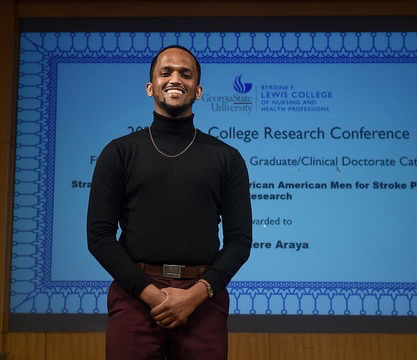
We recently connected with Semere Araya and have shared our conversation below.
Semere, looking forward to hearing all of your stories today. We’d love to hear about the things you feel your parents did right and how those things have impacted your career and life.
Being a child of immigrants, there’s contention growing up between the culture you’re immersed in at home and the culture you’re immersed in at school/outside of the house. That contention readily turns into disconnection. As I’ve aged and gone through therapy on and off for the last 8 years, I’ve come to understand there are valuable traits that I’ve inherited from my parents. My mom’s life teaches me the importance of faith. Some of my fondest memories of her are when as a child I’d lay my head in her lap while she sang church hymns. That seed of faith has grown into my own fruitful relationship with God (serving at my church, volunteering, etc.). If my mom teaches me faith, my dad is the definition of works. His life is an unwavering commitment to providing for the material needs of his family. I’ve seen him work 60+ hours a week for most of my life. Even in his older age, he continues to work these hours to support his family here and abroad. That seed of works is a model of inspiration as I continue on my professional and academic journey through grad school.

Awesome – so before we get into the rest of our questions, can you briefly introduce yourself to our readers.
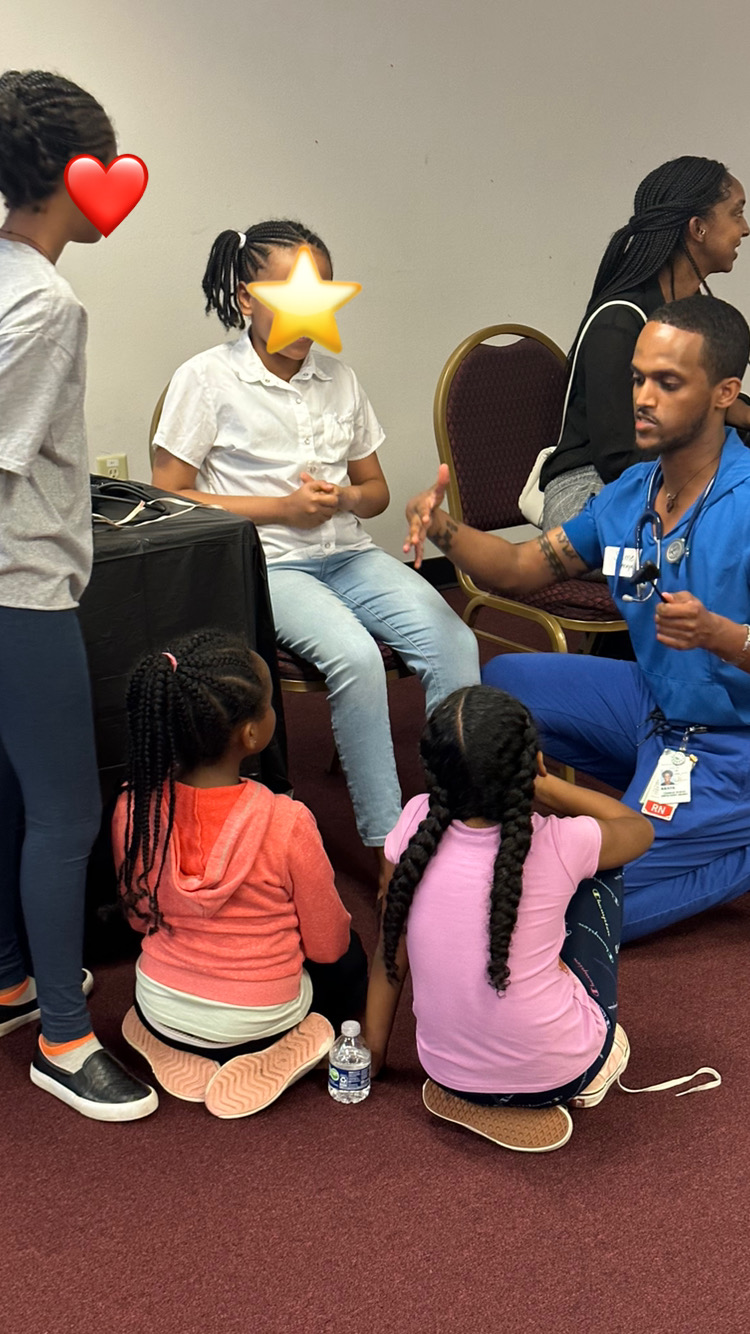
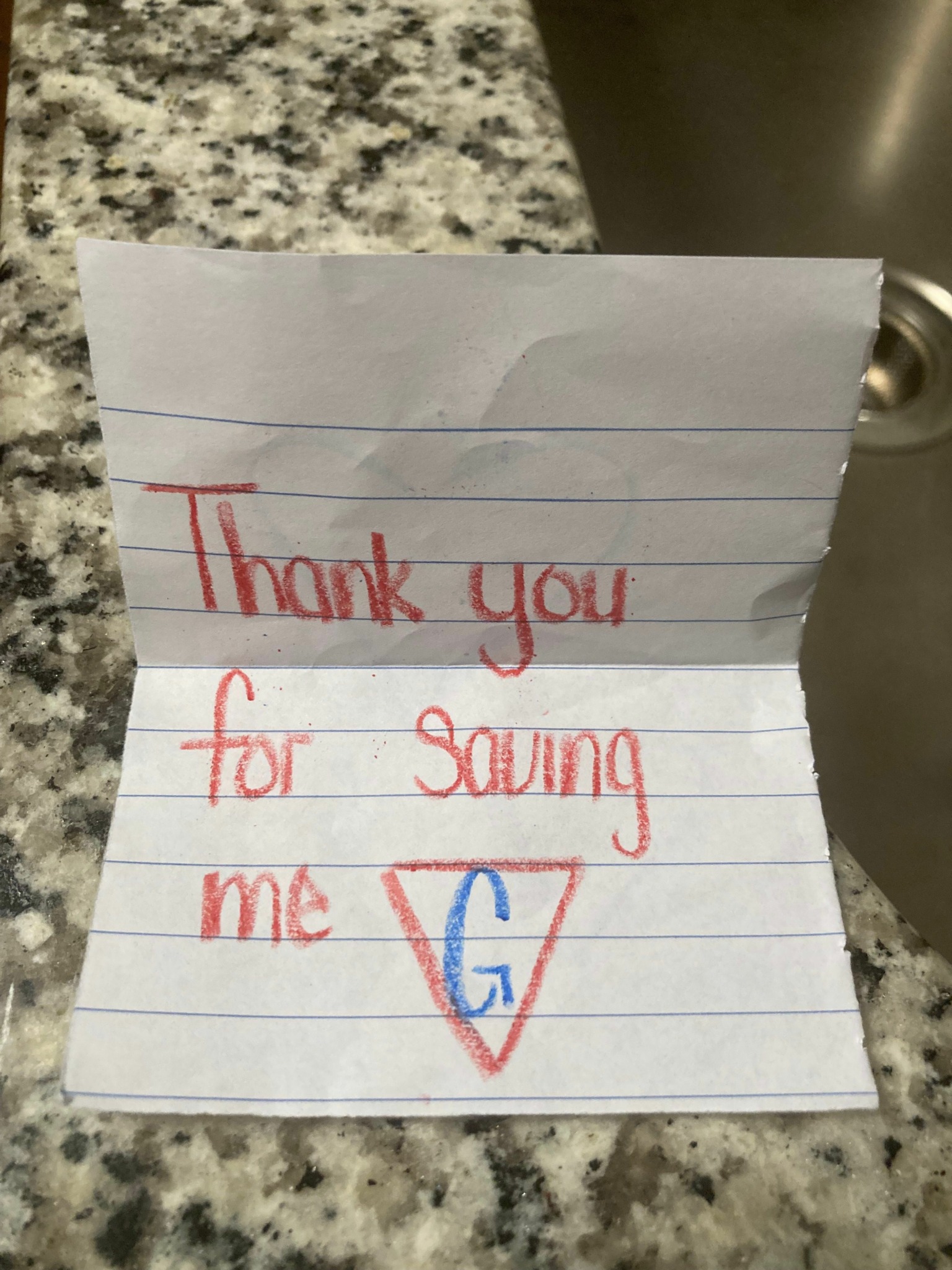
In 2011 my mom almost died. After bouncing back and forth from home and hospital, she eventually returned home. There was a home health nurse that would visit our home and tend to my mom’s wounds. She never spoke to us, but I remember feeling comforted by her being there. A few months later I got a word to pursue nursing. Having not had any idea for my life and having already made an attempt to end my life, I decided to follow that call. I had some really pivotal high school teachers that encouraged me, a college professor that encouraged my interest, and a good reputation with one of the clinicians that went before me so that when I walked into the manager’s office and asked for a job (very boomer, I know 😂), she knew who I was and helped me meet the unit director who’d hire me.
I’m most proud of answering God’s call on my life. Every patient interaction, every promotion, every pay raise, every high and every low have all been helpful for my patients, coworkers, myself, or some combination of all three.
How about pivoting – can you share the story of a time you’ve had to pivot?
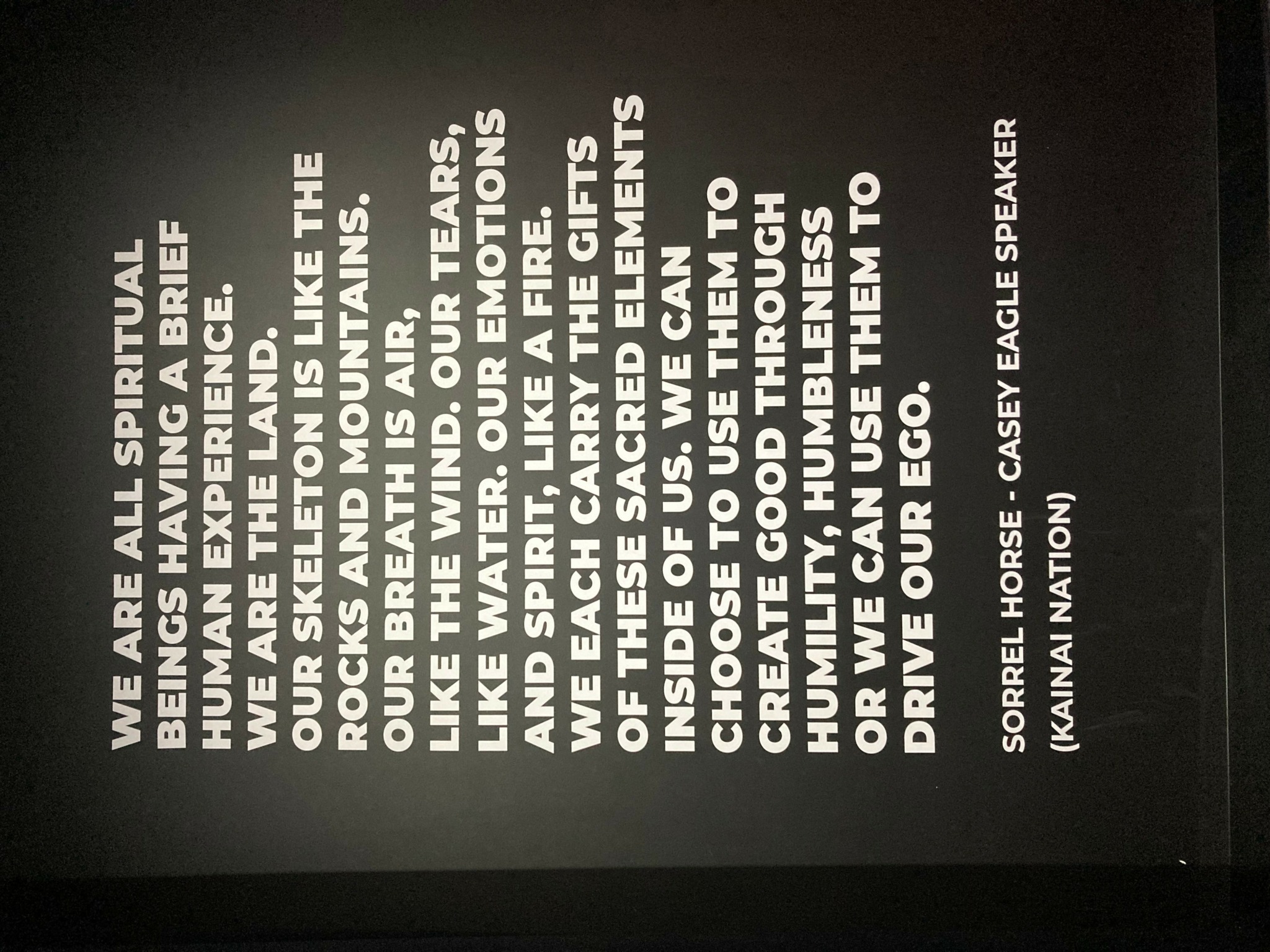
One of the biggest pivots I’ve made in my life was pursuing therapy for the 3rd time. It was Summer 2017. I had just started working as a nurse. Things had just started slowing down enough for me to realize how much I’d been ignoring in my last few months of school – ending a relationship I waited years for after a few months, putting myself 2nd to most everyone around me. This realization and the pressure of holding someone’s life in your hands almost drove me off the ledge of the train station and into an obituary section. I’m so grateful my hands didn’t let go of the bench when I started to lunge. In the days after that experience, I had two friends who didn’t know each other say the exact same thing about me: “You look tired”. I couldn’t deny it any longer. I hopped online and started looking for a therapist. The one I found had actually moved offices and recommended someone else to me. I’ve been seeing her on and off most of the last 8 years. The pivot? The pivot was going to her office and, piece by piece, surrendering my entire way of thinking about the world, others, and myself.

Learning and unlearning are both critical parts of growth – can you share a story of a time when you had to unlearn a lesson?
This is a lesson I’m actively unlearning as of the writing of this answer. I’ve been unlearning the learned belief that I always have to start by looking outside of myself to other people. As I’ve been going through my walk of faith and working with my counselor, she’s spoken of this idea of ‘rediscovering your own soul’. A subtle thing about my experience of dysthymia (I don’t use depression only because I was never formally assessed/diagnosed) is that it makes you feel like you need to depend on other people since there’s nothing good inside you. As I started intentionally healing, I still kept this behavior. I’ll be clear this isn’t objectively a bad thing. There’s a lot of value in seeking outside counsel/additional perspectives. It became a hindrance for me since it made me deny the Holy Spirit that I said I believe I received at my baptism. It was as if I was depending on my connection to others to have a connection to God instead of having a relationship with Him directly through the Holy Spirit. It really clicked for me in my conversation with an orthodox Christian monk. He said, “May God continue to lead you”. The unlearning was a thought that went something like, “Right…May God lead me…no one else is my shepherd.” I’ve had similar experiences in my shadow work. Whether prompted or in meditation, being able to identify where a thought/belief comes from and ask, “Does this align with who I am now?” If it does, I express gratitude and let it be. If it doesn’t, I express gratitude for how it brought me this far and lovingly remove it to plant a new belief that better fits in the garden of my soul.
Contact Info:
- Instagram: @nefsi_hussle

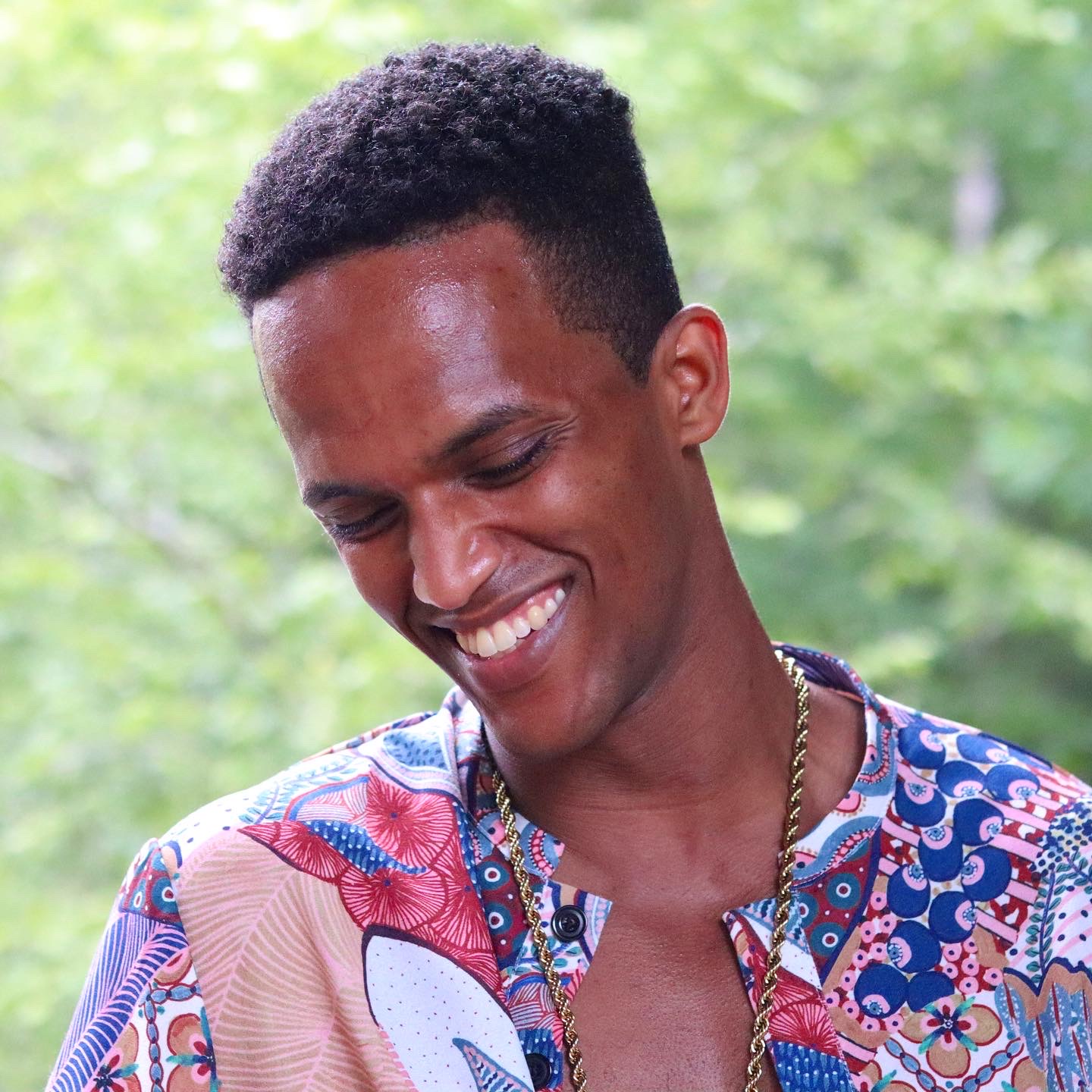
Image Credits
Nico Rosseau
Georgia State University
Xavier Photography – https://www.xavierphoto.com/