

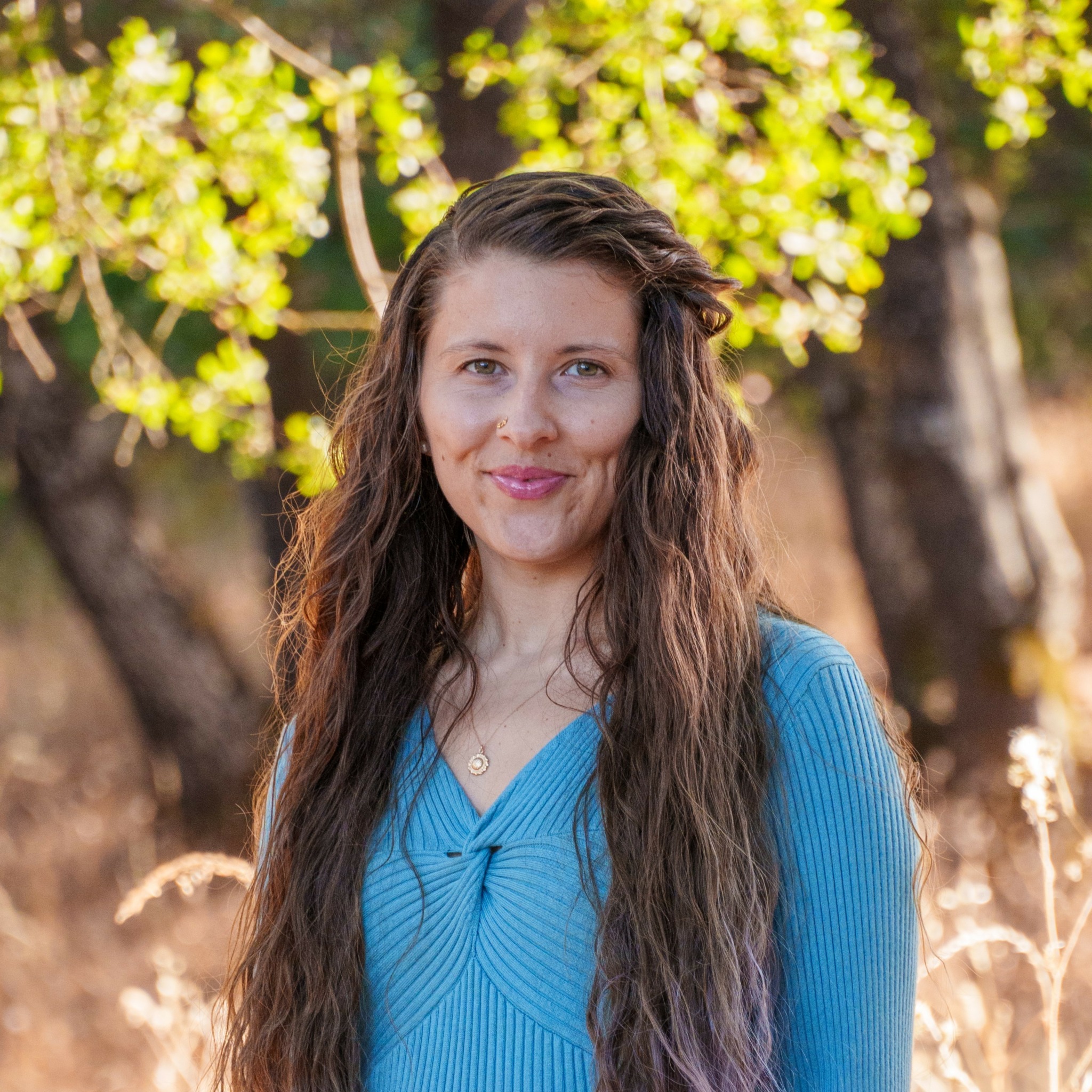

We recently connected with Selysa Love and have shared our conversation below.
Selysa, thanks for taking the time to share your stories with us today Can you talk to us about a project that’s meant a lot to you?
The most meaningful project I’ve worked on was creating a TEDx talk–dance titled “Can Grief Break the Cycle of Abuse?”
I knew I had a message to share, and I knew I couldn’t just stand there and talk like a normal person. I’m a circus performer. I’m meant to tell stories with my whole body and soul. So I asked a fellow circus artist, Monica Padilla, to join me on the red dot. Together, we created the most meaningful piece of art of my career: a deeply vulnerable piece blending spoken story and interpretive dance, exploring the concept of “forbidden grief” that often silences survivors of abuse. Drawing on my lived experience and years as a trauma-informed grief practitioner, I aimed to bring both lightness and healing to a topic that is rarely discussed openly.
The art felt like a culmination of my life’s work; the interpretive dance provided the embodiment needed to stay grounded through such a heavy subject.
Selysa, love having you share your insights with us. Before we ask you more questions, maybe you can take a moment to introduce yourself to our readers who might have missed our earlier conversations?
I’m a circus and nature-based artist devoted to reclaiming joy in the midst of grief. I’m also the founder of Sacramento Reiki Center, where I provide trauma-informed, complementary support for those grieving the loss of an abusive relationship, PTSD, and anxiety.
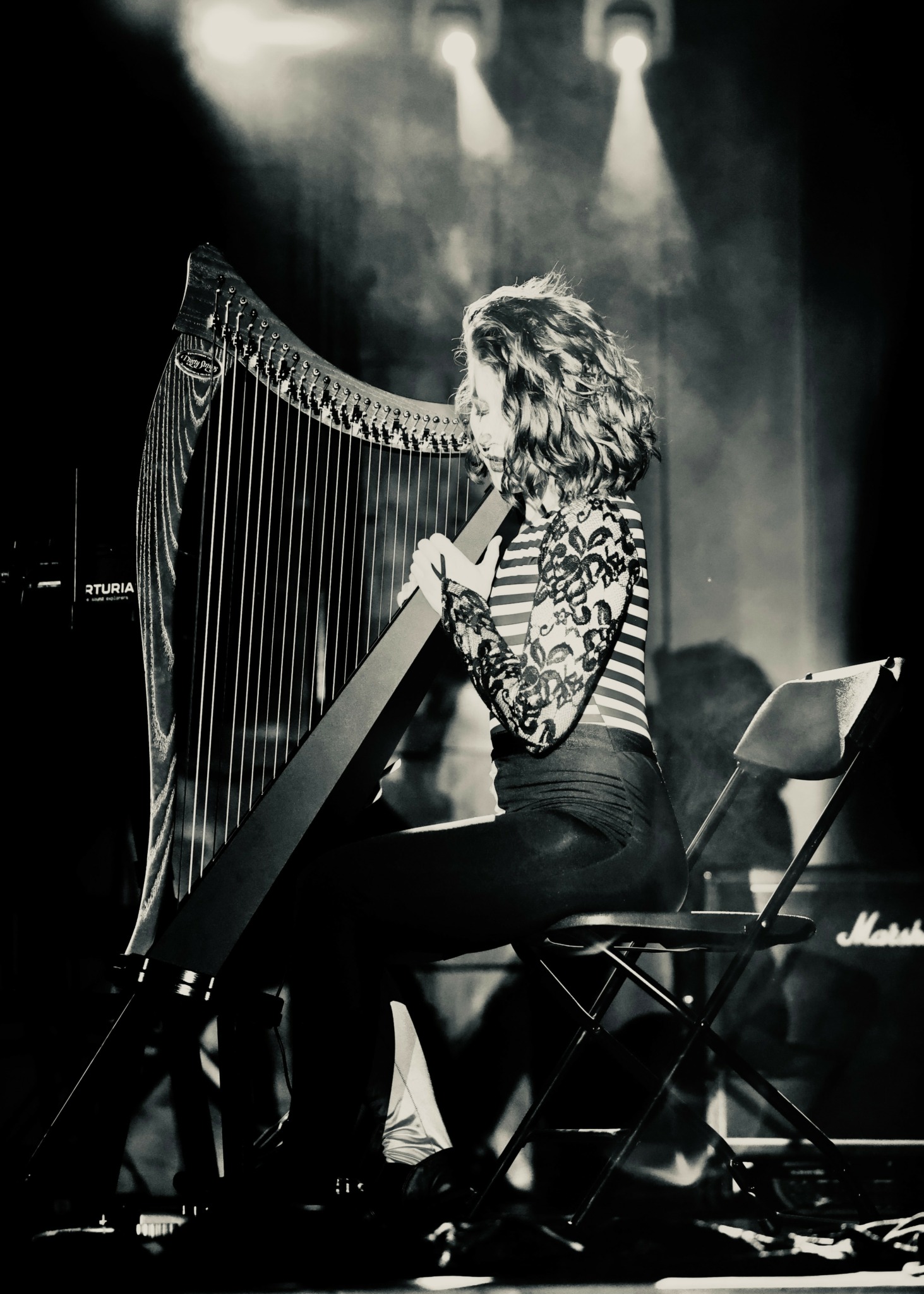
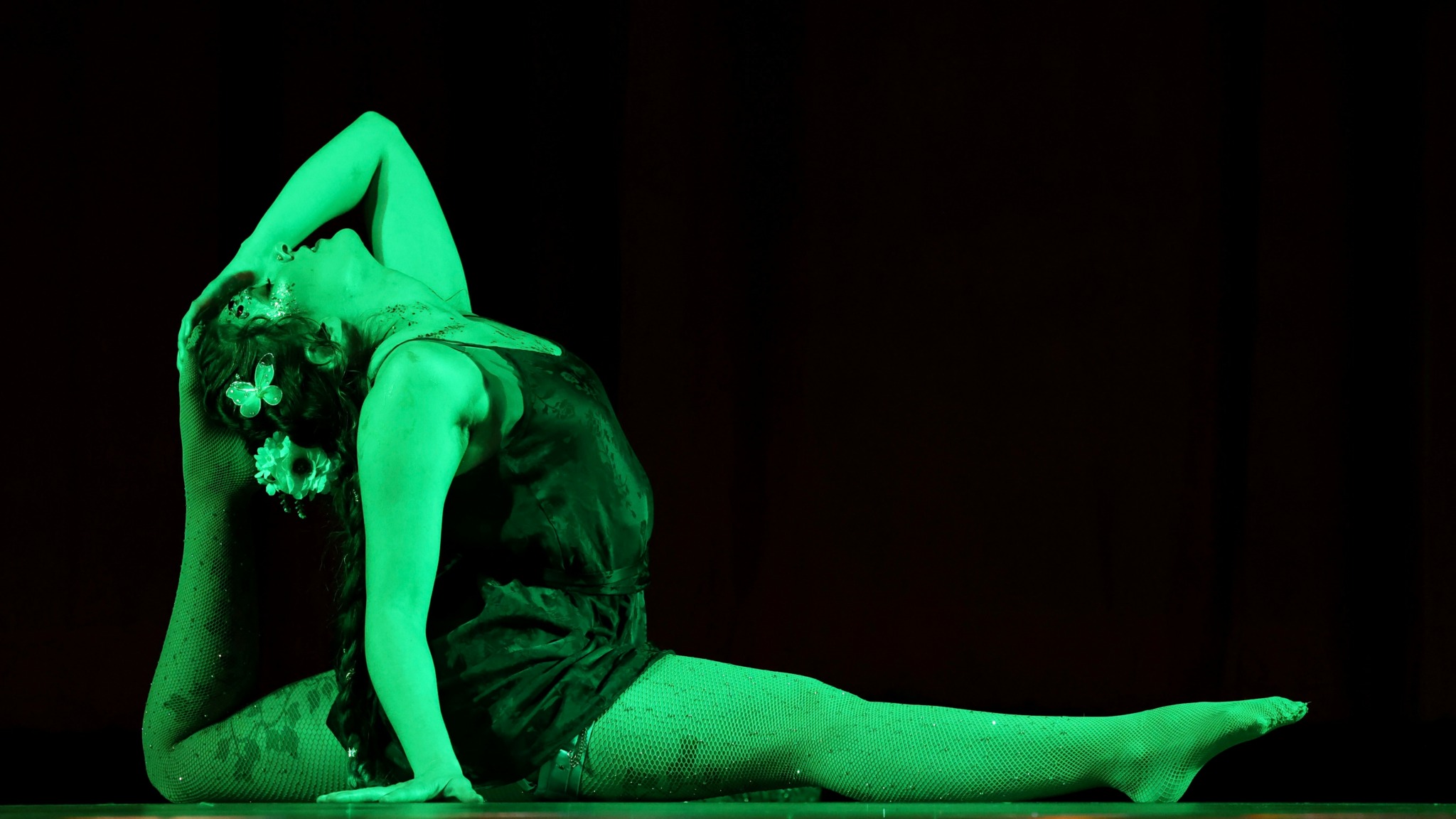
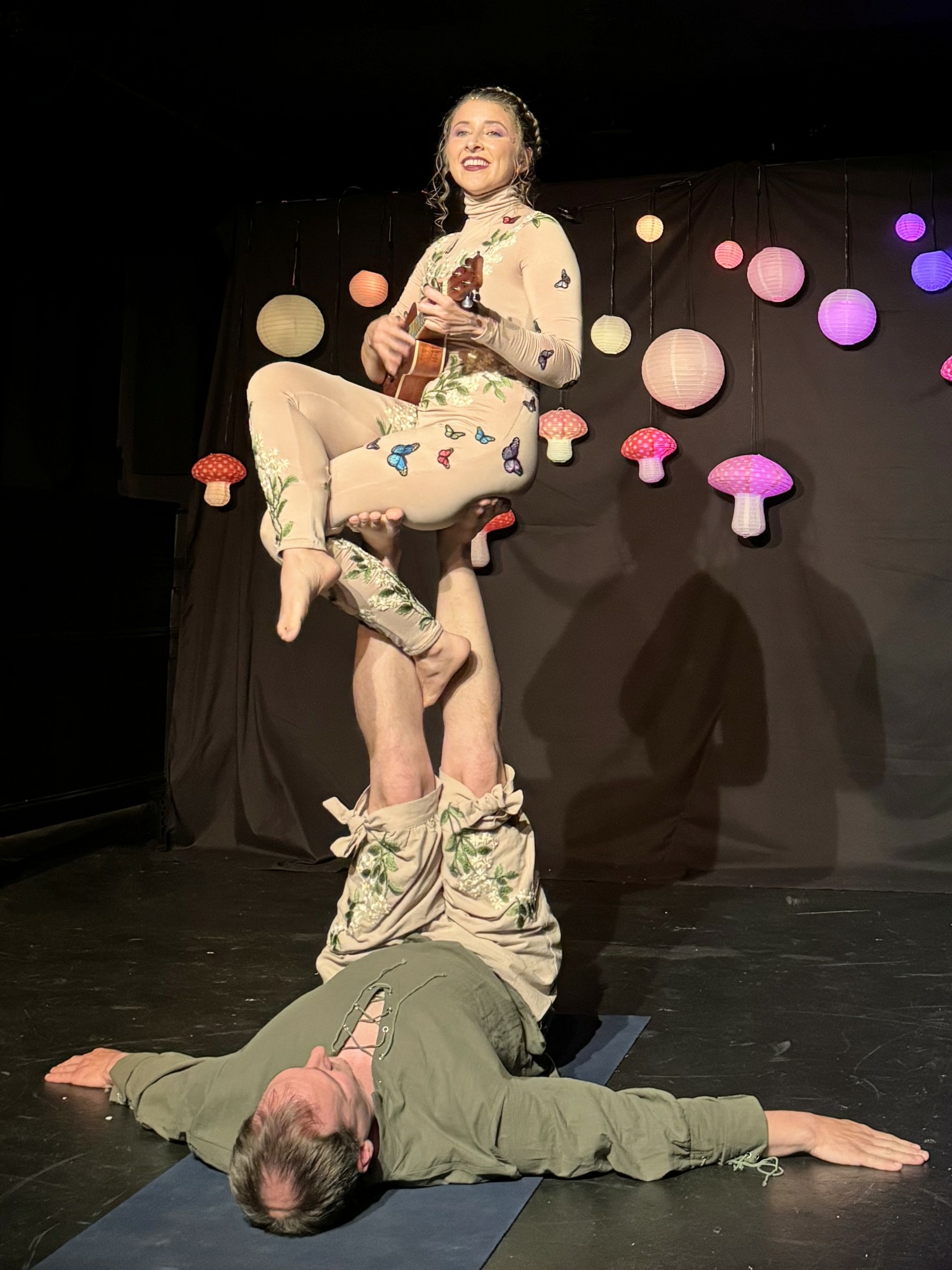
My creative work spans circus, music, movement, and visual art. I sing and play the ukulele while upside down in partner acrobatics, and I’ve performed acts that combine harp, contortion, and dance. I also create visual art using pressed plants, collected stones, and natural materials inspired by my deep love of the earth.
I’m eclectic by nature and intentionally resist being placed into a single box.
After the complex loss of my parents at a young age, I embarked on a five-year world schooling journey through 20 countries, where I studied traditional healing systems and acrobatics. My circus training and performances deepen my understanding of the body’s role in healing, transmuting my own pain into peace. My mission is to break cycles of generational trauma while preserving legacies of ancestral gifts.
What’s a lesson you had to unlearn and what’s the backstory?
I used to believe that being an artist meant being poor.
I was raised by musicians, and I was raised in abject poverty. All the time I heard the term, “starving artist,” and I remember thinking, yep—that’s my family. One cold December evening, my family and I played Trans-Siberian Orchestra Christmas songs outside of a high-end shopping center. We left my violin case open with a big sign that read, “TIPS.” My freezing fingers ached as I pressed down on the cold steel strings, but I carried on anyway. After ninety minutes of Christmas covers, we earned twenty dollars.
Determined never to return to the poverty of my childhood, I decided I did not want a creative career. Not until I had achieved financial stability in my late twenties did I consider pursuing art.
A huge mental block I had to unlearn was the belief that all artists were destined to starve. I had to retrain my nervous system to believe that I could pursue art, keep my day job, and still pay rent every month.
It may sound extreme, but it’s remarkable how many unexamined beliefs our nervous systems quietly carry.
In your view, what can society to do to best support artists, creatives and a thriving creative ecosystem?
The strongest path toward a society that truly values artists is for everyone to actively pursue their own creative interests. For example, my mother-in-law is a talented seamstress, and she purchases more embroidery than anyone else I know. My best friend is an illustrator, and she buys paintings wherever she travels. I’m a circus performer; my favorite outing is to watch live circus.
Artists naturally want to fuel the creative ecosystem; it’s how we stay inspired and keep creating. Therefore, one of the most powerful ways to support artists is for more people to see themselves as artists. I’m not saying everyone should quit their jobs and pursue art full time. I am saying that if people spent less time scrolling and more time singing, operas would sell more tickets.
Also, do not buy AI art. Buy directly from artists at small shops, farmers markets, and craft fairs. Attend live performances – circus, ballet, comedy, symphonies, musicals, and beyond. Whatever interests you, go find other people doing it, and enjoy their creations. You just might get inspired to create your own.
A thriving creative ecosystem doesn’t need more consumption. It needs participation.
Contact Info:
- Website: https://www.sacramentoreikicenter.com/
- Instagram: https://instagram.com/selysalove
- Facebook: https://www.facebook.com/selysa
- Linkedin: https://www.linkedin.com/in/selysa-love/
- Youtube: https://www.youtube.com/@selysalove
- Yelp: https://www.yelp.com/biz/sacramento-reiki-center-sacramento
- Other: https://www.tiktok.com/@selysalove
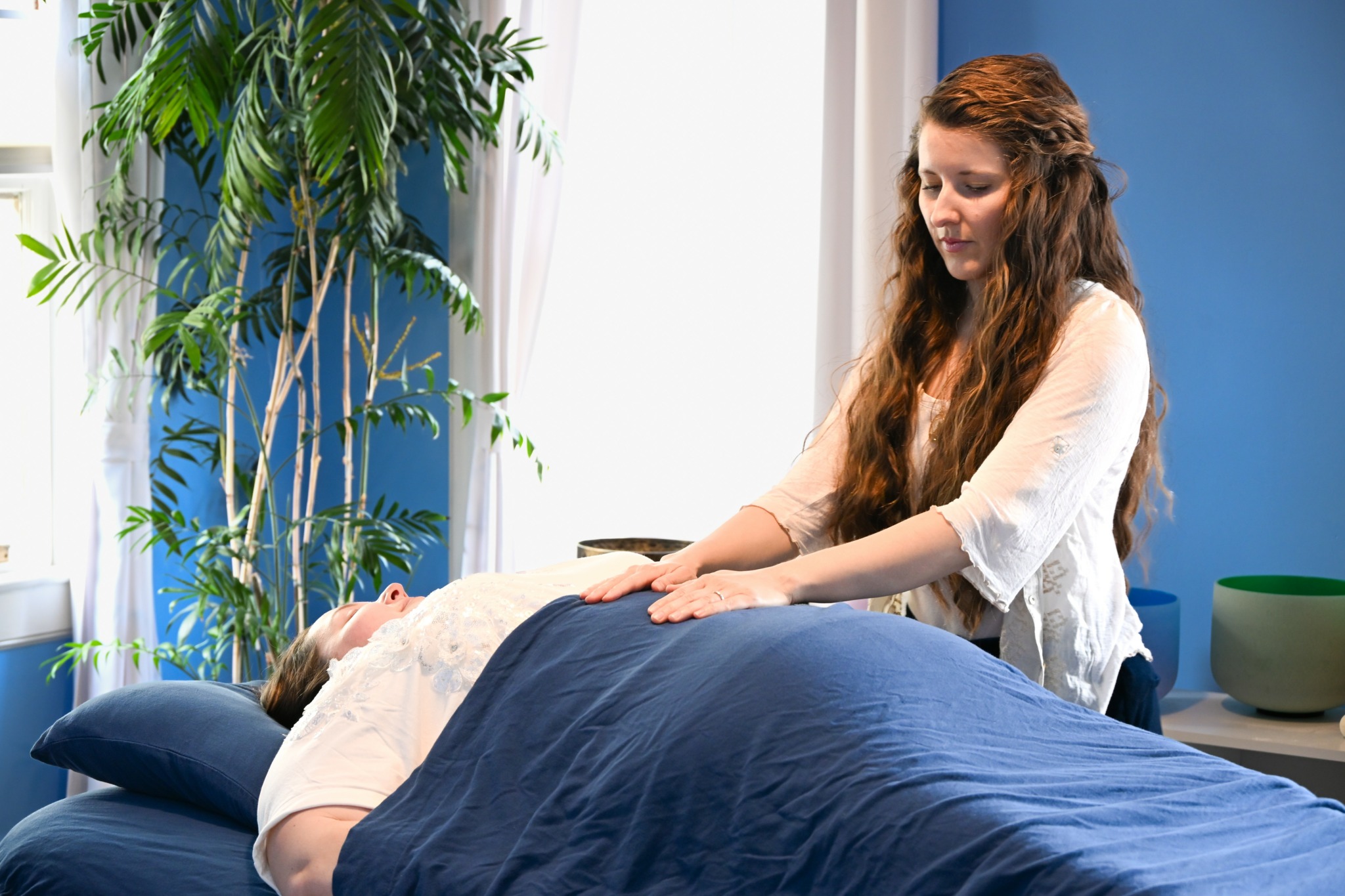
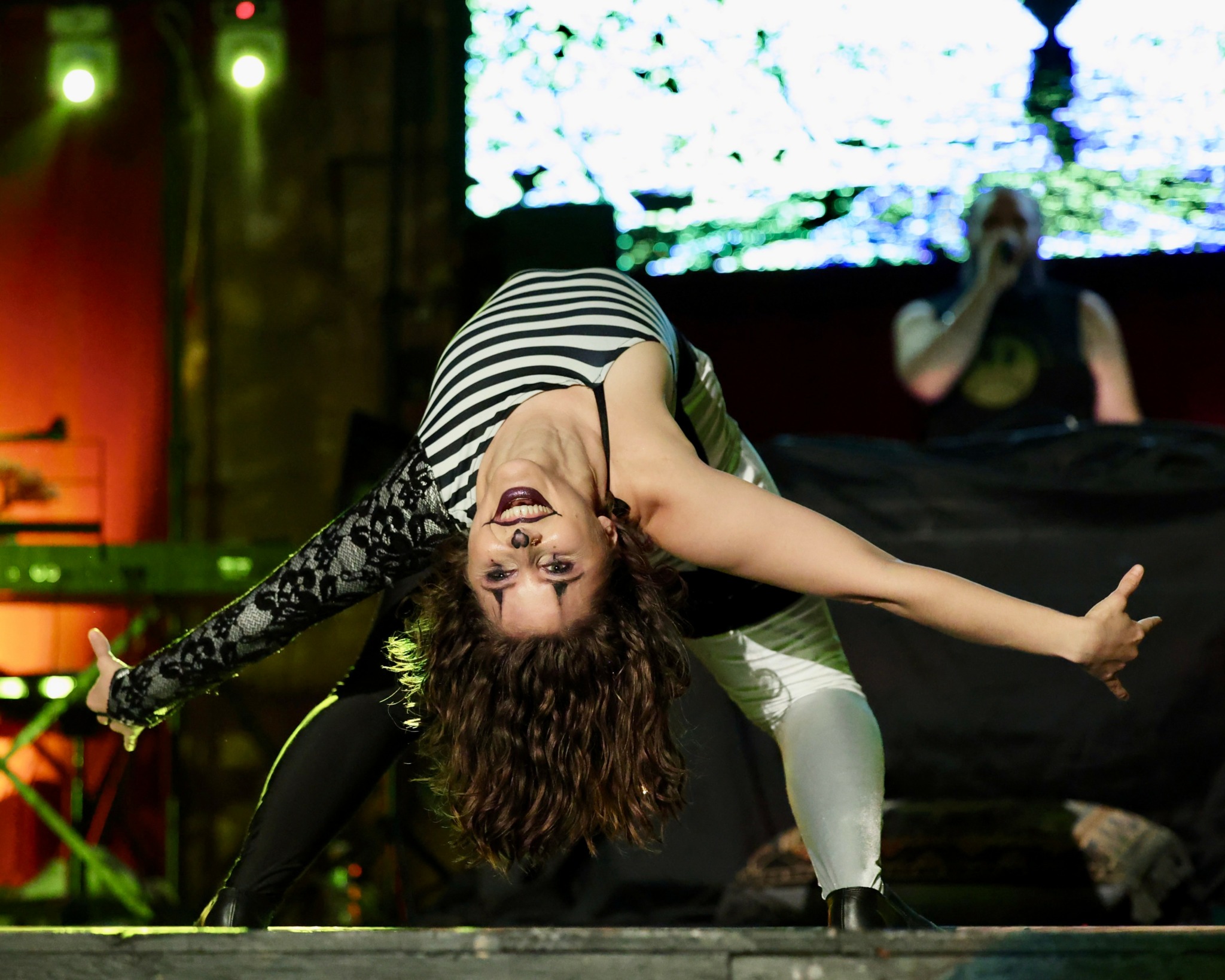
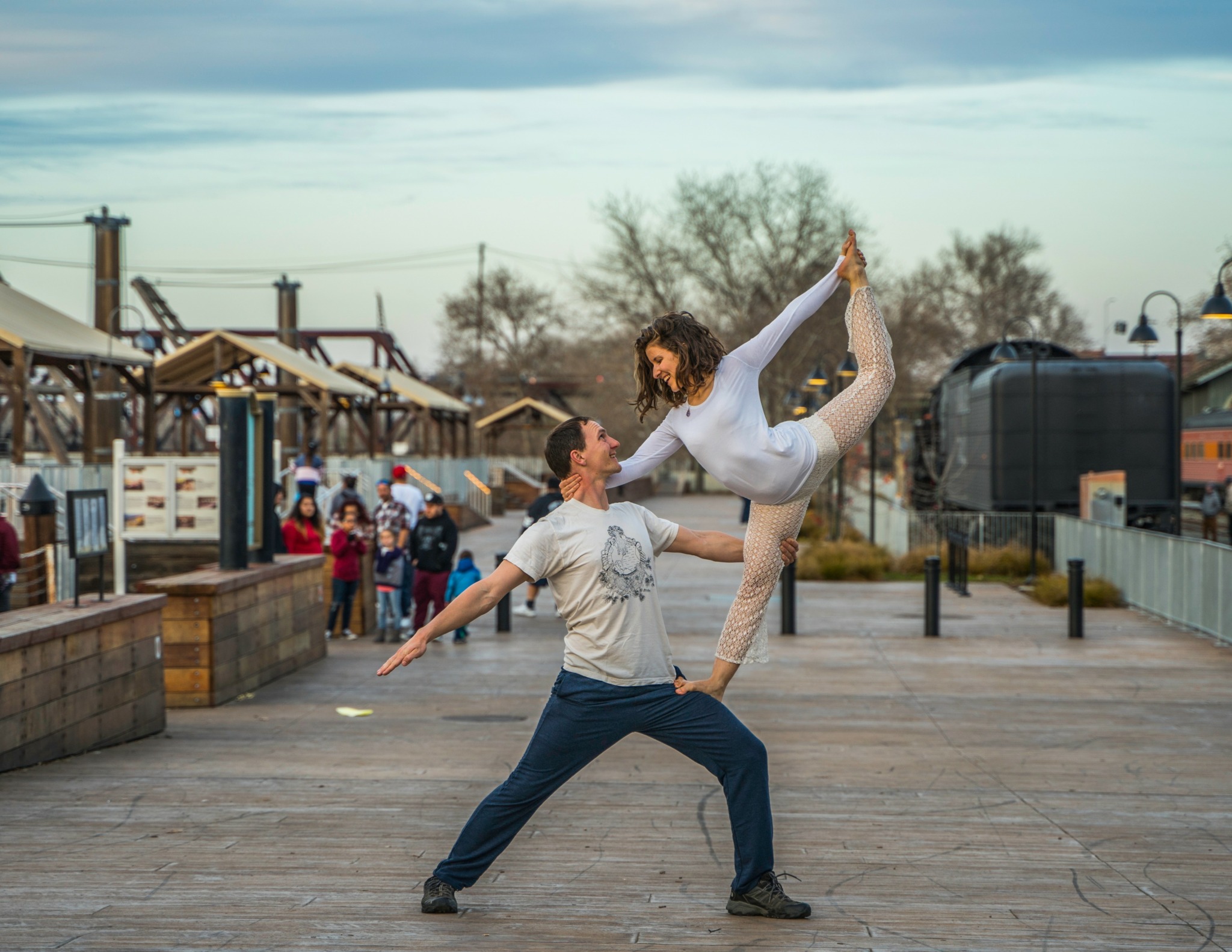
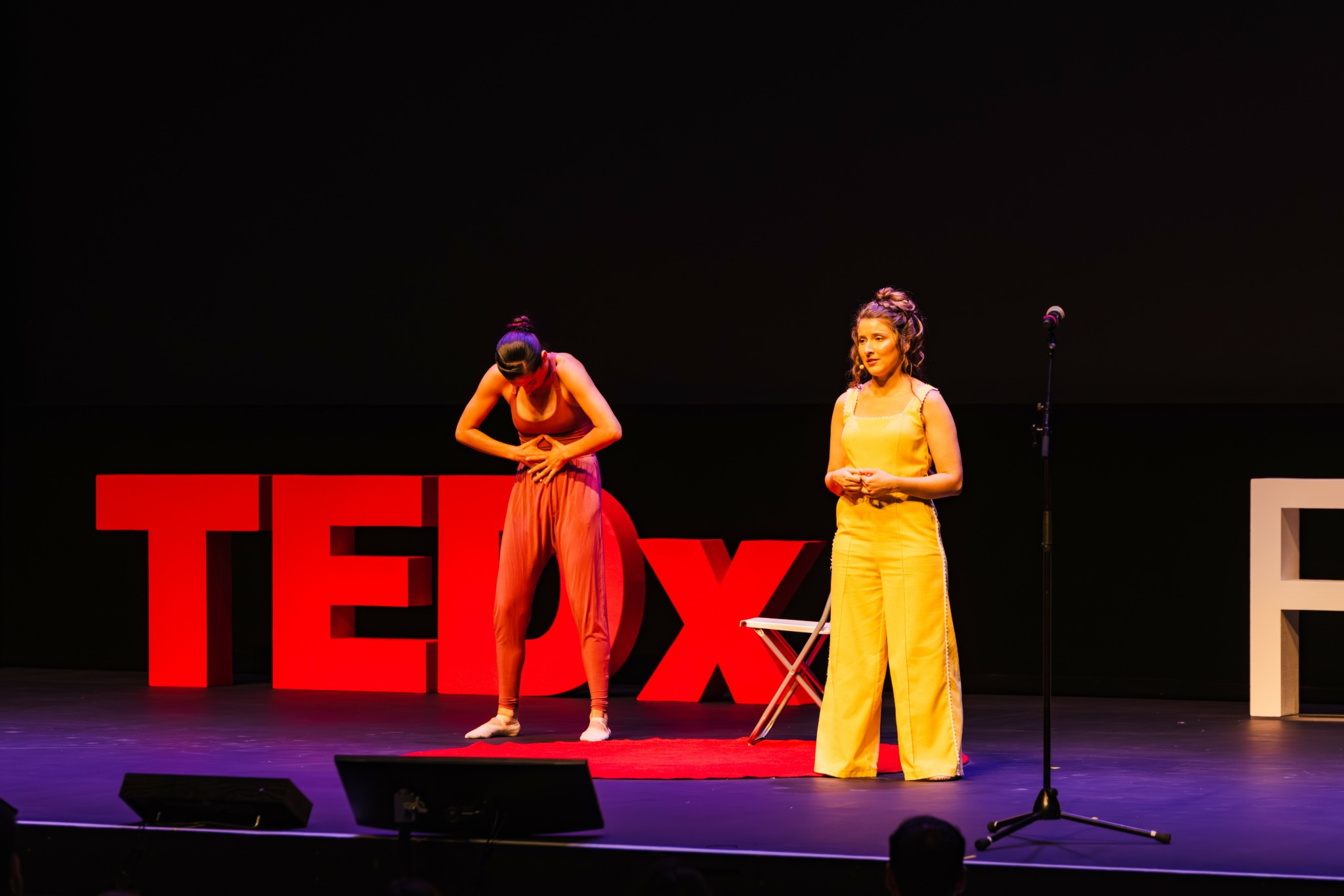
Image Credits
James Blonde
Lisa Harvey