

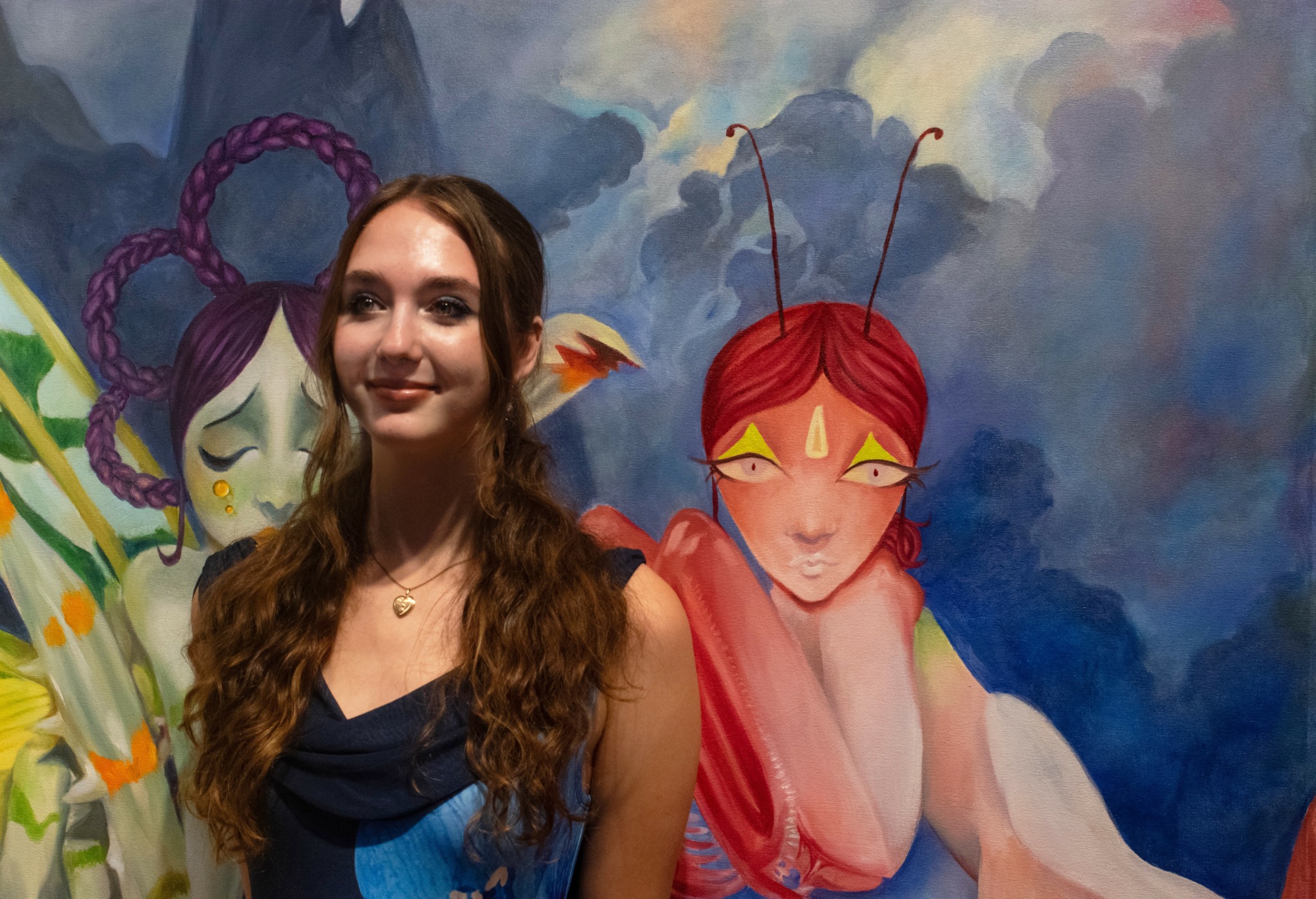

We recently connected with Selema De Bellis and have shared our conversation below.
Selema, appreciate you joining us today. How did you learn to do what you do? Knowing what you know now, what could you have done to speed up your learning process? What skills do you think were most essential? What obstacles stood in the way of learning more?
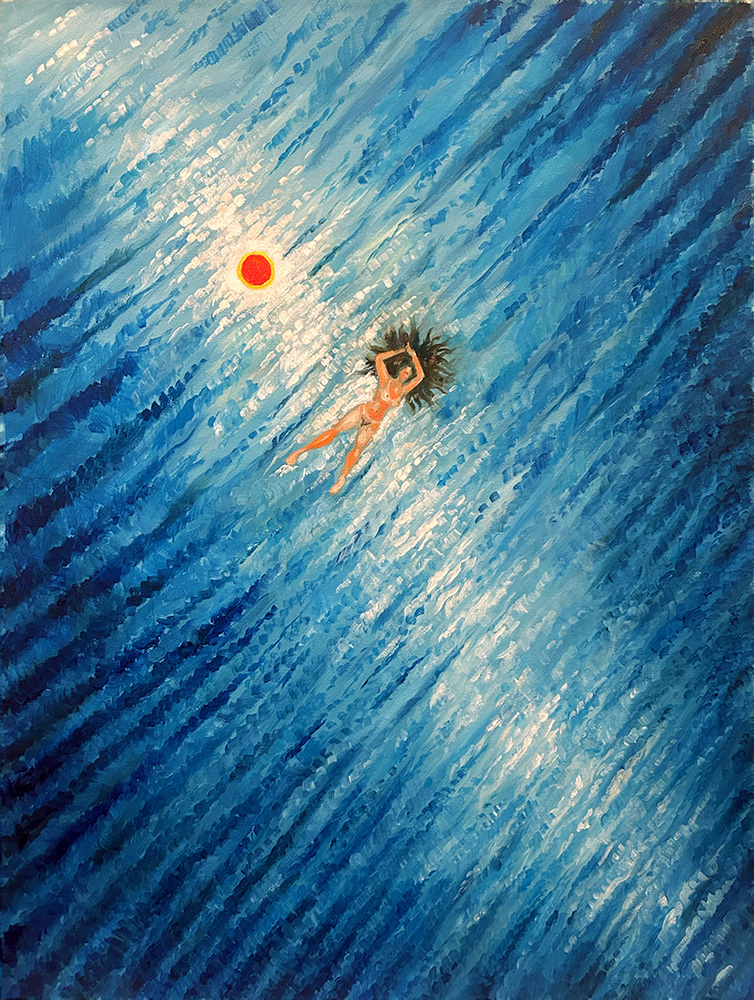
I learned what I do by observing other contemporary painters. My biggest learning moments are always when I’m looking at a painting by Inka Essenhigh or Emily Mae Smith, and I get a feeling like won’t be able to sleep until I try to emulate a certain visual effect that’s I see in their paintings. That’s one of the reasons I’m so grateful to have the privilege of living in New York City, where I have the opportunity to go to galleries and see contemporary paintings in person in galleries.
I think an obstacle that stands in the way of a lot of artists’ improvement is not studying art history. Unfortunately, art history isn’t as mainstream in public high schools as other subjects like math or biology, so many young artists don’t have access to a comprehensive art history education. I credit my drastic technical improvement during my first year of college largely to my instructors’ insistence on focusing on art history and always incorporating it in our studio instruction.
Something my instructors always pushed was to work as large as physically possible. This really expedites the learning process because there’s no where for weak technique to hide in a painting that’s taller than you. Additionally, giving yourself time before a deadline for multiple sessions with a piece. I admit I have paintings that I love that I did in one session, and there can be charm in the gestural and expressionistic effect. However a gestural and expressionistic effect can be preserved with multiple sessions, and I know these paintings would be better if made time for at least two or three. It gives you time to address issues and make improvements that you might not have seen during the first session, as well as to receive critique from your peers.
Something I think I could have done to speed up my learning process earlier is to remember not to be a captive to the reference. Drawing from life is an indispensable practice to improve your drawing technique and confidence, but we need to remember that drawing from imagination is just as important. I used to find myself forgetting that I was the only one that was going to see the reference, it’s not going to be displayed next to my painting for people to play find the difference with. We’re artists, not a copy machines. Something that I learned from some of my favorite abstract artists, Hilma af Klint and Wassily Kandinsky, is that art can be just as much a reflection of ourselves as it is the world around us. Painting without looking at your reference, adding a shape or color with purely formal intentions, sets your work aside by making it undeniably you.
Great, appreciate you sharing that with us. Before we ask you to share more of your insights, can you take a moment to introduce yourself and how you got to where you are today to our readers.
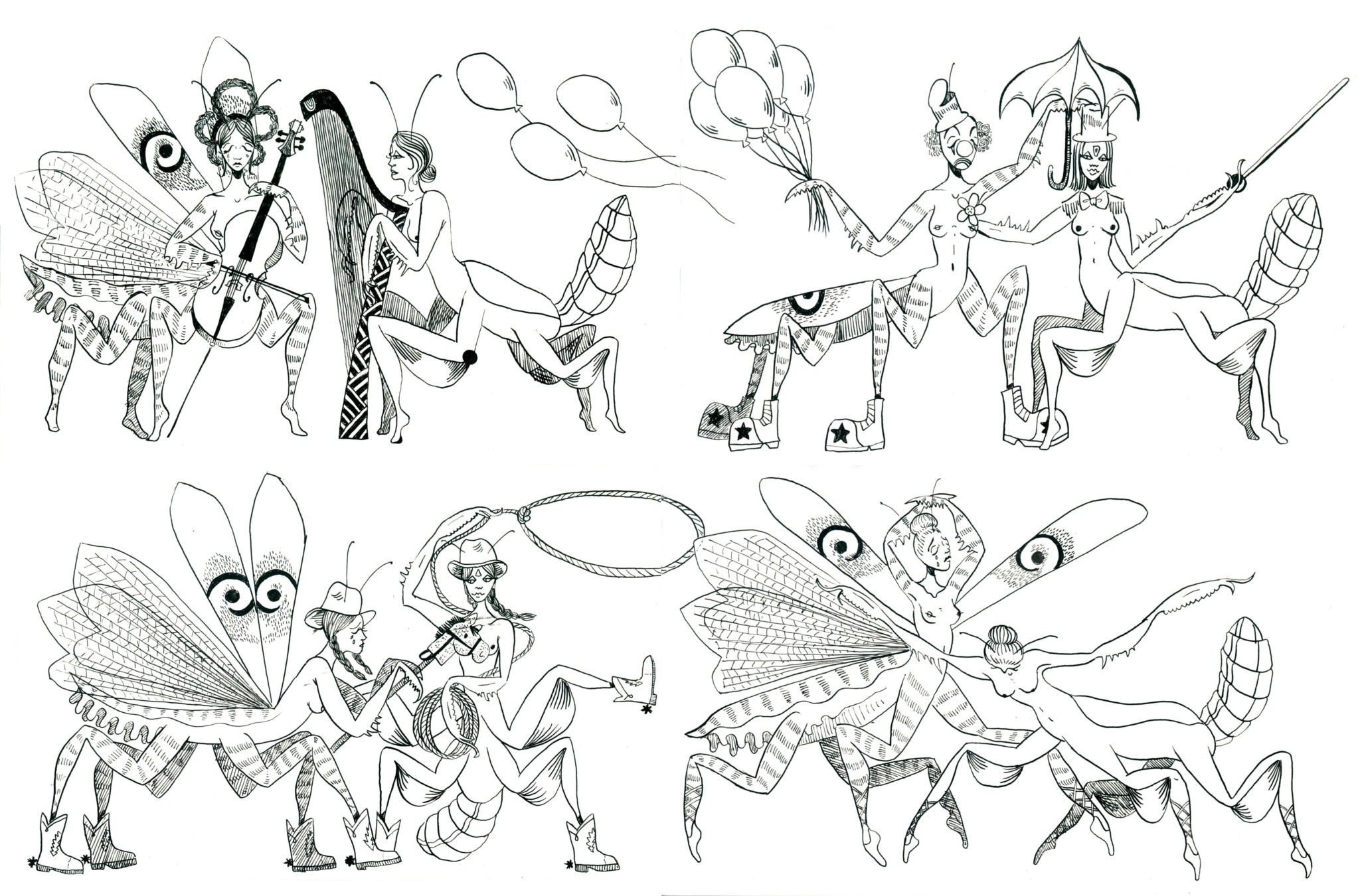
My name is Selema, I’m an artist who makes paintings and illustrations. I live in New York City where I attend School of Visual Arts, but I’m originally from North Carolina. In addition to painting and drawing, I have a strong background in ceramics and bead embroidery. I credit North Carolina with giving me a craft practice that a lot of illustrators might not have, I learned how to sew, embroider, and bead because of the prominence of traditional crafting techniques in the North Carolina art world.
I worked at a painting and ceramics studio with my sister from ages 14 to 18 called Cely’s House Creative Workshops, where I met some of my lifelong friends and mentors, and first made money from art by teaching ceramics, painting, and drawing. The art studio was a place where we encouraged students to be the most creative and imaginative version of themselves, and always tried to go the extra mile to give them the resources to fulfill their vision. Something I try to do is treat myself like I would one of my former students, investing in my art so that I can be the most imaginative version of myself.
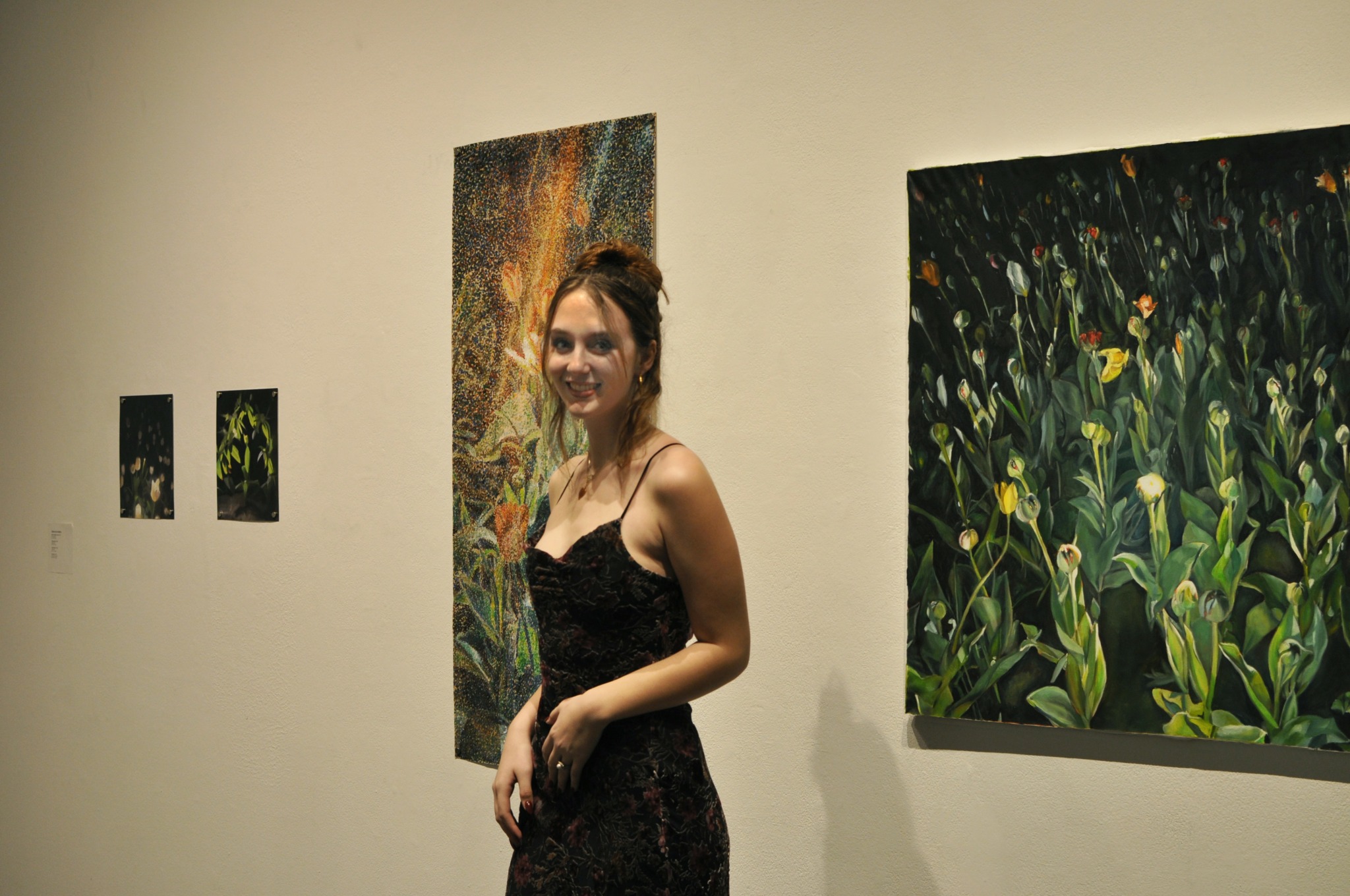
This year I had the opportunity to have my work exhibited twice, most recently at SVA Flatiron Gallery Windows. My friend and peer Shiyan Chen and I curated a duo exhibition of our work called Observational Drawings. It’s on view from September 5th to 27th 2025!
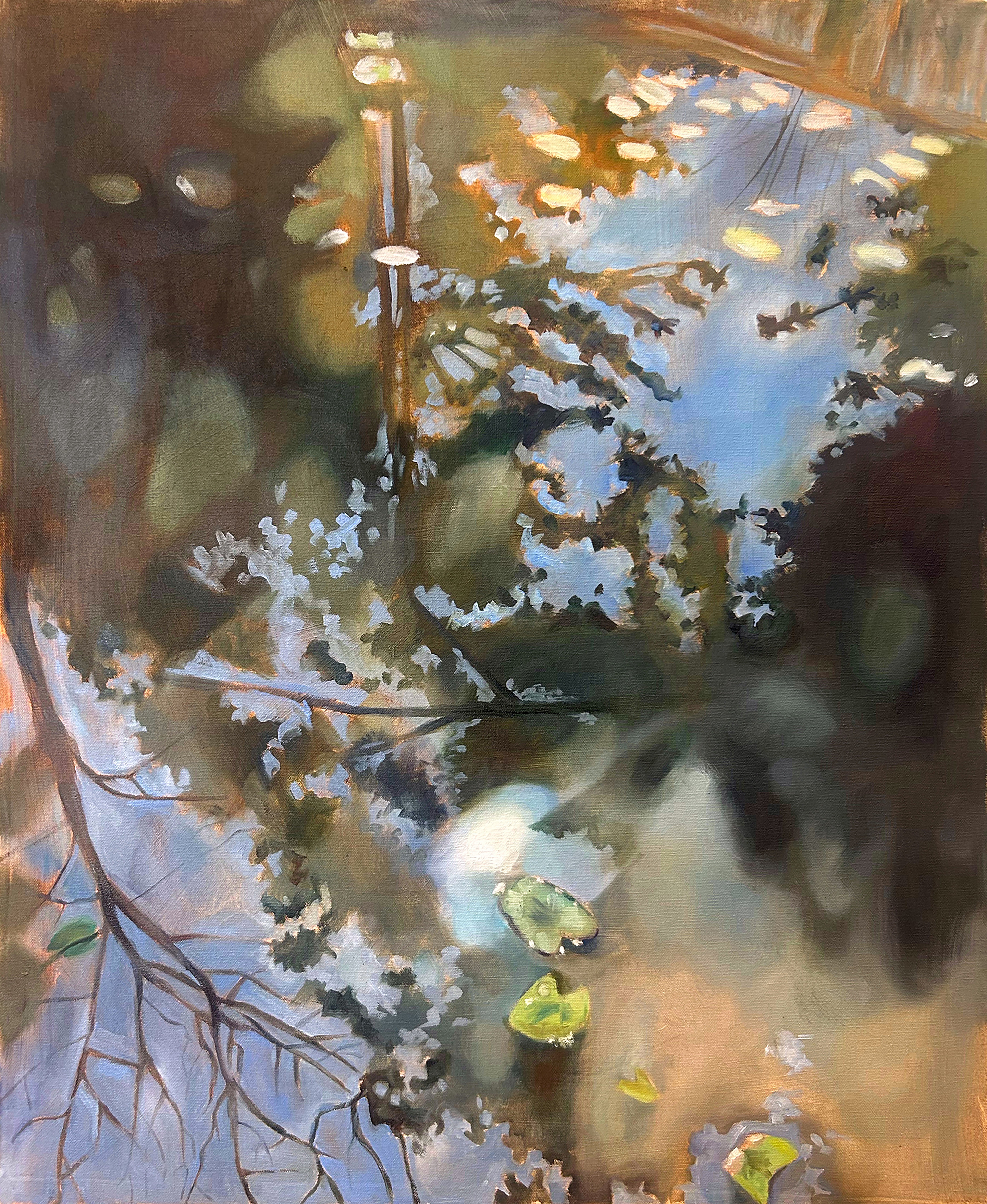
For you, what’s the most rewarding aspect of being a creative?
The most rewarding aspect of being a creative is always, at the end of the day, having at outlet where I can find joy and comfort. I don’t always enjoy the process of making art, it can be painful, frustrating, exhausting, tedious, but I know that if I need to feel better I can always pick up my rapidograph, walk to the park, poorly draw the people sitting or walking by, close my sketchbook, walk home, and not worry about having just made drawings that if someone sees them, they would question my merit as an artist.
Like most artists, I have a massive backlog of extremely poorly executed and embarrassing work, but the most rewarding part of being a creative is having something that I care about so deeply that I am willing to make one thousand horrible drawings for the possibility of making one slightly better, but still bad painting. And doing that over and over again until I have work that some people like to look at, and certain people agree is good enough to exhibit. Day to day nothing seems to change, but when we look back everything is different.
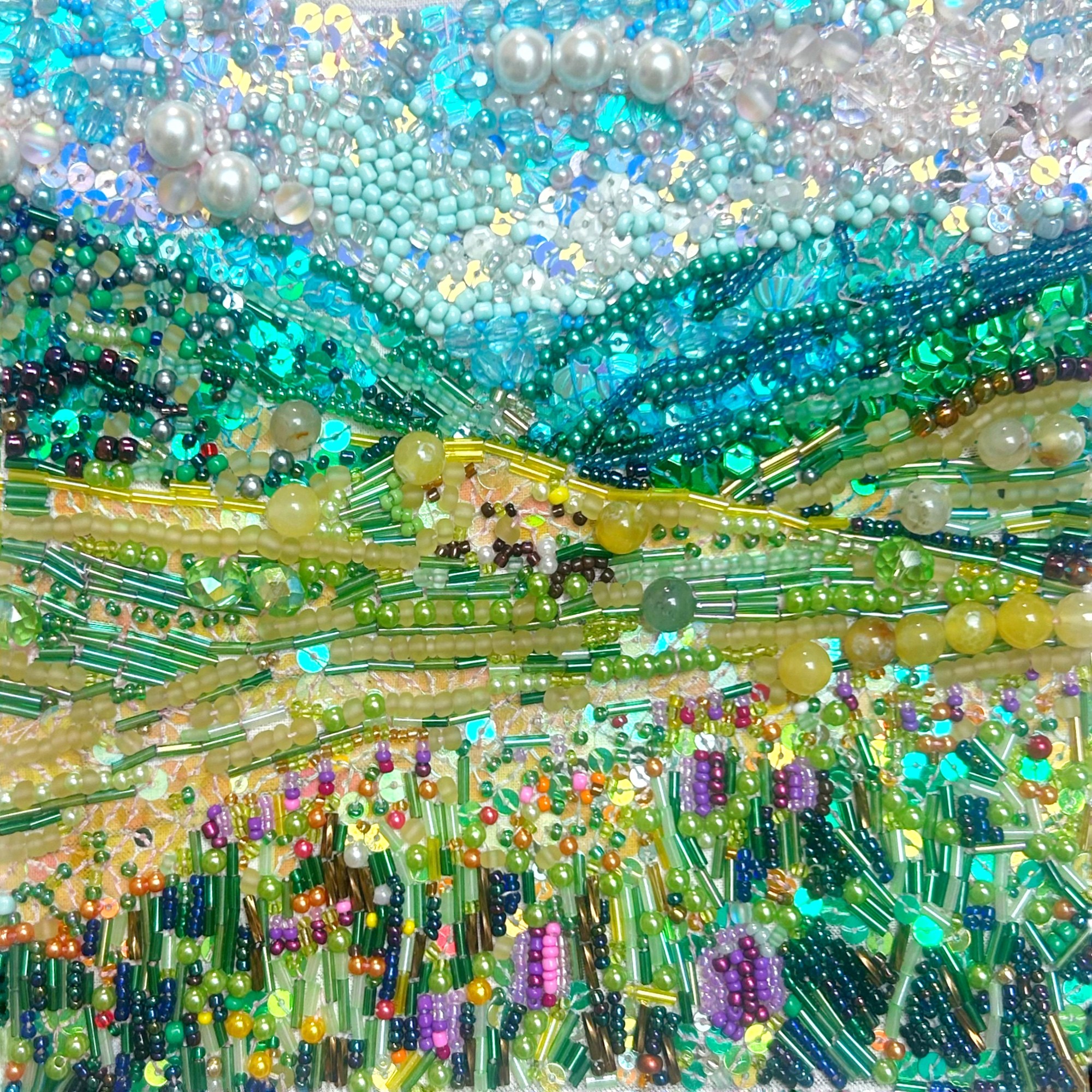
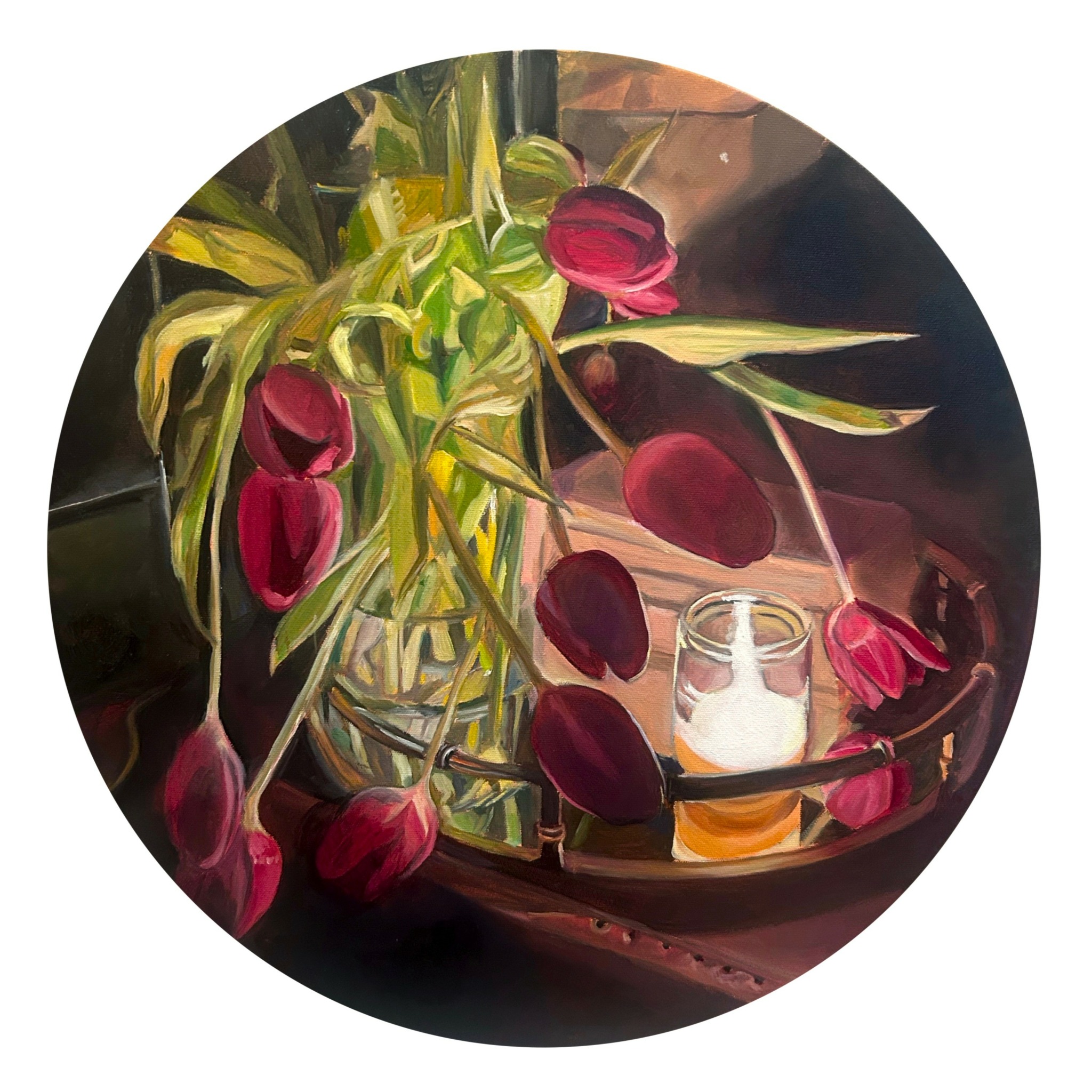
Is there a particular goal or mission driving your creative journey?
Art’s purpose used to be to create a beautiful object. Fortunately, I live in the present, because now art’s purpose has expanded. Art’s purpose is self expression, to tell a story, to elicit an emotion in the viewer and a connection with the artist that transcends words. Art is the result of a struggle to translate one’s own story into something tangible and experiential. My mission for all my art is to make people feel something, for the viewer to feel drawn to the piece, to struggle with it, for it to linger on their mind. I have pieces of work by artists I look up to that I continuously come back to and find value in looking at them over and over again, because it makes me feel like someone sees the world like I do, or understands an emotion I have. My mission with my art is to facilitate that kind of profound human connection.
Contact Info:
- Website: https://www.selemadebellisart.com
- Instagram: @selemaart
- Linkedin: https://www.linkedin.com/in/selema-de-bellis-692352286
Image Credits
Sana Kakumanu, Annie Wu