
We were lucky to catch up with Seidler Ziser recently and have shared our conversation below.
Seidler, thanks for joining us, excited to have you contributing your stories and insights. One of the toughest parts of scaling a business is maintaining quality as you grow. How have you managed to maintain quality? Any stories or advice?
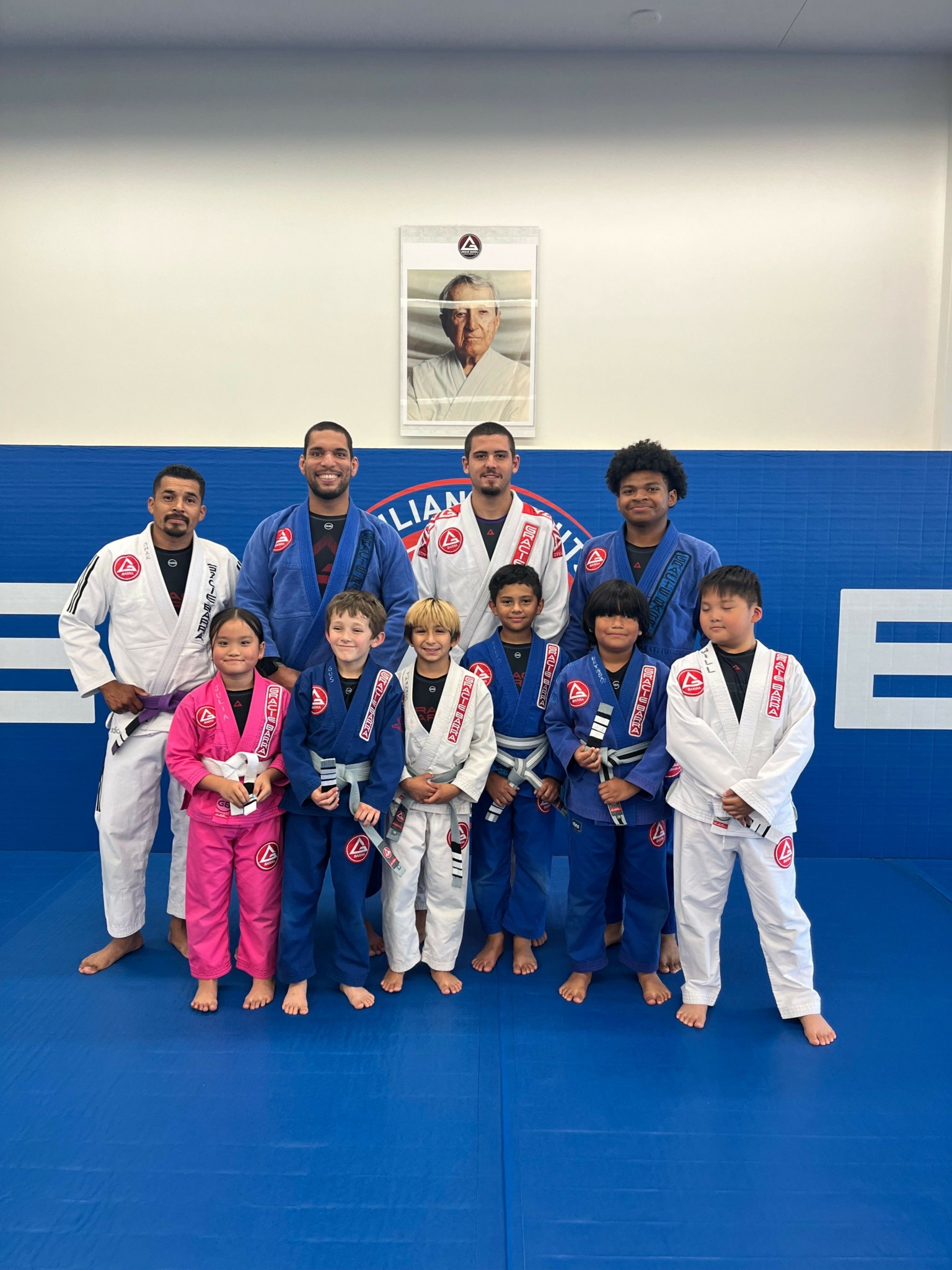
Maintaining quality as we grew was definitely a priority and a challenge. Many people believe that teaching services are difficult to standardize, especially in something as personal as Brazilian Jiu-Jitsu, where we work with everyone—from 3-year-old kids to 80-year-old adults, from professional athletes to those seeking mental health support or simply a fun way to stay active. However, in my experience, the more complex the service, the greater the need for a solid framework. Without it, it’s easy to lose consistency and quality as you scale.
The key is understanding that structure doesn’t limit human connection—it enhances it. By standardizing certain processes, we ensure that each student receives a high level of care, regardless of their age or reason for training. This was a concept I brought from my time in the pharmaceutical industry, where quality assurance and standardization are critical. At Gracie Barra, we were fortunate to start with a methodology already in place that emphasizes quality, and we’ve built on that foundation.
One of the first things we did was develop a strong team of coaches and program directors, ensuring they were well-trained in our procedures and able to create a consistent experience for our students. But more than just following rules, we encouraged them to take ownership of the culture and be the guardians of it. That way, they weren’t just executing a plan—they were contributing to its success and development.
Our quality controls include certifications for all coaches, but we go beyond that. We hold weekly meetings to discuss everything from what’s happening on the mats to business performance and operations. We’ve also created a clear career plan for our team, with transparent steps and expectations for growth, so everyone knows how they can advance. Most importantly, we’ve developed open communication channels with our students, allowing them to provide feedback and ensuring we are continuously improving.
We also implemented customer experience evaluations like NPS (Net Promoter Score), retention metrics, and class attendance metrics to stay on top of performance. For instance, when we saw a dip in one location’s retention rate, we were able to identify the issue early and address it through staff training and adjustments in how we handled new students. Without those systems, we could have lost that insight.
As we expanded, one strategy that worked particularly well was ensuring our coaches and staff regularly engage with other locations. This reinforces the idea that we’re a unified team, not a collection of independent businesses. It gives our members a sense of continuity, knowing they can train at any location and expect the same quality.
My advice for anyone scaling a service-based business is to invest in creating a culture where processes and people work hand-in-hand. Quality control doesn’t mean sacrificing the personal touch—it means ensuring that everyone has a consistently great experience, no matter how big you grow.
Awesome – so before we get into the rest of our questions, can you briefly introduce yourself to our readers.
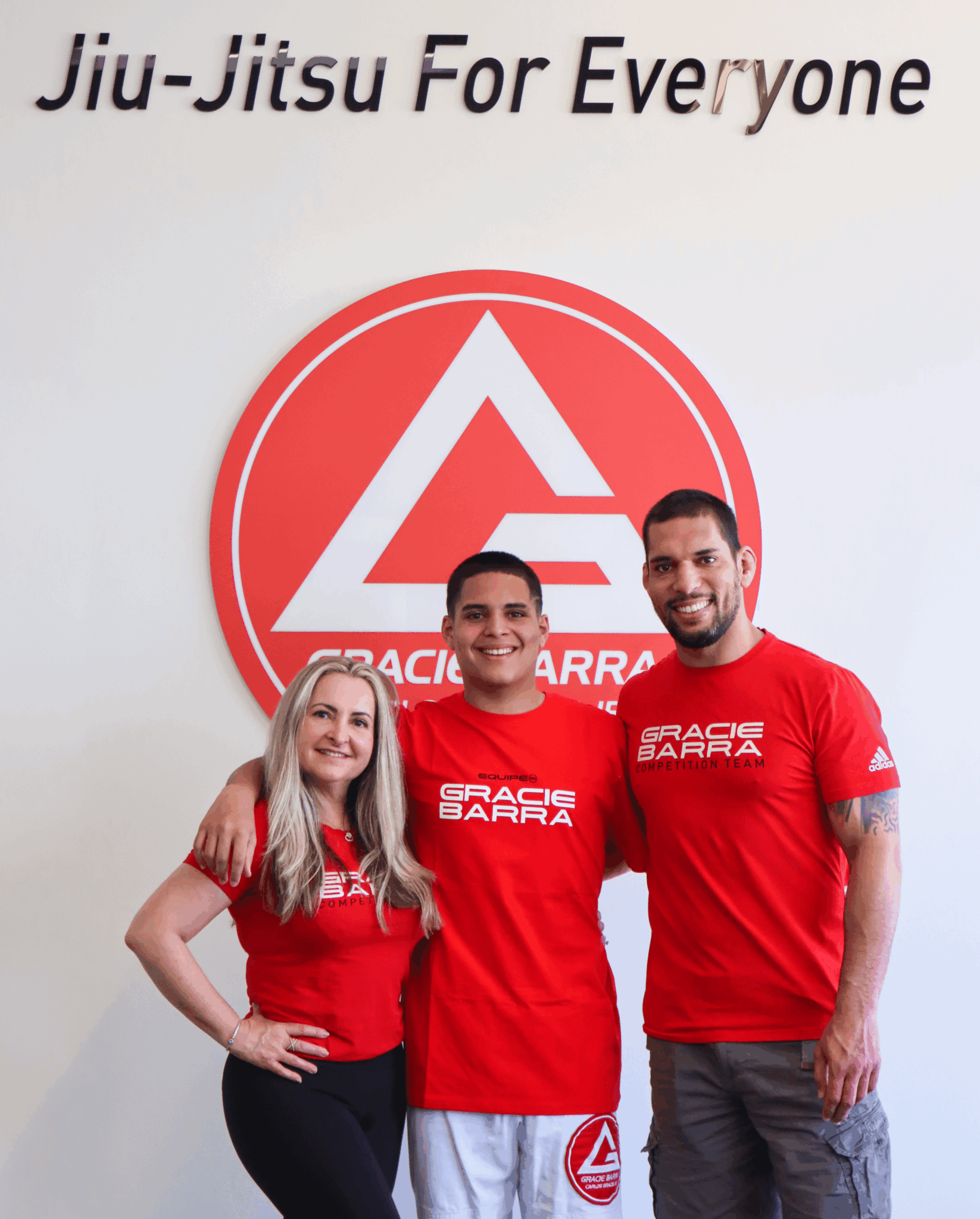
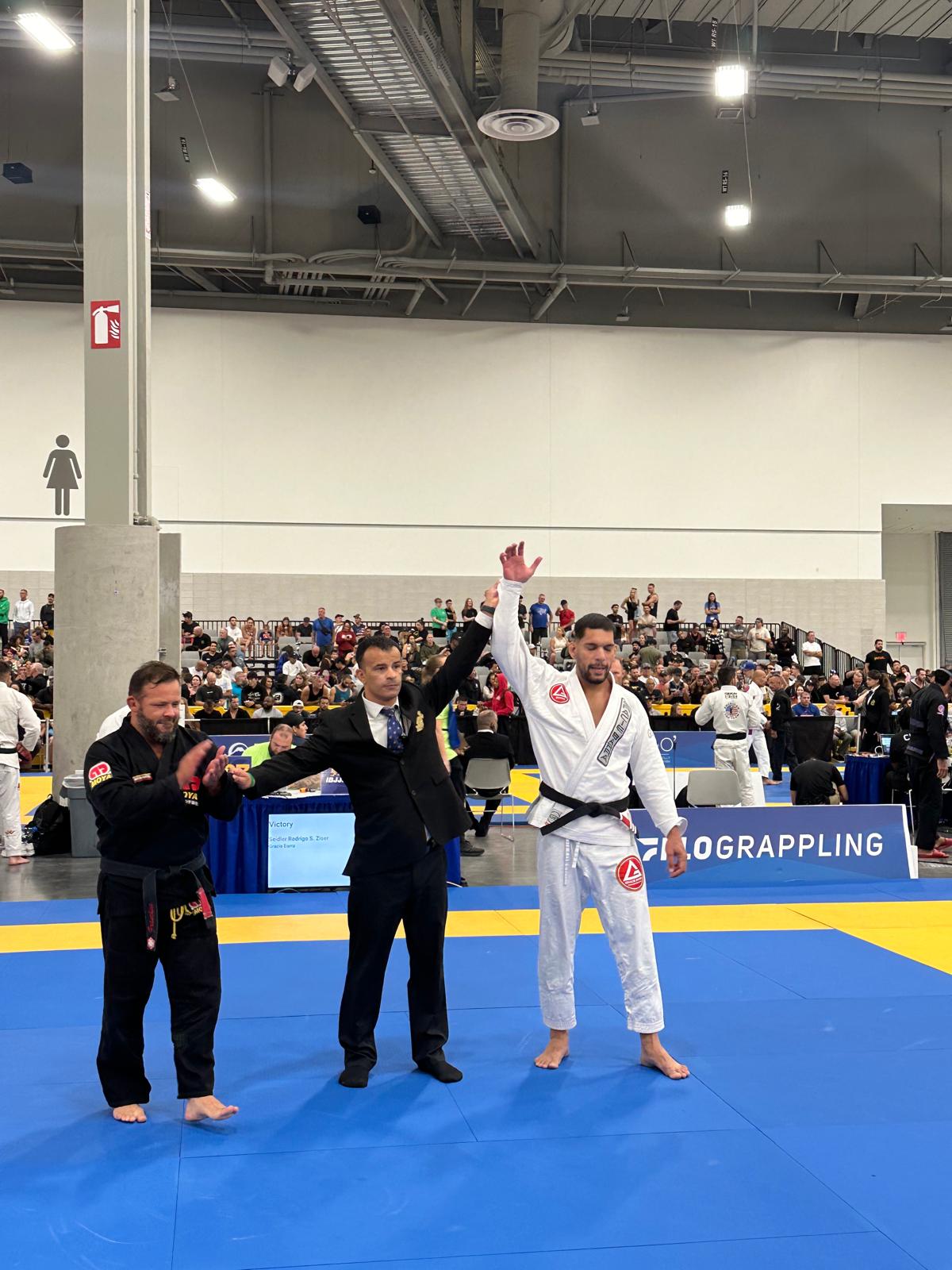
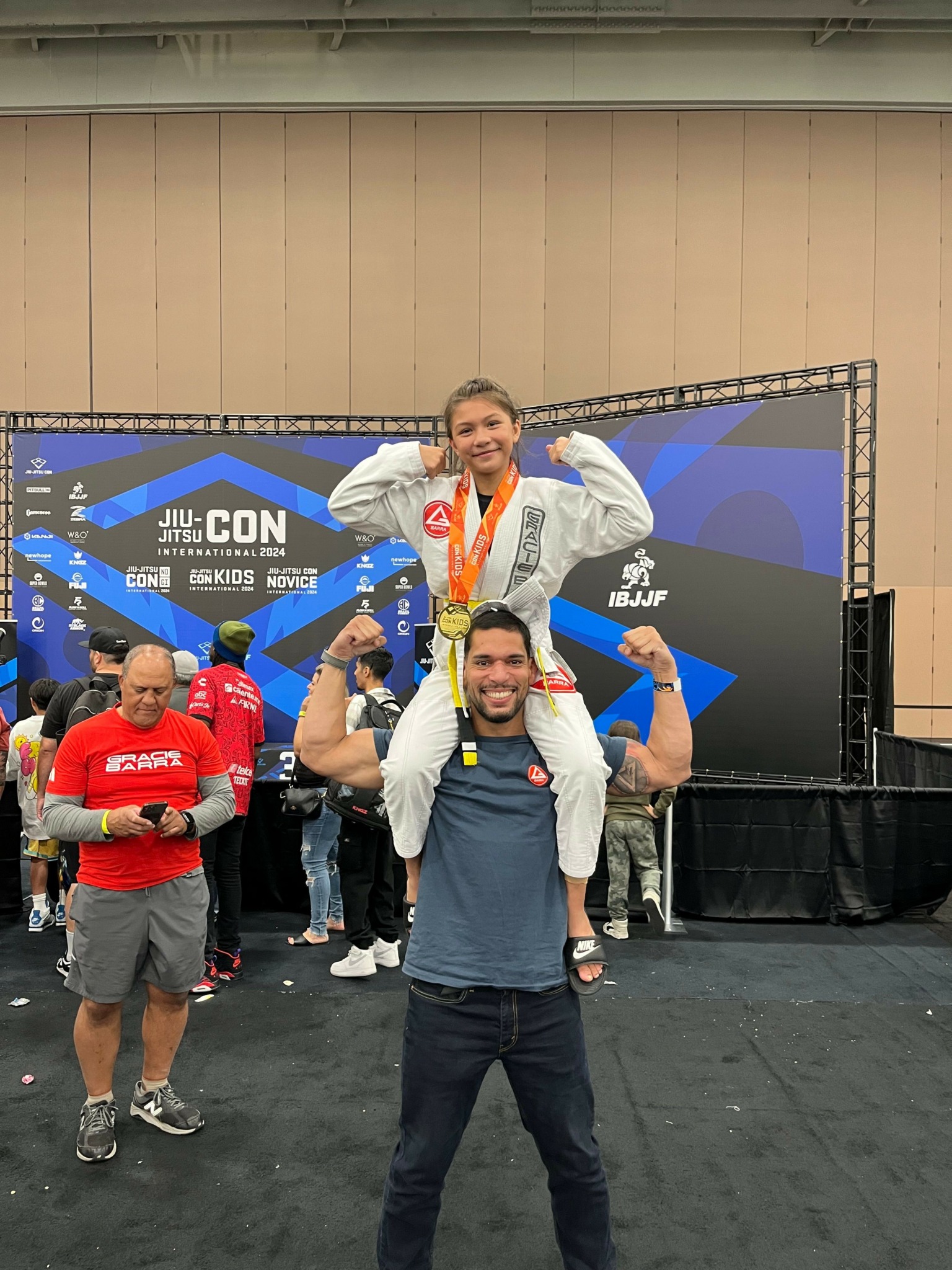
Absolutely. My name is Seidler Ziser, though most people know me by my middle name, Rodrigo. I was born and raised in Niterói, Rio de Janeiro, Brazil. I’m a husband and the proud father of a 17-year-old son, who has followed in my footsteps as a coach in our Jiu-Jitsu schools.
Although I had some exposure to martial arts as a child, my journey with Brazilian Jiu-Jitsu (BJJ) truly began when I was 28. At the time, I was a pharmacist in Brazil, holding a master’s degree in pharmaceutical sciences with a successful career. I initially started training Jiu-Jitsu for my health, but over time, it became a central part of my life. I began competing and achieved good results, and by the time I was a brown belt, I opened my first school in Brazil, eventually launching two more.
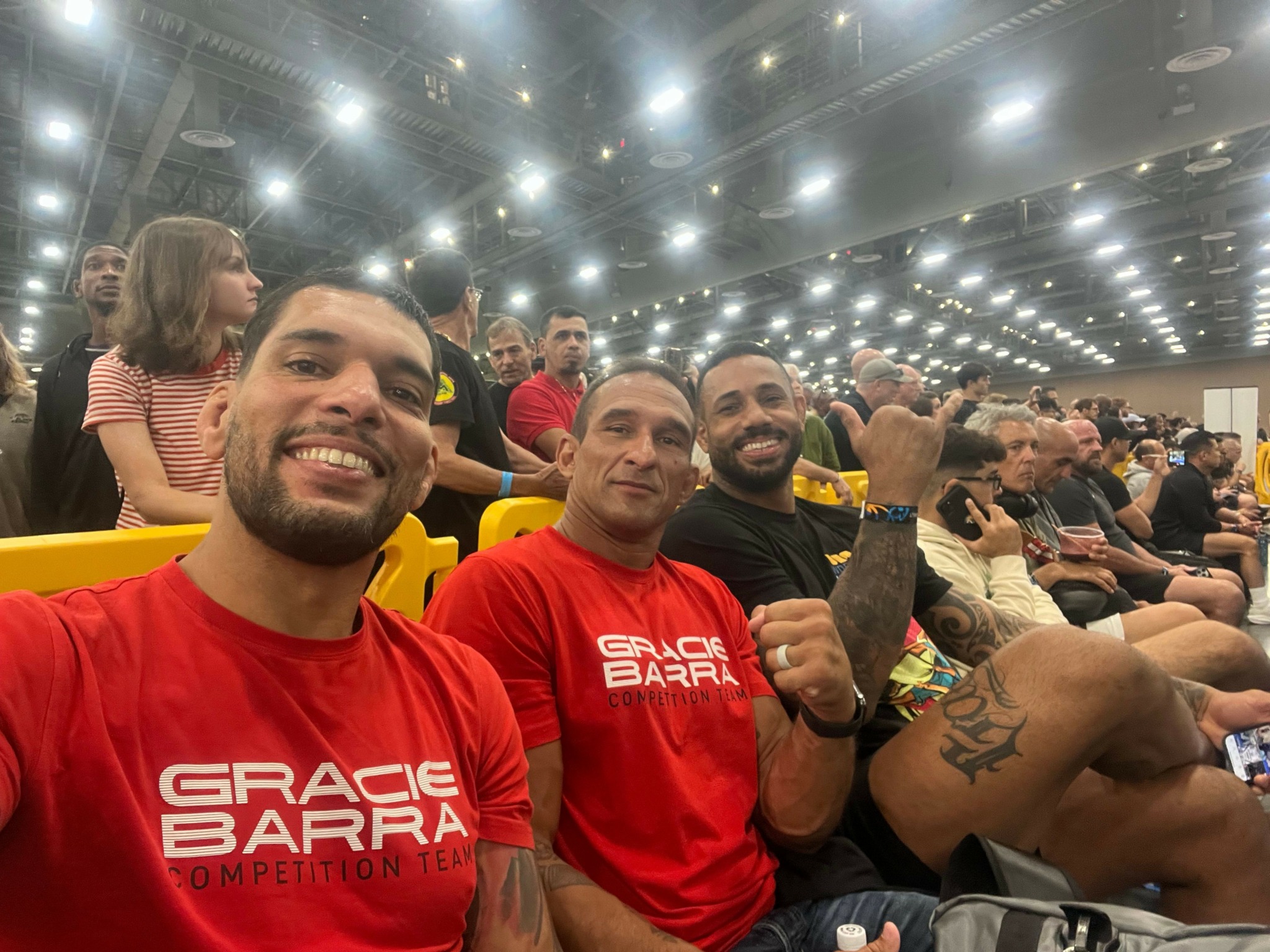
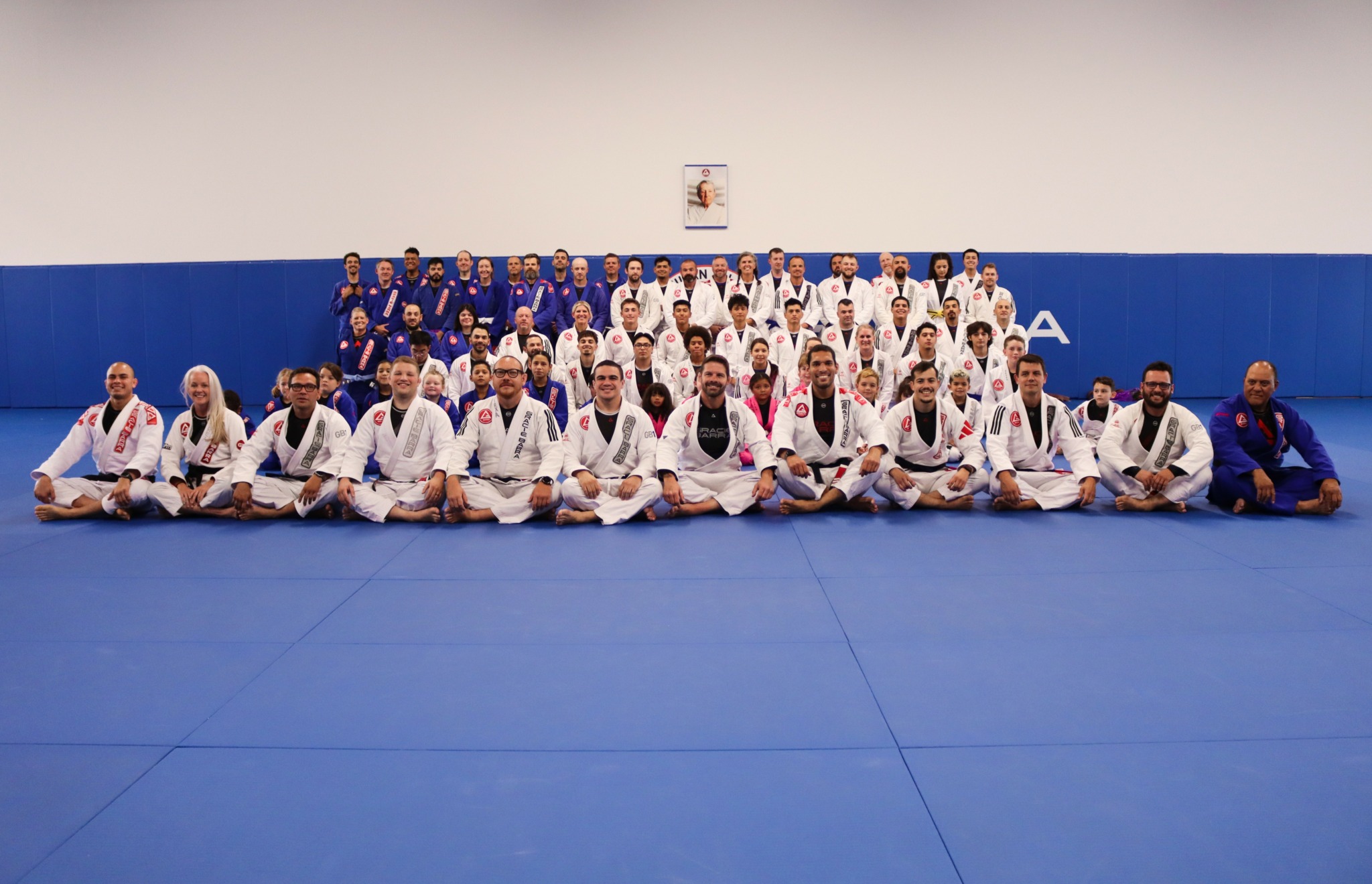
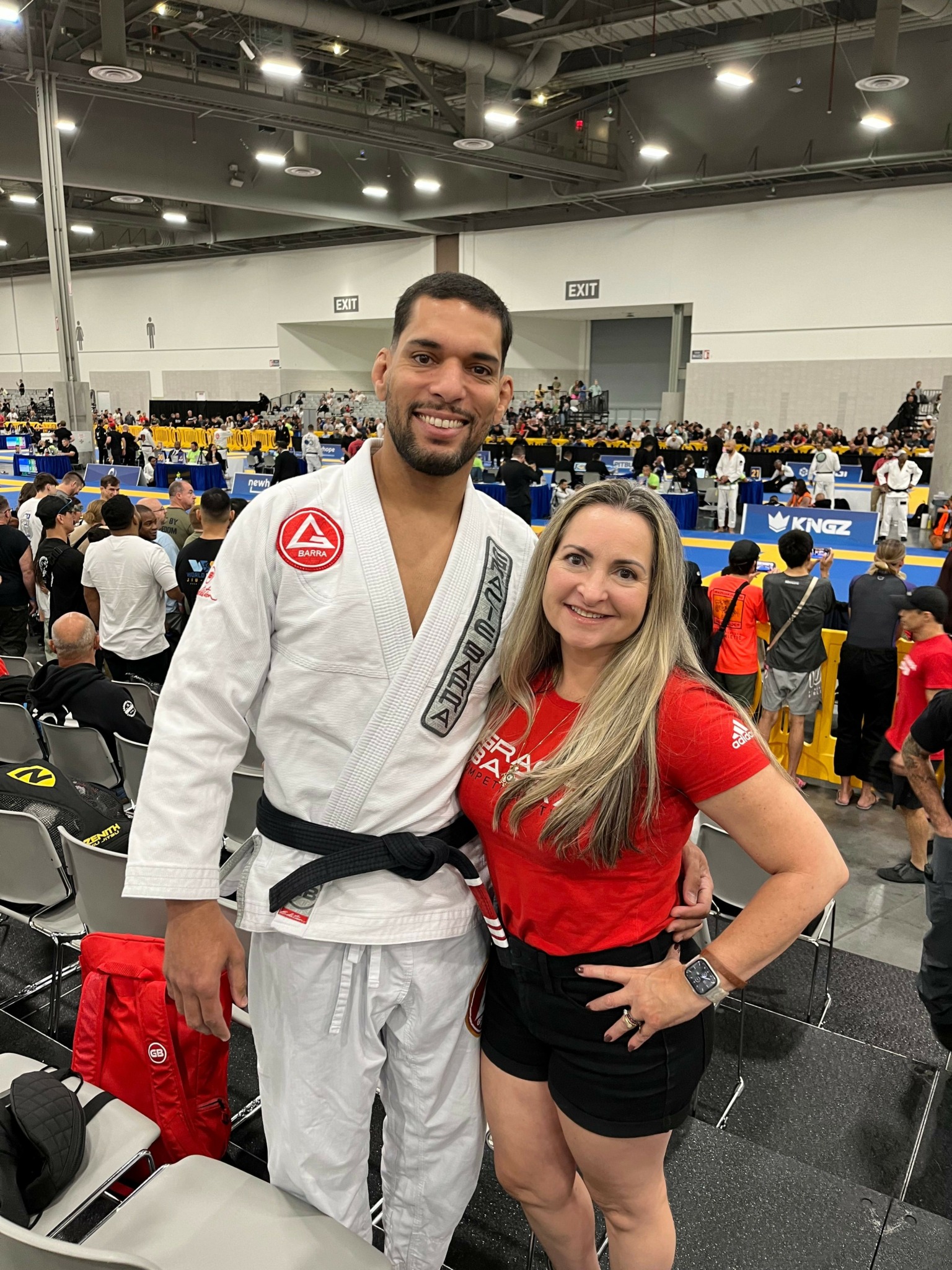
In 2020, I moved to the U.S. to represent Gracie Barra in Utah and to help develop both our team and the sport of BJJ in the region. We started with Gracie Barra Salt Lake City, which was only the second Gracie Barra location in Utah at the time. Fast forward to 2024, and there are now seven Gracie Barra schools across the valley, with my team owning and managing three of them. Today, Gracie Barra is the largest Brazilian Jiu-Jitsu organization in Utah.
At our schools, we offer Brazilian Jiu-Jitsu and self-defense classes for all ages and levels, but what sets us apart is our belief in BJJ as a tool for self-development beyond competition. While we’ve achieved tremendous success in tournaments, locally and internationally, those results are a byproduct of the quality of our instruction. Our primary focus is on helping people become the best versions of themselves—both on and off the mats.
What makes us truly unique is our commitment to fostering a friendly, family-oriented environment. We take pride in the strong sense of community we’ve built, the personal and athletic achievements of our students, and the fact that we do everything with passion, integrity, and care. For us, Jiu-Jitsu isn’t just a martial art—it’s a path to personal growth and self-improvement for everyone, no matter their age or experience level.
We’d appreciate any insights you can share with us about selling a business.
Yes, I sold my schools in Brazil, and it’s an experience I’m proud of and believe is worth sharing. In the Brazilian Jiu-Jitsu business, there’s not a huge investment in fixed assets. The real value of the business comes from the community you’ve built, the students who are committed, the staff who bring it to life, and most importantly, the culture that’s been established.
Often, students become interested in the business after experiencing personal transformation through their training, which was the case with my schools. After several rounds of investments and growth, I sold them for about 20 times my initial investment—right before the pandemic. The transition was smooth, and I’m happy to say that the schools are not only still thriving, but they’ve also seen significant growth in both revenue and competition results.
What this experience highlighted for me is the immense value of a strong culture. It’s not just about the numbers or physical assets; it’s about the relationships and the sense of belonging you create. That’s what gives a business its longevity and makes it valuable in the long run. Selling my schools was a win-win for everyone involved, and I believe it reinforced the importance of cultivating a strong, positive culture in any business.
Are there any books, videos, essays or other resources that have significantly impacted your management and entrepreneurial thinking and philosophy?
I love reading and there are so many books that I do not even know where to start, but I would say these 5 are special for me…
The Toyota Way: 14 Management Principles from the World’s Greatest Manufacturer
The E-Myth Revisited: Why Most Small Businesses Don’t Work and What to Do About It
How to Win Friends and Influence People
Secrets of the Millionaire Mind
Attached: The New Science of Adult Attachment and How It Can Help You Find—and Keep—Love
Contact Info:
- Website: https://www.gbutah.com
- Instagram: https://www.instagram.com/seidlerrodrigo/
- Facebook: https://www.facebook.com/seidlerrodrigo.santos/
- Linkedin: https://www.linkedin.com/in/seidler-ziser-27722018