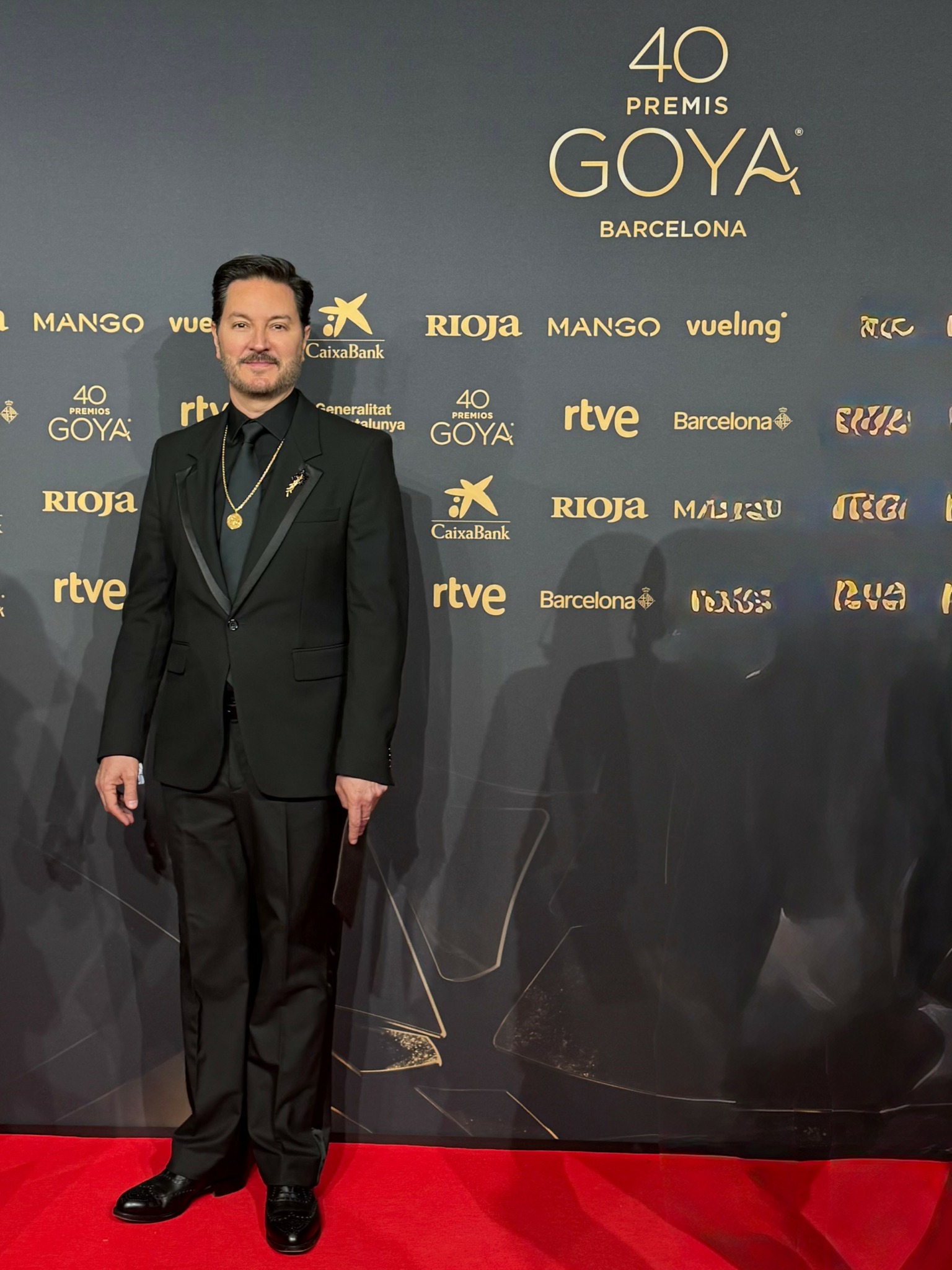

Alright – so today we’ve got the honor of introducing you to Sebastián Gálvez. We think you’ll enjoy our conversation, we’ve shared it below.
Sebastián, looking forward to hearing all of your stories today. Can you talk to us about how you’ve thought about whether to sign with an agent or manager?
I do—I’m fortunate to have a team of agents across several markets.
In Los Angeles, I’m represented commercially by JS Represents. I was introduced to Jon (without the H) by my friend Karola Sanchez back in 2016, and we’ve been working together ever since. He consistently brings me in for top commercial auditions, and through that partnership I’ve booked several national SAG-AFTRA campaigns.
In New York, my theatrical agent is Tammy Green at The Green Agency, whom I connected with through my fellow actor Paulina Galvez. Paulina also introduced me to Bea Urgelles in Miami, who represents me for the Latin American market through Beau Management.
In the UK, I work with Rolu Entertainment, who submits me across the European market. They initially approached me in Madrid after becoming familiar with my work in Los Angeles.
For Spain, I’m represented by La Farándula Actores in Barcelona. That connection came through one of my long-time coaching clients, Laura Roche, who generously introduced us.
As you can see, it really does take a village. Acting is a collaborative profession, and I’m grateful to work with a team of passionate professionals who help create and secure meaningful opportunities.
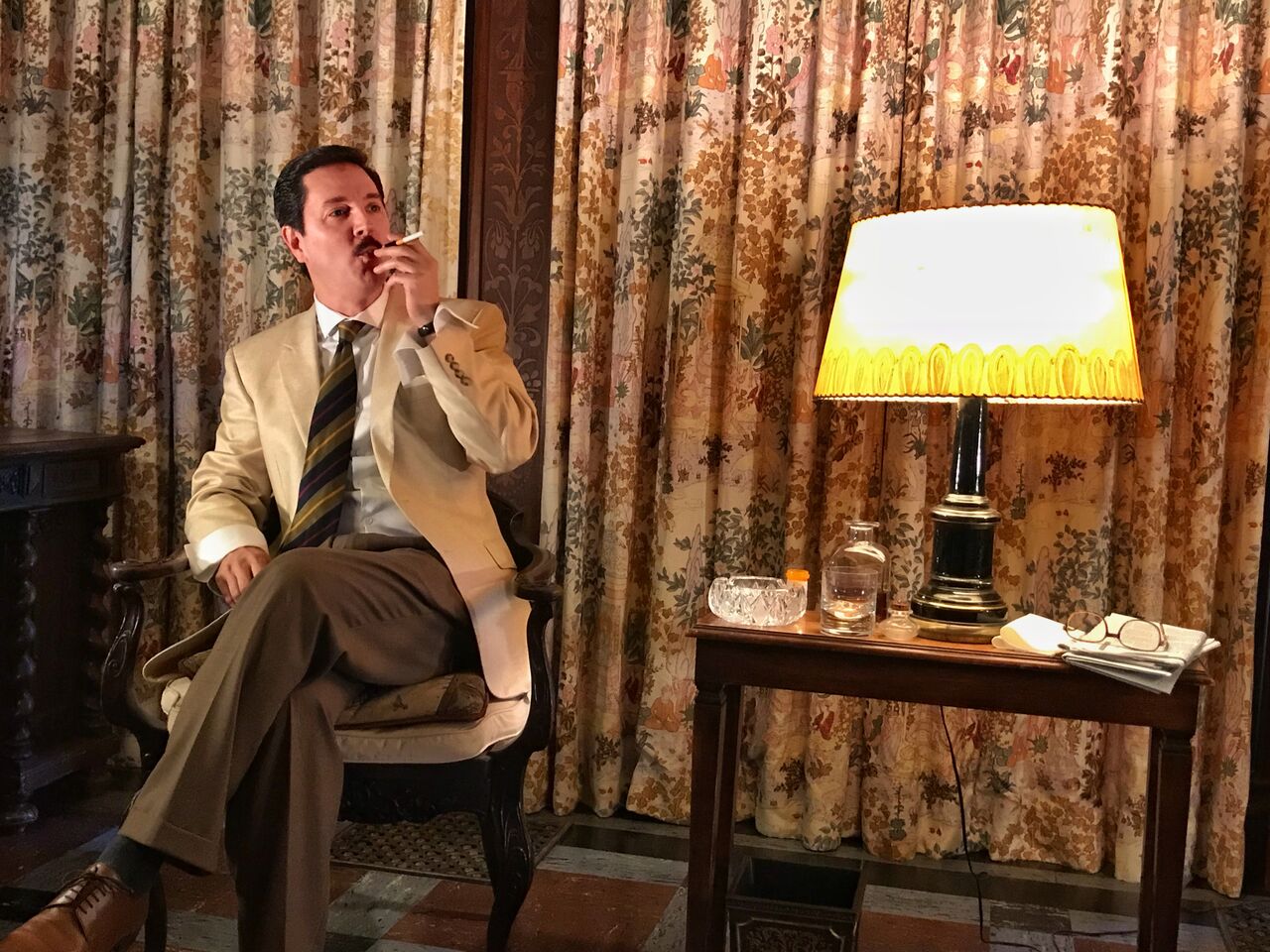
Great, appreciate you sharing that with us. Before we ask you to share more of your insights, can you take a moment to introduce yourself and how you got to where you are today to our readers.
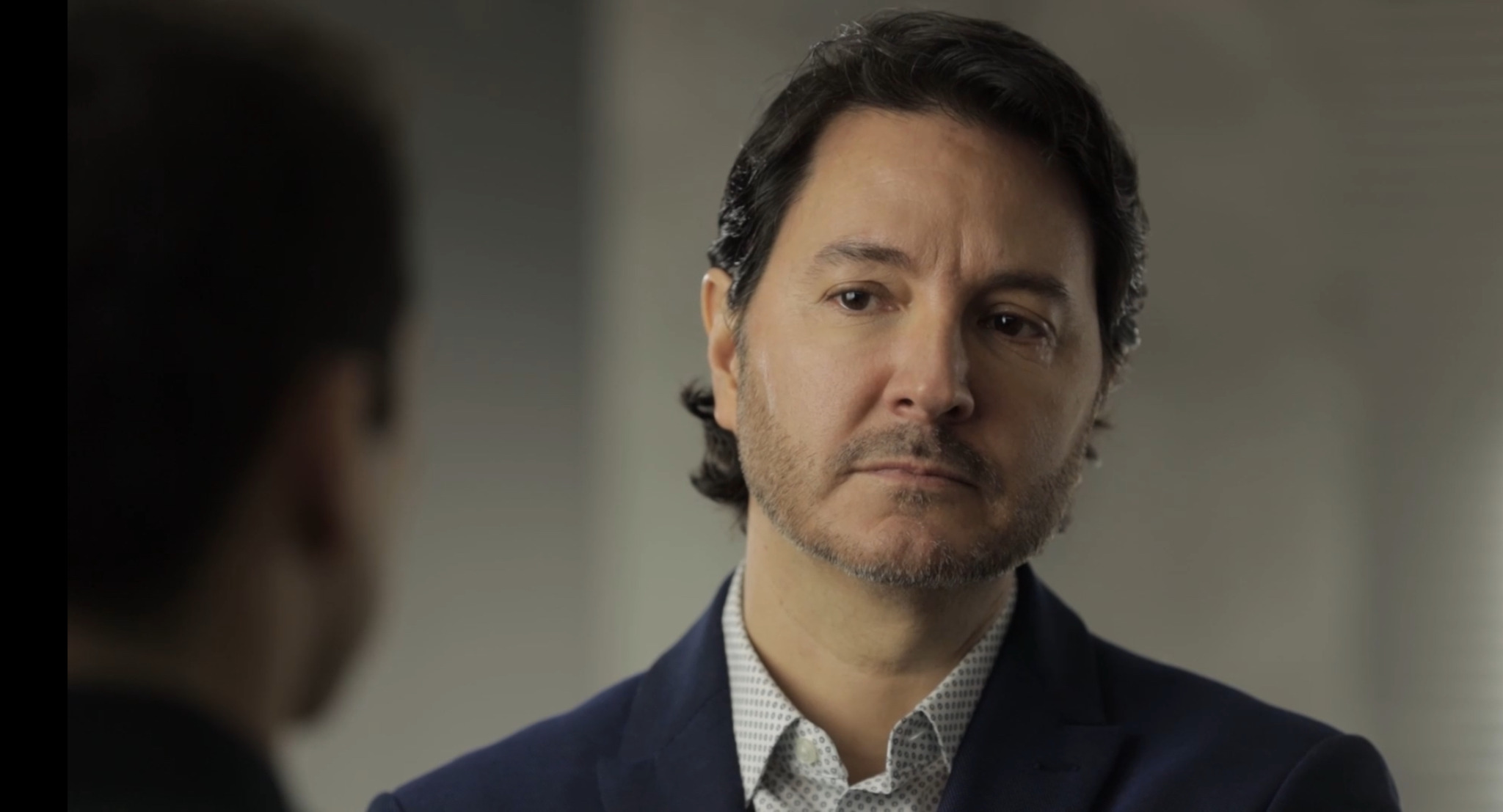
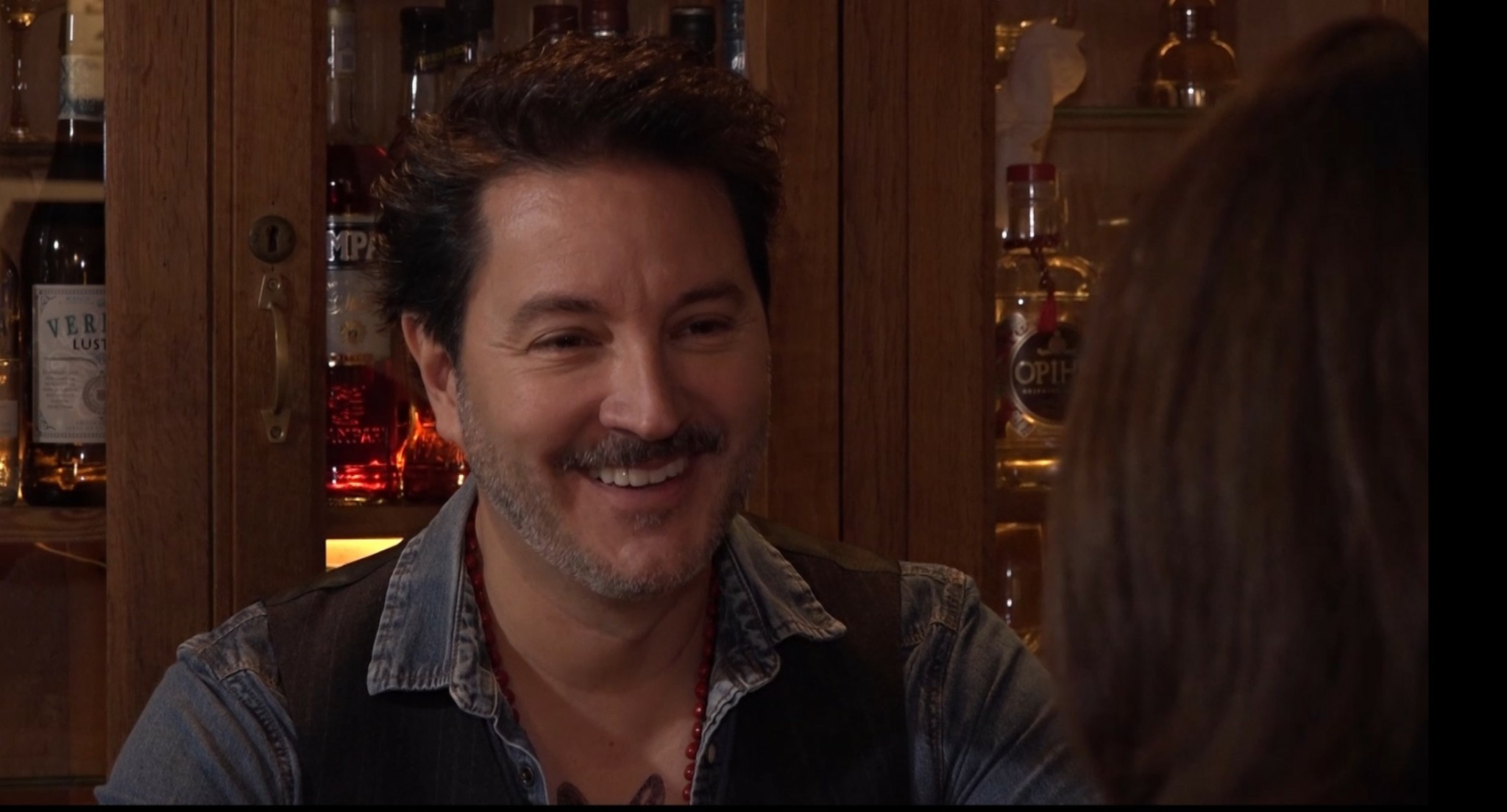
I’m an actor and acting coach working across film, television, and commercial markets internationally. My work lives at the intersection of performance and transformation—whether I’m in front of the camera or coaching someone else, I’m focused on bringing authentic, compelling stories to life.
Storytelling has been part of me for as long as I can remember. As a child, I was constantly creating—putting on shows with a puppet theatre I had at home and getting lost in imaginary worlds. I still remember seeing Annie for the first time at age seven and having this undeniable feeling that I wanted to be on stage doing that. That spark never really left me.
That said, my path wasn’t linear. I initially pursued a career in banking, but something was missing. In my 20s, I took my first acting class, and that was it—I was completely hooked. I couldn’t get it out of my mind. Eventually, I made the decision to leave banking and fully commit to becoming a working actor, and that choice changed the course of my life.
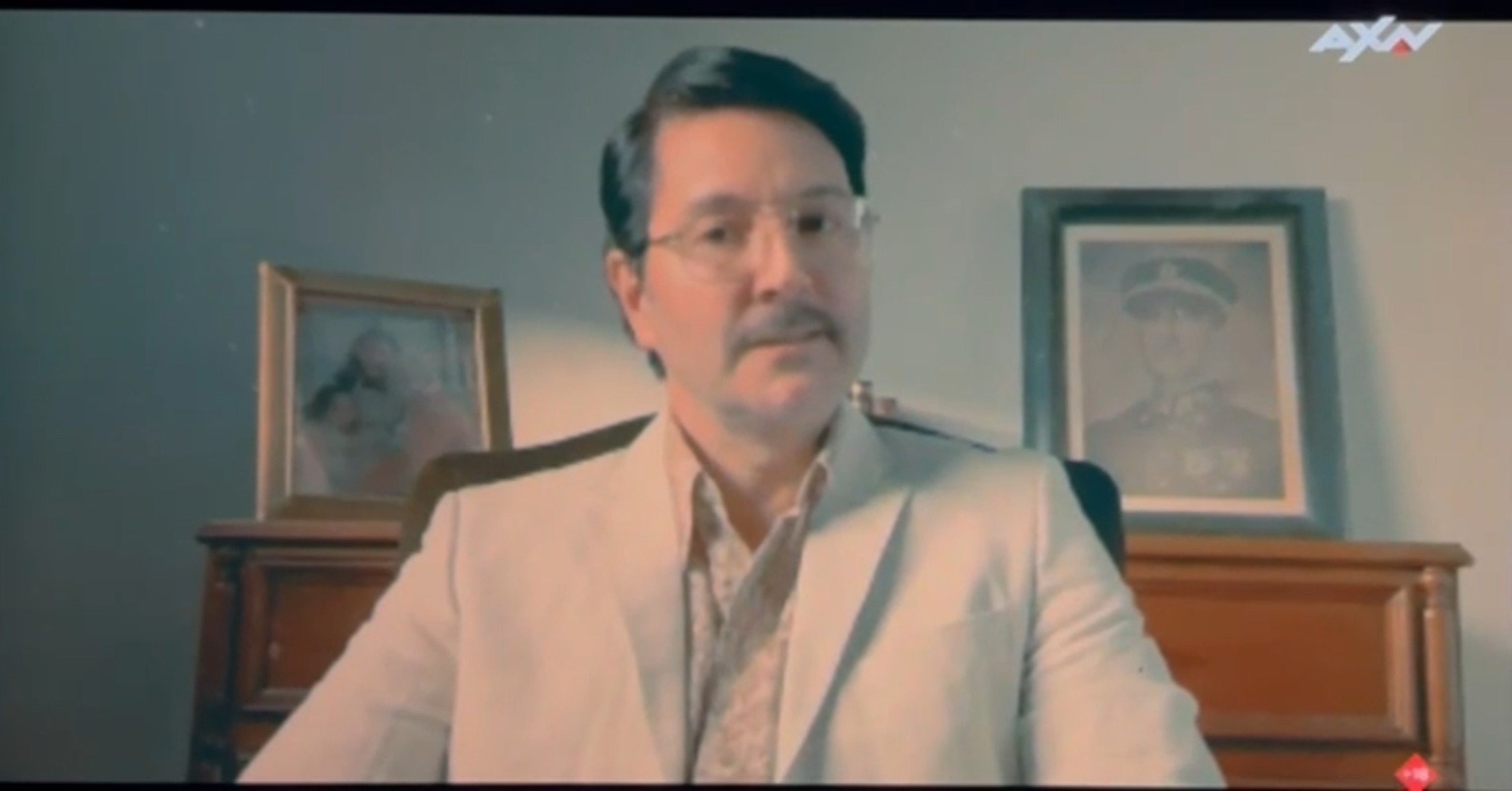
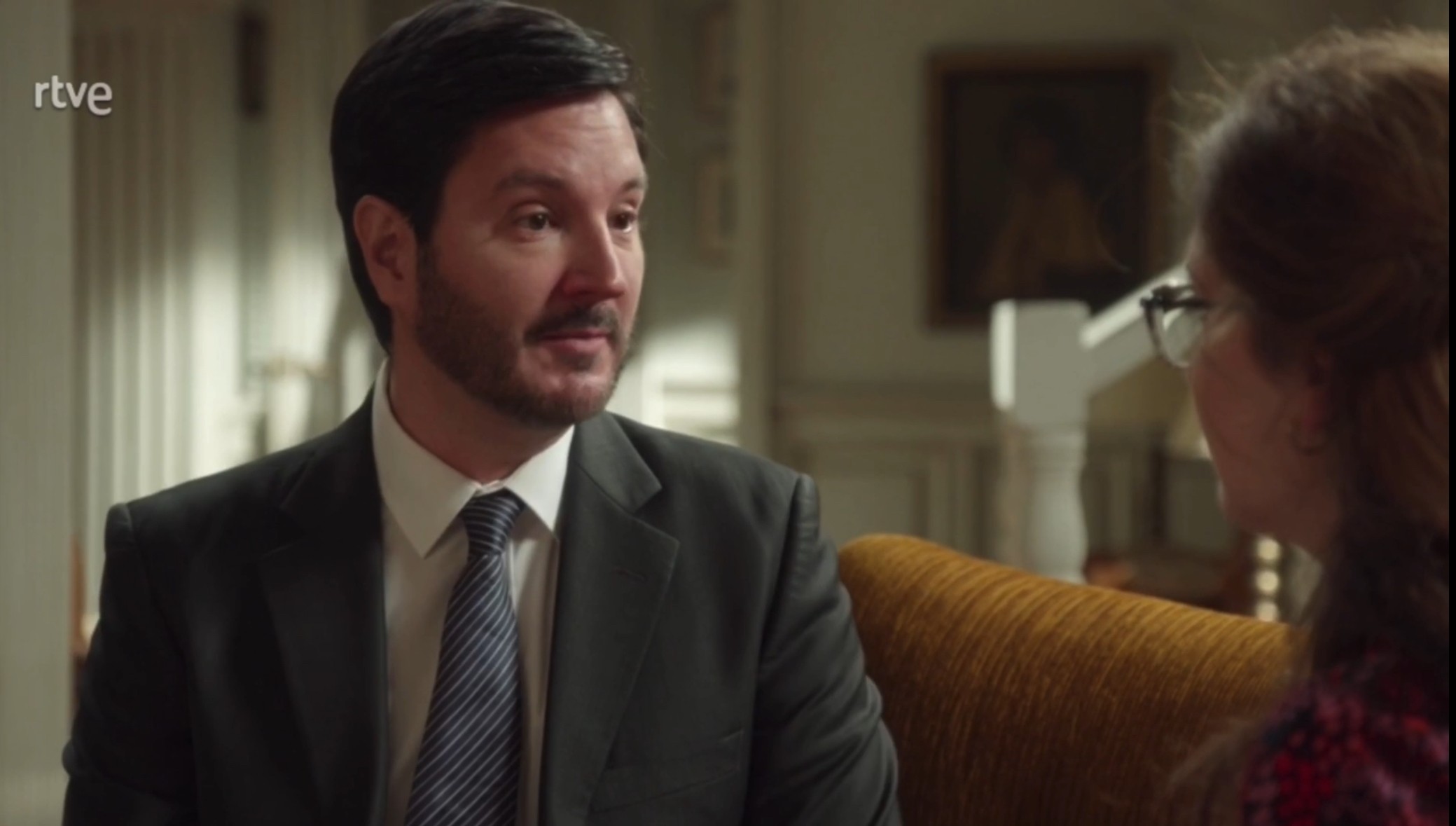
Over the years, I’ve built a career that spans multiple markets, including the U.S., Latin America, and Europe. As an actor, I’ve worked on national campaigns and continue to pursue roles that challenge me creatively and emotionally.
Alongside my acting career, coaching has become a fundamental part of my professional identity. I owe a great deal of that path to Susan Batson, who brought me on as a teacher at her studio in New York. I worked there for over five years starting in 2010, and that experience deeply shaped how I approach the craft and my work with actors. From there, I began teaching workshops internationally, including in Chile and Spain, and today I primarily work one-on-one with clients.
As a coach, my focus goes beyond technique. Of course, we work on script analysis, understanding the story, and building strong, grounded performances—but at the core, it’s about helping actors connect to their truth. I help them identify and move through the blocks that get in their way, so they can step into their full potential and do their most honest, compelling work.
I believe what sets me apart is that I’m actively working in the industry while coaching, and that I approach each actor as a unique instrument. There’s no one-size-fits-all method. My job is to help each person discover what makes them specific and powerful—and to trust that.
What I’m most proud of is the growth I see in my clients. The fact that they continue to come back, that they trust me with their process, and that I get to witness their breakthroughs—whether it’s booking a role, signing with representation, or simply feeling more confident and free in their work—that’s incredibly meaningful to me.
Ultimately, I want people to know that my work is rooted in authenticity, discipline, and transformation. Whether I’m on set or in a coaching session, I’m deeply committed to the craft and to helping others bring out their best.
What do you find most rewarding about being a creative?
The most rewarding part of being an artist, for me, is transformation. The process of taking something on the page and bringing it to life in a truthful way—and in doing so, discovering parts of myself I didn’t fully understand before.
I also find deep fulfillment in witnessing that transformation in others. As a coach, when I see someone break through a block, connect to their truth, and suddenly come alive in their work—that’s incredibly powerful.
At its core, it’s about connection, honesty, and impact. The ability to tell stories that resonate, that move people, that make someone feel less alone—that’s what makes all of it worth it.

How can we best help foster a strong, supportive environment for artists and creatives?
I think the most important thing society can do to support artists is to truly value the arts—not just culturally, but structurally. That means investing in arts education, funding creative programs, and creating more accessible pathways for artists to sustain themselves financially while they develop their craft.
There’s often this idea that art is a luxury, when in reality it’s essential. Storytelling shapes how we understand ourselves and each other. It reflects culture, challenges perspectives, and creates connection. When artists are supported, society benefits as a whole.
On a more practical level, I think it’s also about respecting the profession. Understanding that being an artist requires discipline, training, and consistency—just like any other career. Supporting artists can be as simple as paying for their work, amplifying their voices, and creating spaces where their work can be seen and appreciated.
And finally, fostering community is key. A thriving creative ecosystem isn’t built in isolation—it comes from collaboration, mentorship, and shared opportunities. The more we create environments where artists can grow, take risks, and support one another, the stronger and more vibrant the industry becomes.
Contact Info:
- Instagram: @seb_galvez