

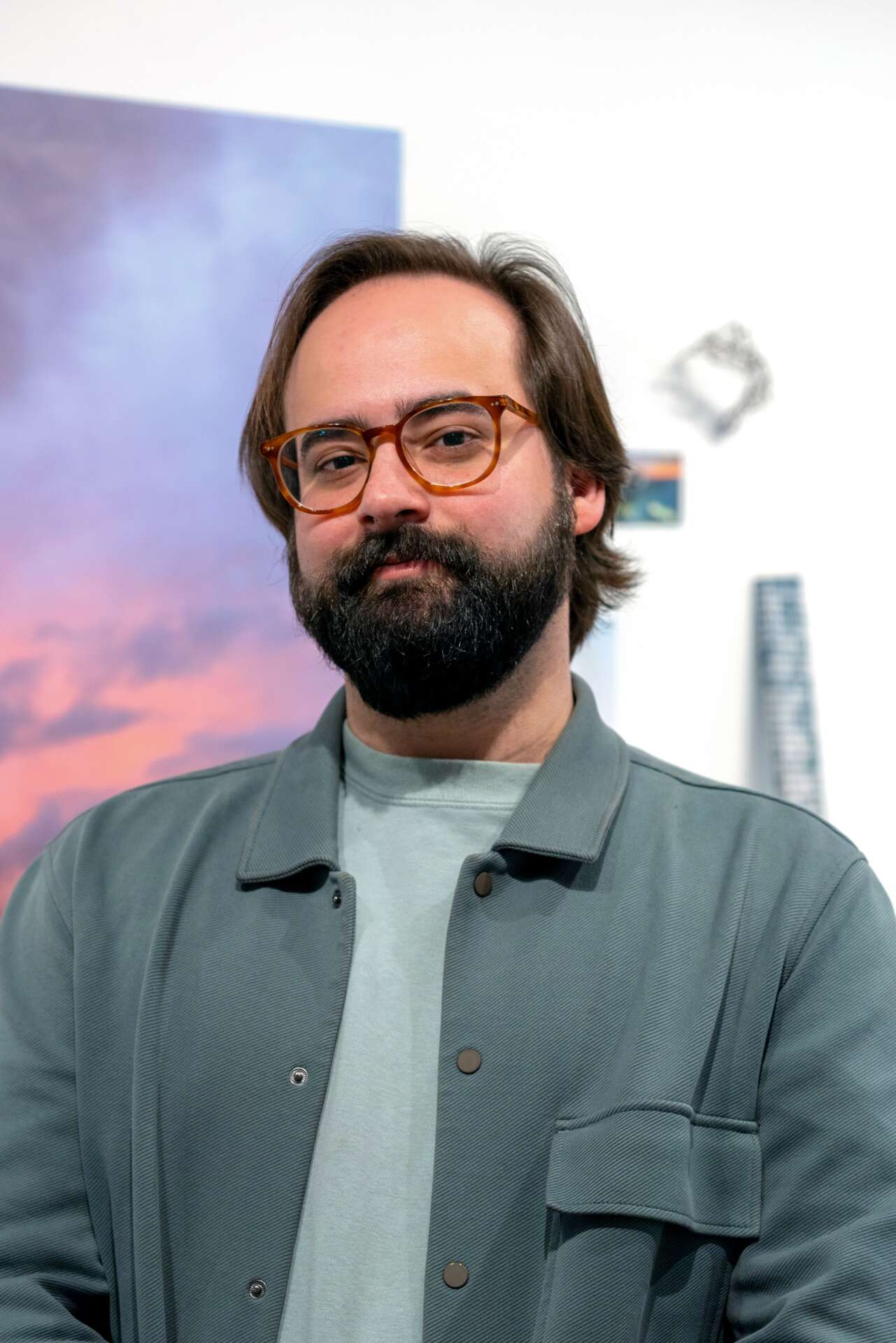

We’re excited to introduce you to the always interesting and insightful Sebastian Bruno-Harris. We hope you’ll enjoy our conversation with Sebastian below.
Alright, Sebastian thanks for taking the time to share your stories and insights with us today. Can you talk to us about how you learned to do what you do?
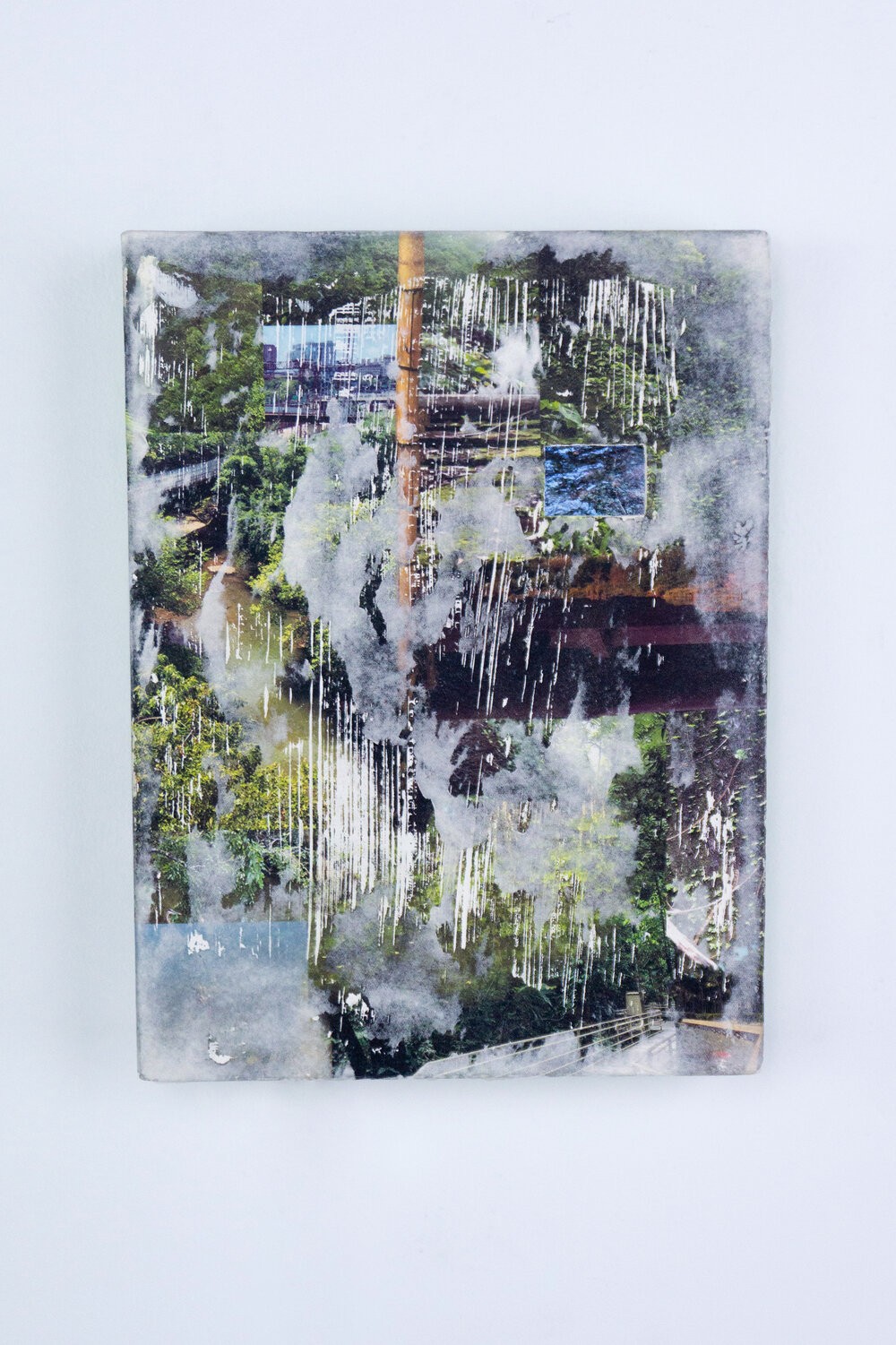
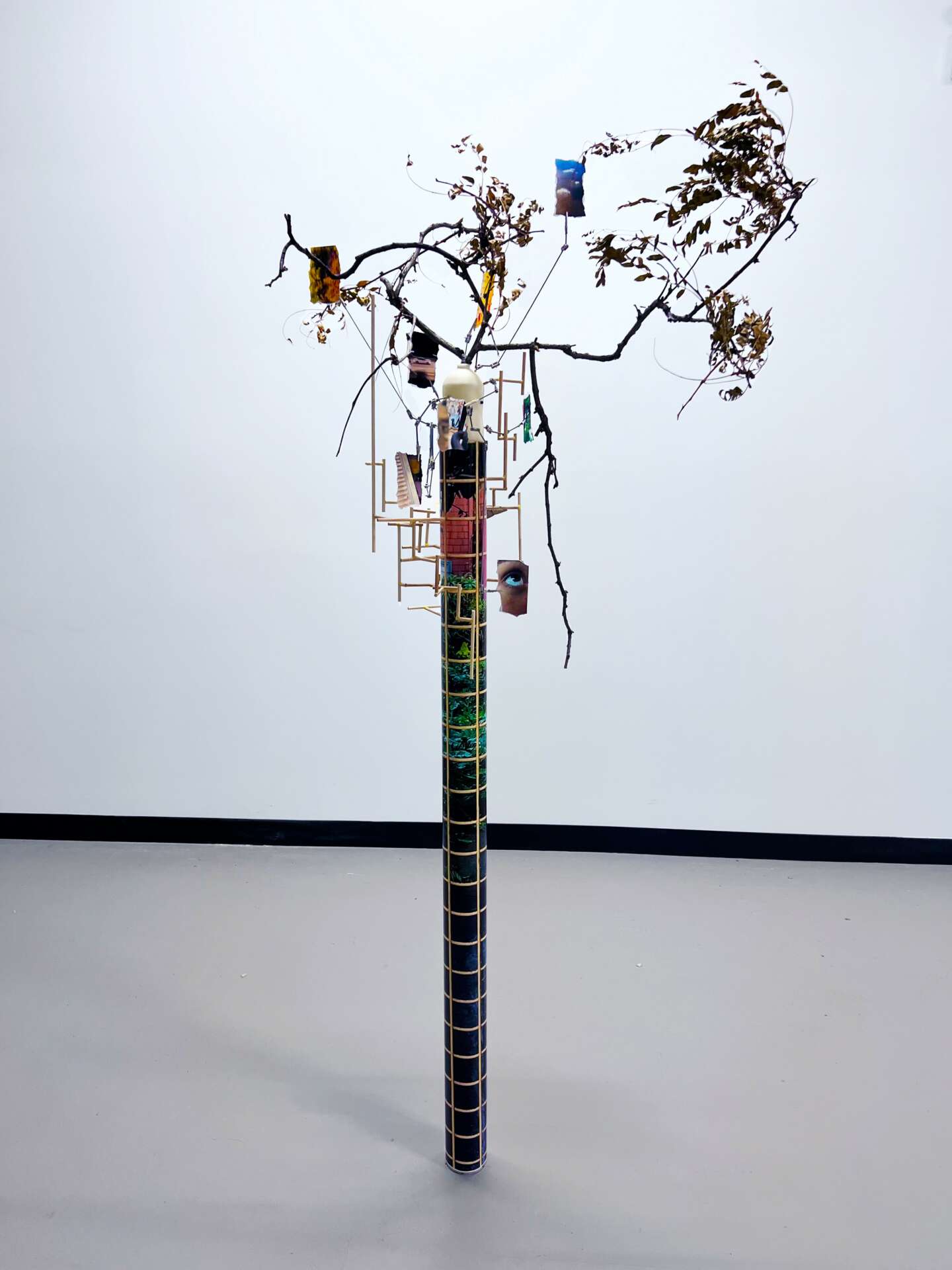
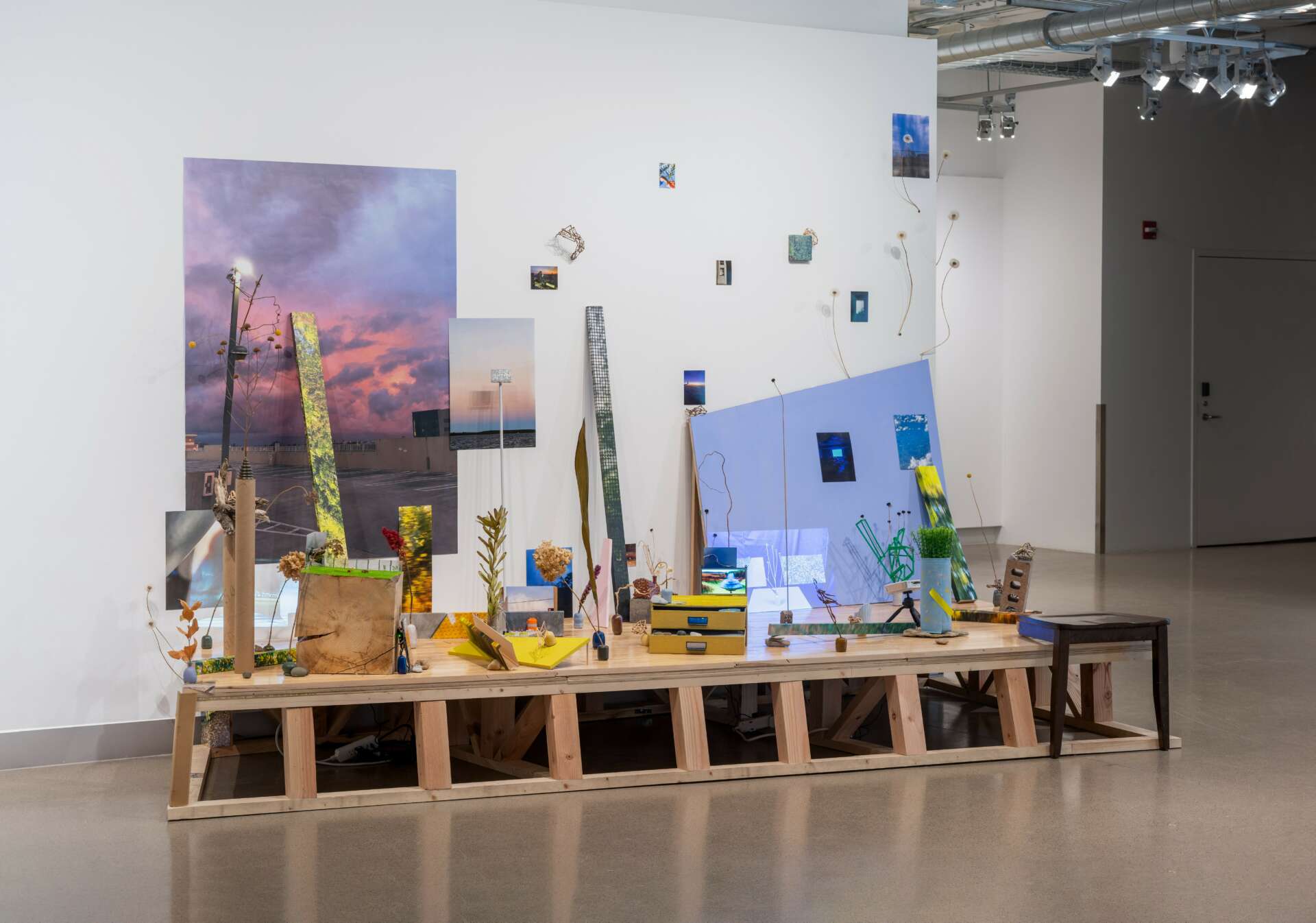
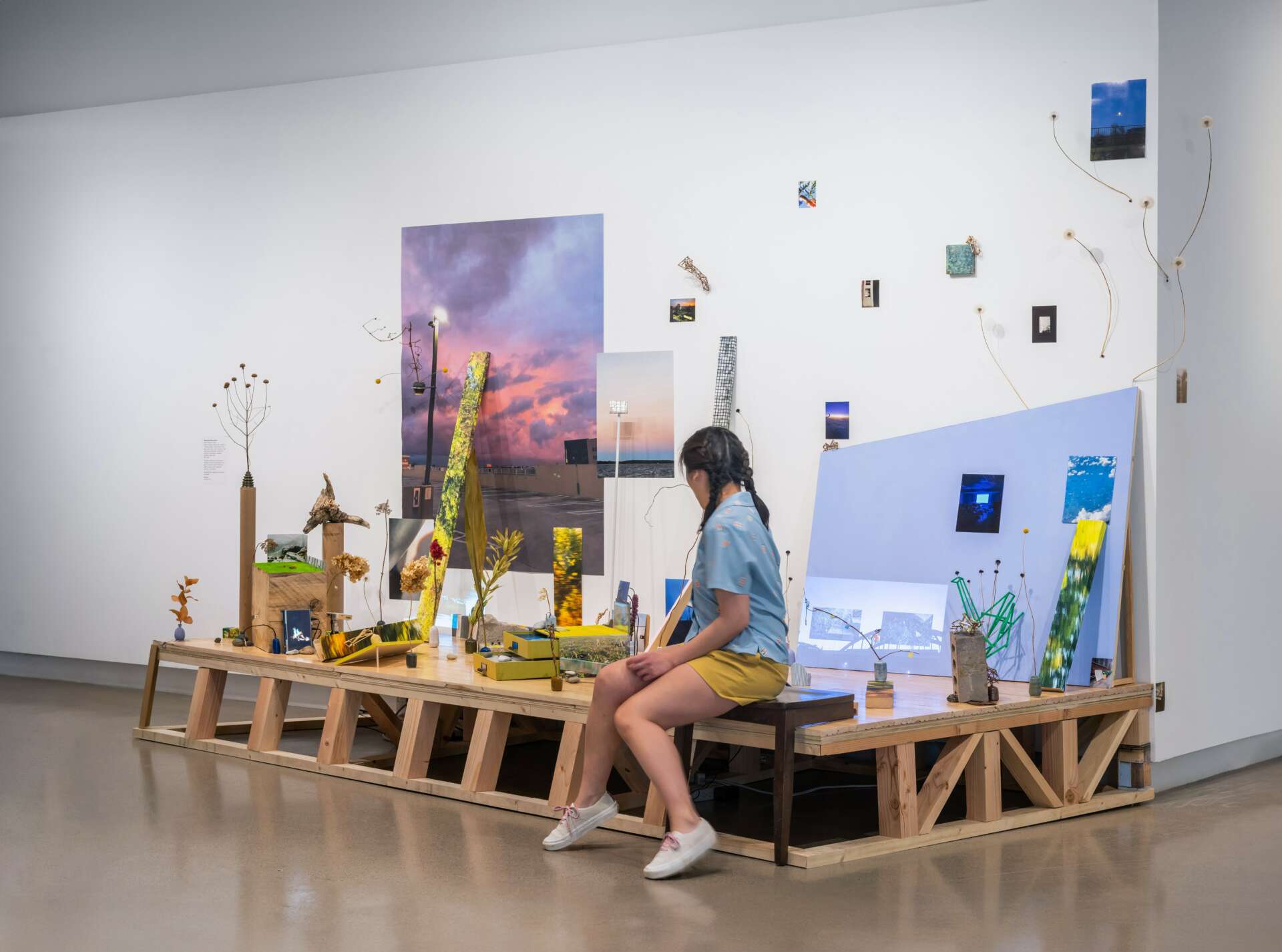
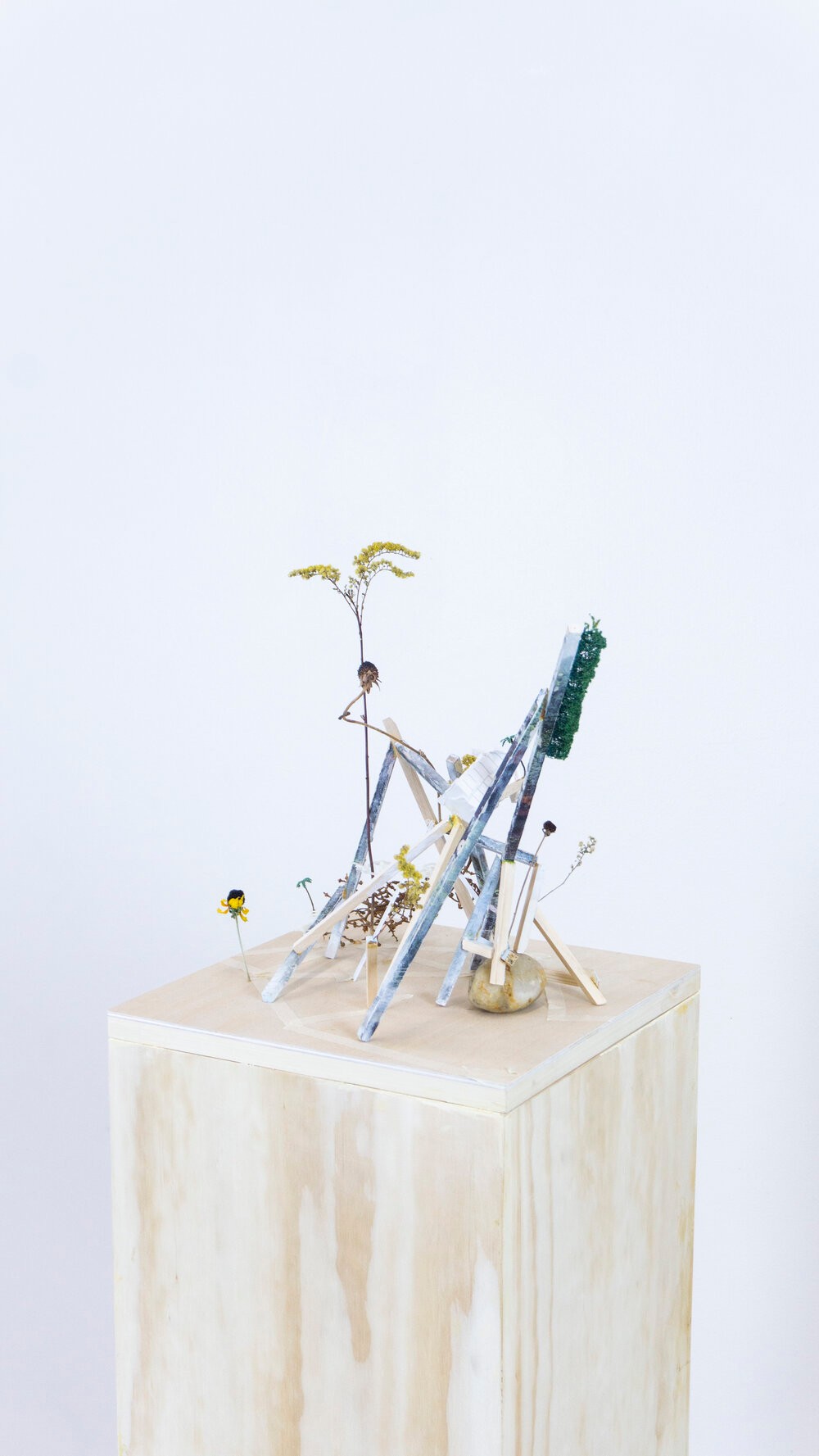
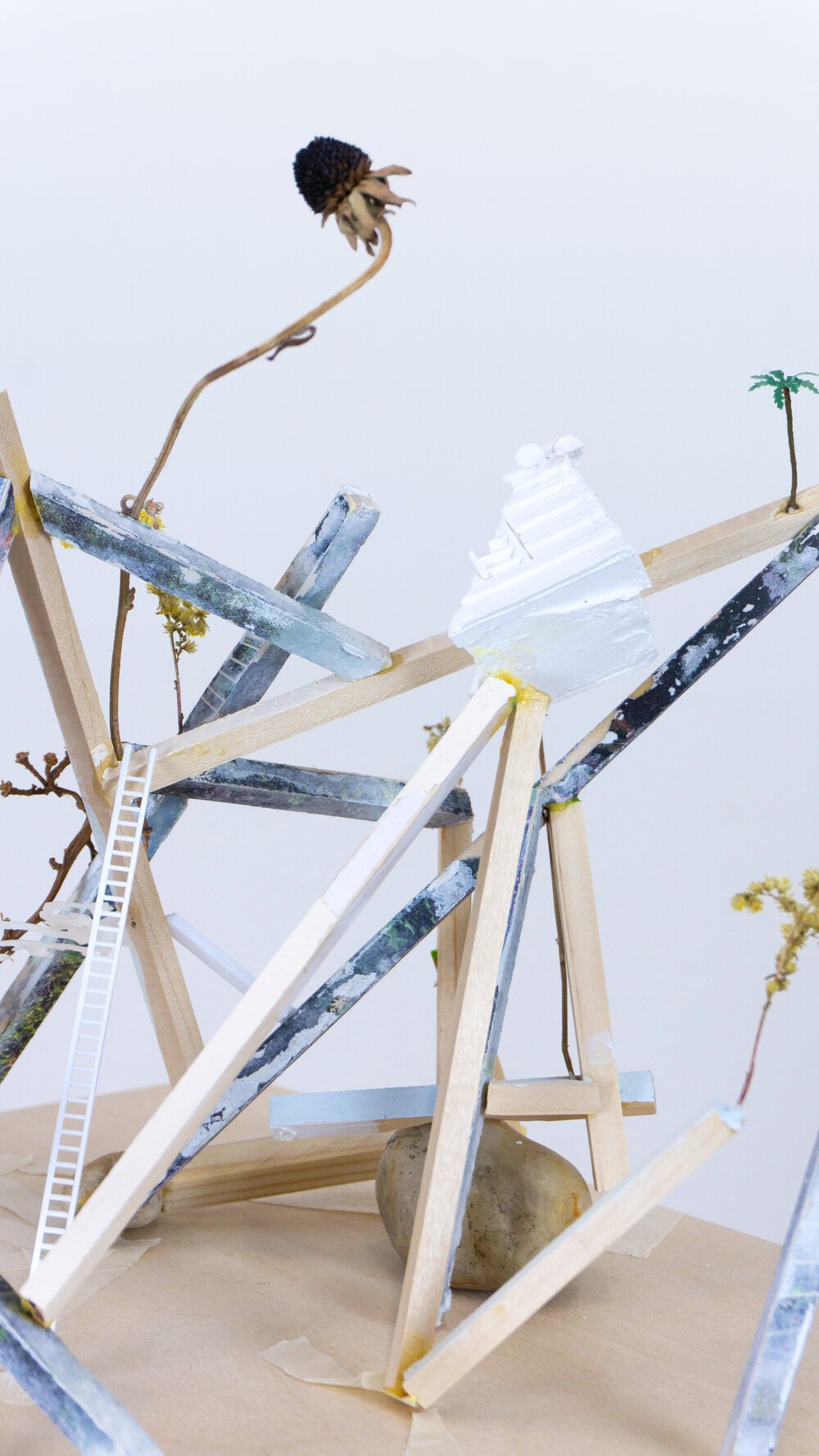
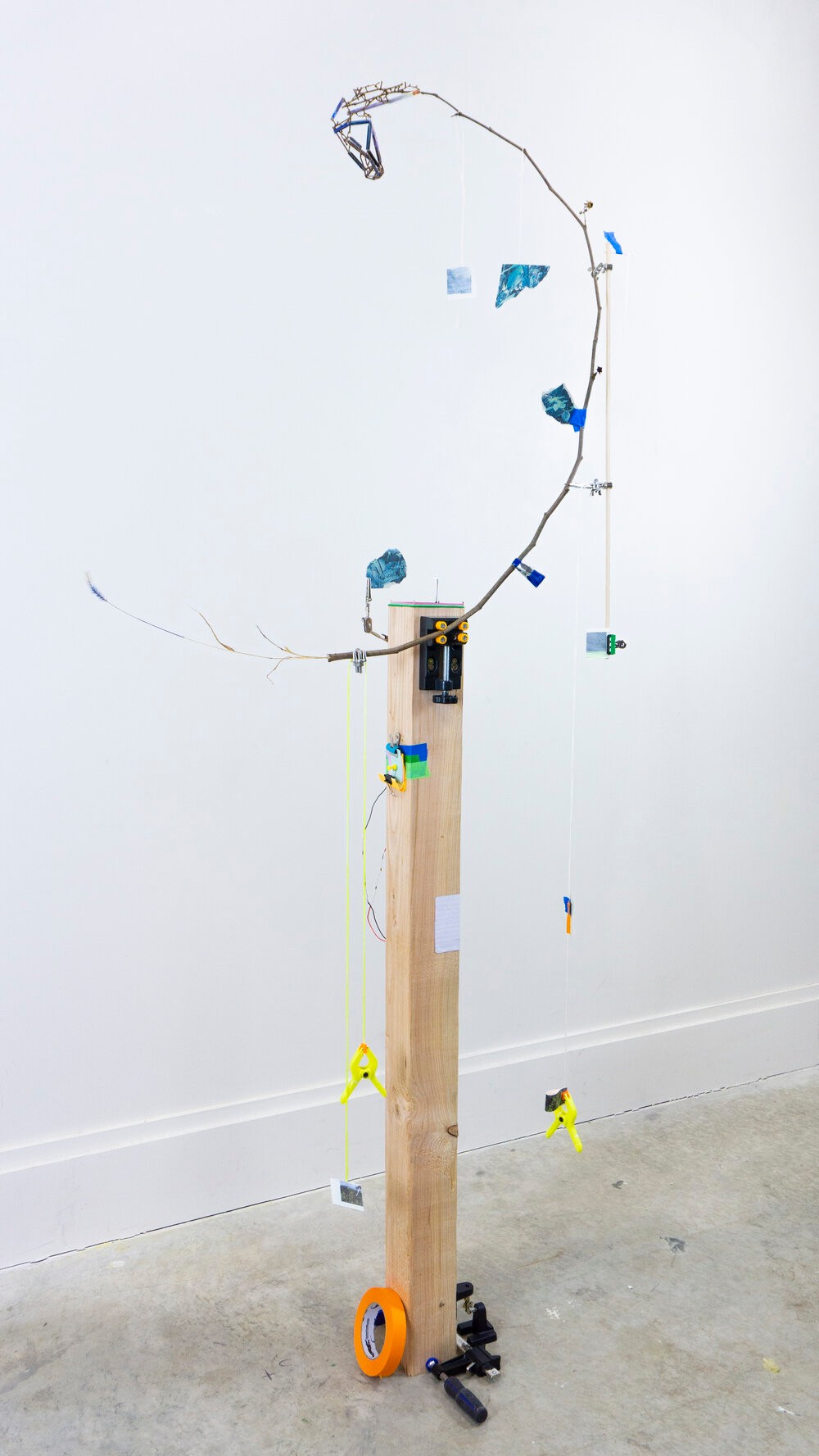
Early on in my practice, I learned how to work with different mediums, including sculpture, drawing, print media, photo, and video, which became the foundational skills for a lot of the work I make now. In the last two years I’ve dabbled into different things like wheel throwing, flower arranging, miniature-making, collaging, 3D printing, and 3D animation, and my practice today is about combining all of these different ways of making into my own idiosyncratic sculptural arrangements. I often go on walks where I find and collect materials to bring to my studio, which over time has led me to develop a way of looking at the everyday. I am always chasing after the feeling you get when you look at something ordinary and it strikes you as new and strange. This has led me to play with looking at things that interest me to try and find compelling through-lines between them, siphoning different functions, contexts, narratives, and meanings, and through which different places, states of mind, and preoccupations can link and consolidate into abstract, whimsical scenes.
Sebastian, love having you share your insights with us. Before we ask you more questions, maybe you can take a moment to introduce yourself to our readers who might have missed our earlier conversations?
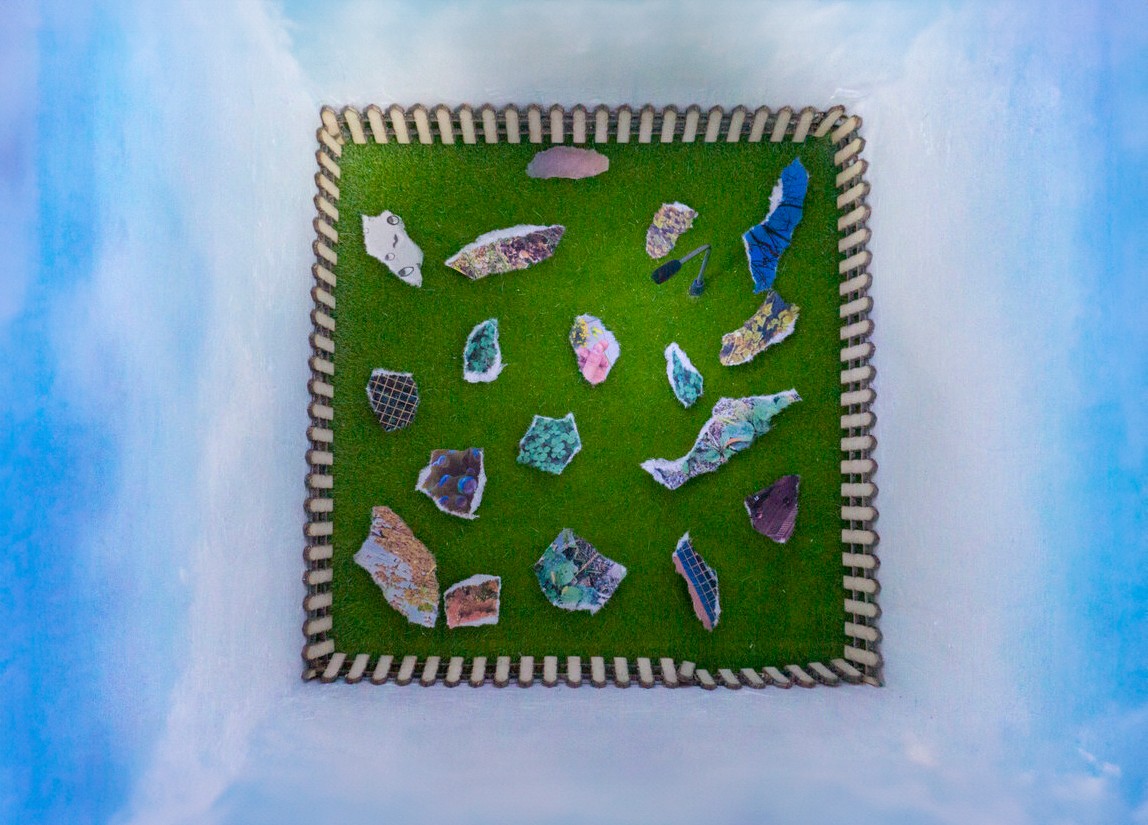
I am a visual artist, and I make multimedia sculptural assemblages and arrangements of landscapes using everyday objects and materials. I grew up between Puerto Rico, Buenos Aires, and South Florida, before finding my way to Chicago. My practice has always been pretty intuitive and multidisciplinary, drawing from my experience moving around between countries and languages, and the need to reorient myself between different cultures and meaning-making processes. I think this experience has helped me come to understand over the years that the world is full of simultaneous, entangled conditions. I am interested in how the everyday prompts modes of attention to coalesce, whereby a continual motion of relations surges in the form of sensations, expectations, daydreams, and scenes from ordinary life. This is a way of looking at things that informs my work. Through my practice, I try to highlight how our sense of attention and pacing, as well as our capacity for association-making, happens in relation to everyday objects, environments, and screens.
What do you think is the goal or mission that drives your creative journey?
I think being an artist, you never really run out of things you want to do or learn about. There are always new experiences, new ideas, and infinite fields of knowledge to navigate through, so for me, art has been a great way to pursue and channel lots of different interests. I guess I would say that one of my aims is to always keep learning and experimenting with different ways of putting my hands and my mind to work. As for what I hope my art does for others, I think the aim is to try to help ground people into appreciating their surroundings by providing methods for noticing and contemplating the endless, kaleidoscopic ways in which things are connected – be they objects, thoughts, feelings, impressions, or dreams.
We often hear about learning lessons – but just as important is unlearning lessons. Have you ever had to unlearn a lesson?
One of the best things I’ve learned as an artist is how to give myself permission to try things that I felt I wasn’t well prepared, suited, or trained for. This has meant unlearning the idea that I have to come prepared for everything, that I have to know the ins and outs of a given medium to use it, or that I have to show up with finished first drafts, or know all the ways of working with something (with the exception of certain things that are physically unsafe to do without being prepared). People often value anything you put thought and time into no matter where it comes from. You can make compelling work without being the most refined, practiced version of yourself, or having all the best tools/gear to work with. They can help of course, but they aren’t always necessary. If you find something worthwhile, chances are someone else will too. It just takes practice to find what is the best way, right now, to do/try/say something. How you refine or become better at it is by just doing it, then asking for feedback, then doing it again.
Contact Info:
- Website: sbrunoharris.com
- Instagram: sebasbru
- Vimeo: Sebasbru
Image Credits
All images courtesy of the artist.