


We caught up with the brilliant and insightful Sean Lord a few weeks ago and have shared our conversation below.
Sean, looking forward to hearing all of your stories today. How did you come up with the idea for your business?
My wife and I had been praying and seeking about an opportunity to partner with a local nonprofit to meet veterans where they were at, regardless of their struggles, and partner with them as veterans to help lead them to a better place. We had been struggling and could not seem to find anyone. It was on a drive home after the Christmas holiday that it came to us: we had been looking for the place when the idea was right in front of us the entire time. It was our calling to create a space where veterans would have access to immediate, no-red-tape housing and resources where their background, current struggles, fears, and circumstances did not matter or disqualify them – they were a veteran and they deserved our help. But what led to that?
My wife and I aren’t originally from Tulsa, so when we moved here we spent some weekends exploring restaurants, jazz clubs, museums, and anything else that was unique to the city. In the first few months, we started to recognize how many men and women in the unhoused community were veterans; whether they were holding a sign that said so, wearing something that made them stand out as such, or it happened to come up in conversation when we stopped to talk to them. It was clear that there were more unhoused veterans than we would have initially thought.
My role in the church that I worked for at the time was partially to connect individuals to serving opportunities in town and point anyone in need to local organizations who may be able to meet that need. So, at first I began looking for any places that these veterans may not yet know about so that I could help point them to resources and organizations. However, as I looked I learned two things. First, Tulsa has a wealth of care options for anyone experiencing homelessness, but the veteran community knew this and chose not to go. Two, the veterans who we were meeting were dealing with post-traumatic stress that led them to self-isolation, trust struggles, and often self-medication to avoid the flashbacks and violent tendencies associated with their struggles. The issue was not access to care, it was understanding the veteran community.
You see, when someone stays at a shelter, they often cannot consume alcohol and must stay in a fairly open sleeping environment. Yet, for someone who battles with post-traumatic stress, open environments with people you don’t know can be dangerous for both, and alcohol is a great way to numb pain and help you sleep at night. Both of those requirements make shelters the last place a veteran wants to go.
Awesome – so before we get into the rest of our questions, can you briefly introduce yourself to our readers.
My wife and I met in the United States Marine Corps. We both love facing challenges and overcoming them, and neither of us really like being told that their is a challenge we cannot overcome. Naturally, it makes for a pretty fun, ambitious, and big-thinking partnership! During our first few years of marriage we had a heart to serve our local community; we served at our local church, we spent summers as camp counselors, we organized small group hangouts, we even invited other Active Duty members over for holidays who did not have anywhere to go. We just really enjoyed serving others.
My wife served four years and ended her time in the Marines. I went on to do another enlistment, which took us to another state – another opportunity to build community, serve new people, and learn from others. To anyone who serves in the military, it eventually becomes clear that life is different in the military and will not be the same outside of the job. We all do our best to transition, but we move from a world of structure, order, discipline, extremely tight friendship, and high drive to a world where those things matter in varying levels. Then you mix in injuries, mental health struggles, addiction, employment struggles……the first few years after getting out can be so lonely, confusing, and difficult.
What I know is that it takes a veteran to truly understand another veteran. I remember going to a VA counselor for a little while, just to see if I could get ahold of the things I was struggling with. For some reason, I could not connect with him, I could not trust things with him. It wasn’t because he wasn’t a nice guy or that he didn’t care; it was just that I believed that he, as a non-veteran, couldn’t truly understand. That’s where the heart of Heroes Hope was born – veterans serving veterans is how we solve the struggles that the veteran community faces.
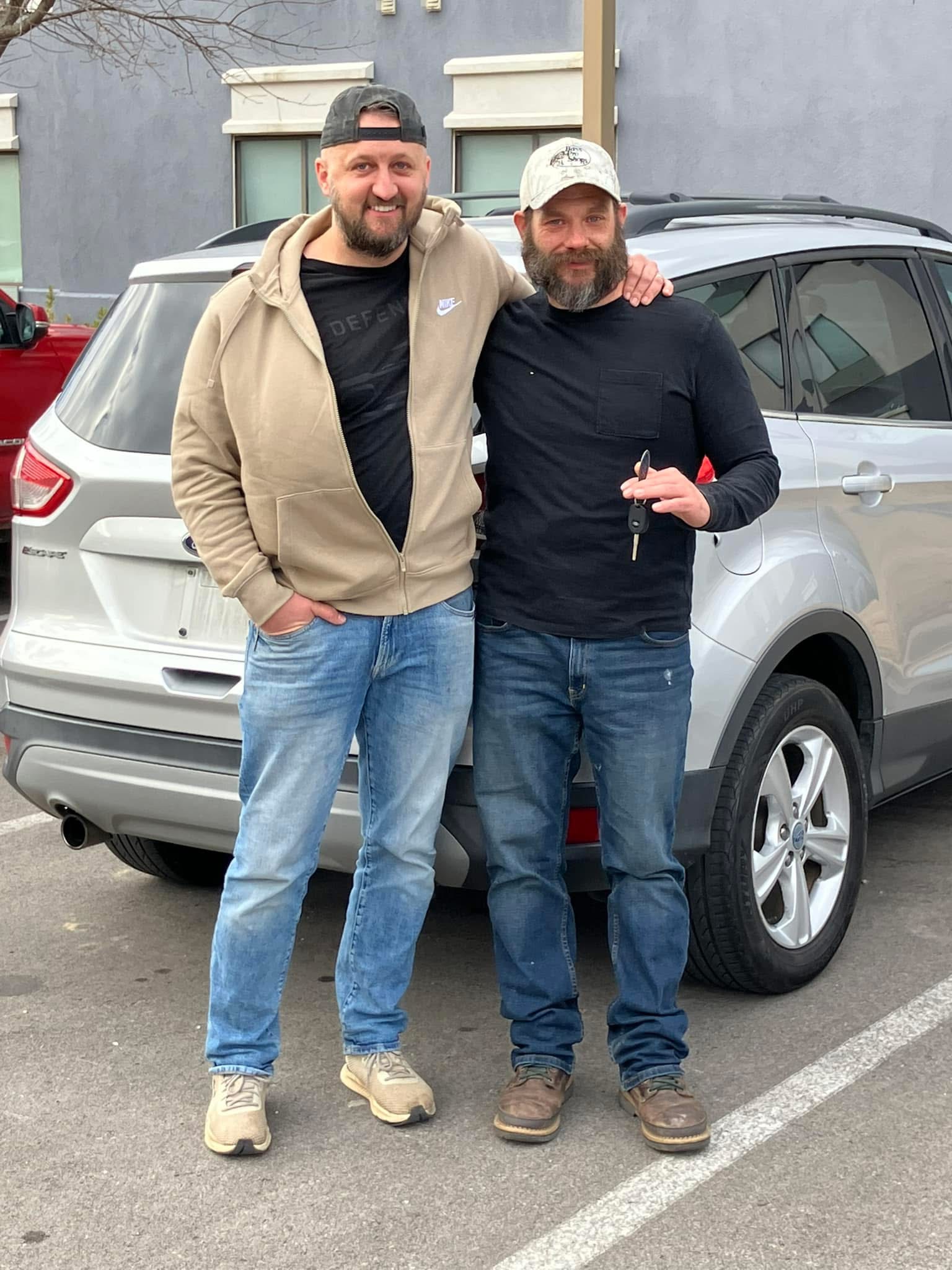
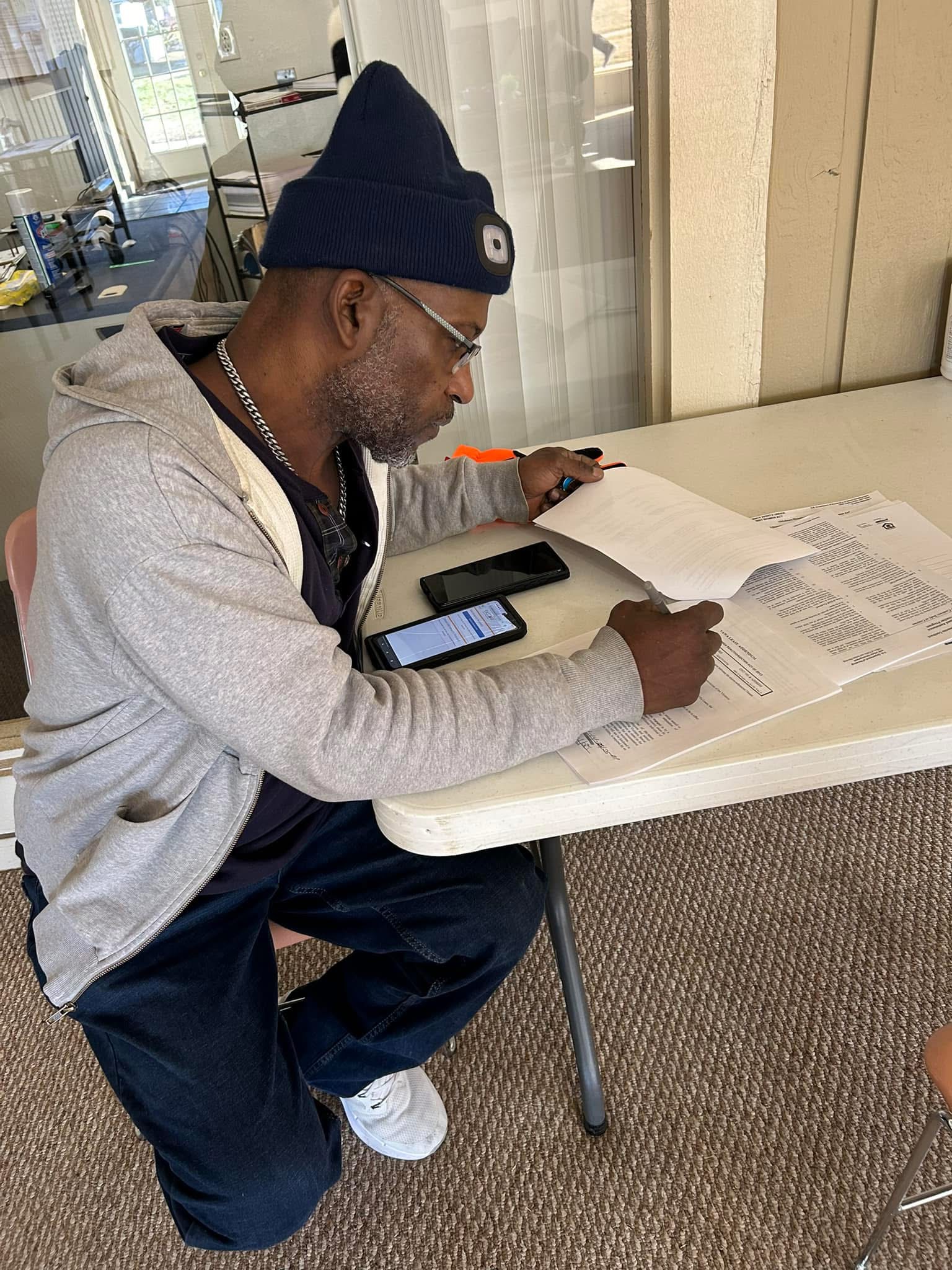
There are thousands of incredible organizations who have put time, money, effort, and resources into caring for the veteran community. In my experience though, the ones making the biggest impact are the ones who have veterans as their front lines workers. At least in the beginning; you can’t always have only veterans caring for veterans, but at least in the beginning to start the process and begin the path to healing. As far as I know, Heroes Hope is the only organization in Oklahoma that has been able to successfully create a space like we have. We have opened our own temporary living spaces, we have helped veterans get their own apartments, and we have expedited the process in which veterans go through when gaining housing through a government housing voucher. Our heart is to tear down walls and barriers and to get help to our friends as soon as possible.
Heroes Hope offers what we call immediate, no-red-tape housing and resources. What this means is that as long as we can verify that you are a veteran and you are willing to let us work with you, we will offer you safe housing, access to food and water, hygiene essentials, and get you connected to other resources no matter what has been going on in your life. We offer mentorship, coaching, access to resources and benefits, short-term housing, long-term housing, transportation, and more. Our goal is to eliminate veteran homelessness by empowering other veterans to step in and bring their brothers and sisters home.
Can you open up about how you funded your business?
Heroes Hope is a 501c3 nonprofit, so initial capital and year-over-year revenue can look different than typical LLCs and businesses. Even in the nonprofit world, Heroes Hope operates very differently than most nonprofits. That being said, we had a unique journey towards making our dream happen, so I hope that one day it can help inspire others to make it work for them as well.
When we started Heroes Hope, we had nothing but a vision. We did not have any housing options of our own, we did not have a facility or a staff team, but we had the vision. The challenge I faced as I approached potential donors was that I was trying to get them excited about an idea before we had any real evidence of success. More often than not I met responses such as, “No-red-tape isn’t possible,” or, “This sounds good in theory, but in practice it just isn’t going to happen.” It took me a little over a year of sharing the vision and sharing our team’s goals before we had a small enough group of supporters to actually begin meeting needs and opening housing options. At first we started with hotel rooms, furniture, and food, but within 6 months we were looking at opening entire transitional homes and being able to care for multiple veterans at at time.
Like all nonprofits, we have a Board of Directors. Our board is made up entirely of veterans; this is so that we are a veteran-led organization making decisions for veterans, by veterans. Being a group of veterans, a few of us are covered under VA disability at different levels, so pay and healthcare benefits are covered for most things. This gave us the opportunity to be able to start the organization without any paid staff. As the Board President, I have also operated as the volunteer Executive Director since day 1. This has allowed me to focus on Heroes Hope and meet the needs of veterans while also pushing all funds raised towards caring for the veterans in our program. This model has allowed us to stay lean and to focus on caring for and meeting needs rather than raising funds over and above need. This model has also allowed us to stay debt free and be able to stay focused on the task at hand.
We are almost 4 years in and now have a transitional house of our own, a partnership with local apartments that will allow us to place veterans in their units, and are gearing up to open our own facility that will offer immediate, temporary, and long-term housing. We still remain debt free. We will eventually hire staff, but only when the need outgrows the team as it currently stands and we can do so out of the financial opportunity.
Have you ever had to pivot?
When Heroes Hope first got up and running, we planned to build 30 tiny homes. At the time, building a tiny home was cost effective and really seemed like the best bet for us. We wanted to be able to give veterans their own space and their own locking door, and we knew we would potentially face issues with neighbors and HOAs if we tried to do something in town. So, we asked around and got blue prints made, got building quotes, started sharing in local media and on Social Media, and even began working with a family to acquire some rural property – everything seemed to be moving in the right direction and the support was there. However, as we raised funds and raised awareness the market started to shift. COVID continued to drive up the prices of goods and services, land in Oklahoma gained value faster than expected, other tiny home projects opened up which made the idea not as unique and not as exciting, and we started to fear that the tiny home project would never happen.
Our board continued to strategize and plan for the future, but we had built our whole idea and model on the tiny home community. One board meeting the conversation turned to rental properties; what if we could find a landlord that would give us a chance to rent a home and use it like we were going to for the tiny homes? In the military, we are all taught to operate in small groups (fire teams and squads), and we have lived in barracks before, so in theory a home with a few guys in it wouldn’t be a terrible idea. We voted, decided to give it a shot, and I started reaching out to landlords. After a few weeks and a few proposed house guideline documents, we signed a lease; we had all four bedrooms filled within 2 weeks.
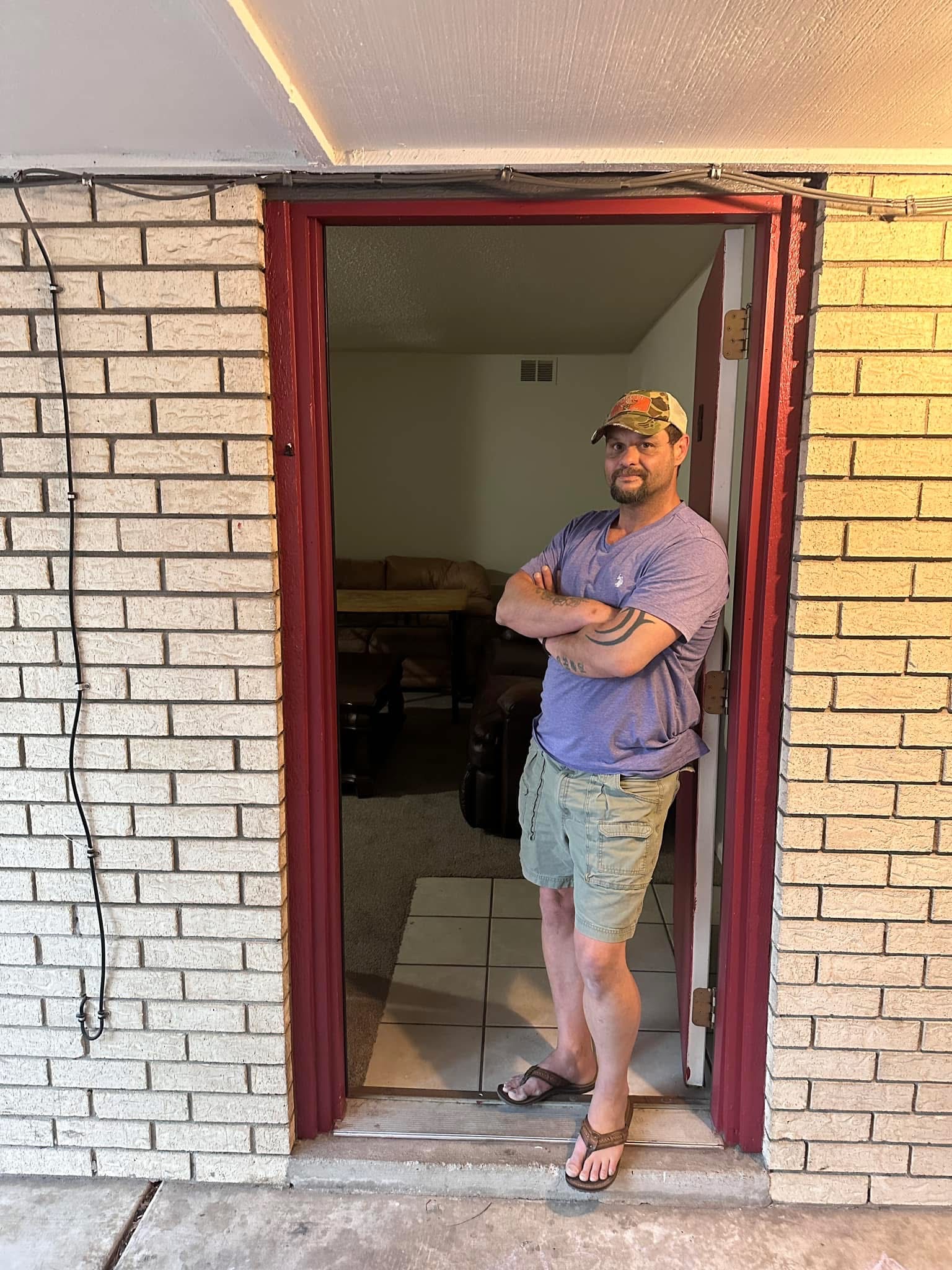
We have operated with the rental model for over a year and it has been more effective than the initial tiny home project plan seemed to be! Today, we have 1 rental home, 5 rental apartments, and have helped over 30 veterans move into their own apartment through relationships with our landlords and owners. In November of 2025, we will be moving into our own facility; it is set up just like an apartment complex, and it has everything we planned for the tiny home community (gym, community center, laundry facility, offices and meeting spaces, mental health care services), but we will have just under twice as many beds in this facility than the initial tiny home project could handle. We had to pivot, yet being forced to pivot led us to an even more effective and cost-efficient model for meeting needs and housing the veterans we serve.
Contact Info:
- Website: https://www.heroeshope.net
- Facebook: https://www.facebook.com/profile.php?id=100090201300381
- Linkedin: https://www.linkedin.com/in/sean-lord-ma-m-div-341873133/
- Youtube: https://www.youtube.com/@HeroesHopeOK

Image Credits
Savannah Hopkins