Alright – so today we’ve got the honor of introducing you to Scott Zieher. We think you’ll enjoy our conversation, we’ve shared it below.
Scott, thanks for joining us, excited to have you contributing your stories and insights. Let’s jump back to the first dollar you earned as a creative? What can you share with us about how it happened?
In my second year in graduate school at Columbia University I had the good fortune of taking a workshop with the esteemed poet and translator Richard Howard. He was notoriously tough. You were not allowed to interrupt, raise your hand or ask a question during class time. He read poetry to us and told us why it was important for two hours. There were 12 students lucky enough to have his critical attention for this workshop. This entailed visiting Howard’s home, on Greene Street in the Village. There was nothing like going toe to toe with a stalwart critical force as a young poet, it was a great blessing. We argued intensely over my incorrect usage of some word or other and I held firm. As we ended the “workshop” he offered to publish the poem, either at The Paris Review (in the next two years) or Western Humanities Review (immediately). I took the fast money. The check was a bright pink and I saved the stub, $150 was pretty good money for published poems in the mid-90’s. Probably still is, if anybody even pays anymore.
Scott, love having you share your insights with us. Before we ask you more questions, maybe you can take a moment to introduce yourself to our readers who might have missed our earlier conversations?
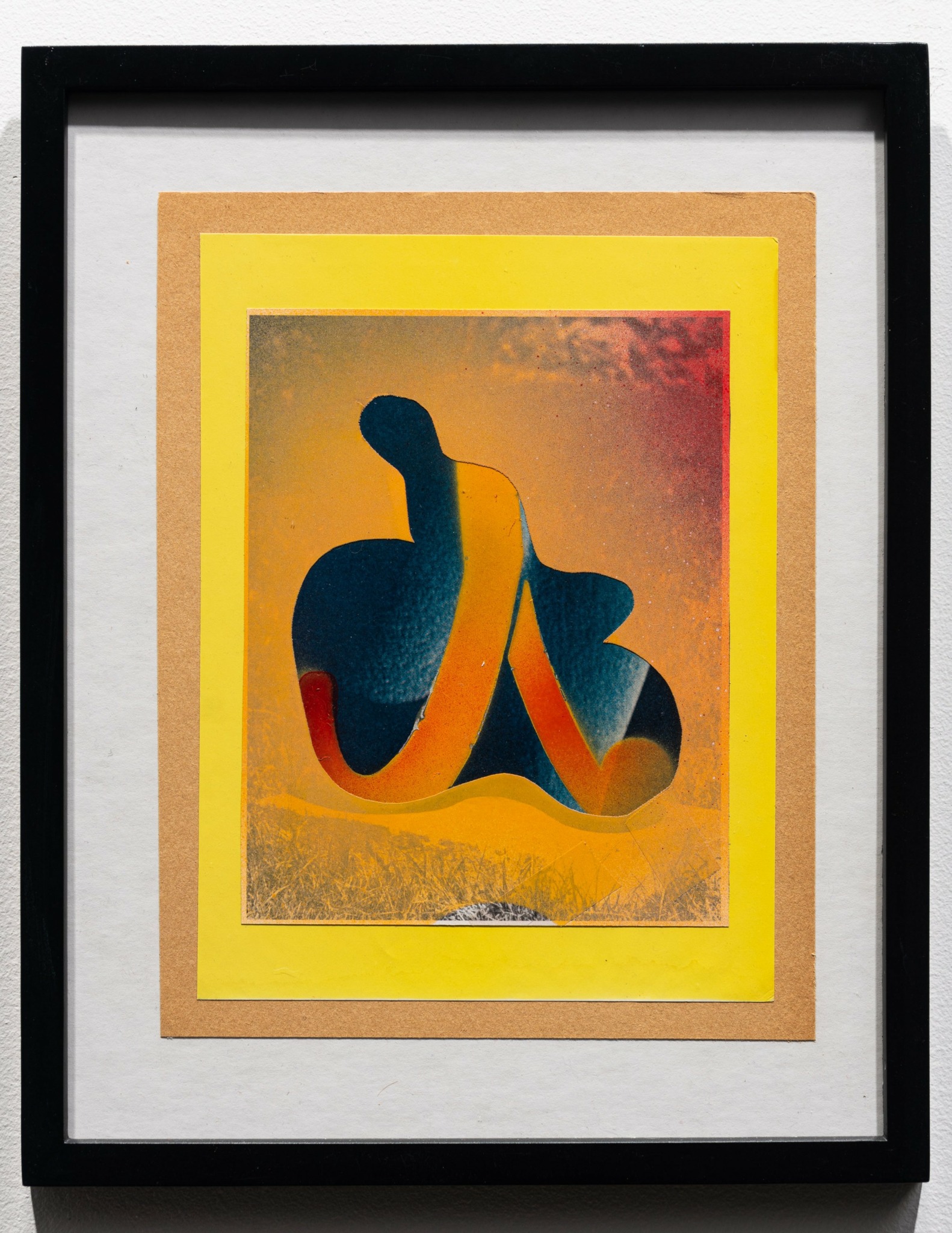
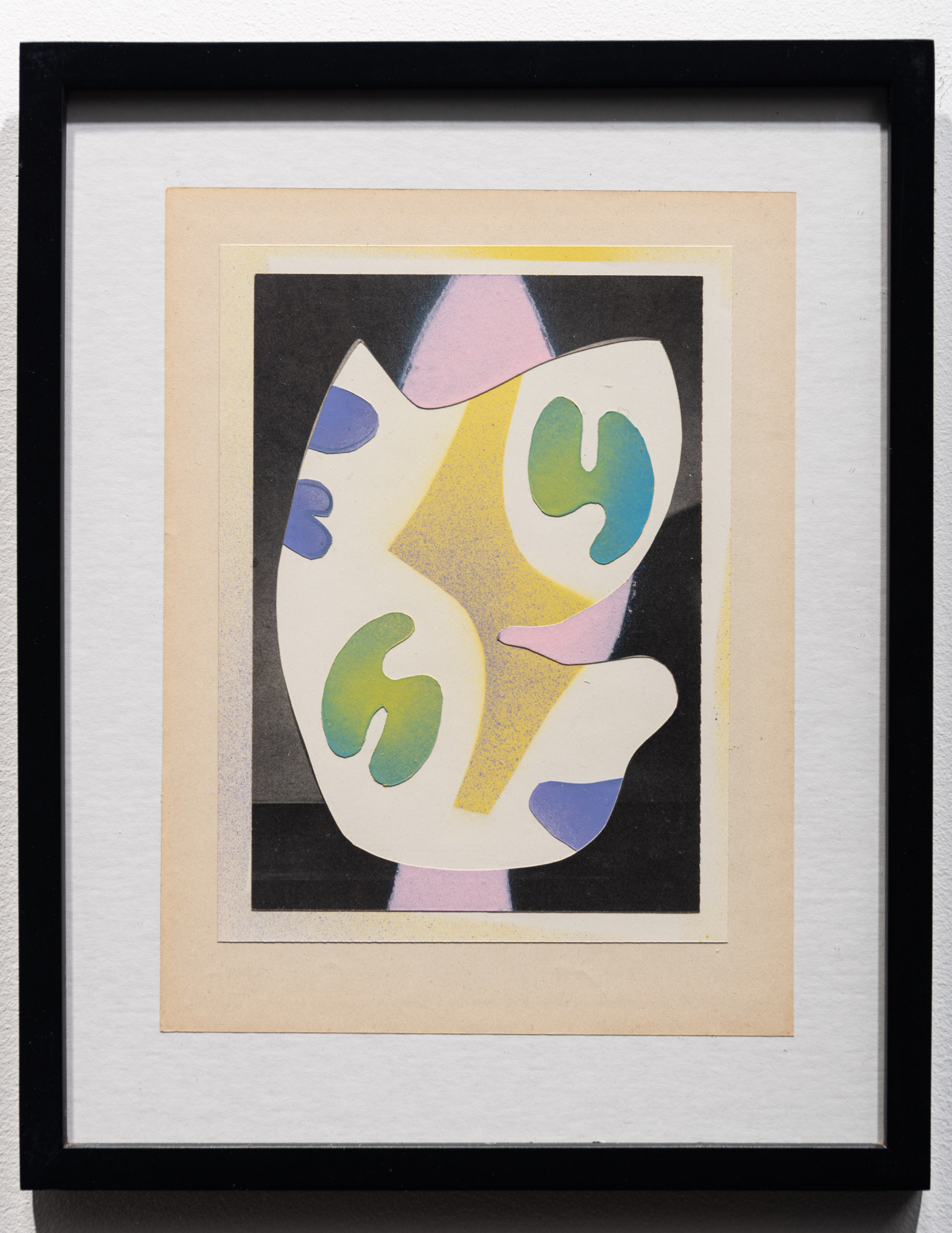
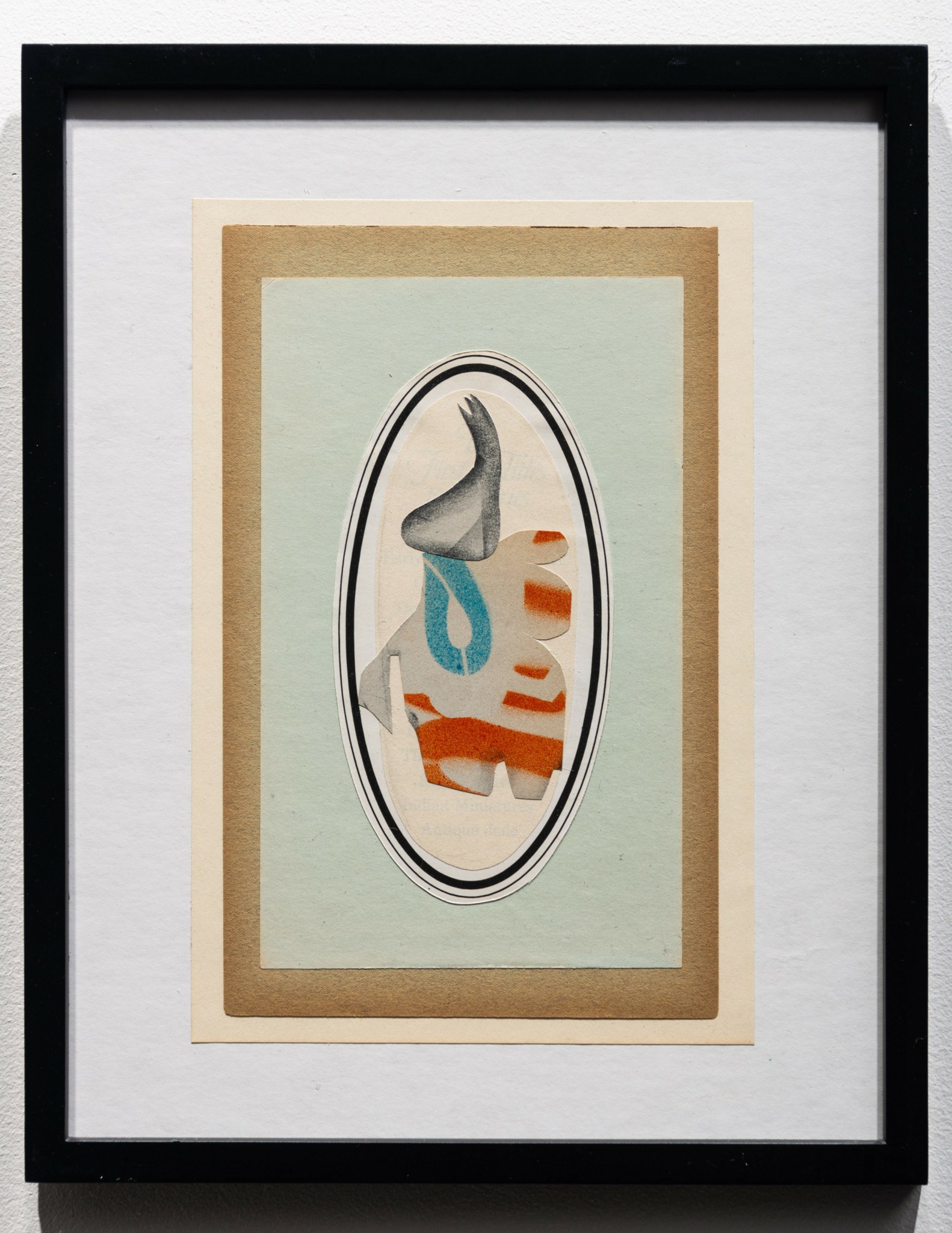
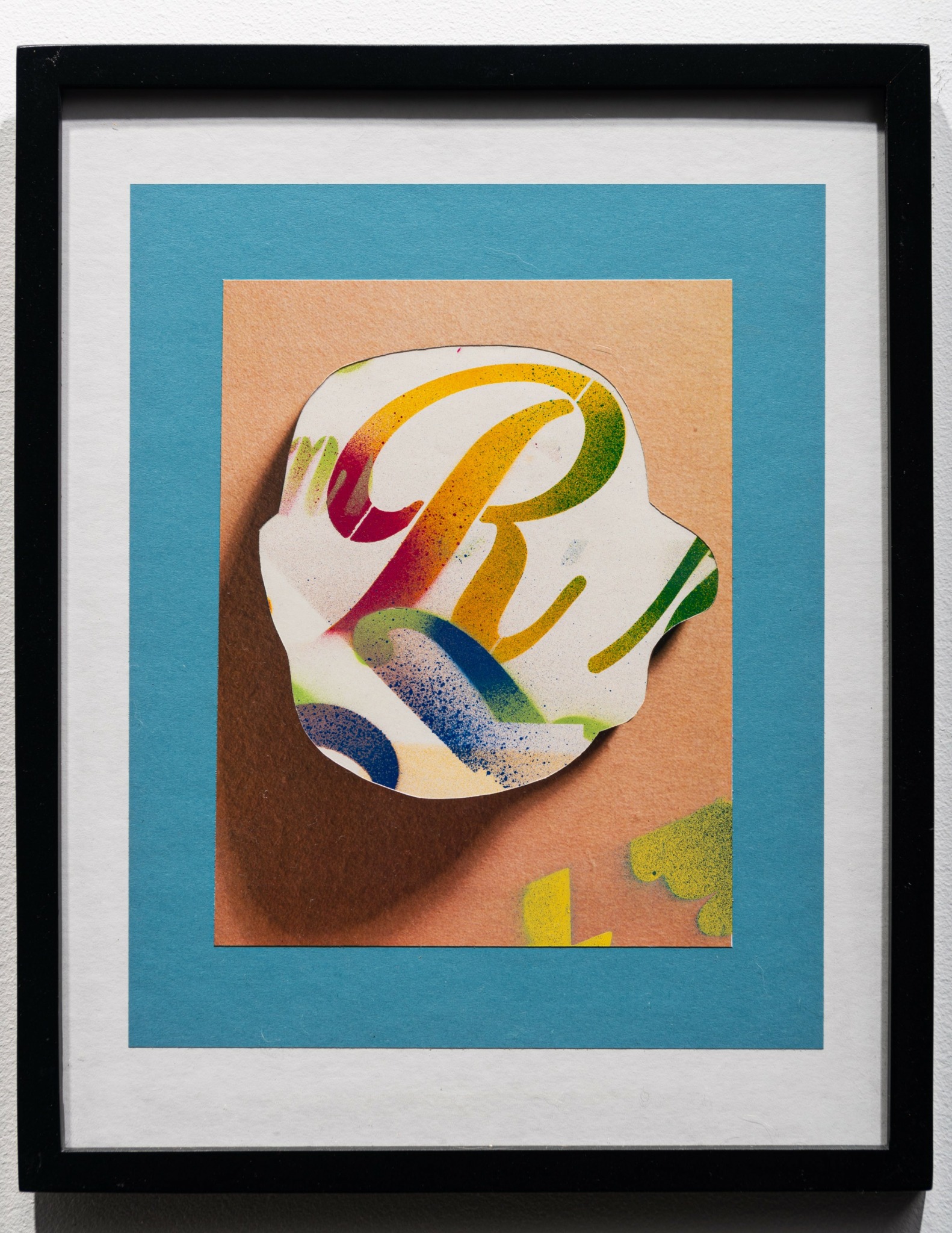
I studied poetry and art history in Wisconsin and met weekly in an art gallery in Milwaukee all through the late 80’s and early 90’s. After receiving a degree, I moved to New York for graduate school in the early 1990’s. I worked in the visual arts division of the Columbia School of the Arts. I curated shows at the L café, where I worked nights. Most of my friends were artists. I returned to school at Sotheby’s Institute, where I met my wife. We got jobs and worked a few years in New York City art galleries. When September 11th put an end to Manhattan foot traffic I lost my job and we decided to open our own gallery, which we did on the Ides of March 2003. We had a ground floor space on West 25th Street and have not looked back. We moved to Nashville with our 3 kids just before the pandemic. The fact that (with brief interruptions) we’re still in operation is a distinct point of pride. We’ve just signed a lease and are building out a space here in Nashville. The fact that I’m still capable of making art and writing poetry, showing art and publishing books (I’m on my 10th) also gives me some hope. There’s no Hall of Fame for art dealers, or poets, for that matter. I try to lead with making and not dwell on what might have been. These are mostly thankless labors of love. I get thanks daily and that’s a serious blessing. And to be totally honest the most interesting thing in my life is acting as president, and coach of my local little league. Two seasons ago I had a team that went 1-12. The next season we won our second tournament the next season. I never played baseball so there’s no mistaking the vicarious thrill I get from the parental side.
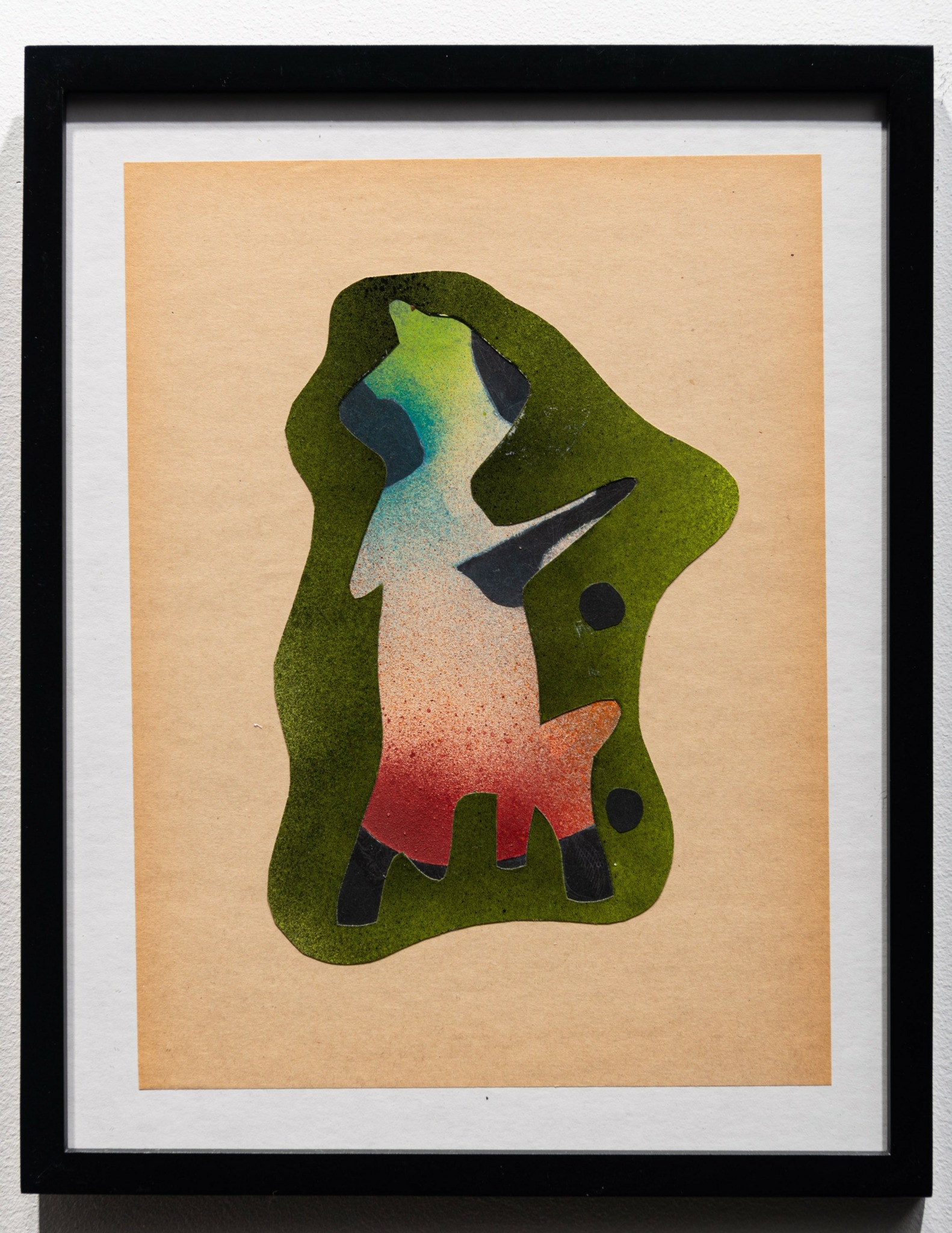
What can society do to ensure an environment that’s helpful to artists and creatives?
Most importantly, our populace needs to LITERALLY be more present for their local artists, musicians, poets, writers, actors, and dancers. A thriving creative ecosystem requires human beings engaging. Most often it doesn’t even require any money. Art galleries are free. Go visit them. Poets will never earn any money. Put a dollar in their jar. Musicians are the most generous people you know. Buy their t shirts. Spread the word. Act like you care about what goes into your eyes, ears and brains. As we drift into technological nothingness real-time, face-to-face interaction and experience of works of art of any stripe. Oh, and stop using the word “creative” to describe yourself. How “creative” can you possibly be if that’s the best word you can come up with for your vocation. Give me 20 hyphens any day. “Creative” makes me stop listening.
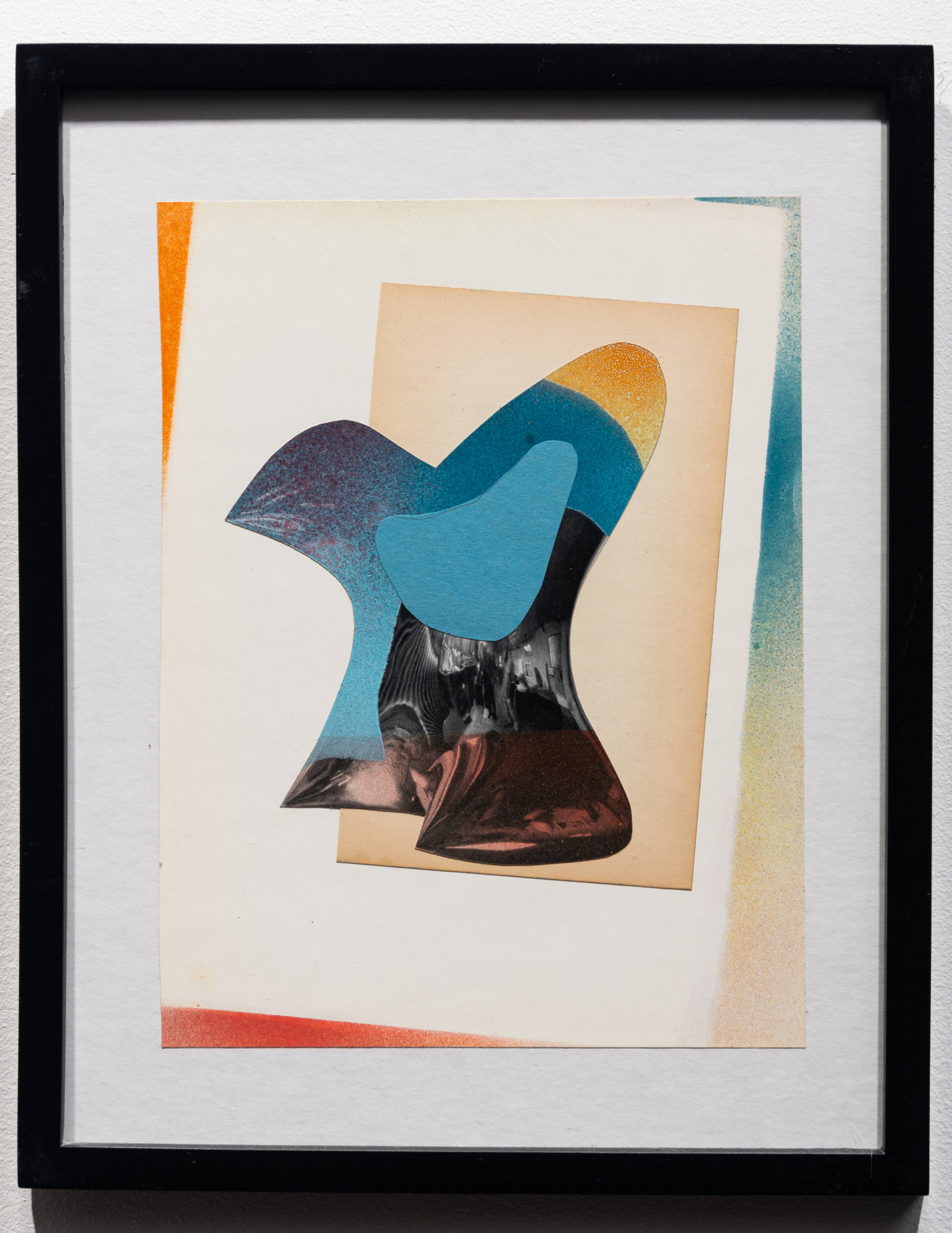
Have you ever had to pivot?
Being an art dealer requires calling a lot of audibles. We’re control freaks by nature, and yet are expert at managing the expectations of artists, collectors, audiences and hopefully ourselves. It requires flexibility because almost every exhibition has its own set of very particular specifics from shipping, to installation and maintenance and the list goes on. We plan but have to always stay prepared that things can go awry in any number of those variables. In addition, the industry itself changes almost as quickly as the tech industry. For that reason it’s important to follow Frank O’Hara’s manifesto and go with your nerve, which also requires a lot of pivoting.
Contact Info:
- Website: https://www.ziehersmith.com
- Instagram: ziehersmith