

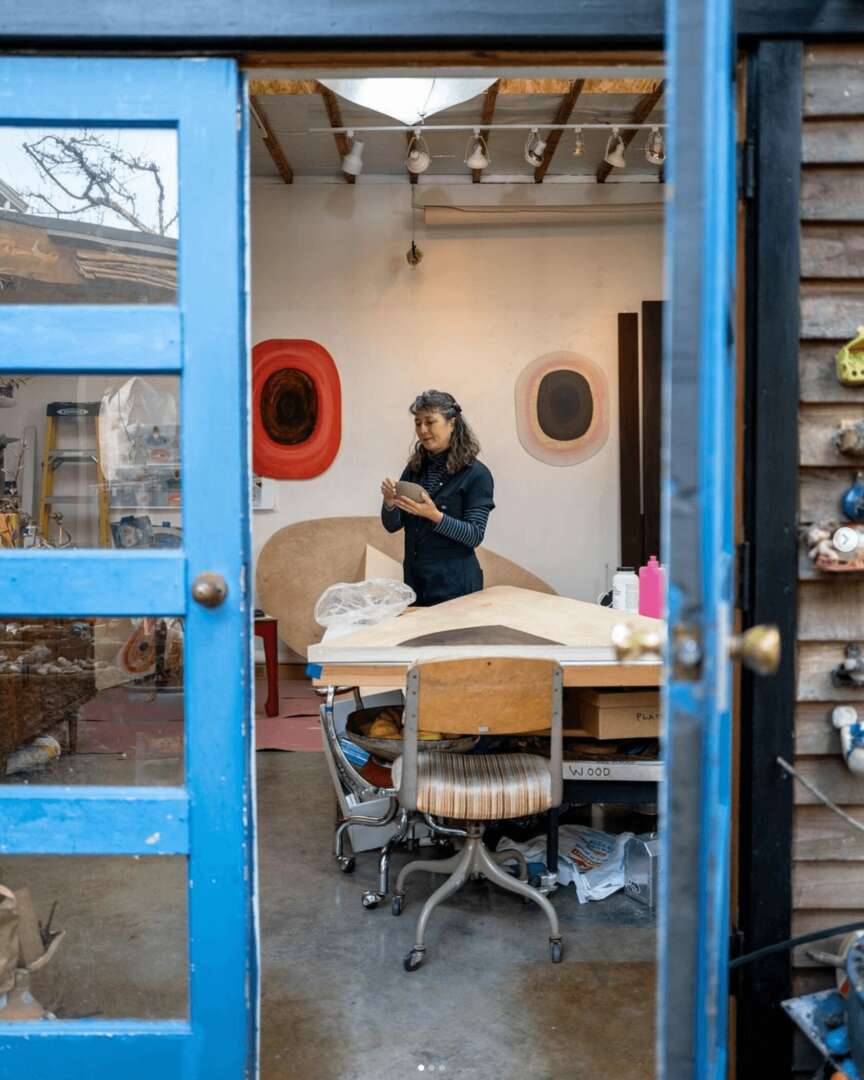

We caught up with the brilliant and insightful Saya Moriyasu a few weeks ago and have shared our conversation below.
Saya, thanks for taking the time to share your stories with us today What did your parents do right and how has that impacted you in your life and career?
My parents created our home as a center of stability and creativity. Over the years, they welcomed many diverse people into our lives, making it a hub for relatives, friends, artists, and the Japanese American community.
My father came to Oregon from war-torn Hiroshima prefecture to study engineering. At Oregon State College, he met my mother, who was brought up on a tiny farm and was a member of 4H*. Their lives couldn’t have been more different, yet together, they created a vibrant world filled with love and creativity.
We lived on Hewett Boulevard in the hills west of Portland, on a narrow, winding road surrounded by evergreen trees. Our home, nestled in the middle of this serpentine path, felt like a world unto itself. Although we had neighbors and other kids within walking distance, I remember our home as an energy vortex.
Sometimes, I felt self-conscious about how different it was from the other kids’ homes I’d visit. Our home wasn’t neat or stylish. I compared our home to ones like my friend Jill’s. Her home was so fancy and everything was new and very 1970s decor. The living room was so pristine that we could only peer in but never enter because the perfect shag carpet would show our footsteps.
However, our home was often alive with parties and gatherings. People would join us, filling our family room with laughter, music, and dancing. We’d set up long tables low to the ground for potluck meals full of delicious foods. And nobody seemed to care that we were using doors for tables.
My grandparents, Kenyu and Soju, moved from Japan and lived with us. My grandfather was an abstract expressionist. He painted in his art studio below our family room. I love the smell of oil paint; that scent takes me back to those times.
My father had a great smile, warm laugh and loved people. He worked as an engineer for Tektronix, where he held over 20 patents and went on to start several companies. His creativity didn’t stop there; he was also a photographer who captured quiet images of the Oregon dunes, including nudes. He was part of a group with other transcendental photographers influenced by Minor White. Our home was visited by notable artists like Imogen Cunningham, a remarkable woman (you may want to look up). My father also built a dune buggy from a kit. Our family piled in for adventures around town and on the dunes.
My mother was a warm, funny, and creative person. During her time in 4H, she learned to sew and knit and shared those skills with us. She studied Japanese Tea Ceremony with my grandmother, Soju. Together, they founded the Wakai Tea School in Portland, which translates to “Peace Club.” My grandmother wanted to spread peace after the hardships of WWII, and this tradition was her way of contributing by sharing a bowl of matcha with others. Any project in our home was encouraged.
We enjoyed camping in our red Volkswagen bus with the license plate LUVBUS. We’d even pick up hitchhikers in our already-packed vehicle. We also liked going to Kah-Nee-Ta to stay at the hot spring resort developed by the Confederated Tribes of the Warm Springs Reservation.
My three older sisters were taken to Japan individually with my parents, but my turn didn’t manifest. So, I took the initiative and applied for a year-long exchange program in Japan. I love that my parents let me go by myself at 15 for my sophomore year of high school. They supported my independence and trusted me to navigate on my own.
At Yamate Gakuin School, there were extensive art opportunities. I loved learning traditional Japanese art forms and martial arts too. The school was a train ride away from Tokyo. I loved Tokyo’s vibrancy. On weekends, I’d go with friends to Harajuku to shop and see the dancers. It was a pivotal journey that enriched my life in countless ways.
Looking back, I realize that my parents got the mix of stability and freedom right. They didn’t worry or hover; instead, they trusted that I was reliable and capable. They welcomed everyone into our home with open arms, creating a nurturing environment that fostered my love for art and community. Growing up in a setting that allowed for a multitude of interactions and experiences shaped who I am today. I feel incredibly lucky for what I received as a child from my parents.
*(from wikipedia) 4-H is a U.S.-based network of youth organizations whose mission is “engaging youth to reach their fullest potential while advancing the field of youth development”. Its name is a reference to the occurrence of the initial letter H four times in the organization’s original motto head, heart, hands, and health. The focal point of 4-H has been the idea of practical and hands-on learning, which came from the desire to make public school education more connected to rural life.
As always, we appreciate you sharing your insights and we’ve got a few more questions for you, but before we get to all of that can you take a minute to introduce yourself and give our readers some of your back background and context?
How long have you been creating?
I’ve been creating art since I was young, influenced by my creative family environment. The Moriyasu family included those versed in painting, photography, tea ceremony, singing, and dance. My father has his darkroom at home and we made shadowgrams. As teenagers, my sisters and I took black and white photographs and printed them in the darkroom.
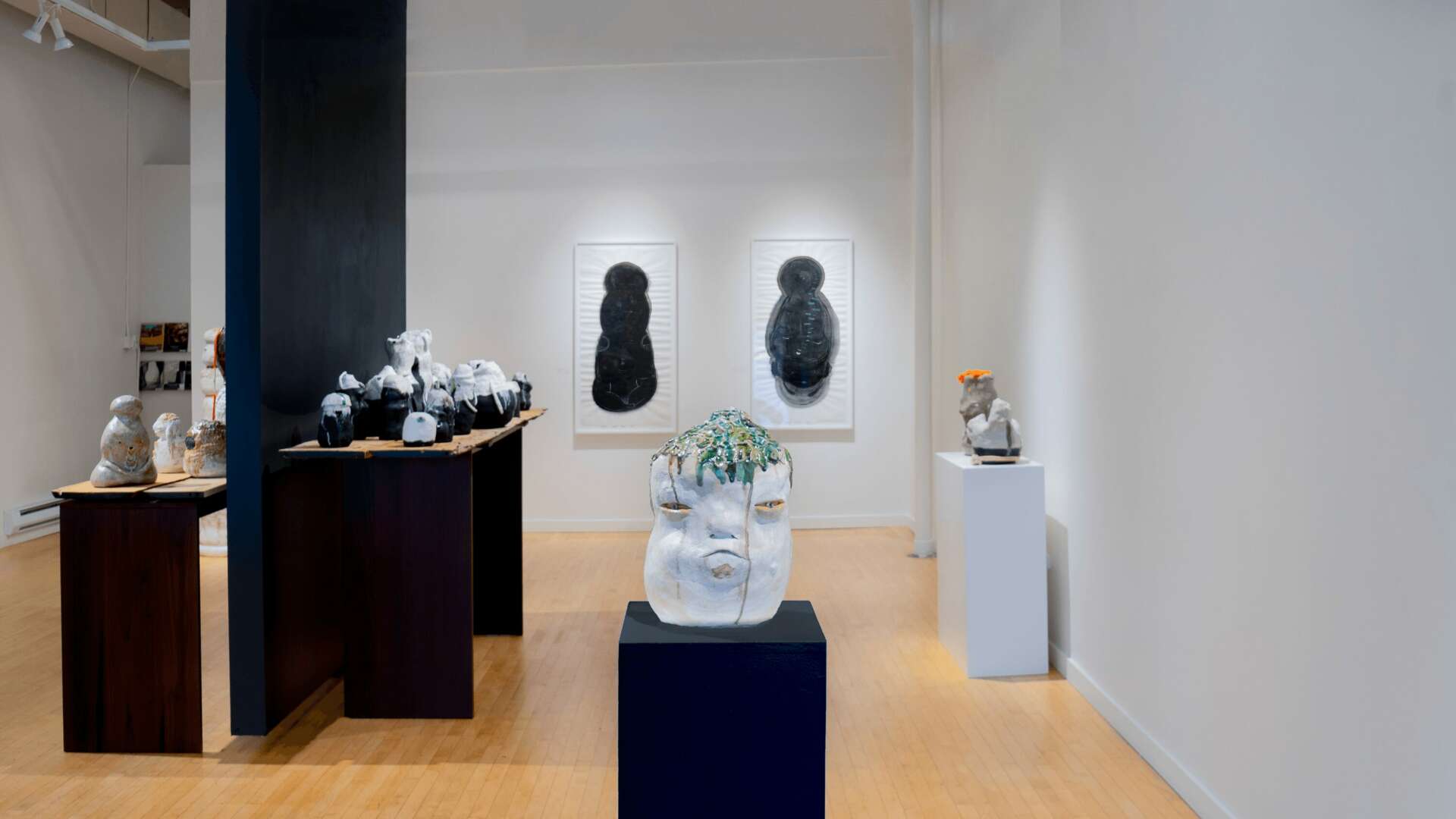
Professionally, I’ve been active since graduating with a BFA in Ceramic Sculpture and a BA in General Art from the University of Washington in 1991. As a decade-long member of SOIL Artist-Run Gallery, I created various immersive exhibits and collaborations with talented artists. The commercial galleries I have had the privilege of exhibiting art with are Platform Gallery, G. Gibson Gallery, and currently J. Rinehart Gallery. All fantastic galleries have provided me with the opportunity to create freely.
What mediums do you work with?
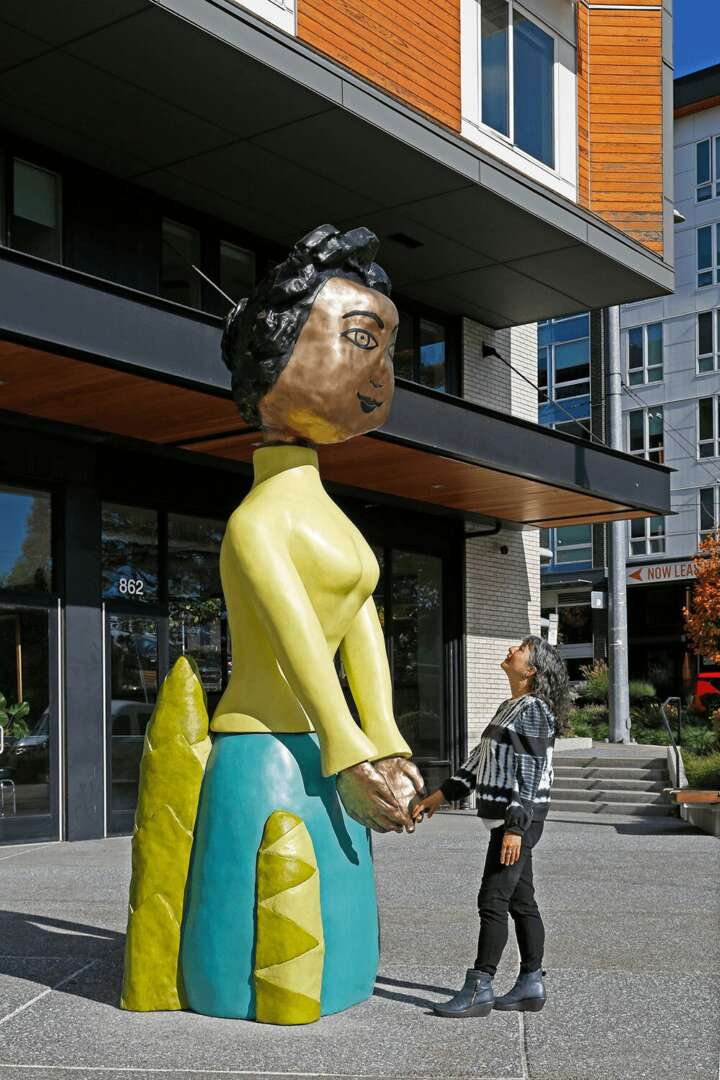
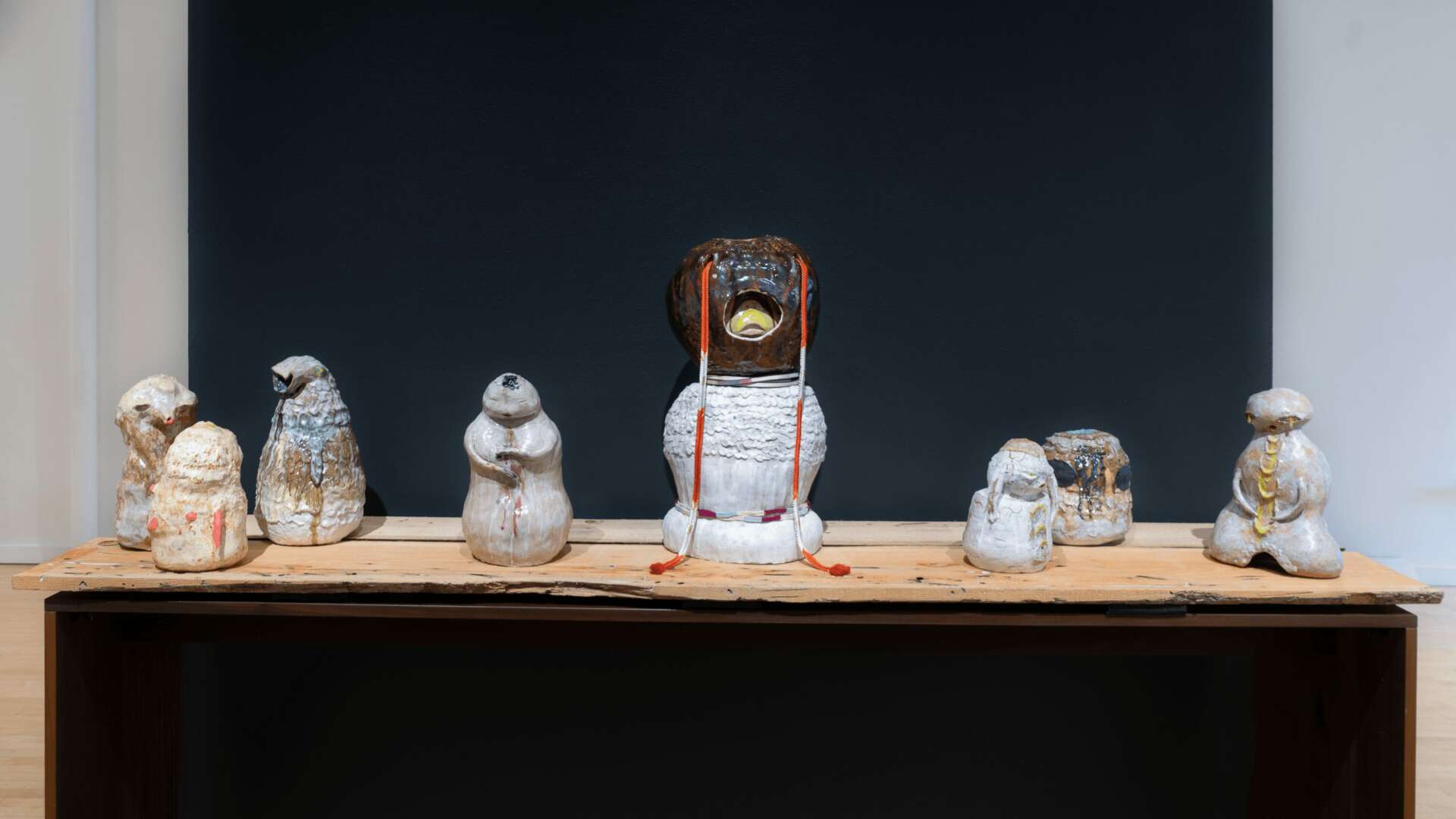
I work in media including clay, wood, oil paint, inks, bronze, and gifs. My work often involves many small pieces that create a larger composition. The materials I choose help me convey my themes, from the organic to the spiritual to a loving and towering female figure made of bronze for Vulcan Real Estate.
Can you tell us about your artistic process and how the different stages work into it?
My artistic process is deeply intuitive and often starts with a concept inspired by my experiences and surroundings. For example, during a residency in New Mexico, the hot springs (onsen) became a profound source of inspiration, leading me to explore themes of natural energy and ancient geology. That work was started at Mission Street Arts Residency where I worked in inks on paper.
Tell us about where your inspiration for your art comes from.
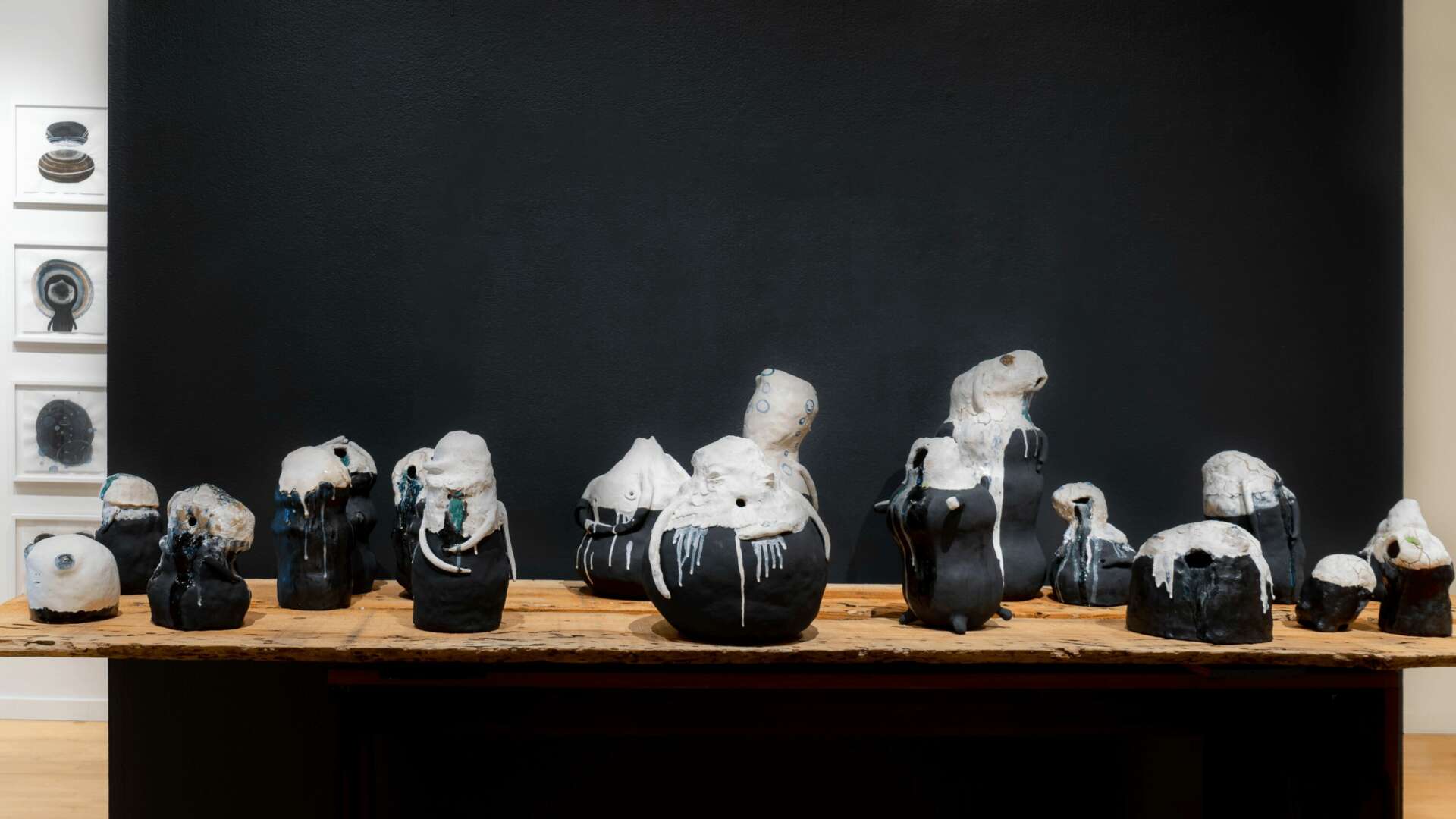
My inspiration comes from a blend of my Japanese heritage, personal experiences, and the natural world. The Shinto belief in the spiritual essence of all things heavily influences my work, as does my time spent in nature. My recent works have been inspired by thermal features and the mystical creatures inhabiting them.
What can society do to ensure an environment that’s helpful to artists and creatives?
Artists need money, opportunities, connections with the arts community, and an audience. Meeting these needs is crucial for fostering a thriving artistic community. Throughout history, art has made societies memorable, whether in architecture, clothing, or sculpture. Art reflects our times and deserves to be nurtured.
What kept me going was a low cost of living, professional part-time jobs, and grants. Venues like 4Culture Gallery and SOIL artist-run gallery provided exceptional opportunities to exhibit my work. These early experiences led to shows in commercial galleries and further opportunities.
Is there something you think non-creatives will struggle to understand about your journey as a creative? Maybe you can provide some insight – you never know who might benefit from the enlightenment.
My sister asked me if I felt pressure to come up with ideas. To a small extent yes. But mostly, I WANT to create and it just happens. It can feel very spontaneous. Then later, I will dive in deeper and need to step back a bit to see what’s happening and guide it forward to create a cohesive exhibition.
No one is making me create. If I want to stop or change, I’m free to do that. But the way my mind works I get stuck into an idea and the work becomes enjoyable and immersive.
So I’d encourage everyone to get into a flow state of mind more. You never know what you’ll find or what it will lead you to create.
Contact Info:
- Website: https://sayamoriyasu.com
- Instagram: sayamoriyasu
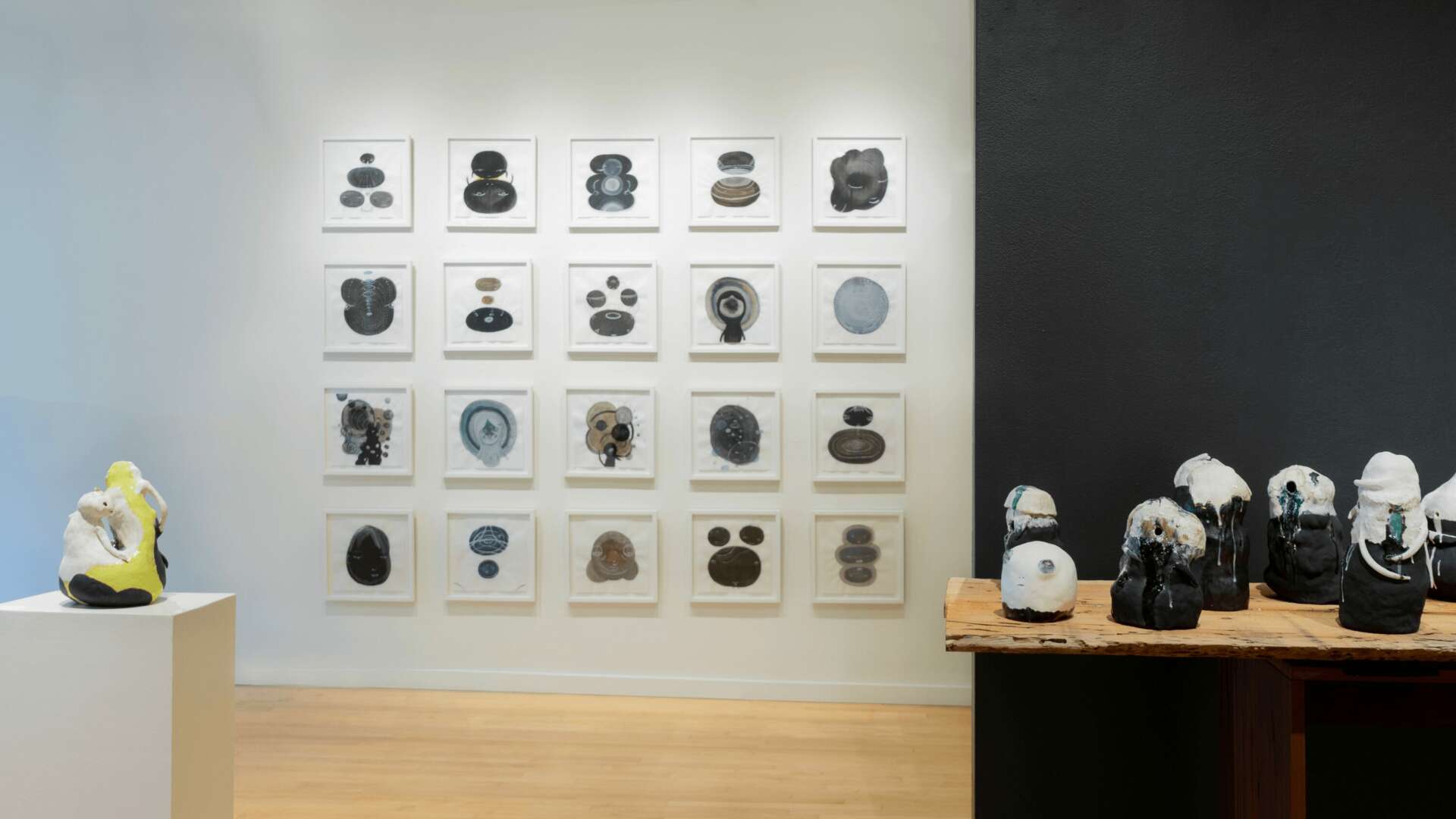
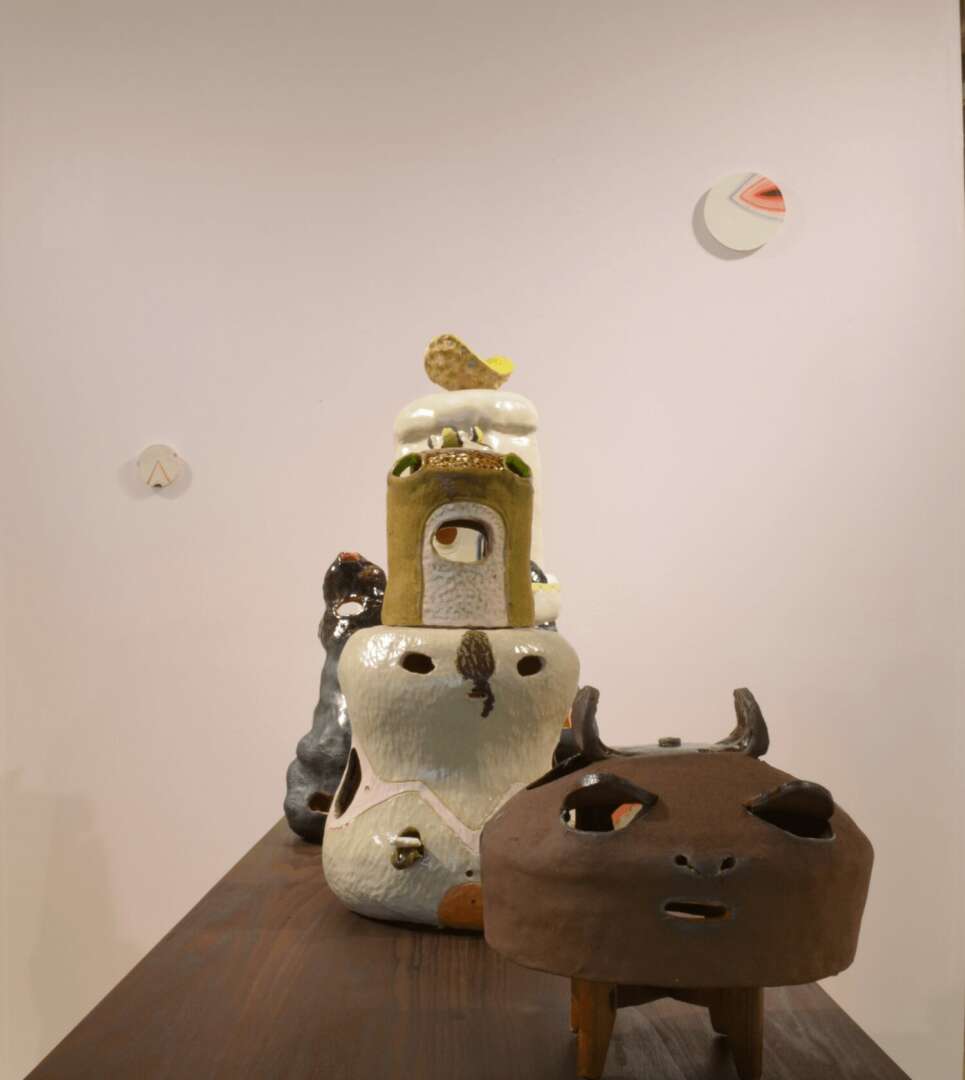
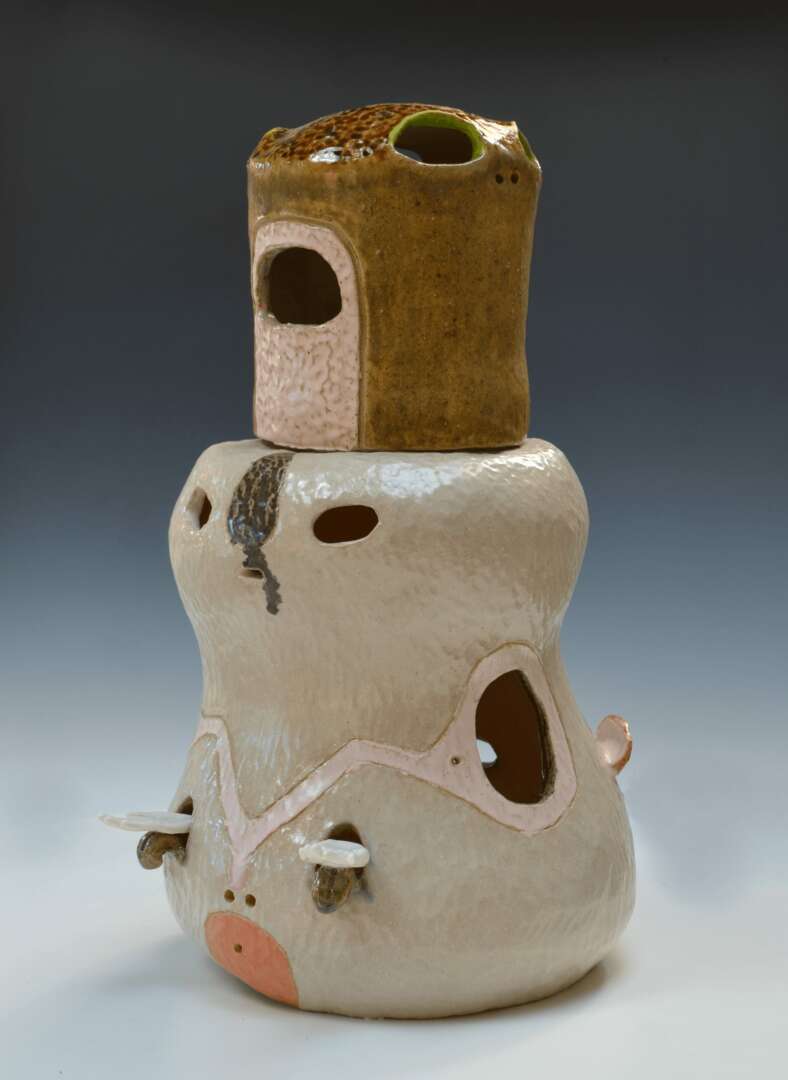
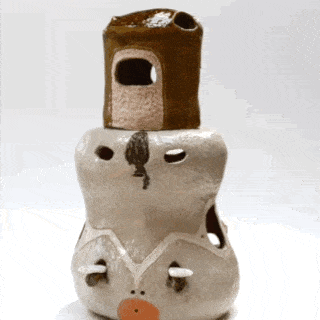
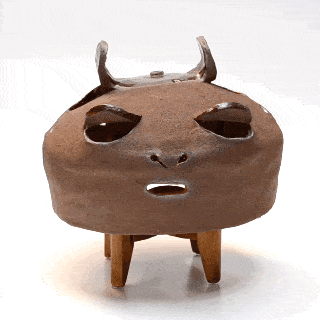
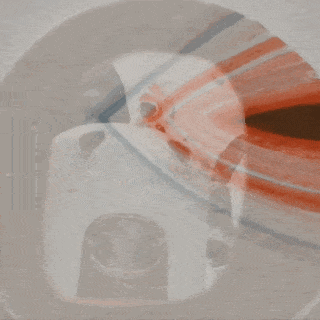
Image Credits
David Benhaim (studio picture)
Mark Woods (Saya with bronze sculpture, named Maya)
Alexandra Kaczenski (installation images at J. Rinehart Gallery)
Saya Moriyasu (gifs and pictures from spooky actions at a distance at J. Rinehart Gallery)