

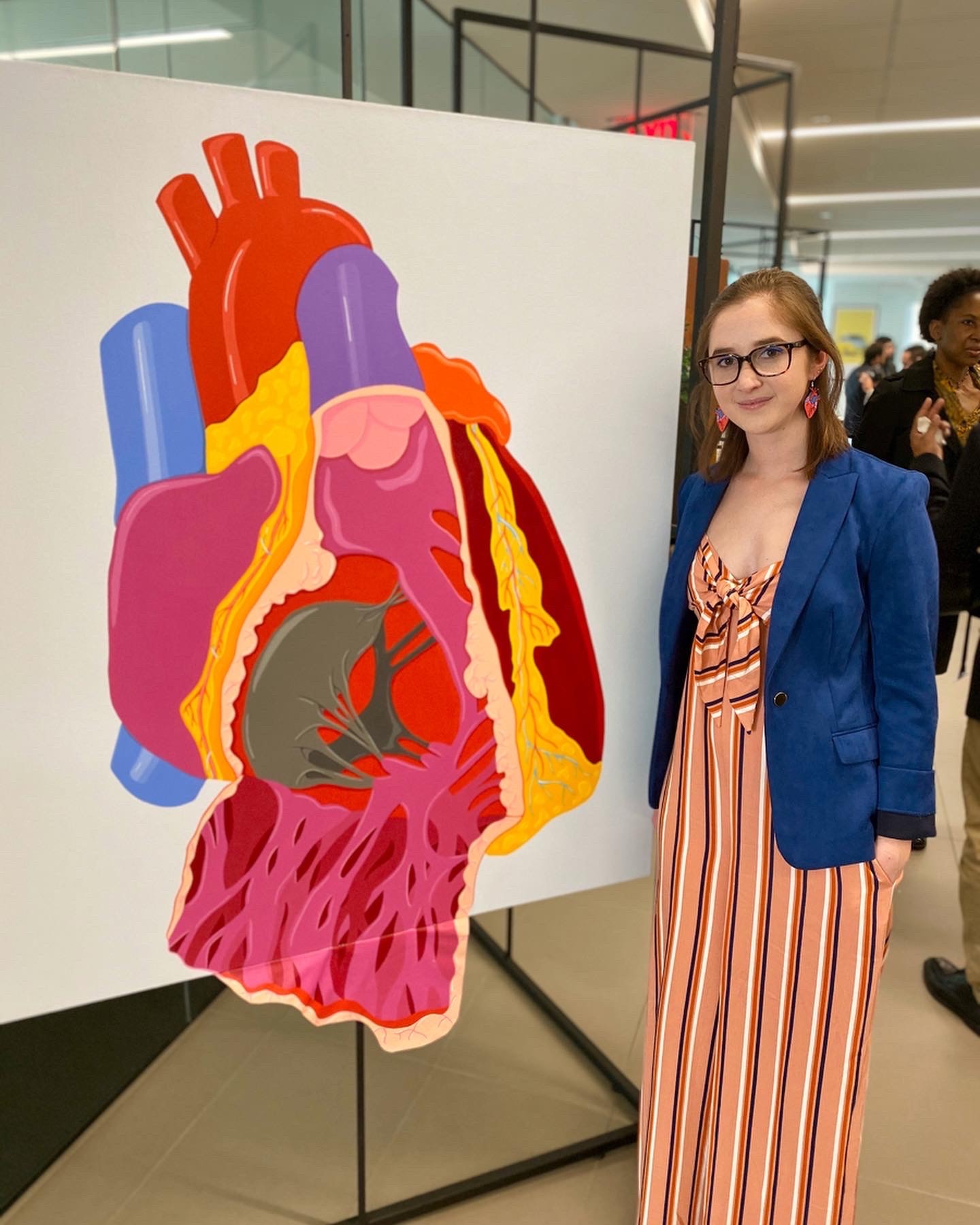

We’re excited to introduce you to the always interesting and insightful Savannah Magnolia. We hope you’ll enjoy our conversation with Savannah below.
Savannah, thanks for taking the time to share your stories with us today When did you first know you wanted to pursue a creative/artistic path professionally?
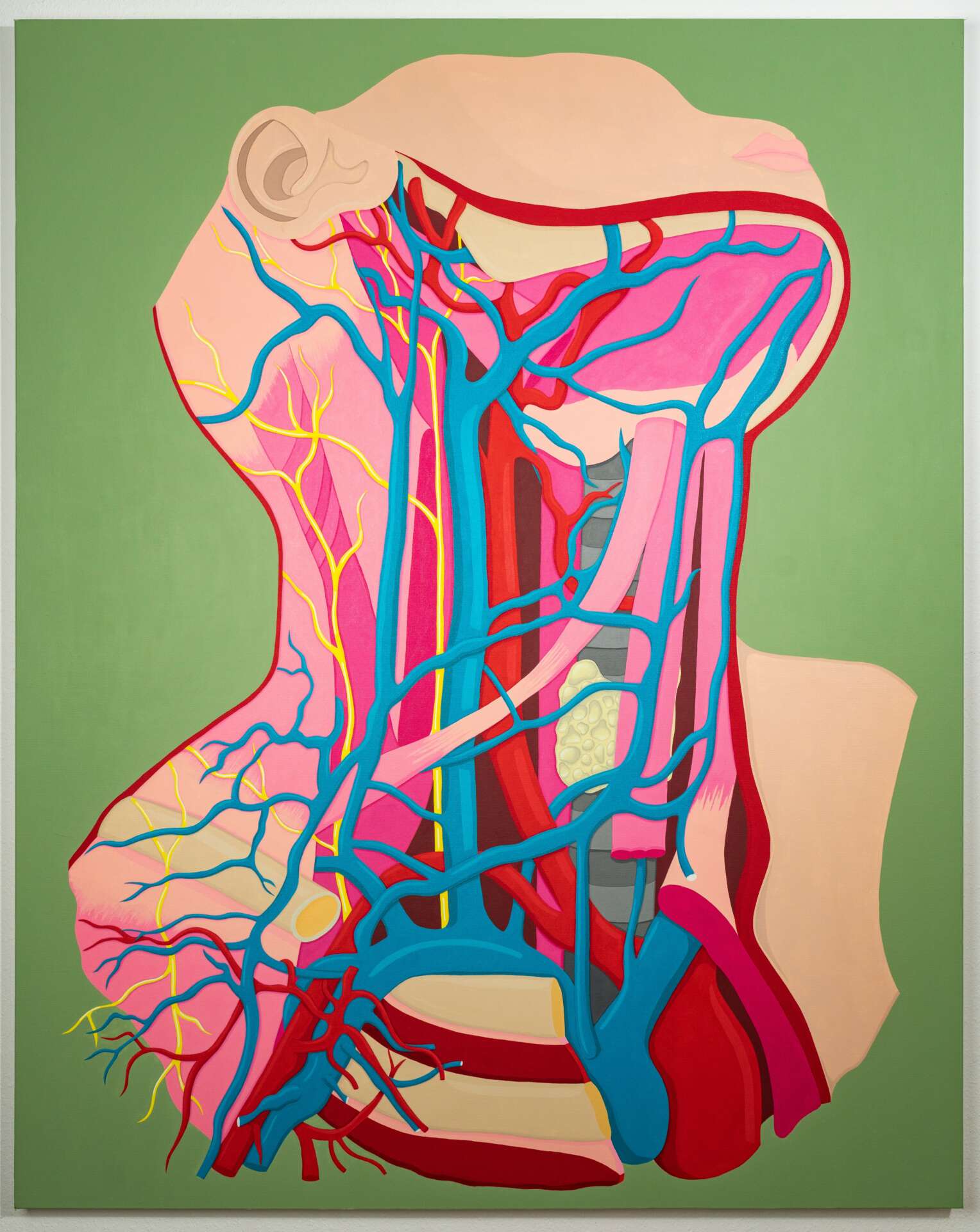
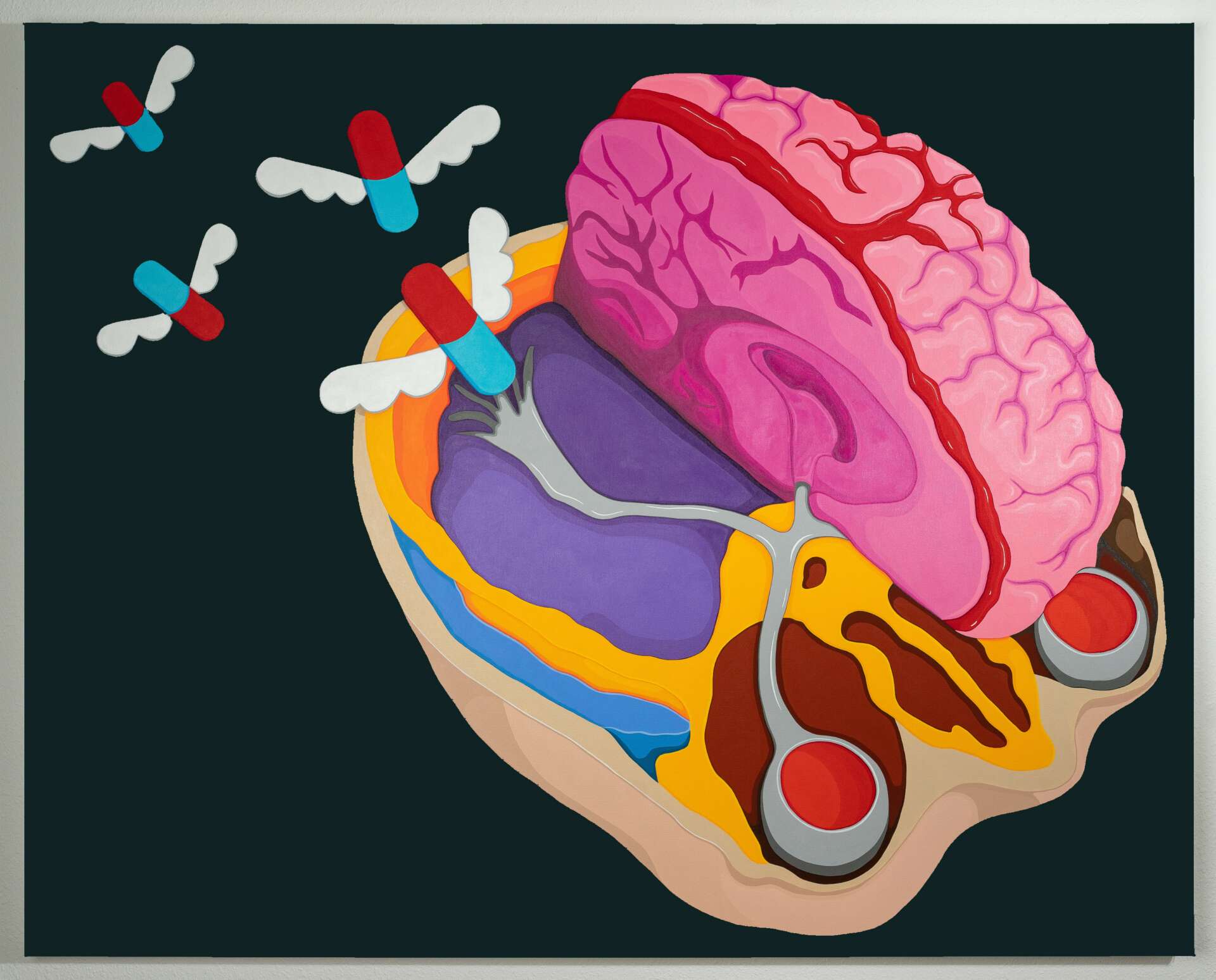
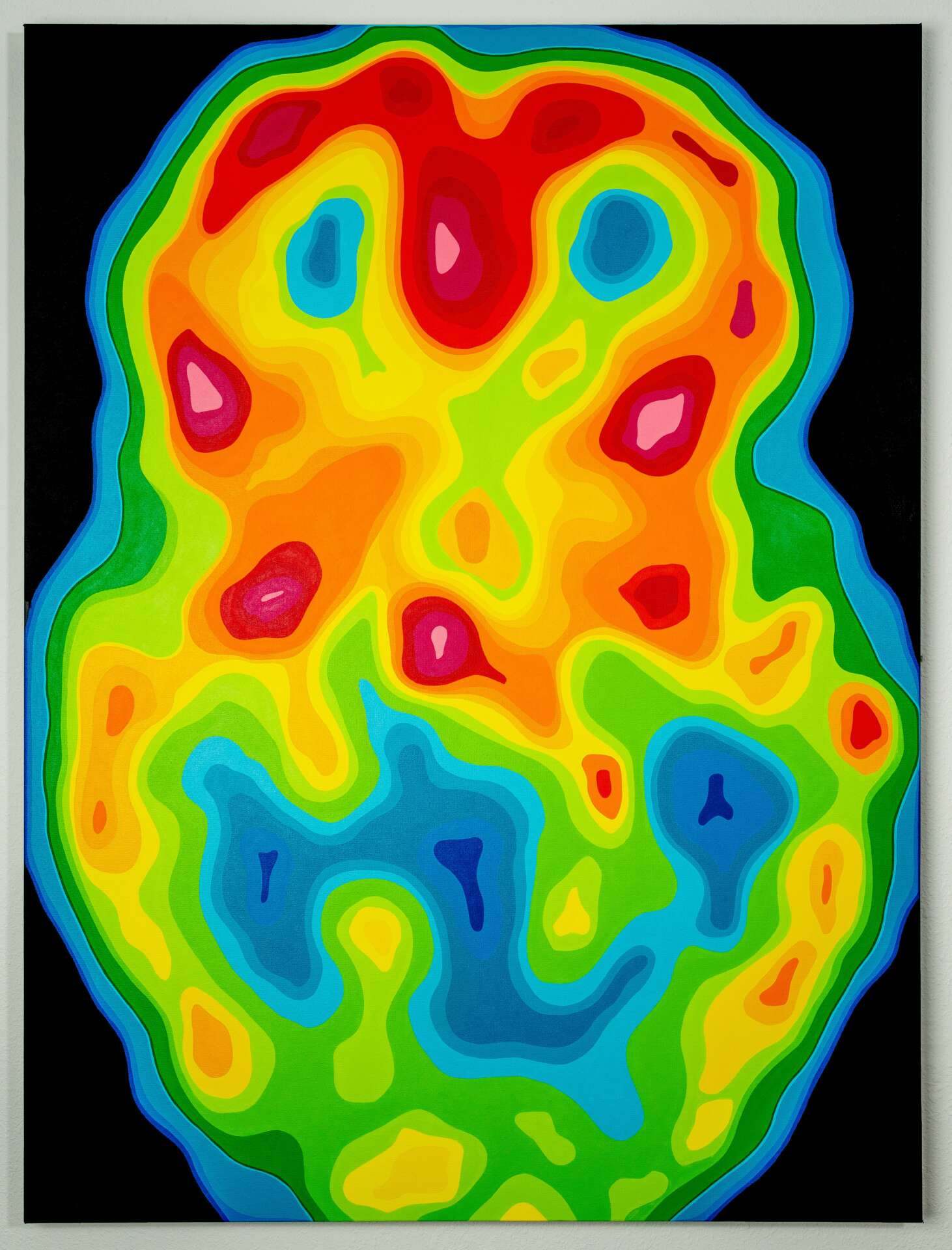
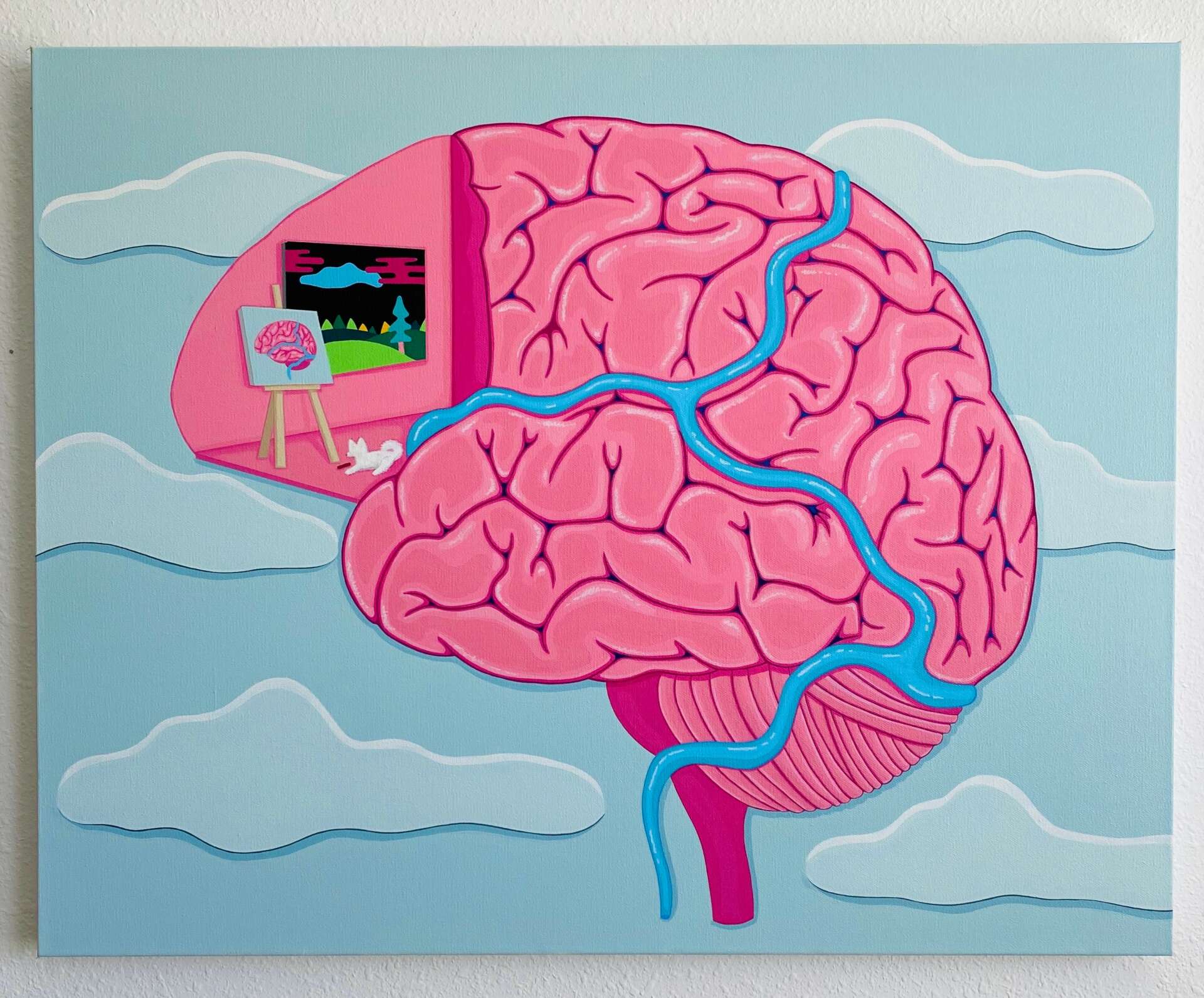
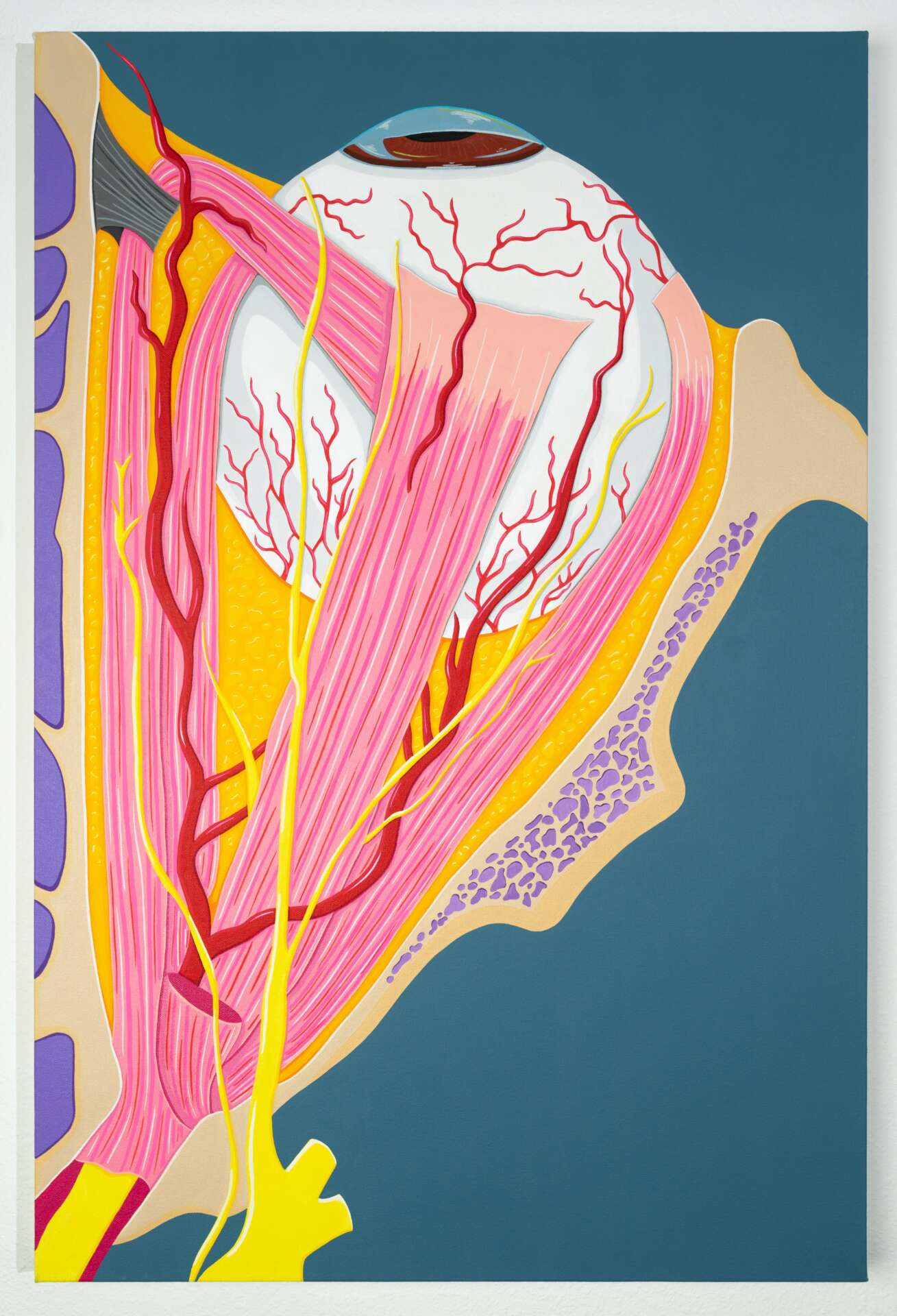
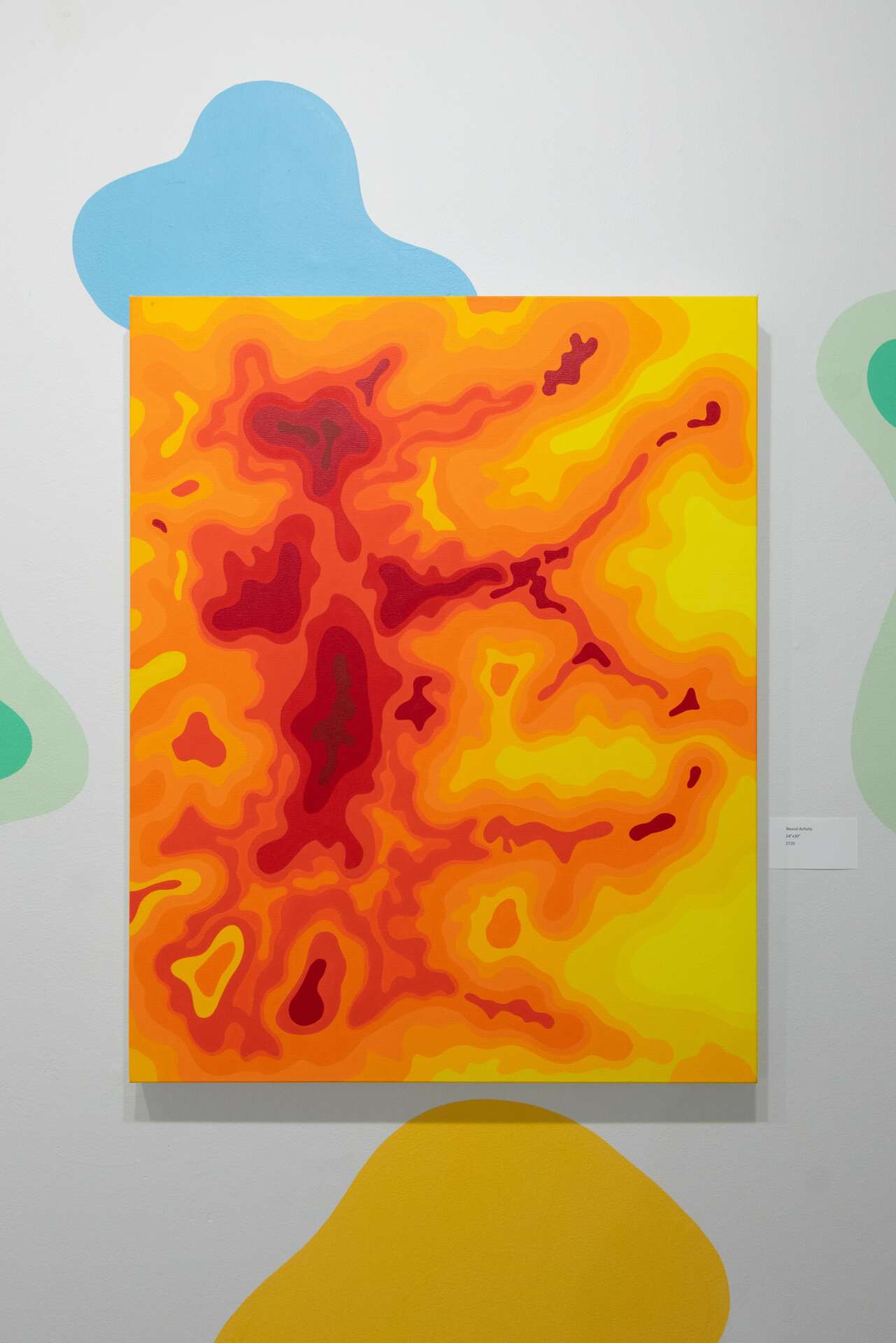
I was a very creative kid growing up. I was always drawn to making a bit of a mess with paints or trying out some new craft project. From a very early age I was also heavily interested in science, medicine, and anatomy. Growing up in a medically-minded house, I was quite accustomed to these subjects, and I dreamed one day to become a doctor. As I progressed through my academic life, that’s what I went to school for, and I put my love for creating art on the back burner. I first studied Neuroscience at Boston University with plans to go on to medical school. I really enjoyed it, and I was really quite good at it, but something still felt lacking. I began taking painting classes at the school mainly as a way to balance out all the countless hours spent in a lab and de-stress. Even though I wasn’t very good at it at first, I felt extremely captivated by painting. I could paint for hours, and it hardly felt like any time had passed. While I didn’t envision a career at first, I knew this was something I needed to carve out a spot for in my life. The more I painted, the more I dreamed of switching gears and furthering my painting practice, which is eventually what I did. It was the most terrifying leap of faith. I always believed that artists couldn’t make much money and painting could never be a career, but because I loved it so much (and because I’m a bit stubborn), I decided to try – worst case, I thought, I could always return to medicine. Part of me was extremely sad to be leaving such a passion of mine, but I did not see how I could juggle both science and art. One day, I began painting anatomical diagrams for fun, and I realized maybe I could combine the two in some way. I started painting medical imaging – PET, CT, and MRI scans – in addition to the growing-in-scale anatomical diagrams, and I truly started forging my own path that formed a bridge between my love for the medical field and my love for painting. It was through this mixture that I was able to truly envision a substantial career path in the arts, and I knew I could never return to just one or the other. Now I get to work with one foot in the art world and one foot still in healthcare, and I could not be happier.
Savannah, love having you share your insights with us. Before we ask you more questions, maybe you can take a moment to introduce yourself to our readers who might have missed our earlier conversations?
After departing the medical academic world, I returned to school to receive my Bachelor’s in Fine Arts with a focus in painting from Ringling College of Art and Design. My main mission throughout my painting practice is to merge the fields of art and science based on my own academic experience, but also my own personal experience with healthcare. As a disabled artist living with multiple chronic illnesses, my anatomical work has taken on a much more personal nature especially as my diseases continue to progress. I paint anatomy because I love it and see so much beauty in it, but I also paint it as a means of showing off the internal workings of our bodies and bringing awareness to invisible diseases that people are often more unfamiliar with. My goal with my career would be to start working with larger hospitals and teaching institutions to bring colorful anatomical installations to life in spaces of healing because I truly believe art has such a positive effect on our collective healing.
How did you build your audience on social media?
Over the past year I’ve spent a lot of time working on my social media presence, and I’ve had some success in doing so. I try to have fun with spaces like Instagram, and I want to create a space there that feels authentic to me and my work. I began creating videos of myself, my work, my studio space, and particularly close-up videos of me painting because that hard-edge style that I employ in my paintings can be very satisfying to capture. I started putting myself out there more, and over time it has paid off. I was able to grown my Instagram from 3,000 to 100,000 in less than a year – mainly by showing up authentically I think. I show both the good and the bad side of being a chronically ill artist. I think people like to connect with “people” not “brands” especially when it comes to art, so this is what I strive to do with my own social media accounts. My main advice with all this would be to keep showing up consistently – even when you really don’t feel like showing up, and show up as your whole self, not just a “highlights reel” version of yourself. The right people will gravitate to you.
What do you find most rewarding about being a creative?
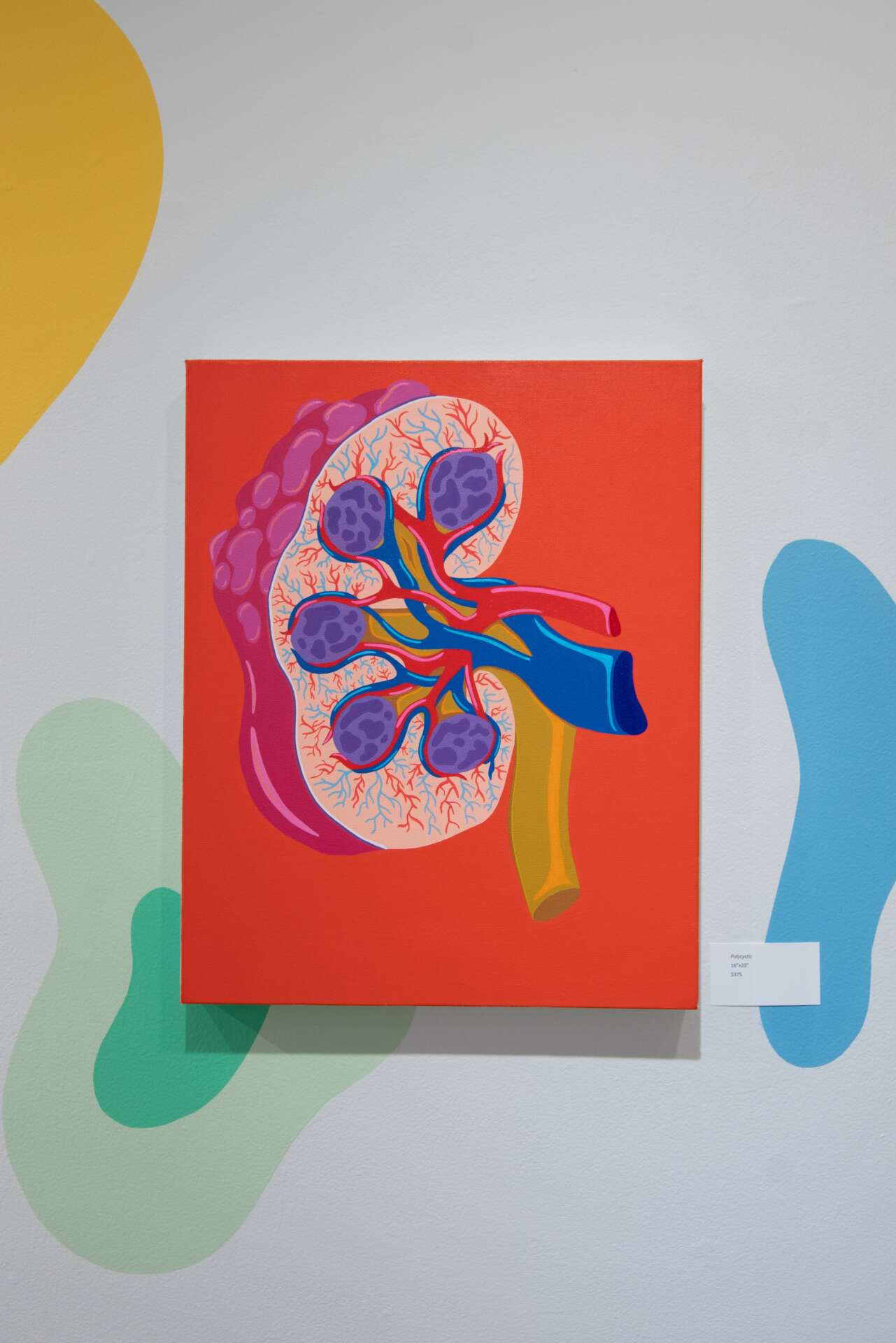
For me the most rewarding aspect of being an artist is bringing two fields together that often seem like polar opposites. I find such joy in forging my path to merge art and science. I’ve always done so just for my own personal benefit because they are my two greatest passions, but the coolest thing has been to see along the way just how many others there are out there that share the same passions and love seeing the combination. I love getting to connect with all these like-minded people as I build this community online. I often meet others exactly like me – drawn to science and art and living with a chronic illness or disability. The most rewarding part has been creating paintings for these people based on their own stories. For example, the brain painting I completed for a person living with epilepsy, or the kidney painting I created for a woman’s 10th anniversary cancer-free. These aspects of my job – when my paintings turn into more than just “paintings” – make it feel so fulfilling.
Contact Info:
- Website: meltingmagnolia.com
- Instagram: instagram.com/meltingmagnolia
- Facebook: facebook.com/meltingmagnolia