

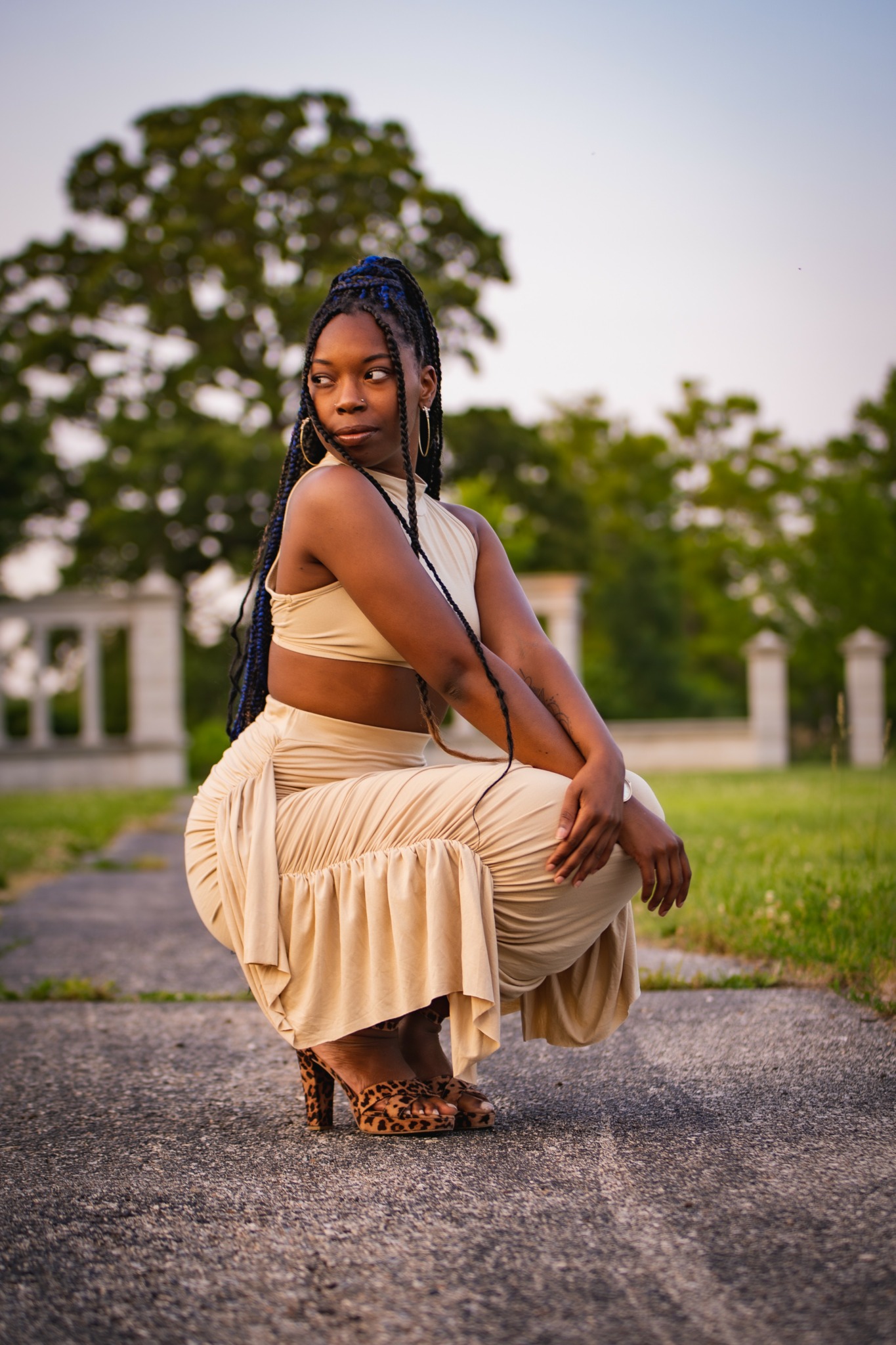

We’re excited to introduce you to the always interesting and insightful Savanna Hulbert. We hope you’ll enjoy our conversation with Savanna below.
Savanna, thanks for joining us, excited to have you contributing your stories and insights. Can you talk to us about how you learned to do what you do?
I learned to do what I do by immersing myself in stories and studying the artists who came before me. My passion began in middle school, devouring Teen and Urban fiction, and it was nurtured by my family—my father, mother, older sister, and aunt—who instilled in me that writing is in my blood.
My real learning came from seeking out Black artists who spoke about my environment, my history, and the experiences of people of color. I wanted to see myself reflected, and through their work, I gained key skills: powerful storytelling, wordsmithing, and the ability to personify the voiceless.
To speed up the process, I would have taken myself more seriously much sooner. I spent too long worrying about being in someone’s shadow, especially since I initially found inspiration in re-writing and adapting music, movies, and art. If I had embraced my own unique voice earlier, I believe I would be accurately published and integrated into a respectable artist circle by now.
I could even say that I probably would promote myself and books more if I had.
Awesome – so before we get into the rest of our questions, can you briefly introduce yourself to our readers.
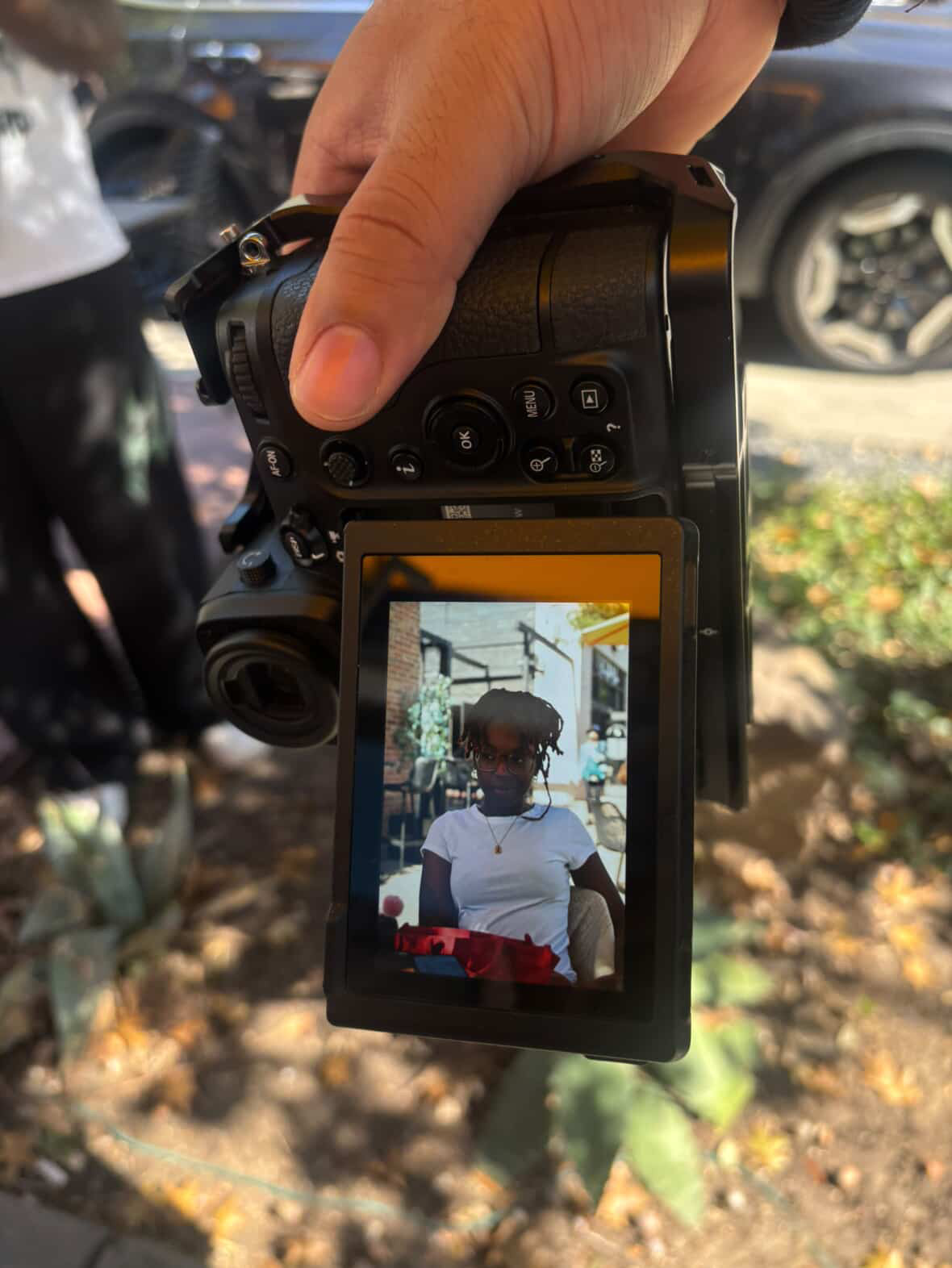
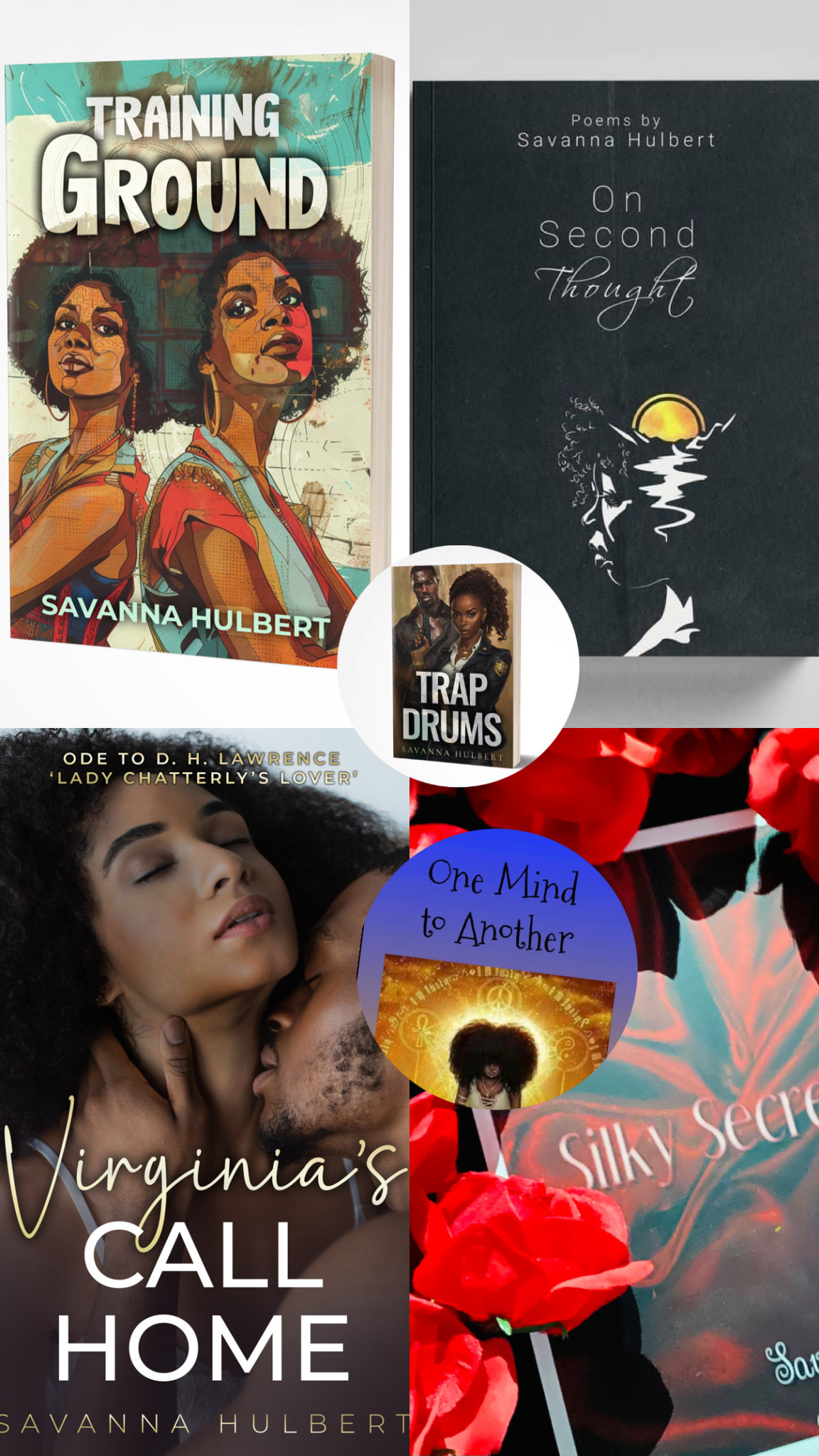
My name is Savanna Hulbert, and I am a published author and poet specializing in erotica, romance, and self-reflection/self-help fiction, currently holding a position as an educator and a BA in Criminology from Webster University, building upon my foundational experience as a KIPP Memphis Alum. Writing is a cherished legacy, coming from a family rich with artists, dancers, activists, and entrepreneurs. My professional journey began as an entrepreneur, serving as the face of Delicious Wishes before transitioning to a key role as the voice for survivors through Angels In Action, where I established safe spaces and provided crucial resources for adolescents and young adults dealing with domestic and sexual violence. My literary career, which started by co-writing Training Ground in the 7th grade, has since produced six published works—including One Mind to Another, Silky Secrets, On Second Thought, Trap Drums, and Virginia’s Call Home—all of which set me apart by solving the problem of superficial storytelling; I use my fiction as a tool for empowerment and self-reflection, blending my insight from advocacy and criminology to create authentic, complex characters whose journeys offer readers a mirror and a blueprint for hope, confirming that my brand is truly built on Truth, Empathy, and Empowerment.
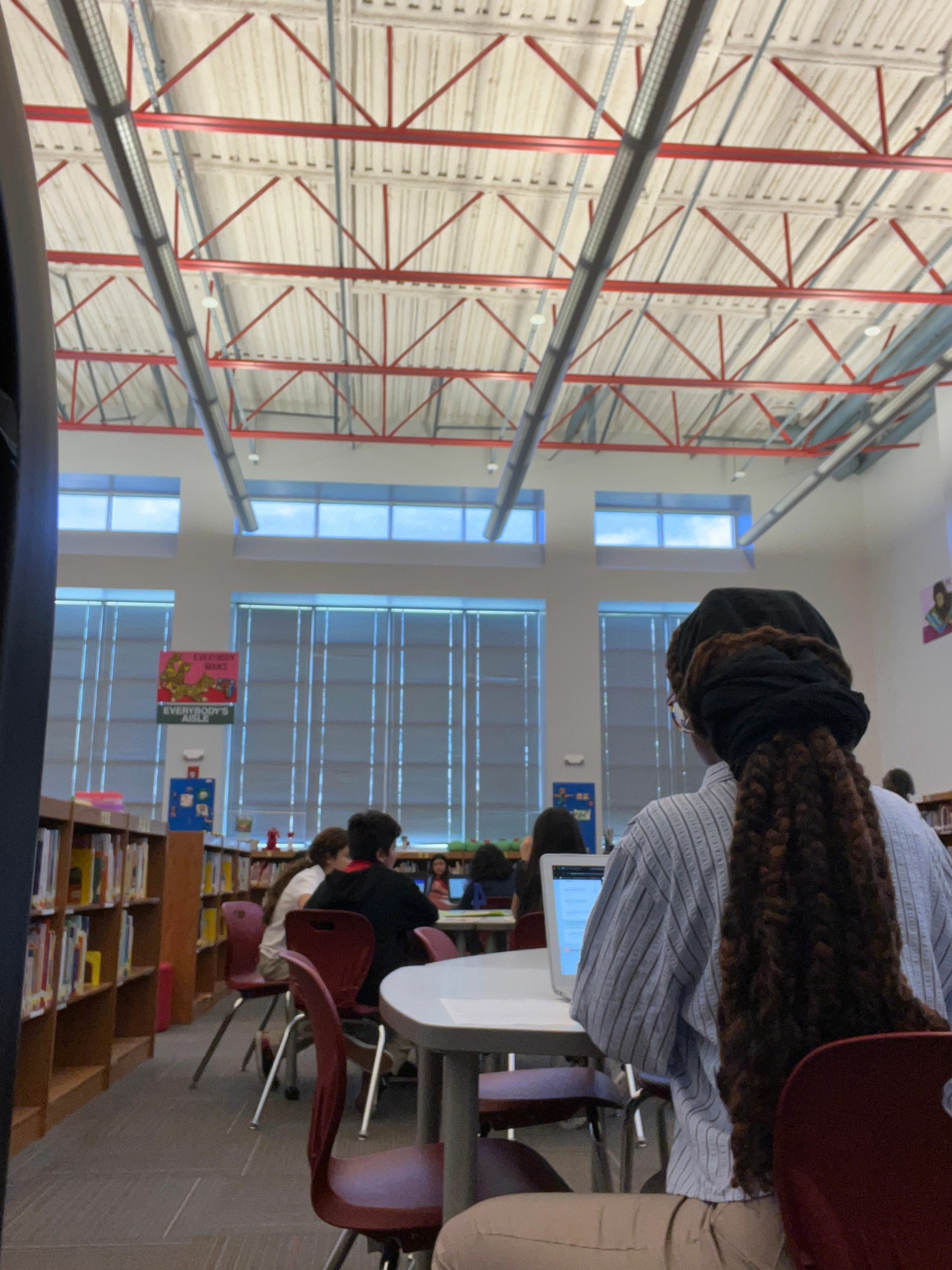
We often hear about learning lessons – but just as important is unlearning lessons. Have you ever had to unlearn a lesson?
The key lesson I had to unlearn was the desire for, and anticipation of, immediate, overt live feedback and crowd interaction.
My initial expectation was built on the validation I received from my primary outlets: posting my work in a novel and on my poetry page, where comments and sales were clear, consistent indicators of the work’s impact.
The reality of the stage was radically different. I had to adjust to audiences who were unfamiliar with the etiquette of a poetry or open-mic setting—people who might not know how to respond to profoundly vulnerable or honest material. It was an expectation I mistakenly carried over from observing veteran performers. I realized that the vulnerability required for a live performance is a unique commitment. The true lesson was learning to separate the delivery of my authentic, honest work from the need for external, real-time validation.
Have you ever had to pivot?
The most significant pivot in my career happened when I shed my performance crutch and truly embraced the live stage. When I first started performing, my ironic tagline was the “Poet who brings her phone to the party,” but I was genuinely using that phone as a shield—a refusal to make eye contact, an excuse to stand anchored in one spot, and a defiance of every public speaking rule I knew. This changed by September 2025, when I consciously pivoted by leaving the script behind and challenging myself to freestyle, or spontaneously mix up lines from my existing poems to create something unique on the spot. Crucially, I started to move, walking, dancing, and weaving my way around the venue to keep eyes on me. My voice carried bold and loud and still had power, but it’s something different when you catch eyes with a muse or the person who relates the most; you can sense their uneasiness or agreeance. This pivot was a powerful practice in memorization, but more importantly, it allowed me to finally interact with the crowd; seeing the audience lean in, watching their eyes follow me, and knowing they were hanging on my unrehearsed words fulfilled the very connection that the phone had originally helped me avoid.
Contact Info:
- Website: https://linktr.ee/savannahulbert
- Instagram: https://www.instagram.com/indi.blus/
- Linkedin: https://www.linkedin.com/in/savanna-hulbert-79b9aaa9/
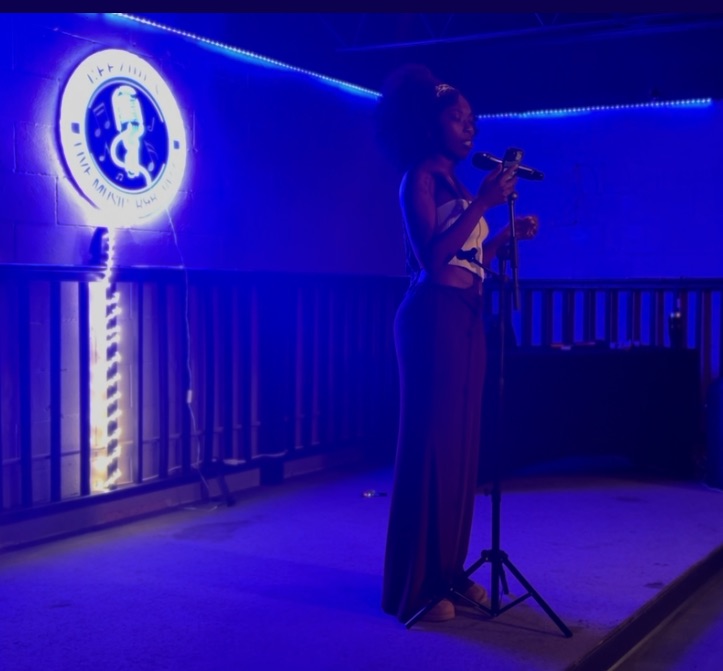
Image Credits
Theunlinkableone
Bheanna Hulbert
Rill Spill