

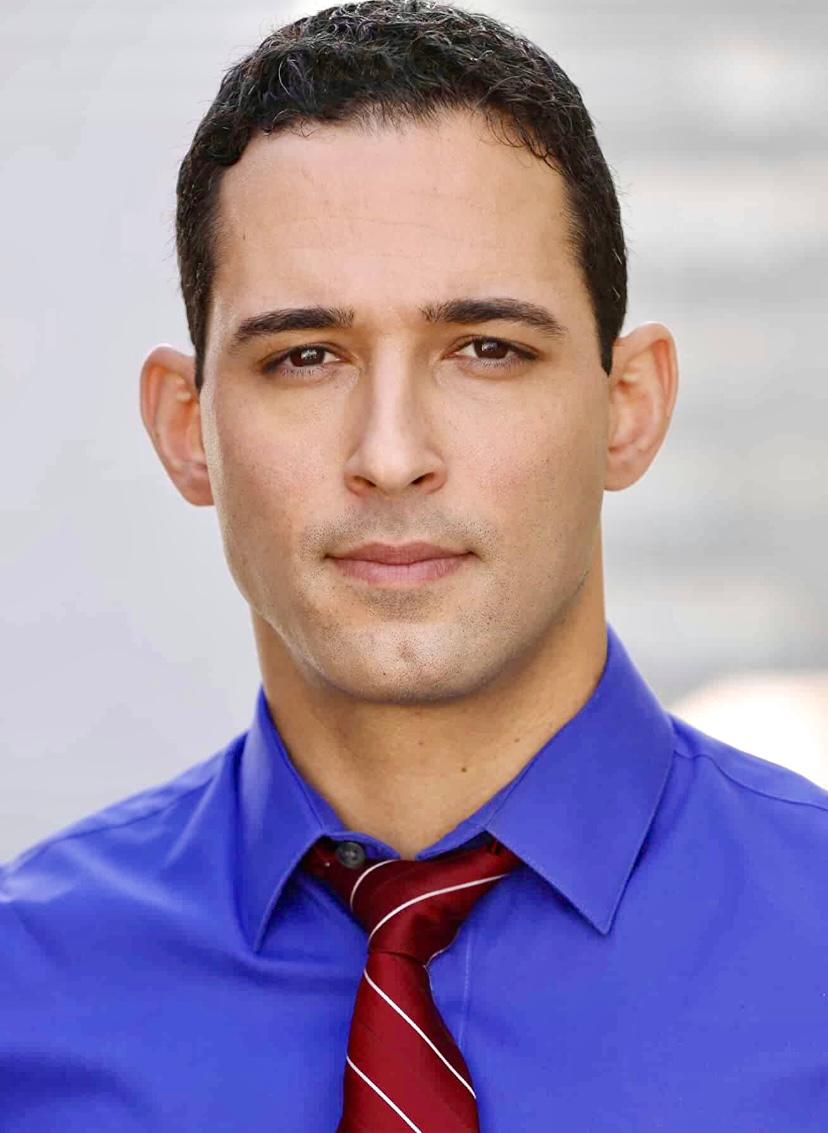

We caught up with the brilliant and insightful Sassan Saffari a few weeks ago and have shared our conversation below.
Sassan, thanks for taking the time to share your stories with us today How did you learn to do what you do? Knowing what you know now, what could you have done to speed up your learning process? What skills do you think were most essential? What obstacles stood in the way of learning more?
How did you learn to do what you do?
My journey into the arts began long before any kind of formal training. It started with my grandmother, Edith Conklin Weaver. I always say her full name when I speak about her…because I want her legacy to live on. She was a painter and a poet, and her home was a sanctuary of creativity and imagination. I actually compiled a book of her poems, a homage called The Given Word. I’d love to share it to the world someday. Her poetry is truly Shakespearean.
As a child, the drives from Massachusetts to her home in Connecticut felt magical, filled with anticipation, like something sacred waited at the end of the road. Walking into her house, I’d immediately smell the paint, the pastels, the energy of her art room. Watching her pour emotion into her work instilled in me a deep sense of wonder and reverence for expression. The art was light, and it was dark. It was everything. That early exposure laid the emotional foundation for everything I do now.
Professionally, my path took shape during my time at MiraCosta College Theatre in San Diego. I threw myself into every opportunity I could find…performing in over thirty productions at my college and professionally in San Diego, and earning recognition through the Kennedy Center American College Theatre Festival. From there, I continued my training through a Steppenwolf West intensive, thanks to a scholarship, and had the incredible honor of being invited to the Kennedy Center as a guest artist. Every stage, every set, every nap in the theatre between rehearsals, every classroom…all of it shaped me. Not just as a performer, but as a storyteller.
Knowing what you know now, what could you have done to speed up your learning process?
If I could go back, I’d give myself permission to fail…sooner and more often. I used to approach every opportunity like a test I had to pass instead of a space to explore. I treated it like a sport, a game I had to figure out and win right away.
It wasn’t until I began embracing risk and got comfortable with discomfort that real growth started to take root. The lessons began to deposit themselves in me, little by little…coin by coin, like a piggy bank slowly filling. Over time, those experiences and bits of knowledge became embedded in my DNA.
One of my favorite mentors from college, Tracy Hill Williams, used to talk about that. She always reminded us to play well. That phrase stuck with me. Tracy, you were…and are, so deeply inspirational to everyone you touch.
What skills do you think were most essential?
Versatility, without question. Whether it’s shifting between stage and screen, adapting to different genres, or finding a new accent, being fluid has served me again and again. Voice, movement, improv…even skydiving…have all shown up in my work in unexpected and meaningful ways.
But beyond the technical, I’d say the most essential skill has been emotional availability and believing in my imagination. Believing. In. My. Imagination. Never losing that ability to play and to believe in my imaginary truth. Acting demands truth. The ability to connect to a character’s reality…especially when it’s vastly different from your own…requires deep empathy and a willingness to stay open and vulnerable. That kind of honesty only comes through personal exploration and doing the inner work.
What obstacles stood in the way of learning more?
One of the greatest lessons I learned early on…and one that was echoed by so many of my mentors, is that there is no ceiling to growth. That belief has stayed with me. There’s always more to discover, more to learn, more to feel, more to understand, more to experience. More life to live. And as long as I stay open to it all, I know I’ll keep growing.
In your view, what can society to do to best support artists, creatives and a thriving creative ecosystem?
If we really want to support artists and build a thriving creative ecosystem, we have to start by recognizing how essential art is to who we are. Art isn’t just entertainment…it’s reflection, resistance, memory, imagination. Supporting artists goes beyond funding or giving them visibility; it’s about creating a culture that values creative voices and protects their freedom to explore, challenge, and inspire.
One of the biggest things we can do is make sure we don’t forget where we came from. Classic films, even going all the way back to The Birth of a Nation, should be studied, talked about, and remembered. Not to glorify, but to understand. The evolution of film and storytelling shows us so much about ourselves, and it lays the groundwork for future generations of artists and audiences. We can’t lose that foundation to convenience or passing trends. That history should be part of the conversation…in schools, in communities, in the mainstream. Every decade matters. All of it.
And now, with AI becoming such a big part of our world, it’s more important than ever to protect the human voice in art. Yes, AI is here, and it’s going to keep evolving…but it can’t replace the soul of the artist. There need to be ethical boundaries in place to protect creative ownership. AI can be a tool, absolutely, but it should never become a replacement. Co-existence is possible, even necessary, but never at the cost of the human experience.
At the end of the day, supporting artists means investing not just in their work, but in their well-being, their education, their history, and their future. It means making space for them in our conversations, our policies, and our everyday lives.
Is there mission driving your creative journey?
Happiness.
Contact Info:
- Instagram: @sassansaffari
- Facebook: https://www.facebook.com/sassansaffari/
- Twitter: @sassansaffari
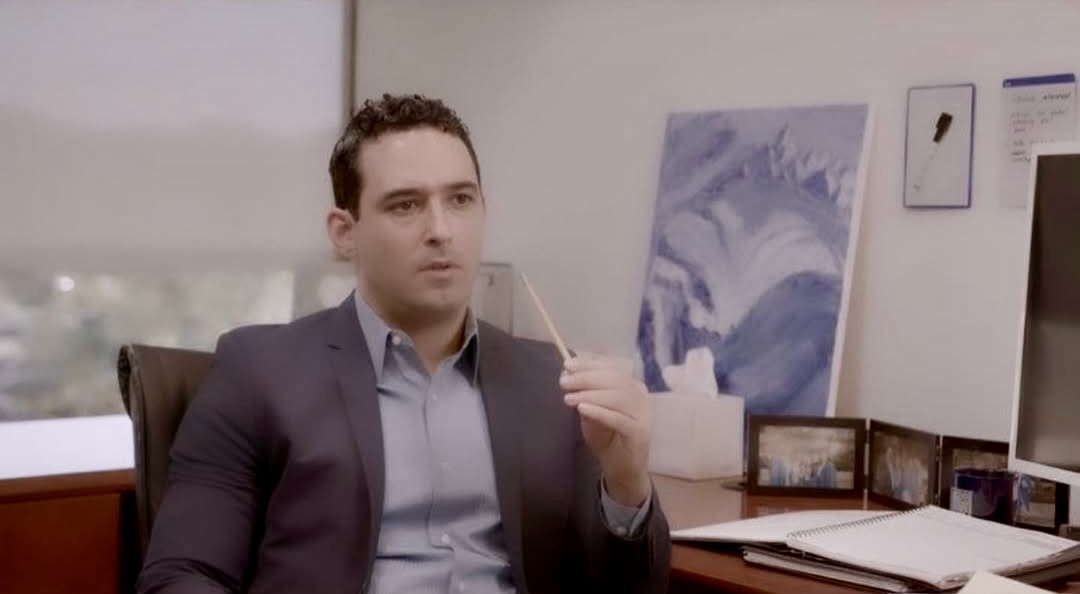
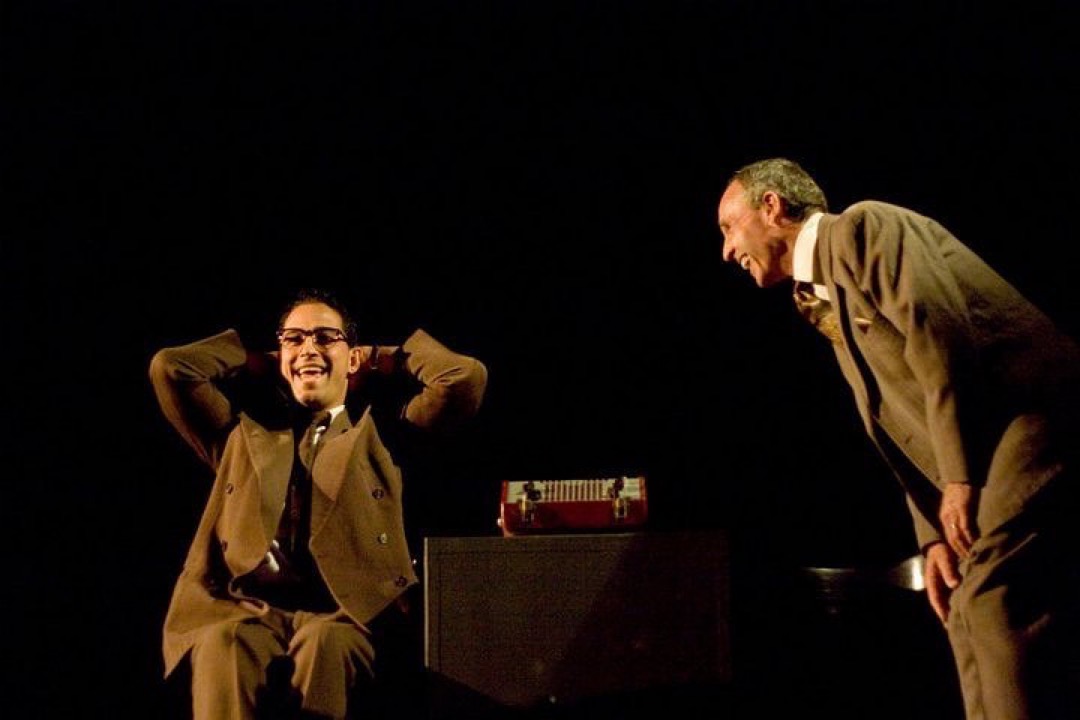
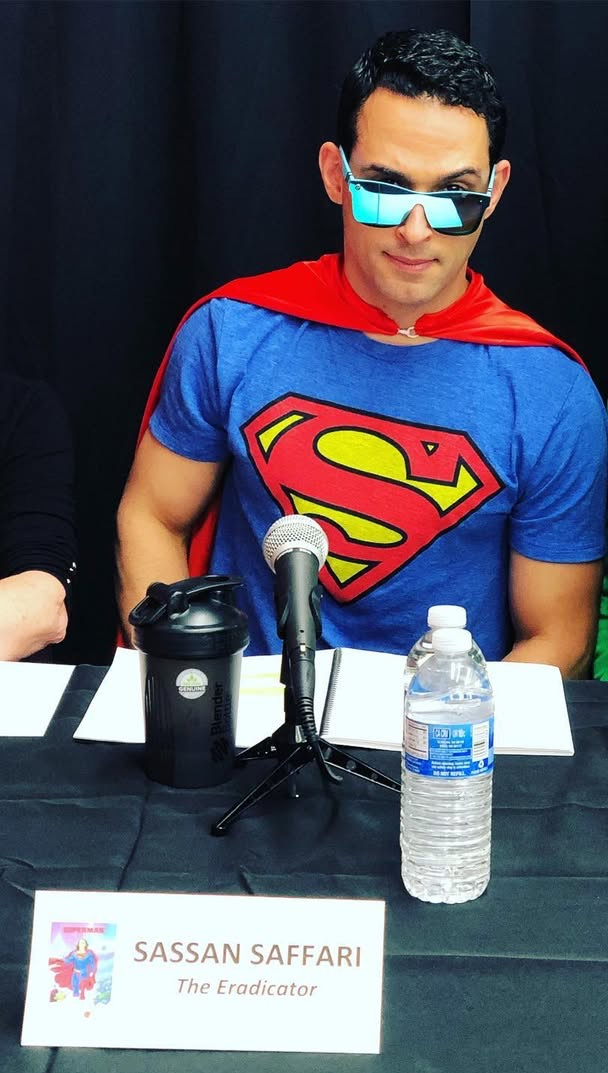
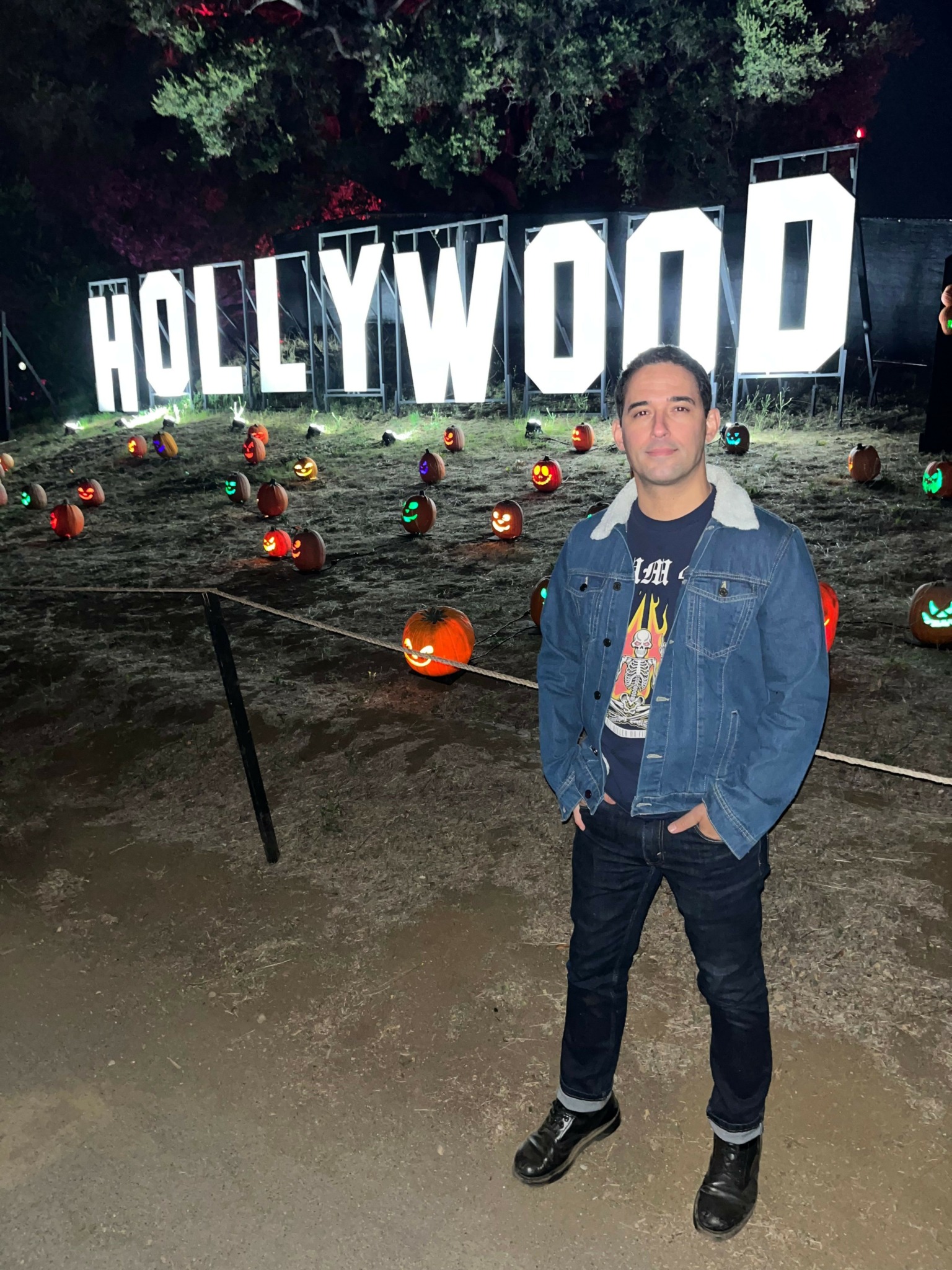
Image Credits
Let me know if you need the film, play, or television titles of the pics listed. Thx