

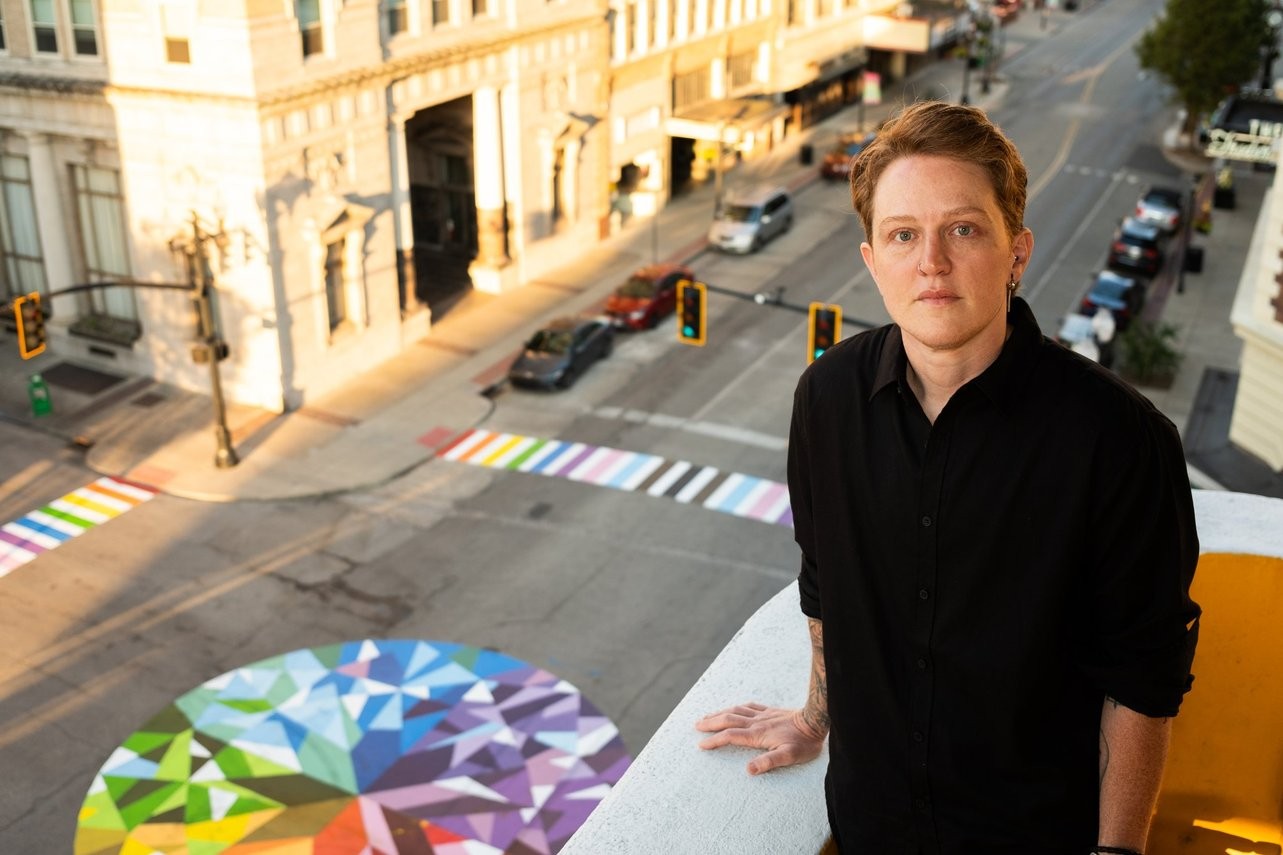

We recently connected with Sassa Wilkes and have shared our conversation below.
Alright, Sassa thanks for taking the time to share your stories and insights with us today. We’d love to hear about a project that you’ve worked on that’s meant a lot to you.
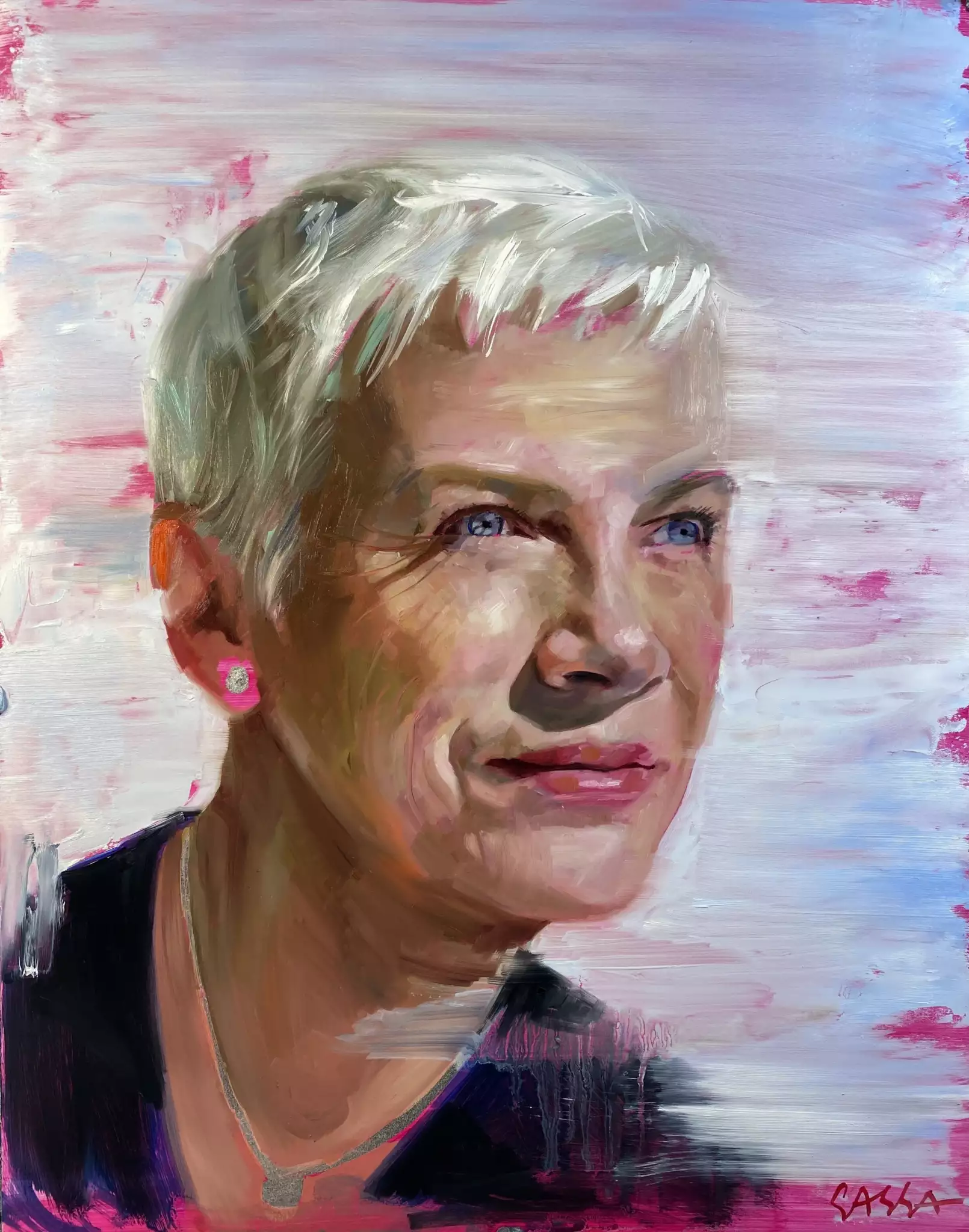
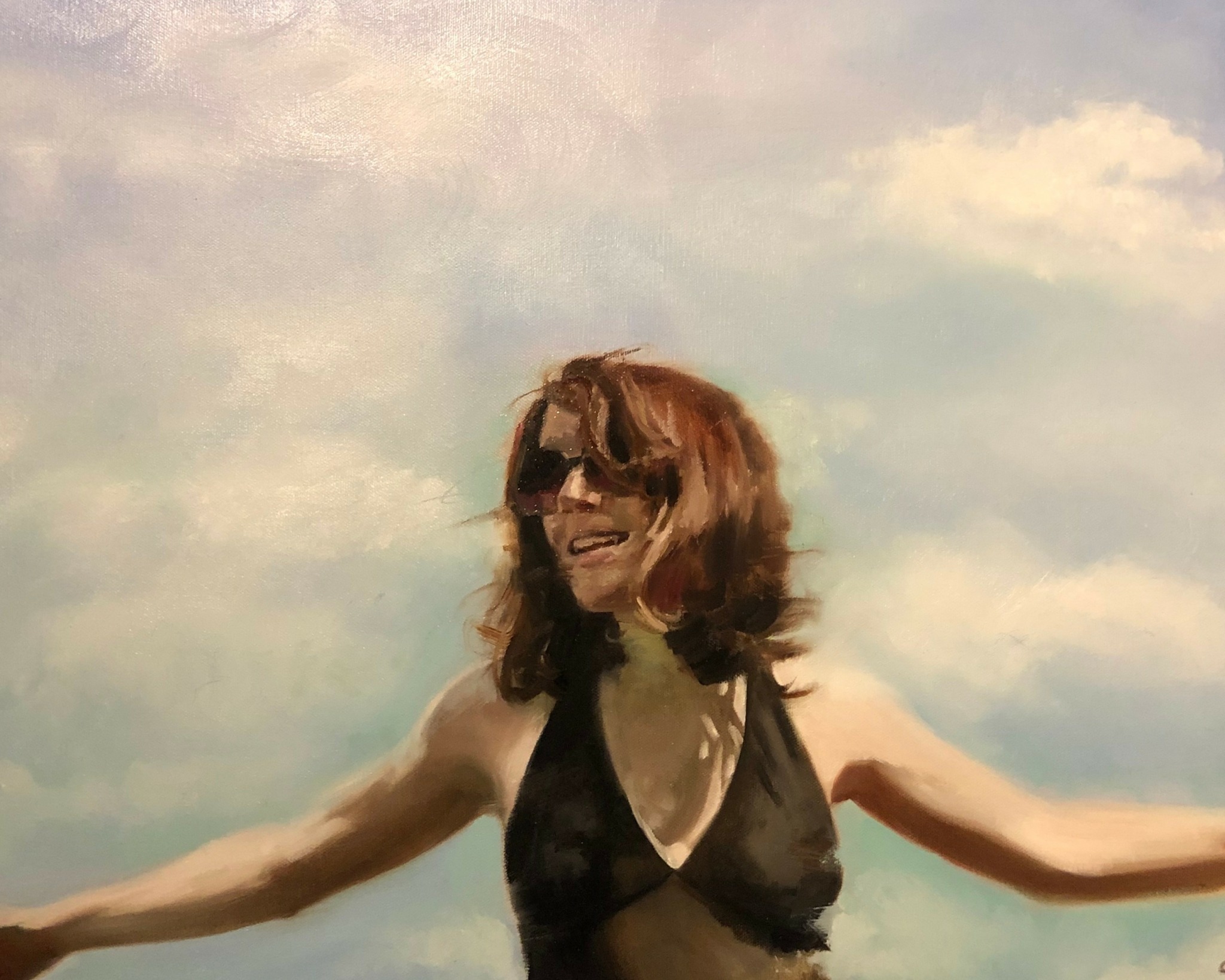
There are several projects that have been meaningful to me in different ways, but one that stands out most is my “100 Badass Women” project. In the last 100 days of 2020, I painted a new portrait every day of a woman I admired, wanted to learn about, or just wanted to uplift. That project began with a painting of Ruth Bader Ginsberg right after she died, and I continued every single day for 100 days straight through the end of the year.
The project came about in a very organic way, out of a curiosity to learn more about women’s history, and also a desire to explore gender in my work. It very quickly grew an audience who tuned in with me each day, waiting to see who I had painted that day and why. At the end of each day, I shared the painting as well as writing about what I learned about the woman I painted. I would typically spend around 10-12 hours a day painting, and listened to podcasts, interviews, whatever I could find to learn about that day’s subject.
That project taught me so much about the lives of the women I painted, but it went so much deeper than that. Sharing what I learned every day led to rich conversations with people following along online, and I got to know so many interesting people and hear their personal stories. In a time when we were all very isolated from one another during Covid, it gave me a type of connection I had never really had with people before. The project quickly felt very collaborative, and people gave me the best suggestions of women to paint. I had always been a fairly solitary artist before this project, and this one opened me up to the idea of collaboration on a deeper level with others. It was also a much different way to work than I had ever been taught to…sharing the work as it was created, learning in real time with others, sticking to a deadline that did not allow me to over-think or over-work any of my pieces. It all felt very vulnerable and opened me up to much deeper connection with others.
This project was ultimately one of the things that helped me feel ready to come out publicly as trans. Feeling seen in a new way by so many people through my work really illuminated for me the ways in which I was holding back authenticity. I ended up talking about that at the opening of this body of work at the Huntington Museum of Art in front of hundreds of people, and it was one of the coolest moments of my life.
Great, appreciate you sharing that with us. Before we ask you to share more of your insights, can you take a moment to introduce yourself and how you got to where you are today to our readers.
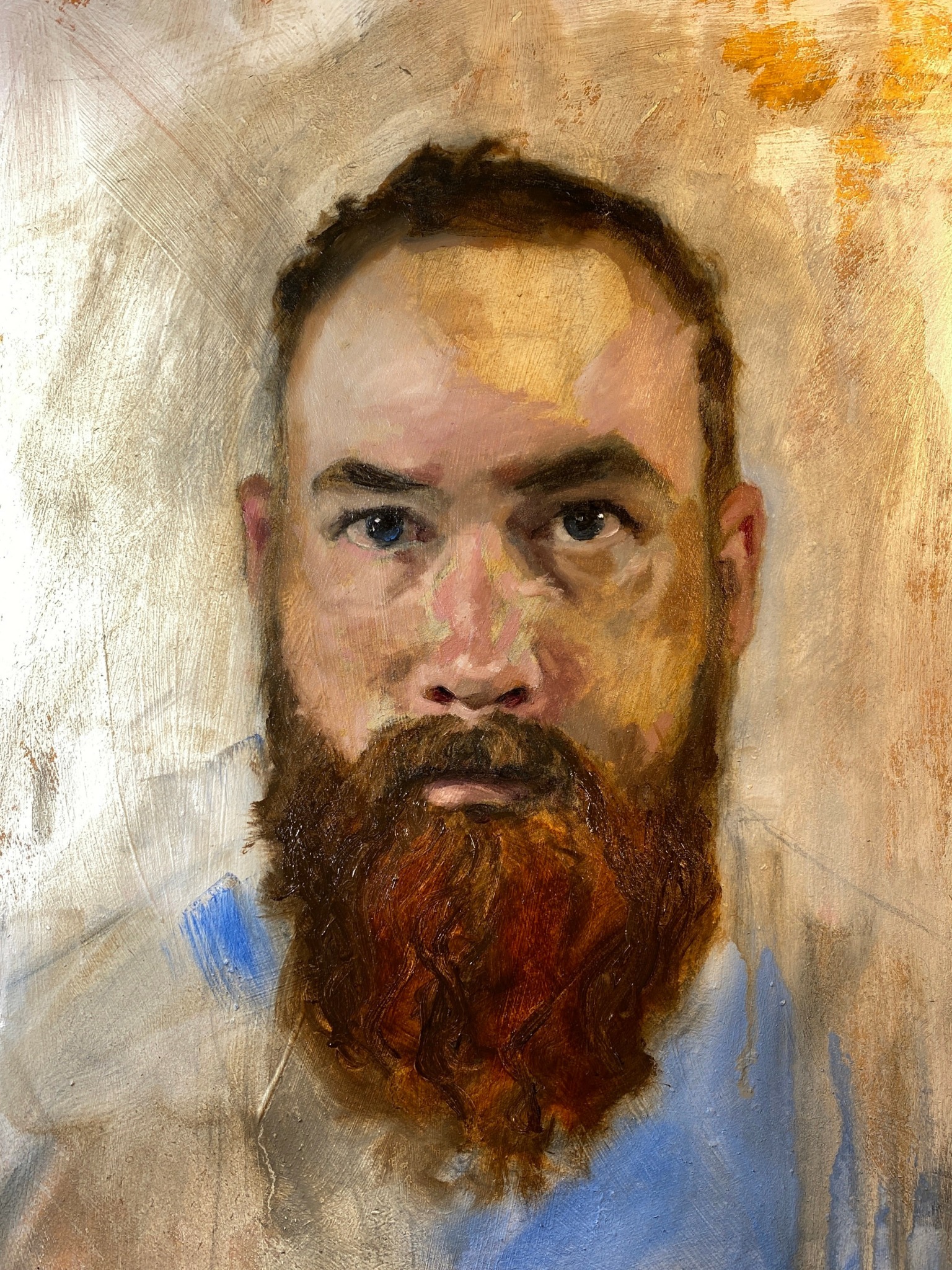
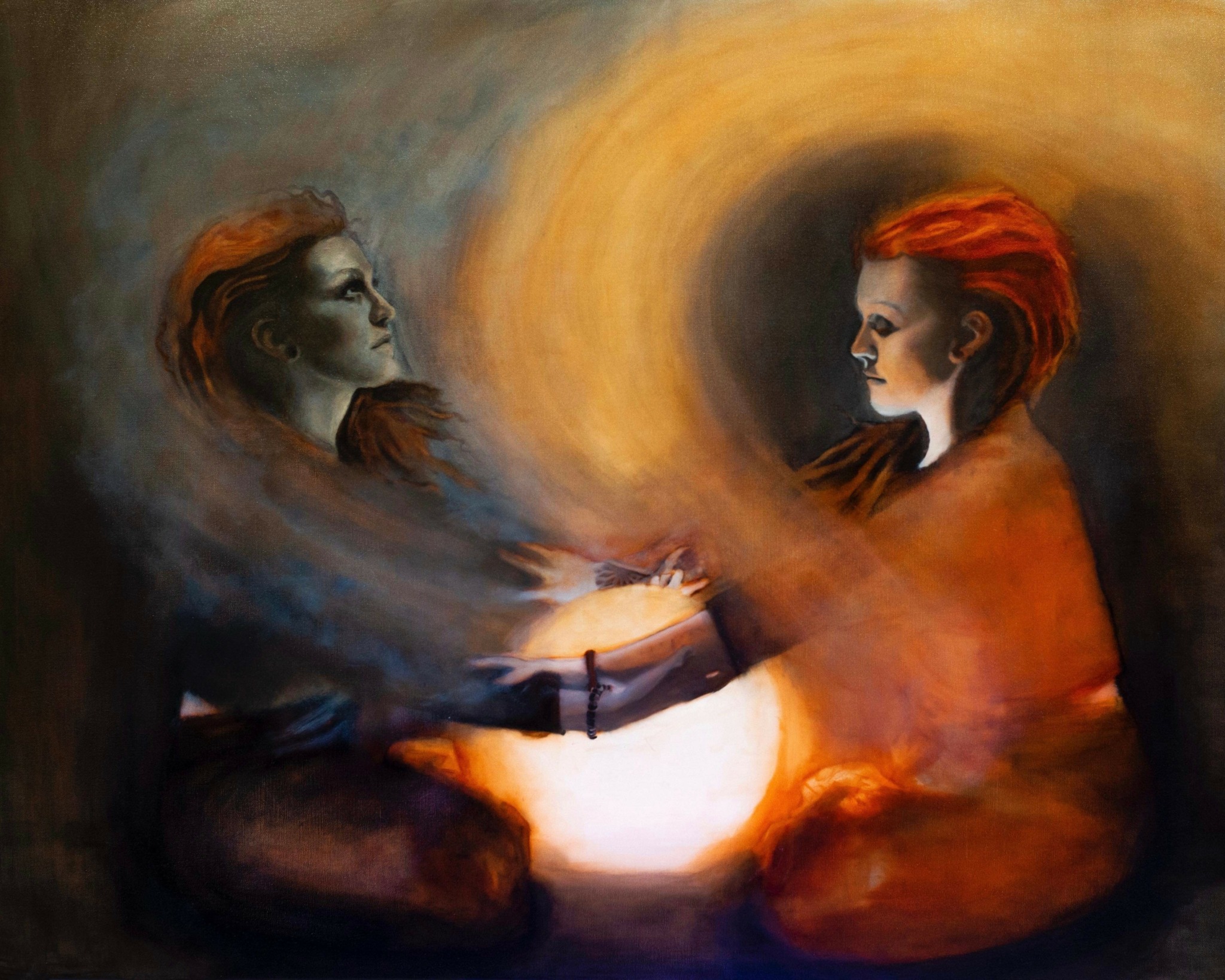
My path has never felt very linear. I went to school for Sculpture when I was about 28, then ended up getting a masters degree in teaching. I taught fine art in high school for a few years. That was ultimately not for me, so I opened up my own studio/gallery and taught community classes. I fell in love with oil paint and have explored that more than other mediums, but I’ve also worked in wood, steel, assemblage, lots and lots of charcoal drawing, mixed media collage. I’ve written an art novel where some of the chapters were songs, some were poetry. I’m always exploring something new to find the right media for the idea.
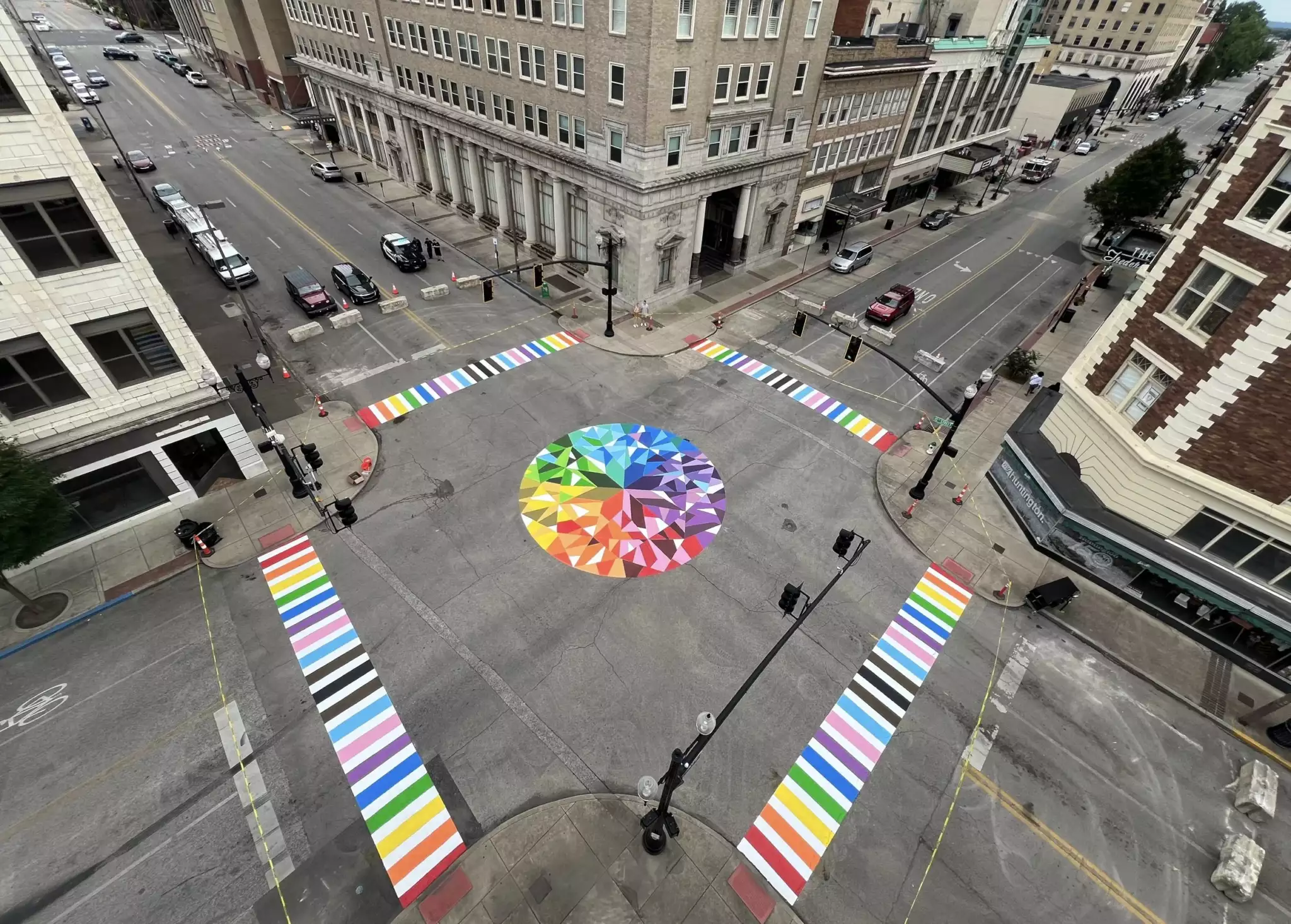
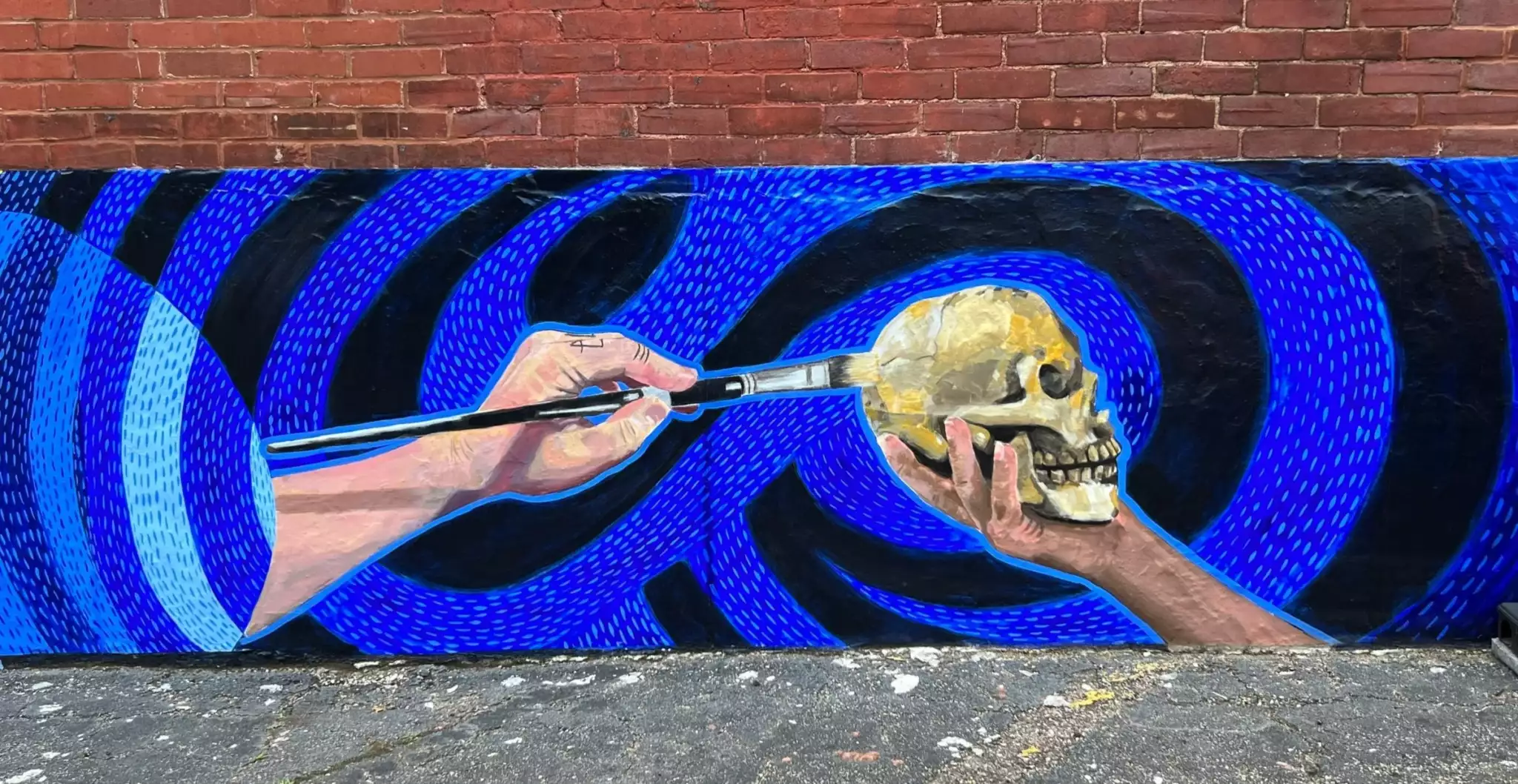
After I did the 100 Badass Women series, I ended up doing a 2-year residency that was very focused on collaborative community art, and have done a good bit of that since, including indoor mixed media installation and mural work. I LOVE working with people who don’t consider themselves artists, because they always surprise themselves. I don’t mind showing the messy in-progress steps of my work with others. I think it’s relatable and it invites others to detach a little from the expectation of perfection.
After teaching in the school system, I worked independently as an artist for about 7 years. I did a lot of different projects and consistently took portrait commissions. I’ve explored so many different things, but portrait painting has been the most consistent theme through my work. As of this year, I’m working as director of a non-profit art program, which is a totally new thing for me. It’s a very creative job, and it had a big learning curve. Now that I’m getting settled into it, I’m excited to start working a regular art practice into my life again. I’m excited to see what that will look like now that I’m not relying on art for income.
What’s a lesson you had to unlearn and what’s the backstory?
The thing I’ve spent the most time un-learning is this concept of mastery, and the idea that before you can share work it has to be perfect, or before you can teach something you have to have “mastered” it. I used to take art so seriously, and in some ways was taught that in art school. I also remember seeing that modeled when I first followed artists I admired on social media. It felt like there was a very similar script everyone followed. You spend months, sometimes years, working away on a new body of work, sometimes sharing just a sneak peek, then that work culminated in a big unveiling in the form of an exhibition where everyone got to see the polished result. Most artists I followed were very reluctant to share their process. Even when it started to become more common for people to share content that included process videos, there was a feeling that what you were seeing was highly curated, with all the messy mistakes and failed experiments being edited out.
When I was in school, I was criticized some for not being able to stick with one medium. That, of course, was subjective and kind of a trend, and it later was seen as ok to be experimental and to float through mediums, but I had to unlearn what was taught to me…Mastery is key, don’t show work until it’s perfect. Don’t even think about teaching until you’ve mastered what you’re teaching.
I honestly just think all that is bullshit. So much of being an artist is experimenting, figuring out what works by doing a MILLION things that don’t really work the way you want. A lot of it is frustrating. And I don’t personally even believe in the concept of mastery anymore. There’s always something more to learn, there are always as many ways to approach art as there are artists. And I love learning with students when I teach. I feel like more of a facilitator…I’ll provide the space and the supplies, I’ll show you and tell you what I’ve learned and how I do things, but then let’s just play together and see what happens. I always feel I learn as much from my students as they do from me. And I like showing my work in the in-between stages, and inviting people to follow along with me to watch it evolve.
What do you find most rewarding about being a creative?
I truly believe that everyone is inherently creative. The people I’ve known to be the most unhappy are people who don’t find any outlet for that at all. And creativity can take many forms…building a business is creative, cooking, gardening, building things, all of that is an outlet for creativity. Leaning into that creativity far enough to call yourself an artist really opens up a whole new world.
The best way to illustrate what this means to me is to share what I learned when I started practicing drawing and painting consistently, and teaching others to draw and paint. When I started teaching drawing classes, I realized that I was seeing more values than my students were able to see. I’d point out a shift in values, and they would literally not be able to see what I was pointing to. They perceived one value, where I would see two or three. And when teaching color, students would often comment on the multitude of hues I used in portraiture and ask how I made the decision to include them. They simply didn’t see all those colors when they looked at a face. After lots of time and practice, I watched them begin to perceive a wider range of values and colors that they previously had access to. Realizing that had a pretty profound effect on me.
Artists look at the world in a way that I think human beings are not necessarily wired to look at things. There’s no real biological advantage to being able to perceive a wide range of hues in human skin, or seven different values in a grey rock. To learn to do that, it takes years of slow, intentional observation, which is such a meditation. When I am in the middle of a drawing or painting, my mind is completely quiet. I am completely focused on the act of seeing someone or something else in its fullness and reflecting that seeing to others in my work. That practice has completely rewired my own sense of beauty, and it has nothing at all to do with what our culture would have me believe beauty is. When I’m focused on portraiture, most of the time the things people would say they don’t like about their face are the parts I find most beautiful. Lines, moments of saturation, texture. It feels like a privilege to see things as an artist.
Contact Info:
- Website: https://www.iamsassa.com
- Instagram: @iamsassa
- Facebook: I Am Sassa
- Linkedin: Sassa Wilkes
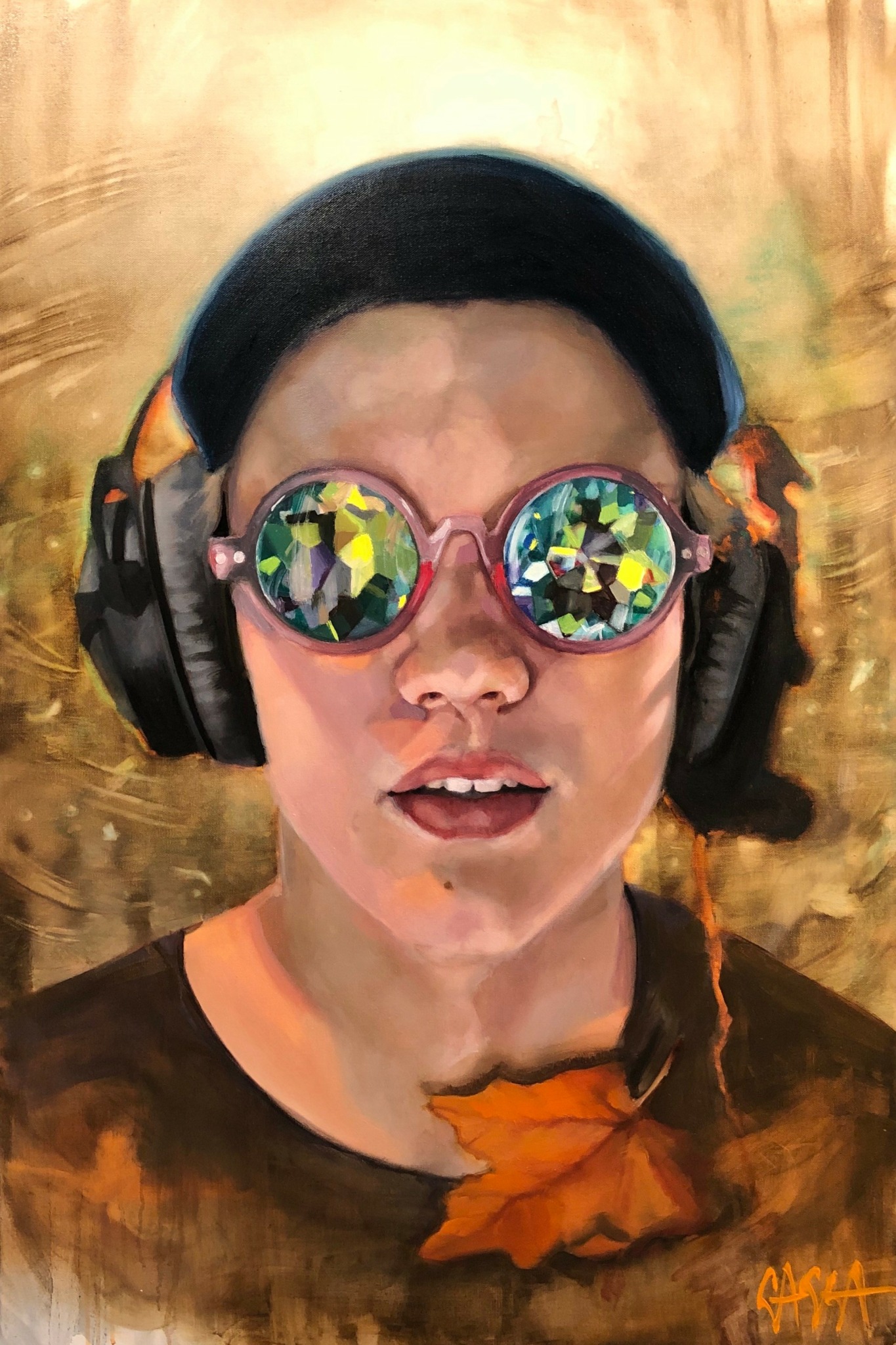
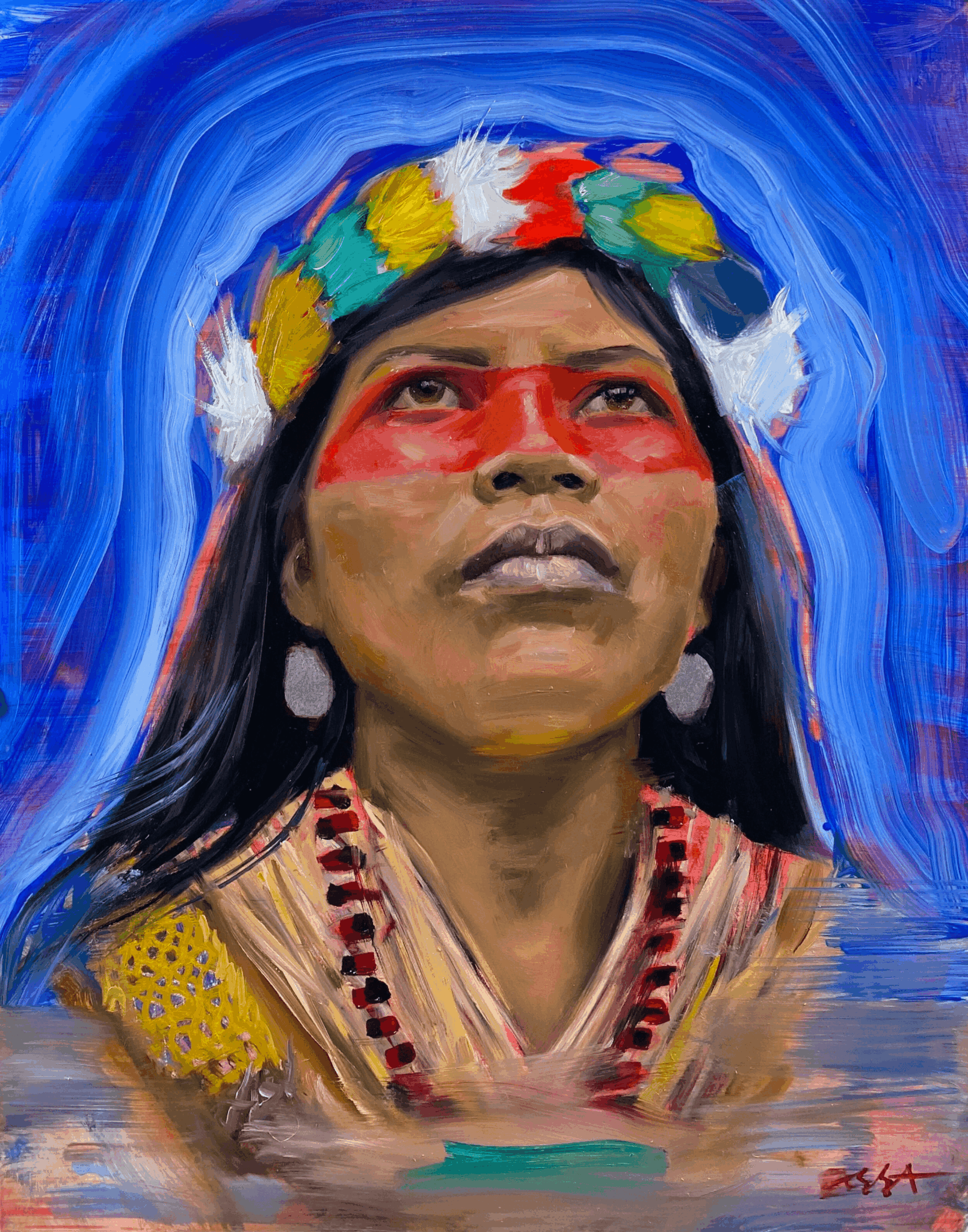
Image Credits
All photos are owned by me.