

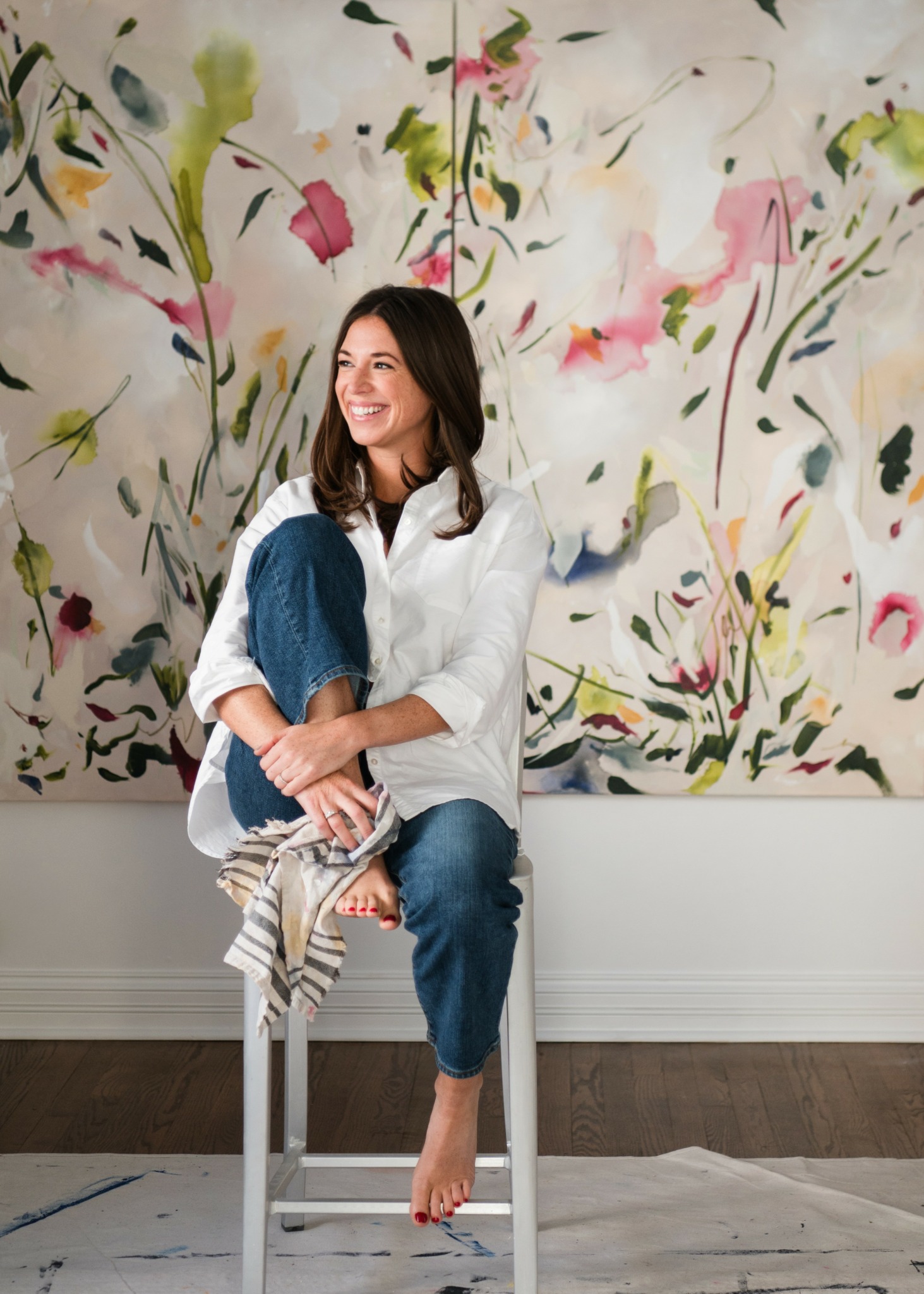

We caught up with the brilliant and insightful Sarah Whalen a few weeks ago and have shared our conversation below.
Sarah, appreciate you joining us today. Are you happy as a creative professional? Do you sometimes wonder what it would be like to work for someone else?
I used to have a “regular” job and I can say with total certainty that I’m happier as an artist.
Before pursuing art full time, I worked as a writer for a digital agency in Chicago. And for the most part, I loved it. I got to work with incredibly talented people and it taught me so much about the creative process – how to generate new ideas, critique my own work, and push myself to be better every time. But the hours were long, the pressure was high, and the timelines were insanely tight. I never had enough time to finish the work the way I wanted. And in the end, I was really burned out. I was offered a promotion to be an Associate Creative Director, the step I had been working so hard for, and I felt nothing. So I quit. I went freelance and started painting again. I took a 3-month hiatus from writing to see what would happen when I put all my energy into my art and I haven’t looked back since.
Sarah, love having you share your insights with us. Before we ask you more questions, maybe you can take a moment to introduce yourself to our readers who might have missed our earlier conversations?
I was lucky enough to grow up in Chicago in the 90s. At that time, the city had an artist apprenticeship program for inner-city kids called Gallery 37. But to get in, you had to have an art portfolio. I remember my mom taking me to the interview with a couple of pencil sketches on computer paper and for whatever reason, they gave me a job. Every day that summer and the summer after, I took the train downtown to block 37, a gravel lot in the middle of the city, and learned from Chicago artists and teachers. We drew still lifes on paper, painted famous works on city benches, and spent rainy afternoons wandering the Art Institute. It was a dream.
I desperately wanted to go to art school but I knew how hard it was to make it as a full-time artist. So, instead of choosing between art and traditional college, I did both. Marquette University had a partnership program with the Milwaukee Institute of Art and Design (MIAD) so I studied Advertising at Marquette and Fine Arts Painting at MIAD.
After graduating, I moved back to Chicago to work in digital as a writer. For over 10 years, the job did exactly what I needed it to do – it allowed me to work as a creative and pay my bills. But, I knew in the back of my mind, I’d always go back to painting.
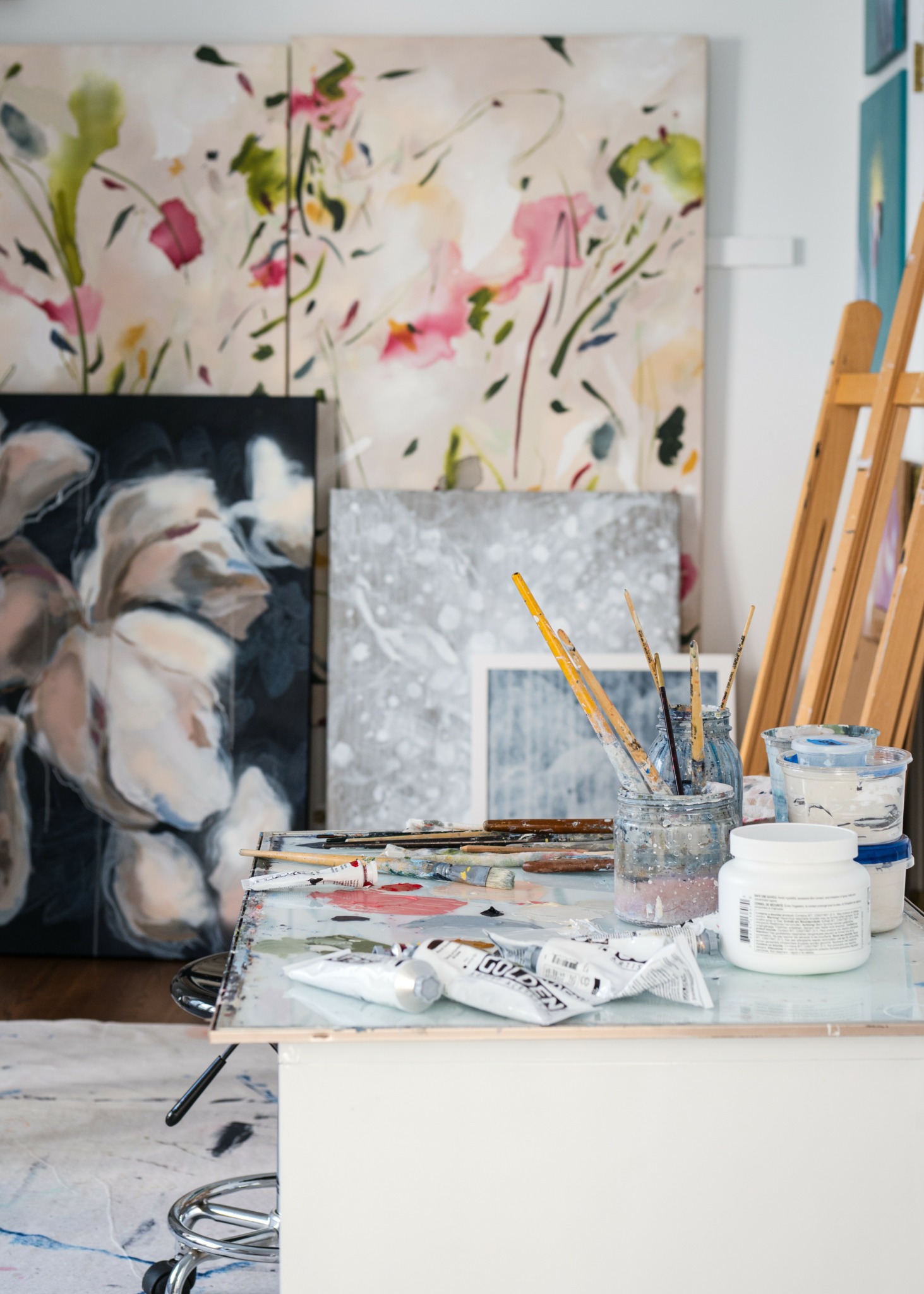
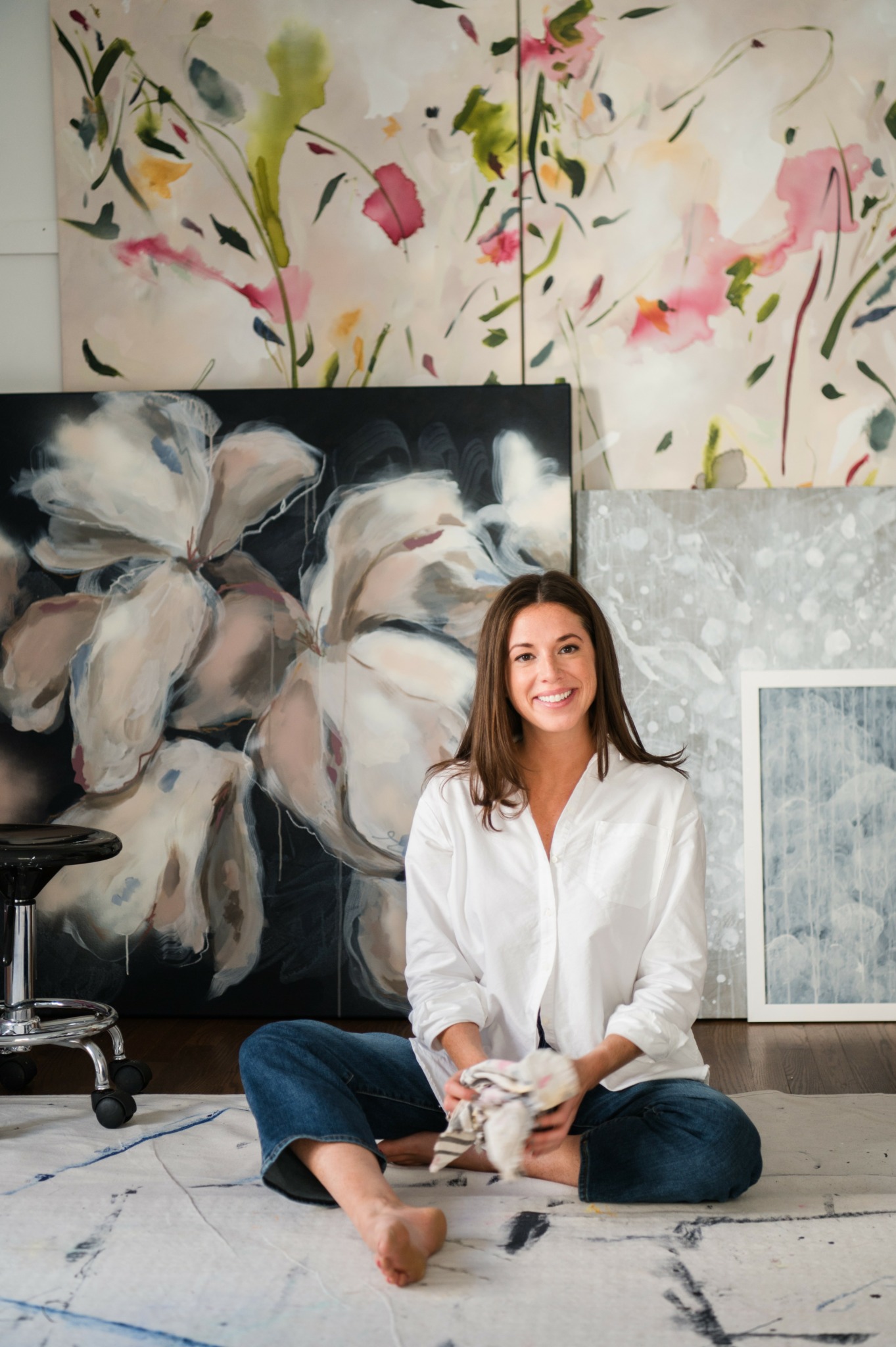
I paint because I can’t not. For me the creative process is the most fulfilling part – not when the piece is finished, or shared, or sold. I am just so grateful that I finally get to do what I do. My work is inspired by nature, memory, and the human condition. I use soft washes and intentional marks to create tension and movement. And I never paint without music. I’m often so inspired by a song, I’ll listen to it on repeat until the piece is finished (and then I don’t want to hear it again for a long time :).
What’s a lesson you had to unlearn and what’s the backstory?
I had to unlearn the habit of creating for other people. In advertising, the audience comes first. It’s the lens through which, for over ten years, I viewed and critiqued all of my ideas. But that doesn’t translate to art. If I’m only making things I think other people will like, I’m doing myself, and anyone who sees it, a disservice. The work would never be true to me.
In my early commissions, I was so afraid of creating something clients wouldn’t like that I played it safe and the work fell flat. Today, I try to go into every piece with no boundaries and no expectations. Just a plan to follow the work wherever it goes. I still do a lot of commissions but I always have a side piece that I work on at the same time. For me, it’s a place to test new marks, colors, and approaches that benefit my commissions without the fear of messing them up. And in the end, those side pieces become some of my most favorite works.
Have any books or other resources had a big impact on you?
When I was first starting out and had no idea where to begin, I sat down with a local artist I admired. I wanted to hear her story and get her advice. She recommended that I read “Big Magic” by Elizabeth Gilbert. The book gave me an entirely new perspective on living a creative life and the inherent paradoxes of it. Gilbert writes about how “what we make matters enormously, and it doesn’t matter at all.” She takes the pressure and the fear out of not being good enough and invites people to just lean in and see what happens. It’s such a powerful book, not only for artists but for anyone interested in creativity and the role it plays in our lives.
Contact Info:
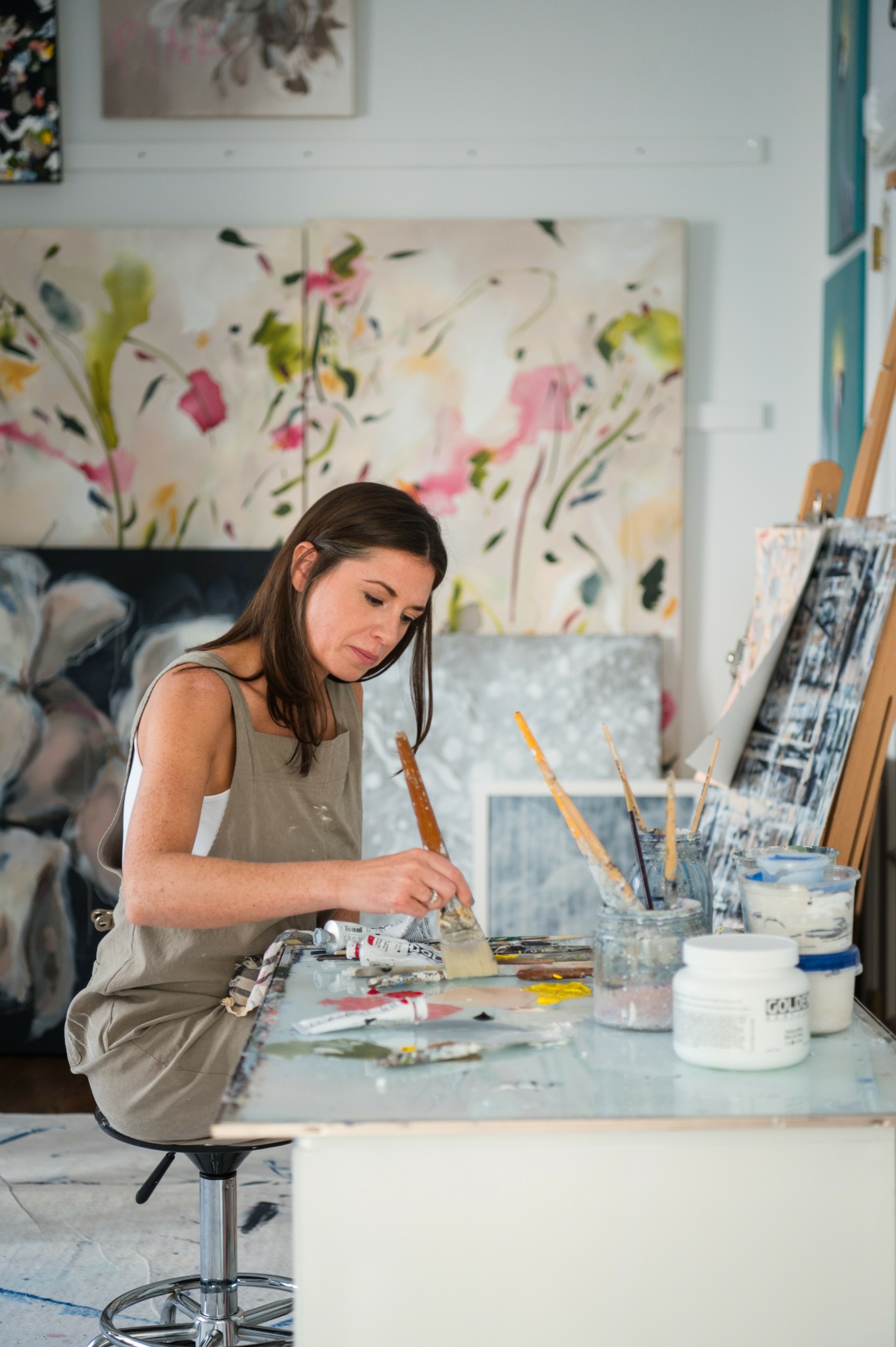
Image Credits
Erin Konrath