

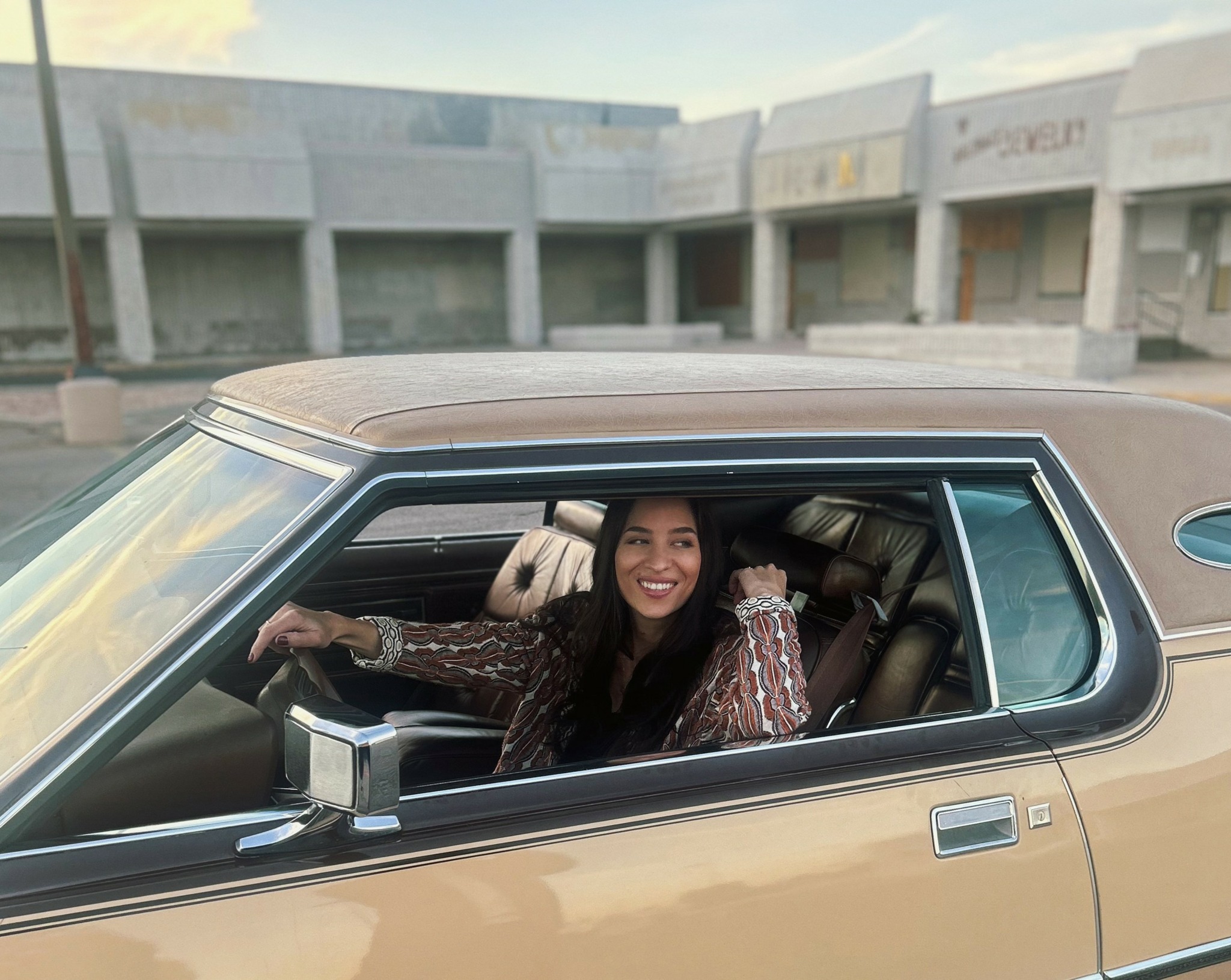

We were lucky to catch up with Sarah Samira Yancey recently and have shared our conversation below.
Alright, Sarah Samira thanks for taking the time to share your stories and insights with us today. How did you learn to do what you do? Knowing what you know now, what could you have done to speed up your learning process? What skills do you think were most essential? What obstacles stood in the way of learning more?
Starting my design career, I got really lucky to work alongside a great mentor, Creative Director Howard Nourmand, at his creative production studio Grand Jeté in Hollywood. That experience was foundational. I was exposed to the real world of creative work early on and thrown into a fast-paced environment with a wide range of projects for some big-name clients. Honestly, it was a “thrown into the cold water” situation (how we say in Germany) and that kind of pressure forced me to learn quickly across different creative disciplines like design, animation, photography, and video.
I had made the move all the way from Germany with the goal of absorbing as much knowledge as possible. I was determined to grow, and that meant putting in the time. Staying up late watching tutorials so I could apply that knowledge the very next day at the studio. I learned by doing. Working alongside other incredibly talented creatives like Ian Roy, an amazing animator, pushed me further and inspired me to sharpen my skills even more.
My time at Grand Jeté laid the groundwork for how I approach every project now. If I don’t know how to do something, I’ll figure it out. In the time we live in, there’s really no excuse not to. There’s a tutorial or explanation for nearly everything. And I’m constantly thankful for the creators who take the time to share their knowledge online.
Looking back, the skill that helped me most wasn’t technical, it was discipline. I grew up as a track and field athlete, and that mindset stuck with me: if I train hard, I’ll improve. That approach, discipline, consistency, and resilience has been key to my creative growth. I’m also grateful my parents instilled that mindset early on.
If there’s one thing I could’ve done to speed up my learning, it would’ve been to start collaborating and experimenting even earlier, without overthinking the outcome. You learn the most by doing, putting ideas into practice, failing, and iterating.
The biggest obstacles? At times, it was my own perfectionism, or moments of imposter syndrome when working with highly skilled teams. But I’ve learned to stay humble, stay confident, and always remain a student of the craft. There’s always someone better and that’s motivating, not discouraging.
For me, it’s all about showing up, leveling up, and continuing to evolve with each project. Consistency over perfection, always.
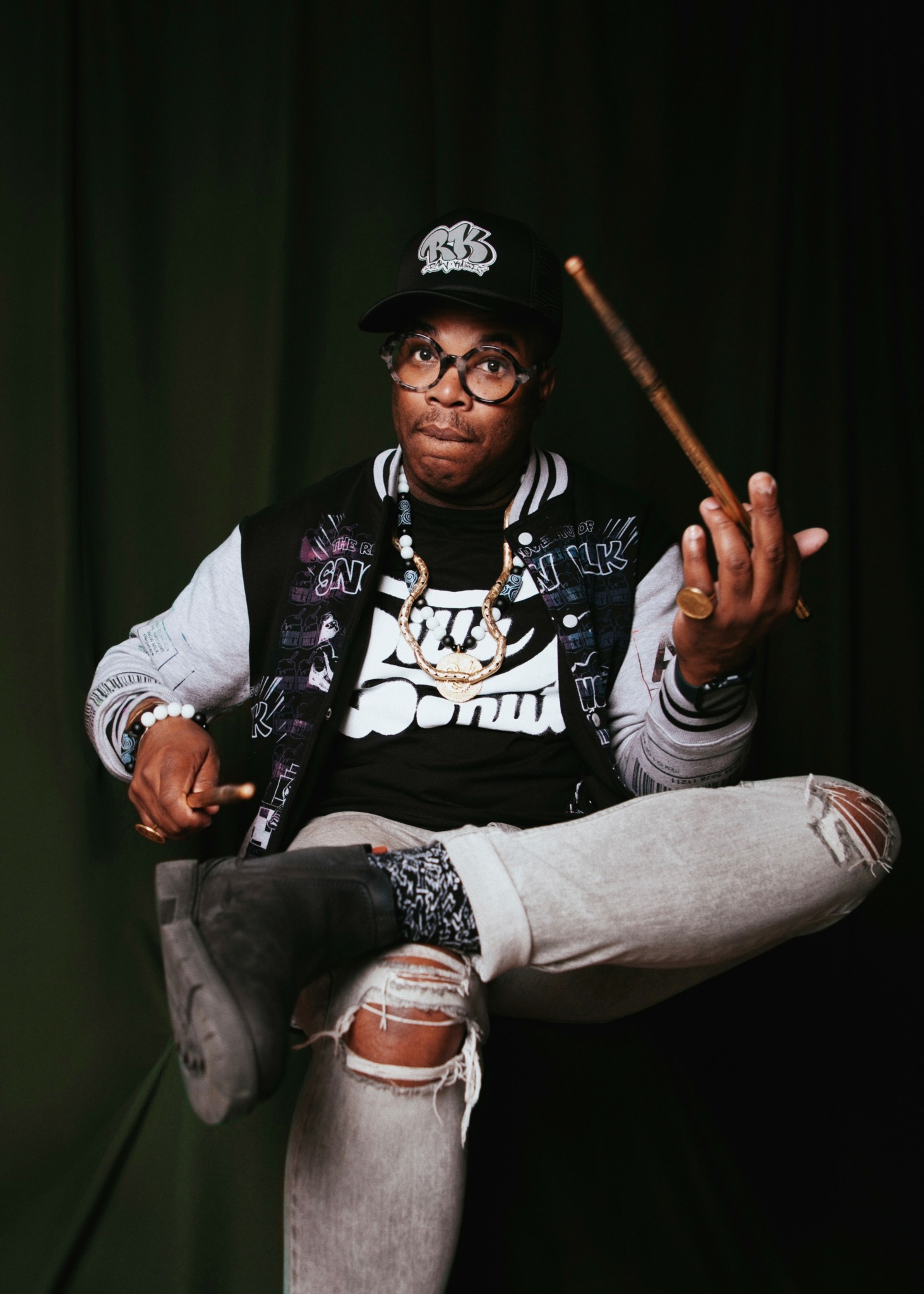
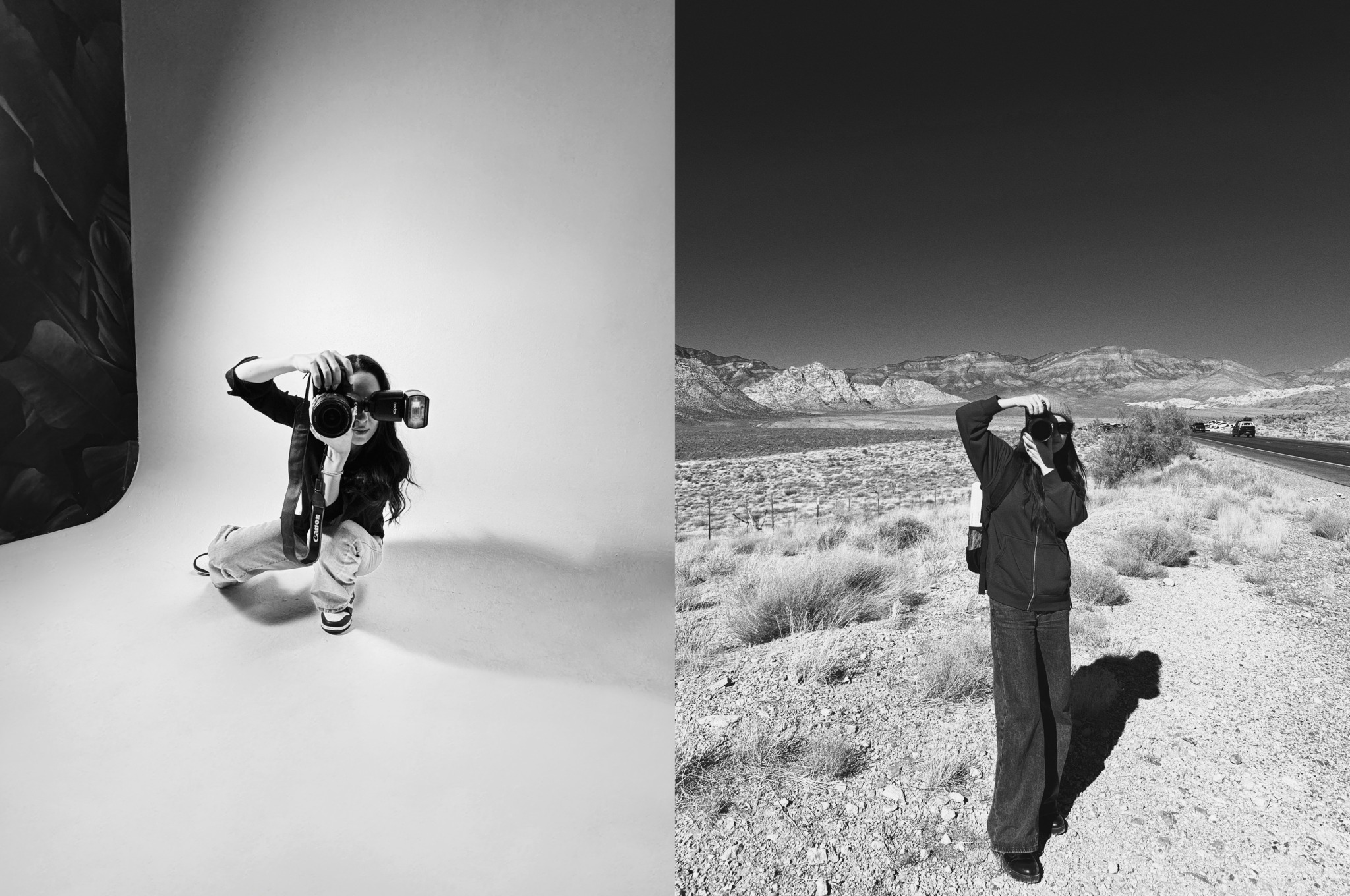
Awesome – so before we get into the rest of our questions, can you briefly introduce yourself to our readers.
I grew up in a super small town in Germany – idyllic, beautiful, quiet. It was a great place to grow up, but over time I started to feel creatively isolated. I was always into the arts like drawing, painting, and experimenting with photography and while the environment was inspiring visually, it was hard to find like-minded people who shared the same drive to take risks and really go after their creative dreams.
That inner restlessness led me to make a big decision: in 2014, I moved to Los Angeles, California, by myself. I didn’t know anyone in the U.S., and it was definitely scary, but I had this gut feeling that if I didn’t give it a shot, I’d regret it. LA is such a rich place for creativity. So many people from all over the world, driven by ambition and passion, all in one big melting pot. For the first time, I felt surrounded by people who just ‘got it’.
Over the years, I’ve worked in a wide range of industries, from entertainment and fashion to beauty and music. And each experience has helped shape the creative lens I work through today. At Clique (WhoWhatWear, Byrdie, MyDomaine) I learned how the fashion & beauty advertising world operates. Later, as Creative Director at InStyler, I took on larger responsibilities: building and leading creative campaigns, directing and producing photo and video shoots, developing product packaging, and overseeing brand marketing strategies from the inside out.
Bringing all those pieces together, I founded my creative studio, SAMIRA, which I now run from Las Vegas.
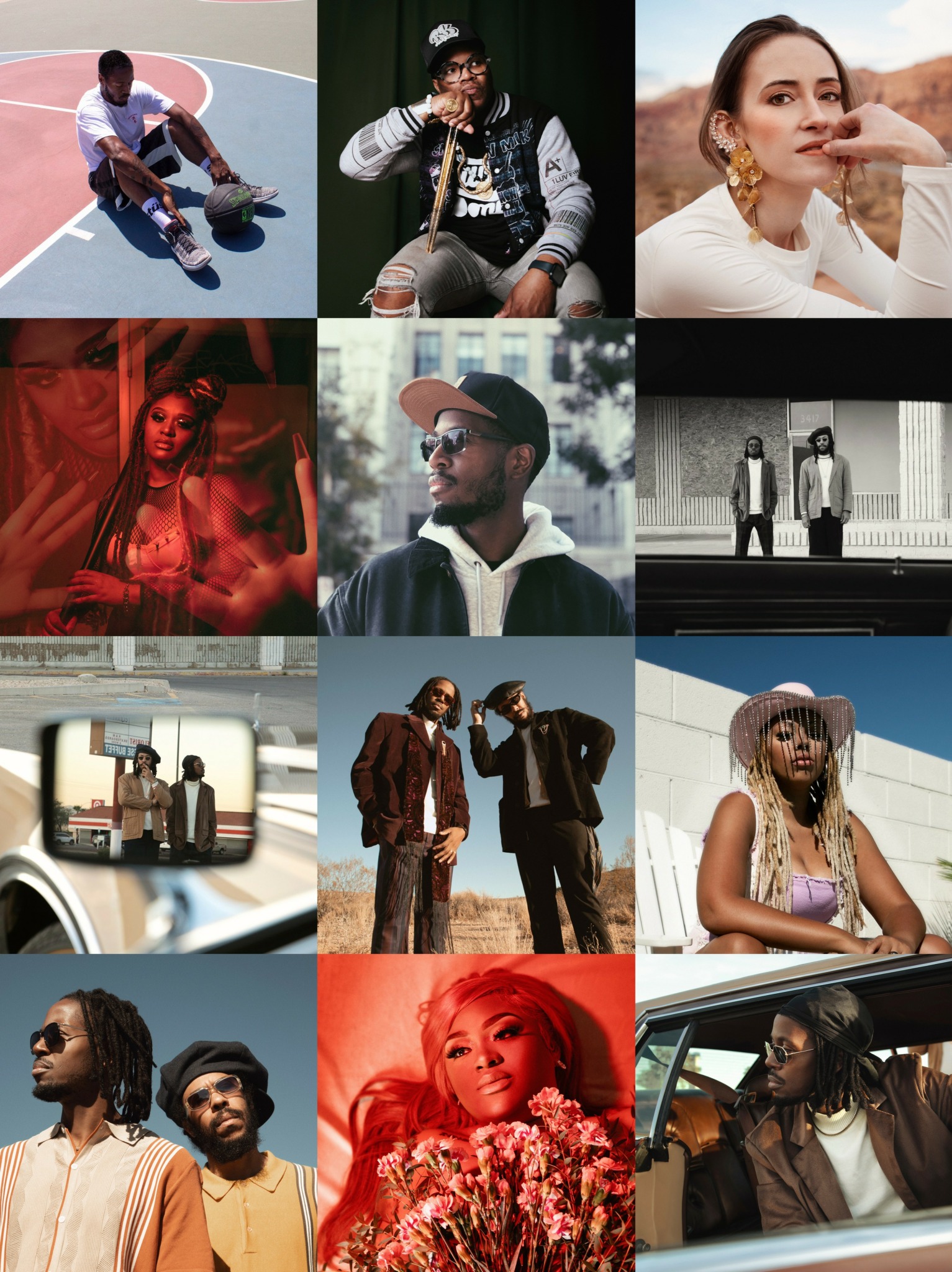
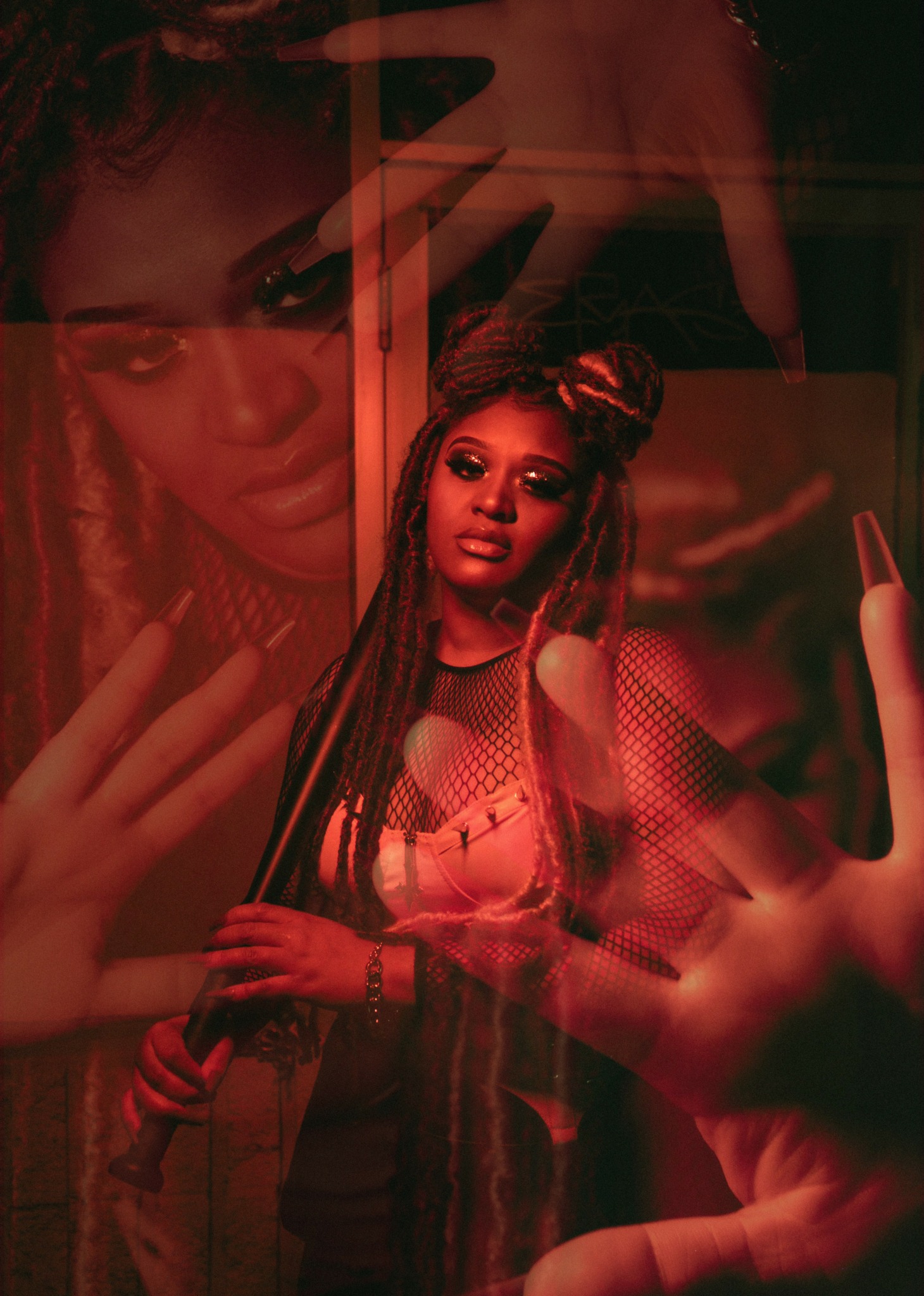
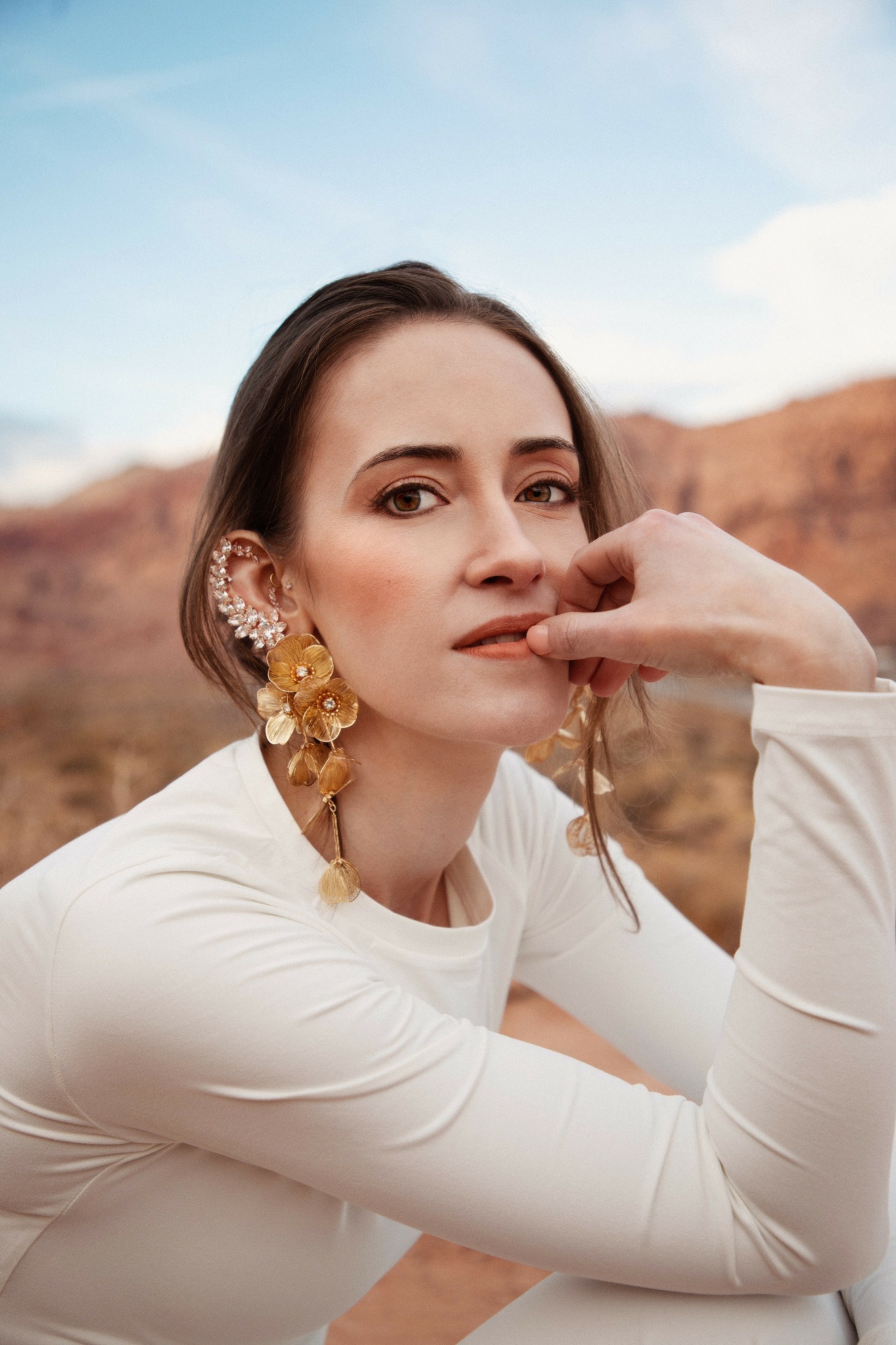
At SAMIRA, I offer end-to-end creative services – from creative direction and concept development to execution across photography, video, design, and full campaign production. In recent years, my work has focused heavily on helping music artists bring their visual worlds to life. That could mean crafting a full visual album campaign, directing a music video, shooting and designing the cover art, or creating supporting visuals for platforms like Spotify, Instagram and YouTube.
What sets me apart is that I approach every project from the perspective of a fellow artist. I know what it’s like to start something from scratch, to turn an abstract idea into something tangible and meaningful. I don’t impose a style or aesthetic on my clients; instead, I work to amplify their authentic voice, their energy, and their story. Whether it’s a photo shoot or a video, my focus is always on alignment, making sure the visuals reflect the sound, the message, and the personality of the artist.
The part of my work I’m most proud of is that I get to collaborate with other creatives to bring their visions to life, and take some of the pressure off so they can focus on what they do best. When a project comes full circle, seeing my visuals on an album cover I designed, on a streaming platform, or out in the world, it’s incredibly rewarding.
At the end of the day, I’m not just offering visuals, I’m helping tell stories. Through imagery, design, and motion, I create work that connects emotionally and visually. I want people to know that if you work with me, you’re not getting a cookie-cutter solution, you’re getting someone who truly cares about your creative vision, and who’s committed to helping you bring it to life with honesty, artistry, and impact.
What do you find most rewarding about being a creative?
For me, the most rewarding aspect of being a creative is the process of turning an idea into something real. Creating something out of nothing. There’s something incredibly fulfilling about seeing a vision that once only existed in my mind take physical form, whether it’s a finished piece of artwork, a video, or even just a single striking image.
I love the journey, from building mood boards and sketching out storyboards to finally holding or viewing the completed piece. It’s that transformation from concept to reality that gives me the biggest sense of purpose.
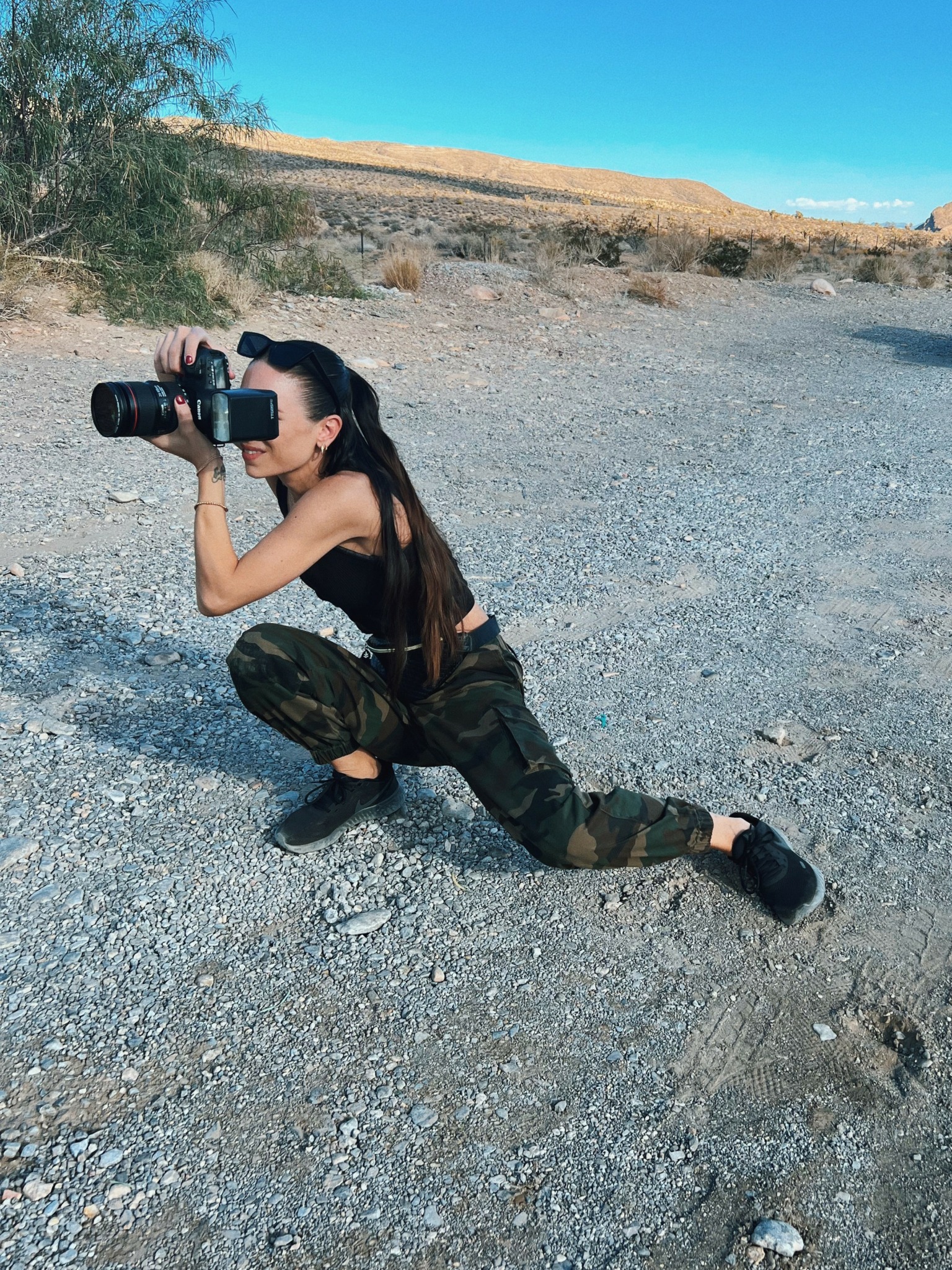
A lot of people aren’t naturally comfortable in front of the camera, I know I’m not. I actually dread having my own photo taken, but I push myself to do it because it helps me relate to my subjects and understand how they feel. That experience makes me a better director. It makes me happy to know I can create a comfortable, relaxed environment and guide people in a way that feels natural. My goal is always to make sure they feel good during the shoot, not just happy with the final result.
But what makes it even more meaningful is the reaction from the people I create for. My clients don’t have to trust me with their vision, but they do and that’s something I never take for granted. Seeing them happy with the final result, watching their confidence grow because their visuals finally match their voice, or having them return to work with me again – that’s what reminds me I’m doing something right. That trust and ongoing connection is one of the greatest rewards of all.
Any advice for managing a team?
Managing a creative team effectively starts with trust, clarity, and empathy. It’s important to give people the freedom to bring their unique strengths to the table while providing the right structure and support to keep projects on track. In creative work, morale stays high when team members feel seen, valued, and empowered to take ownership of their contributions.
Creativity sometimes can’t be forced and that’s something many non-creatives overlook. Understanding this is key when leading creative professionals. The best results come from knowing when to push, when to step back, and how to create an environment where ideas can flow naturally without pressure.
Open communication, clear expectations, and a culture of appreciation go a long way. Whether it’s a simple thank-you, meaningful feedback, or recognizing someone’s effort publicly, small gestures can have a big impact. High morale doesn’t come from micromanagement, it comes from trust, mutual respect, and leading by example.
Contact Info:
- Website: https://www.sarahsamira.com/
- Instagram: https://www.instagram.com/sarahsamira/
- Linkedin: https://www.linkedin.com/in/sarahsamirayancey/
- Other: IMDb: https://www.imdb.com/name/nm7196346/?ref_=ext_shr_lnk
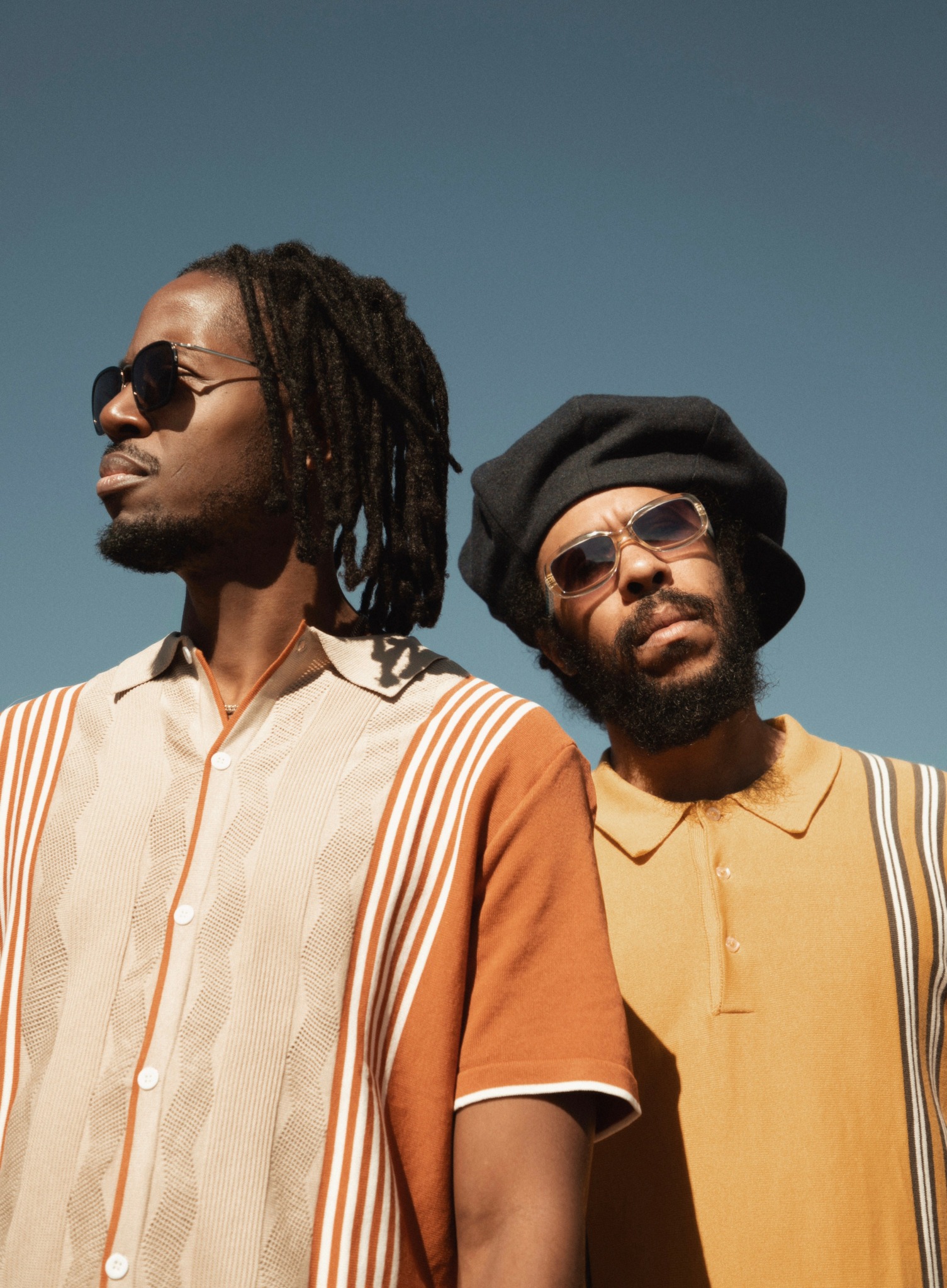
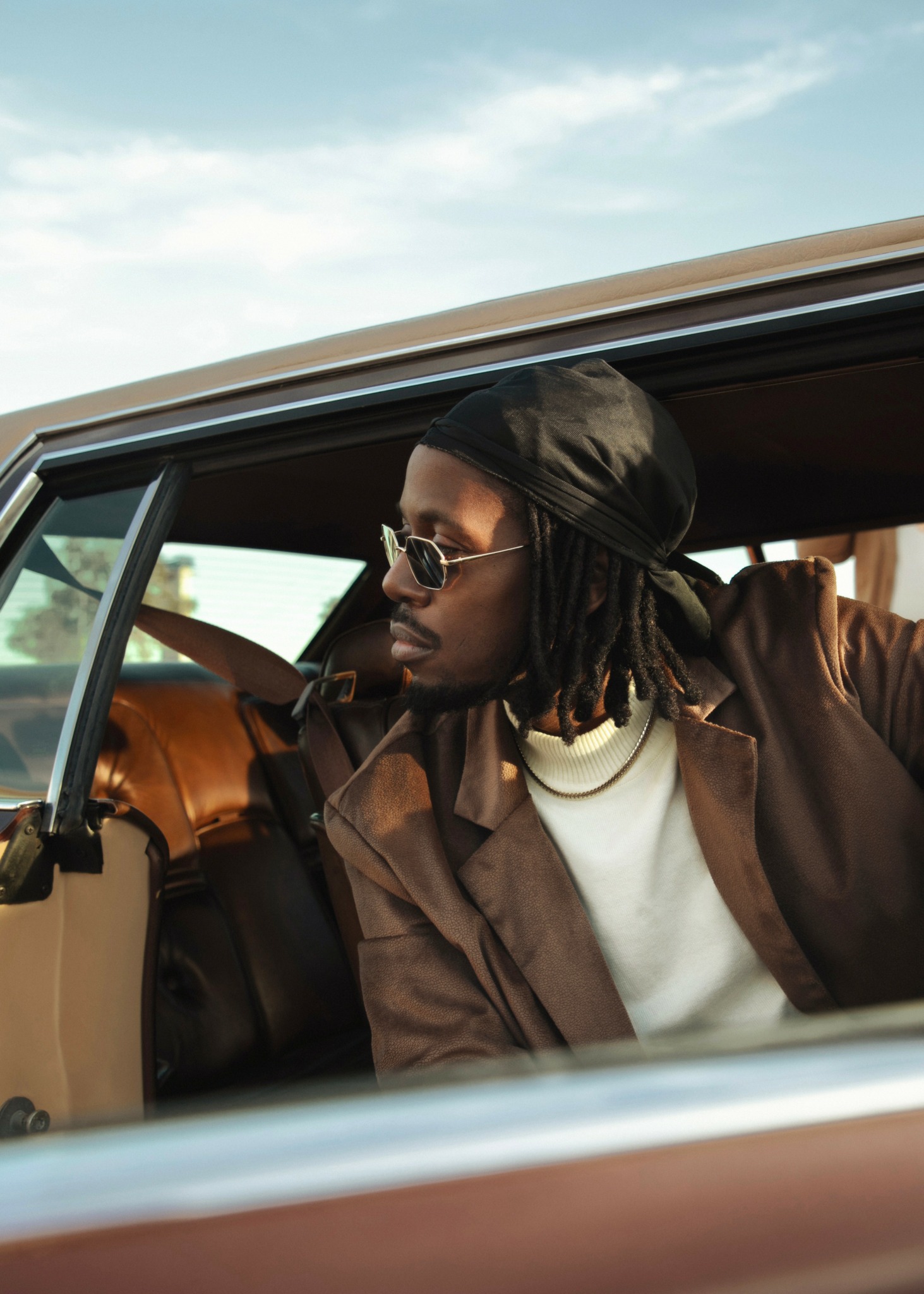
Image Credits
All images by Sarah Samira Yancey.
Artists captured in Images: Illa J, Jaywalk and The Cadillacs, Daru Jones, Madness Maddi, Vivian, Harleighblu