
We recently connected with Sarah Penner and have shared our conversation below.
Sarah, looking forward to hearing all of your stories today. Do you have an agent or someone (or a team) that helps you secure opportunities and compensation for your creative work? How did you meet you, why did you decide to work with them, why do you think they decided to work with you?
I wrote my first novel seven years ago while working in corporate finance. Once I’d finished, I eagerly sent it off to more than 130 literary agents. All of them sent back rejections, but a few were kind enough to elaborate on the reason they declined. They told me that my writing wasn’t the problem—it was the premise of the story. In short, my novel featured two women who were pitted against each other for most of the book, and at the end, one of the male characters resolves many of the story’s conflicts, including the relationship issues between the two women.
“This will never fly,” one of the agents said. “Your female characters need agency, and they need to support one another, and you most definitely cannot have a male character fixing all the story’s problems.”
Noted.
I sat down and tried again. This time, I went the opposite direction: I wrote a story about an apothecary in 18th-century London who sells well-disguised poisons to women seeking vengeance on the men who wronged them. In this new story, not only are women banding together to help one another, but the problem IS the men in their lives—a complete reversal from my first attempt at storytelling.
I queried twelve agents with this new book. After two weeks, five of them had offered representation. (Four of the five had rejected my first manuscript. Creatives: never burn your bridges! Always accept rejection graciously; these same people may very well say “yes” next time.)
My agent sold my manuscript overnight to HarperCollins in a six-figure deal. It has now sold over one million copies worldwide and has been published in more than forty languages.
When I snagged my second book deal, I quit my day job. I’ve now published three novels, and I’m under contract for a fourth.
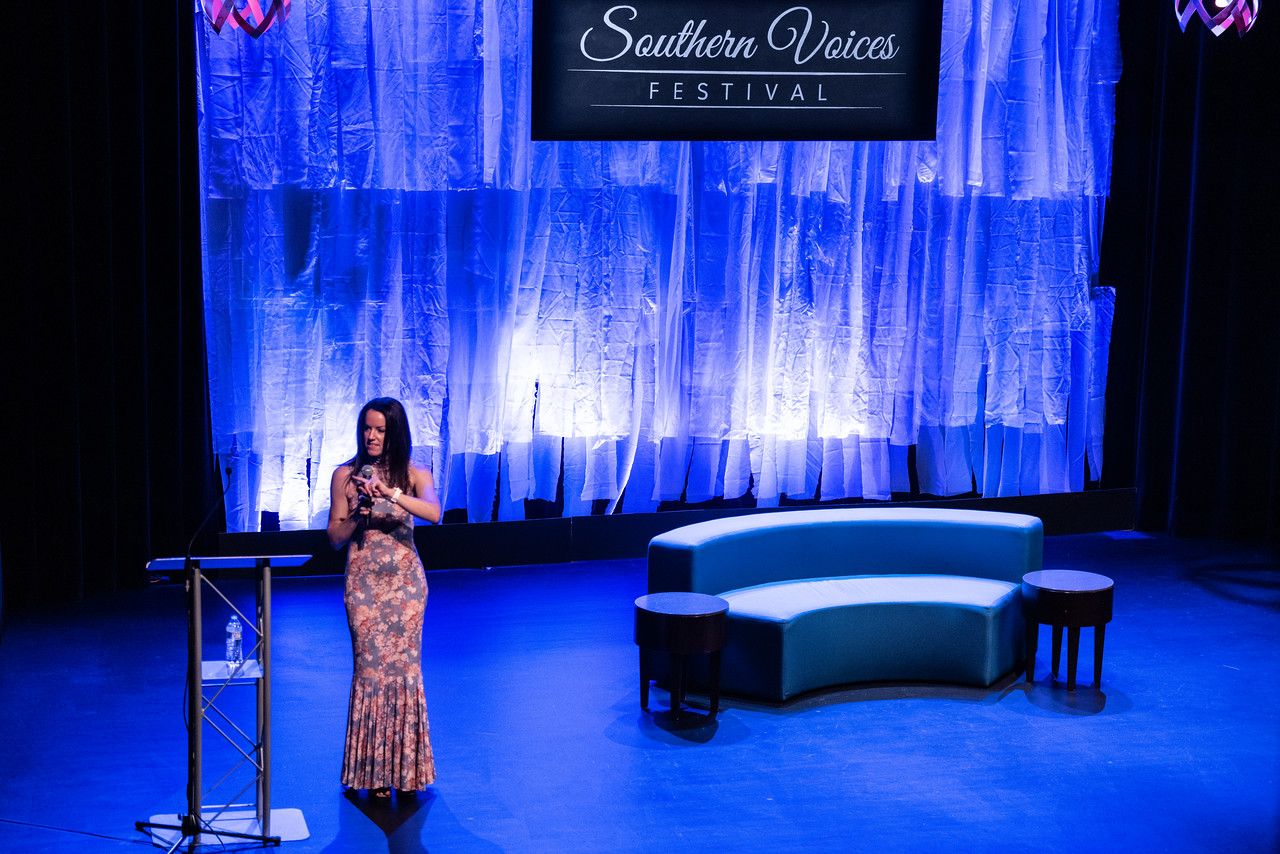
As always, we appreciate you sharing your insights and we’ve got a few more questions for you, but before we get to all of that can you take a minute to introduce yourself and give our readers some of your back background and context?
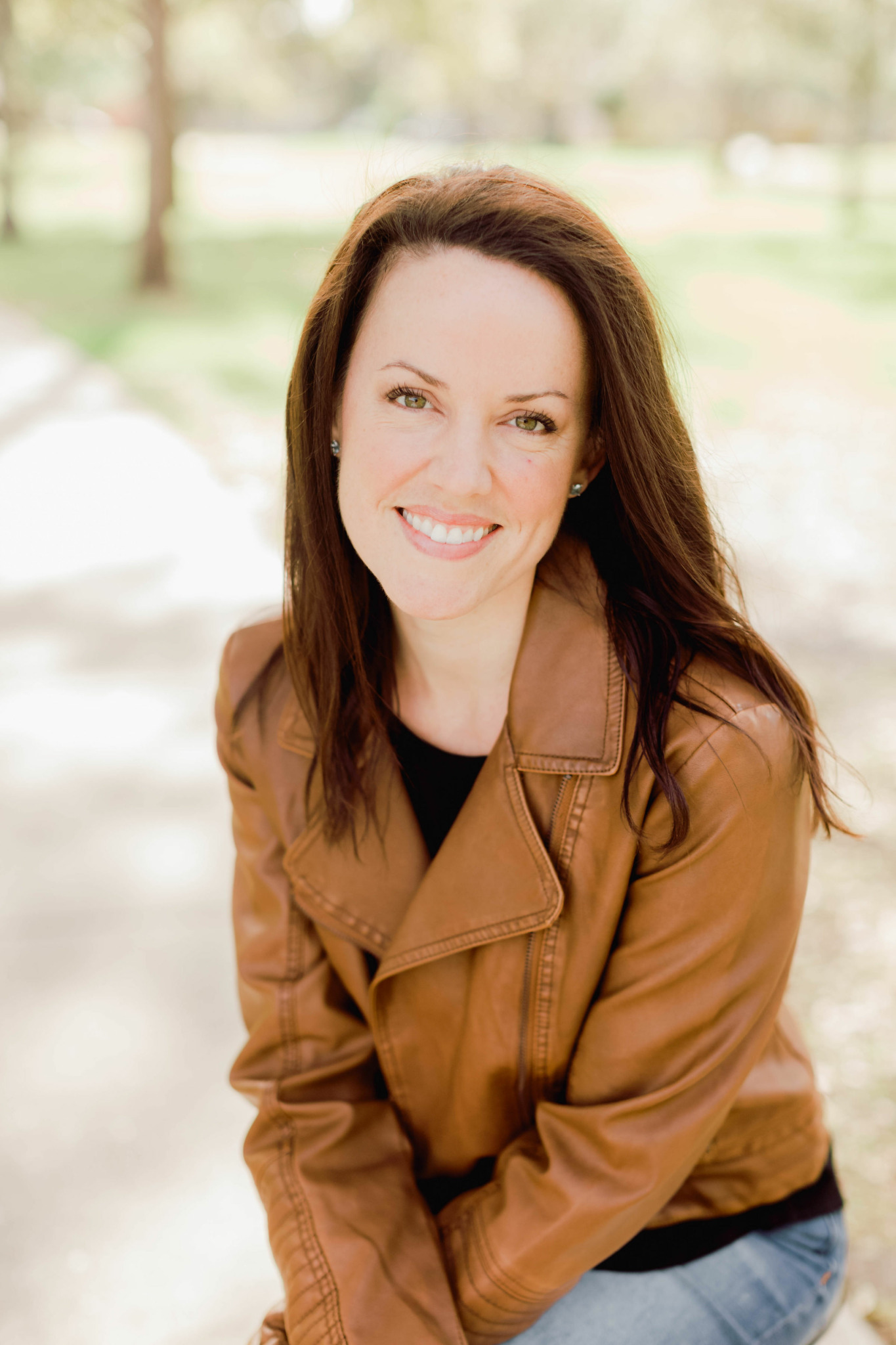
I was born and raised in northeast Kansas, growing up in a small log cabin nestled deep in the woods. This picturesque retreat, where I lived until early adulthood, frames most of my early memories.
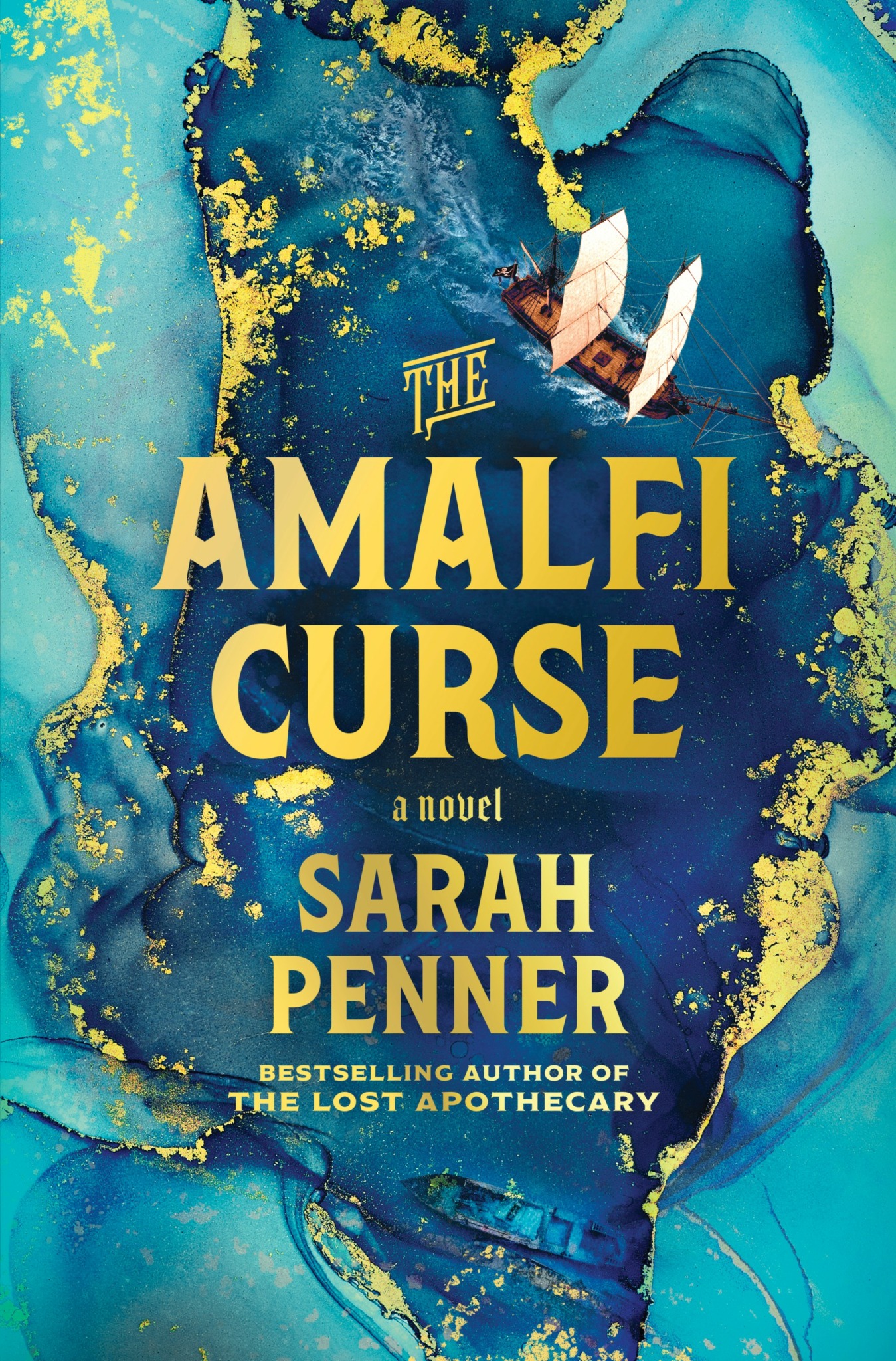
I began writing seriously after attending a moving lecture given by Elizabeth Gilbert. She was on tour for Big Magic, a game-changing book for creatives. Soon after her talk, I enrolled in my first online creative writing class. After my first failed attempt at snagging an agent, I wrote The Lost Apothecary and signed with an agent in 2015. She sold The Lost Apothecary overnight in a six-figure book deal, and I’ve published two more since. I’m under contract for a fourth.
I worked in corporate finance for 13 years, but I quit my day job when I sold my second book. This is what I’m most proud of: I make more money writing than I ever did in finance, and it has opened opportunities for myself and my husband that we never dreamed possible (he quit his day job last year and now flips houses with his best friend.)
I’m an avid traveler, though my heart is stuck in London, where my first two books are set. Other favorite destinations include Thailand, Ireland, Germany, Belize, and Italy. My husband and I are child-free by choice, and we love traveling the world.
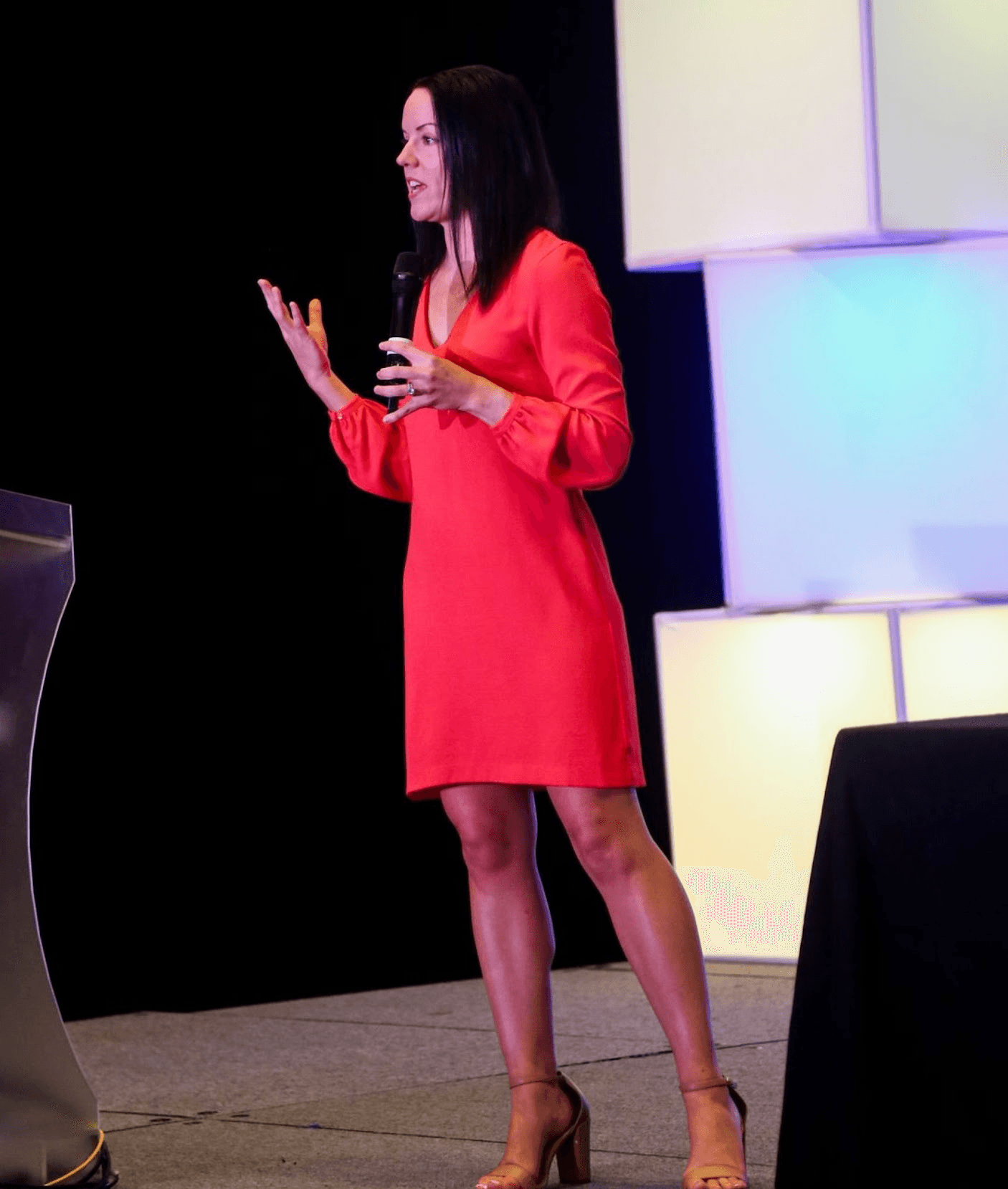
When I’m not at the keyboard, you’ll likely find me in the kitchen, the yoga studio, or running outdoors in the Florida heat. I’m very active, and I adhere strongly to my priorities: mental health, physical health, my marriage, and then my work. I speak often about the importance of mental and physical wellness. Without these things, your creativity and productivity will suffer.
I currently sit on the Board of Directors for Friends of Strays, a no-kill animal shelter in St. Petersburg, Florida, where I live. I feel strongly about animal welfare—both pets and wildlife. I enjoy volunteering with local environmental organizations as well.
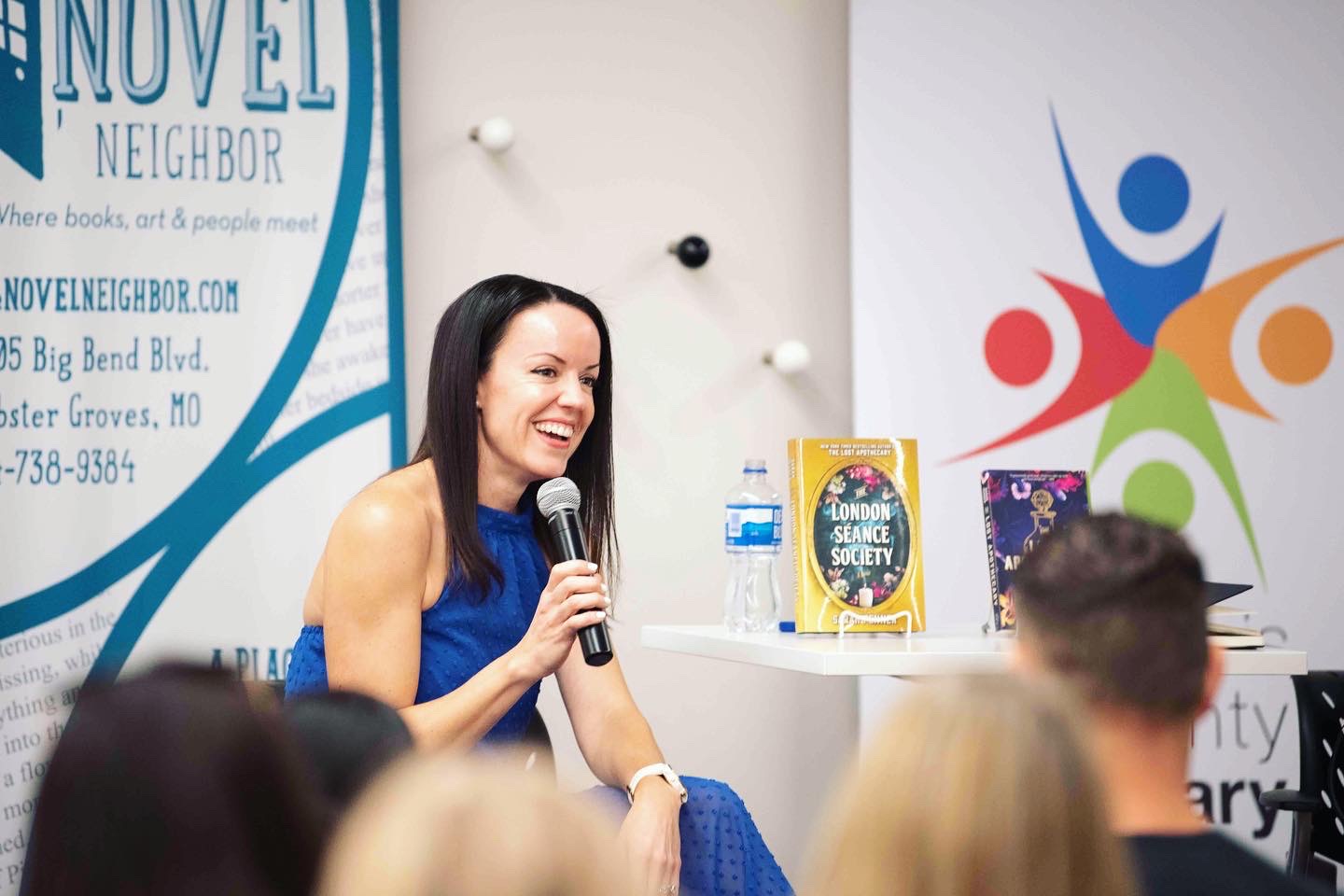
For you, what’s the most rewarding aspect of being a creative?
Hands down, the most rewarding aspect of being a writer is hearing from readers who’ve been touched or inspired by my work. I’ve had readers tell me that my books encouraged them to leave relationships, or go back to school, or start writing themselves. I received one very touching email from a woman who said my books kept her mind occupied as she grieved a miscarriage. Though my books are fictional, any good story has themes readers can relate to in their real lives; this is part of the art of storytelling—to dig up the nuggets of the human experience and paint them in a new, fresh light. Fiction should feel relatable and relevant…amid the plot twists and setting descriptions, a story should have heart—what the reader thinks about after they turn the last page.

Are there any resources you wish you knew about earlier in your creative journey?
Mentors! Find the people who are already well on their way to the mountaintop you’ve got in sight. Ask them questions like, “What is your daily work routine? How do you handle rejection? Who has helped you in your journey?” Expand your network into their network.
Whatever dream you have, you are not the first to have it. Learn from the people who’ve made the mistakes already. Study and adapt their systems.
When my husband opened his house-flipping business, I encouraged him to find other real estate investors in the area who’d succeeded at this. People love to talk about their successes: find those people, buy them a coffee, and make them your mentors.
Contact Info:
- Website: https://www.SarahPenner.com
- Instagram: https://www.instagram.com/sarah_penner_author/
- Facebook: https://www.facebook.com/SarahPennerAuthor