

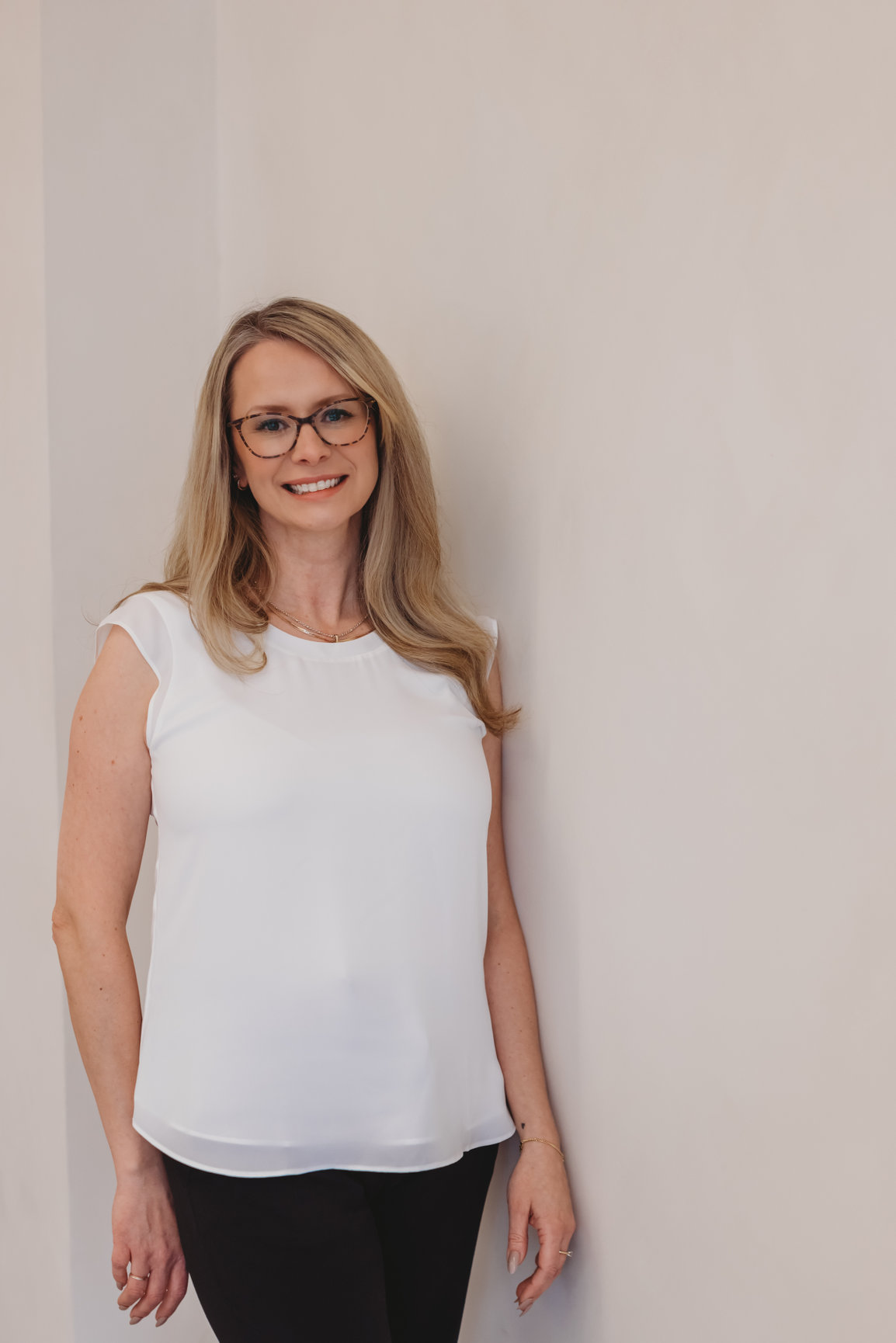

We were lucky to catch up with Sarah Hope recently and have shared our conversation below.
Sarah, appreciate you joining us today. It’s always helpful to hear about times when someone’s had to take a risk – how did they think through the decision, why did they take the risk, and what ended up happening. We’d love to hear about a risk you’ve taken.
One of the biggest risks I’ve ever taken was starting my private counselling practice. People often assume the risk was financial or logistical but the truth is, the real risk was internal. I was terrified of failing. Terrified that people wouldn’t take me seriously. Terrified that my lived experience, intuition, and insight wouldn’t matter as much as formal credentials.
I had over 20 years of experience working with diverse populations; women navigating burnout and motherhood, individuals who had experienced trauma, people rebuilding their identity after life-changing events. I knew how to sit with complexity, how to hold space for someone whose whole nervous system was in protection mode, and how to help them find a way forward when life felt impossible. That knowledge didn’t come from one source; it came from thousands of conversations, mistakes, breakthroughs, and hard-won lessons.
But opening a private practice meant putting my work in the spotlight. There was no team, no structure, no agency policies to hide behind. It was me: my judgment, my intuition, my approach. I worried that people wouldn’t see the depth of what I do. I worried they’d look for the flashiest credentials rather than the substance of how I help.
Still, I chose to take the leap. I slowed down. I trusted my instincts. I created a practice grounded in nervous system education, emotional attunement, and real human transformation, not the kind of “productivity hacks” or symptom management people often expect. And something powerful happened: clients didn’t ask to see proof of legitimacy, they felt it. They experienced the way I understood their internal world, and that became the reason they stayed, referred others, and did the work.
The risk wasn’t leaving a structured job.
The risk was believing that my professional experience and lived life had prepared me to lead.
And it turns out, they had
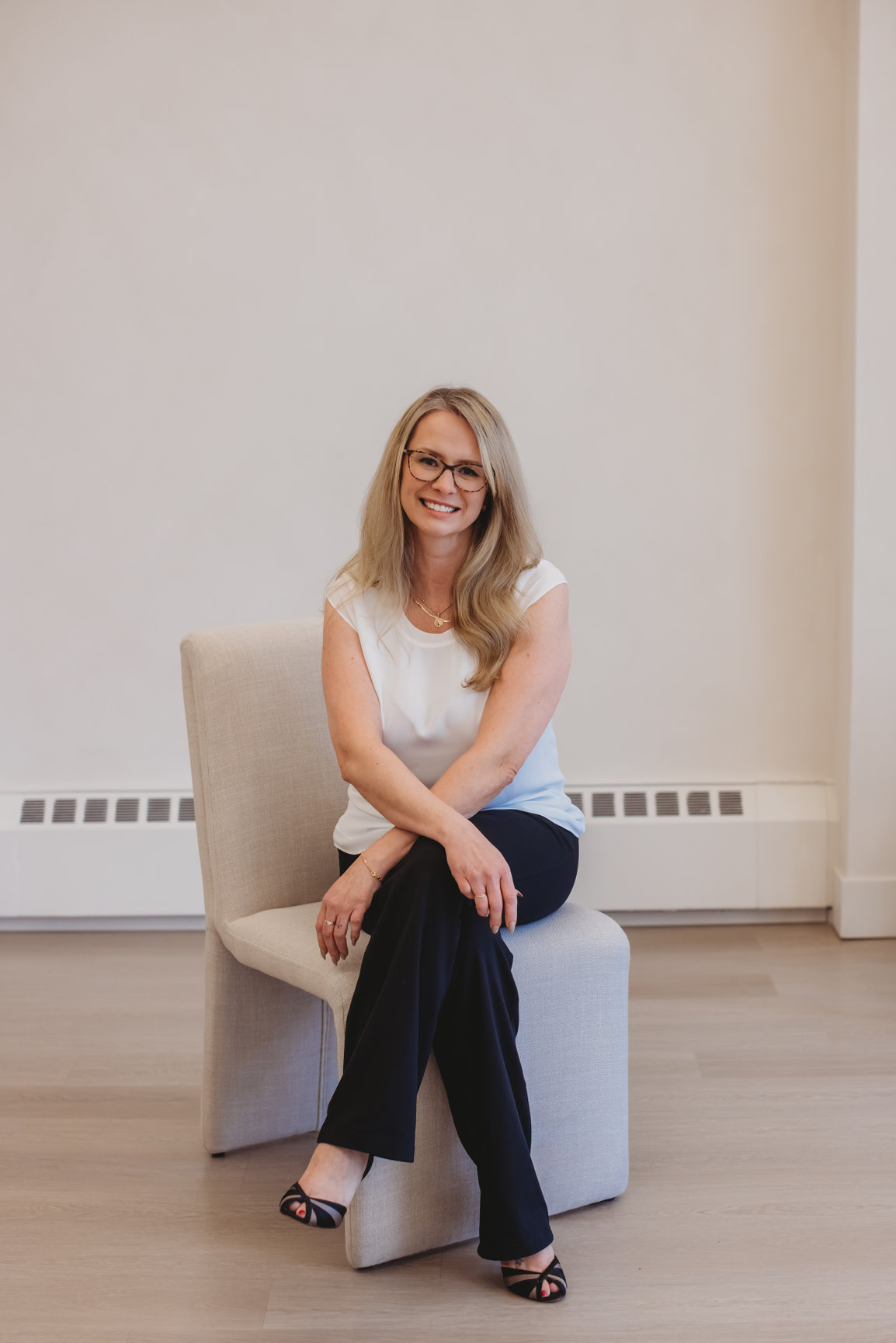
Awesome – so before we get into the rest of our questions, can you briefly introduce yourself to our readers.
I’ve always wanted to help others. Even as a child, I was drawn to noticing patterns and needs that others didn’t see. Growing up, i was unknowingly parentified. I had to raise myself in many ways and take on the big sister role in my household. Often, I felt like the glue holding my family together, but not in a nurturing or healthy way; it was out of necessity and obligation. That early experience taught me, sometimes painfully, how to read people, anticipate needs, and manage emotional dynamics. It also planted the seeds for a deep empathy and sensitivity that would later become central to my work.
Over the years, I’ve built more than 20 years of experience working with diverse and complex populations: corrections, homelessness, addiction treatment, harm reduction, domestic violence, mental illness including concurrent disorders and shelters. I’ve also supported individuals navigating relationships, parenting, and the everyday stressors that quietly erode well-being. These experiences taught me to see the invisible patterns behind behavior and to understand how survival instincts shape people’s lives.
In my private practice today, I help high-achieving women, particularly mothers, slow down, reconnect with their nervous system, and trust their intuition. I don’t just treat symptoms; I help clients notice the stories their bodies are telling and rebuild a sense of agency, calm, and self-trust. What sets my work apart is the combination of professional expertise and lived experience, paired with an unusually perceptive ability to see beneath the surface.
At the heart of my practice is one message: slow down, reconnect with yourself, and trust that your body and intuition already know the way forward.
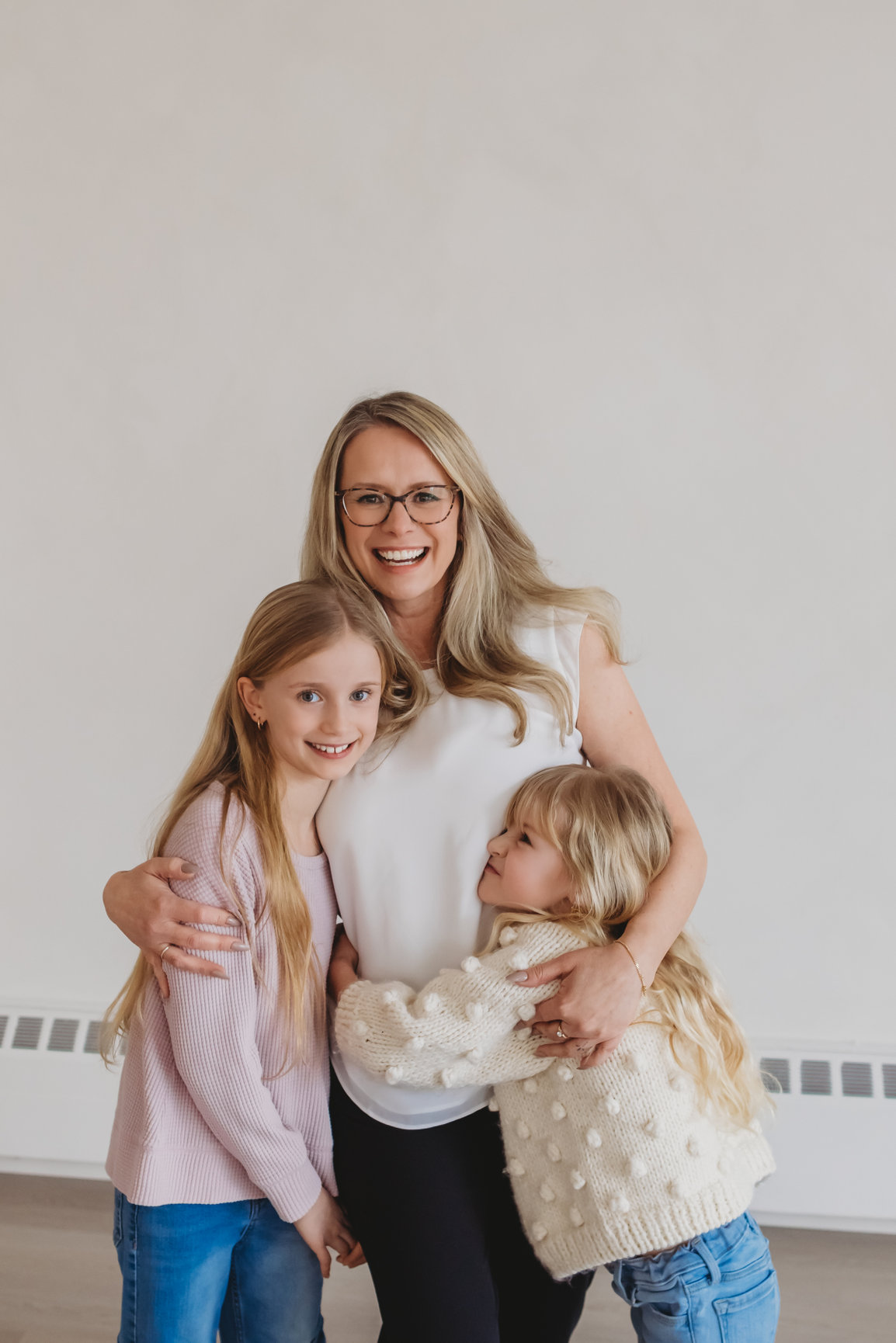
We often hear about learning lessons – but just as important is unlearning lessons. Have you ever had to unlearn a lesson?
I had to learn that it’s not my job to fix anyone or work harder for their success or recovery. That I had to become comfortable with other people’s stage of change and the pace of their journey.
Training and knowledge matter of course, but beyond that what do you think matters most in terms of succeeding in your field?
Doing your own personal growth is critical to working in this field. Practice what you preach and don’t ignore signals that you need help too.
Contact Info:
- Website: www.shopecounselling..com

Image Credits
Sarah Hancox Photography