

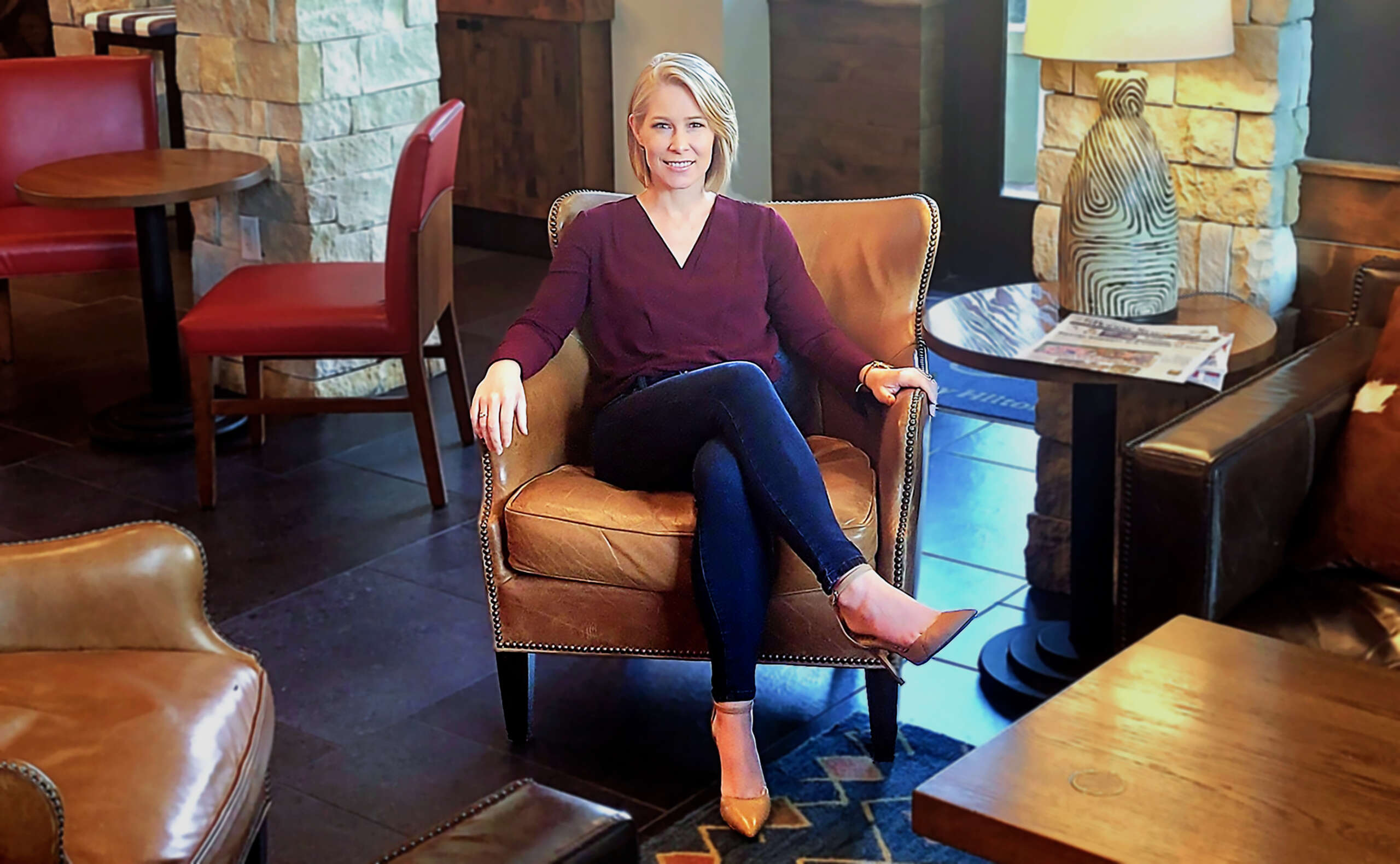

We’re excited to introduce you to the always interesting and insightful Sarah Harkleroad. We hope you’ll enjoy our conversation with Sarah below.
Sarah, looking forward to hearing all of your stories today. We’d love to hear your thoughts about making remote work effective.
We were a remote team before it was a thing. When my husband and I started the business in 2011, he was fresh out of law school. We knew we’d most likely be moving for his job, but didn’t know where, so it was important to us that our team and clients could be anywhere in the country as our business grew. Fast forward several years, and we have team members in 6 states and have served over 600 small businesses spanning coast to coast. In hindsight, we’re thankful we stumbled on a remote setup from the beginning, as it positioned us perfectly to weather Covid-19.
I acknowledge our remote-by-design company has an advantage over companies who had to quickly pivot during the early days of Covid-19. However, many of the remote practices we’ve implemented over the years can be easily adopted by other companies – even if they did not start out remote.
Here’s how we’ve made it work:
Set Expectations
We set high expectations for each team member right out of the gate. Everyone is expected to maintain regular office hours that align primarily with regular business hours. This seems basic, but it helps set a framework for each person to work within each day. Over time, team members can earn flexibility for personal commitments, but we start with a set structure to establish trust. Communicating this structure upfront helps weed out job applicants who might be looking to take advantage of a remote setup.
Start Each Day with a Video Team Huddle
We start each day with a video team huddle. Each team member is expected to join by 8am sharp, be in business casual dress, and be ready to share their “Big 3” priorities for the day. We rotate moderators each day of the week so different team members have an opportunity to run the meeting. These meetings typically only last 5 to 10 minutes. If someone has a question for another team member, they can note that when sharing their “Big 3” and stay on after the call to collaborate further. Starting each morning this way helps us all show up ready to work and creates a shared sense of accountability to make progress on our top priorities. Our team initially suggested we implement these during the Covid pandemic, and they just stuck. As a business owner, I’ve been surprised by how well our team has embraced these meetings. I often wonder how we stayed aligned as a team before we started doing them.
Create a Collaborative Culture
After the morning team huddle, our team is highly collaborative throughout the day. We use Asana as our project management software to communicate on open projects and tasks. We also meet regularly with clients via phone or video. Each team member is mission critical so we’d feel it pretty quickly if someone were to fall behind or to check out during the workday. We also do weekly department meetings for our project managers, marketing team, and graphic designers to touch base on non time sensitive questions or initiatives. It can seem counterproductive to load up the calendar with recurring meetings like this, but we’ve found they actually help reduce unscheduled interruptions. For example, if I have a question for our project managers about a workflow we’re refining, I add it to the agenda for their weekly meeting. Having a place to put things like that helps reduce interruptions when people are doing deep work.
Hire Carefully
We’ve learned the hard way that not everyone who wants to work remotely is cut out for remote work. For example, extroverts who thrive on in-person interaction typically start to get restless a year or so into our remote work setup. A remote setup can also be a tough first job for new grads out of college who might not be as familiar with typical work norms. However, some of our best hires have been new graduates, so I hesitate to make any blanket assumptions.
Trust is also extremely important in a remote work environment. I don’t want to have to wonder if a team member is taking advantage of our remote setup. By and large, we’ve been blessed with high integrity team members who work hard and take pride in serving our clients well. When hiring, we prefer to start new team members on a 90-day trial period to make sure it is a great fit all around. This allows us to evaluate their ability to perform in a remote work environment while also giving them an opportunity to see if it is a fit for them. It is tough if we get to the end of the 90-day period and decide not to transition into long-term employment for any reason, but it is way less disruptive for us and the team member to reach that conclusion sooner rather than later. It takes a little longer to hire that way, but it also removes the guesswork about how someone will function in our remote work setup.
Set Boundaries
It can be tough to maintain healthy boundaries between work and personal time with remote work. While we expect team members to be highly engaged during business hours, we are also mindful to protect their personal time. We encourage team members to completely check out on evenings and weekends. If something comes up, it can typically wait until the next business day. When our employees completely unplug on their personal time, they seem more ready to dive into work during business hours. Nobody wants to feel like they’re on call 24/7, so we don’t put our team in that position. One of our core values is Quality of Life, and we take that seriously when setting boundaries on our work as a company.
Get to Know One Another
While we work hard as a team, we do create outlets to get to know one another. On our Monday team huddles, we each share a personal highlight from the weekend. Then on our Friday team meetings, we each share a work win and a personal win from the week. This opens up great conversations about our team members’ hobbies and personal interests. Finally, once or twice a year, we host an on-site work week where many of our team members gather to work together in person for the week. We always do fun team dinners and activities during this week as well, so it is a good balance of work and fun.
Lead by Example
For a remote team setup to work, you have to lead by example. Your team will mirror your level of engagement. An engaged business owner or manager will have much better results than one who is expecting their team to engage at a level they are not willing to.
Keep It Simple
Maintaining a remote team significantly lowers our overhead costs. It is expensive to lease and maintain an office space. We don’t have to worry about any of that. Keeping our business model simple and our costs down allows us to offer more competitive pricing to our clients and more benefits to our team.
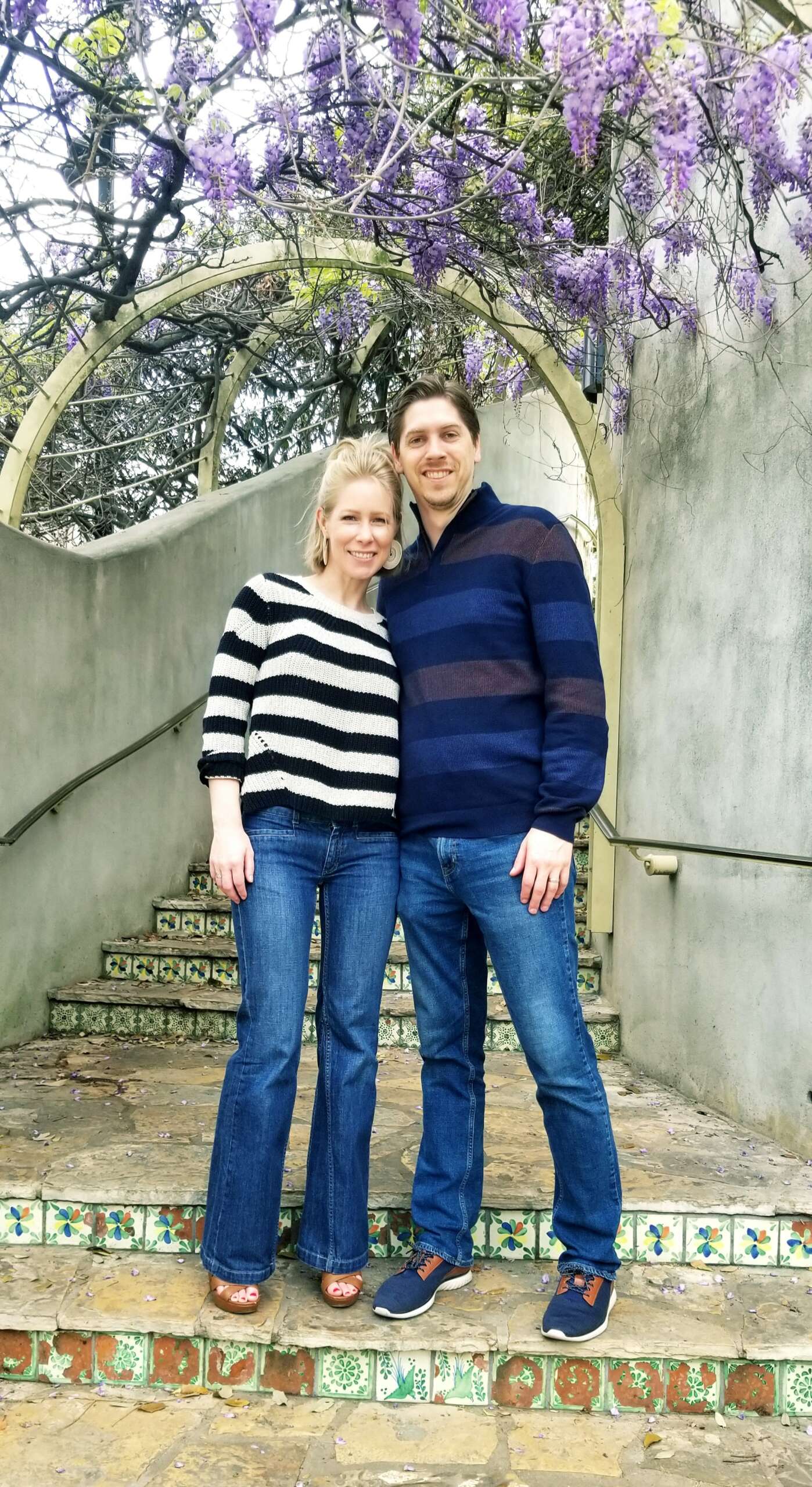
Awesome – so before we get into the rest of our questions, can you briefly introduce yourself to our readers?
I’ve always loved business and design, so owning a graphic design business just makes sense. When I first started my graphic design career, I was primarily focused on creating aesthetically pleasing designs – but that wasn’t enough. Today, I still take great pride in the beautiful designs our team produces, but my real pride is in the results we help drive for the small businesses we serve. When the brand and website we build for a small business look great and help grow their business, then I know we’ve done our job.
In a nutshell, we help small businesses build brands they are proud of that attract quality clients. Our graphic design services include logo design, website design, and digital marketing. Thanks to the amazing small business owners we serve and word-of-mouth referrals from happy clients, our business has expanded across the country. Over time, we’ve slowly built a small, trusted team to help us become the best in the industry at comprehensive brand management for small businesses. We’ve worked with many of our clients for years and have had the joy of seeing their businesses grow and evolve along the way.
When small businesses thrive, our families, community, and country are better for it. That is why we care deeply about helping small businesses succeed.

Can you talk to us about your experience with buying businesses?
In 2015, we acquired Eli Blair Media in San Francisco, California. At the time, Daor Design was only four years old. In hindsight, we were still figuring out our own business and had no business acquiring another company. We were fairly naive, but it still turned out to be a great thing.
My husband stumbled across Eli Blair Media for sale and noticed their service offerings aligned nicely with ours. It seemed like the business would integrate easily with our existing business, which is what piqued our interest. I’ve never enjoyed networking and business development, so an acquisition seemed like a good way to grow our business overnight. Fast forward a few months, and we flew out to San Francisco to meet with Eli Blair and check out the business. When you buy a graphic or web design company, there are no hard assets, so it can seem scary – and a bit crazy. Essentially, we bought the existing client accounts (with no guarantee we’d retain them through the transition) and a leads pipeline based on the goodwill Eli Blair had built up in his business.
Overall, the acquisition was a great experience, and we’d do it again for the right business. In fact, we’ve continued to keep our eyes open for similar opportunities. We’ve come close on a few other acquisitions, but none of them have materialized for various reasons.
We don’t have much of an appetite for debt, so when evaluating acquisitions, we look for small companies we can either buy outright, or can pay for out of profits from the acquisition over a set period of time. We’d never want to pursue an acquisition that would put our core business at risk financially or otherwise. It has to be a great fit all the way around – which is why we’re extremely patient and selective.

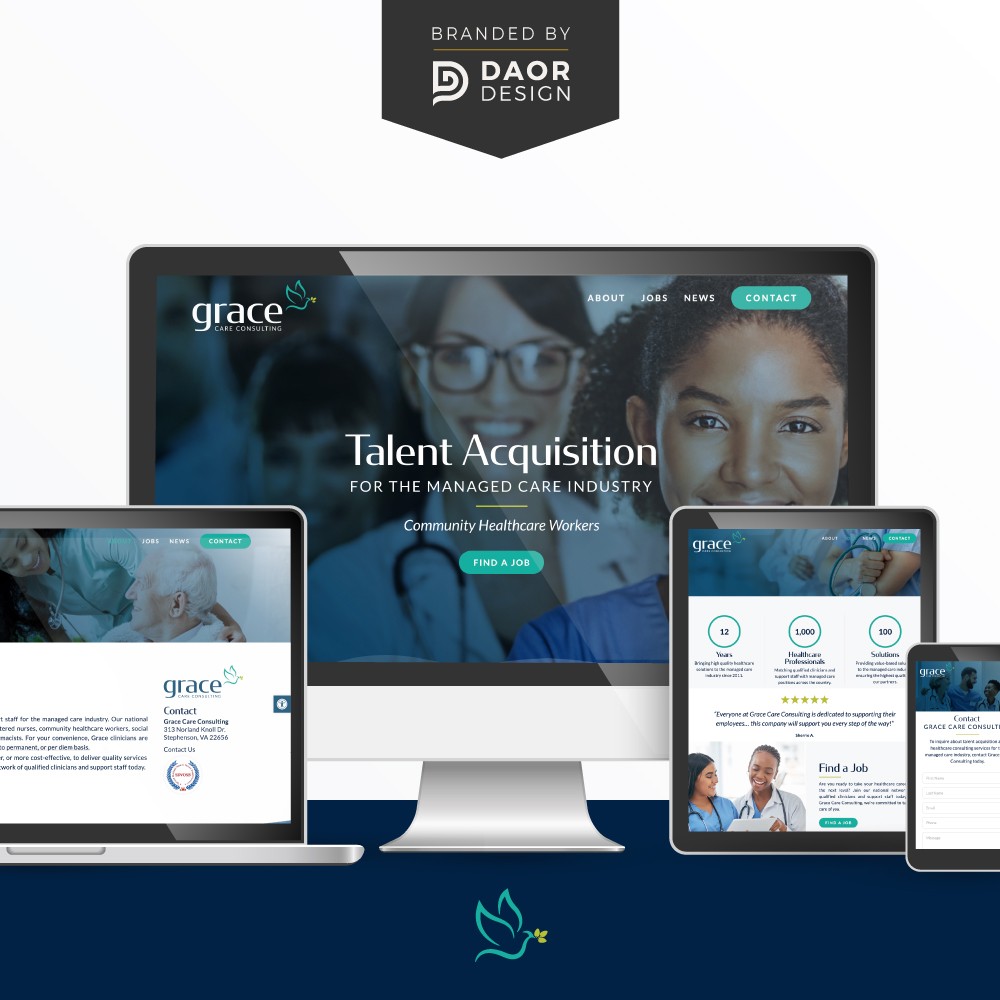
Any stories or insights that might help us understand how you’ve built such a strong reputation?
We operate in an industry with a low barrier to entry. Essentially, anyone with a laptop, a Canva account, some Squarespace skills, or the patience to watch a few SEO tutorials on YouTube can call themselves a web designer, social media manager, SEO guru, or digital marketer. For a company that has spent over a decade perfecting our craft, we used to see the crowded market as a problem. Now we see it as an opportunity.
Many of our clients come to us on the heels of a bad experience with a subpar service provider. We don’t have to explain the value of having a professional team build their website or manage their SEO; they’ve unfortunately learned the hard way. When our clients share horror stories of hijacked websites, wasted SEO investments, or never-ending projects with runaway budgets, we simply take note of what not to do. Then we work to offer them the opposite experience that feels like a breath of fresh air.
Because there are so many opportunistic underperformers in the graphic, web, and digital marketing space, it is easy to stand out if you’re willing to put in the work. Here are a few ways we do that:
- We care about our clients’ success, and we demonstrate that to them every step of the way
- We don’t cut corners; even on the things the client can’t see, we still go the extra mile
- We work to earn long-term service relationships with our best-fit clients
- We pride ourselves on being highly accessible to our clients
- We err on the side of transparency when reporting results so our clients don’t have to wonder if their investment is paying off
- We practice continuous improvement to ensure our work always aligns with current best practices
- We only recommend services that align with a given client’s priorities – just because we sell something doesn’t mean they need it
- We make decisions based on each client’s long-term best interests and treat their business as our own
- If we aren’t a great fit for someone, we let them know – then we recommend a company who can better help them
These practices have helped us build a brand reputation that rises above the noise in a crowded industry. Many of our existing clients regularly refer new clients to us. When that happens, we know we’ve done our job right.
Contact Info:
- Website: https://daordesign.com/
- Instagram: https://www.instagram.com/daordesign/
- Facebook: https://www.facebook.com/DaorDesign/
- Linkedin: https://www.linkedin.com/company/daor-design/
- Yelp: https://www.yelp.com/biz/daor-design-san-antonio-2