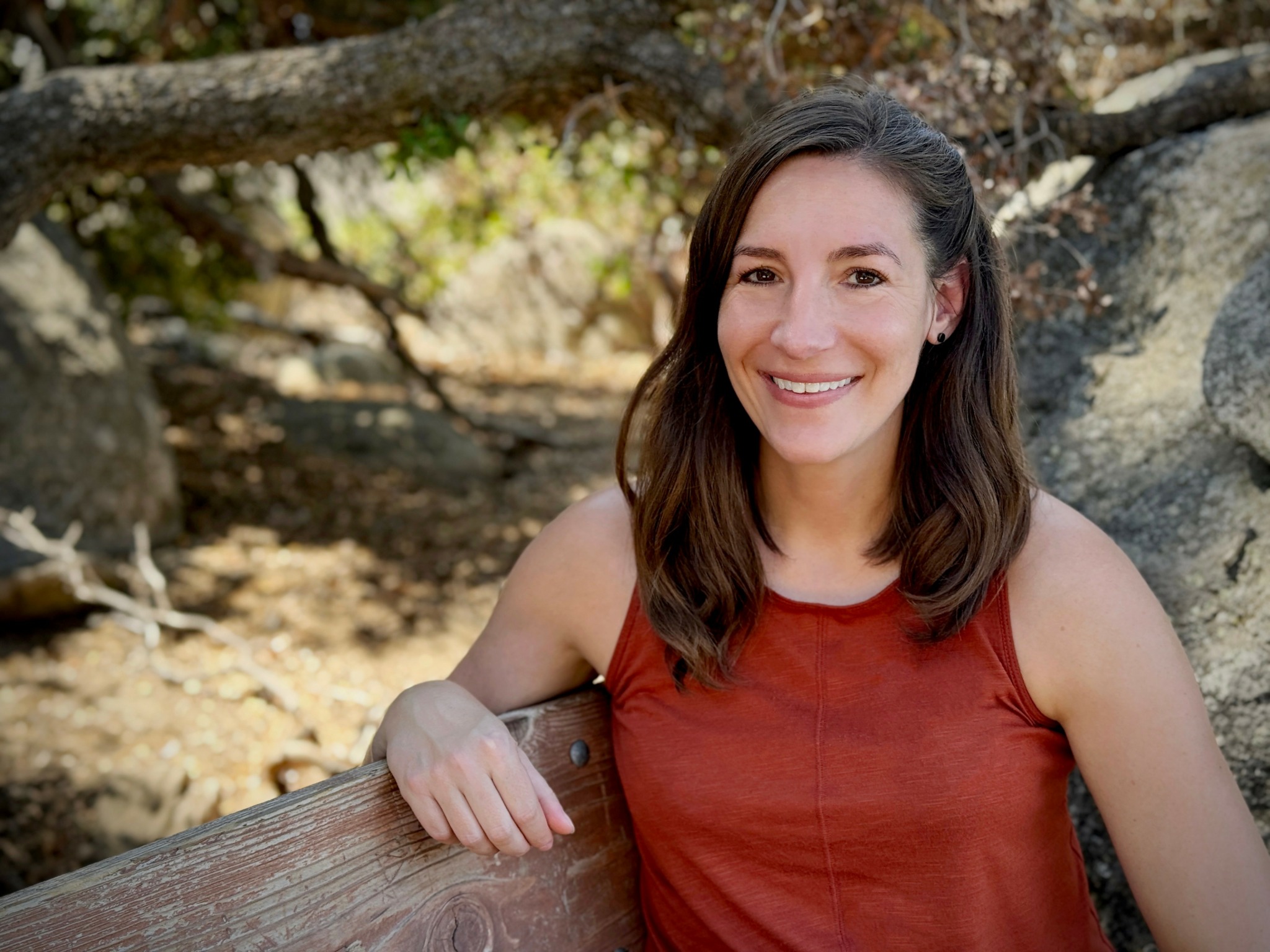

We were lucky to catch up with Sarah Coppola recently and have shared our conversation below.
Alright, Sarah thanks for taking the time to share your stories and insights with us today. Let’s jump back to the first dollar you earned as a creative? What can you share with us about how it happened?
I got started very young! My mom has been a potter for over 45 years and I grew up in her studio and going to her craft shows. I was always making little things out of clay and I was probably 5 or 6 when I first put out a little basket of my work for sale at one of her shows. I made snowmen, pizzas, ponds, and a variety of little ornaments made with cookie cutters. I think everything was priced at $0.25 – $1 at first. It definitely ignited a lifelong entrepreneurial spirit in every new thing I do! I loved it and was apparently quite the little salesperson (before my shy years hit).


As always, we appreciate you sharing your insights and we’ve got a few more questions for you, but before we get to all of that can you take a minute to introduce yourself and give our readers some of your back background and context?
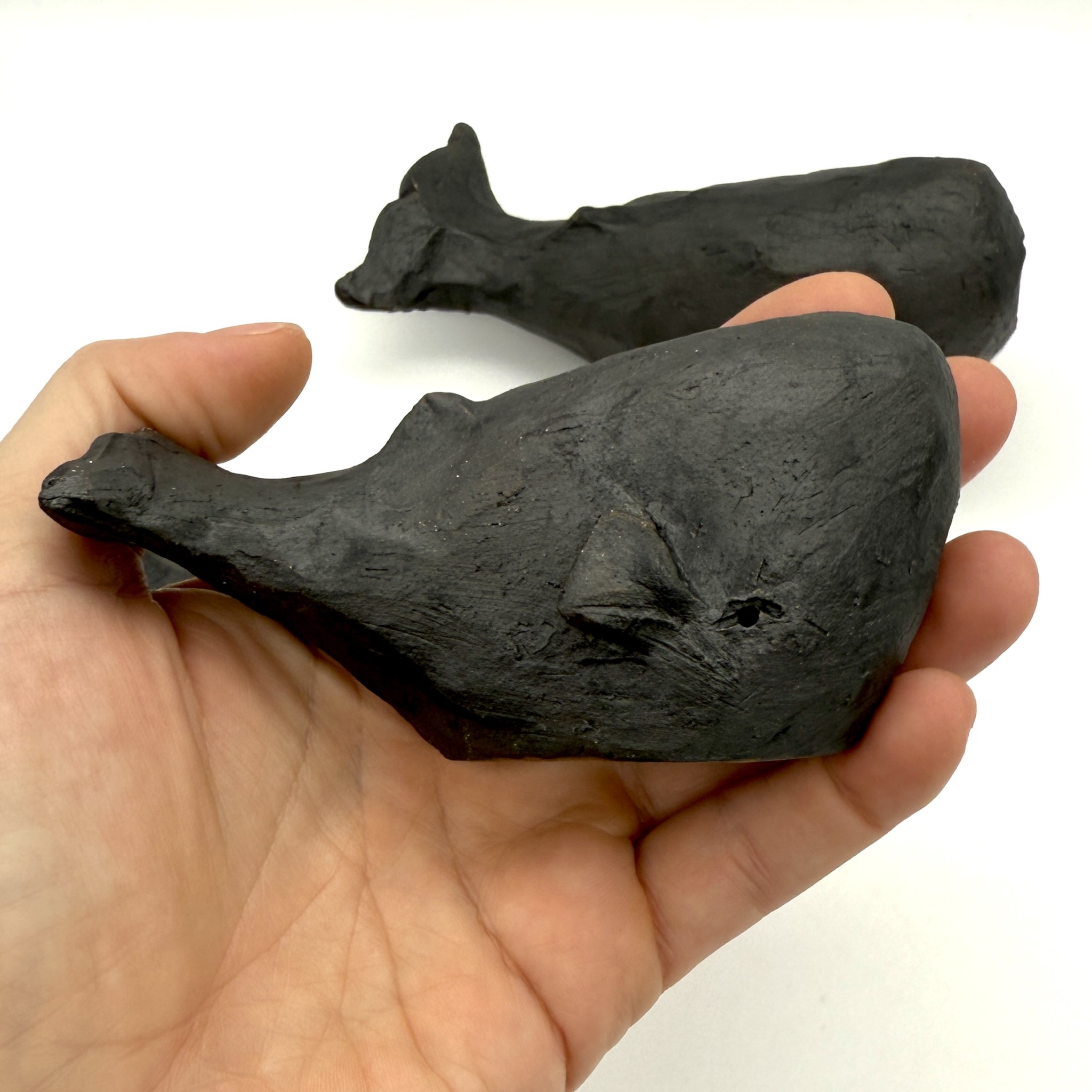
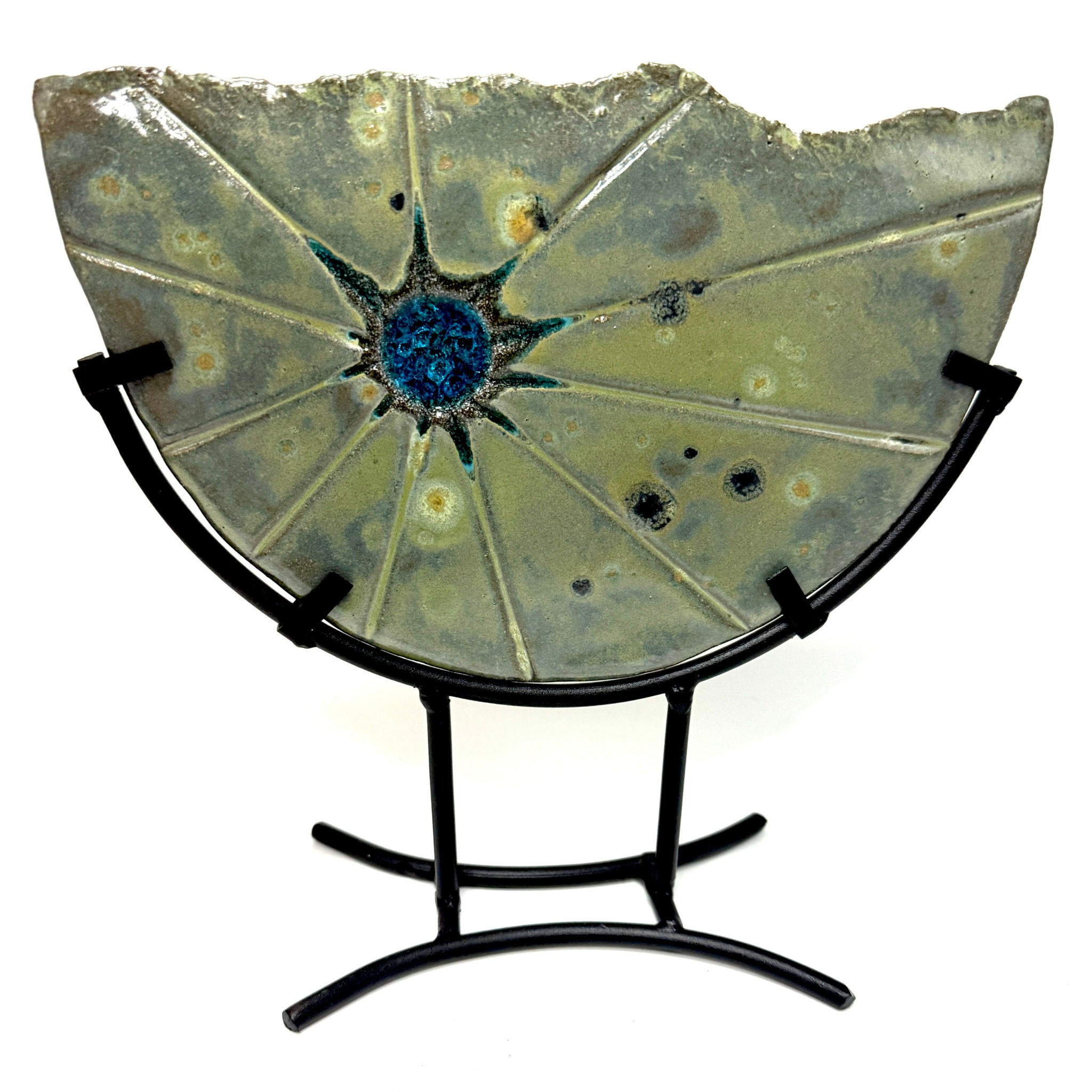
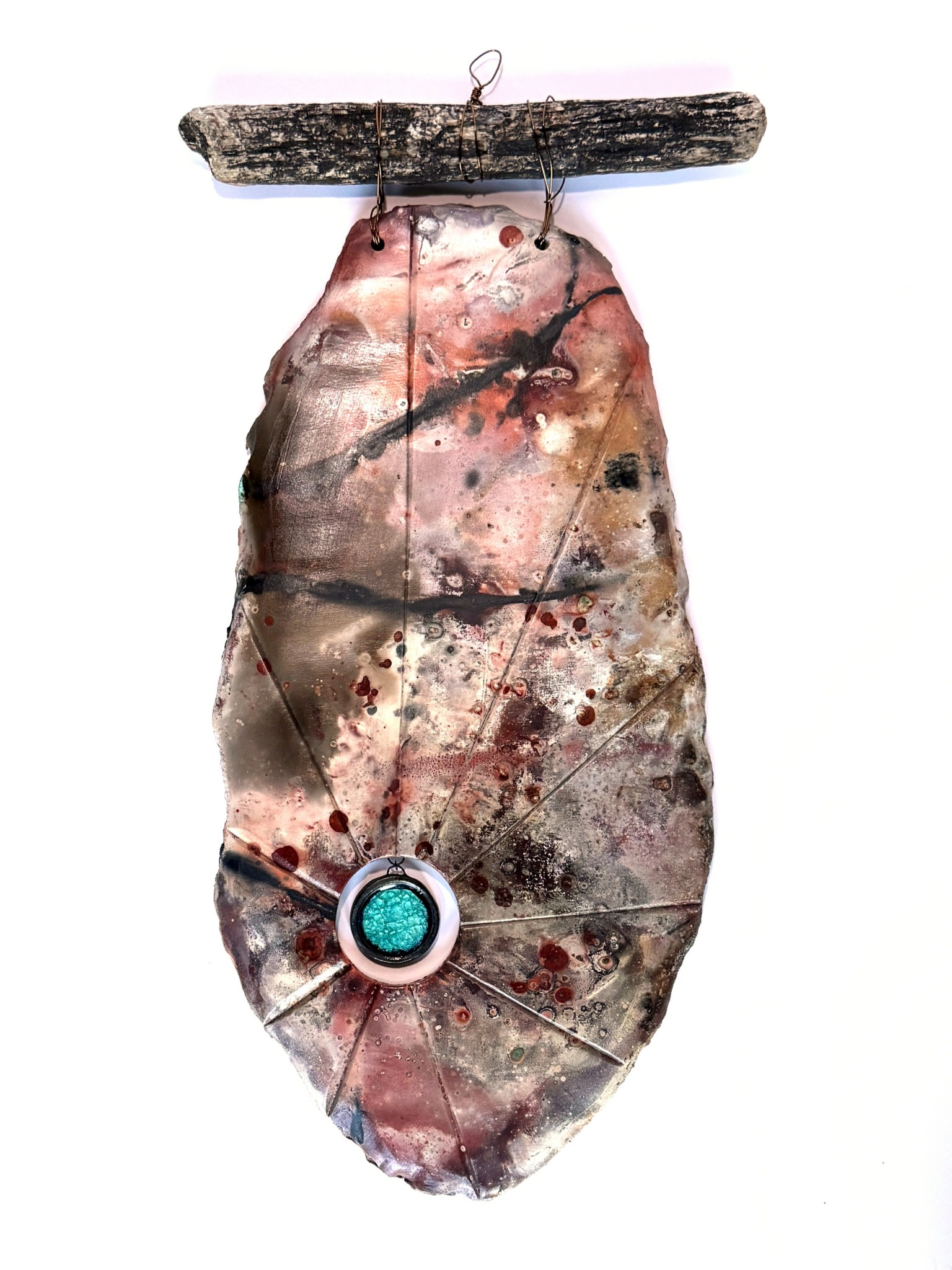
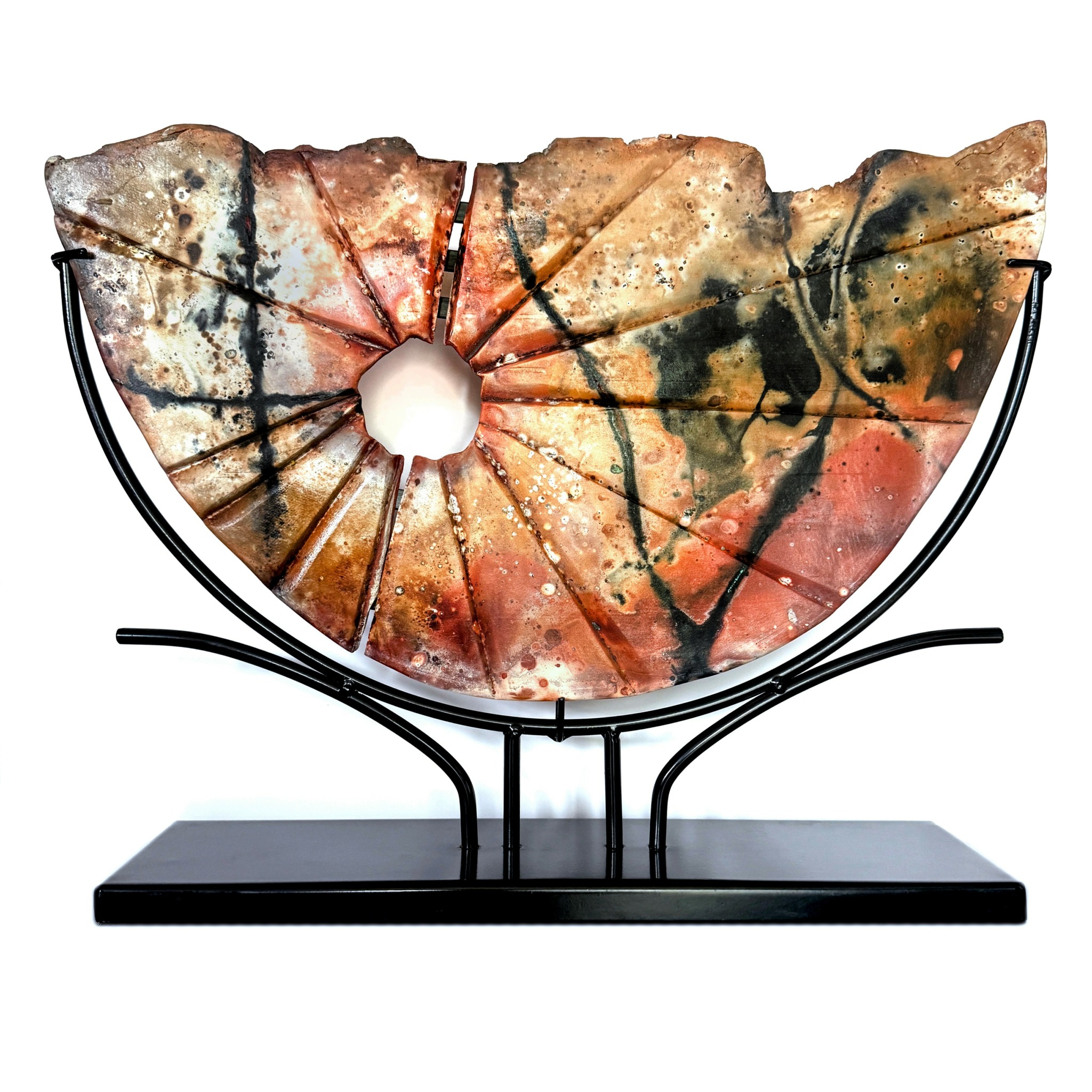
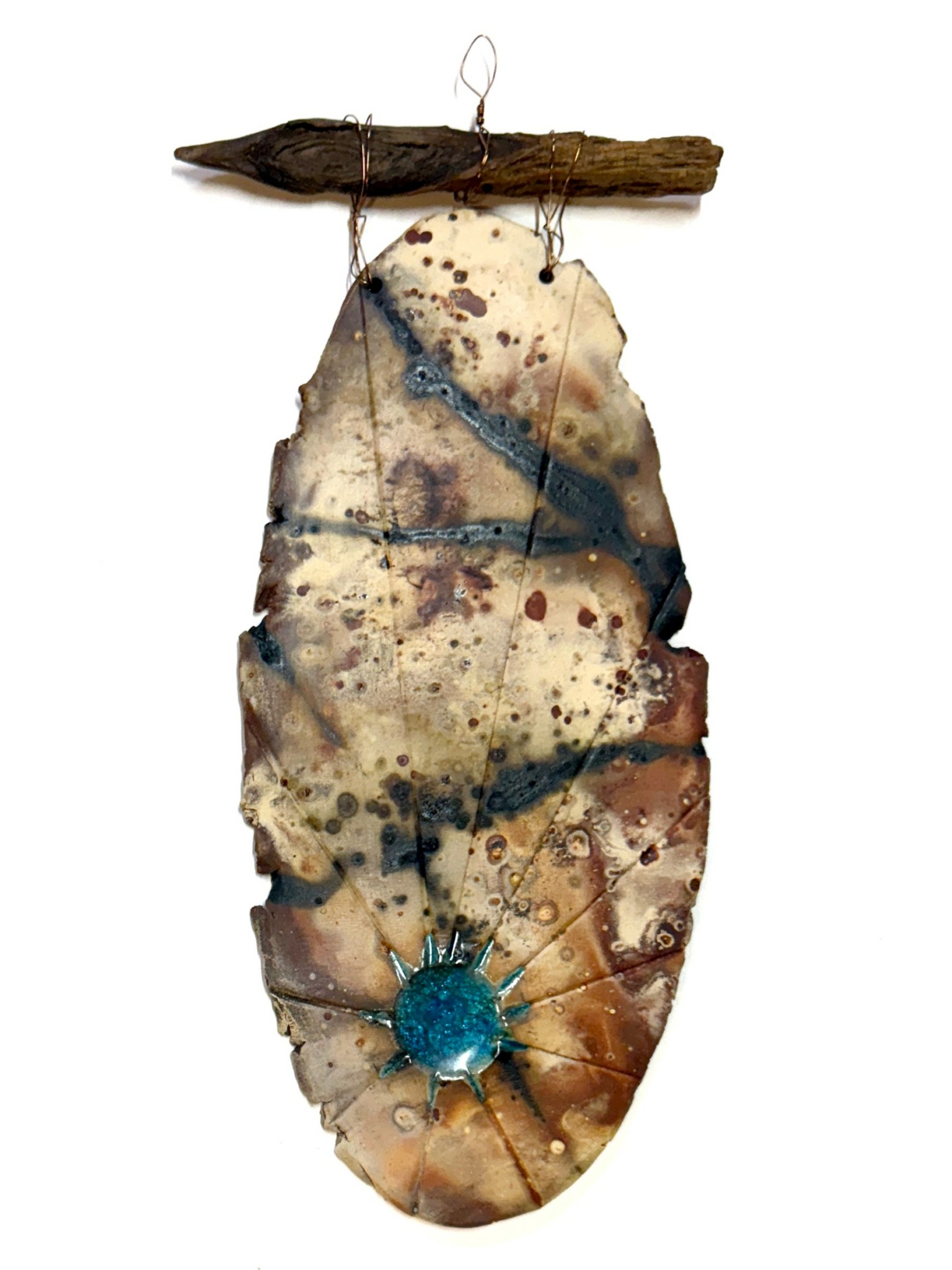
As far as artwork goes, I definitely was encouraged (and inspired by) my mom and her pottery business. She also does all kinds of other types of art and I am the same way – I work in a lot of different mediums! But it wasn’t until this year (at age 42) that I feel like I have really have found my true style! I have always loved archaeology and a rustic, wabi sabi, loose style and this year I really turned a corner with a new pit-fired series that I truly love that definitely falls into those categories. I call it my Ancient Relic series as each piece looks like it was pulled from the ground (and it literally was!).
The other half of my professional life is bookkeeping for creatives. I have worked in a variety of small (micro) art businesses and did a lot of the operations side in each, including some bookkeeping. After switching industries to Operations Manager in a biotech startup for 4 years (and burning out), I realized I loved working in the art world and that creatives were vastly underserved in the finance area. So in early 2024 I started my own bookkeeping business to help creatives organize their finances and be able to make informed decisions. It’s been great so far!
Do you think there is something that non-creatives might struggle to understand about your journey as a creative? Maybe you can shed some light?
I think non-creatives (and many creatives too!) don’t truly understand pricing. Not only do you have to factor in supplies and shipping to get them, but you really need to think about an hourly rate that coincides with your experience levels. Pretty often it’s hard to calculate and also this doesn’t totally jive with the “going rate” for similar work, so it makes being an artist very hard, especially when you’re just starting out and things take you longer to make.
I worked in an art gallery and then at a high end photography studio where the owner also taught business classes. One very valuable lesson I learned was that friends and family (and even yourself) are likely NOT your target market. The right customer is out there and you can’t let the idea that “I’d never pay that much for this” rule your pricing strategy. People who don’t value handmade (or just really can’t afford it) are not who you should be pricing for. You can’t take a loss or make less than minimum wage and make a living just to please someone who is comparing your art to mass-made Walmart equivalents. And, please, if you are not an artist, please, please do not balk at artists’ pricing out loud. If their prices are too high for the market they’ll find out by not making sales. It may just be that you don’t understand the process or are not this artists’ clientele and all you’re doing is being negative and discouraging by indicating to the artist that their time and skill is not valuable.

What can society do to ensure an environment that’s helpful to artists and creatives?
I think, at least in the area I live in (Durham, NC is a pretty artsy place), we actually have a pretty supportive environment to create in right now. But there’s always more that can be done. Obviously loudly balking at pricing or saying something along the lines of “I could do that” when looking at artists’ work isn’t ever helpful. But I also think that appreciating the time, effort, and creativity of work you don’t like or understand is also something we could all work on. Sometimes just a new idea or aesthetic or certain colors together is the novelty/value. Different colors do different things psychologically. Also maximalist vs minimalist pieces affect different people differently. You may not like it, but try to see the creative thinking, skill, and time that went into it.
Contact Info:
- Website: https://indigoartsnc.com
- Instagram: https://instagram.com/indigoartsnc
- Facebook: https://facebook.com/indigoartsclay
- Other: indigoarts.etsy.com
indigobookkeepingnc.com