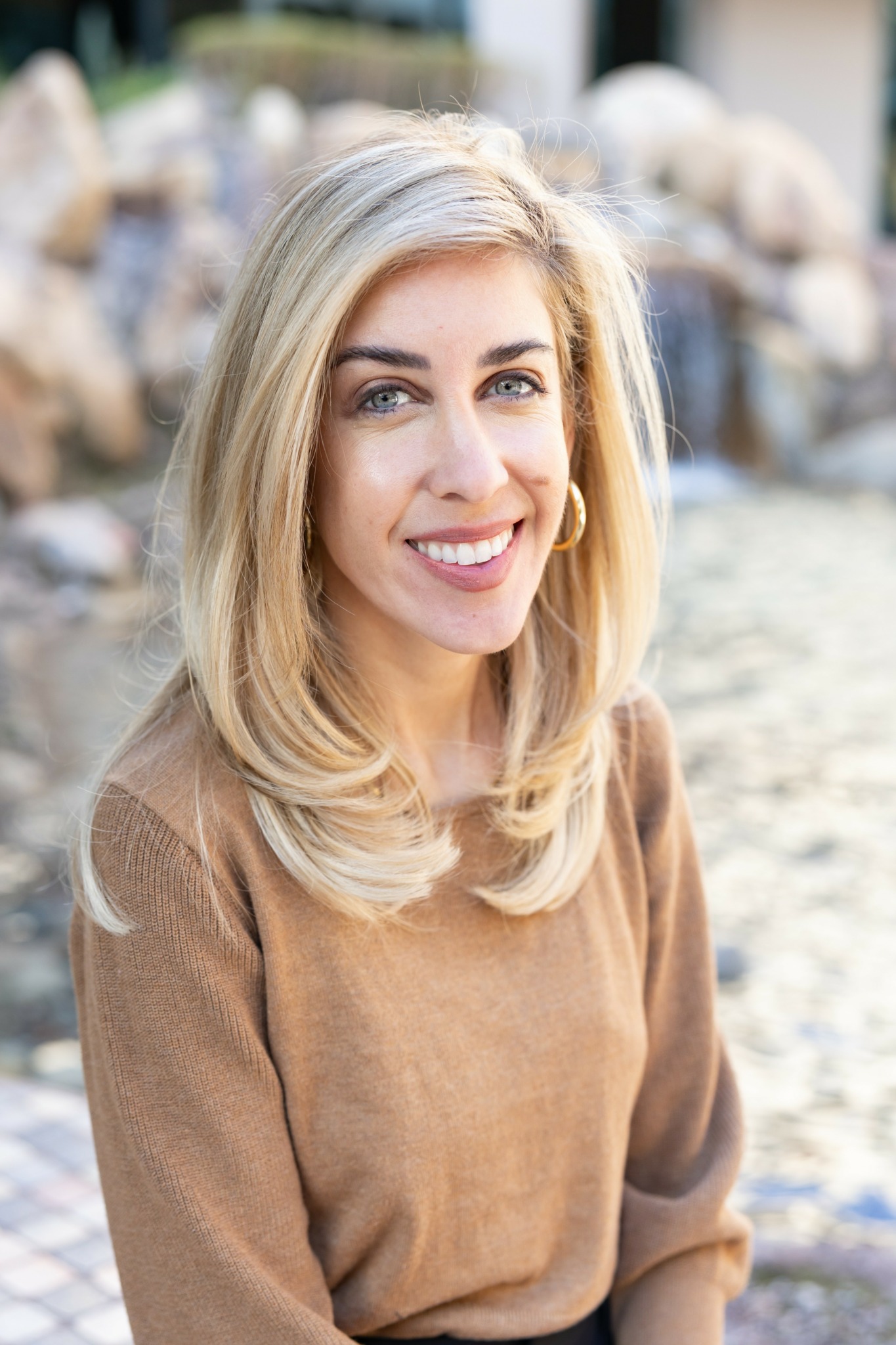

We caught up with the brilliant and insightful Sarah Anderson a few weeks ago and have shared our conversation below.
Sarah , thanks for taking the time to share your stories with us today What’s the backstory behind how you came up with the idea for your business?
I started Elevated Wellbeing OT because I kept noticing the same gap in care over and over—and I couldn’t ignore it anymore. After more than a decade in mental health, recovery, and academia, I was working with so many neurodivergent individuals who were doing their best, but the systems they were navigating just weren’t built with them in mind.
These were people full of potential, strengths, and unique perspectives. But they were constantly told—explicitly or implicitly—that they needed to “fix” themselves. The care they were receiving often overlooked their neurocognitive differences, sensory processing needs, and the very real ways their brains and bodies work. I knew we could—and should—do better.
I wanted to create a space where neurodivergent individuals could receive care that actually met them where they were—without judgment or pathologizing. A place where they could understand their sensory processing, learn about their unique cognitive needs, and develop strategies to work with those differences rather than trying to change who they are.
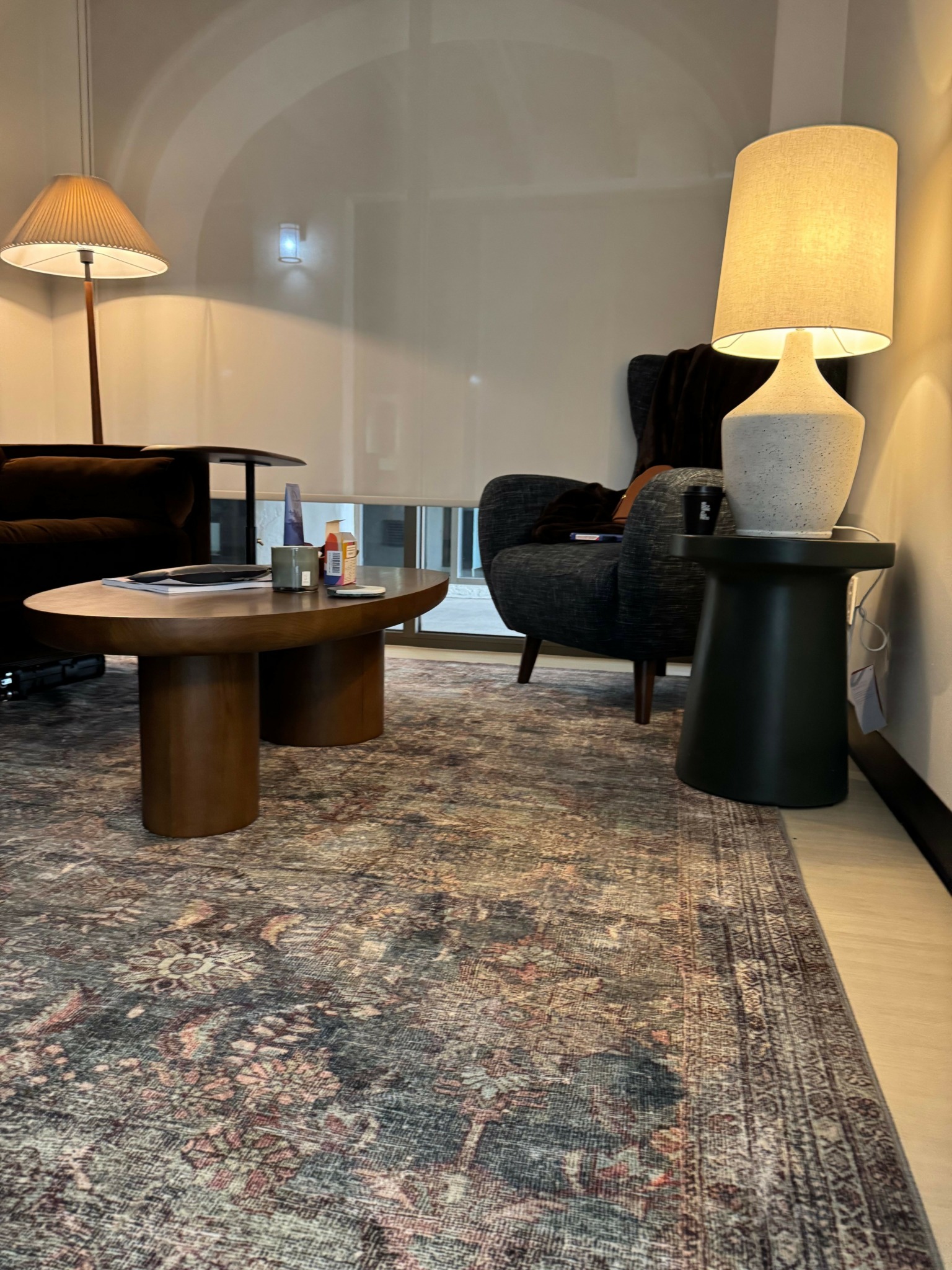
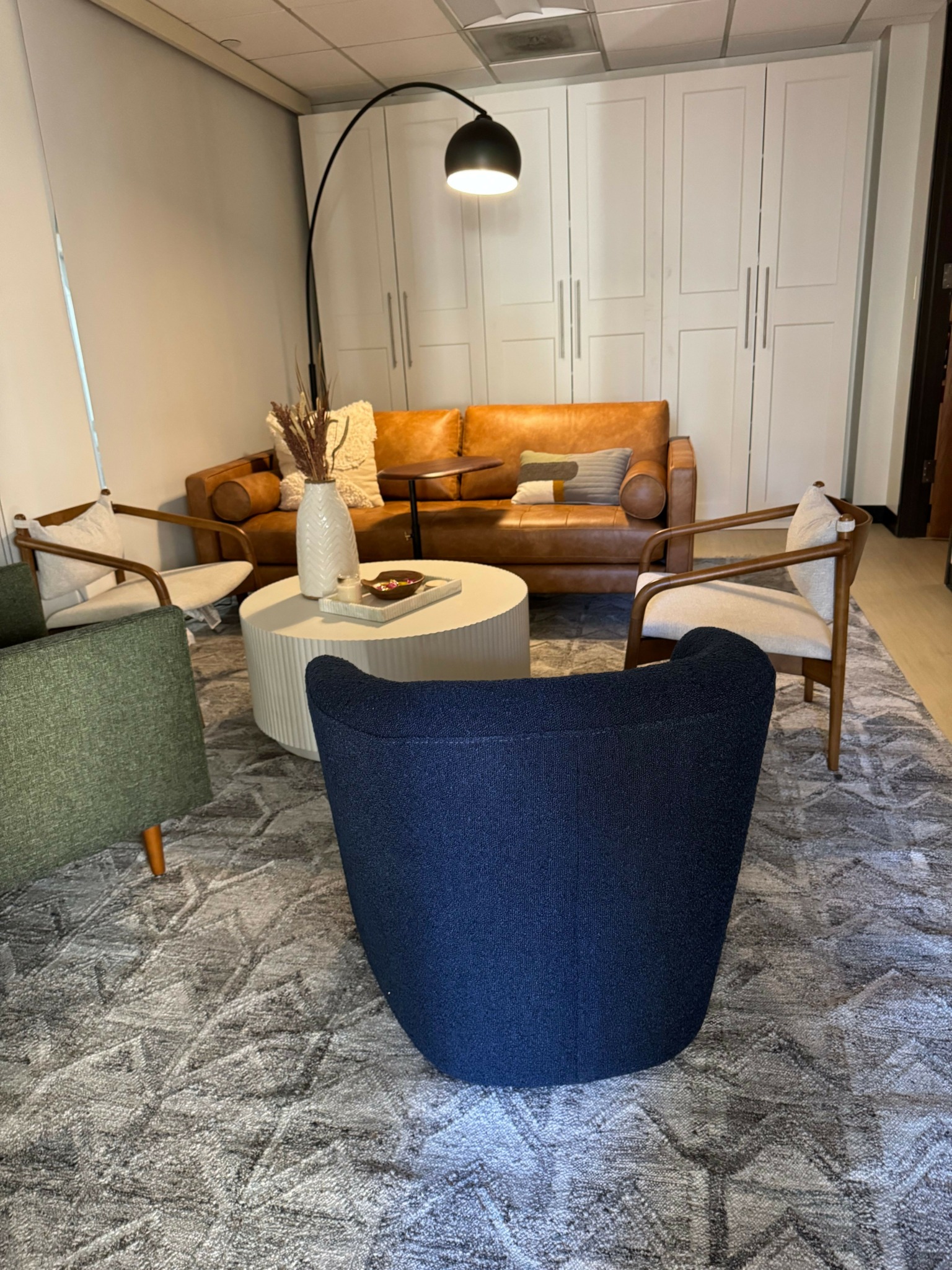
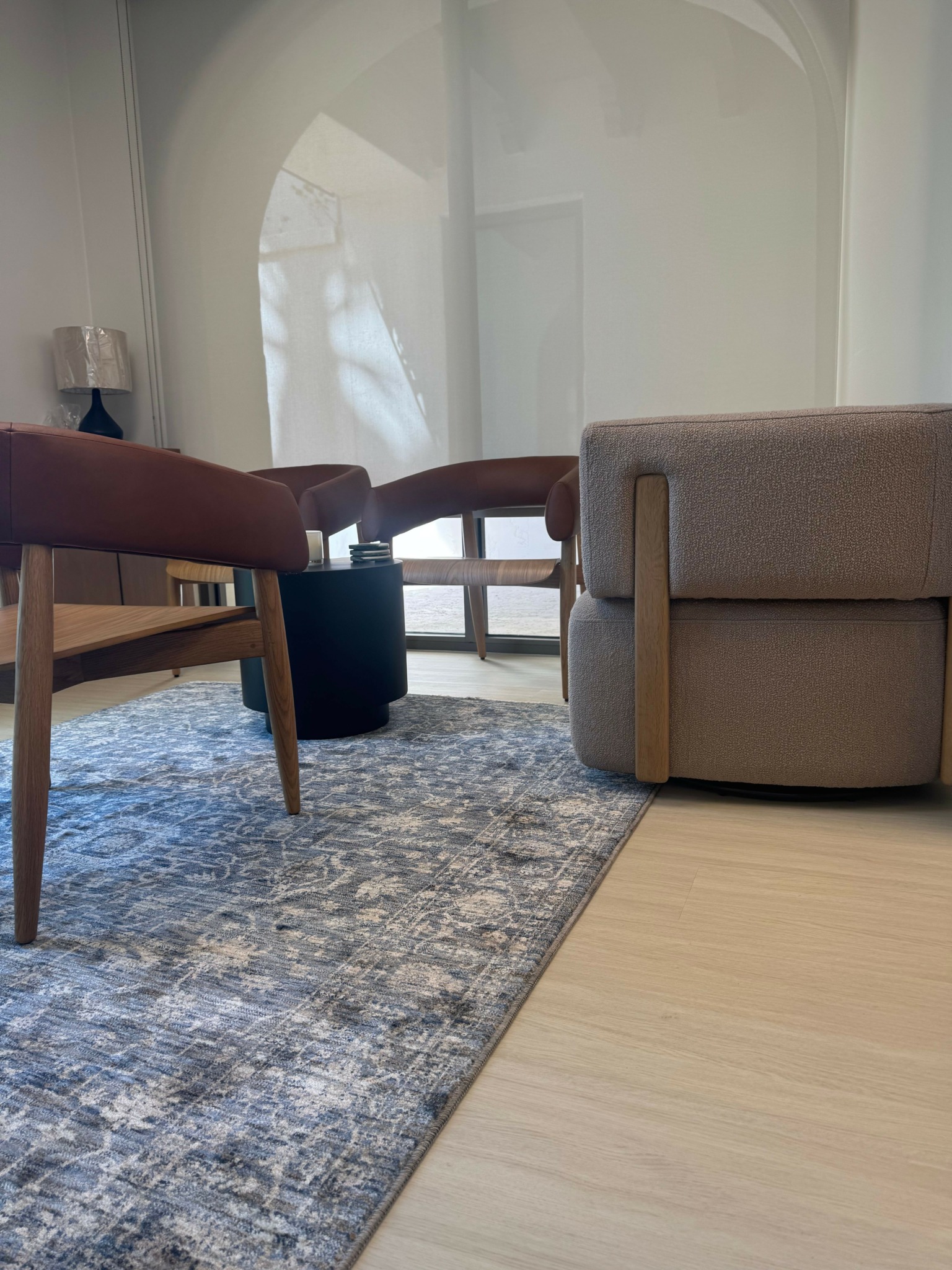
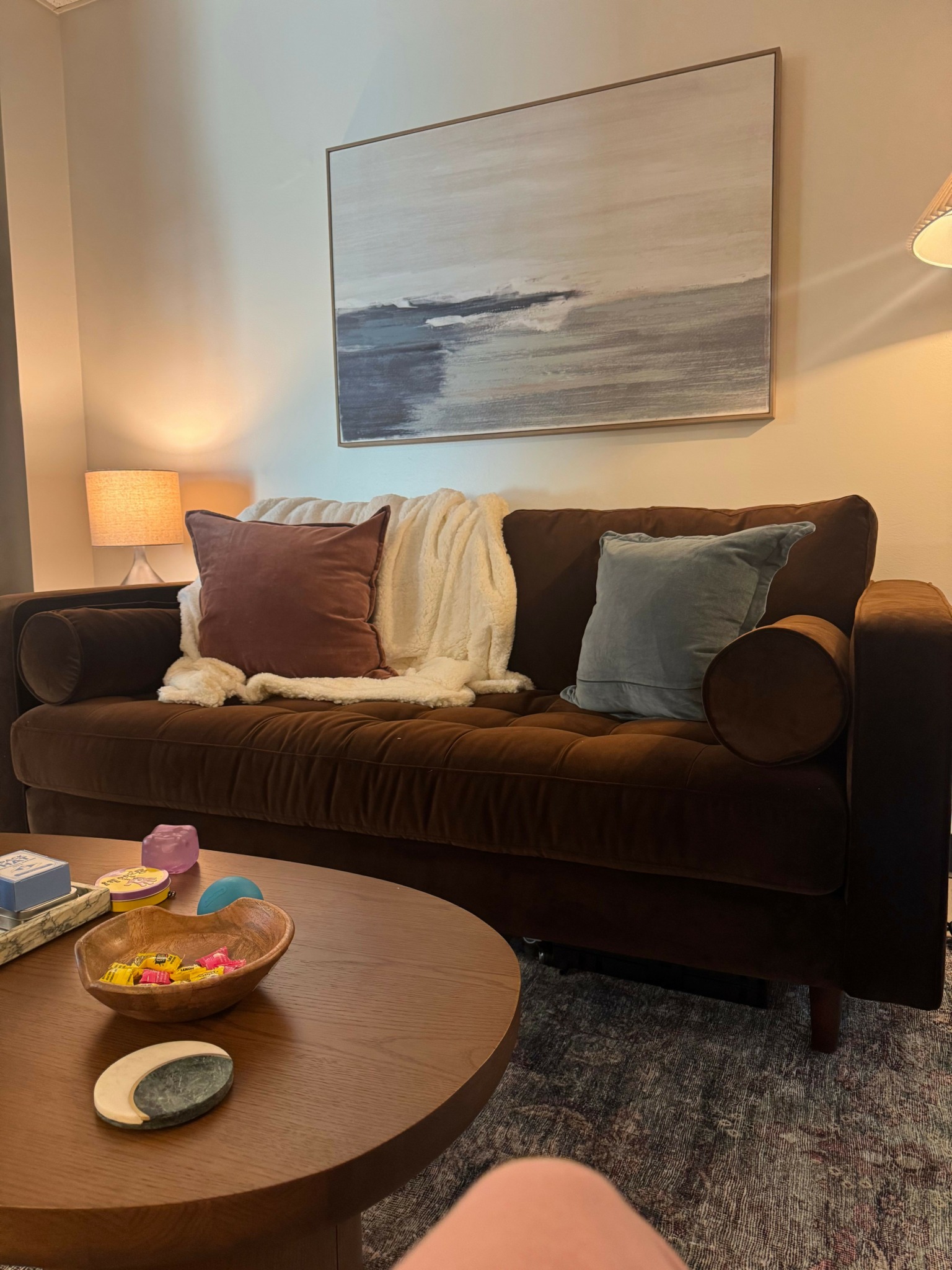
Elevated Wellbeing OT isn’t just about therapy—it’s about meeting each person where they are and creating a space that works for them. A big part of that is making sure our practice is accessible and comfortable, which is why we’ve designed our space to be sensory-friendly. We use things like soft lighting, weighted blankets, and sensory tools like fidgets, but it’s really about creating an environment where everyone feels supported, grounded, and ready to engage in the process of healing and growth.
When I started this practice, it was just me. But within a year, it grew to include two other OTs and an addiction therapist. That growth was a sign that the need for this kind of care was real. People wanted a space that wasn’t just cookie-cutter therapy, but one that truly respected their unique needs—especially those who don’t fit into traditional treatment models.
This practice is personal for me. I’ve seen too many neurodivergent people labeled as “difficult,” “lazy,” or “noncompliant” when they just weren’t being supported in ways that made sense for them. That frustrated me, and it’s what drove me to create a place that focuses on function, dignity, and long-term well-being, rather than quick fixes or “one-size-fits-all” solutions.
Elevated Wellbeing OT is all about individualized care, rooted in both compassion and science. I knew this would work because I saw how it was already making a difference for people who just needed the right kind of support. I created this space because everyone deserves care that truly fits their needs and helps them thrive in their own way.
Sarah , love having you share your insights with us. Before we ask you more questions, maybe you can take a moment to introduce yourself to our readers who might have missed our earlier conversations?
Hi there! I’m Dr. Sarah Anderson, the founder of Elevated Wellbeing OT. My practice specializes in supporting neurodivergent individuals—specifically those with ADHD, autism, and AuDHD (autism and ADHD combined)—many of whom also experience anxiety, depression, addiction, and the effects of past trauma. As an occupational therapist with over a decade of experience in mental health, recovery, and academia, I’ve seen how deeply these challenges impact individuals. That’s why I built Elevated Wellbeing OT—to offer a space where neurodivergent people can be truly supported, respected, and understood.
How I Got Here
I spent seven years as a professor teaching mental health content in an occupational therapy program, which I absolutely loved. I enjoyed sharing knowledge with students and shaping the next generation of therapists. But as much as I valued teaching, I really missed clinical practice. I knew I wanted to get back to hands-on work with clients, and I also craved the flexibility and autonomy that clinical practice could offer.
Starting my own private practice was the perfect solution—it allowed me to combine my passion for therapy with the autonomy and flexibility I was longing for. As someone with ADHD, having my own practice was a game changer in terms of quality of life. I could create a space that met all my needs—autonomy, flexibility, and constant novelty. Being in control of my schedule and environment, while helping people in a meaningful, personalized way, gave me the balance I needed. Private practice truly gave me the best of all worlds.
What We Offer
At Elevated Wellbeing OT, we specialize in working with individuals with ADHD, autism, and AuDHD, many of whom are also navigating anxiety, depression, addiction, and trauma. We provide therapy that helps individuals build the skills they need to manage their daily lives, from executive functioning (like organization, planning, and time management) to emotional regulation and coping strategies.
We use evidence-based approaches that combine cognitive and somatic strategies, tailored to the individual’s needs. Our services include:
Executive functioning support: Helping with tasks like time management, organization, and staying on top of responsibilities.
Sensory processing support: Understanding how sensory experiences impact behavior and creating strategies to navigate overwhelming situations.
Emotional regulation: Learning how to manage and respond to emotions in healthy, productive ways.
Trauma-informed care: All of our practitioners have a strong understanding of the underlying impacts of trauma, particularly in relation to neurodivergence.
Addiction recovery support: Helping individuals in recovery build lasting habits, coping mechanisms, and routines.
Accommodation Support: We assist clients in obtaining the necessary accommodations for school or work to ensure they can thrive in their environments.
We also make sure that our space is sensory-friendly—our therapy rooms and group space are designed to be calming, with tools like soft lighting, weighted blankets, lap pads, fidgets, flexible seating, and other sensory resources. This is an essential part of creating an environment that helps neurodivergent clients feel comfortable and engaged.
The Problems We Help to Solve
Elevated Wellbeing OT is dedicated to addressing several gaps that neurodivergent individuals often face, especially those with ADHD, autism, and AuDHD.
Misunderstanding neurodivergence: Many individuals are told to “fix” their behaviors when the real issue is that they’re simply not being supported in a way that makes sense for them. We work with each person’s unique brain and sensory processing system to help them understand how to thrive with their differences.
Lack of support in addiction recovery: Individuals leaving recovery programs often struggle with the transition back to daily life. We provide the structure and support they need to build sustainable, healthy routines.
Executive functioning struggles: Many neurodivergent individuals face challenges with time management, task completion, and organization. We provide practical, tailored strategies to address these challenges.
Sensory overload and emotional regulation: For individuals with autism, ADHD, and AuDHD, sensory overload can lead to anxiety and emotional dysregulation. We help them understand and manage these experiences in a way that makes sense for them.
What Sets Us Apart
What makes Elevated Wellbeing OT different is our commitment to a neuroaffirming, individualized approach. We don’t see neurodivergent individuals as problems to be fixed; we see them as individuals with unique strengths and challenges. We honor those differences and create personalized strategies that work for them—whether it’s adapting their environment, building new coping mechanisms, or helping them develop healthy routines.
Our space is designed to be sensory-friendly, recognizing that neurodivergent people—especially those with autism and ADHD—often benefit from environments that minimize overwhelm. We use calming lighting, weighted blankets, fidgets, and other sensory tools to make our space comfortable and engaging.
Above all, we offer real, sustainable change. We’re not about quick fixes. We’re about helping our clients build long-term skills and strategies to succeed in their everyday lives, while respecting their unique neurocognitive differences.
What I’m Most Proud Of
What I’m most proud of is the growth of Elevated Wellbeing OT. In less than a year, the practice has expanded from just me to include two other occupational therapists and an addiction therapist. This growth is a direct reflection of how much our work resonates with the community. We’re making a real difference in people’s lives, and that’s what motivates me every day. The feedback from our clients—many of whom have never felt understood in traditional therapy—reminds me that we’re on the right path.
What I Want You to Know
If you’re reading this, I want you to know that Elevated Wellbeing OT is a place where neurodivergent individuals are truly seen, heard, and respected. Whether have ADHD, AuDHD, or are autistic-we’re here to help. We’re not about “fixing” you. We’re here to help you understand your unique needs and give you the tools to build a life that works for you.
Our practice is individualized, compassionate, and rooted in science. We meet you where you are, and we’re committed to helping you thrive—not by changing who you are, but by working with your strengths and differences.
We’d love to hear the story of how you turned a side-hustle into a something much bigger.
Yes, my side hustle did turn into my full-time business! I started my private practice part-time years ago while I was still teaching. I missed clinical work and wanted to be in the field, practicing as a mental health occupational therapist, while also teaching the content. The autonomy and flexibility of private practice were huge draws for me.
Then, at a point in my personal life where I needed more flexibility and control, I took the leap and jumped into private practice full-time. Honestly, it was the best decision I ever made.
Now, I get to work with incredible clients—people who just need the right kind of support to succeed. Within two months of going full-time, my caseload was full, and within three months, I hired my first employee.
The only thing we can count on in life is change, and I truly believe learning to pivot is one of the best skills we can have—especially for those of us who are neurodivergent.
Can you tell us about a time you’ve had to pivot?
In my seventh year of teaching, I started feeling the weight of needing more flexibility due to unique family needs. I have one child who is neurodivergent and another with severe food allergies. Because of her allergies, my daughter needed to be picked up before aftercare, which made it increasingly difficult to balance my responsibilities at the university.
It became clear that my current situation just wasn’t sustainable anymore. I had worked so hard for my academic position and was not far from my next rank increase, but I realized that letting go of that path would ultimately be the best thing for me and my family.
It was hard—there was definitely an ego check involved. But sometimes, you have to listen to the signs when something clearly isn’t working. I had to let go of the idea that I could keep forcing it.
I truly believe that when you stop trying to force life into a mold and allow things to flow as they’re meant to, often, things fall into place. I know this isn’t always the case, but it certainly was for me at that moment.
Letting go of that role led me to fully jump into private practice, and it’s been one of the best decisions I’ve ever made. I was able to expand into a group practice, and everything I had hoped would align, did.
Contact Info:
- Website: https://www.elevatedwellbeingot.com
- Instagram: @elevatedwellbeingot
- Other: TikTok- @drsarahanderson_