

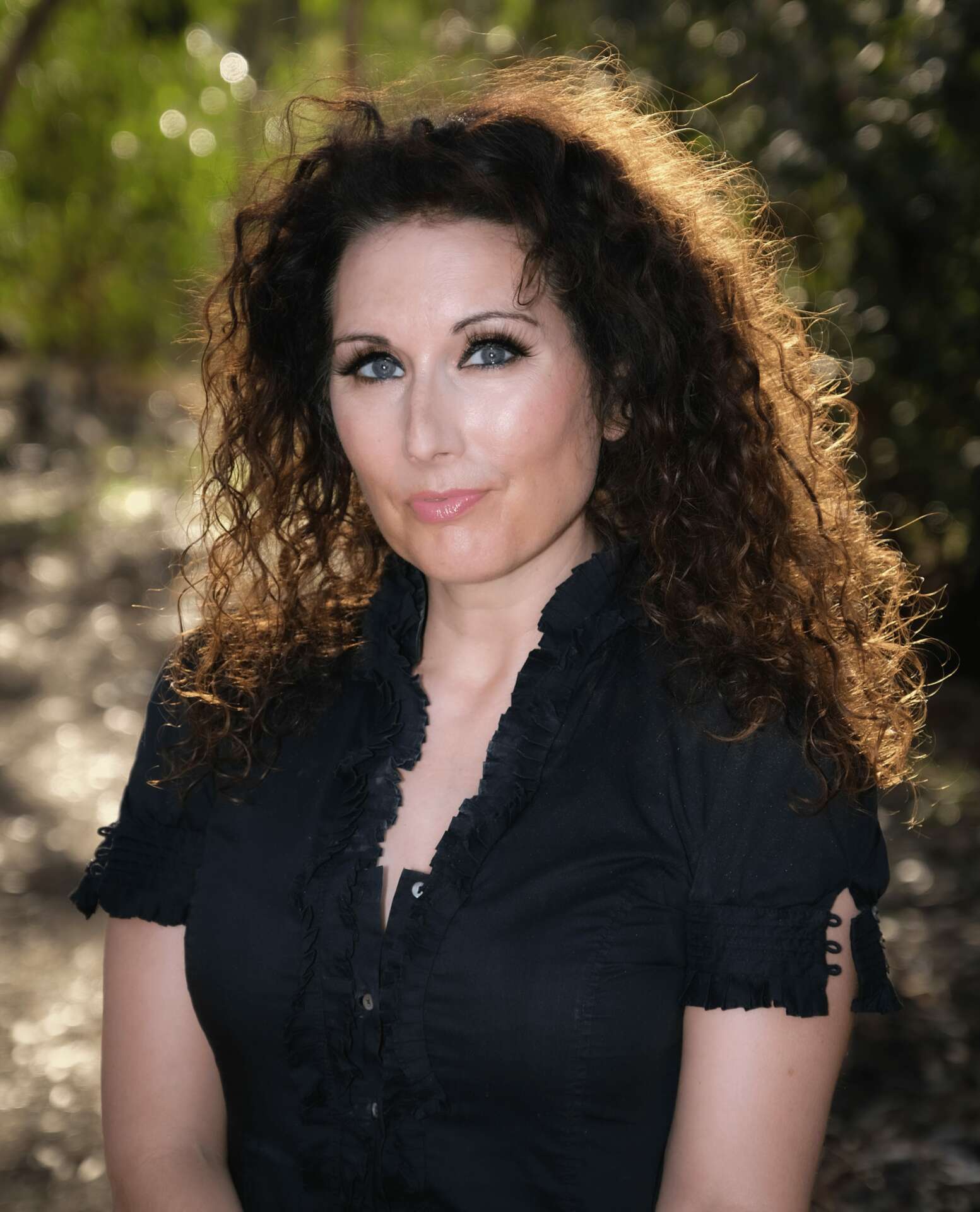

Alright – so today we’ve got the honor of introducing you to Sarah Alida LeClair. We think you’ll enjoy our conversation, we’ve shared it below.
Hi Sarah Alida, thanks for joining us today. Any advice for creating a more inclusive workplace?
Our theatrical industry excludes in a lot of ways. First and foremost financial gatekeeping excludes would-be performers, writers, and storytellers from the intersection of communities of color and communities of poverty: even to participate at the lowest levels people are expected to have free access to transportation, to pay for their own training, and to gain experience either from paying for it (at the youth level) or by being unpaid for what amounts to a 20-40 hour a week part time job when someone is an actor or a singer in a show. To gain entry to any college theatrical or musical programs, not just the elite ones, auditions are required and a student becomes vastly more competitive if they have spent years and thousands of dollars on lessons, which again requires money and transportation.
This means that because many performers, writers, and storytellers from communities of poverty and color are excluded from training, education, and the stage itself, the writing, storytelling and performing in film and stage is overwhelmingly stories from white people to white people. Theatres and studios then double down–if there are no audiences of color coming to see these stories for white people by white people, it must mean that there is no audience among the audience of color, and therefore they don’t invest in these other stories and other performers.
In order to create real inclusivity theatres, theatrical education programs, and the state and federal legislature must invest in diversity financially. Scholarships for students at the college level is one step, but more important is investment in arts program at every level of primary and secondary education. Having thriving arts education in every school at every level of public education is key to allowing all kids to explore their interests and potential talents. Having thriving arts education at the community college level, which in California is now open to students as young as 16 for free, where students have access to private lessons and classes in acting, writing, and singing, helps get all kids training and education to move forward into the theatrical workplace. College programs must be made available that are not merit based but are truly invested in education for the student who has previously had zero access, so that all people at all levels of income and age can explore these interests.
Community theatres must have access to grants for transportation and stipend for actors and singers who otherwise would not be able to afford the commute and the time off work, to increase inclusivity not just for their own programs but to help those performers gain the experience they need to move into the professional level.
Theatres must invest in their educational outreach programs, and reach out to students from communities of color with funding. Free tickets and sponsored transportation for buses as well as outreach educators who will come into the classroom is critical to engaging young students and creating young audiences for life.
And theatres must not just put a single “black” or “brown” show onto their season with no marketing, no budget and no support and call it inclusivity. Because the audiences for these shows won’t be regular theatre goers because of the decades of white-only storytelling, marginalization, and micro-aggressions, theatres will need to build trust with the communities they’re depending on to support these shows by engaging with their school programs, giving free performances, lowering ticket prices, and exponentially increasing their marketing budgets for these shows as well as marketing in the specific places where these audiences live, work and shop. Theatres can also increase trust by including black and brown performers in all shows, not just shows that feature black and brown authors and characters.

Awesome – so before we get into the rest of our questions, can you briefly introduce yourself to our readers.
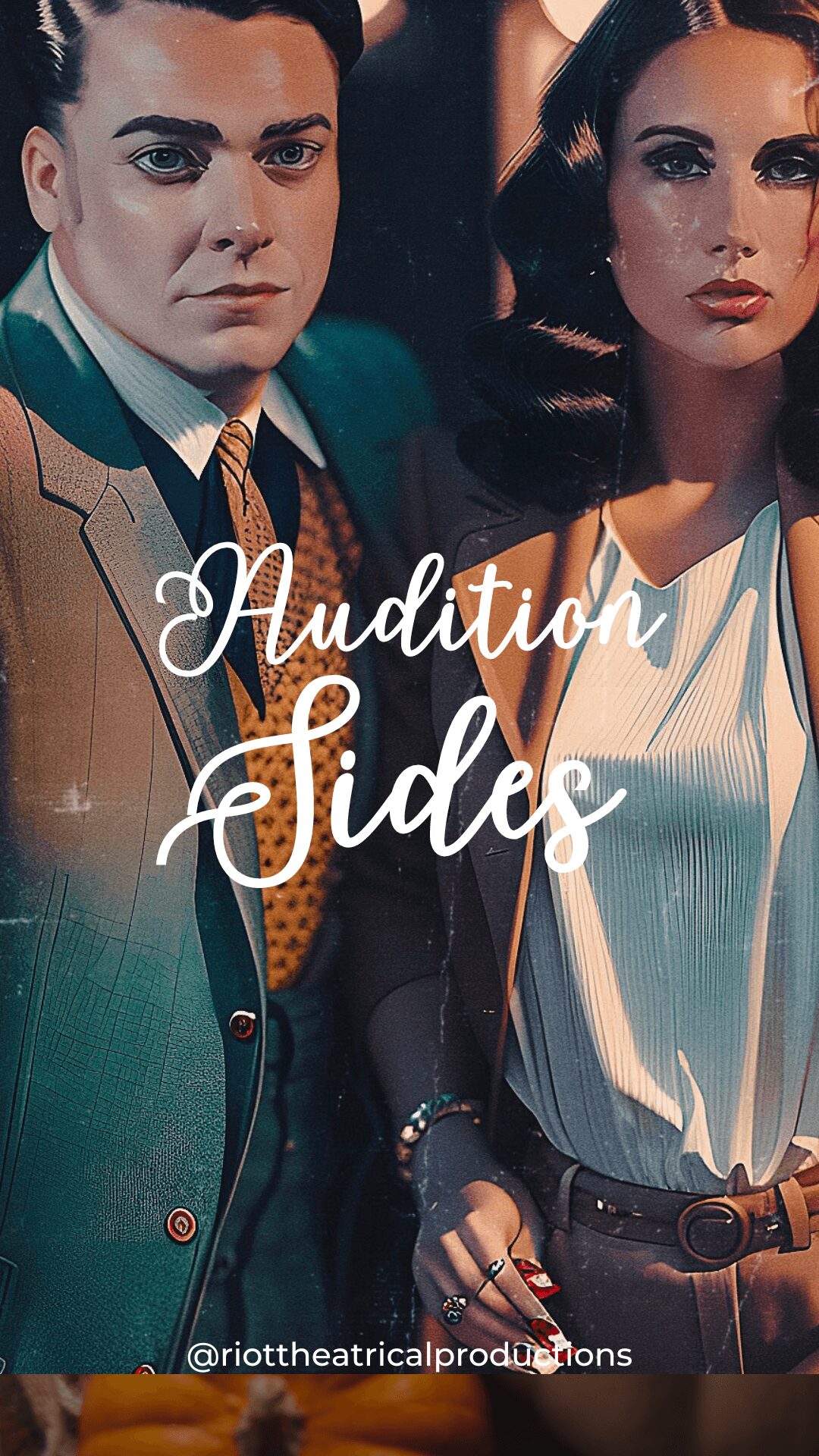
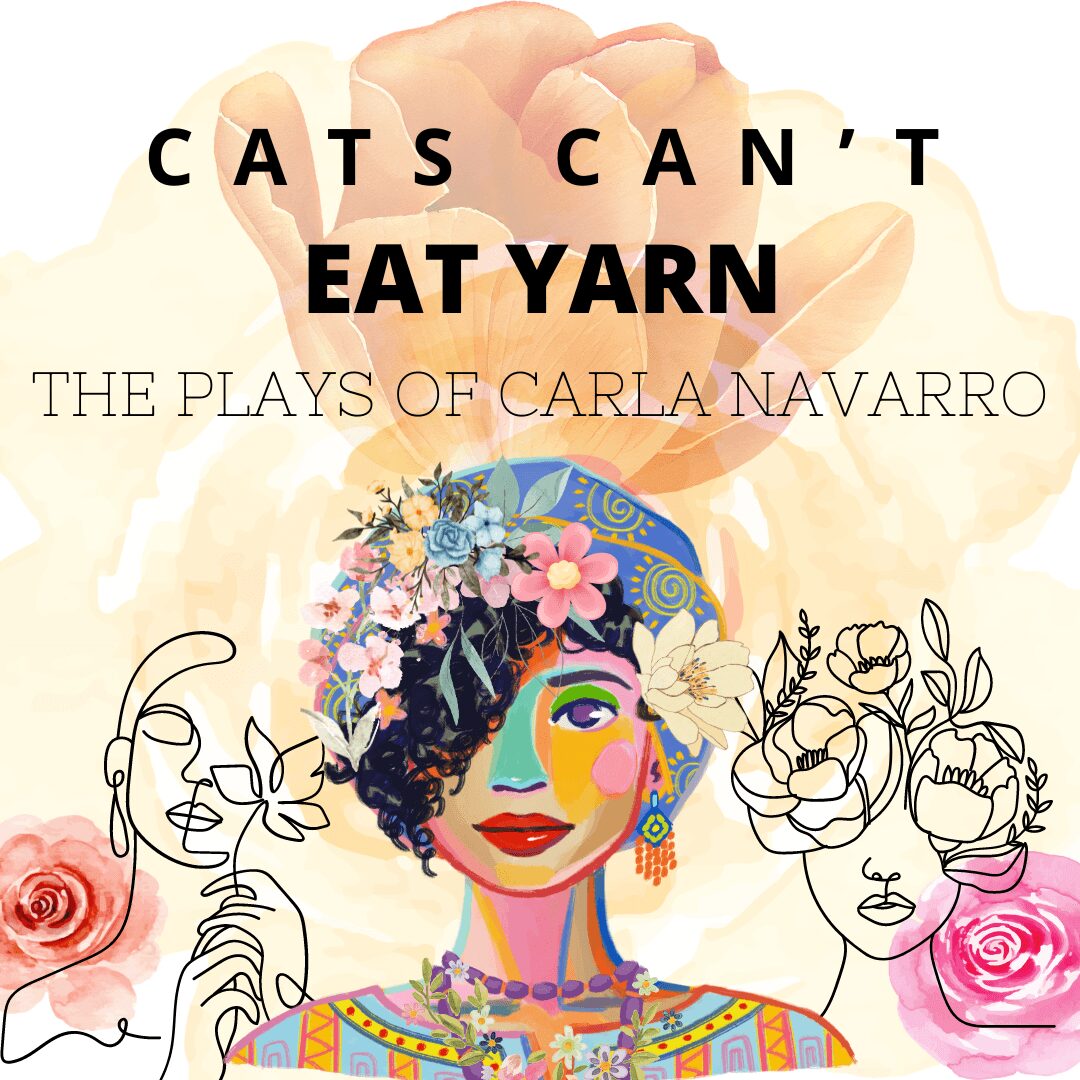
After having been a high school music and theatre teacher in East County San Diego since my graduation with a masters in vocal performance from SDSU, and performing across San Diego County, I was inspired by the feminist and female centered story telling at Moxie theatre and frustrated by the lack of opportunity for women to tell real, wrenching, honest stories through music–so with my partner Josalyn Johnson we founded the feminist collective theatrical production company Riot Productions. We have tried in this first year to focus on local, female writers and stories that center on women with arc and agency. To that end we workshopped and created a festival of the works of Chilean-American playwright Carla Navarro called “Cats Can’t Eat Yarn”, including an all female tech and production team, eleven actresses and one brave man telling short stories of love, passion, regret, grief, abuse, trauma and revolution. We highlighted the musical compositions of local iconic music director, pianist and singer Korrie Yamaoka by producing her song prism “White Space”, a collection of songs about the struggles of maintaining a creative life after motherhood and featuring an all female trio of singers. We created a vocal competition exclusively for East County students, “East County Star”, to try to push back at some of the financial gatekeeping we saw that stops kids from the intersection of communities of color and poverty from performing, and raised money for scholarships for their lessons and training. And we became an award winning theatrical company in our first season at the San Diego International Fringe Festival when our production of “Audition Sides”, a tragicomedy of doomed attraction set over the backdrop of the inequities in theatre for women versus men, won “Outstanding World Premiere”.
Moving forward into this second season we are focused on more readings and productions of our local female writers when they tell stories of women with arc and agency, as well as producing more original musical works while keeping our standards of production as high as they have been in this first year.
How’d you meet your business partner?
My co-founder and business partner Josalyn Johnson and I met many times along our journey to working together but really connected during a production of a show called “Murder Ballad.” For both of us this was an incredibly important piece because the character of Sara in the show told a story no one really talks about, which is that this woman left one toxic relationship for another which felt safe and got everything she thought she wanted–stability, love, family, motherhood–only to discover she wasn’t good at being a mother, she failed at everything she thought she’d be good at, and ultimately she was miserable in the life she chose for herself. The character goes on to make reckless choices which burn down everything around her; she is flawed and selfish and trying to make herself happy. In contrast, the character of the female Narrator follows all the rules society puts on women: she gives up everything for the person she loves, and in doing so she is absorbed into his identity and made invisible by her endless understanding, patience, and selflessness. We see two women violently striving for happiness and neither of them really achieve it in the end.
Both of us worked incredibly hard to book these roles and then once we were a part of the show we went over and above to support the production in every way possible, to make sure that not only our performances but every other aspect of what we were creating became the honest story that we wanted to express to female audiences like us, who were searching for female characters that were flawed, and didn’t necessarily find a happy ending. We wanted to honor this story line moving forward into everything we did but were aware that these kinds of shows and roles didn’t really exist in very many places and our chances of doing work like this again would be low unless we created it for ourselves–so we did. We filed for our 501c3 paperwork this year and never looked back.
Any fun sales or marketing stories?
This year we applied for and were accepted at the San Diego International Fringe Festival with a piece that I wrote, “Audition Sides”, and a cast of three, two of whom were my co-founder Josalyn Johnson and me. We applied back in October having no idea of what it would entail, having no experience with Fringe except as audience members, having no production team in mind, and really no idea of whether we would even make our substantial investment back in ticket sales. We didn’t know really how much rehearsal to schedule or what the production performance schedule would be like or who to ask since we didn’t know what the time investment would realistically be, didn’t know what venue we would be in to be able to block the show, didn’t know how the ticketing or the marketing would work. We just took the plunge and paid for the production fees and hoped that maybe we would make a portion of the money back. Most friends who had been a part of Fringe in the past said we would be lucky if we broke even.
With our third cast member Jason Schlarmann willing to dive in with us, we set a rehearsal schedule trying to give ourselves ample time to allow exploration of the text, intending to just direct it ourselves. Right before we were set to begin rehearsals we connected with iconic San Diego actress Kay McNellen, who expressed an interest in directing something for the first time, and when she took a look at the script, she decided it was a good fit for her. Director, producer and stage manager Martie Clark had been an invaluable team member for our festival of plays “Cats Can’t Eat Yarn”, so we asked her to come join the team as producer and stage manager and started rehearsals kind of just finding our way as we went.
Jumping into the Fringe experience was terrifying and overwhelming because there were so many unknowns and so many things we had to pivot on: tech rehearsal in the new venue was a single day; ticketing didn’t open until shortly before production and we had several performances even on opening night that we hadn’t sold a single ticket for; the press preview was incredibly important but required us only giving two minutes of performance to try to sell tickets to the people writing the “best of Fringe” lists for the following two weeks. We marketed like crazy–viral videos, graphics, postcards, blog posts, email blasts–and to our surprise ended up on one of the “Best of” lists; and then word of mouth started filling up our houses. We ended up making our money back threefold and ended up winning “Outstanding World Premiere” with our production.
Contact Info:
- Instagram: @riotproductionsinc
- Facebook: Riot Productions


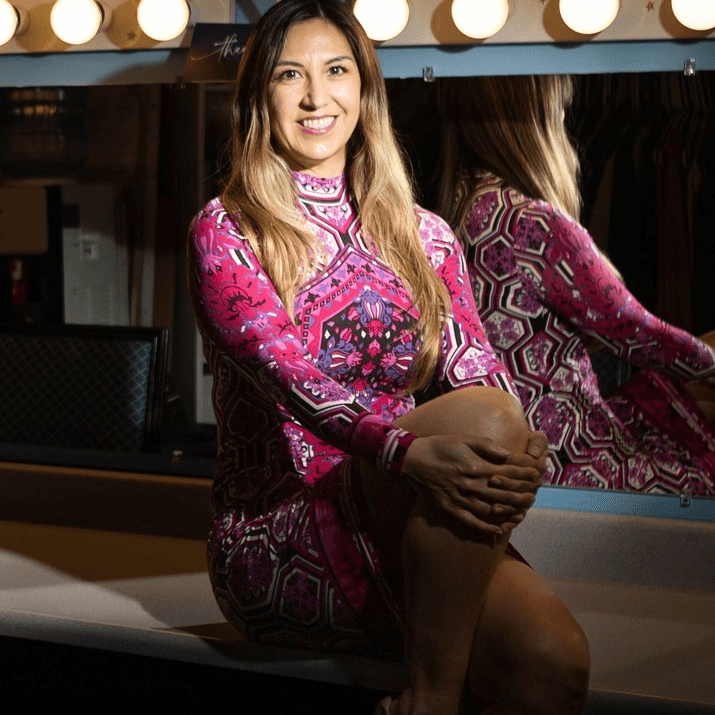
Image Credits
Meg McLaughlin
Ken Jacques
Jennifer Guttiere