


We’re excited to introduce you to the always interesting and insightful Sarabeth Berk Bickerton, PhD. We hope you’ll enjoy our conversation with Sarabeth below.
Alright, Sarabeth thanks for taking the time to share your stories and insights with us today. We’ve love to hear an interesting investment story – what was one of the best or worst investments you’ve made? (Note, these responses are only intended as entertainment and shouldn’t be construed as investment advice)
I’ve made one exceptional investment and two terrible investments that I’ve learned a heck of a lot from. Starting with the lessons, I learned the power of trusting my instincts, saying no, and building a business focused on integrity versus fast cash.
The best investment was a brand photo shoot. I use those photos all the time, and it helped me codify who I am and how I want to show up as a thought leader and business creator.
The first terrible investment was financial- I was feeling desperate, low, and I thought I didn’t know what I was doing (three signs to always pay attention to before making any decisions). So, I believed buying a high ticket coaching package on how to create online courses would solve my problems. Long story short, I was fooled. It was overpromised and underdelivered. I spent way too much money (we’re talking $$$$) for too little value and learned to be much more skeptical and discerning of salesmanship and marketing funnels.
The second terrible investment was a partnership- I happened to meet a potential business partner who seemed like a dream. We had complementary audiences and ideas. It felt amazing to have someone to work with who felt in synch. After a couple months of talking, we came up with a new product to co-launch and deliver. Off we went. We set an aggressive timeline and deadline for ourselves, but as the launch date approached, I grew more and more anxious. My gut told me something was off but I couldn’t figure out what. We were building a program and as more content was created, I could see we were on different pages. It wasn’t until a week before launching that I could finally name what the problem was, I held myself to academic rigor and his approach was laissez faire. He was making stuff up, while mine was legitimately backed by evidence studies. I couldn’t swallow what he was doing. It wasn’t right and I told me I couldn’t move forward and pulled out last minute. I didn’t want to look like “that” person who couldn’t follow through, but I also couldn’t put my name on something that wasn’t at my standard.
As always, we appreciate you sharing your insights and we’ve got a few more questions for you, but before we get to all of that can you take a minute to introduce yourself and give our readers some of your back background and context?
When I was in my early-thirties, I went through a professional identity crisis, that led to a professional identity awakening. I didn’t know to call it this back then, but that’s the term I later realized. It was a dark night of the soul, a time when I felt lost, confused, and stuck in my career. I was back in graduate school, working on my PhD, and anytime someone asked me, “What do you do?” this question made me anxious and uncomfortable. I didn’t have a good answer.
My problem was that I did too many things. I had a multifaceted background. I had two art degrees, my teaching certification, I took side jobs as a web and graphic designer, I ran programs, and I loved doing research. Some might say I was a jack-of-all-trades, a polymath, a generalist, or even a multi-hyphenate. Yet, no matter what I was, the expectation is to give an answer to “What do you do?” that makes sense so the other person can connect with you or hire you for something. In my head, I kept saying, “I’m more than my job titles,” but out loud, I fumbled to give a good quality answer that felt clear. “How do I explain who I am so people get me?” I wondered for years.
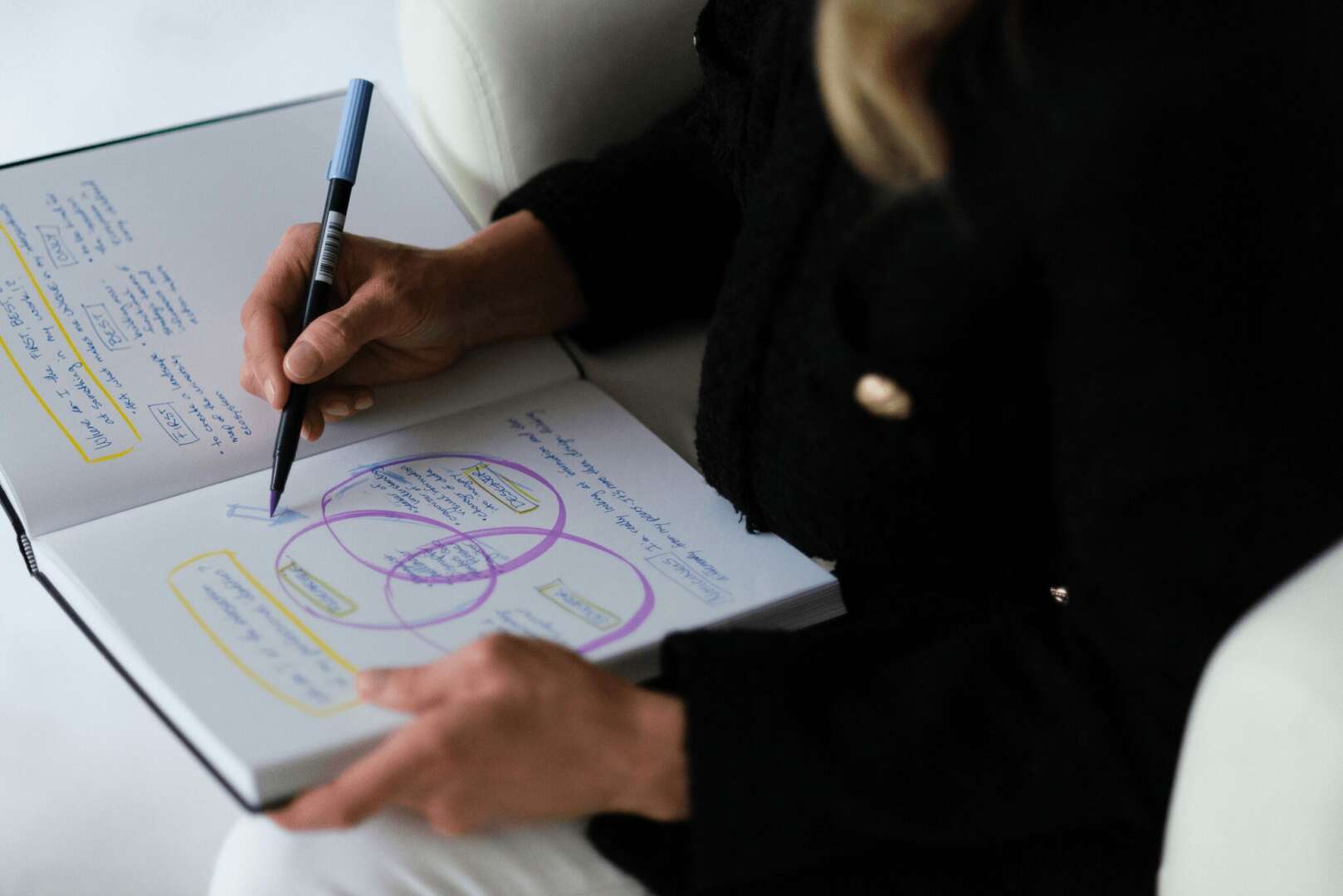
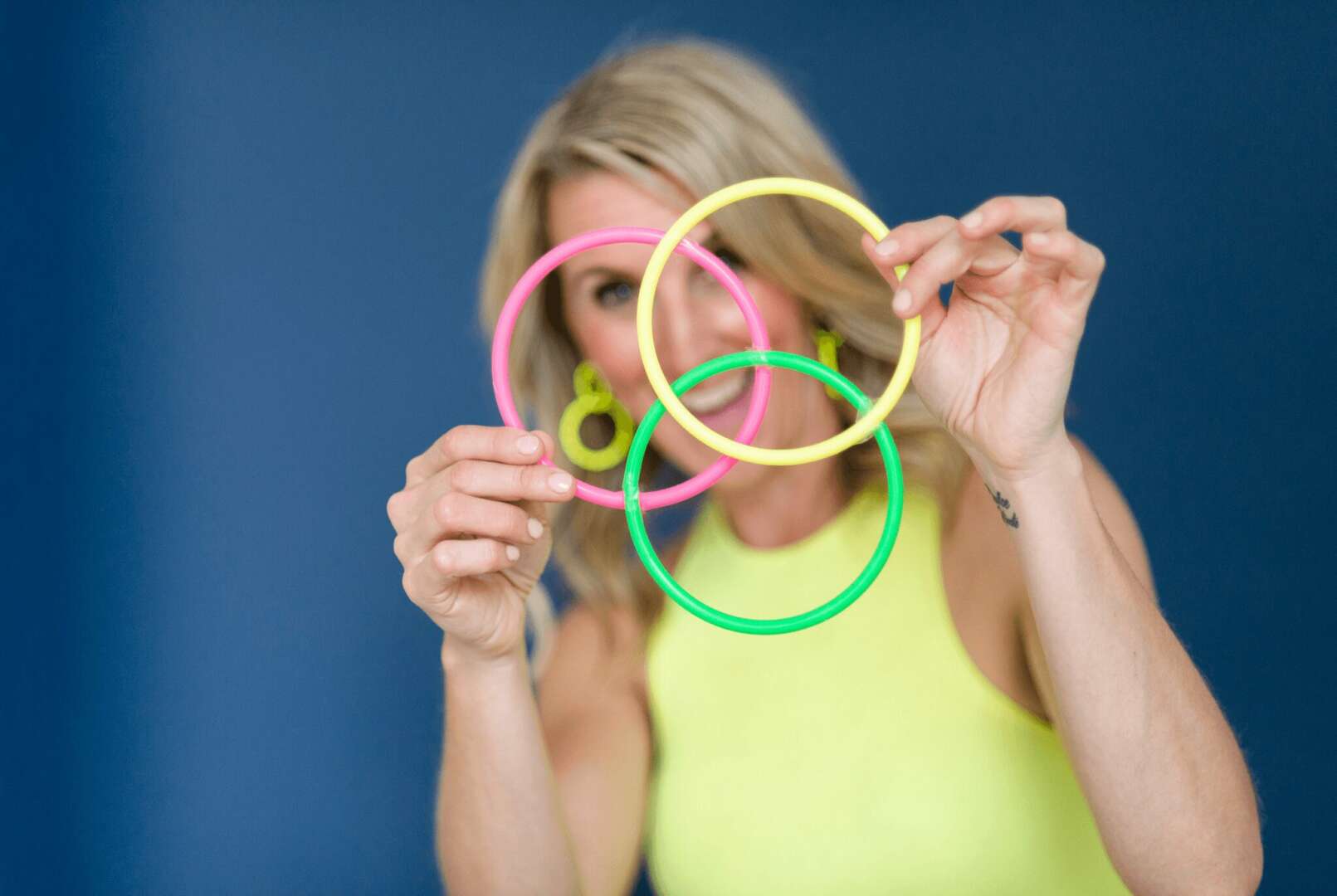
Eventually, I had an aha moment that changed everything. I realized I’m not a jack-of-all-trades, master of none, but actually I have a hybrid professional identity. It was an incredible realization. It came to me one day when I started listing my professional identities, writing down all the parts of myself that show up in my work and that I want to be known as. From there, I narrowed down my list to my professional identities that are my greatest areas of expertise, bring me joy, and I want to be know for. Suddenly, I decided to create a Venn diagram, and I placed my three top identities: artist, researcher, and educator inside each circle. It was then I knew I worked at the intersection of art, research, and education. That was my hybrid professional identity.
Discovering my hybrid professional identity unlocked my pent up frustration about who I really was in my nonlinear career. The moment I knew I was onto something was when I shared my Venn diagram with friends and coworkers. Watching their reactions as I explained how I saw myself in my work told me they got it. They finally appreciated me and recognized me for my hybrid value. It was an incredible relief and empowering tool. It completely changed how I saw myself in my work.
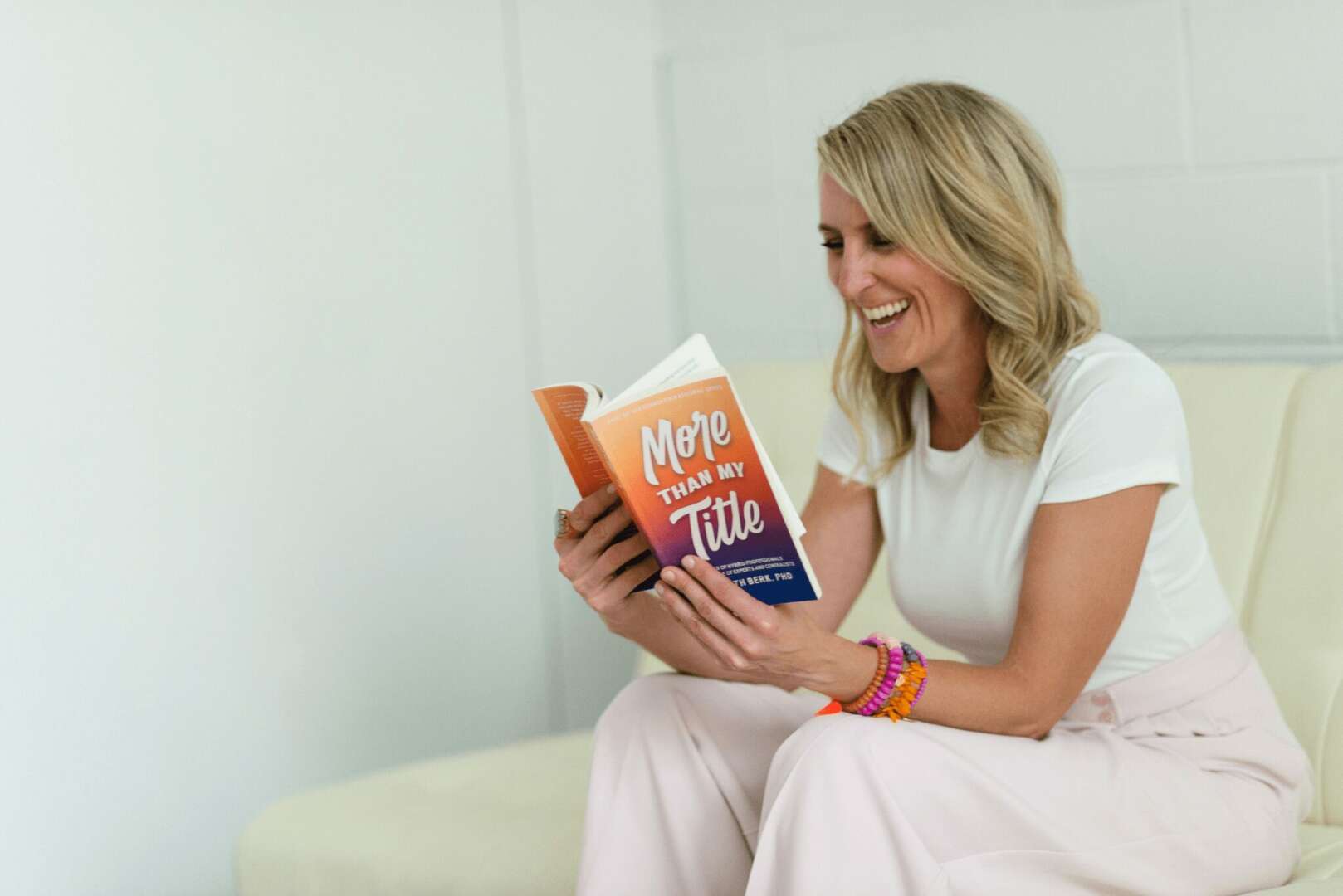
In 2020, I did a TEDx talk and published the book More Than My Title, which has evolved into keynote speaking, thought leadership, courses, and private coaching. I underestimated how many people feel the same way I did in my career. There is an unspoken movement around being more than our job titles and being pigeon holed as either experts or generalists. The third option is being a hybrid, which is a critical type of worker in the workforce
My individual clients come to me when they’re experiencing a career transition, struggling to find career fit, have been laid off or are soul searching about who they are in their work. Traditionally, in these moments, people hire a career coach or resume writer. My clients tell me they’ve tried those avenues and felt empty afterwards. It didn’t give them what they hoped for.
Companies and teams also ask me to facilitate custom professional identity trainings. These sessions support employee wellbeing and whole self at work initiatives. The end result is a stronger sense of self in each role, increased belonging, increased sense of purpose, and increased employee engagement.
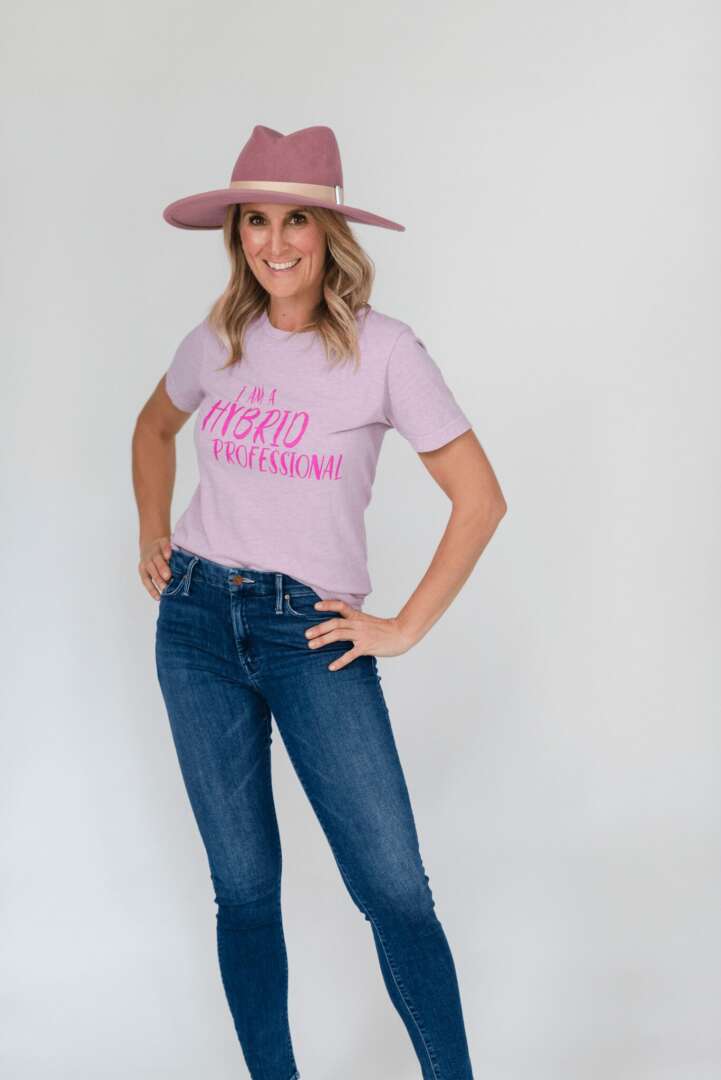
I offer cutting edge professional identity services and research that are missing from the workforce. I call myself a professional identity guide, and I’m the leading expert on hybrid professional identity. I help people define who they are in their work, not just what they do. Professional identity is how we see ourselves and want to be seen, known, and valued in the workforce. Professional identity encompasses our values, behaviors, ethics, skills, interests, and personality. Most of us can’t see who we are in our work, and it’s terribly difficult to be our own mirrors. I work with people to find the right words that describe you and clarify your unique value so that you feel more connected and accepted to yourself and others in your work.
More Than My Title is part personal branding, part identity development, and part career development. I’ve created my own methodology and seen it work with hundreds of individuals. I have years of data that support the efficacy of my tools. My mission is to build a movement that helps transform the entire workforce to have more awareness and clarity around their professional identity. This is a concept everyone should receive because it impacts employee engagement, retention, and the future of work.
What do you think helped you build your reputation within your market?
Building your reputation in a crowded world is such a hard thing to do today. The tricks people told me worked for them five years ago don’t work today because things are changing too quickly. What has helped me stand out the most is blind determination, naiveté and passion. First, I had to find an idea that I was absolutely obsessed with, which was the concept of hybrid professional identity. You have to have a topic that defines you, that you become known for, and that has a special twist that other people haven’t done before. It also helps if that idea is sticky or catchy, like being more than your title.
Before I even wrote the book or tried to market myself, I said yes to all kinds of crazy offers and opportunities from friends and people I networked with. I was young and honestly delighted to be invited to share my ideas with a crowd of six people at a bar or 60 people at a weekend conference, and get paid nothing! I just loved the chance to share my research before it was a business.
Once I was published and my work became more serious, then it became about social proof and connecting with people who had larger platforms than mine, which helped build my brand and reputation in other circles. The last thing I’ll say is just getting out there. The more people who know of you, meet you, and like you, the further you’ll go.
How did you put together the initial capital you needed to start your business?
My business is self-funded. I’ve started small because I’m not a high risk person and I wasn’t ready to make this a full-time commitment. I invest my profits back into the business and save scrupulously, so I have reserves for new initiatives, designs, or unplanned purchases. I started by putting a few thousand dollars on a credit card to pay for initial startup costs, legal services, and promotion, but otherwise I only grow the business as fast as my revenue grows. For now, this is the right speed and size that I can manage, but with a few years under my belt, I’m feeling more confident and starting to make plans for the future to see how far I can grow this business.
Contact Info:
- Website: https://www.morethanmytitle.com/
- Instagram: https://www.instagram.com/morethanmytitle/
- Linkedin: https://www.linkedin.com/in/sarabethberk/
- Youtube: https://www.youtube.com/@morethanmytitle
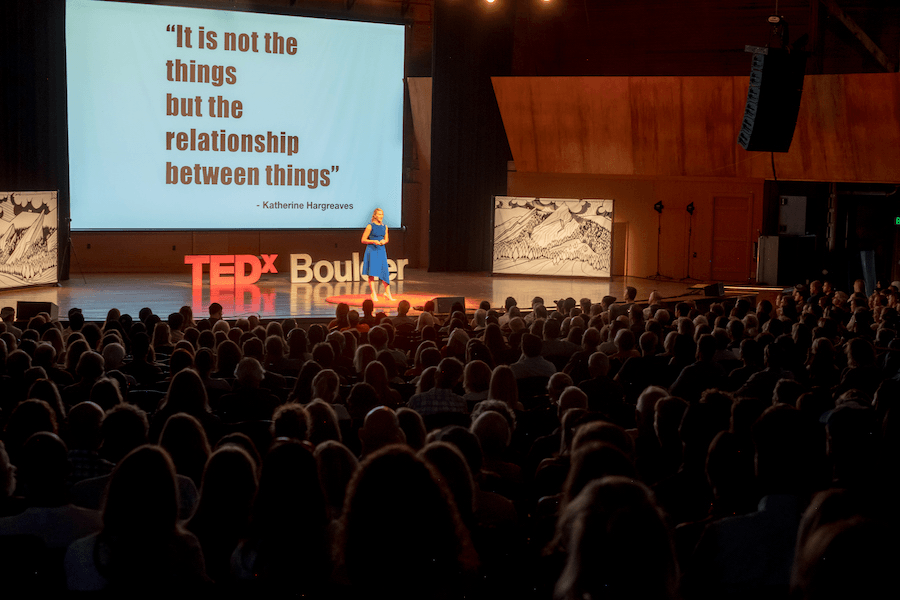
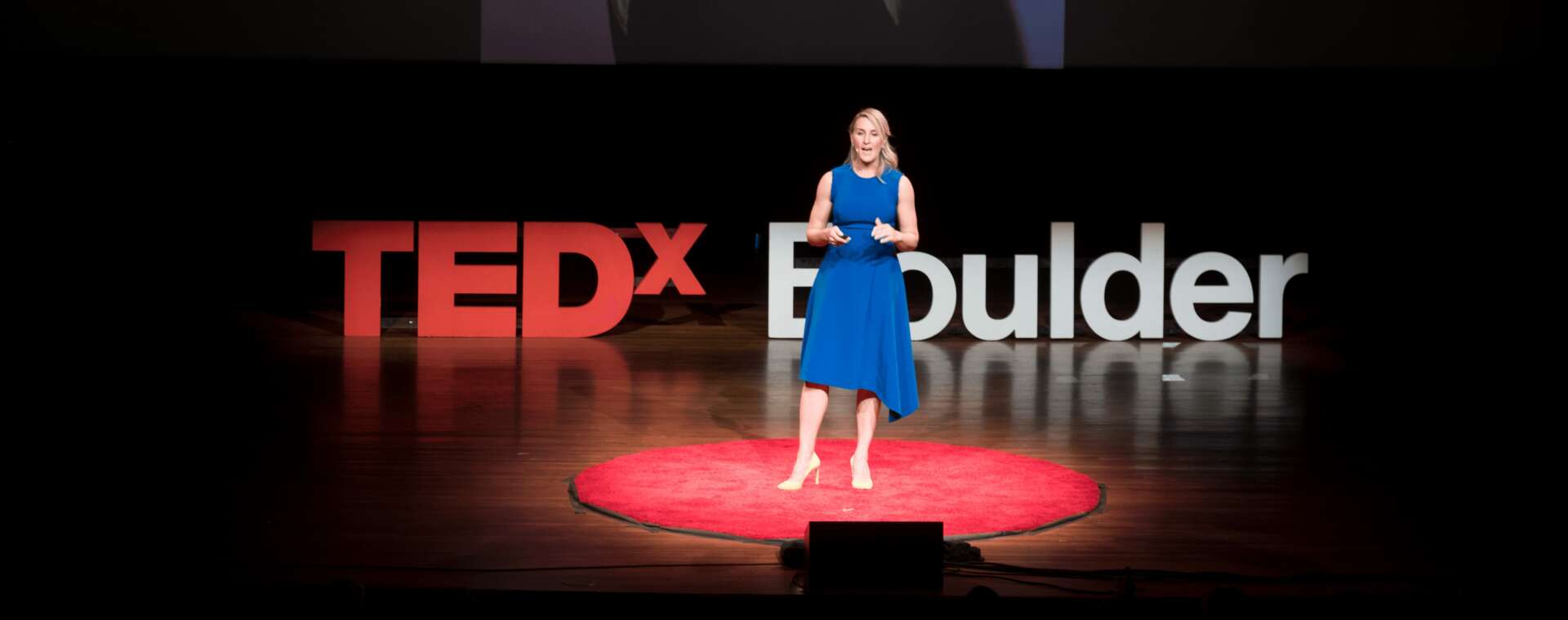
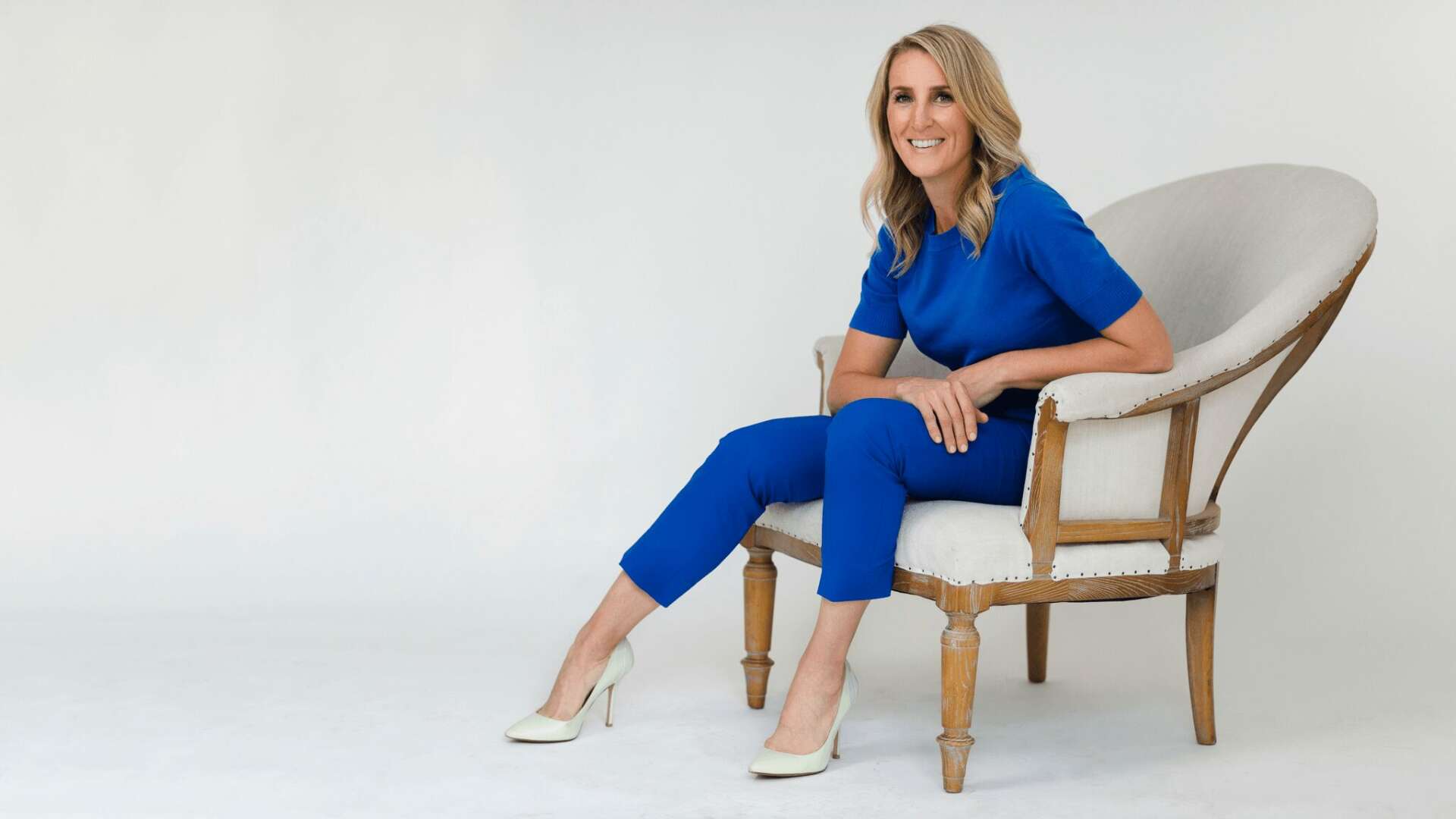
Image Credits
Art of Her (for all personal photos)
TEDx Boulder